2026 Best PCB Potting Solutions for Global Buyers?

Time:2026-08-19 Author:Isabella
0%

Pcb Potting is crucial for electronics' protection. It prevents moisture, dust, and mechanical stress. Global buyers need the best solutions in 2026.

Different applications require specific potting materials. Customers must consider factors like thermal performance and flexibility. Options vary significantly in quality and price.

Companies may face challenges in selecting the right solutions. Some products may not meet expectations. Research is key to making informed choices. Finding reliable suppliers can also be tough. Prospective buyers must evaluate all options carefully.
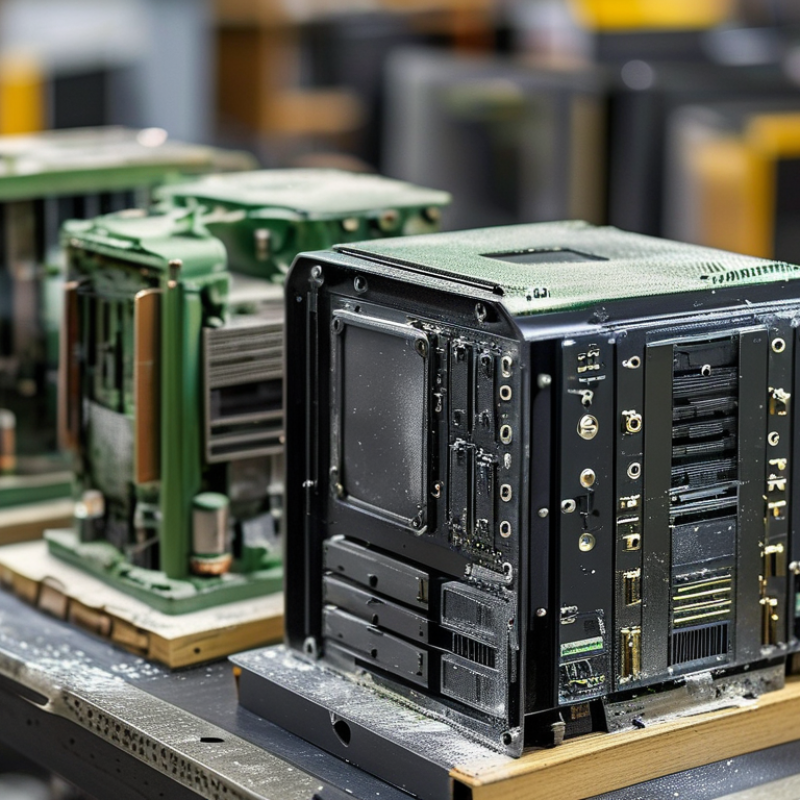
2026 Best PCB Potting Solutions for Global Buyers?

Understanding PCB Potting: Definition and Importance

Potting for printed circuit boards (PCBs) is crucial. It involves encapsulating components in a resin. This protects against moisture, dust, and other contaminants. According to a report by MarketsandMarkets, the global potting compounds market was valued at approximately $4.5 billion in 2021. Projected growth indicates a surge, reaching nearly $6.4 billion by 2026. Such statistics highlight its rising significance in electronics.

Choosing the right potting material can be challenging. Various factors affect the selection, such as thermal conductivity and environmental resistance. Epoxy resins are popular due to their excellent durability. However, they can be rigid, potentially leading to stress fractures. On the other hand, silicone-based potting compounds offer flexibility, which may be beneficial in harsh conditions. Evaluating the end-use environment is essential.

Tips: Ensure compatibility of potting materials with PCB components. Conduct tests prior to mass production. Consider working with experienced professionals for better outcomes. They can offer insights into the best practices and help avoid common pitfalls. Engaging in thorough research can guide good decision-making.

Types of Potting Compounds Used in PCB Protection

When it comes to PCB protection, selecting the right potting compound is essential. There are several types available, each with unique properties suited for different applications. Epoxy, polyurethane, and silicone are the most common choices. According to a recent industry report, epoxy resin accounts for approximately 45% of the global potting compound market due to its excellent adhesion and thermal stability.

Polyurethane is another popular option, valued for its flexibility and moisture resistance. It is particularly useful in environments where vibration and temperature fluctuations are common. Silicone compounds, while less common, offer superior thermal management. They are often deployed in harsh conditions, providing exceptional protection.

**Tips:** Always consider the operating environment of your PCB. The right potting compound can significantly extend the lifespan of electronic components. For extreme conditions, try testing multiple compounds to find the most effective option. Remember that the chosen material should not only protect your PCB but also enable easy assembly and rework if necessary. Even the best solutions might require adjustments based on specific requirements.

Key Factors to Consider When Choosing Potting Solutions

When selecting potting solutions, several important factors must be considered. The primary function of potting compounds is to protect electronic components. They should provide excellent insulation and ensure durability under various conditions. Temperature stability is crucial. A suitable solution must withstand extreme heat and cold without degrading.

Another key factor is the viscosity of the potting material. It needs to be low enough to penetrate tiny spaces yet high enough to stay in place. A material that flows easily can fill gaps and protect sensitive circuitry effectively.

**Tips:** Always verify that the potting solution complies with industry standards. Testing a small sample can reveal how it behaves in real-world applications. Avoid making decisions based solely on cost; investing in quality materials may save money in the long run. Consider the cure time. Solutions that cure too slowly can delay production schedules.

Choosing a solution may seem straightforward, but nuances exist that require careful assessment. Consider the environmental conditions the product will face. Potting materials should resist moisture and chemicals. Each project may expose components to unique risks. Attention to detail is essential, ensuring long-term reliability in demanding environments.

Top Suppliers and Products for PCB Potting in 2026

In 2026, the demand for high-quality PCB potting solutions is expected to surge globally. A recent report indicates that the global epoxy resin market, critical for potting applications, is projected to grow by 6.2% annually. This growth is driven by advancements in electronics and the need for enhanced thermal management. Potting compounds protect PCBs from moisture, dust, and mechanical stress, making them indispensable in many industries.

Choosing the right supplier is crucial. Factors such as product consistency, cure times, and viscosity should be considered. Some suppliers are focusing on eco-friendly formulas, reflecting the industry's shift towards sustainability. It’s essential to evaluate suppliers' certifications and customer feedback to ensure reliability.

Tips: Always request samples to test before making bulk purchases. Don't overlook small suppliers; they often provide innovative solutions and competitive pricing. Regularly reviewing your potting material choices can lead to improved performance and cost efficiency.

2026 Best PCB Potting Solutions for Global Buyers
Supplier Region Potting Material Type Temperature Range (°C) Curing Time (hrs) Approximate Price ($/kg)
North America Epoxy -40 to 120 2-4 30
Europe Silicone -50 to 200 6-8 50
Asia Polyurethane -40 to 110 4-6 25
Latin America Acrylic -20 to 100 1-2 40
Oceania Hybrid (Epoxy & Silicone) -40 to 150 3-5 35

Future Trends in PCB Potting Technologies and Materials

The future of PCB potting technologies looks promising. Innovative materials and techniques are emerging. These developments aim to enhance durability and functionality. Understanding trends can significantly benefit global buyers. Potting compounds are evolving to improve thermal management and moisture resistance.

Experts predict that bio-based materials will gain traction. Such materials are environmentally friendly and offer optimal performance. Additionally, advancements in automated dispensing systems are making potting processes more efficient. This ensures consistent application and reduced waste.

Tips for choosing potting solutions:

  • Always consider the operating environment.
  • Materials should withstand specific conditions like temperature and humidity.
  • Testing is crucial to determine compatibility with your application.
  • Invest in reliable suppliers who prioritize innovation and quality.
  • Regularly review new materials and technologies to stay competitive.
  • Being proactive about updates can prevent costly issues in the future.

FAQS

: What is PCB potting?

: PCB potting involves encapsulating components in resin. It protects against moisture, dust, and contaminants.

Why is potting important?

Potting enhances durability and provides insulation. It helps ensure long-term reliability in electronic components.

How do I choose the right potting material?

Consider thermal conductivity and environmental resistance. Popular options like epoxy and silicone each have unique benefits.

What factors affect potting material selection?

Key factors include temperature stability, viscosity, and environmental conditions the product will face.

How can I ensure potting materials are compatible?

Test samples before mass production. Assessing their behavior in real-life applications is crucial.

Should I prioritize cost over quality in potting materials?

Avoid focusing solely on cost. Investing in quality can save money and improve long-term performance.

What are future trends in PCB potting?

Innovations include bio-based materials and automated dispensing systems. These trends aim to enhance performance and efficiency.

How do environmental conditions influence potting choices?

Materials must withstand specific conditions like temperature and humidity. Assessing risks unique to each project is essential.

What role does viscosity play in potting materials?

Viscosity affects the material's ability to fill tiny spaces while staying in place. Balance is key for effective protection.

How can I stay updated on potting technologies?

Regularly review new materials and innovations. Staying informed helps prevent costly issues and keeps you competitive.

Conclusion

In 2026, understanding PCB potting is crucial for global buyers looking to enhance the longevity and reliability of their electronic components. PCB potting, which involves encapsulating circuit boards with protective compounds, safeguards against environmental factors such as moisture, dust, and mechanical stress. Various types of potting compounds, including epoxy, silicone, and polyurethane, offer distinct advantages depending on the application requirements. When selecting the right PCB potting solution, key factors such as thermal conductivity, viscosity, and curing time must be carefully considered to ensure optimal performance.

Moreover, as technology advances, future trends in PCB potting are likely to focus on the development of more sustainable materials and innovative application methods, promising improved efficiency and effectiveness in protecting electronic circuits. Top suppliers are expected to offer a range of products that meet the evolving needs of buyers in terms of both performance and environmental responsibility. Keeping abreast of these developments will be essential for businesses aiming to stay competitive in the rapidly evolving electronics market.

Isabella

Isabella

Isabella is a dedicated marketing professional with a sharp focus on driving brand growth and engagement through strategic content creation. With an extensive background in digital marketing, she combines her passion for storytelling with her keen understanding of industry trends to deliver......