2026 Top PCB SMT Machine Types for Global Buyers?

Time:2026-09-13 Author:Charlotte
0%

The 2026 SMT market is becoming more demanding, not simply larger. Electronics manufacturers now balance higher board density, shorter product cycles, energy costs, and uncertain component supply. For global buyers, selecting a Pcb Smt Machine requires more than comparing placement speed. Feeder stability, software compatibility, changeover time, inspection accuracy, and regional service support can determine real production value.

Industry evidence supports this broader view. IPC’s World PCB Production Report highlights continued regional shifts in printed circuit board manufacturing and supply-chain investment. IPC’s 2024 Electronics Industry Sentiment Survey also points to persistent concerns around labor, materials, and operating costs. Meanwhile, SEMI’s semiconductor manufacturing outlook shows expanding investment in advanced electronics infrastructure, which indirectly increases demand for reliable assembly equipment. Market studies from Grand View Research and Fortune Business Insights forecast continued growth in SMT equipment, although their market definitions and estimates differ. That difference matters.

Speed is not everything.

A machine placing 100,000 components per hour may underperform when feeders require frequent adjustment. A slower platform can deliver better uptime on mixed-volume production. Buyers should examine actual placement accuracy, board-size limits, component range, nozzle availability, maintenance records, and software integration. These details become visible beside a real production line: reels changing, operators checking alarms, and boards moving through inspection.

This guide compares the leading 2026 Pcb Smt Machine types for global buyers. It also questions common purchasing assumptions. Reported specifications are useful, but factory results depend on application, training, material quality, and service response. No single machine fits every plant. That is the part many comparisons overlook.
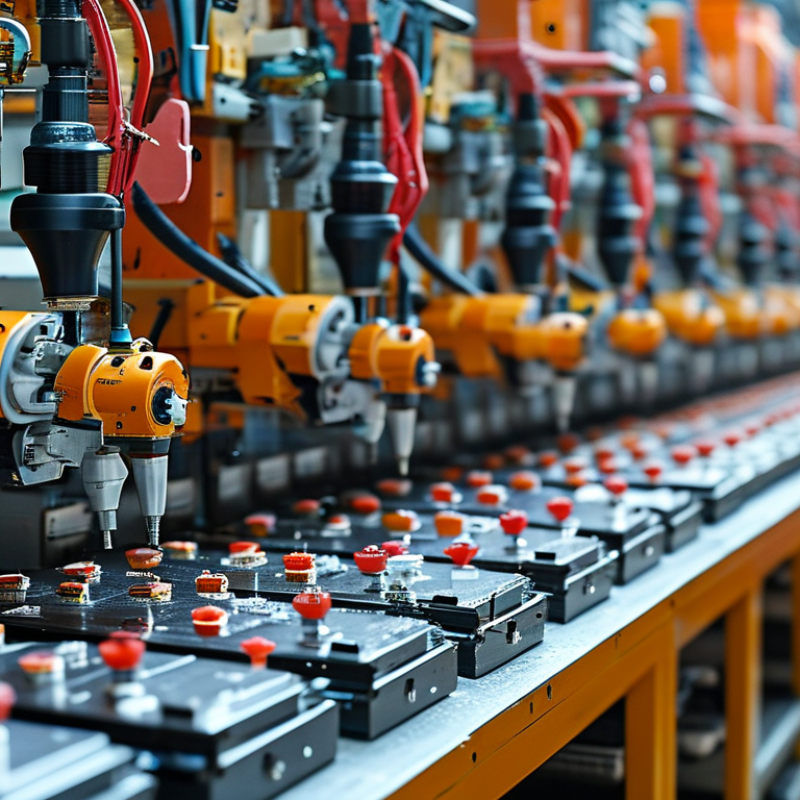
2026 Top PCB SMT Machine Types for Global Buyers?

What PCB SMT Machines Are and Why They Matter in 2026

PCB SMT machines place electronic components directly onto printed circuit boards. They form a connected production line, not isolated equipment. A stencil printer applies solder paste to copper pads. A pick-and-place machine positions tiny components with high speed and accuracy. A reflow oven then melts the paste under a controlled temperature profile. Inspection systems check solder joints, polarity, missing parts, and placement errors.

These machines matter in 2026 because product designs are smaller, denser, and less forgiving. Reliable SMT equipment reduces manual handling and improves repeatability across production sites. Feeders, conveyors, software controls, and traceability tools also affect real output. A fast machine may still perform poorly if its feeder changes are slow. That detail is often overlooked. Buyers should review placement accuracy, component range, maintenance access, training, and verified inspection results. Independent tests matter more than impressive brochures.

Tips: Ask for sample boards before purchasing. Measure real cycle time, changeover time, and defect rates. Confirm whether local technicians can calibrate and repair the equipment. Check the reflow profile with actual board materials, not only empty test panels. Do not choose speed alone. A balanced line usually creates fewer production surprises. Mistakes still happen, even with advanced automation. Build inspection and operator review into the process.

Key Types of PCB SMT Machines for Global Buyers

Key Types of PCB SMT Machines for Global Buyers

PCB SMT lines usually combine several machine types, rather than relying on one universal platform. A stencil printer applies solder paste to bare pads, while SPI checks paste volume and alignment. Pick-and-place machines then position tiny components at high speed. Reflow ovens melt the paste through controlled temperature zones. AOI systems inspect solder joints, polarity, and missing parts after heating.

According to Research and Markets, the global SMT equipment market is projected to grow at a mid-single-digit compound annual rate through 2030. This growth reflects demand for compact electronics, flexible production, and tighter quality control. For high-mix factories, modular placement machines may be more useful than maximum-speed equipment. A narrow conveyor can also limit future product changes. Small details matter.

Global buyers should evaluate board size, feeder capacity, placement accuracy, changeover time, and local service support. SPI and AOI reduce hidden defects, but they cannot replace skilled process engineers. IPC industry surveys continue to identify labor availability and supply-chain disruption as major manufacturing concerns. Therefore, buyers should consider offline programming, spare-part access, and operator training before comparing purchase prices.

I have seen fast lines lose productivity because setup work was underestimated. That mistake is expensive. A practical line may include a printer, SPI, placement equipment, reflow oven, AOI, and traceability software. Selective dispensing or cleaning equipment may be added for special assemblies. The best configuration depends on product mix, not impressive brochure speed.

2026 Top PCB SMT Machine Types for Global Buyers - Key Types of PCB SMT Machines for Global Buyers

SMT Machine Type Primary Function Typical Throughput or Capacity Typical Accuracy or Process Capability Compatible Components or Boards Main Selection Criteria Best Fit for Global Buyers
Automatic Solder Paste Printer Deposits solder paste through a stencil onto PCB pads before component placement. Approximately 8–20 seconds per board, depending on board size, cleaning cycle, and inspection functions. Typical print repeatability is about ±12.5–25 µm under controlled production conditions. Fine-pitch ICs, QFNs, BGAs, chip components, and standard leaded devices. Stencil alignment, underside cleaning, paste control, board support, changeover time, and maximum PCB dimensions. Factories requiring stable solder-paste deposits, repeatable quality, and reduced manual setup.
High-Speed Pick-and-Place Machine Places high volumes of small SMT components onto solder-pasted PCBs. Roughly 30,000–100,000 components per hour, normally stated as theoretical or optimized speed. Common production accuracy ranges from approximately ±30–50 µm, depending on component and board conditions. 0603, 0402, and similar chip components; small and medium leaded packages. Feeder capacity, actual placement speed, changeover method, nozzle availability, line software, and maintenance support. High-volume consumer, lighting, automotive electronics, and industrial production lines.
Flexible or Modular Pick-and-Place Machine Places a broad mix of component sizes and package types for varied production. Approximately 5,000–30,000 components per hour, depending on product mix and placement distance. Often about ±25–50 µm for suitable components and properly prepared boards. Small chip parts, connectors, larger IC packages, odd-form components, and mixed-size assemblies. Component range, feeder flexibility, nozzle system, product changeover, software libraries, and expansion options. Contract manufacturers, prototype facilities, and plants producing many PCB models in medium volumes.
3D Solder Paste Inspection Machine Measures solder-paste volume, height, area, offset, bridging risk, and deposit shape. Commonly 10–30 seconds per board, depending on board area, resolution, and inspection coverage. Typical height measurement resolution is in the micrometre range; performance varies with optics and calibration. Fine-pitch pads, BGA and QFN lands, leadless packages, and dense mixed-technology boards. 3D measurement method, repeatability, false-call rate, library creation, data export, and closed-loop printer control. Quality-focused operations seeking early detection of insufficient, excessive, or misaligned solder paste.
Reflow Soldering Oven Heats assembled PCBs according to a controlled thermal profile to melt and solidify solder paste. Usually 8–12 heating zones plus cooling zones; conveyor speeds often range from about 0.3–2.0 m/min. Temperature uniformity is commonly controlled within approximately ±2–3°C across the working area. Lead-free and tin-lead solder processes, double-sided assemblies, and boards with thermal-mass variation. Number of zones, usable width, thermal profiling, nitrogen option, energy consumption, exhaust, and maintenance access. Nearly all automated SMT lines, especially those requiring consistent lead-free soldering.
Automated Optical Inspection Machine Uses cameras and software to detect missing, shifted, wrong, polarity-reversed, or poorly soldered components. Approximately 10–40 seconds per board, depending on inspection area, camera resolution, and program complexity. Can identify placement and solder-joint defects at component and pad level; results depend on lighting and programming. Most visible SMT components and solder joints, including fine-pitch and high-density assemblies. 2D or 3D capability, false-call control, defect library, programming time, traceability, and MES connectivity. Manufacturers needing in-line process feedback, traceability, and consistent visual inspection.
X-Ray Inspection Machine Inspects hidden solder joints and internal structures that cannot be evaluated reliably by optical systems. Typically used for sampling or targeted inspection; cycle time depends heavily on magnification and inspection area. Can reveal voids, opens, shorts, insufficient solder, and hidden defects beneath packages. BGAs, QFNs, bottom-terminated components, power modules, and multilayer solder connections. 2D or computed tomography, resolution, safety enclosure, inspection software, sample throughput, and operator training. High-reliability electronics, aerospace-related products, power electronics, and complex hidden-joint assemblies.
Component Storage and Feeder Management System Stores, identifies, and supplies reels, trays, and moisture-sensitive components to the SMT line. Capacity varies from several hundred reels to automated warehouse-scale storage. Improves inventory accuracy and reduces setup errors rather than directly determining placement accuracy. Reels, trays, tubes, moisture-sensitive devices, and components requiring controlled storage conditions. Barcode or RFID traceability, humidity control, first-in-first-out management, feeder compatibility, and software integration. Global plants managing many part numbers, strict traceability, or frequent product changeovers.
Selective Soldering Machine Applies molten solder locally to through-hole or mixed-technology joints after SMT assembly. Cycle time commonly ranges from about 30 seconds to several minutes, depending on the number of joints. Provides localized soldering with programmable nozzle movement and controlled preheating. Through-hole connectors, terminal blocks, large components, and mixed SMT/THT boards. Nozzle selection, flux control, preheat uniformity, solder pot management, nitrogen use, and board clearance. Low-to-medium-volume mixed-technology production where full wave soldering is inefficient.
SMT Conveyor and Board Handling Equipment Transfers, buffers, flips, unloads, or routes PCBs between printing, placement, soldering, and inspection stages. Usually synchronized with the line takt time; standard conveyor widths often support PCBs up to about 50–600 mm wide. Maintains controlled board positioning and smooth transfer between process steps. Standard rigid PCBs, panels, double-sided boards, and selected flexible or carrier-mounted assemblies. Board width range, transfer method, buffer capacity, ESD protection, conveyor height, and line-control compatibility. Any automated SMT line requiring stable material flow, reduced handling, and scalable production layout.

Note: Performance figures are representative industry ranges for 2026 planning and comparison. Actual results depend on PCB dimensions, component mix, solder materials, program settings, operator skill, and factory conditions.

How Each SMT Machine Type Supports the Assembly Process

2026 Top PCB SMT Machine Types for Global Buyers

How Each SMT Machine Type Supports the Assembly Process

A reliable SMT line begins with the stencil printer. It deposits solder paste onto each PCB pad, shaping the foundation for stable joints. SPI checks paste volume, height, and alignment before components are placed. This early inspection can prevent expensive rework later. A pick-and-place machine then positions tiny resistors, processors, and connectors with controlled speed and accuracy. Feeder condition matters more than many buyers expect. A worn feeder can create repeated placement errors.

The reflow oven heats the assembled board through controlled temperature zones. Proper profiling helps solder melt evenly without stressing sensitive components. After reflow, AOI checks missing parts, polarity, bridging, and visible solder defects. Some lines also use X-ray inspection for hidden joints beneath certain packages. Board handling equipment supports smooth movement between each stage. It seems simple, but poor transfer control can scratch boards or disturb components.

Tips: Ask for process data, not only machine speed. Check compatible board sizes, feeder capacity, temperature control, inspection resolution, and service availability in your region. Run sample boards before purchase. Real production results may differ from catalog figures. Leave room for adjustment; even a well-planned line can reveal unexpected defects.

2026 Top PCB SMT Machine Types for Global Buyers

How each SMT machine type supports the assembly process

The chart shows an indicative share of total SMT line cycle time for a representative mixed-technology PCB production line. Pick-and-place equipment usually has the largest operational impact, while printers, inspection systems, reflow ovens, and material-handling equipment support solder deposition, quality control, thermal soldering, and continuous board flow. Actual figures vary by board complexity, component mix, changeover frequency, and line configuration.

Essential Features for Comparing SMT Equipment Worldwide

2026 Top PCB SMT Machine Types for Global Buyers

Comparing SMT equipment worldwide requires more than checking placement speed. Buyers should examine solder paste printers, pick-and-place machines, reflow ovens, inspection systems, and material dispensers as one production system. Each machine should match the PCB size, component range, daily volume, and expected changeover frequency.

A fast placer may perform poorly when feeder access is slow. That detail is easy to miss.

Accuracy, repeatability, and process control deserve close attention. SPI can identify paste volume problems before placement continues. AOI can detect missing, shifted, or poorly soldered components after reflow. Reflow ovens should provide stable temperature zones, clear data records, and efficient energy use. Ask for real production evidence, not only brochure figures. Request sample boards and review results with experienced operators.

Global operation adds practical concerns. Check voltage compatibility, safety certifications, software language options, data security, spare-part availability, and remote support. Training quality matters when technicians work across different time zones.

Total cost includes installation, maintenance, compressed air, electricity, and expected downtime. A cheaper machine can become expensive after repeated stoppages.

No comparison is perfect. I have seen teams overvalue headline speed and undervalue cleaning access. That mistake often appears months later. Consider local service capacity, customs planning, and factory conditions before approving the final equipment configuration.

How to Select the Right PCB SMT Machine for Your Factory

Selecting a PCB SMT machine begins with your actual production profile, not a brochure. Review monthly board volume, component sizes, package variety, and changeover frequency. A high-speed placer may waste money in a mixed-model factory. A flexible machine can be slower, yet more productive across frequent job changes. Measure the smallest parts, largest connectors, and heaviest components you will run. Record them carefully. Small data gaps often become expensive upgrades.

During factory evaluations, I compare placement accuracy, feeder capacity, conveyor width, and software usability. Ask operators to load a real job, not a demonstration board. Watch nozzle changes, feeder access, alarm recovery, and inspection handoffs. These details reveal practical downtime. Check whether the machine supports your existing stencil printer, oven, inspection system, and factory network. Confirm electrical requirements, compressed-air quality, floor space, and maintenance access. A machine that fits poorly can disrupt an otherwise capable line.

Supplier support deserves the same attention as placement speed. Request training records, spare-parts lead times, preventive-maintenance schedules, and service response terms. Global buyers should verify local technical support and shipping arrangements. Test representative boards before signing. Compare output after changeovers, not only peak placements per hour. Be realistic about future products, but avoid paying for features you cannot use. I have seen teams select advanced platforms and later struggle with complex setup. That choice looked impressive. It was not efficient. Leave room for operator feedback, process trials, and one uncomfortable question: what happens when the main machine stops?

FAQS

What does an SMT production line do?

A stencil printer applies solder paste to copper pads. A placement machine positions tiny components. A reflow oven melts the paste. Inspection equipment checks solder joints, polarity, and missing parts.

Why do SMT machines matter in 2026?

Modern circuit boards are smaller and denser. Small placement errors can cause serious defects. Automated equipment improves repeatability and reduces manual handling. Mistakes still happen.

Which machines are essential for an SMT line?

Most lines include a solder paste printer, placement machine, reflow oven, and inspection system. Feeders, conveyors, software, and traceability tools also affect output.

How should buyers compare placement machines?

Check accuracy, repeatability, component range, feeder access, and changeover time. Do not judge speed alone. A fast machine can still create delays.

What should a buyer test before purchasing?

Request sample boards and measure real cycle time. Check changeover time and defect rates. Use actual board materials when testing reflow profiles. Empty panels can mislead.

How do inspection systems improve production?

Paste inspection can find poor volume before placement continues. Optical inspection can detect missing, shifted, or badly soldered components. Operator review remains useful.

What practical issues affect global SMT equipment operation?

Confirm voltage compatibility, safety certification, software language options, and data security. Check spare parts and remote support. Local repair access matters greatly.

What costs should buyers calculate beyond the machine price?

Include installation, maintenance, compressed air, electricity, training, and possible downtime. A cheaper machine may become expensive after repeated stoppages. This is easy to underestimate.

How can a factory reduce unexpected production problems?

Choose equipment matching board size, component range, volume, and changeover frequency. Keep cleaning access practical. Verify service capacity and factory conditions before approval. No comparison is perfect.

Conclusion

In 2026, a Pcb Smt Machine is a key part of modern electronics manufacturing, helping factories place and assemble tiny components on printed circuit boards with speed, accuracy, and repeatability. This overview explains the main machine types used by global buyers, including solder paste printers, pick-and-place systems, reflow ovens, inspection equipment, and supporting handling solutions. Each type performs a different role, from preparing the board and positioning components to creating reliable solder joints and verifying production quality.

When comparing SMT equipment worldwide, manufacturers should consider placement accuracy, production capacity, board compatibility, software control, maintenance requirements, energy efficiency, operator safety, and long-term support. Selecting the right Pcb Smt Machine depends on product complexity, expected output, available factory space, workforce skills, and budget. A well-planned combination of equipment can improve process stability, reduce material waste, support flexible production, and create a scalable assembly line that meets changing customer and market demands.


Charlotte

Charlotte

Charlotte is a seasoned marketing professional with a deep understanding of the company's portfolio and a passion for elevating its presence in the market. With a keen eye for detail and a commitment to excellence, she ensures that our professional blog is regularly updated with insightful articles......