Choosing the right Solder Cleaner can make a significant difference in your projects. According to industry expert Dr. Emily Turner, "The right cleaner not only improves performance but also prolongs equipment life." In today's competitive environment, ensuring a clean and effective solder joint is crucial.
There are many options available, from alcohol-based cleaners to water-soluble solutions. Each type of Solder Cleaner serves different purposes. For instance, some may effectively remove flux residues while others might be better suited for environmental safety. The choice relies heavily on your specific needs and the nature of your work.
Evaluating several factors is essential before making a decision. Consider the materials you use and the setting in which you're working. Don't overlook the effectiveness of each cleaner. Some products may promise much but deliver little. Reflection on your past experiences with different cleaners can guide you towards the best choice for your current projects.
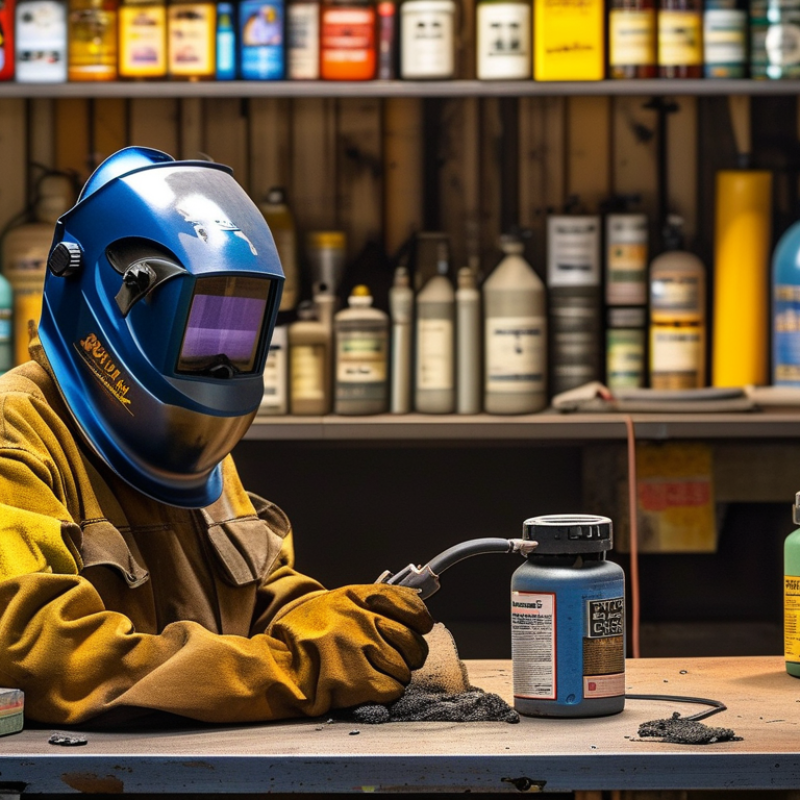
In the realm of electronics, solder cleaners play a crucial role in ensuring the quality and longevity of electronic devices. A clean surface is essential for optimal soldering. Residues left from the soldering process can lead to electrical failures. They also contribute to corrosion over time, which can compromise connections. Therefore, choosing the right solder cleaner becomes vital for any technician or electronics hobbyist.
Each solder cleaner comes with different properties suited for specific applications. Some cleaners are solvent-based, effective for removing tough flux residues. Others are water-based and gentler on sensitive components. The choice of cleaner can affect the performance of the final product. Without proper cleaning, even the best solder joints can fail. Addressing the importance of the right cleaner is often overlooked in tutorials and guides, yet it remains a foundational aspect of quality electronics work.
Many users find themselves choosing cleaners without fully understanding their actions. Products may work, but effectiveness can vary based on application and residues present. Experience shows that trial and error is often part of the learning process. Understanding your specific needs helps refine choices. An informed decision can ultimately lead to better results.
| Solder Cleaner Type | Suitable Surface Types | Cleaning Method | Drying Time | Environmental Impact |
|---|---|---|---|---|
| Isopropyl Alcohol | Circuit Boards, Metal | Wipe and Spray | Quick (1-5 min) | Low |
| Flux Remover | Solder Joints, Circuit Boards | Aerosol Spray | Moderate (5-10 min) | Variable |
| Water-Soluble Cleaner | General Electronics | Dip and Wash | Varies (10+ min) | Moderate |
| No-Clean Flux | High-End Electronics | No Cleaning Required | N/A | Low |
| Solvent-Based Cleaner | Heavy Residue | Wipe or Spray | Fast (1-3 min) | High |
: The main types are solvent-based and water-based cleaners. Each type has unique benefits and drawbacks.
They dissolve flux and contaminants really well. However, they can have strong fumes and require careful handling.
Yes, water-based cleaners are generally safer and environmentally friendly. They are easier to use but may not tackle heavy residues.
Effectiveness is crucial. Over 70% of technicians prioritize cleaning performance for better solder joint reliability.
Inadequate cleaning can lead to circuit failures and decreased connectivity. This impacts the overall performance of the device.
Check the safety data sheets (SDS) for each product. Look for safer options with lower VOC levels to minimize risks.
Be wary of overly optimistic claims. Some products may not deliver as promised and may require independent reviews.
No, what works in one case may not work in another. Different applications may need various cleaning methods.
Experimenting with different cleaners based on circumstances is vital for finding the best solution for your needs.
Yes, seeking opinions from peers can provide valuable insights and help you choose the right cleaning solution.
Choosing the best solder cleaner for your needs is crucial in maintaining the efficiency and longevity of electronic components. Understanding the importance of solder cleaners in electronics involves recognizing their role in removing flux residues and contaminants that can hinder electrical performance. There are various types of solder cleaners available, including solvent-based and water-based options, each with unique benefits and applications.
When selecting a solder cleaner, consider factors such as effectiveness, safety, and environmental impact. Evaluating the performance of a solder cleaner also requires assessing its ability to thoroughly clean while ensuring safety for the user and equipment. Moreover, cost considerations play a significant role in budgeting for solder cleaning needs, making it essential to find a balance between quality and affordability. Ultimately, the right solder cleaner will effectively meet your specific cleaning requirements while aligning with your budget.

 Anyco Automation