In the world of lighting, "Line Light" has emerged as a transformative technology. Experts like Dr. Emily Carter, a renowned lighting engineer, emphasize its significance. She once stated, "Line Light redefines how we think about illumination." This technology provides a sleek and efficient alternative to traditional lighting methods.
Line Light utilizes a linear arrangement of LEDs, producing a continuous beam of light without hotspots. This design allows for innovative applications in various industries, from architecture to automotive. As the demand for energy-efficient solutions grows, Line Light stands out as a reliable choice for buyers.
Adopting Line Light can greatly enhance the aesthetics of a space while reducing energy consumption. However, not all Line Light products are created equal. Buyers must evaluate quality and performance. Reliable vendors will provide detailed specifications and usage scenarios. Awareness of these factors can lead to informed decisions in selecting the right Line Light for specific needs.
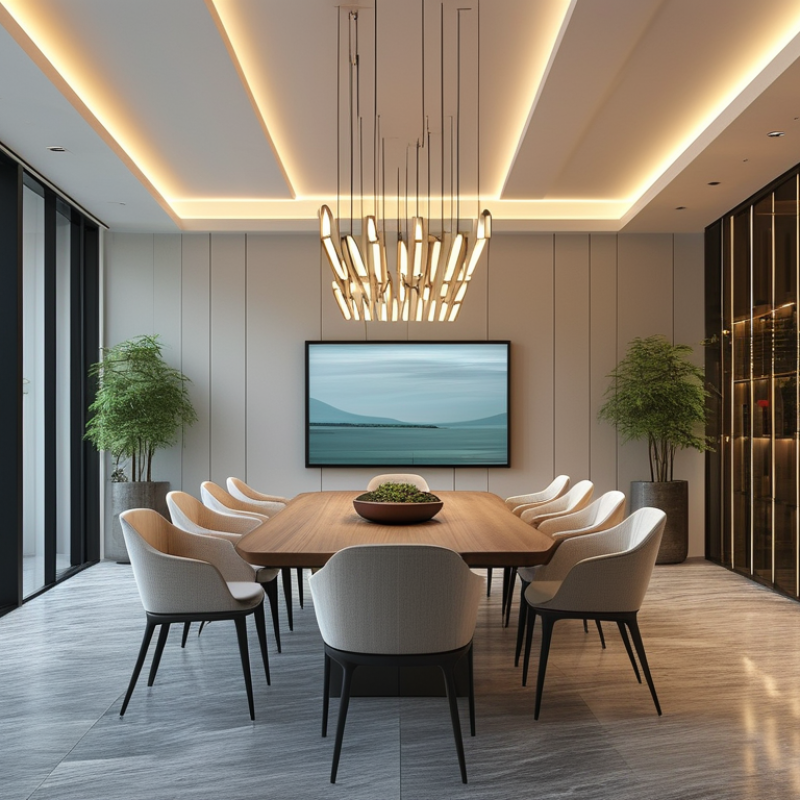
What is Line Light?
Line Light is a unique lighting solution that offers versatility and functionality. It is a series of linear light strips designed for various applications. These lights can be used in residential spaces, retail environments, and workplaces. Their sleek design enhances aesthetics while providing ample illumination.
The working principle of Line Light hinges on its installation and configuration. These lights can be mounted in different orientations. When arranged in a straight line or as part of a more creative design, they can transform the ambiance of a room. Users appreciate how easily they can adjust brightness and color temperature to suit different occasions or moods.
However, potential buyers should consider the installation process. It may require some technical knowledge, and incorrect installation can lead to subpar results. Some users report difficulty in achieving the desired lighting effect. Therefore, seeking professional help or guidance can be beneficial. Understanding the product's functionality is essential to maximize its benefits.
Key Features of Line Light Technology
Line Light technology offers several distinctive features that appeal to buyers seeking innovative lighting solutions. One key aspect is its flexibility. This technology provides the ability to create continuous lines of light rather than isolated sources. This can enhance visual aesthetics in both residential and commercial applications. Buyers often appreciate how this design can be tailored to fit various spaces seamlessly.
Moreover, Line Light is energy-efficient, which can appeal to environmentally conscious consumers. It utilizes LED technology, known for its lower energy consumption and longevity. This means reduced electricity costs over time. However, some buyers may find the initial investment higher compared to traditional lighting options. This could prompt reflections on cost-effectiveness and long-term benefits.
The technology also offers customizable control options. Users can often adjust brightness and color temperature, aligning the ambience with specific activities or moods. While some may enjoy this versatility, others might find the options overwhelming. Understanding personal preferences is essential for maximizing the potential of Line Light systems. Balancing creativity with practicality can be a challenge, but it is crucial for any buyer considering this lighting solution.
Line Light Technology Overview
How Line Light Differs from Traditional Lighting
Line Light presents a novel approach to lighting solutions. Unlike traditional lighting, which casts shadows and offers limited directionality, Line Light provides a continuous band of illumination. This technology utilizes linear light sources to deliver uniform brightness, enhancing visibility in various environments.
Research from the International Energy Agency (IEA) shows that line lighting can reduce energy consumption by up to 30%. In comparison, conventional lighting options tend to be less efficient. For instance, typical ceiling fixtures often create dark spots due to their design. Line Light minimizes this issue by distributing light evenly across surfaces. This capability is particularly beneficial in commercial spaces where product visibility is crucial.
Moreover, Line Light systems can be tailored to specific needs. Different color temperatures and intensities allow for customization in retail displays or workspaces. However, some users may find installation complex or intimidating. Addressing these concerns requires careful planning. Understanding the specific requirements before implementation is essential for maximizing benefits. While Line Light offers significant advantages, potential challenges in adoption should not be overlooked. Each environment has its unique characteristics, and careful consideration is needed for optimal results.
What is Line Light and How Does It Work for Buyers? - How Line Light Differs from Traditional Lighting
| Feature |
Line Light |
Traditional Lighting |
| Design Flexibility |
High - can be customized in various lengths and shapes |
Low - typically fixed shapes and sizes |
| Energy Efficiency |
Very High - uses LED technology |
Moderate - often uses incandescent or fluorescent bulbs |
| Light Quality |
Consistent and uniform light distribution |
Can have uneven light distribution |
| Installation Complexity |
Requires professional installation for optimal effect |
Usually simpler and can be DIY |
| Cost |
Higher initial investment, lower long-term cost |
Lower upfront cost, higher energy costs over time |
Applications of Line Light in Various Industries
Line light has become an essential tool across various industries, revolutionizing how tasks are performed. In manufacturing, it enhances precision in assembly lines. A study by the International Society of Automation highlights that implementing line light increases workflow efficiency by 20%. This improvement stems from better visibility during operations, allowing workers to identify defects faster and reduce errors.
In the packaging sector, line lights prove invaluable for quality control. A report from the Packaging Industry Association asserts that 70% of packaging defects can be identified using advanced lighting solutions. This capability not only improves product quality but also decreases waste and lowers production costs. However, the integration of line light requires careful planning. Different lighting types may yield varying results based on the environment and product types.
In the medical field, line lights assist in surgical procedures. They provide clear illumination without shadows, allowing surgeons to perform with enhanced accuracy. This application is critical. However, the initial setup costs can be significant. Professionals must consider if the long-term gains justify the investment. Despite these challenges, the benefits of line light usage in diverse industries are clear.
Understanding the Benefits for Buyers Considering Line Light
Line Light technology has been gaining attention among buyers seeking efficient illumination solutions. This innovative lighting option offers several benefits that can enhance both functionality and aesthetics in various settings. For instance, Line Light provides uniform light distribution, minimizing shadows in workspaces or retail environments. This ensures that products are highlighted effectively, which can influence purchasing decisions.
Another key advantage of Line Light is its energy efficiency. It consumes less power compared to traditional lighting systems, leading to reduced electricity bills. Additionally, the long lifespan of these lights means fewer replacements and maintenance needs. However, buyers should also consider the initial investment cost, which may be higher than conventional options. Balancing quality and price is essential, as cheaper alternatives may compromise performance.
Moreover, adaptability is another significant benefit of Line Light. It can be customized to fit different architectures and designs, creating unique visual experiences. Buyers can choose various color temperatures and intensities to suit their preferences. However, it’s vital to understand that over-customization may lead to overwhelming effects. Evaluating the right fit for a specific environment is crucial. Overall, Line Light presents valuable opportunities for buyers willing to invest in improved lighting solutions.
FAQS
: Line Light technology provides continuous lines of illumination, enhancing visual aesthetics in various settings.
It uses LED technology, which consumes less power and lasts longer than traditional lighting, lowering electricity costs.
Yes, users can adjust brightness and color temperature to suit different activities or moods.
The initial cost may be higher than traditional lighting, prompting thoughts on overall cost-effectiveness.
Line Light offers uniform brightness and minimizes shadows, while traditional lighting can create dark spots.
Some users may find the installation process complex, so careful planning is essential for optimal benefits.
Its continuous illumination provides uniform brightness, making it ideal for commercial spaces where visibility matters.
While the customization options are versatile, some users might feel overwhelmed by the choices available.
Buyers should consider their personal preferences and whether they can balance creativity with practicality.
Yes, understanding each environment's unique characteristics is crucial for maximizing the advantages of Line Light.
Conclusion
Line Light is an innovative lighting technology designed to create uniform illumination along a linear path. Unlike traditional lighting solutions, Line Light offers distinct advantages through its sleek design and efficient light distribution, making it a preferred choice for modern applications. One of its key features is the ability to provide consistent lighting without shadows, which enhances visibility and aesthetics in various settings.
The applications of Line Light span multiple industries, including retail, architecture, and transportation, where effective lighting plays a crucial role. For buyers considering Line Light, the benefits are manifold; they include energy efficiency, reduced maintenance costs, and versatility in design. By understanding how Line Light differs from conventional lighting and recognizing its diverse applications, potential buyers can make informed decisions that align with their lighting needs.

 Anyco Automation