Mastering SMT soldering techniques is crucial for achieving optimal results in electronics manufacturing. Renowned expert Dr. Jane Smith emphasizes, “Precision in SMT soldering often defines the quality of the final product.” This highlights the importance of skill and attention to detail in the SMT soldering process.
Soldering surface-mounted components requires practice and patience. Many beginners struggle with heat control and solder application. Common mistakes include overheating components or applying too much solder. Reflecting on these challenges can lead to better techniques and improved outcomes.
In this ever-evolving industry, continuous learning is essential. Embracing both successes and failures helps refine one's soldering skills. Developing a deeper understanding of SMT soldering can significantly impact productivity and product reliability. By focusing on best practices and learning from mistakes, one can strive for excellence in this field.
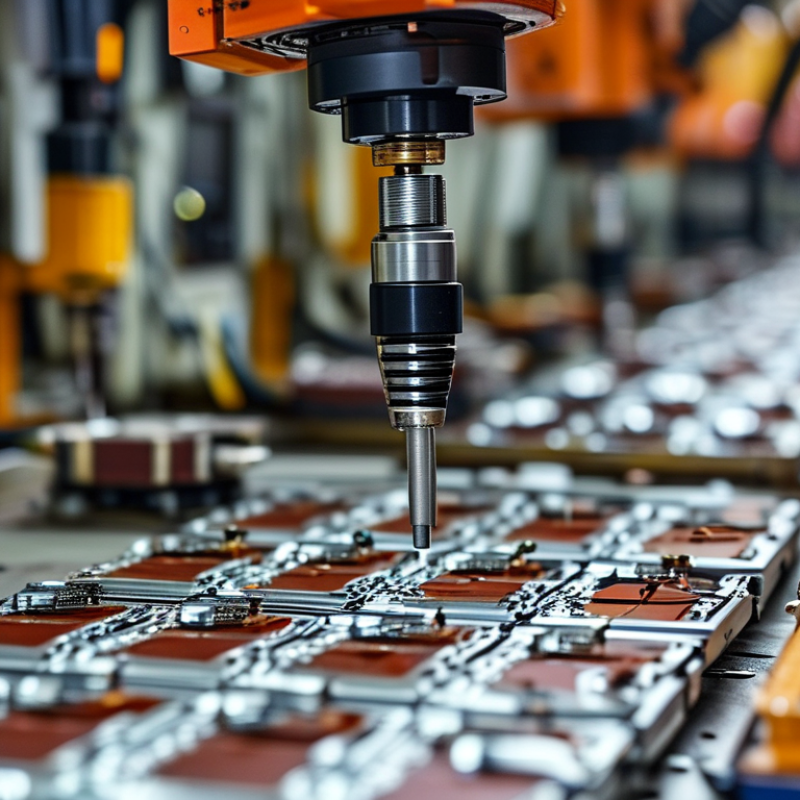
Mastering SMD soldering requires the right tools and equipment. Essential items include a soldering iron with a fine-tip, solder with a compatible alloy, and soldering flux. A good soldering station enhances temperature control and minimizes errors. A magnifying glass or microscope is invaluable for inspecting tiny solder joints.
Software tools complement the hardware, as circuit design software aids in planning your projects. Additionally, a desoldering pump can save time when correcting mistakes. Remember that practice makes perfect. It’s common to have a few failed attempts when starting out. Embrace these moments; they teach resilience and improve skills.
Safety equipment is equally important. A fume extractor keeps harmful fumes at bay. Use anti-static wrist straps to protect sensitive components. Regularly check your tools for maintenance. A neglected soldering iron may lead to poor connections. Investing time in understanding these essentials can elevate your soldering game significantly.
| Tool/Equipment | Description | Purpose | Recommended Usage |
|---|---|---|---|
| Soldering Iron | A tool with a metallic tip heated to melt solder. | Joining electronic components. | Use a fine tip for SMD components. |
| Solder Wire | Metal alloy used for making solder joints. | Fills the joints between components. | Choose lead-free solder for environmental compliance. |
| Flux | Chemical cleaning agent that improves wetting. | Prepares surfaces for soldering. | Apply before soldering to enhance connections. |
| Tweezers | Pincer-like tool for handling small components. | Accurate placement of SMD parts. | Use anti-static tweezers to avoid ESD damage. |
| Hot Air Rework Station | Tool that uses hot air to reflow solder. | For repair and soldering SMD components. | Ideal for complex boards with many SMDs. |
| Solder Paste | A mixture of solder and flux used for SMD soldering. | Applied to PCB pads before component placement. | Use stencils for accurate application. |
: You need a fine-tip soldering iron, solder, flux, and a good soldering station.
A magnifying glass or microscope helps to inspect the tiny solder connections well.
Circuit design software assists in planning and visualizing your soldering projects efficiently.
A desoldering pump is useful for removing excess solder and correcting mistakes quickly.
Always use a fume extractor and anti-static wrist straps to protect yourself and sensitive components.
Using too much solder is a frequent error. Aim for small, controlled amounts instead.
Use the right temperature settings and keep the soldering iron tip clean for better heat transfer.
Proper alignment prevents misplacement and short circuits. Always take a moment to double-check.
Expect failures when starting. Embrace them as they teach resilience and improve your technique.
Regularly check and maintain tools. Neglected tools can lead to poor connections and frustration.
The article "2026 How to Master Smt Soldering Techniques for Best Results?" offers a comprehensive guide to mastering Smt soldering, an essential skill for working with surface-mount devices. It begins by highlighting the necessary tools and equipment required for SMD soldering, ensuring that enthusiasts are well-prepared for the task. The importance of choosing the right components and PCB layout is emphasized, as proper preparation significantly impacts the quality of the solder joints.
Step-by-step soldering techniques are provided to help practitioners navigate the process effectively, alongside common mistakes encountered in Smt soldering and tips for avoiding them. The article concludes with valuable advice on achieving professional-quality solder joints, equipping readers with the knowledge to excel in their soldering endeavors. This guide is an invaluable resource for anyone looking to enhance their skills in Smt soldering.

 Anyco Automation