In the global procurement landscape, sourcing SMT components has become increasingly complex. According to a report by the global market research firm, TrendForce, the SMT market is expected to reach a value of $27 billion by 2025. This growth highlights the rising demand for high-quality electronic components. However, challenges exist in terms of supply chain disruptions and fluctuating prices.
Navigating the SMT components market requires expertise and strategy. Industry professionals must stay informed about the latest trends and technological advancements. It's essential to establish reliable supplier relationships and invest in efficient inventory management. Inconsistencies in component quality can lead to significant product failures. Therefore, procurement teams must implement stringent quality control measures.
Many companies struggle with effective sourcing due to a lack of clear guidelines. This can result in delays and increased costs. Reflecting on previous sourcing challenges can provide valuable insights. For instance, assessing historical data helps identify potential risks. Reliable sourcing of SMT components is crucial for maintaining competitive advantage in the electronics industry.
Understanding SMT Components and Their Importance in Global Procurement
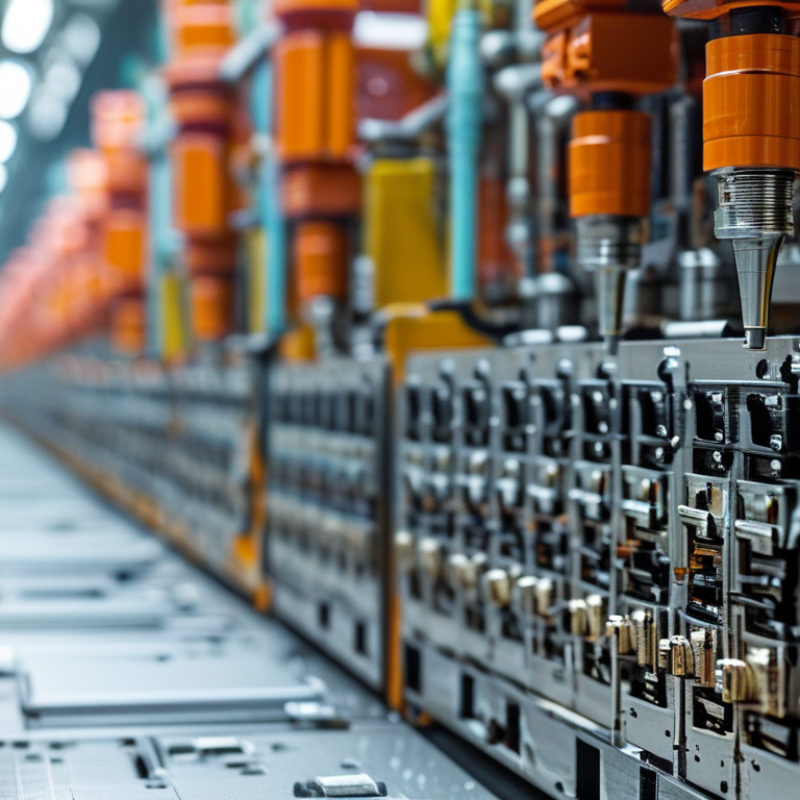
SMT components play a crucial role in global procurement, influencing the efficiency of electronic manufacturing. Understanding these components is essential for organizations aiming to streamline their production processes. Surface Mount Technology (SMT) allows for smaller, more efficient electronic devices. This technology has revolutionized the industry, but sourcing the right components poses challenges.
Selecting the appropriate SMT components requires knowledge of their specifications and applications. Different components serve various purposes, such as resistors, capacitors, and integrated circuits. Each component's quality affects overall product performance. Sourcing from reliable vendors is imperative. However, not all suppliers provide consistent quality or timely delivery. Some organizations struggle with this variability, which can lead to production delays and increased costs.
Awareness of market trends is also important. The demand for specific SMT components can fluctuate dramatically. Organizations must remain agile and adapt to these changes. Developing strong relationships with multiple suppliers can mitigate risks. Regular assessments of supplier performance can improve reliability. This approach fosters resilience but requires ongoing evaluation of supplier capabilities and product quality.
Identifying Reliable Suppliers and Manufacturers for SMT Components
Sourcing SMT components can be challenging, especially when aiming for global procurement. The first step is identifying reliable suppliers and manufacturers. A recent report indicated that 70% of procurement professionals value supplier transparency. This transparency fosters trust and long-term partnerships. Assessing a supplier’s reputation is crucial. Industry platforms, ratings, and feedback from peers can be valuable resources.
Another key factor is production capability. According to a study by industry analysts, over 60% of sourcing failures result from inadequate manufacturing capacity. Scrutinizing factory certifications can help gauge reliability. Furthermore, geographical considerations are essential. Proximity can reduce lead times and logistics costs. Suppliers in emerging markets are often cost-effective but may lack quality consistency.
Communication and support are significant elements. Suppliers should offer clear channels for inquiries and issues. Reports suggest that 80% of successful collaborations stem from effective communication. However, many companies find this area lacking. Regular evaluations of supplier performance should be a priority. Identifying these areas for growth can transform procurement strategies.
Global SMT Components Procurement Analysis
This chart illustrates the volume of SMT components sourced from various regions, highlighting the importance of reliable suppliers in the global procurement landscape.
Evaluating Quality Standards and Certifications for SMT Components
When sourcing Surface Mount Technology (SMT) components for global procurement, the quality standards and certifications are paramount. The industry requires adherence to several critical certifications, including ISO 9001, IPC-A-610, and RoHS compliance. These certifications ensure that manufacturers meet quality management, assembly standards, and environmental regulations.
A recent market analysis indicates that over 60% of defects in PCB assemblies stem from improper sourcing of components. This statistic highlights the importance of evaluating suppliers thoroughly. Manufacturers must assess their quality assurance processes. An unreliable supplier may compromise not only the product's quality but also the overall production timeline.
Moreover, transparency in the supply chain is crucial. Companies that source from certified vendors tend to have fewer issues with product recalls and failures. Accountability leads to better partnerships, allowing for continuous improvement in component quality. Industry reports suggest that 80% of organizations with robust quality checks significantly enhance customer satisfaction. However, many firms neglect this critical aspect, ultimately impacting their long-term success. Reflecting on these practices can lead to improved decision-making in component procurement strategies.
Navigating Logistics and Shipping Challenges in Global Sourcing
Navigating logistics and shipping challenges in global sourcing can feel daunting. When sourcing SMT components, understanding the complexities of logistics is crucial. Different regions have unique shipping regulations and restrictions. These can impact delivery timelines and costs. Knowing your supply chain is key to avoiding disruptions.
Language barriers also present significant challenges. Miscommunication can lead to incorrect orders or delays. Establishing strong relationships with suppliers helps mitigate this. It's important to document specifications clearly and confirm understanding at every stage. Diversifying your logistics options can provide greater flexibility. When one route fails, another can save the day.
Customs regulations are another source of frustration. Unexpected tariffs can inflate costs. Delays at customs can stall production schedules. To counteract this, consider working with logistics experts. They can navigate these complexities effectively. Regularly reviewing your logistics strategy ensures it remains efficient. Adapting to changing circumstances is vital in global sourcing. This continuous reflection can make a big difference.
How to Source Smt Components for Global Procurement? - Navigating Logistics and Shipping Challenges in Global Sourcing
| Component Type |
Average Global Price (USD) |
Lead Time (Weeks) |
Supplier Region |
Shipping Method |
| Resistors |
0.10 |
2 |
Asia |
Air Freight |
| Capacitors |
0.50 |
3 |
Europe |
Sea Freight |
| ICs |
2.00 |
4 |
Asia |
Air Freight |
| Connectors |
0.25 |
3 |
North America |
Air Freight |
| Transistors |
0.15 |
2 |
Asia |
Sea Freight |
Establishing Sustainable Relationships with SMT Component Suppliers
Building sustainable relationships with SMT component suppliers is crucial for global procurement. It begins with clear communication. Establish expectations early on. This transparency fosters trust. Suppliers should know your requirements fully, decreasing the potential for misunderstandings.
Understanding the suppliers' capabilities is vital. Visit their facilities whenever possible. This allows you to gain insight into their production processes. Observing their operations can reveal strengths and weaknesses. You might discover delays in production or quality issues. Addressing these concerns early can prevent larger problems later on.
Engaging in regular feedback sessions can be beneficial. Constructive feedback encourages improvement. It also strengthens the partnership. Suppliers want to know how they can serve you better. Additionally, celebrating successes together can create a sense of shared purpose. These efforts contribute to a more resilient supply chain.
Conclusion
In the realm of global procurement, understanding SMT components is crucial as they play a vital role in electronic manufacturing. These components, including resistors, capacitors, and integrated circuits, require careful sourcing to ensure they meet the specific needs of each project. Identifying reliable suppliers and manufacturers is key, as is evaluating their quality standards and certifications to guarantee the integrity of the components used.
Additionally, navigating logistics and shipping challenges is an essential aspect of the sourcing process, as it can influence lead times and overall project efficiency. Establishing sustainable relationships with SMT component suppliers not only fosters trust but also enhances collaboration, ultimately leading to better supply chain management and innovation within the industry. Properly addressing these elements can significantly improve outcomes in global procurement of SMT components.

 Anyco Automation