10 Tips for Choosing the Best Automotive Electronics Solutions

Time:2026-10-26 Author:Mason
0%

Choosing the right Automotive Electronics Solutions can shape a vehicle’s safety, comfort, efficiency, and long-term reliability. The decision reaches far beyond selecting the newest dashboard screen or fastest processor. It involves compatibility, cybersecurity, environmental resistance, software support, installation quality, and total ownership costs. A system may perform well in a showroom but struggle after months of vibration, heat, dust, and repeated voltage changes.

This guide presents ten practical tips for evaluating automotive electronics with greater confidence. It considers lessons from real installation environments, supplier documentation, testing procedures, and maintenance feedback. Look closely at connector protection, response time, diagnostic access, warranty terms, and integration with existing vehicle networks. Small details matter. A loose connector can create an intermittent fault that wastes hours of troubleshooting. A beautiful interface cannot compensate for unreliable data.

Reliable decisions also require healthy skepticism. Marketing language is often polished, while technical limitations remain hidden in footnotes. Even experienced buyers can overlook future software updates or repair availability. That is worth admitting. Comparing independent test results, certification records, user experiences, and manufacturer support can reveal a clearer picture. The best Automotive Electronics Solutions should fit the vehicle’s actual operating conditions, not merely its sales brochure. Careful evaluation takes time, but it reduces costly surprises and supports safer, more dependable performance on the road.
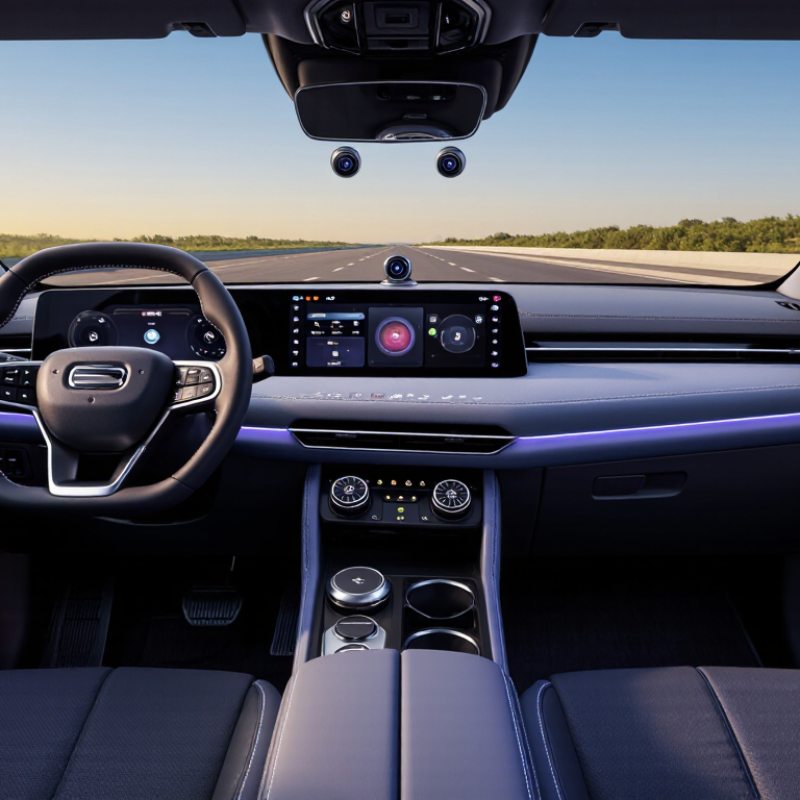
10 Tips for Choosing the Best Automotive Electronics Solutions

Define Your Vehicle’s Electronic Requirements

Before selecting automotive electronics, define the vehicle’s real operating demands. Record voltage range, peak current, ambient temperatures, vibration, moisture, and available installation space. A delivery van may idle for hours, while an off-road vehicle faces dust, shocks, and sudden temperature changes. Measure these conditions instead of relying on assumptions. A neat spreadsheet can still be wrong.

List every required function, including sensing, control, communication, display, and remote diagnostics. Map each device to its input, output, connector, and failure response. Confirm whether the system needs CAN, LIN, Ethernet, or another interface. Check data rates and latency under the busiest operating condition. Leave room for software updates and future sensors. Small omissions become expensive wiring changes.

Set measurable acceptance criteria before requesting quotations. Define boot time, standby draw, fault logging, reverse-polarity protection, and safe behavior after communication loss. Verify enclosure sealing, thermal performance, electromagnetic compatibility, and service access through documented tests. An experienced technician should inspect the harness route and grounding points in the actual vehicle. I once treated available space as usable space; a bracket and service clearance proved otherwise. Recheck the design with installers, drivers, and maintenance staff. Their practical objections often expose requirements engineers missed.

Compare Compatibility, Performance, and System Integration

10 Tips for Choosing the Best Automotive Electronics Solutions

Compare compatibility, performance, and system integration before approving any automotive electronic solution. In field evaluations, small interface errors often cause expensive delays. 1. Check voltage, current, and temperature ratings against the vehicle’s real operating range. 2. Confirm communication support for CAN, LIN, or automotive Ethernet. 3. Review connector types, pin layouts, and mounting dimensions carefully. 4. Test software compatibility with existing control units and diagnostic tools. A perfect fit on paper may fail in the vehicle.

5. Measure response time under normal and peak loads. 6. Examine signal stability near motors, inverters, and other noise sources. 7. Compare power consumption, heat generation, and standby behavior. 8. Verify performance during cold starts, vibration, moisture, and voltage variation. Use recorded vehicle data, not only laboratory figures. Real conditions expose weaknesses quickly.

9. Assess integration effort, including wiring, calibration, firmware updates, and service access. Clear documentation matters. 10. Request traceable test reports, failure limits, and technical support commitments. Ask how issues are logged and corrected. Safety-related functions need independent validation and defined fallback behavior. I have seen teams choose faster hardware and underestimate integration time. That decision looked efficient, but it created repeated calibration work. No checklist is flawless. Recheck assumptions with a prototype, a controlled road test, and feedback from technicians who will maintain the system.

10 Tips for Choosing the Best Automotive Electronics Solutions

Compare compatibility, performance, and system integration by checking the nominal data rates supported by common in-vehicle communication technologies.

Higher bandwidth can support larger data volumes, but the best solution also depends on protocol compatibility, electromagnetic robustness, software support, connector architecture, and integration requirements. Values shown are commonly specified nominal maximum data rates for representative automotive networks.

Evaluate Safety Standards, Reliability, and Technical Support

Choosing automotive electronics requires more than comparing prices or screen features. Safety standards should guide every decision, especially for systems linked to braking, steering, airbags, or driver assistance. Ask for current test reports, traceable certifications, and documented environmental ratings. A product may look impressive on a showroom bench, yet fail after heat, vibration, moisture, or voltage changes. Check whether testing covers the temperatures your vehicles actually experience. Small details matter. Confirm connector security, insulation quality, electromagnetic compatibility, and software update controls. I once underestimated cable routing; a sharp edge later caused intermittent faults during vibration testing.

Reliability should be measured through evidence, not confident promises. Request failure-rate data, service records, and results from endurance testing. Review how the supplier handles component shortages and firmware defects. Clear change-control procedures reduce unexpected behavior after installation. Ask whether replacement units retain calibration and stored diagnostic data. Test the equipment in a real vehicle, including cold starts, rough roads, and weak network coverage. One short demonstration is not enough. It can hide problems.

Technical support is part of the solution, not an optional courtesy. Confirm response times, escalation paths, installation guidance, and training for technicians. Support teams should explain faults in practical language and provide version-controlled documentation. Remote assistance can save hours, but secure access and approval records must be required. Speak with users who have operated the system for several months. Their complaints often reveal what brochures omit. Do not ignore awkward questions. A reliable choice is one your team can maintain safely, document clearly, and challenge when evidence is incomplete.

Assess Installation Complexity, Maintenance, and Upgrade Options

Choosing the right automotive electronics solution requires more than comparing features. Installation complexity can affect safety, reliability, and the final cost. Check whether the system needs dashboard removal, custom wiring, software calibration, or extra sensors. Clear instructions matter. A qualified installer should also confirm compatibility with the vehicle’s electrical system before work begins.

Maintenance deserves equal attention. Ask how often connections, sensors, and software require inspection. Exposed wiring near doors or the engine bay may face heat, moisture, and vibration. Look for sealed connectors, accessible fuses, and replaceable components. A clean installation is not automatically a durable one. I have seen impressive setups fail because one cable lacked proper strain relief. Small details become expensive problems.

Upgrade options can protect your investment as vehicle technology changes. Choose equipment that supports firmware updates, modular components, and additional sensors without replacing the entire system. Confirm who provides technical support and how updates are verified. Compatibility claims should be documented, not based on assumptions. Consider future needs, but avoid paying for features you may never use. My own planning has sometimes been too optimistic; a simple upgrade path is often better than a complicated system with unused functions.

Calculate Total Cost and Select the Best-Fit Solution

Choosing the best automotive electronics solution requires more than comparing purchase prices. Calculate total cost of ownership across five years. Include hardware, software licenses, integration labor, testing, training, energy use, maintenance, and replacement parts. A low-cost controller can become expensive after repeated calibration or vehicle downtime.

The International Energy Agency reported nearly 14 million electric car sales worldwide in 2023, representing about 18% of new car sales. This growth increases demand for reliable power management, sensing, connectivity, and thermal controls. During supplier reviews, request measurable data: failure rates, operating-temperature limits, update procedures, and mean time to repair. Ask for test-bench results, not polished slides. Small details matter.

A useful calculation is simple: total cost equals purchase cost plus integration, operation, risk, and disposal costs. Add the estimated cost of one delayed production week. That number may change the decision. The calculation will not be perfect. Supply shortages, software revisions, and new regulations can distort forecasts. Build low, expected, and high-cost scenarios. The U.S. National Highway Traffic Safety Administration also emphasizes cybersecurity and software integrity in modern vehicle systems, so include monitoring and patch management in the budget. Choose the solution that fits your vehicle architecture, service capacity, and future requirements—not merely the cheapest quotation.

FAQS

What vehicle conditions should be checked before selecting automotive electronics?

Record voltage, peak current, temperature, vibration, moisture, and installation space. Measure, don’t guess. A delivery van may idle for hours, while an off-road vehicle may face dust and shocks.

Which functions should an automotive electronics plan include?

List sensing, control, communication, display, and remote diagnostics. Map every device’s inputs, outputs, connectors, and failure response. Small omissions can create expensive wiring changes later.

How can communication compatibility be verified?

Confirm support for CAN, LIN, automotive Ethernet, or another required interface. Check data rates and latency during the busiest operating condition. A paper match may still fail inside the vehicle.

What electrical and environmental ratings should be compared?

Compare voltage, current, and temperature ratings with real vehicle measurements. Test cold starts, vibration, moisture, and voltage variation. Laboratory figures are useful, but road data exposes weaknesses faster.

How should response time and signal stability be evaluated?

Measure response time under normal and peak loads. Check signals near motors, inverters, and other electrical noise sources. A fast device may still need repeated calibration.

What installation details can affect safety and reliability?

Check dashboard access, custom wiring, calibration, extra sensors, and service clearance. Inspect harness routes, grounding points, and mounting dimensions in the actual vehicle. Available space is not always usable space.

What maintenance features should an automotive electronic system provide?

Look for sealed connectors, accessible fuses, replaceable parts, and clear inspection procedures. Protect exposed wiring from heat, moisture, and vibration. One unsupported cable can cause a major failure.

How can future upgrades be planned without unnecessary cost?

Choose modular equipment with verified firmware updates and support for additional sensors. Confirm how updates are tested and documented. Future planning can become too optimistic; simple expansion is often better.

Conclusion

Choosing the right Automotive Electronics Solutions begins with a clear understanding of your vehicle’s electronic requirements. Identify the functions you need, such as connectivity, driver assistance, monitoring, or entertainment, and confirm that any solution is compatible with the vehicle’s existing hardware and software. Compare performance, response time, system integration, and future flexibility to ensure the technology supports smooth and reliable operation.

Safety, reliability, and technical support should also guide your decision. Review relevant safety standards, product durability, warranty coverage, and access to professional assistance. Consider installation complexity, maintenance needs, software updates, and possible upgrade options before making a commitment. Finally, calculate the total cost, including purchase, installation, maintenance, and future replacement expenses. The best solution is not always the cheapest option, but the one that delivers dependable performance, straightforward ownership, strong compatibility, and long-term value for your vehicle.


Mason

Mason

Mason is a seasoned marketing professional with a deep expertise in the company's offerings and a passion for driving brand awareness. With a strong background in digital marketing strategies, he has an innate ability to connect with diverse audiences and effectively communicate product benefits.......