Best Automotive Electronic Components Suppliers in China

Time:2026-11-09 Author:Aria
0%

Choosing the Best Automotive Electronic Components Suppliers in China requires more than comparing catalog prices. A vehicle’s control units, sensors, connectors, power modules, and wiring systems must work together under heat, vibration, moisture, and long service cycles. Small failures can create costly delays. Details matter.

China has a broad manufacturing base, but supplier capabilities differ. One company may offer strong prototype support; another may focus on high-volume production or specialized components. Buyers should examine product specifications, testing practices, quality records, production capacity, and communication before making a decision. Ask how suppliers manage component traceability and changes to materials or processes. Request technical documents and sample parts, then check whether the evidence matches your application. A polished catalog is not proof of consistent performance.

General Motors chair and CEO Mary Barra has said, “Our industry is undergoing more change in the next five years than it has in the last 50 years.” That shift makes reliable electronics partners increasingly important. This guide introduces notable Automotive Electronic Components suppliers in China and the factors that can help buyers assess them. It is a starting point, not a substitute for technical audits, independent testing, or careful contract review. Supplier rankings can also change as products and capabilities evolve. That part is easy to overlook. A company may look ideal on paper, yet struggle with a specific connector design, delivery schedule, or engineering revision. The right choice depends on the vehicle, the component, and the evidence available.
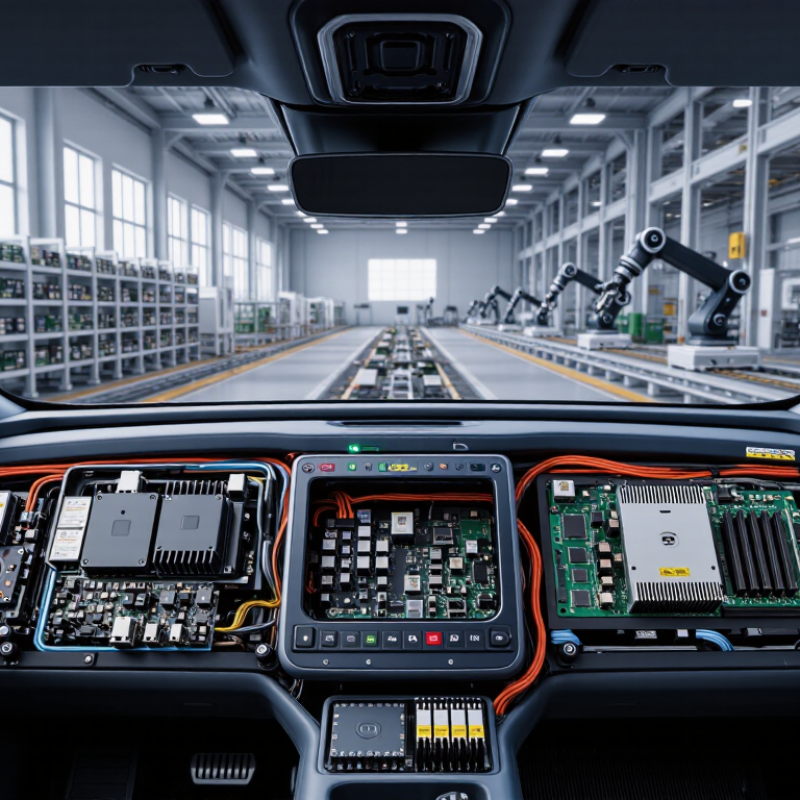
Best Automotive Electronic Components Suppliers in China

Automotive Electronics Scope: ECUs, Sensors, Power, and Connectivity

Best Automotive Electronic Components Suppliers in China

Automotive electronics cover more than circuit boards. A capable supplier should understand how ECUs, sensors, power components, and connectivity modules work together.

ECU selection depends on processing needs, operating temperature, and stable communication with other vehicle systems. Ask for clear specifications, test conditions, and component traceability. A polished datasheet is useful, but it cannot replace sample testing.

Sensors must deliver consistent readings despite vibration, heat, moisture, and electrical noise. Power components need suitable voltage ranges and thermal performance, especially in compact engine-bay or battery-system layouts.

Connectivity parts should support reliable data exchange without adding avoidable complexity. When comparing Chinese suppliers, review production controls, quality records, change-notification practices, and their ability to support validation.

Details vary between applications. That can make comparison frustrating, but it is worth doing.

Tips: Request samples from the intended production process, not only evaluation stock. Check connector fit, temperature behavior, and signal stability in your own setup. Keep written records of revisions and test results. One overlooked detail can delay integration.

China’s 2024 Vehicle Output: 31.28 Million Units (CAAM)

China’s 2024 vehicle output reached 31.28 million units, according to CAAM. That scale places substantial demands on automotive electronic component suppliers. High-volume production depends on steady deliveries, repeatable processes, and components that meet documented specifications. Sensors, control units, connectors, and power-management parts must work reliably amid vibration, heat, and changing electrical loads. Small faults can cause costly delays.

Still, volume alone can mislead. Scale matters. Buyers should assess suppliers through factory audits, sample testing, traceability records, and clear change-control procedures. A connector may look sound on a bench yet loosen under repeated vibration. Ask how production lots are inspected and how defects are reported. Check whether testing reflects the component’s actual operating conditions, not just a convenient laboratory setup. Good documentation helps, but it cannot replace consistent process control. There is also room for doubt: published capacity figures may not reveal how a supplier handles a sudden design revision. For sourcing decisions, compare evidence, response times, and production readiness—not output claims alone.

China’s Vehicle Output, 2019–2024

China produced 31.28 million vehicles in 2024, up from 30.16 million in 2023. Figures are annual vehicle production in millions; source: China Association of Automobile Manufacturers (CAAM).

Supplier Qualification: IATF 16949, ISO 26262, and AEC-Q Standards

When evaluating automotive electronic component suppliers in China, examine the quality system behind each certificate. IATF 16949 supports consistent automotive production through process control, traceability, corrective action, and continual improvement. Ask for the certificate’s scope and site address, then compare them with the factory making your parts. Details matter. A valid certificate does not prove every component is suitable for your design.

ISO 26262 concerns functional safety, not general product quality. If a component supports a safety-related function, request evidence of the supplier’s role, safety processes, and relevant work products. AEC-Q standards, by contrast, define stress-test qualification requirements for component types. Review test reports, sample conditions, and revision levels rather than accepting a generic compliance statement.

Check how the supplier controls material changes, production transfers, and test failures. A neat audit report can still miss a weak handoff between engineering and the production line. Ask practical questions, and verify the answers against records. Supplier qualification takes time, and the evidence is not always tidy.

Leading China-Based Suppliers by Component Category and Automotive Tier

China’s supplier landscape is easier to evaluate by component category and automotive tier than by a single league table. The China Association of Automobile Manufacturers reported 30.16 million vehicles produced in 2023, including 9.59 million new-energy vehicles. This scale supports broad sourcing options for power electronics, battery-management hardware, sensors, connectors, and control units. But volume alone proves little.

At Tier 2, assess semiconductor, passive-component, printed-circuit-board, sensor, and connector suppliers for traceability, process control, and test coverage. Tier 1 suppliers integrate components into validated modules, such as inverters, battery-management systems, cockpit electronics, or driver-assistance assemblies. The IEA’s Global EV Outlook 2024 reports that China produced over 70% of the world’s electric cars in 2023. That concentration strengthens local electric-vehicle supply networks, but does not guarantee that each supplier meets a program’s reliability targets.

Ask for production-part approval records, failure-analysis examples, change-control procedures, and audit results before shortlisting. Match evidence to the part: thermal cycling for power modules, vibration testing for connectors, and calibration stability for sensors. Small details matter. Supplier tiers can blur when a company designs modules but outsources silicon or packaging. A careful audit should identify who controls design, manufacturing steps, and corrective actions—not just the shipment address.

How 12.89 Million NEVs Produced in 2024 Shape Supplier Selection (CAAM)

Best Automotive Electronic Components Suppliers in China

China produced 12.89 million new energy vehicles in 2024, according to the China Association of Automobile Manufacturers. That scale changes supplier selection. Buyers need partners who can support repeatable production, not just attractive prototype samples. Look closely at power electronics, sensors, connectors, and battery-management components. Ask how each part performs under heat, vibration, and repeated charging. Small weaknesses can become costly when production volumes rise.

Capacity matters, but it is not enough. Request documented quality controls, lot traceability, and clear procedures for design changes. Check whether suppliers can share test conditions and failure-analysis findings. A polished presentation does not replace evidence. Review sample consistency, delivery performance, and technical response times. It is also wise to assess component compatibility with your vehicle architecture and assembly process. One uncertainty remains: fast market growth can make forecasts unreliable, so avoid choosing a supplier based on capacity claims alone.

Tips: Request production-representative samples. Compare inspection records, not promises. Confirm how shortages or specification changes are communicated. Keep a backup source for critical components, where practical. Supplier selection is rarely perfect; document the trade-offs and revisit them as volumes change.

FAQS

What should buyers check when choosing an automotive electronics supplier?

Review quality records, production controls, traceability, and change-notification procedures. Ask for evidence, not just polished presentations.

Why are production-representative samples important?

They reflect the intended manufacturing process more closely than evaluation stock. Test connector fit, temperature behavior, and signal stability in your own setup. Samples can still miss something.

How should buyers assess electronic control units?

Match processing needs and operating temperatures to the vehicle application. Check communication requirements and request clear specifications and test conditions.

What conditions should sensors withstand?

Sensors should provide consistent readings through vibration, heat, moisture, and electrical noise. Test them under realistic operating conditions.

What matters when selecting power components?

Confirm voltage ranges and thermal performance. These details matter in compact engine-bay and battery-system layouts.

What does rising new-energy vehicle production mean for supplier selection?

China produced 12.89 million new-energy vehicles in 2024, according to the article. Buyers should check repeatable production capability, sample consistency, and delivery performance—not capacity claims alone.

How can buyers evaluate quality at higher production volumes?

Request lot traceability, inspection records, and test conditions. Ask how failures are analyzed and specification changes are communicated. The paperwork may not tell the whole story.

Should buyers keep a backup source for critical components?

Where practical, a backup source can reduce dependence on one supplier. Record the trade-offs and review them as volumes change. No choice is perfect.

Conclusion

China’s automotive electronics sector supports a broad range of vehicle functions, from electronic control units and sensors to power systems and connectivity. With vehicle production reaching 31.28 million units in 2024, the scale and variety of demand make supplier selection an important part of product planning. Buyers can compare China-based suppliers by component category and automotive tier, considering their technical capabilities, production capacity, and experience with different vehicle platforms.

Qualification should also account for quality and functional-safety requirements, including IATF 16949, ISO 26262, and relevant AEC-Q standards. The production of 12.89 million new energy vehicles in 2024 further increases demand for components suited to electrified powertrains and connected systems. For buyers, evaluating Automotive Electronic Components suppliers against application needs, manufacturing consistency, and qualification evidence can support a more reliable sourcing decision.


Aria

Aria

Aria is a dedicated marketing professional with a deep passion for innovative strategies and a keen understanding of our company's product offerings. With a wealth of experience in the industry, Aria excels at crafting engaging content that highlights the unique features and benefits of our......