In today's electronics manufacturing landscape, the significance of SMT adhesive cannot be overstated. As industry experts note, SMT adhesives play a critical role in ensuring the reliability of electronic components. According to a recent market report by MarketsandMarkets, the global SMT adhesive market is projected to reach $1.5 billion by 2025, growing at a CAGR of 5.5%. This growth reflects the increasing demand for efficient, dependable adhesive solutions in various applications, including automotive and consumer electronics.
The challenge lies in selecting the right SMT adhesive for specific needs. Variability in performance metrics, such as temperature resistance and adhesion strength, can lead manufacturers to rethink their choices. Many companies struggle with balance. They often seek adhesives that meet high-performance standards yet remain cost-effective. The right selection can prevent potential manufacturing flaws and reduce downtime.
As we explore the top 10 SMT adhesive solutions for global buyers, it's essential to consider multiple factors. Each adhesive's unique properties must align with specific project requirements. Manufacturer feedback highlights the significance of rigorous testing and quality assurance. This complexity underscores the need for informed decision-making in the ever-evolving world of electronics assembly.
Overview of SMT Adhesive Solutions in the Global Market
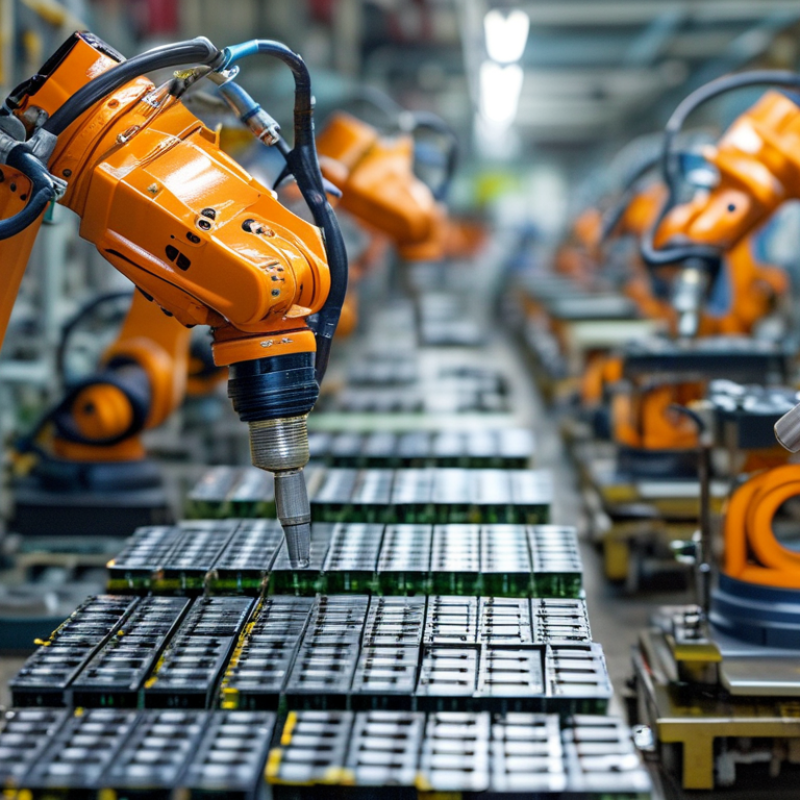
The SMT adhesive solutions market is rapidly evolving. This growth is driven by increasing demand for compact and lightweight electronic devices. Manufacturers are exploring innovative adhesives for better performance and reliability.
Global buyers seek adhesives that meet various technical requirements. These include thermal stability, moisture resistance, and fast curing times. Different industries require different properties. Aerospace applications may prioritize extreme durability, while consumer electronics focus on ease of application.
However, the market is not without its challenges. Many buyers face difficulties in sourcing adhesives that meet all their specifications. Some products may not perform well under environmental stress or may become brittle over time. Continuous research and development are essential in this sector to overcome these hurdles and enhance product offerings.
Key Factors to Consider When Selecting SMT Adhesives
When selecting SMT adhesives, several key factors come into play. One important consideration is the curing process. Some adhesives cure quickly, while others require heat or UV light. Knowing which process fits your manufacturing line is critical. Additionally, the adhesive’s viscosity affects the application. Thicker adhesives may provide better control but can be tricky to apply.
Tips: Test different viscosities. Stickiness impacts performance over time.
Another factor is thermal stability. SMT assemblies often experience heat during operation. Choose adhesives that can withstand high temperatures to prevent failures. Compatibility with substrate materials is also essential. An adhesive that bonds well with one material may not perform as effectively with another.
Always evaluate the adhesive's electrical properties. Some applications require low conductivity, while others may not. Balancing these factors can be challenging. Don’t overlook environmental factors. Different conditions impact adhesive performance significantly.
Tips: Assess the working environment carefully. Consider future service conditions too.
Top 10 Manufacturers Offering Leading SMT Adhesive Products
The SMT adhesive market is witnessing significant growth, driven by increasing demand in electronics. According to a recent market analysis, the global SMT adhesive market is projected to surpass USD 3 billion by 2028. This growth highlights the importance of quality adhesive solutions for manufacturers.
Top manufacturers are focusing on innovation and performance. They are developing products that enhance thermal conductivity and reduce curing time. The use of environmentally friendly materials is also gaining traction. Many global buyers seek adhesives that meet stringent industry standards. Reports suggest that over 70% of manufacturers prioritize eco-friendly solutions in their purchasing decisions.
Despite these advancements, challenges remain. Some adhesives may not provide the desired bond strength under extreme conditions. Additionally, issues with consistency in production can affect quality. Continuous improvements in formulation and testing are essential for tackling these concerns. The pursuit of superior SMT adhesives is ongoing, as manufacturers aim to remain competitive in a dynamic market.
Comparative Analysis of SMT Adhesive Types and Their Applications
In the world of electronics, SMT adhesives are vital for component assembly. Numerous types exist, each designed for specific tasks. Understanding the nuances of these adhesives can enhance production efficiency and product reliability.
Epoxy adhesives are popular for their strength and durability. They perform well in high-temperature environments. However, their curing time can be a drawback. In contrast, hot melt adhesives offer quick application but may lack the long-term performance needed for certain projects. These choices exhibit the ongoing challenge of balancing speed and quality.
Tips: Select an adhesive based on the requirement, not just availability. Always consider the specifics of your project. Test samples can help determine the best fit.
Another type is conductive adhesives, essential for electrical connections. They facilitate superior conductivity. On the other hand, their sensitivity to temperature variations raises concerns. Assessing the environment in which the adhesive will function is crucial.
Tips: Keep in mind, not all adhesives will suit every application. Sometimes, trial and error can lead to surprising insights. Ensure you document your tests for future reference.
Future Trends in SMT Adhesive Technologies and User Requirements
The landscape of Surface Mount Technology (SMT) adhesives is evolving rapidly. Industry analysts estimate that the global SMT adhesive market will surpass $5 billion by 2025. This growth reflects increasing demands for more efficient and reliable manufacturing processes. As products become smaller and more complex, the need for advanced adhesive solutions becomes critical.
Future trends in SMT adhesive technology point to innovations in viscosity and curing times. Buyers are increasingly looking for adhesives with faster curing capabilities to enhance production speed. Reports reveal that adhesives with improved thermal stability are also sought after, particularly for high-temperature applications. Recent studies indicate that nearly 48% of manufacturers prioritize the long-term reliability of adhesive materials. This emphasis highlights a shift towards materials that withstand challenging environments.
Moreover, user requirements are changing. With the rise of IoT devices and wearable technology, there's a pressing need for ultra-thin adhesives. These adhesives should not only bond effectively but also remain undetectable in sleek designs. While the market delivers advanced options, there remain concerns around environmental impacts. Much can still be improved in creating eco-friendly adhesive solutions. The journey toward optimized SMT adhesives is ongoing.
Top 10 SMT Adhesive Solutions for Global Buyers
| Adhesive Type |
Viscosity (cP) |
Curing Time (minutes) |
Application Temperature (°C) |
Strength (N/mm²) |
Key Features |
| Epoxy |
500-1000 |
30 |
100-150 |
20 |
High Mechanical Strength, Chemical Resistance |
| Silicone |
300-800 |
10 |
-60 to 200 |
15 |
Flexibility, High Temperature Resistance |
| Acrylic |
400-900 |
5 |
-40 to 100 |
10 |
Fast Curing, Good Weather Resistance |
| Polyurethane |
250-600 |
20 |
-30 to 80 |
18 |
Durability, UV Resistance |
| Hot Melt |
200-1200 |
2 |
80-180 |
12 |
Immediate Bonding, Versatility |
| Flexible Adhesive |
350-650 |
15 |
-20 to 90 |
16 |
High Elasticity, Shock Absorption |
| Conductive Adhesive |
100-500 |
25 |
Room Temperature |
14 |
Electrical Conductivity, Thermal Management |
| UV-Curable Adhesive |
200-700 |
1 |
-40 to 120 |
20 |
Fast Curing under UV Light, High Clarity |
| Hybrid Adhesive |
300-900 |
12 |
-10 to 100 |
17 |
Combines Properties of Different Adhesives |
| Pressure Sensitive Adhesive |
1000-1200 |
Instant |
-20 to 70 |
8 |
Easy to Apply, Repositionable |
Conclusion
The article "Top 10 Smt Adhesive Solutions for Global Buyers" provides a comprehensive overview of the Surface Mount Technology (SMT) adhesive solutions available in the global market. It discusses crucial factors to consider when selecting SMT adhesives, including compatibility, performance, and environmental impact. The article also highlights the top ten manufacturers renowned for their innovative SMT adhesive products, offering insights into various adhesive types and their specific applications in different industries.
In addition, a comparative analysis of different SMT adhesive types showcases their unique characteristics and suitability for various applications. The article concludes with a discussion on future trends in SMT adhesive technologies, emphasizing the evolving user requirements that drive innovation in this field. Overall, this summary illustrates the significance of SMT adhesives in modern electronics manufacturing and emphasizes the importance of making informed choices for optimal performance and reliability.

 Anyco Automation