In the rapidly evolving landscape of electronic manufacturing, selecting the right SMT assembly equipment is crucial. According to Dr. Emily Thompson, an expert in the SMT industry, "The right equipment can significantly boost production efficiency and minimize errors." As we approach 2026, global buyers face several choices filled with innovation and complexity.
SMT assembly equipment includes solder paste printers, pick-and-place machines, and reflow ovens. Each component plays a key role in ensuring high-quality assembly. With advancements in automation and precision, manufacturers are now able to meet the growing demand for miniaturized electronics. However, the choice of equipment can be overwhelming, and what's best for one manufacturer may not suit another.
Moreover, many companies struggle with balancing cost and quality. Investing in high-end SMT assembly machines may seem appealing, but it requires careful consideration of ROI. Buyers should weigh not only immediate benefits but also long-term impacts on production capabilities. The journey to find suitable SMT assembly equipment is complex and requires thoughtful reflection.
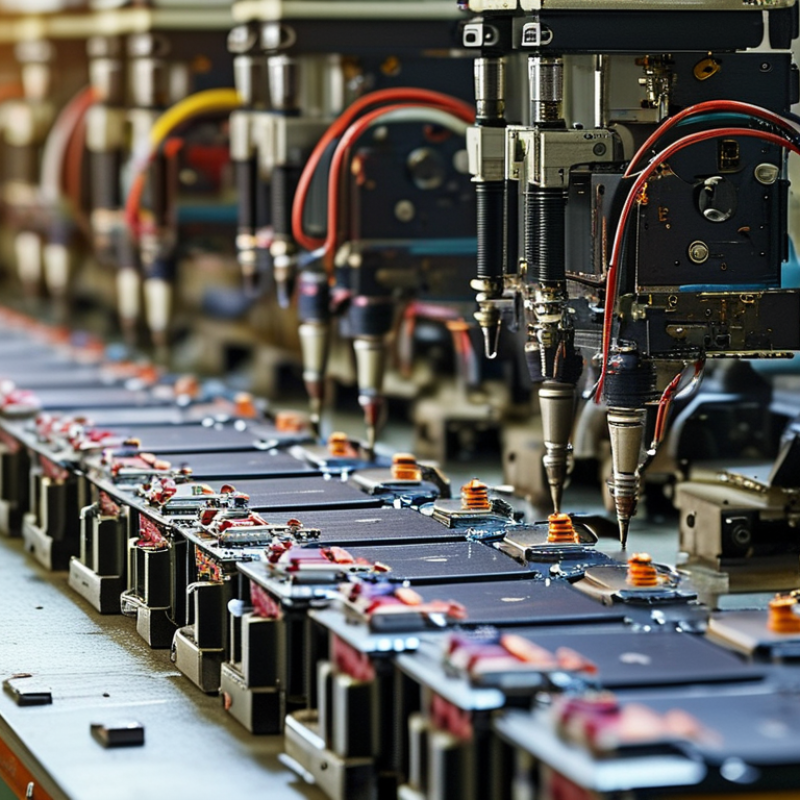
Overview of SMT Assembly Equipment Market Trends in 2026
The SMT assembly equipment market is poised for significant trends in 2026. As manufacturers worldwide adapt to changing technology, efficiency becomes paramount. The rise of automation will drive demand for machines that streamline the assembly process. Companies will prioritize equipment with integrated AI capabilities for enhanced precision and speed.
Adoption of eco-friendly practices is another key trend. Equipment with lower energy consumption reduces costs and environmental impact. Manufacturers must evaluate the long-term benefits of sustainable machinery. Investing in such technology may initially seem costly. However, the long-term savings can make a big difference.
Compatibility is crucial as technology evolves. Buyers should look for modular equipment that easily integrates with existing systems. Upgrading is often more feasible than starting from scratch, saving valuable resources. Be prepared for potential disruptions during transitions. Having a robust strategy will minimize downtime and boost productivity.
Investing in training for staff is essential as technology becomes more advanced. Proper understanding of the equipment can enhance output and reduce errors. Manufacturers should not overlook the importance of skilled operators. Such training is crucial for maintaining competitive advantage in a rapidly changing market.
Key Features and Innovations in SMT Equipment for Buyers
In the fast-evolving world of SMT (Surface Mount Technology) assembly, innovations play a crucial role for buyers. By 2026, advanced SMT equipment will focus on automation, precision, and connectivity. Industry reports suggest that the global SMT assembly equipment market is projected to reach over $3.5 billion. This growth signifies an increasing demand for equipment capable of high-speed production and flexibility.
Key features emerging in SMT equipment include AI-driven processes and high-resolution imaging systems. These technologies enhance quality control, reducing defects by up to 50%. Moreover, connectivity with IoT devices allows real-time monitoring, enabling manufacturers to make informed decisions promptly. Such advancements not only improve efficiency but also drive down operational costs.
When selecting SMT equipment, consider your specific production needs. Think about the type of components you handle and the complexity of assemblies. A focus on scalability is crucial; equipment should adapt as your production demands grow. Reflect on your current setup, and be ready to identify areas for improvement. Staying informed about new technologies will ensure you make sound investments.
Top Brands and Manufacturers of SMT Assembly Equipment in 2026
As the SMT assembly equipment market evolves, several brands are emerging as leaders. Reports from industry analysts suggest that the global market for SMT equipment is projected to reach approximately $6.7 billion by 2026, fueled by increasing demand in various sectors. These brands are known for their innovation and reliability, maintaining a focus on advanced automation and precision.
In 2026, manufacturers are expected to prioritize equipment that seamlessly integrates with existing production lines. This shift highlights the importance of adaptability in equipment design. Companies using outdated models may struggle to meet growing performance standards. Enhanced speed and accuracy are vital, as consumers demand quicker turnaround times and higher-quality products.
However, not all brands will meet these evolving needs. Some may lag behind, unable to keep pace with advancements. Industry data indicates that a significant percentage of buyers is willing to invest in newer technology for better efficiency. This reflects a market trend towards sustainability and reduced waste, which is increasingly crucial in manufacturing practices. Buyers must weigh their options carefully, focusing on brands that demonstrate commitment to innovation and customer support.
Cost Considerations and Budgeting for SMT Equipment Purchases
In the world of Surface Mount Technology (SMT), budgeting for equipment is crucial. Many companies face challenges when estimating costs. According to a recent market report, the average cost of SMT assembly equipment can range from $50,000 to $250,000, depending on functionality and features. However, many organizations neglect to account for additional expenses, such as maintenance and training. This can lead to budget overruns and unexpected operational costs.
A focus on total cost of ownership (TCO) is essential. While initial costs are prominent, ongoing expenses affect long-term budgeting. A 2023 industry survey revealed that nearly 30% of companies underestimated continuous operational costs. Investing in high-quality equipment often leads to greater reliability and lower maintenance costs over time. However, companies should carefully weigh their options and consider their production needs. Buying cheaper equipment may save money upfront but can increase costs later.
Additionally, it's imperative to evaluate financing options. Some companies explore leasing versus purchasing. Leasing can reduce initial cash outlay but may not provide ownership benefits. A report indicated that about 20% of firms felt constrained by their financing choices. Making informed decisions about SMT equipment financing can directly impact profitability. Balancing equipment needs with budget realities remains a complex challenge for many in the industry.
Top Smt Assembly Equipment for Global Buyers in 2026
| Equipment Type |
Estimated Cost (USD) |
Features |
Maintenance Cost per Year (USD) |
Typical Lifespan (Years) |
| Stencil Printer |
$20,000 |
High precision with automatic alignment |
$1,500 |
10 |
| Pick and Place Machine |
$50,000 |
High-speed operation, flexible component handling |
$3,000 |
8 |
| Reflow Oven |
$40,000 |
Uniform heating profile, energy-efficient |
$2,500 |
10 |
| AOI (Automated Optical Inspection) |
$30,000 |
Advanced image processing, real-time feedback |
$2,000 |
7 |
| Dispensing Equipment |
$25,000 |
Precision on-demand dispensing, low wastage |
$1,800 |
6 |
Future Developments and Technologies Shaping SMT Assembly Equipment
The landscape of Surface Mount Technology (SMT) assembly equipment is rapidly evolving. In 2026, we anticipate advancements that will enhance efficiency and precision. Automation will play a crucial role. With AI-driven systems, manufacturers can expect more streamlined operations. These technologies can monitor performance and optimize processes in real-time.
The integration of IoT devices will further transform SMT assembly. These devices can provide valuable data insights. They enable proactive maintenance, reducing downtime significantly. However, implementing these advanced systems is not without challenges. Companies must navigate the costs and training involved in adopting new technologies. There may be resistance from employees who are accustomed to traditional methods.
Furthermore, sustainability is becoming increasingly important. Environmental regulations are shaping equipment development. Manufacturers are exploring eco-friendly materials and energy-efficient systems. The goal is to reduce waste and lower carbon footprints. However, striking a balance between innovation and sustainability remains complex. It necessitates ongoing reflection and adaptation from industry players. The future promises exciting advancements, but it also demands careful consideration of these challenges.
Conclusion
The SMT Assembly Equipment market is poised for significant evolution in 2026, driven by emerging trends and technological advancements. Buyers can expect innovative features that enhance efficiency and precision in assembly processes, catering to the growing demand for high-quality electronic components. As manufacturers continuously refine their offerings, key innovations are likely to focus on automation, smart technology integration, and improved user interfaces.
When considering SMT Assembly Equipment purchases, potential buyers must take into account various cost factors and budget constraints. In addition to upfront costs, the long-term return on investment will be influenced by the equipment's durability and performance. As the industry evolves, future developments will likely introduce new technologies that further transform SMT assembly processes, ensuring that buyers are equipped with state-of-the-art solutions to meet their production needs.

 Anyco Automation