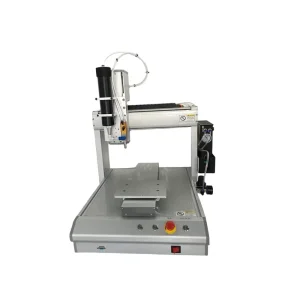
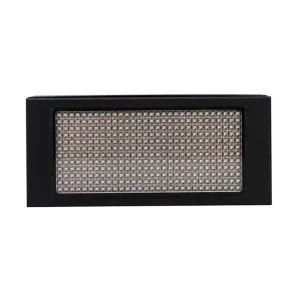
Explore our elite range of water-cooled and air-cooled industrial engineering solutions. High stability, precision manufacturing, and international standards integration.
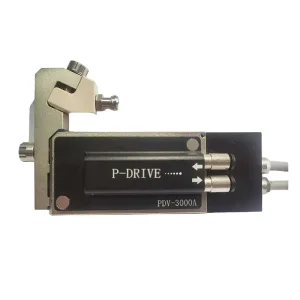
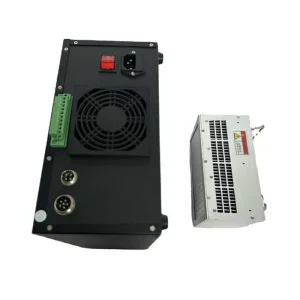
Industrial pipe and sewer infrastructure forms the silent, vital vascular system of modern urban centers, chemical petrochemical refineries, marine vessels, and food processing complexes. Over decades, mechanical maintenance has evolved from invasive manual routing to state-of-the-art hydrodynamic jetting. At the core of this engineering paradigm shift lies the industrial pipe cleaning nozzle—a highly engineered hydrodynamic instrument designed to convert massive hydrostatic pressure into focused, high-kinetic force.
On a global scale, the market for pipe cleaning nozzles is driven by the urgent need for operational efficiency, carbon emission mitigation, and municipal safety regulations. As internal pipeline scale, struvite, grease, concrete, and root intrusions accumulate, industrial piping capacity constricts, prompting thermal transfer losses in chemical plants and system failures in urban sewer networks.
"Efficiency is not merely about water volume; it is about maximizing kinetic energy conversion. Today's advanced multi-chambered rotary nozzles achieve up to 92% hydrodynamic efficiency, saving millions of gallons of water annually."
Reducing water overheads and fuel consumption by utilizing optimized flow dynamics and hard-carbide precision jet orifices.
Using premium grades like SUS316, titanium alloys, and tungsten carbide liners to withstand abrasive wear and chemical corrosion.
From 2D surface stripping to 3D internal pipe profiling, nozzles are optimized through CFD modeling for specific industrial targets.
Founded in 2013, Shenzhen Anyco Automation Equipment Co., Ltd. has established itself as an elite, high-tech enterprise integrating research and development, ultra-precision manufacturing, global sales, and comprehensive post-sale engineering services. Operating out of our modern headquarters in Guanlan, Shenzhen, and our heavy manufacturing production facilities located in Huizhou spanning an expansive 2,000+ square meters, we deliver custom industrial precision components that redefine reliability.
Anyco's technical prowess lies in high-precision fluid dynamics. We bridge the gap between microscopic fluid dispensing (precision piezoelectric jetting technology) and heavy-duty, high-pressure industrial flow components. This deep domain expertise allows us to engineer fluid control solutions, nozzles, and spray assemblies with tolerances measured in micrometers.
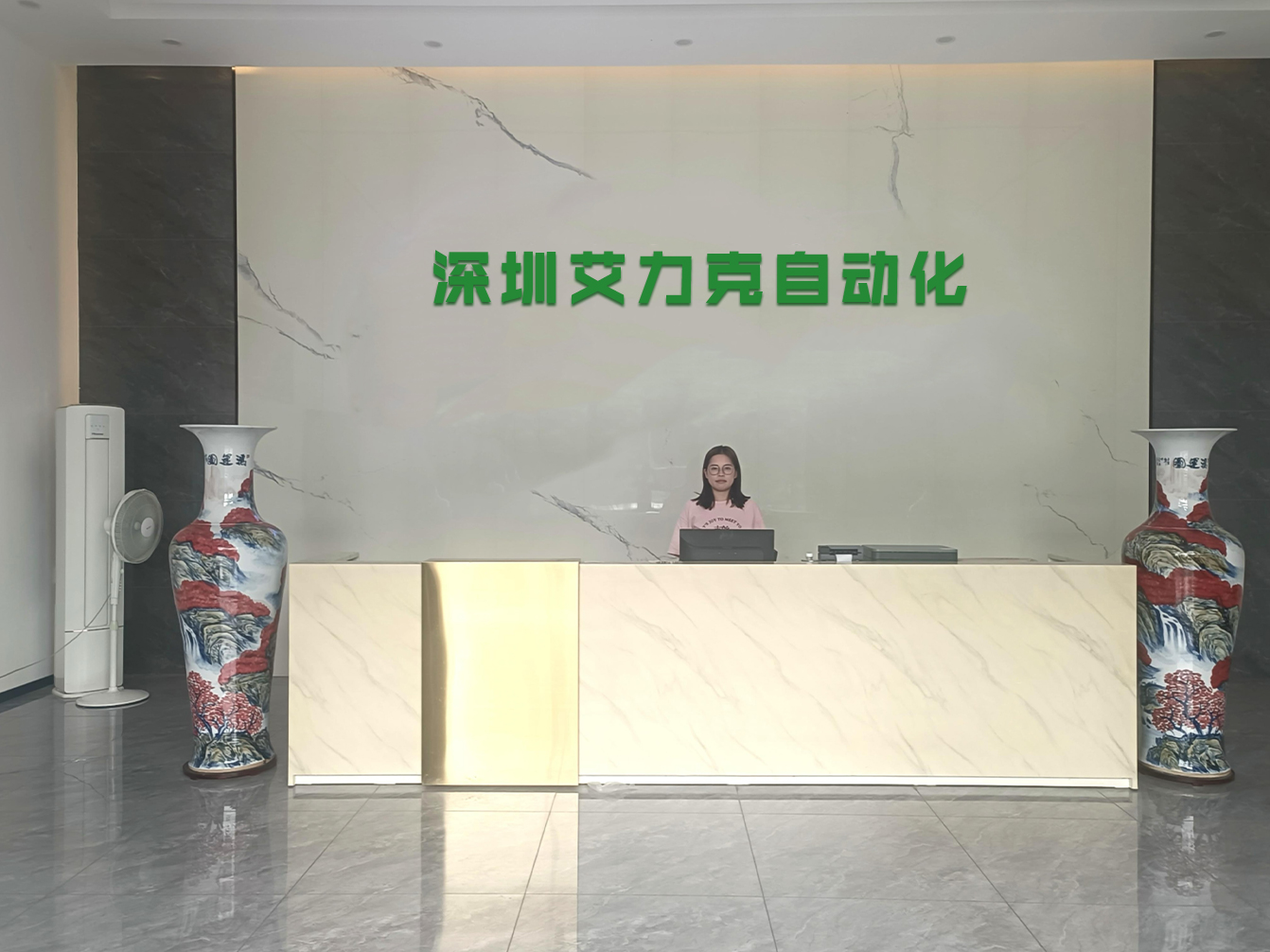
How our integrated industrial cluster and high-throughput automation ensure global cost-competitiveness without sacrificing precision.
Leveraging Shenzhen's unparalleled electronic and mechanical supply chain clusters, we accelerate prototype-to-mass-production cycles from months to days.
Equipped with Swiss-type multi-axis lathes, wire-EDM machines, and advanced surface passivation processing, achieving component accuracy tolerances within ±0.002mm.
Strict adherence to ISO 9001 quality management pathways. We utilize 3D coordinate measuring machines (CMM) and simulated hydro-testing loops for all nozzle flow patterns.
From dense municipal operations to precision micro-fluid dosing in smart factory environments.
Removal of high-density deposits, sand, gravel, and organic blockages. Engineered high-thrust rear jet nozzles generate superior tractive force, propelling the jet hose up long, debris-laden runs.
Stripping polymerization residues, coke scale, and chemical deposits inside tight-tolerance tubular matrices. Demands specialized multi-forward-facing micro-nozzles working at pressures up to 40,000 PSI.
Miniaturized fluid routing and automated nozzle integration for high-speed dispensing systems. Applied during smartphone frame bonding, chip underfills, and precise conformal coating spray paths.
Integrating micro-sensor matrices, advanced fluid-dynamics simulations, and localized materials engineering to build wear-free industrial nozzle mechanisms.
The global pipe cleaning and industrial dispensing sector is undergoing rapid technological restructuring. The primary driver is the integration of digital prototyping tools like Computational Fluid Dynamics (CFD), allowing engineers to simulate turbulences, boundary layers, and shear forces prior to mechanical fabrication.
Furthermore, the industry is witnessing a strong shift towards wear-free materials. Standard grade stainless steel is being replaced by exotic carbides, high-density polymers, and ceramic inserts. In high-pressure operations, wear directly degrades the jet stream's cohesion, reducing operating efficiency and increasing fuel costs. Investing in superior hard-insert configurations guarantees a consistent laminar jet stream for up to 300 operating hours.
Sustainability is another crucial trend. Municipalities are mandating recycled-water compatible nozzles. Standard nozzles quickly clog or wear out when using reclaimed water containing micro-particles. Future-proof designs incorporate internal sedimentation screens and robust ceramic self-cleaning mechanisms.
A guide to matching hydro-jetting flow requirements and thread standards for industrial procurement officers.
| Nozzle Application Class | Typical Pressure Range | Target Flow Rates (GPM) | Material Core Metallurgy | Optimal Thread Standard |
|---|---|---|---|---|
| Micro-Fluid Dispensing Jets | 100 - 1,500 PSI | 0.01 - 0.5 GPM | Tungsten Carbide / PEEK | 10-32 UNF / Luer Lock |
| Sewer Cleaning & Propelling Nozzles | 2,000 - 4,000 PSI | 15 - 120 GPM | Hardened SUS440C Stainless Steel | 1/4", 1/2", 1" NPT / BSPP |
| Industrial Tube Cleaning (Static) | 10,000 - 20,000 PSI | 10 - 40 GPM | SUS316 / Sapphire Orifice | 3/8" Left Hand / M14x1.5 |
| Heavy-Duty Rotating Surface Strippers | 20,000 - 40,000 PSI | 5 - 25 GPM | Titanium Grade 5 / Cobalt-Alloys | High-Pressure Gland / Autoclave |
Answering critical queries on nozzle dynamics, pressure loss, and mechanical wear from senior project engineers.
At higher pressures, water velocity increases drastically, bordering on turbulent boundary conditions. While water's viscosity remains relatively constant under temperature variances, high shear forces at the nozzle exit can cause the water column to atomize too early. Using precise internal straight-run vanes within the nozzle chamber minimizes turbulence, keeping the jet coherent for longer distances.
Sewer lines contain abrasive silt, sand particles, and organic acids. A nozzle fabricated with standard steel (HRC < 30) will quickly experience erosive wear around the orifice edge. This increases the exit area, dropping operating pressure and rendering the pump system inefficient. We recommend components machined from hardened tool steels with HRC exceeding 55.
BSPP (British Standard Pipe Parallel) threads utilize a constant diameter and rely on an elastomeric seal ring or washer to prevent fluid leaks. NPT (National Pipe Thread) is tapered, creating a seal through metal-on-metal interference along the thread flank. For ultra-high pressure applications (>10k PSI), customized engineered high-pressure gland configurations are preferred over standard threads.
Rotary nozzles use viscous fluid dampers (silicone fluid filled chambers) or magnetic braking mechanisms. Without controlled resistance, the speed of rotation would accelerate to destructive RPM levels under high pressure. Controlled rotational speeds (typically between 50 and 300 RPM) ensure that the water jets spend sufficient dwell time on the pipe wall, optimizing material removal.
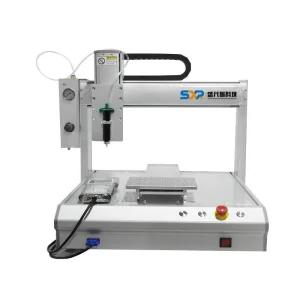
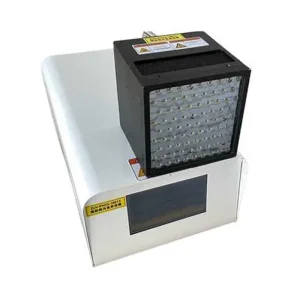
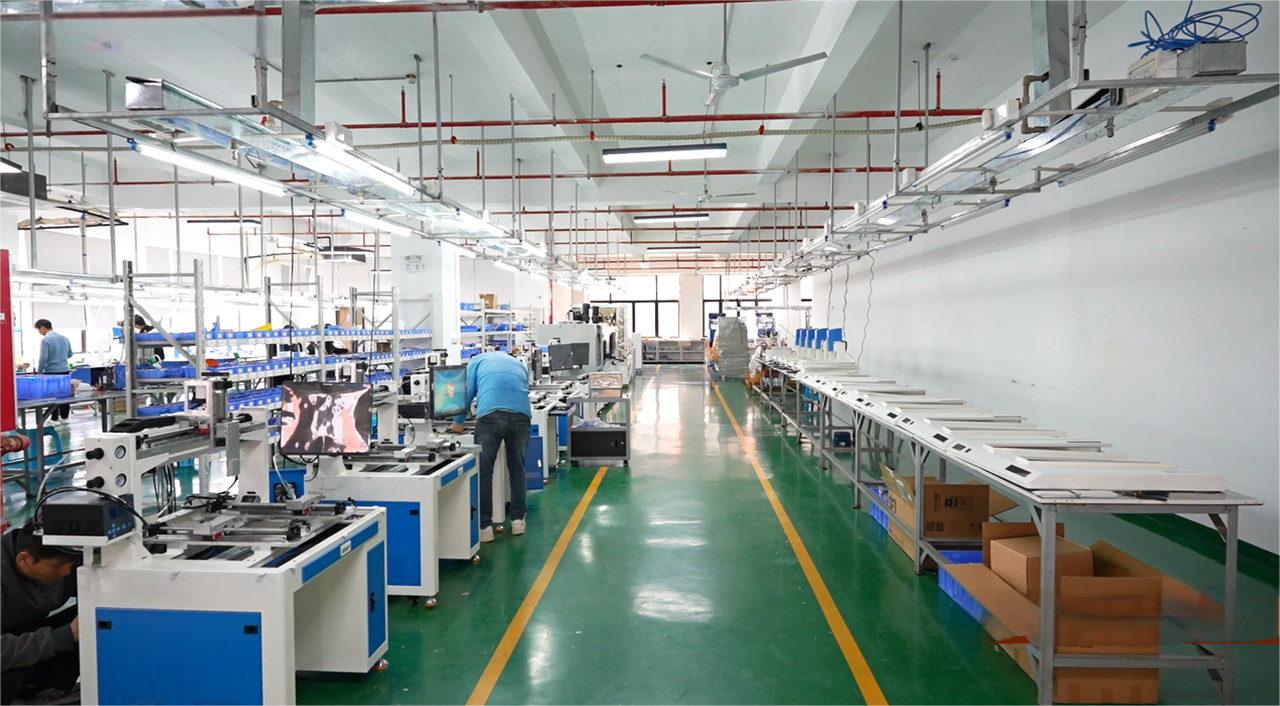
Step inside Anyco's precision manufacturing workshops. High-end automated production systems producing consistent components.
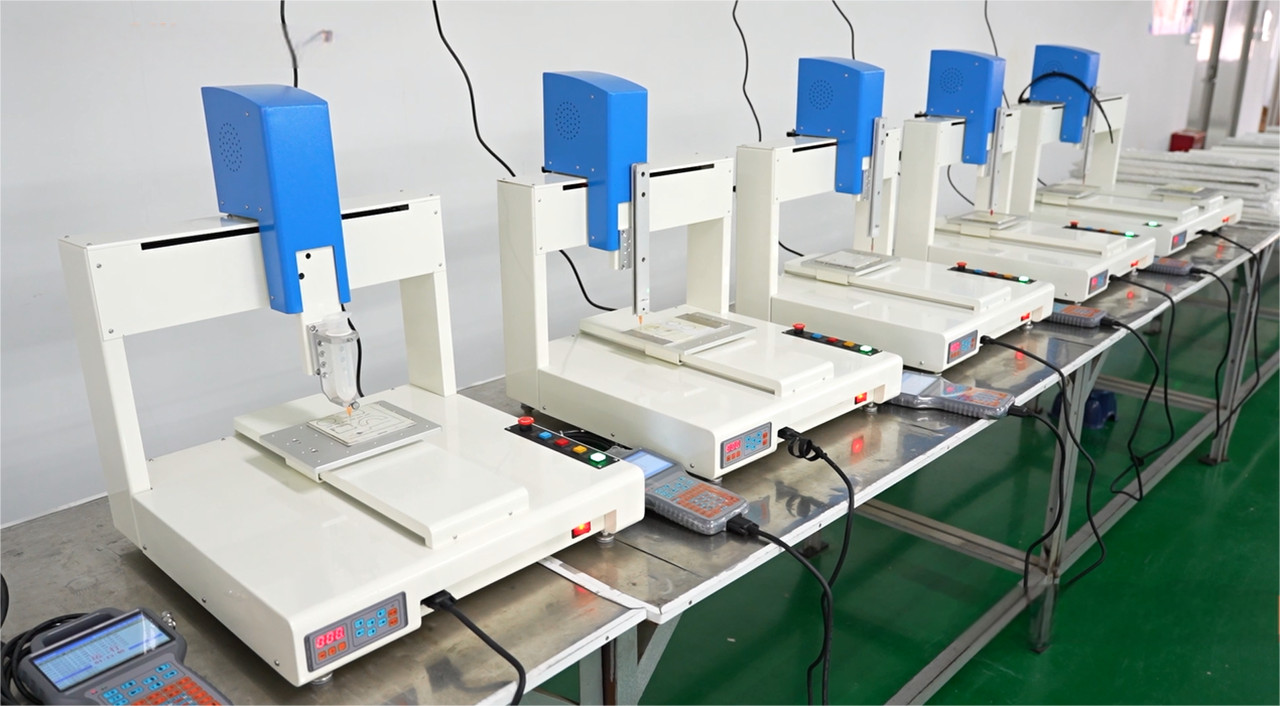
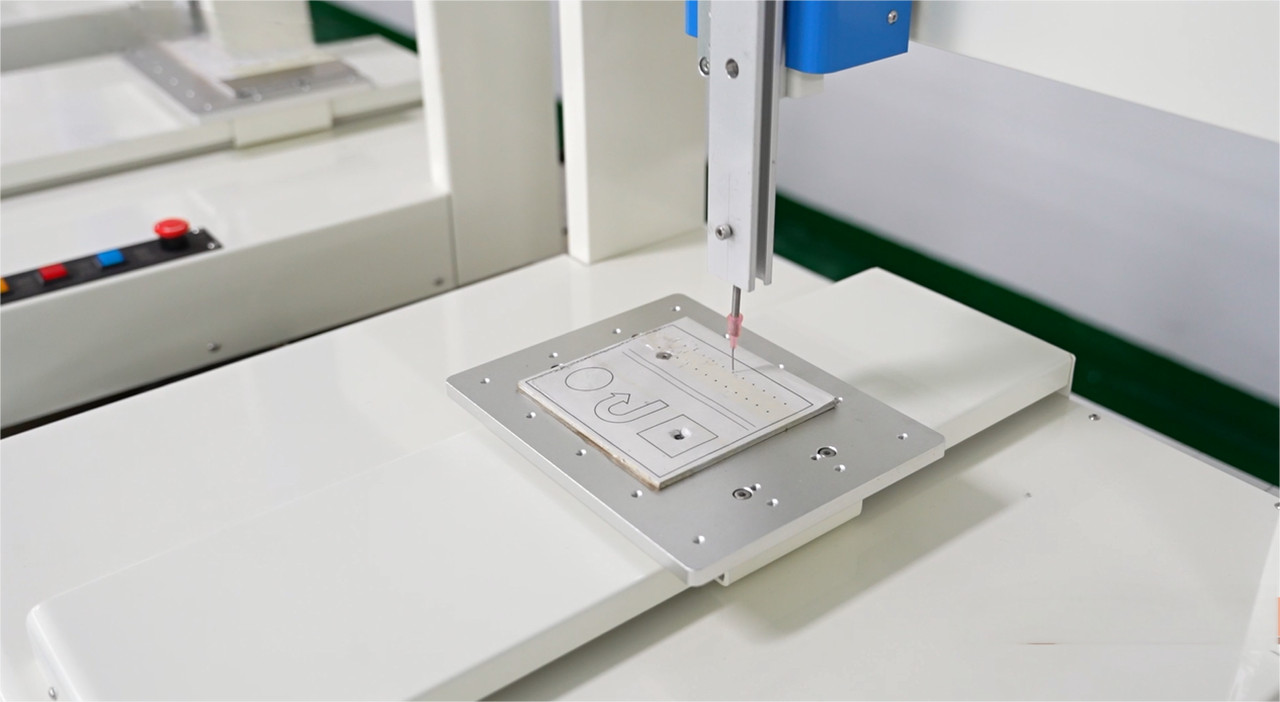
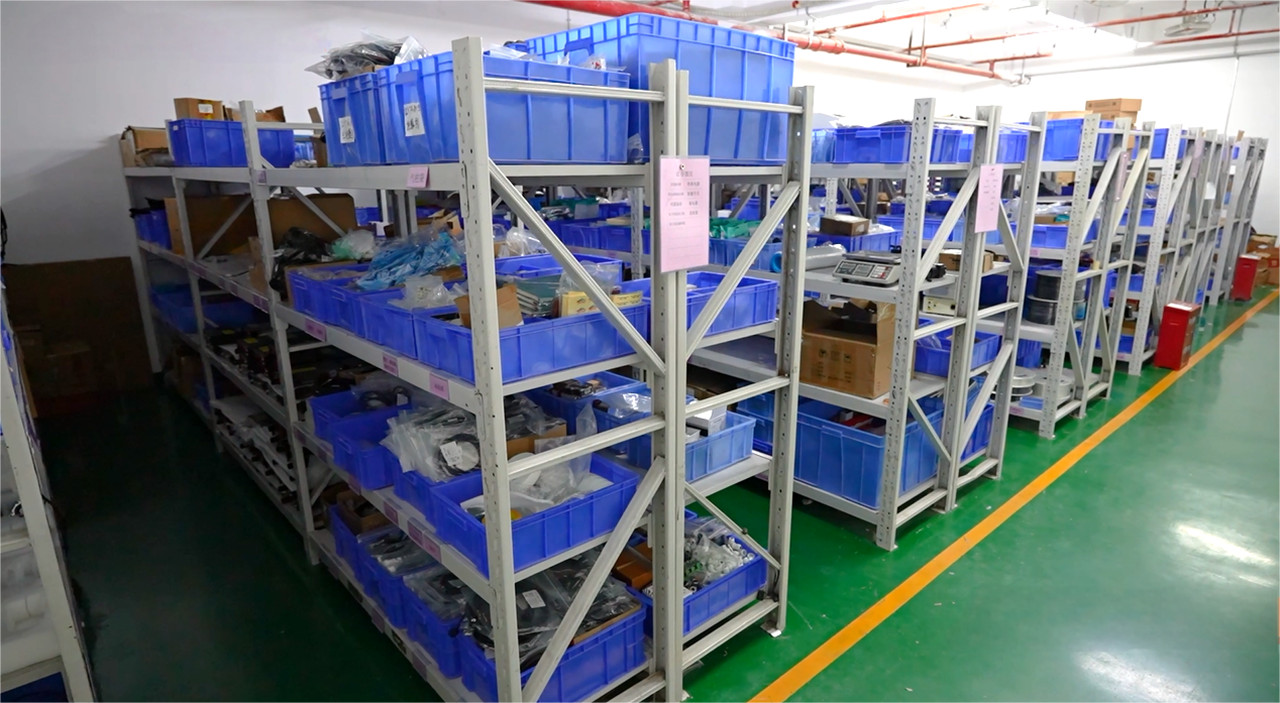
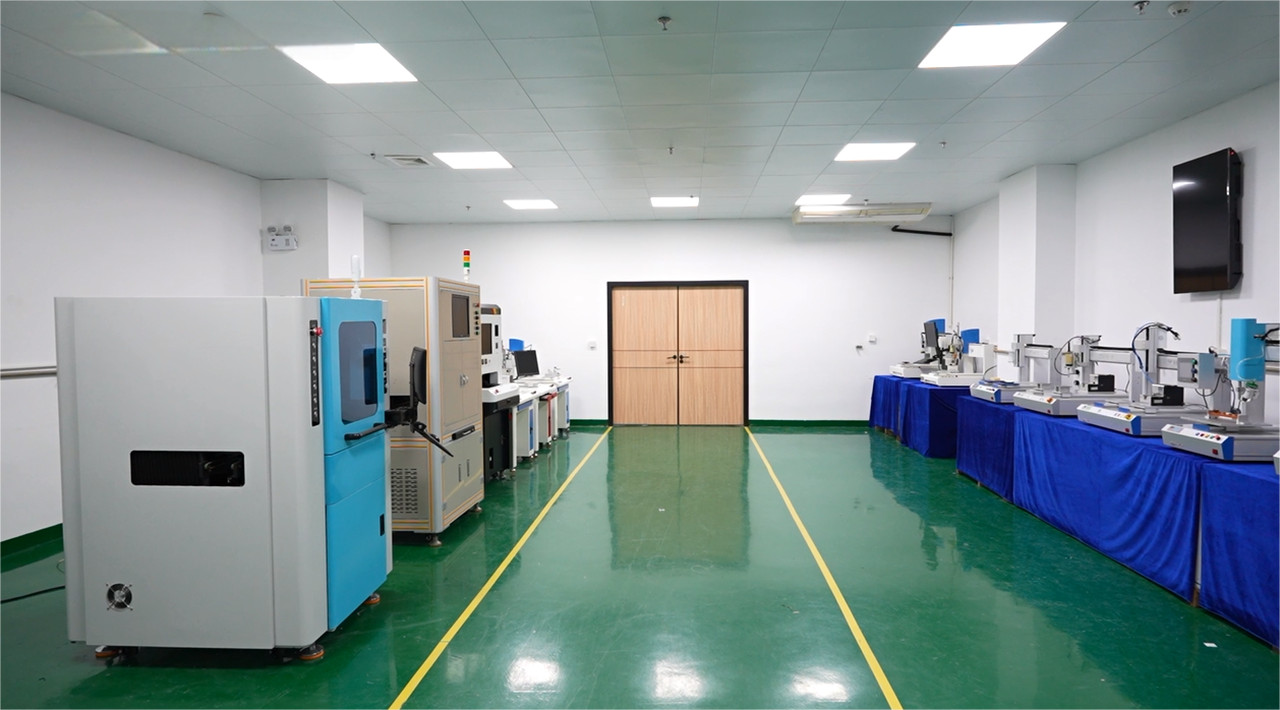
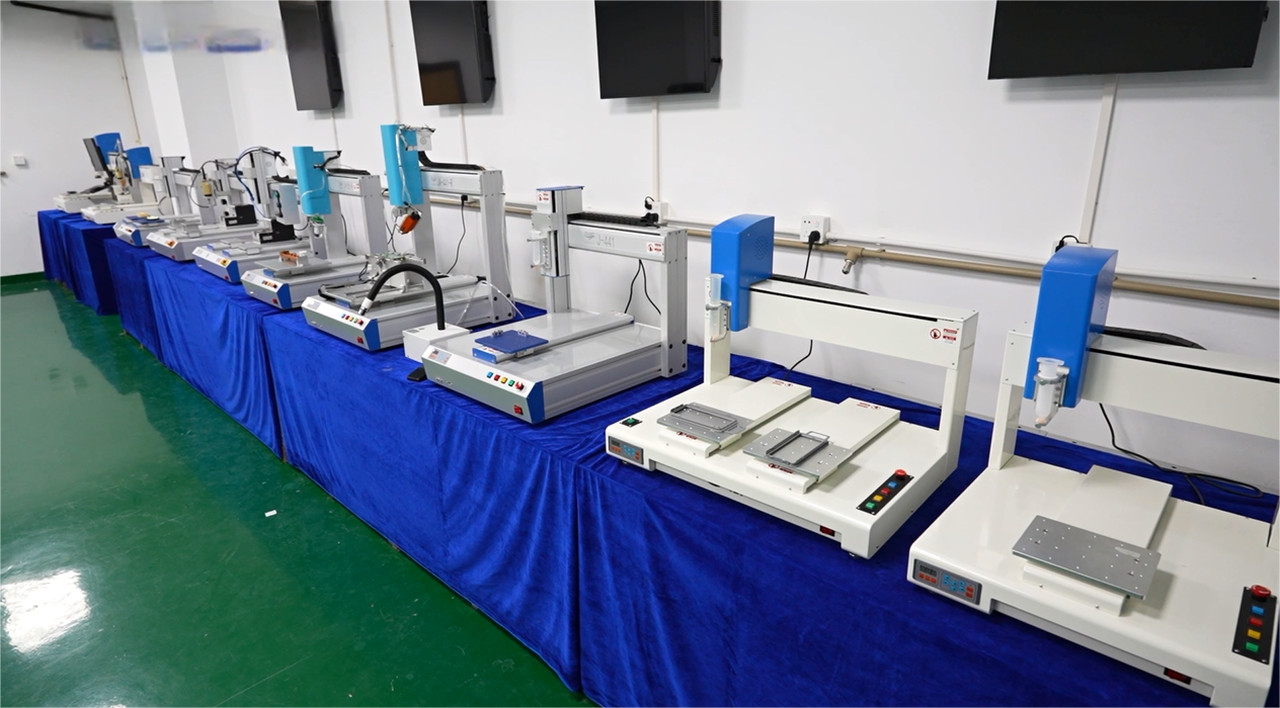
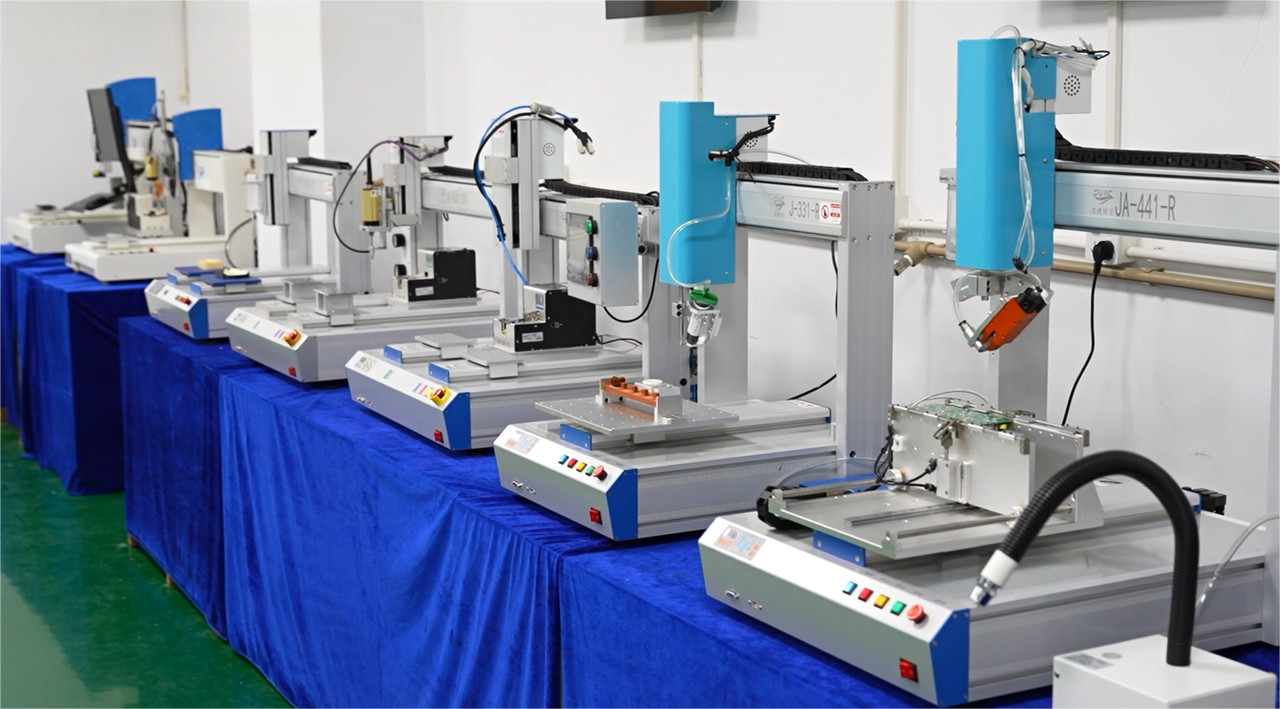
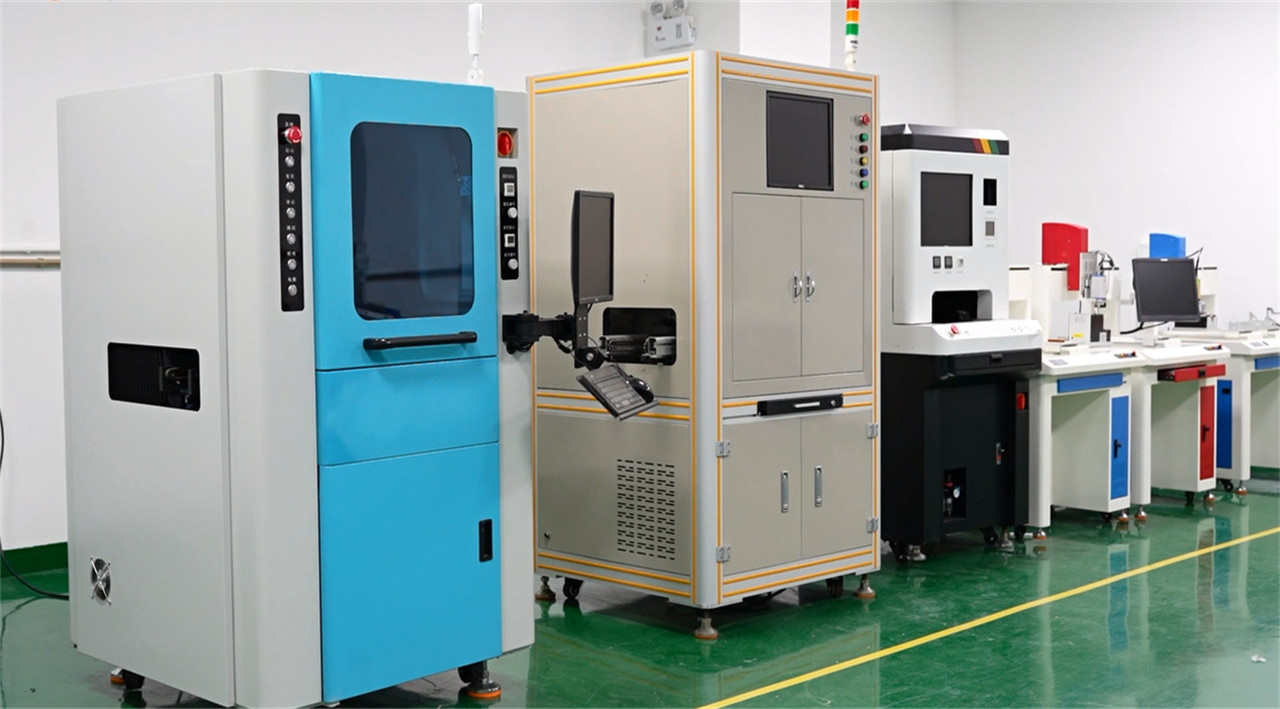
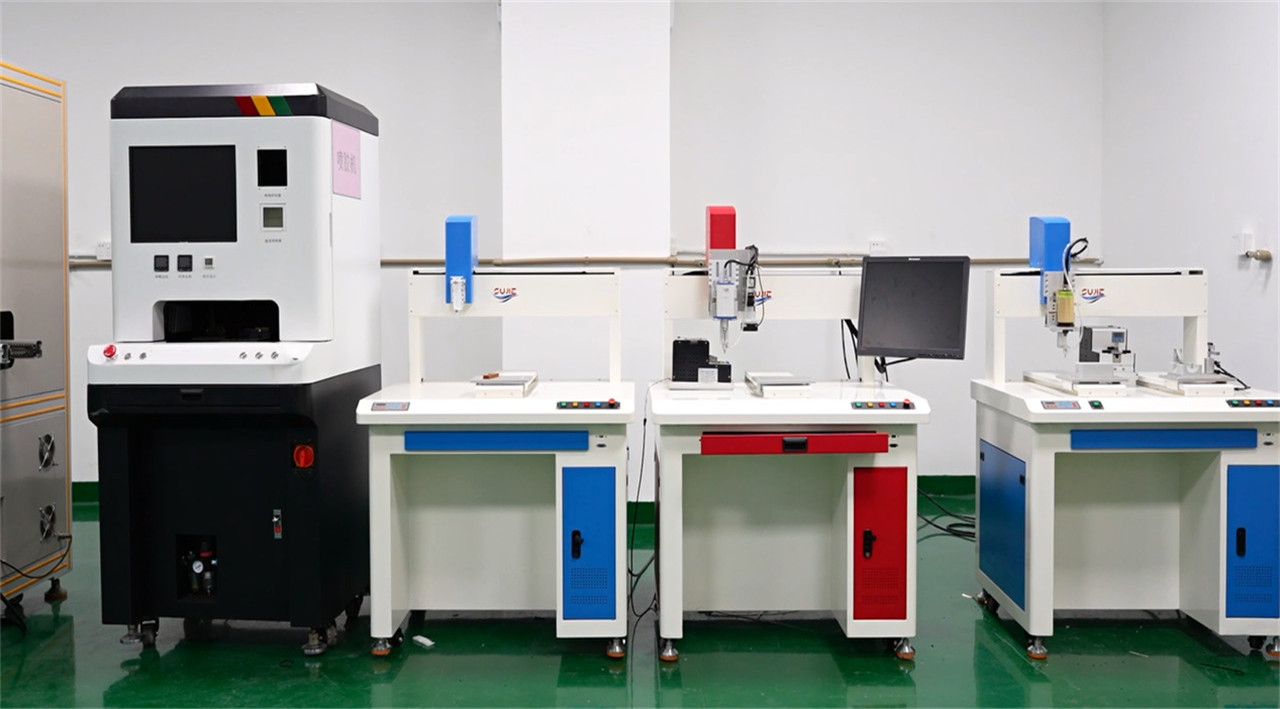
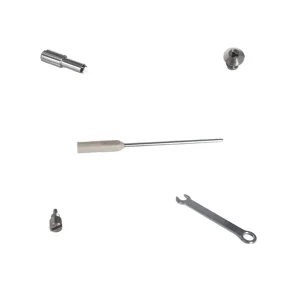
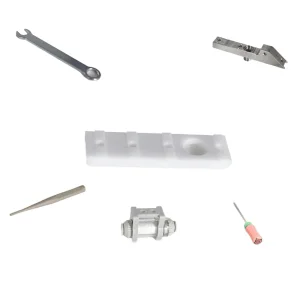
Engineered to exact OEM tolerances, our accessories ensure flawless performance in continuous industrial environments.
 Anyco Automation