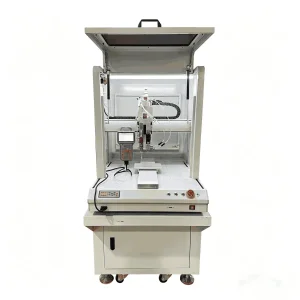
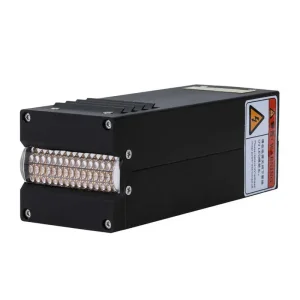
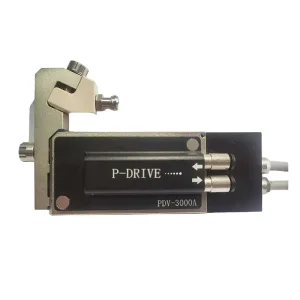
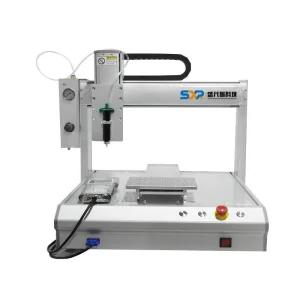
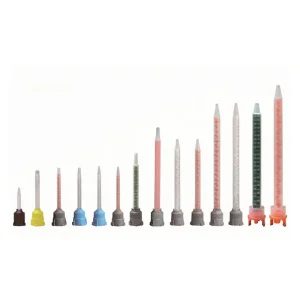
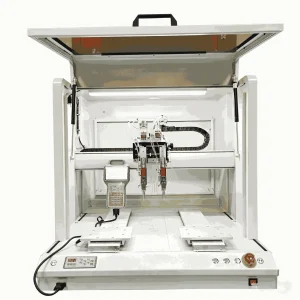
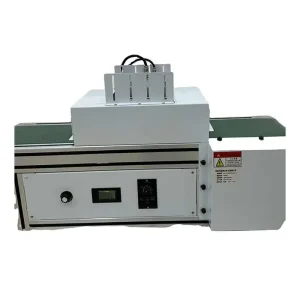
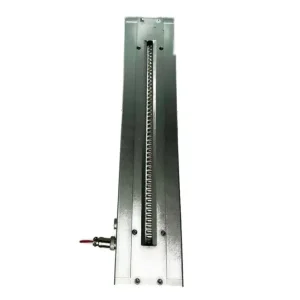
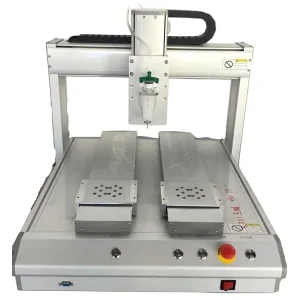
High-precision controllers, dispensing machinery, and advanced light source systems designed for high-throughput assembly lines.
In the field of industrial automation, the control of media flow is a fundamental necessity. In compressed air networks, compressor solenoid valves serve as critical electromechanical interfaces. They convert electrical control signals into mechanical movement, regulating the passage, block, or redirection of pressurized air. These valves are vital for functions such as compressor unloading cycles, condensate drainage, and pneumatic safety overrides.
For operations involving high-duty cycles, sourcing from a dedicated CE certification compressor solenoid valve supplier is essential. The CE marking indicates compliance with European Union safety directives (specifically LVD 2014/35/EU and EMC 2014/30/EU). This ensures that the valves can withstand continuous operations without risks of coil failure, voltage spikes, or pressure boundary breaches.
Industrial compressed air systems are subject to challenging operating conditions, including temperature fluctuations, pressure drops, and moisture accumulation. To address these challenges, modern facilities implement integrated fluid control designs that combine robust valve architecture with smart diagnostic interfaces.
During start-up, compressors require an unpressurized cycle to prevent motor overload. Solenoid valves release pressure from the compressor head, facilitating safe, low-torque startups.
Moisture buildup in reservoirs can cause corrosion in downstream components. Time-controlled or demand-actuated solenoid valves purge condensate reliably under high pressures.
In emergencies, fast-acting solenoid valves dump pilot pressure, shutting down pneumatic actuators to isolate hazardous zones in under 50 milliseconds.
These solutions are critical for automotive assembly lines, chemical manufacturing, packaging facilities, and precision semiconductor production. A malfunction in a pilot solenoid valve can lead to pressure fluctuations that impact delicate equipment, such as conformal coating platforms and high-speed dispensing valves.
The global market for compressor solenoids is shaped by two major trends: energy efficiency regulations (such as Ecodesign in Europe) and the expansion of smart factory infrastructure (Industry 4.0). Modern manufacturing plants are shifting away from traditional mechanical valves toward digitally integrated, low-wattage solenoid designs.
In Southeast Asia, North America, and Eastern Europe, regional hubs are experiencing growth in electronics packaging and high-precision dispensing assemblies. Facilities in Vietnam, Thailand, and Mexico require robust solenoid controls to support rapid manufacturing cycles. This has increased demand for qualified suppliers capable of providing both standard CE-compliant compressor solenoids and customized micro-needle or piezoelectric jetting configurations.
| Parameters | Standard Industrial Solenoid Valve | Precision Micro-Dispensing Valve (Jetting) | High-Pressure Compressor Solenoid |
|---|---|---|---|
| Operating Pressures | 0 to 10 Bar | Up to 300 Bar (Fluid Pressure) | 0.5 to 40+ Bar |
| Response Time | 20 to 50 milliseconds | < 0.5 milliseconds | 10 to 30 milliseconds |
| Cycle Life Rating | 5 to 10 Million Cycles | > 1 Billion Cycles | 15 to 30 Million Cycles |
| CE Compliance Required | LVD, RoHS | EMC, RoHS | PED, LVD, EMC |
| Thermal Tolerance Class | Class B (130°C) | Class F (155°C) | Class H (180°C) |
For procurement managers, verifying a manufacturer's credentials involves evaluating engineering and compliance documentation. The CE mark represents compliance with specific directives:
Shenzhen Anyco Automation Equipment Co., Ltd. integrates these compliance frameworks into its manufacturing processes. By sourcing high-grade stainless steel cores, using Viton/PTFE seals, and running insulation resistance testing, Anyco maintains consistency across its product range.
Solenoid valve technologies perform different roles depending on the localized application:
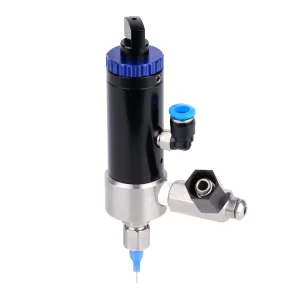
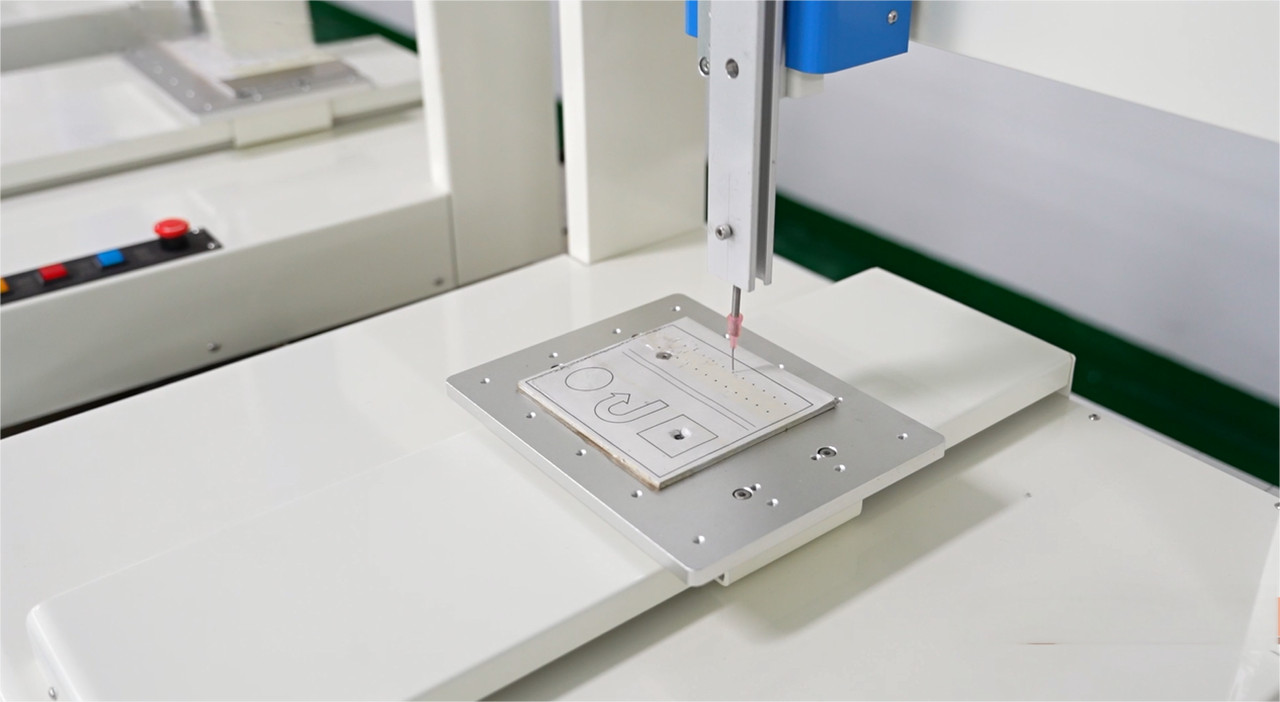
In high-density printed circuit board (PCB) assembly, solenoid pilots regulate air pressure inputs for micro-needle dispensing valves (e.g., the AC-741GM Diaphragm Micro Impingement Needle Valve). Stable pneumatic pressure is necessary to ensure consistent fluid deposition during potting, encapsulation, and underfill processes.
Conformal coating lines, such as the AC-T551-2 or AC-T7441-2, require consistent air pressure to atomize protective coatings. Specialized solenoids manage the spray activation cycles, preventing pressure anomalies that can cause bubbles, overspray, or uneven coating thicknesses.
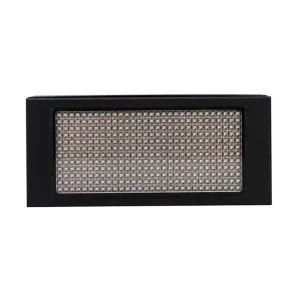
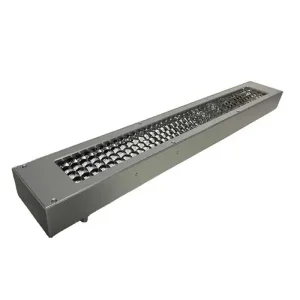
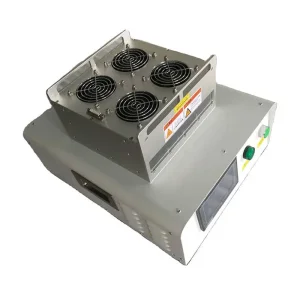
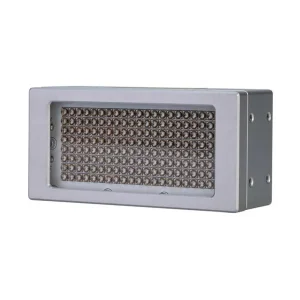
Water-cooled and air-cooled UV LED curing systems (e.g., 9040 Water Cooled Area Light Sources or 200200 Air Cooled Area Light Sources) rely on pneumatic valves to control coolant flows and shutter mechanisms. Solenoids ensure water or air circulates reliably when the UV lamp is active, maintaining stable temperatures during operation.
The solenoid valve market is transitioning toward designs that support environmental sustainability and digitalization:
Founded in 2013, Shenzhen Anyco Automation Equipment Co., Ltd. is a national high-tech enterprise specializing in fluid control equipment research and development, manufacturing, and customized technical services. The company provides a one-stop factory for precision dispensing equipment and automated accessories.
Anyco is headquartered in Guanlan, Shenzhen, with a manufacturing facility in Huizhou covering more than 2,000 square meters. The company serves markets in Southeast Asia, India, Vietnam, Thailand, North America (Mexico), and Morocco, establishing a reputation for reliable build quality and technical support.
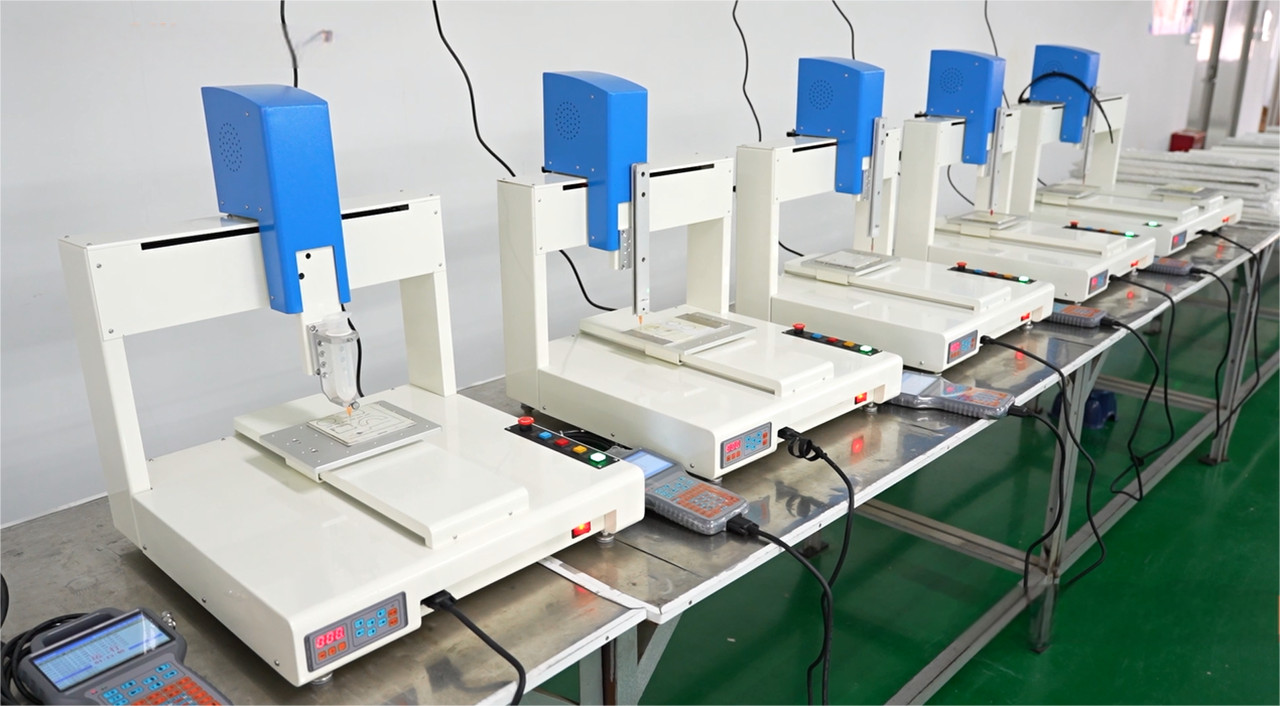
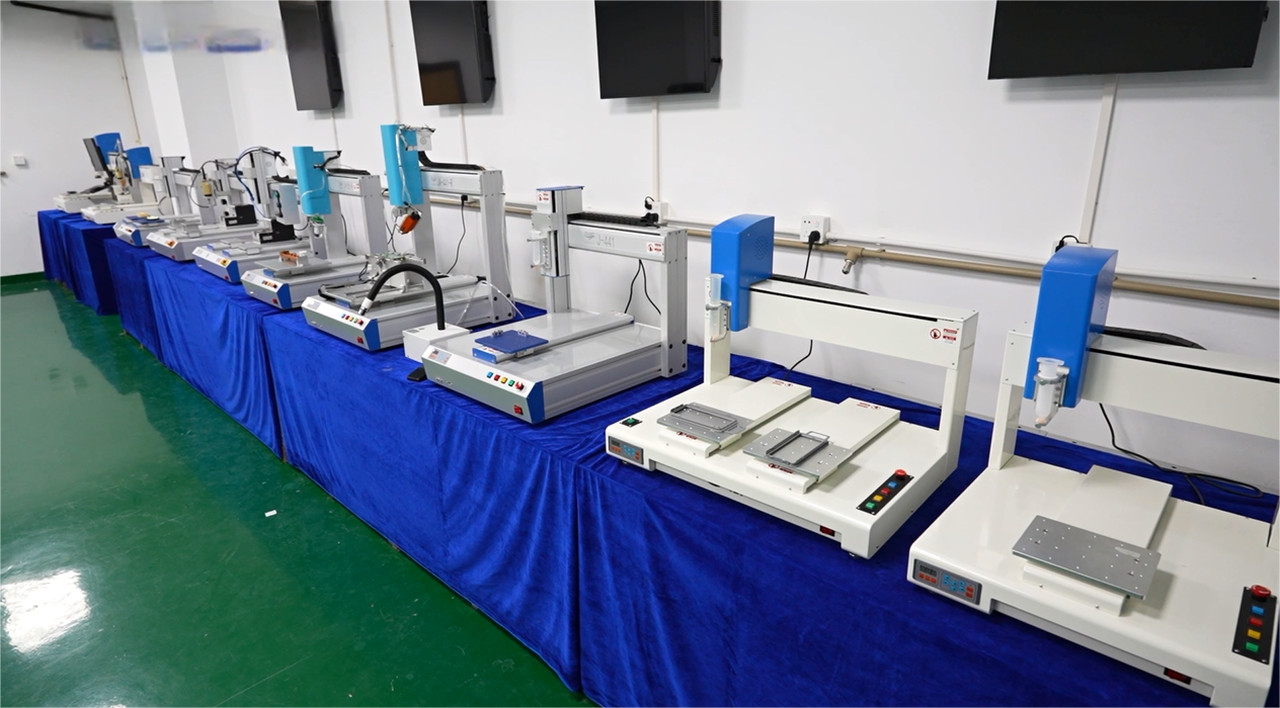
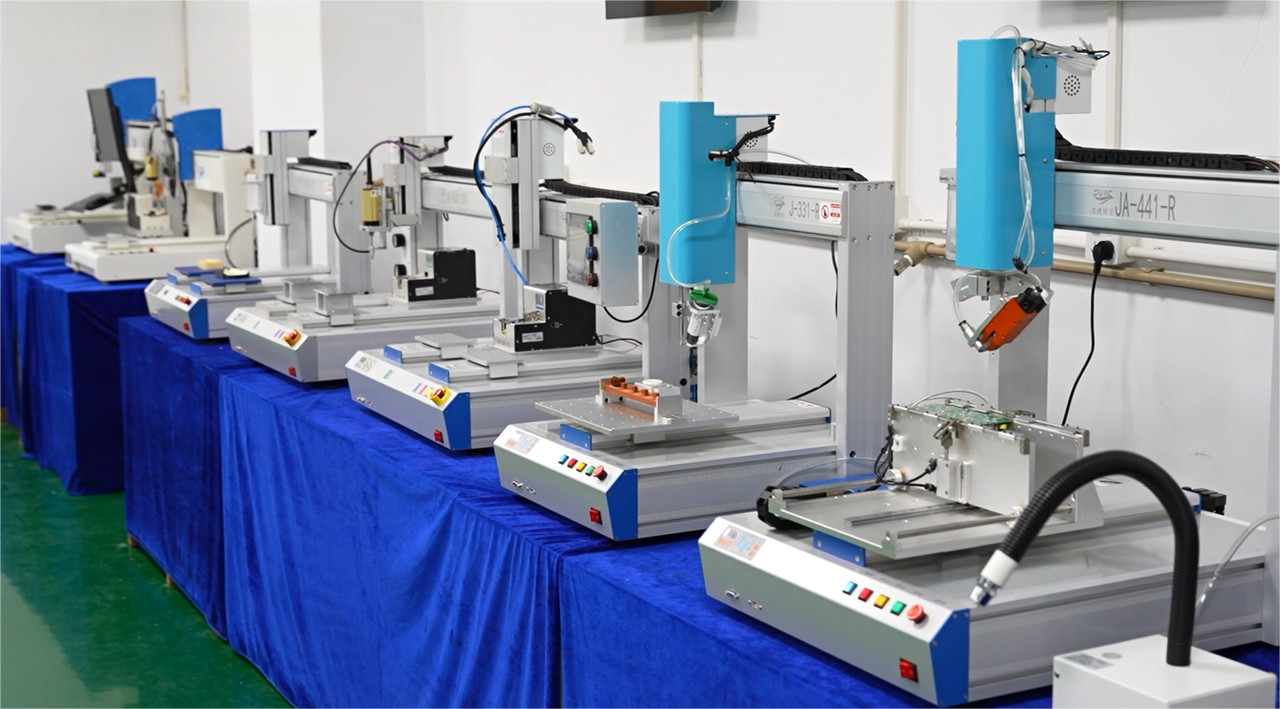
Anyco's portfolio includes high-speed dispensing injection valve accessories, industrial dispensing machines, and customized consumables. The company develops solutions for the home appliance, consumer electronics, and automotive electronics sectors.


To meet specific system requirements, Anyco provides customized design services for client applications. The company develops fluid control systems that handle specialized materials, including high-viscosity pastes, solder pastes, and moisture-sensitive adhesives.
Anyco's equipment is engineered for flexibility, enabling integration into existing production setups. This design philosophy helps electronic and automotive manufacturers achieve consistent dispensing accuracy and reliable machine runtimes.
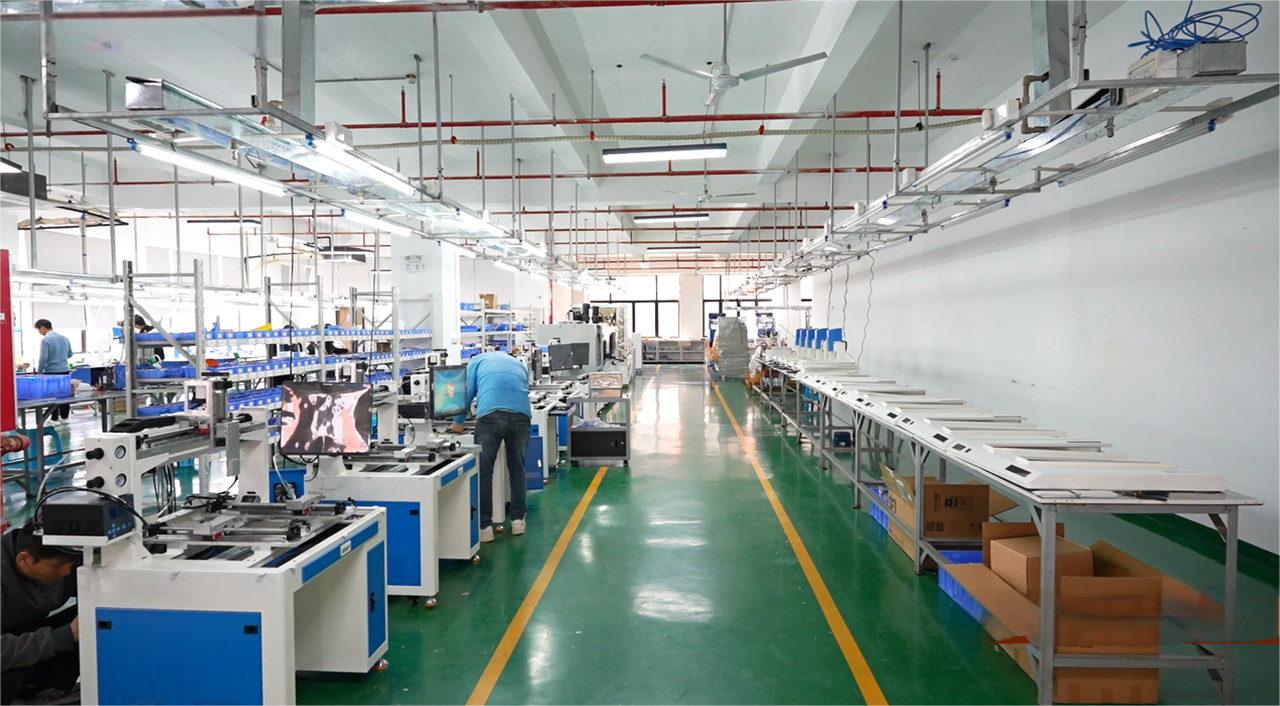
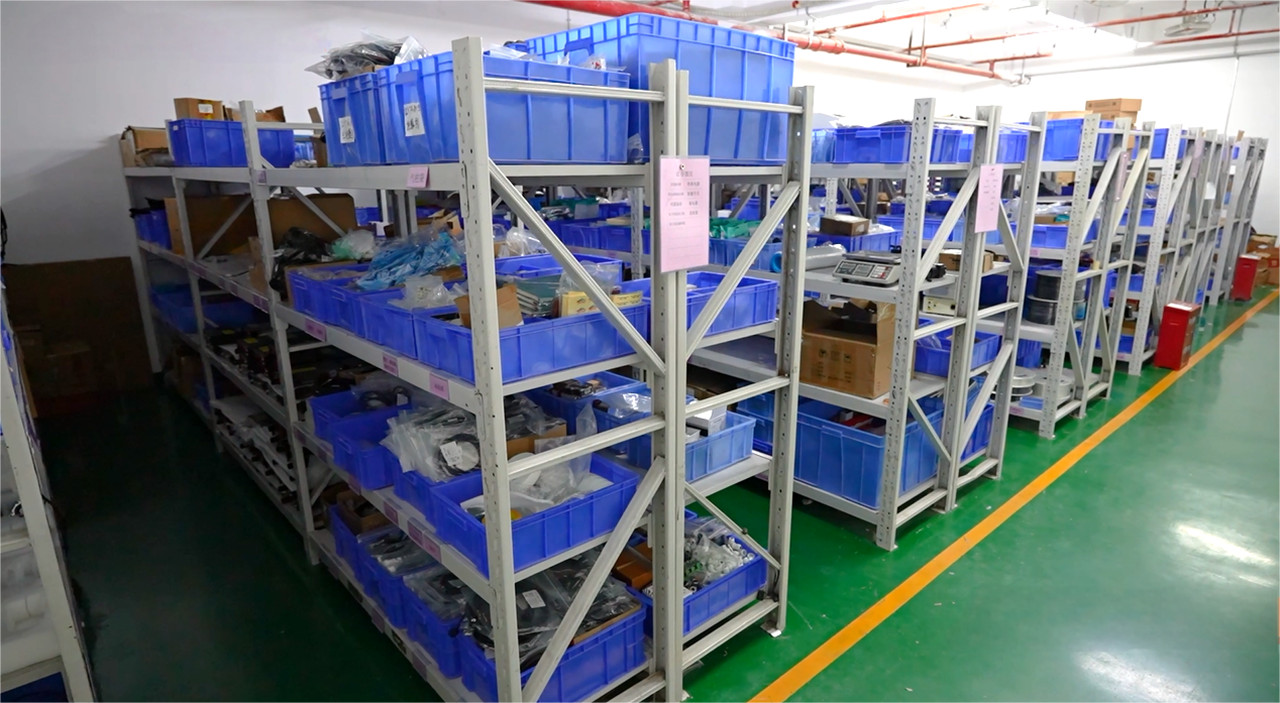
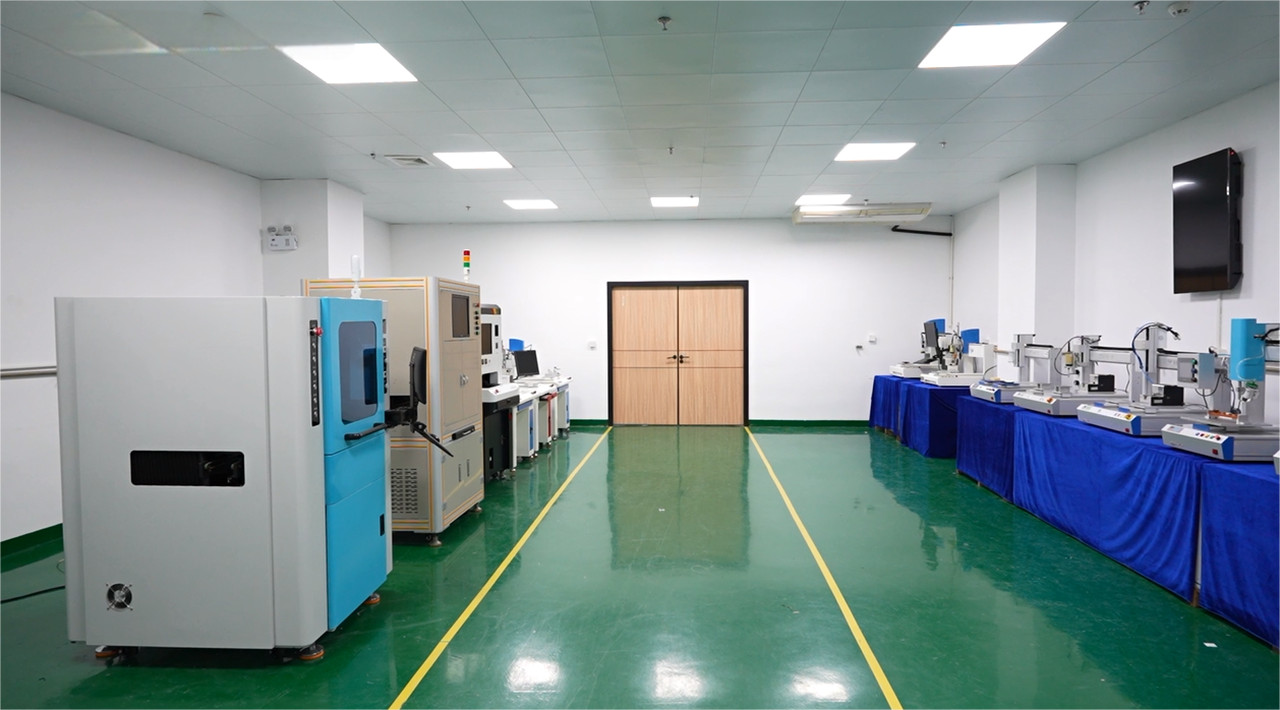
Production areas equipped with precision machining centers, assembly stations, and testing apparatus.
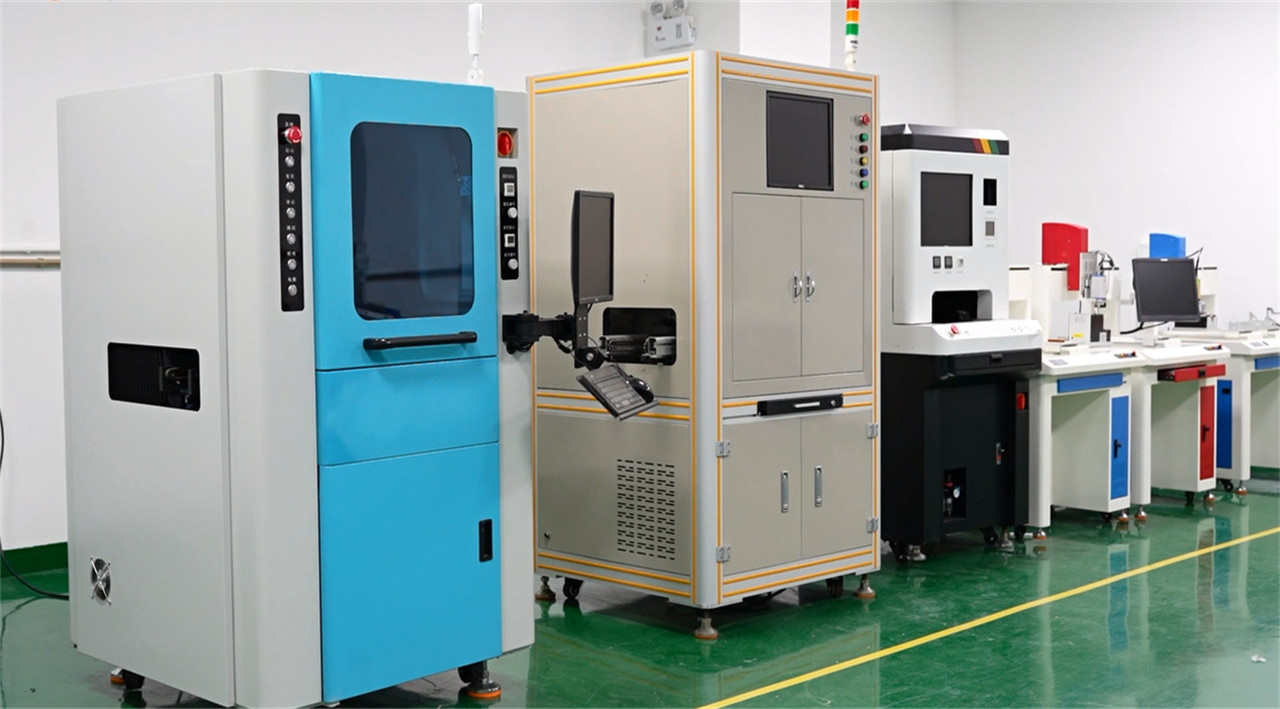
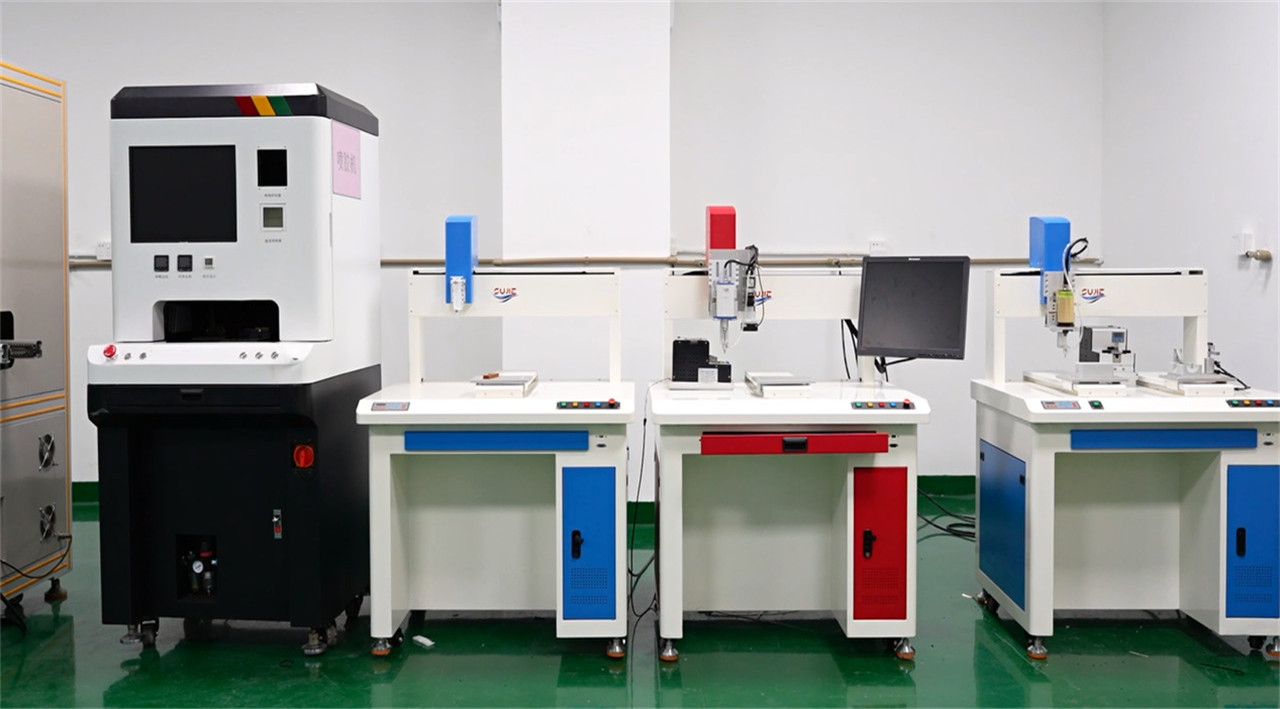
Operational metrics that define our manufacturing accuracy and product reliability standards.
Detailed technical responses to common questions from automation developers and procurement teams.
Extended engineering portfolio featuring high-speed needle valves, water-cooled curing arrays, and pneumatic controllers.
 Anyco Automation