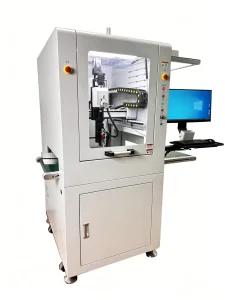
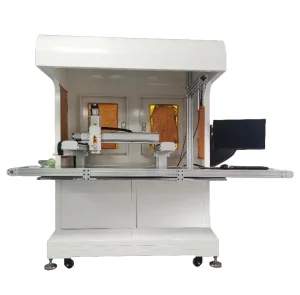
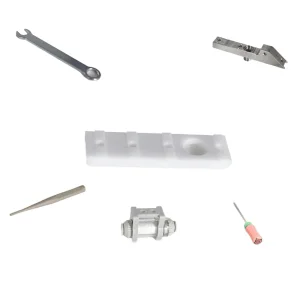
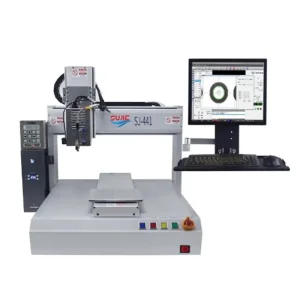
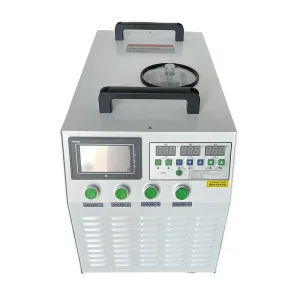
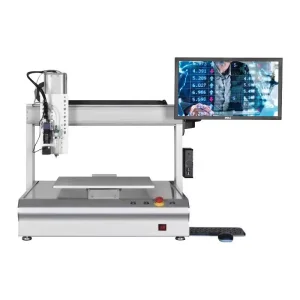
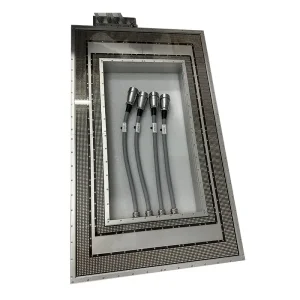
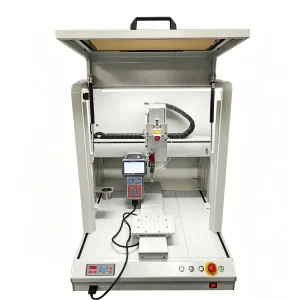
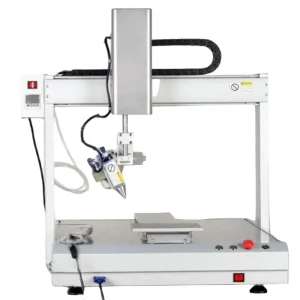
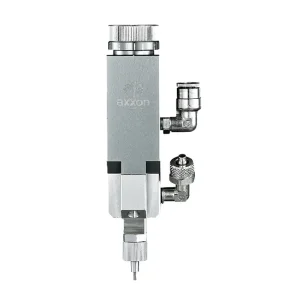
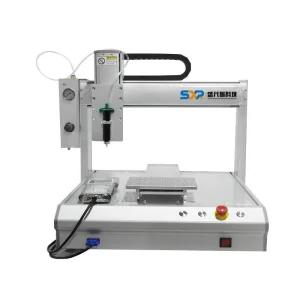
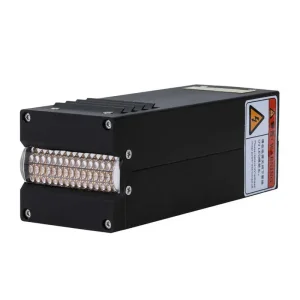
Explore our premium machinery engineered for high-accuracy industrial assembly pipelines
In modern high-density printed circuit board (PCB) assembly, precision solder paste deposition represents one of the most critical stages in surface mount technology (SMT) workflows. Among the leading formulations, WS71 Water-Soluble Dispensing Solder Paste stands out as a highly specialized material engineered to reconcile the demanding dynamics of high-frequency automatic dispensing and strict cleaning regulations. Classified under IPC J-STD-004 as an organic acid (OR) flux-based paste, WS71 provides exceptional printability, superior wetting, and ultra-reliable post-reflow cleanability using standard water-wash systems.
Unlike standard no-clean formulations that leave behind non-conductive, resinous residues, WS71 leaves a highly soluble organic residue that must be washed with deionized water. This requirement is not a disadvantage, but a massive benefit in high-reliability applications such as aerospace electronics, automotive control units, medical devices, and premium consumer electronics, where even minor ionic contamination could cause dendritic growth or leakage currents over time. The chemistry of the WS71 activator package guarantees rapid oxide removal on oxidized copper (Cu) and nickel-gold (ENIG) surface finishes, assuring optimized intermetallic compound (IMC) thickness during reflow profiles.
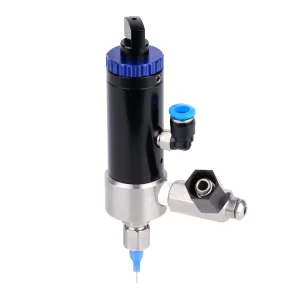
For fluid dispensing processes, the rheological behavior of the paste dictates the efficiency of the deposition cycle. Dispensing grade solder paste must exhibit a low thixotropic index under high shear stress—meaning it must flow effortlessly through micro-needles (e.g., V-420A Micro Needle Valves) without clogging—and quickly regain its viscosity once the deposition pressure is removed to avoid "slumping" or "stringing." WS71 utilizes highly controlled Type 4, Type 5, or Type 6 powder sizes to ensure spherical uniformity, reducing mechanical friction and needle wear during high-volume production cycles.
By leveraging advanced polymer binders, WS71 maintains constant viscosity over prolonged operational shifts, preventing deposit volume variation caused by chemical evaporation or shear heating within the dispensing valve chamber. This ensures consistent dot sizes and uniform lines across complex board topographies.
The transition toward miniature electronic components—such as 01005 passives, micro-BGAs, and fine-pitch QFNs—has accelerated the adoption of automated fluid dispensing over conventional stencil printing. As a result, global electronics manufacturing service (EMS) providers are demanding robust dispensing systems paired with highly certified solder formulations. Geographically, this demand is concentrated in rapidly growing manufacturing hubs:
Vietnam, Thailand, and Malaysia have emerged as leading manufacturing nodes for smartphones, smart home appliances, and microelectronics, generating high-volume requirements for precise, high-speed jetting valves.
In Mexico and the United States, automotive Tier-1 suppliers utilize WS71 paste coupled with automated dispensing to manufacture advanced driver-assistance systems (ADAS) and powertrain ECUs requiring zero-defect reliability.
Regions like Morocco are expanding their industrial footprint, particularly in aerospace wiring assemblies and power distribution components, where cleaning organic residues is critical to pass strict safety inspections.
For manufacturers and exporters, achieving CE Certification is a mandatory benchmark to enter the European Economic Area (EEA). CE marking signifies that both the dispensing machinery (such as AC-M30 Follow-Up Conformal Coating Machines or three-axis dispensing units) and the associated process chemicals meet essential health, safety, and environmental protection standards under EU directives. For chemical compounds like WS71, this extends to compliance with the RoHS Directive (Restriction of Hazardous Substances) and the REACH Regulation, validating that lead levels (in lead-free variants like SAC305) and halogen contents remain strictly below regulatory thresholds. Partnering with a CE-certified manufacturer and exporter guarantees global operators that the equipment and chemicals will integrate smoothly into their systems without compliance hurdles.
High-volume processing of WS71 solder paste requires advanced automation machinery engineered to handle abrasive materials. Because solder paste consists of spherical metal alloys suspended in flux, standard valve designs can suffer from rapid mechanical wear or trigger "cold welding" due to internal friction. Modern assembly lines resolve these challenges using optimized technology integration paths:
| Dispensing Technology | Typical Flow Properties | Ideal Application Scenario | WS71 Compatibility Rating |
|---|---|---|---|
| Piezoelectric Jet Valves | Dynamic jetting, non-contact micro-dots | Ultra-high-density SMT, smartphone camera modules | Outstanding (Requires temperature control at nozzle) |
| Micro Needle Valves (e.g., V-420A) | Continuous line extrusion, micro-gaskets | Shielding cans, industrial sensor housings | Highly Compatible (Excellent pressure management) |
| Aqueous Cleaning Systems | Automated DI water spray wash, 55-65°C | Post-reflow flux removal for high reliability | Mandatory (Ensures zero ionic residues) |
| 3-Axis Visual Gantry Systems | Vision-guided automated tool path tracking | Multi-point PCB spot-dispensing, automated lines | Highly Optimal (Integrates tool height detection) |
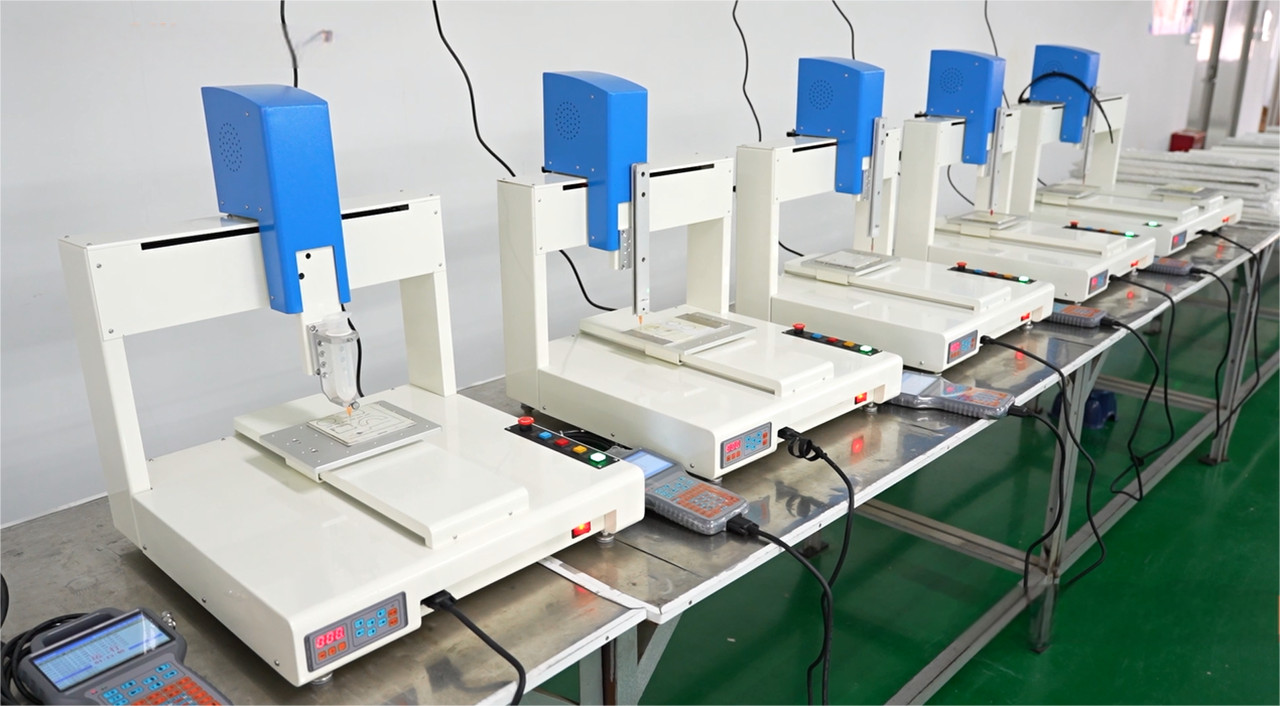
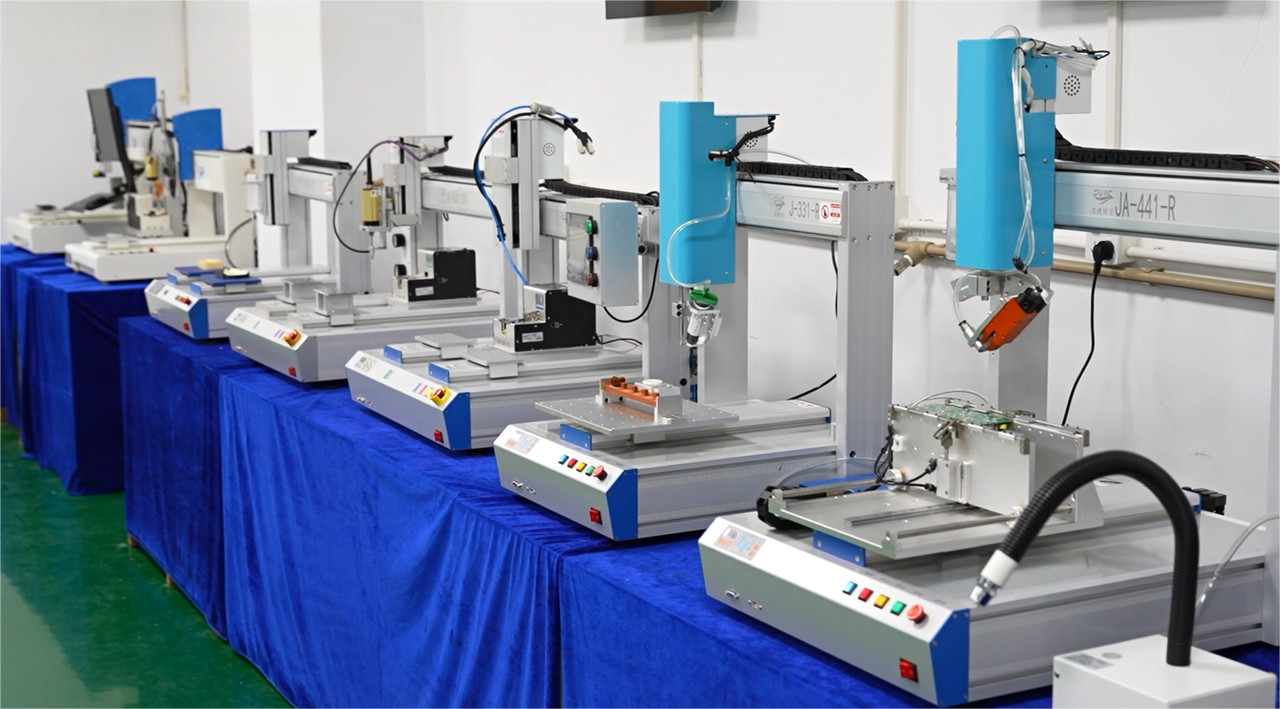
Every industrial production line exhibits unique challenges based on throughput speed, floor space, and operator expertise. Recognizing this, Shenzhen Anyco Automation Equipment Co., Ltd. provides customized fluid dispensing systems tailored to our global clients' specific requirements. Our machines are designed with advanced vision correction systems, enabling real-time compensation for board warpage and positional misalignment. Whether you require a specialized desktop unit like the SXR-300EDV (Vision-guided) or inline setups, our engineers optimize nozzle diameters, heating blocks, and pneumatic pressures to match the specific fluid profile of WS71 solder paste.
By tailoring the interaction between the dispensing valve and the paste chemistry, we help our clients minimize scrap rates, eliminate solder balling, and significantly reduce cleaning cycle durations.
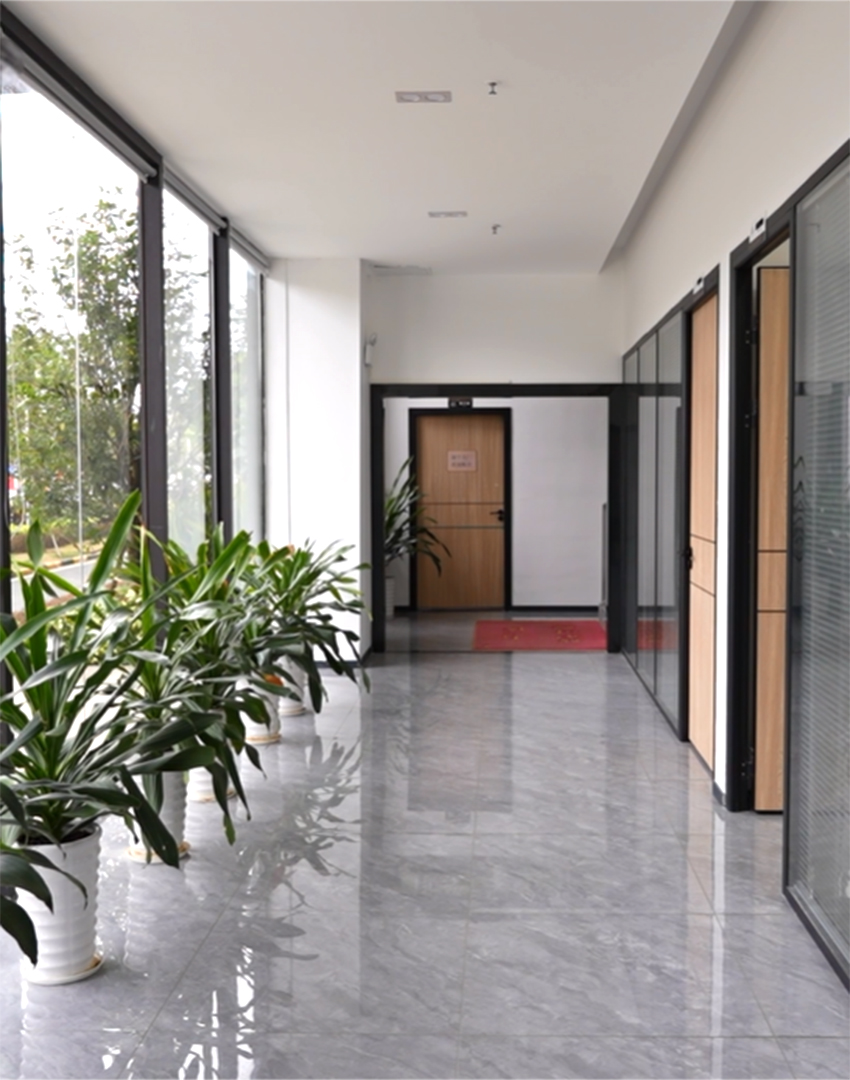
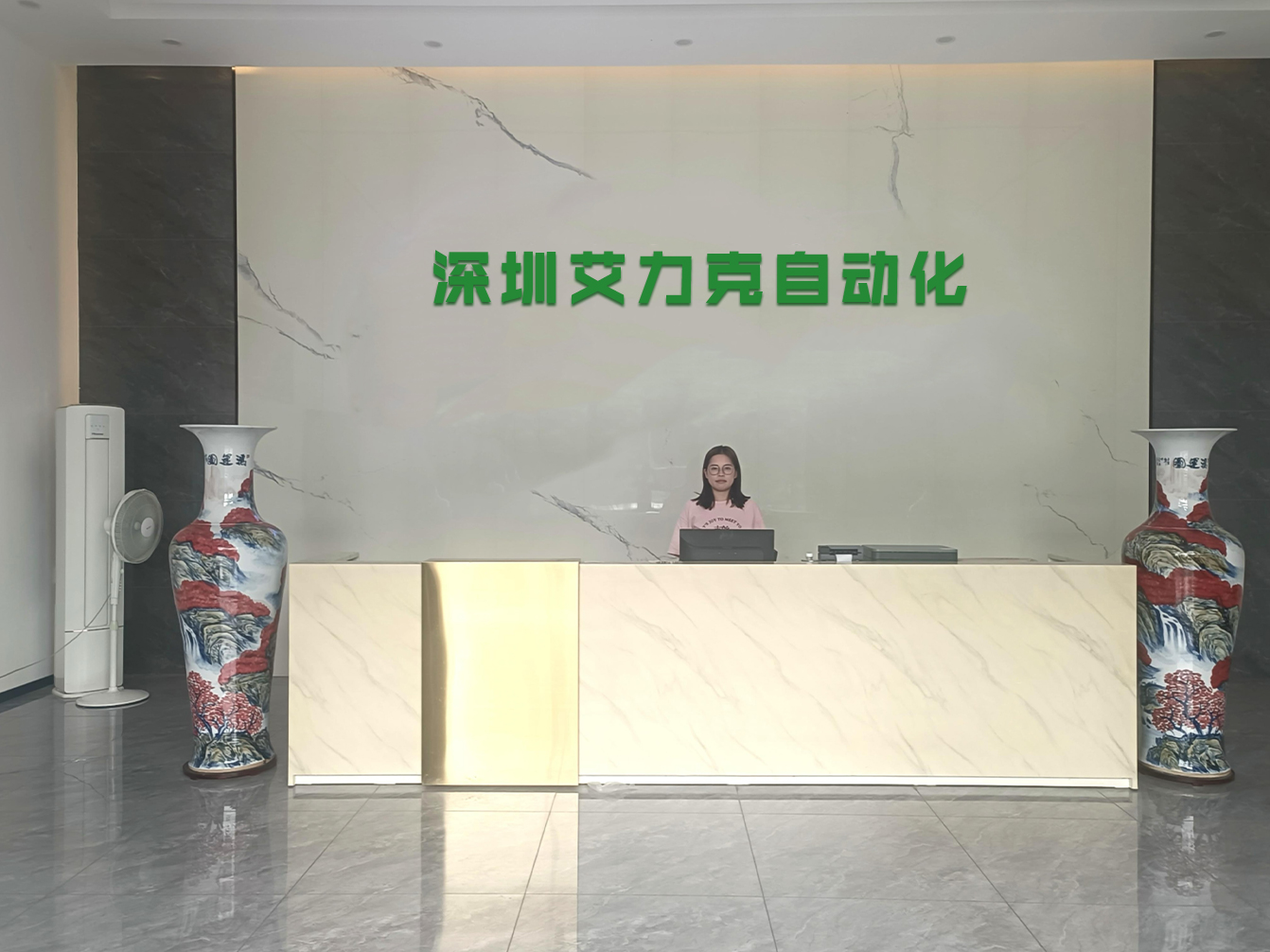
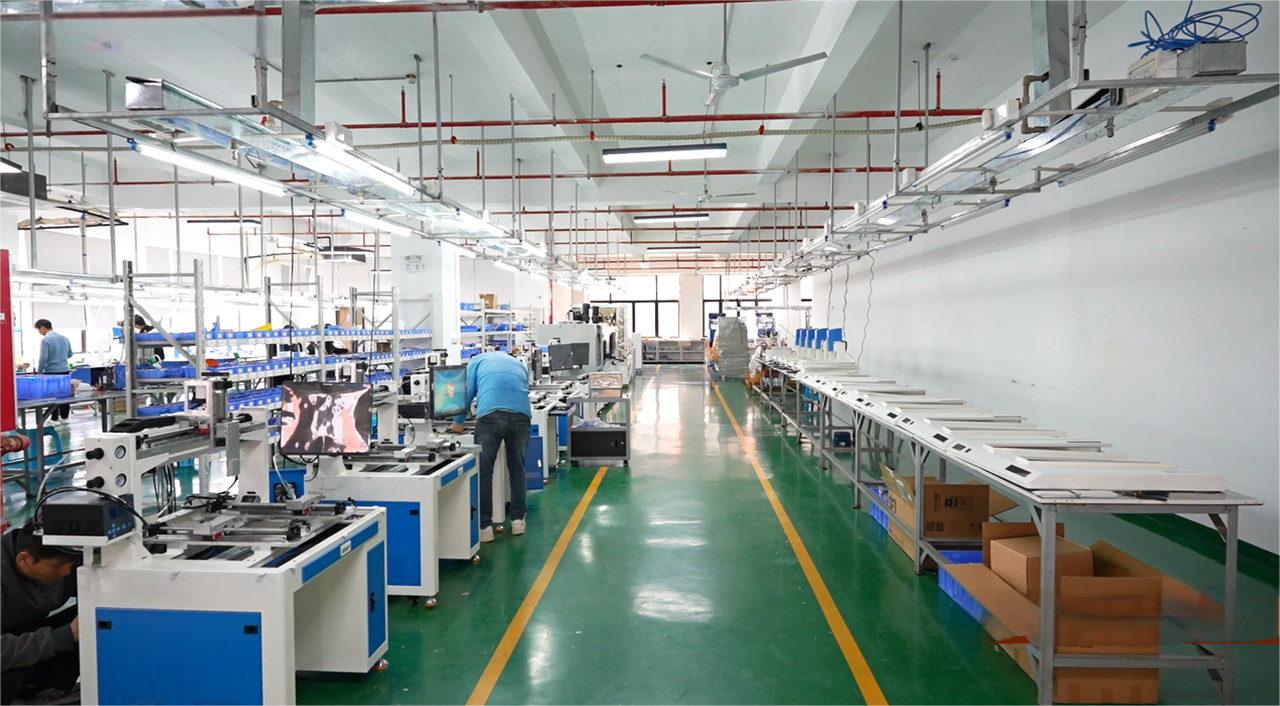
Established in 2013, Shenzhen Anyco Automation Equipment Co., Ltd. is a national high-tech enterprise integrating research and development, manufacturing, sales, and comprehensive after-sales technical support for precision fluid control systems and accessories. Headquartered in Guanlan, Shenzhen, and supported by a production plant in Huizhou spanning over 2,000 square meters, Anyco has grown to become a premium one-stop precision dispensing equipment accessories customization manufacturer.
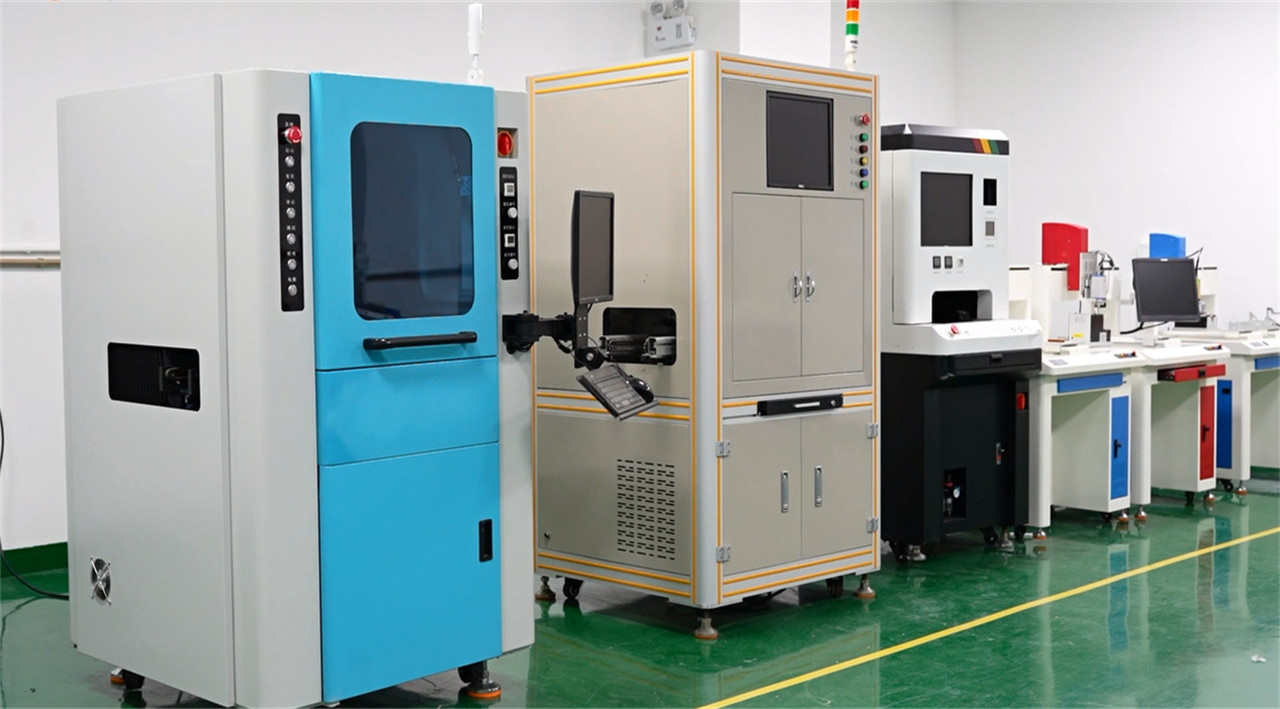
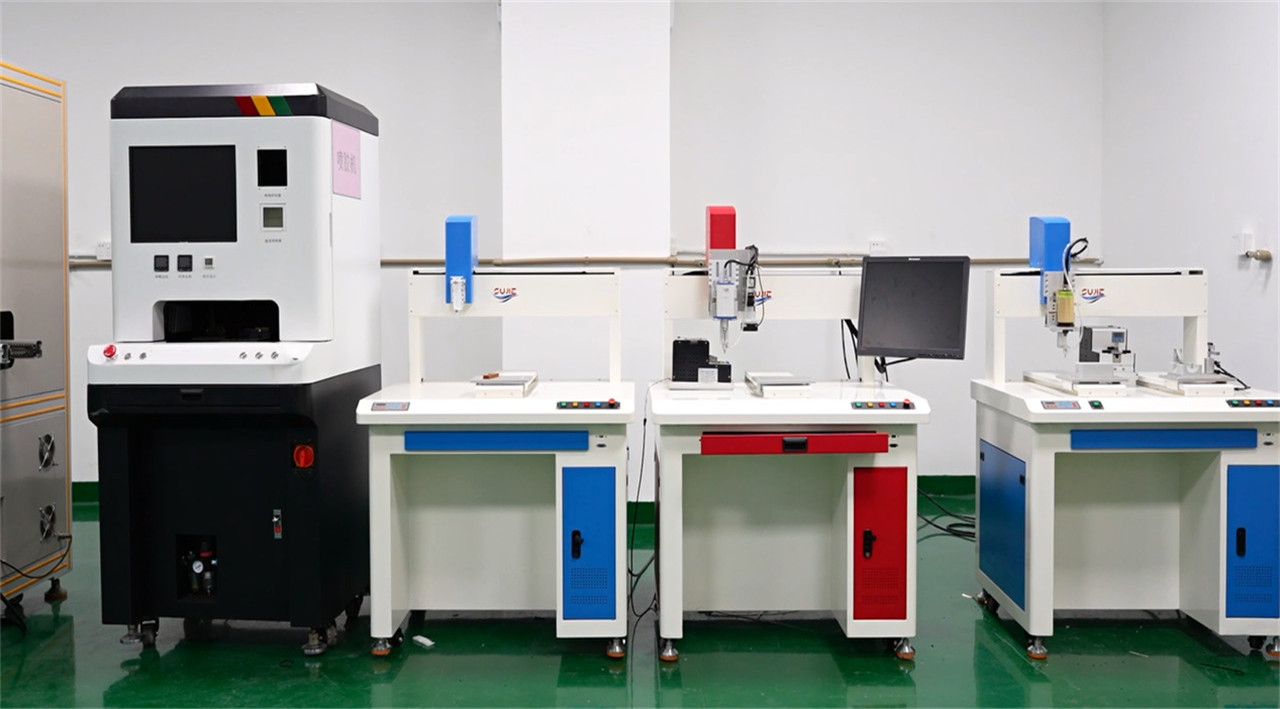
Our competitive advantage lies in our focus on the electronics manufacturing industry, offering high-speed, high-precision intelligent solutions for consumer electronics, automotive electronics, and home appliance sectors. Our extensive product portfolio features high-end piezoelectric jetting valves, three-axis industrial dispensing machinery, desktop conformal coating systems, and high-quality consumables designed to excel under challenging operating environments.
Take a closer look at our state-of-the-art manufacturing facilities, assembly lines, and testing centers in Huizhou and Shenzhen:
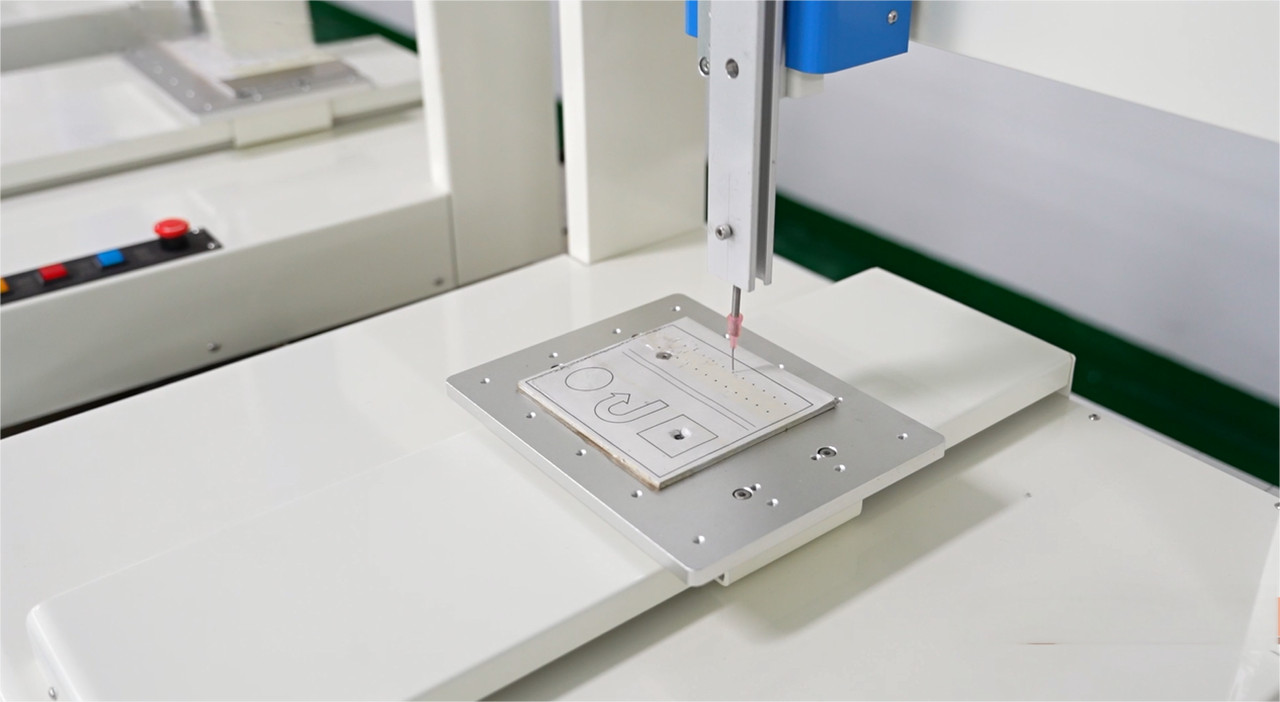
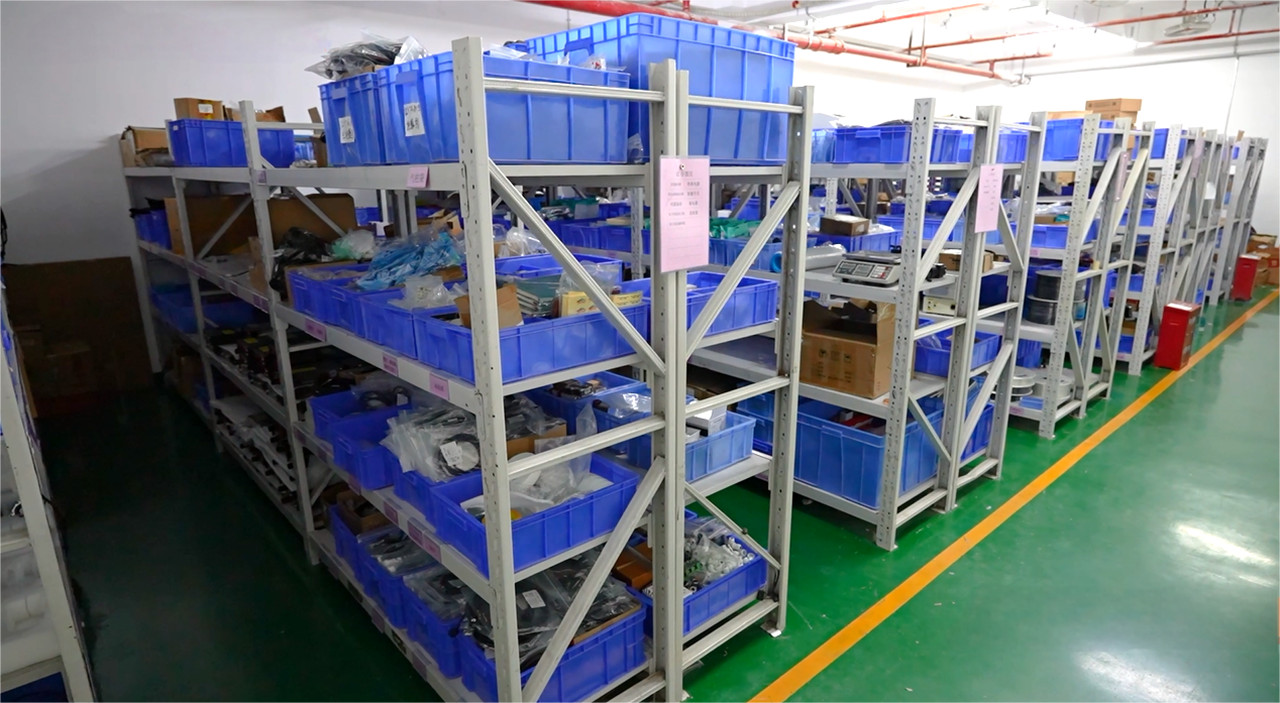
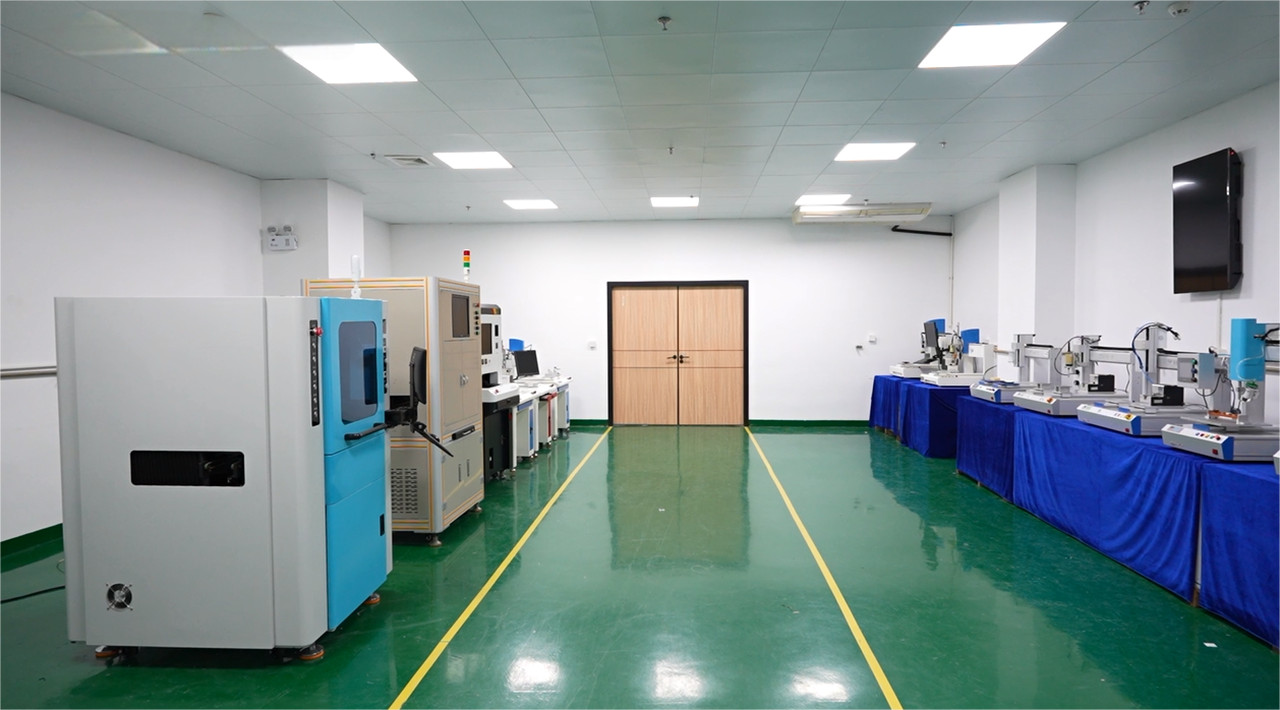
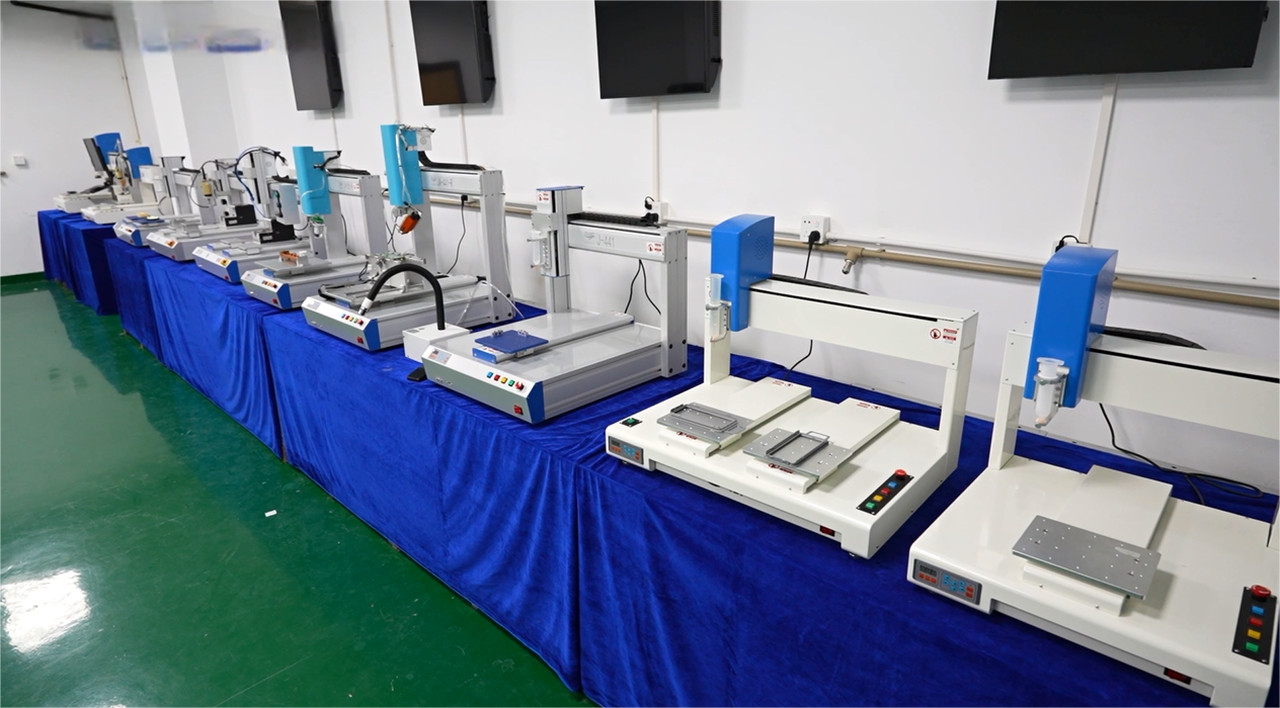
As the electronics industry transitions toward advanced packaging paradigms, such as System-in-Package (SiP) and 3D stacked dies, the requirements for material reliability and placement accuracy will intensify. Anyco is active in this technical evolution by engineering next-generation dispensing hardware that matches these micro-material trends. Our technological roadmap focuses on three core pillars:
By aligning chemical advancements with mechanical innovations, we provide our global customers with a complete manufacturing path that guarantees high yield rates, complies with global environmental frameworks, and lowers total cost of ownership (TCO).
Expert insights on process setup, cleaning parameters, and mechanical compatibility
Complementary valves, light sources, and auxiliary units to optimize dispensing reliability
 Anyco Automation