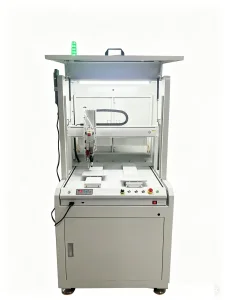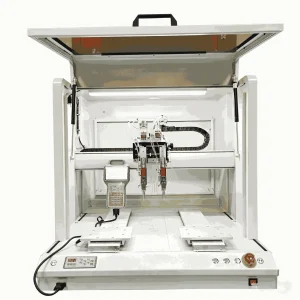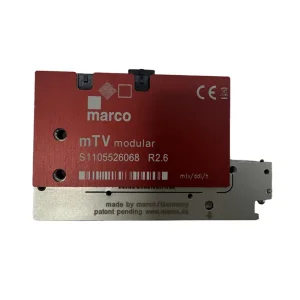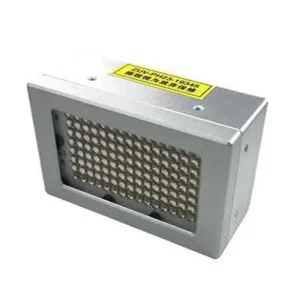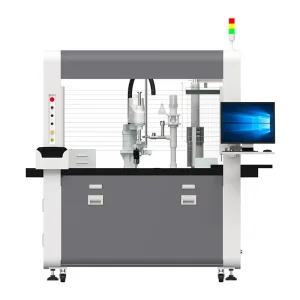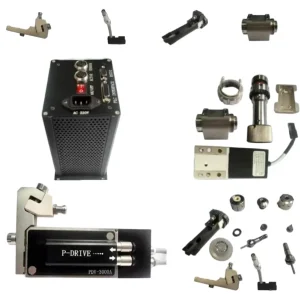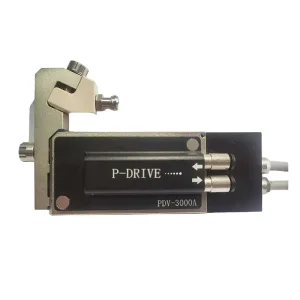
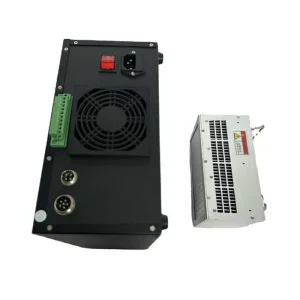
Shenzhen Anyco Automation Equipment Co., Ltd., founded in 2013, is a national high-tech enterprise integrating automated fluid control equipment research and development, high-precision machining, custom assembly, and worldwide after-sales technical support. As a comprehensive, one-stop ODM supplier, we engineer precision dispensing systems, specialized consumables, and advanced curing accessories.
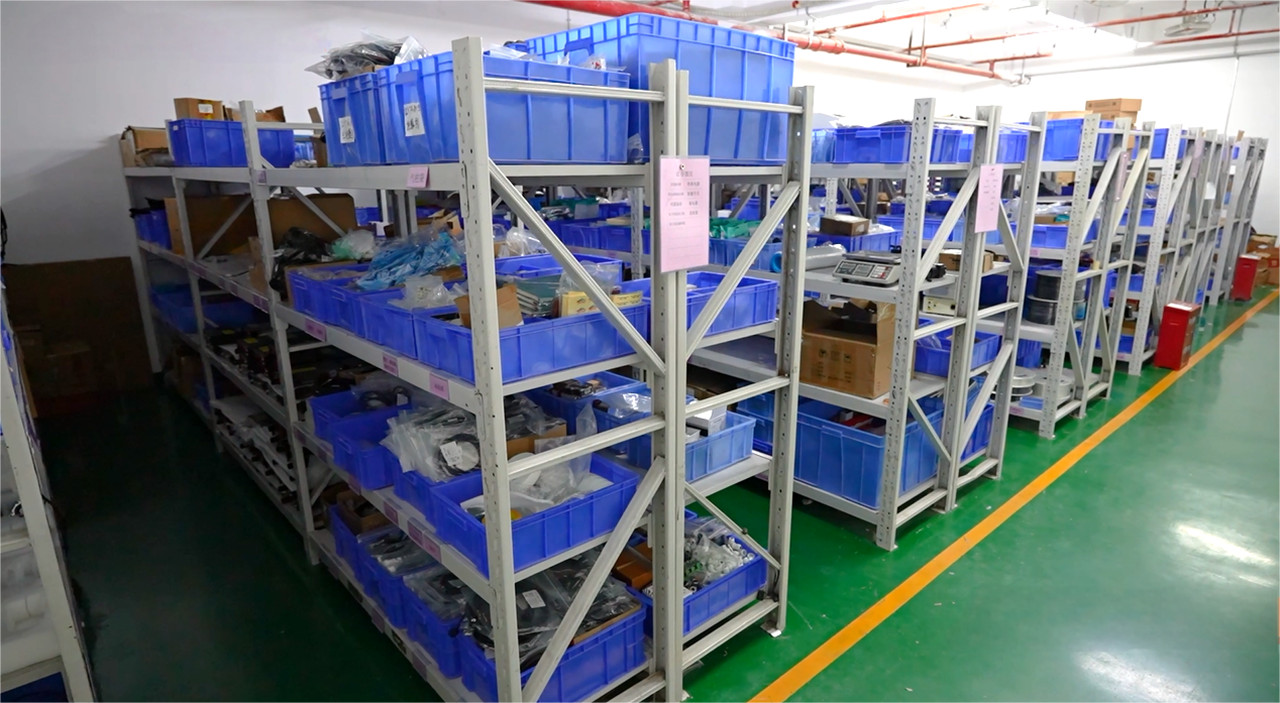
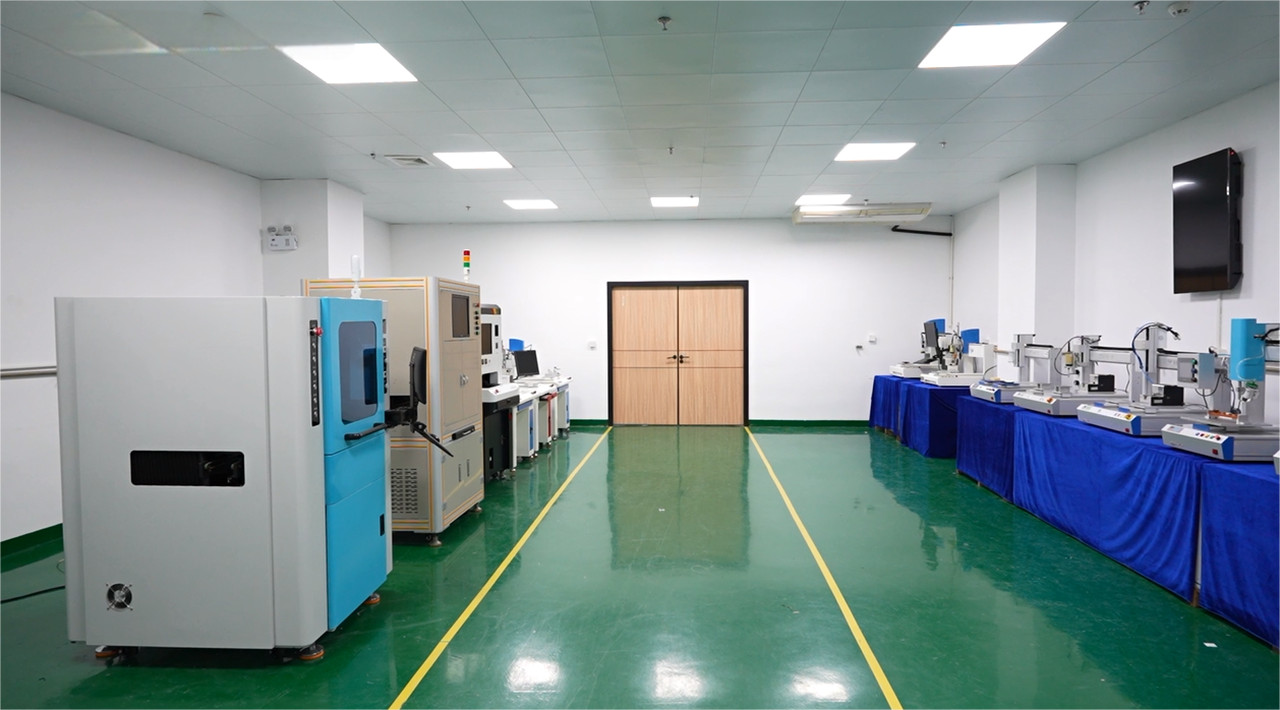
With headquarters located in the high-tech hub of Guanlan, Shenzhen, and an advanced manufacturing facility in Huizhou spanning over 2,000 square meters, Anyco boasts industry-leading CNC machinery, clean-room assembly, and micro-metric inspection systems. We specialize in producing OEM/ODM high-performance micro-valves, custom dispensing mixing tubes, and robust reusable dispensing caps designed for high-stress automation lines.

Our rigorous quality control framework ensures every micro-engineered component meets global standards for reliability, high duty cycles, and exceptional chemical compatibility.
In modern automated dispensing systems—especially those utilizing high-speed piezoelectric jetting valves, pneumatic slider valves, or static mixing assemblies—the interface cap is a critical, yet frequently underestimated element. A dispensing cap must secure the cartridge, syringe, or mixing line, maintaining precise pressure bounds without inducing fluid cavitation, material leakage, or shear degradation. The shift toward reusable dispensing caps has emerged as a crucial cost-saving and eco-responsible design trajectory for high-performance cleanrooms globally.
Single-use plastic caps degrade under the high shear forces of continuous pneumatic pulsations. Anyco's ODM reusable dispensing caps are manufactured from hardened anodized aluminum, virgin PTFE, or surgical-grade 316 stainless steel. These alloys and polymers feature chemical inertness and minimal mechanical distortion under operational pressures exceeding 8 Bar (116 PSI).
Precision thread designs prevent cross-threading and galling under cyclic pressure shifts. Designed to handle up to 10,000 cycles without thread degradation.
Engineered to resist aggressive solvents, highly alkaline flux materials, abrasive filled epoxies, and photo-sensitive UV curable adhesives.
Features a streamlined inner chamber designed using advanced fluid dynamics software. Eliminates dead spaces where material could cure or stagnate.
Procuring custom fluid management components directly from a Chinese manufacturing facility yields substantial strategic benefits. Located at the epicenter of the Pearl River Delta's supply chain network, our Huizhou factory balances high-capacity output with micrometer-level machining tolerances.
By handling everything in-house—from initial 3D design and structural analysis to multi-axis CNC milling, heat treating, anodizing, and final QA verification—we compress the production cycle of customized dispensing caps down to days instead of weeks.
Our location enables us to rapidly source and verify premium raw materials. Whether your assembly application requires surgical-grade stainless steels, high-density fluoropolymers (PTFE), or custom-molded elastomeric sealing rings, our proximity to advanced metallurgy hubs guarantees material authenticity and supply-chain stability.
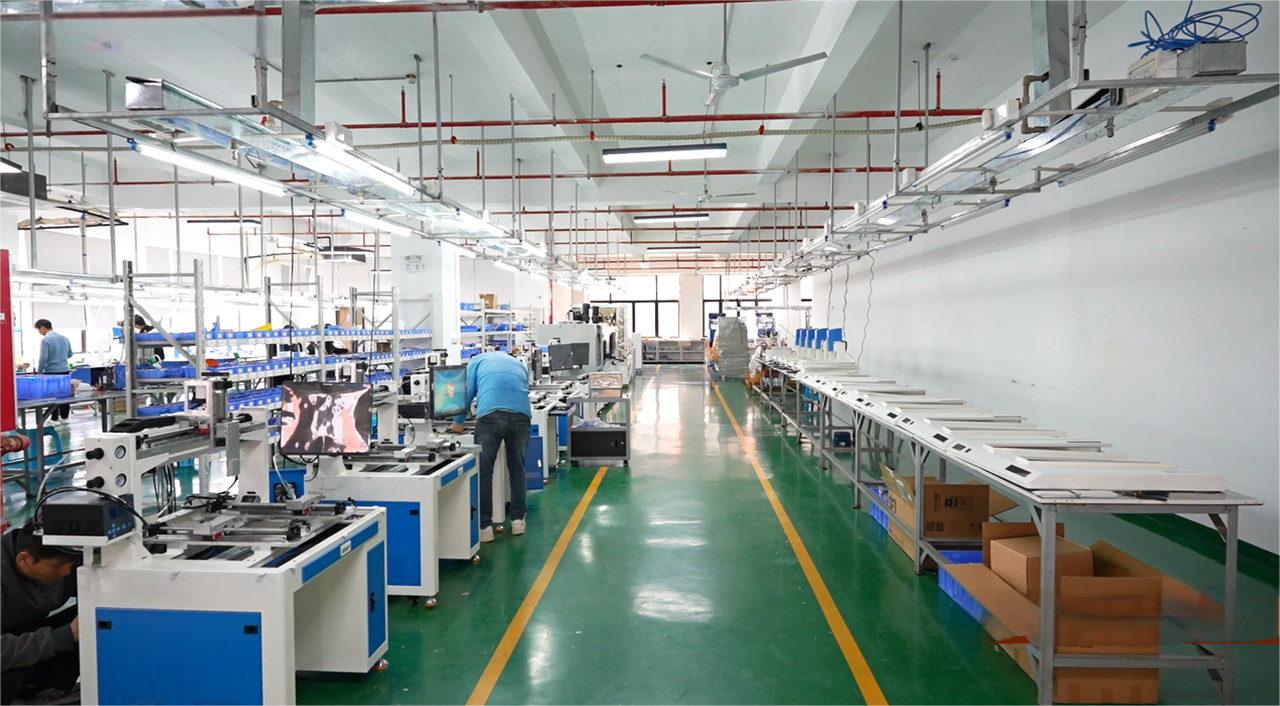
Our 2,000+ sqm manufacturing facility in Huizhou features advanced computer-aided design systems, high-speed multi-axis CNC machines, clean-room assembly bays, and precision metrology tools to guarantee that every product conforms to tight engineering drawings.
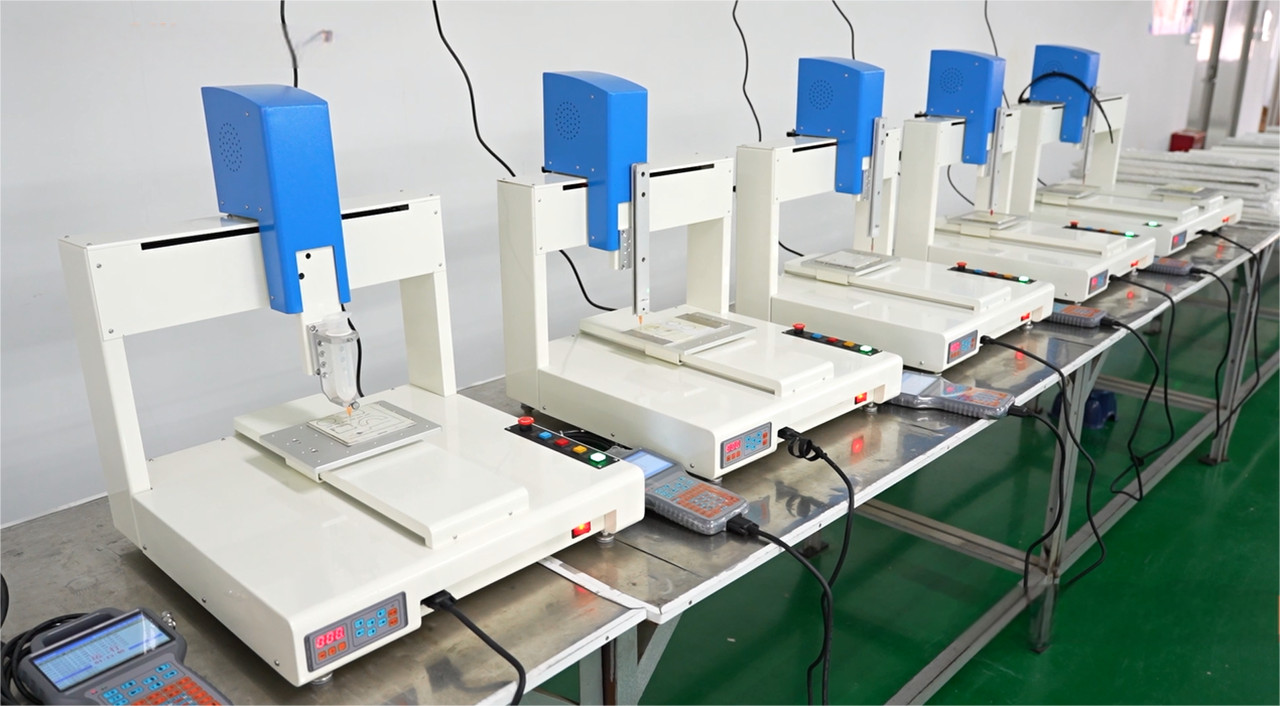
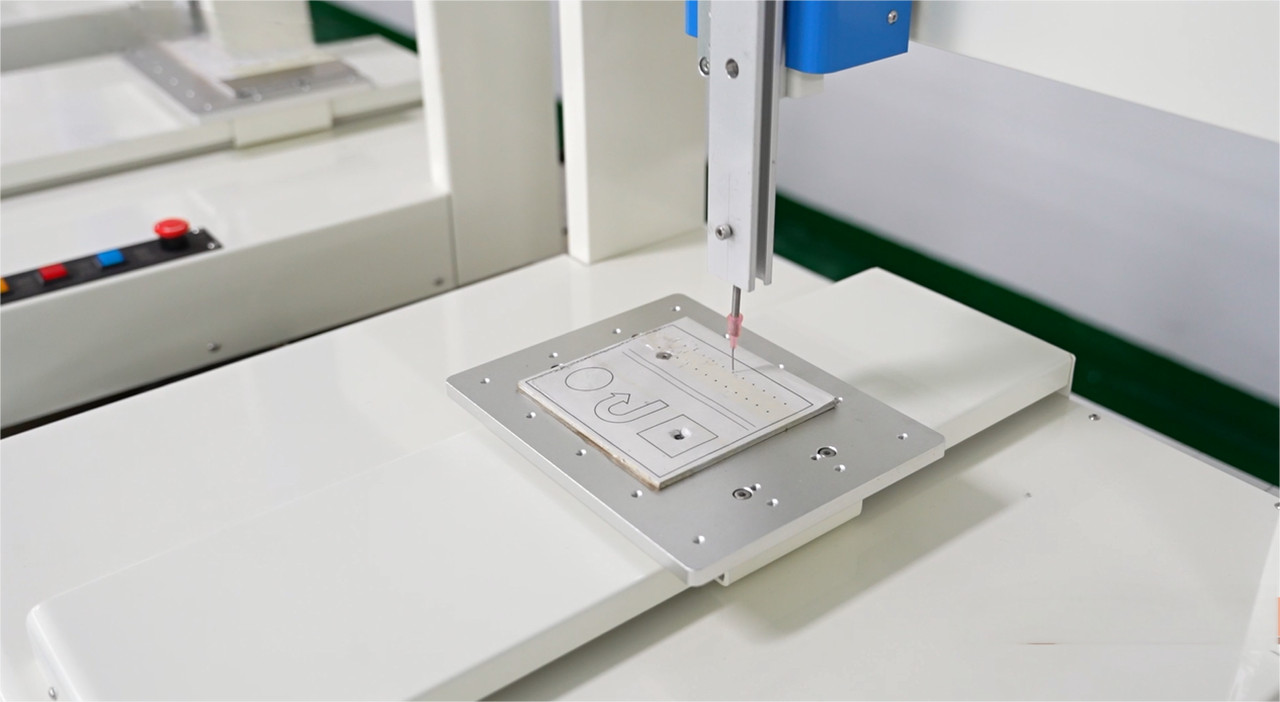
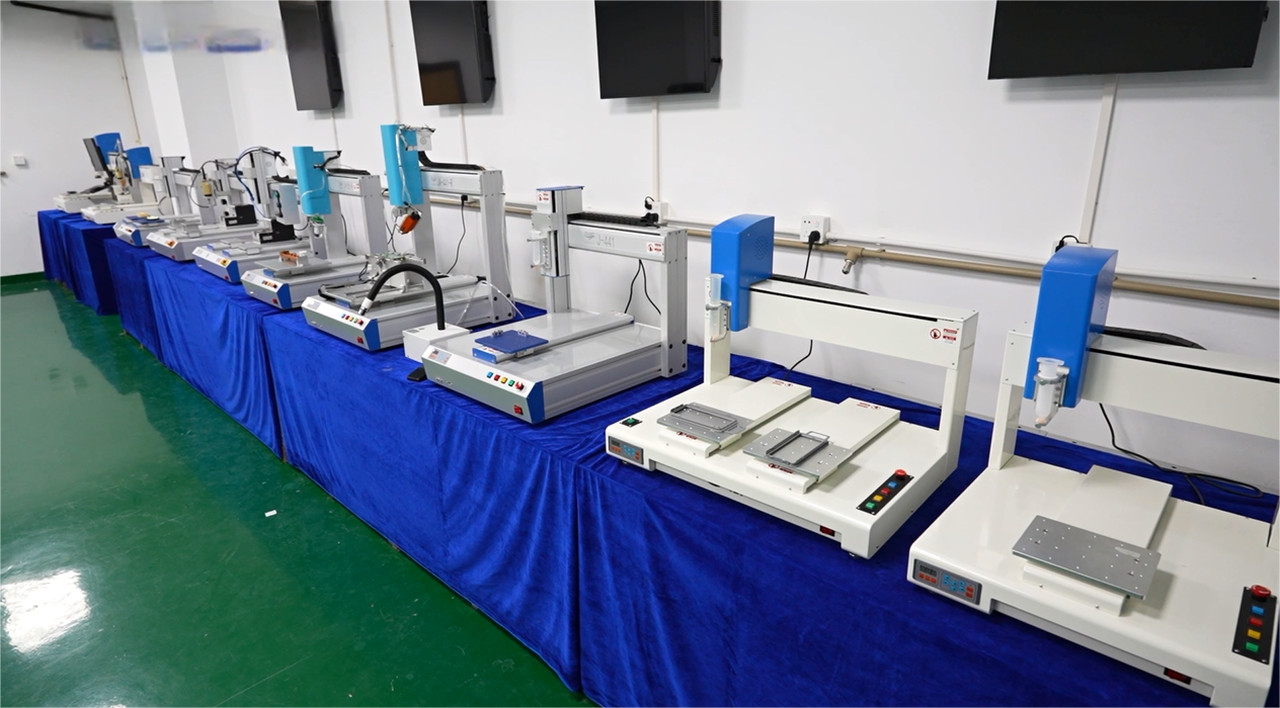
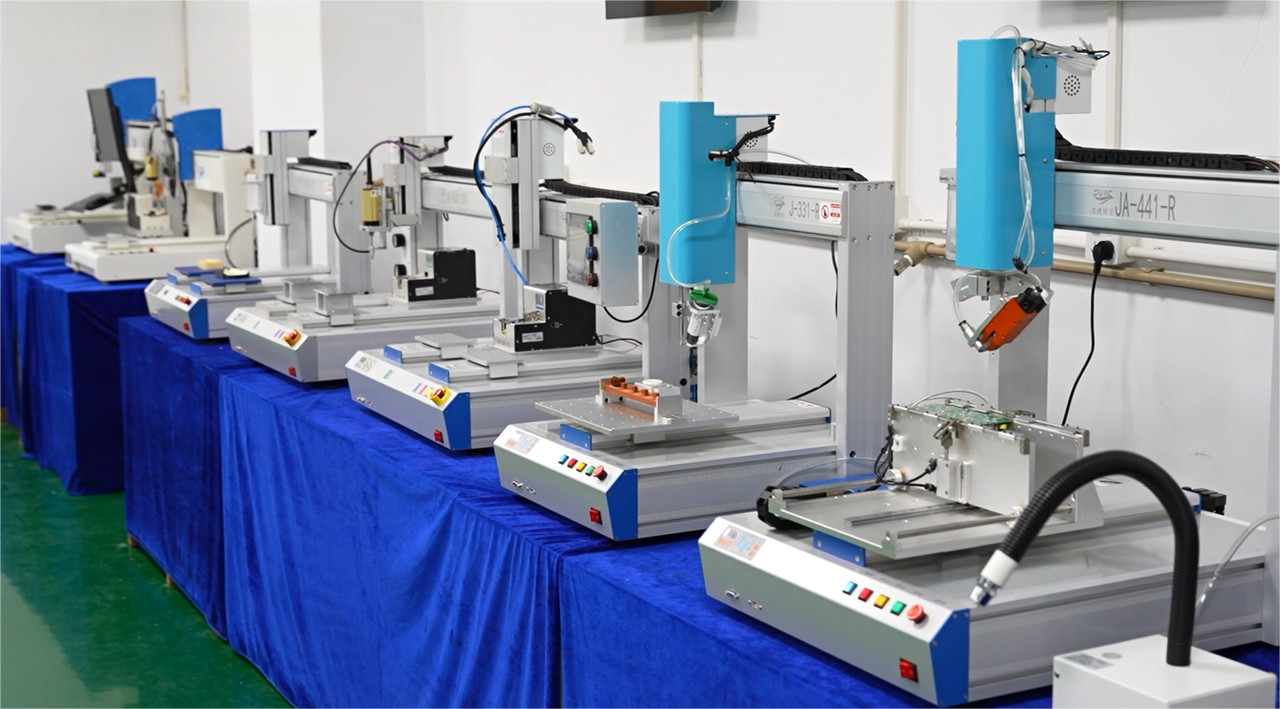
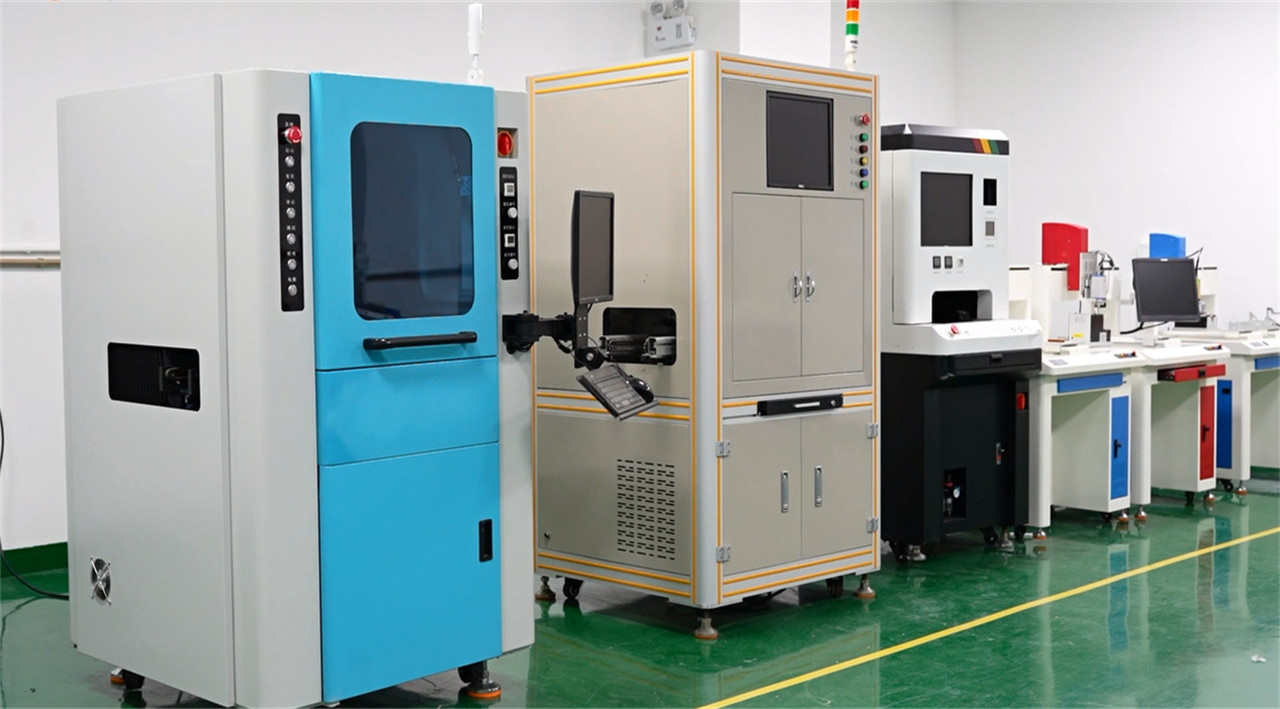
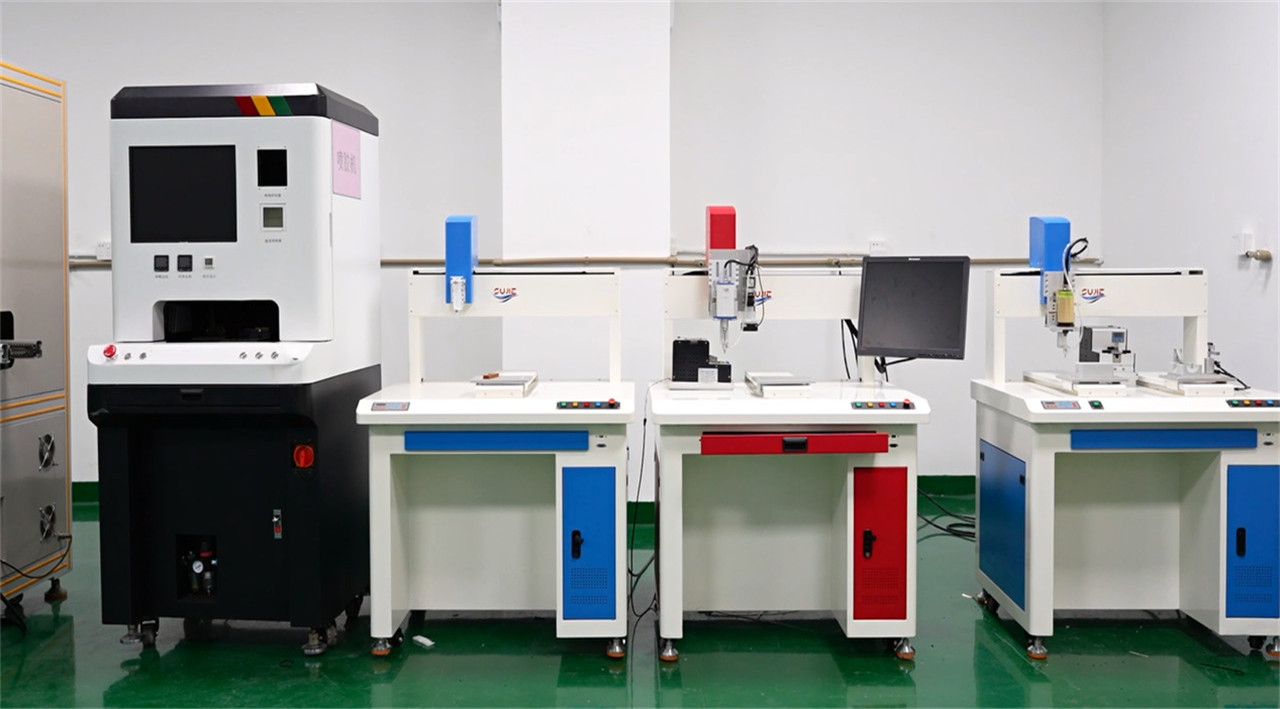
The micro-dispensing ecosystem is undergoing rapid evolution. Key drivers include the miniaturization of consumer electronics, the rise of electric vehicles (EVs) with massive battery-management systems, and the imperative to reduce raw material waste on factory floors. Key technological developments include:
Integrating piezoelectric jet valves with optimized reusable caps allows dispense frequencies up to 3000 Hz, with minimum drop volumes down to the nanoliter scale.
Global environmental protocols restrict the disposal of hazardous polymer waste. Reusable caps reduce high-volume plastic consumable waste, supporting corporate ESG compliance.
Integrating pressure sensors directly within the dispensing cap structure enables real-time fluid pressure telemetry, helping prevent line blocks or adhesive starvations.
Our primary markets span major industrial sectors in Southeast Asia (Vietnam, Thailand), India, North America (Mexico), and Africa (Morocco). To satisfy regional manufacturing conditions, we deliver customized, application-specific materials and geometries.
Smartphone manufacturing lines require high repeatability with tight tolerances. Our ODM reusable dispensing caps integrate with high-speed piezoelectric valves to dispense silver paste, underfill epoxy, and UV adhesives. They maintain stable pressures across millions of cycles, reducing downtime in electronic manufacturing centers.
Automotive electronics rely on robust conformal coatings and structural potting to withstand harsh operating conditions. Our dispensing caps manage highly viscous, abrasive thermal gels and two-part polyurethanes, resisting abrasion and sealing fluid lines against chemical backflow.
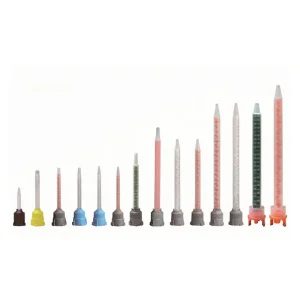
Industrial appliances depend on durable polyurethane potting compounds. Anyco's static mixing tubes and heavy-duty connection caps withstand high flow rates, allowing efficient adhesive mixing and dispensing without material cross-contamination or clogging.
We utilize high-speed manufacturing techniques alongside strict quality assurance. This allows us to provide cost-effective solutions that deliver performance comparable to premium European and Japanese manufacturers.
Our engineering capabilities span beyond standard machining to include advanced fluid dynamics design, custom materials engineering, and complete fluid control system integration.
Dedicated strictly to high-precision fluid control components, micro-nozzles, mixing accessories, and jetting hardware for automated electronics assembly.
One of the few Chinese manufacturers engineering functional equivalents to leading Western piezoelectric valves, delivering high-frequency performance at competitive prices.
Advanced multi-axis CNC lathes and EDM equipment ensure dimensional consistency down to the micrometer across multi-thousand-unit production runs.
Direct consultations with senior design engineers to modify thread standards, material compositions, and sealing channels to resolve complex fluid dispensing issues.
Detailed engineering answers to the most common inquiries regarding custom dispensing systems, material selections, and maintenance cycles.
For UV-curable adhesives, especially those with acrylic monomers, we recommend high-density Teflon (PTFE), PEEK, or passivated 316L stainless steel. Standard anodized aluminum is acceptable for short runs but may suffer degradation over time. Anyco's ODM reusable dispensing caps feature customized fluoropolymer liners that protect metal housings from corrosive fluid contact.
While plastic caps are cheap individually, high-volume automation lines consume thousands of units monthly. Disposable caps often yield minor volumetric expansion under high pressure, leading to fluid variations. Anyco's reusable caps maintain dimensional stability, which helps prevent fluid variation, decreases rejects, and reduces consumable costs and polymer waste.
Yes. Our ODM capabilities include custom machining for metric, imperial, and specialized proprietary thread forms (including Luer-lock variations, NPT, and custom multi-start threads). We can design specific adapters to link standard cartridge barrels with premium jetting valves or static mixing systems.
Each production batch undergoes 100% thread gauge verification, ultrasonic cleaning, and pressure testing up to 10 Bar (145 PSI) using non-destructive gas-mass methods. Our coordinate measuring machines (CMM) confirm inner chamber circularity and seal groove clearances to verify compliance with technical drawings.
Yes, we support prototyping and low-volume initial runs. This allows engineering groups to evaluate fluid dynamics, material resistance, and system compatibility before investing in high-volume production molds.
 Anyco Automation