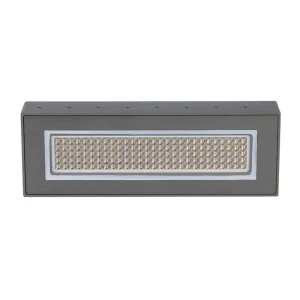
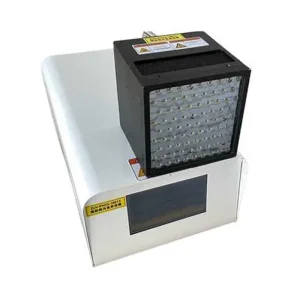
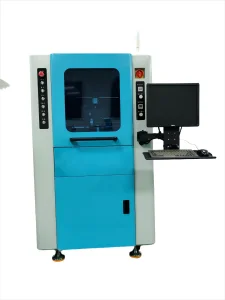
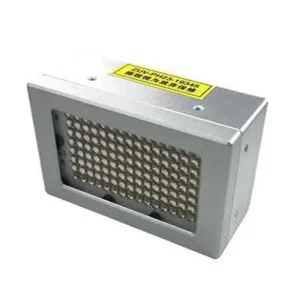
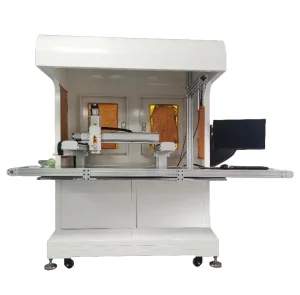
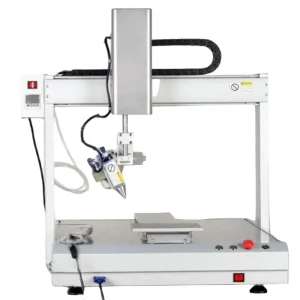
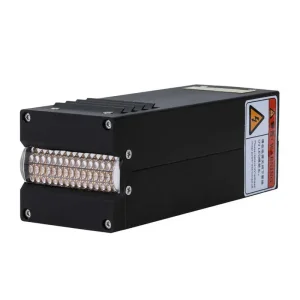
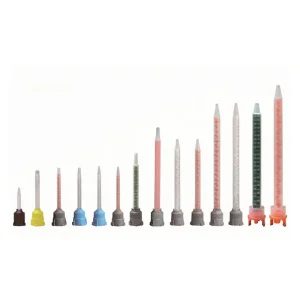
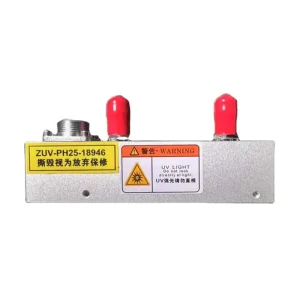
Explore our top-tier catalog of optical light sources, visual automatic dispensing platforms, and CE-certified high-frequency solenoid systems engineered for modern automation lines.
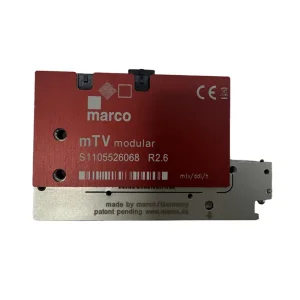
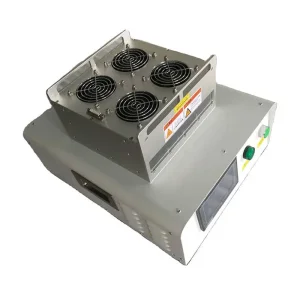
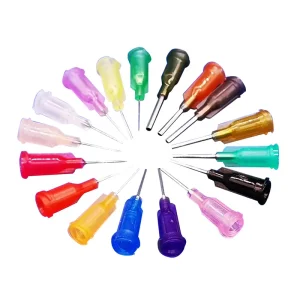
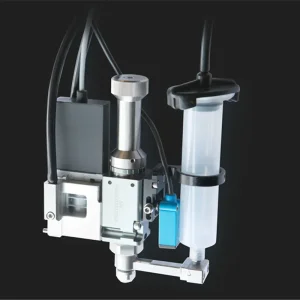
Normally Closed (NC) solenoids represent the foundational bedrock of fluid, pneumatic, and electromechanical process control globally. By maintaining a default closed state in the absence of electrical excitation, these safety-first actuators prevent fluid leakages, pressure drops, and accidental discharge in critical manufacturing scenarios. As industries transition to Industry 4.0, the global demand for micro-solenoids, custom coil designs, and high-frequency pulse-width modulated (PWM) valves has surged.
In industrial automation, consumer electronics fabrication, medical diagnostics, and automotive systems, solenoids serve as the critical interface between computer control systems and physical fluid action. In microfluidic dispensing, such as microphone assembly and semiconductor potting, these valves must perform hundreds of millions of cycles with microscopic repeatability. Consequently, international procurement teams require OEM partners capable of satisfying high-reliability demands under rigorous duty cycles.

Understanding the mechanical and electromagnetic factors that govern response time, sealing force, and duty cycles in high-precision normally closed solenoid valves.
When electric current flows through the copper coil, it generates a magnetic field that pulls the ferromagnetic plunger upward against the internal return spring. In normally closed configurations, this motion lifts the seal from the valve seat, allowing media to flow instantly with minimal restriction.
Modern micro-dispensing applications (such as microphone adhesive dispensing) demand ultra-low response times (< 1 ms). By optimizing plunger weight, magnetic flux path alignment, and low-rebound damping elastomers, our customized solenoids deliver crisp, repeatable fluid cut-offs.
Solenoid armatures must withstand heavy mechanical wear and corrosive chemical fluids. We employ high-grade stainless steel cores, specialized FKM or HNBR elastomer seals, and thermally insulated coils capable of continuously operating in high-temperature environments.
Note for Design Engineers: The matching of return spring tension to electromagnetic force is critical. Too strong a spring increases power consumption and reduces stroke; too weak a spring results in slow shutoff speeds and valve seat leakage. Our engineering division offers professional simulations to calculate exact requirements before mass fabrication.

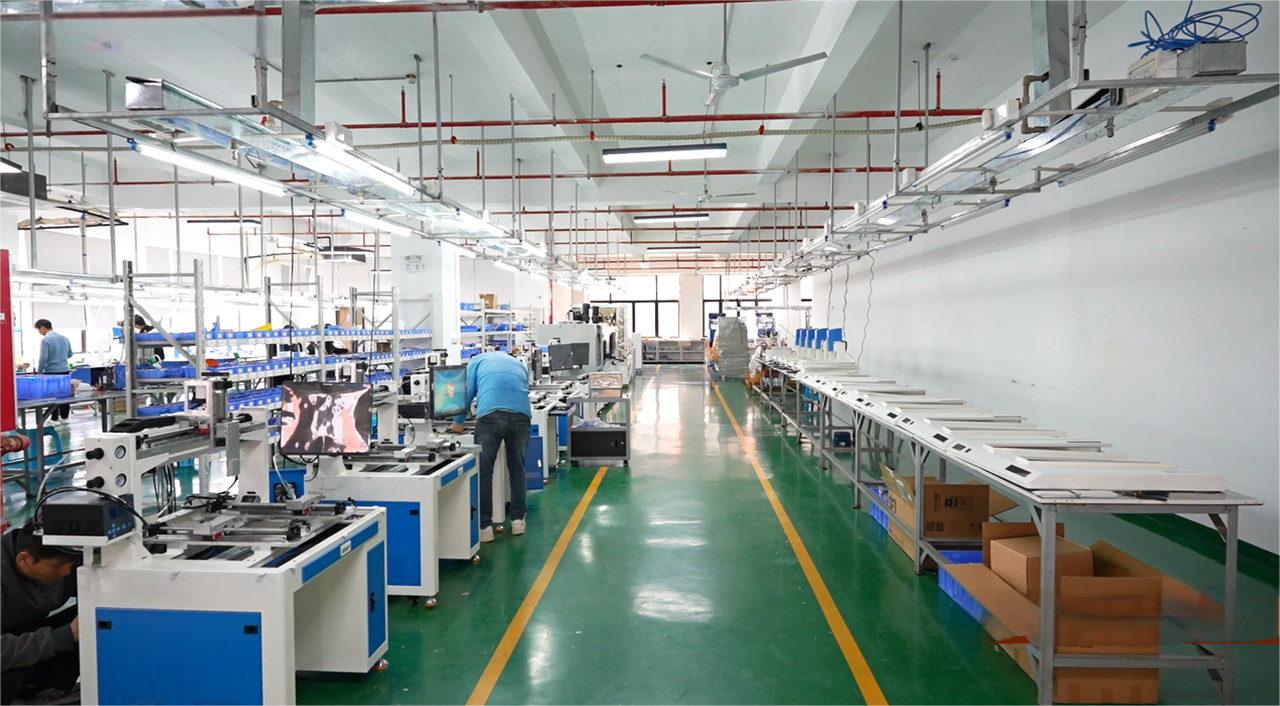
As a specialized factory with headquarters in Guanlan, Shenzhen, and an advanced manufacturing facility in Huizhou covering over 2,000 square meters, Shenzhen Anyco Automation Equipment Co., Ltd. demonstrates why China remains the global leader in industrial automation supply chains. Our geographic layout places us at the epicenter of raw material access, precision machining ecosystems, and top-tier engineering talent.
Unlike typical assembly factories, our integrated fabrication ecosystem allows us to achieve incredibly fast design-to-prototype cycles. In-house CNC machinery, specialized coil-winding systems, and custom elastomer molding machines enable Anyco to provide tailored "one-on-one" design modifications. This level of vertical integration results in a 30% reduction in manufacturing lead times and significant cost savings that we pass directly to our global partners.
Our primary export markets span key high-growth industrial zones in Southeast Asia (including Vietnam, Thailand, and Malaysia), India, North America (Mexico), and North Africa (Morocco). By positioning ourselves as a medium-to-high-end OEM / ODM partner, we provide precision fluid control devices, high-speed jetting valve consumables, and custom pneumatic solenoids that match European performance standards at highly competitive costs.
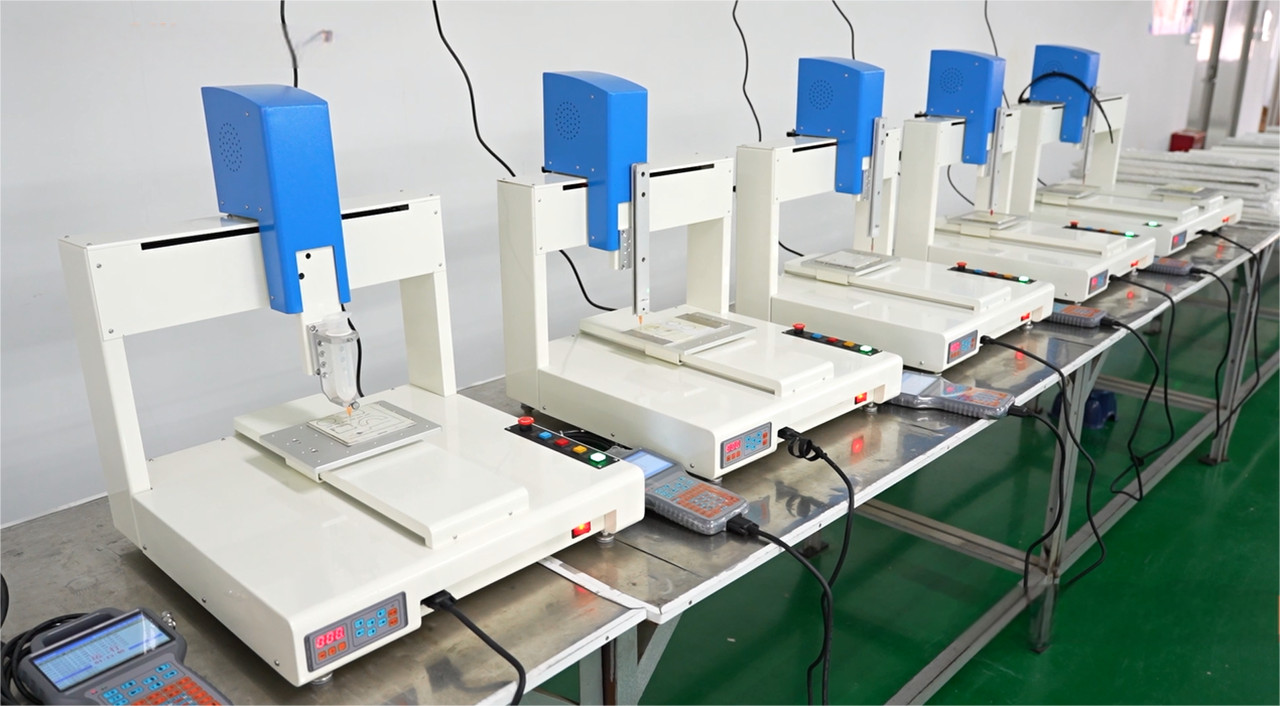
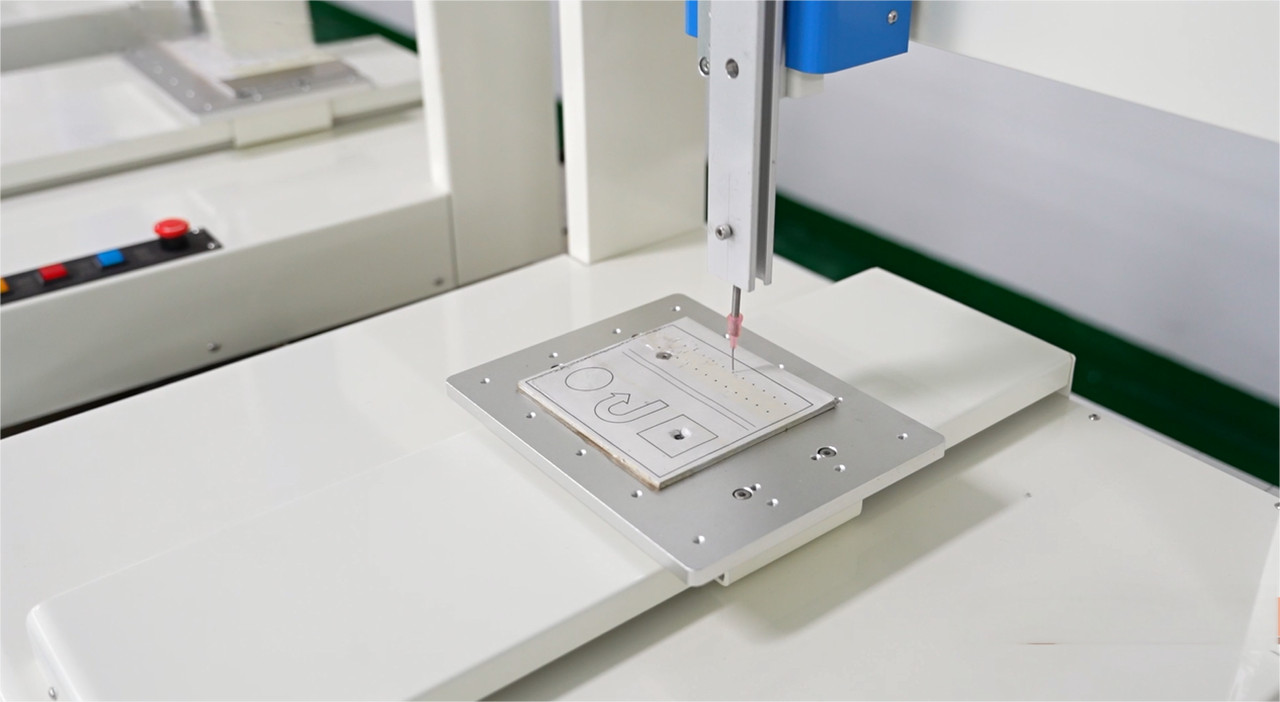
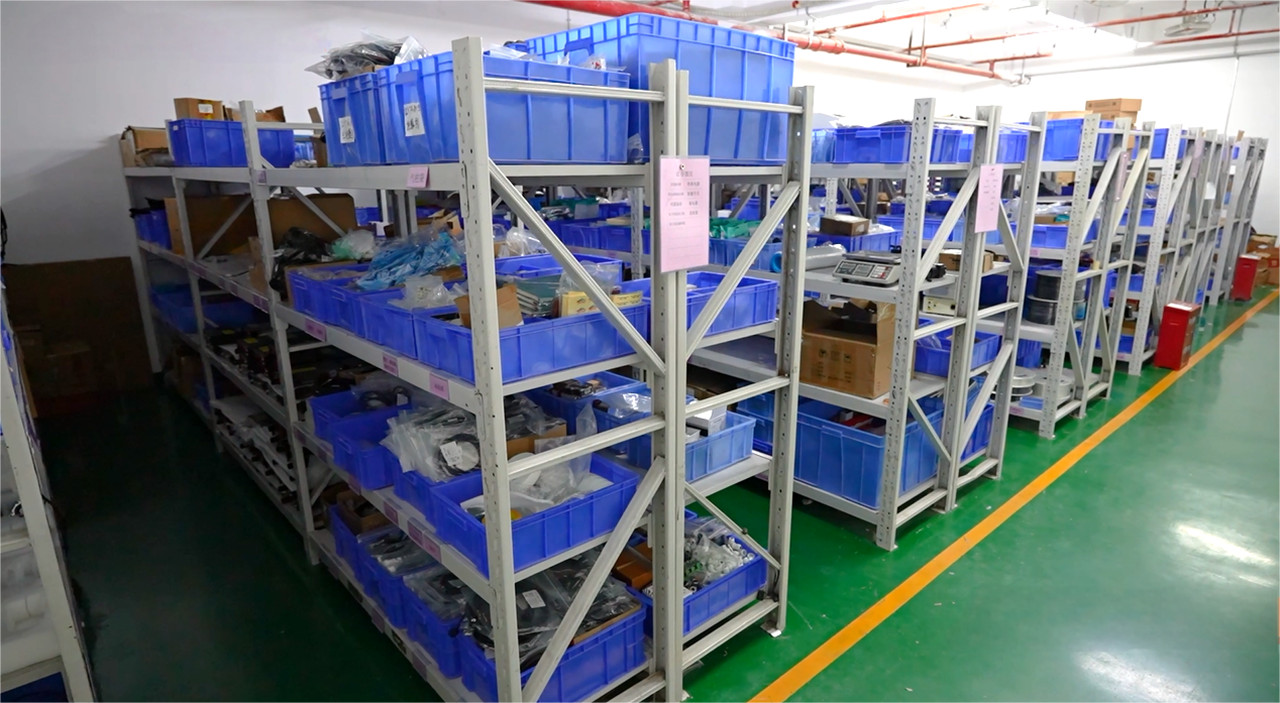
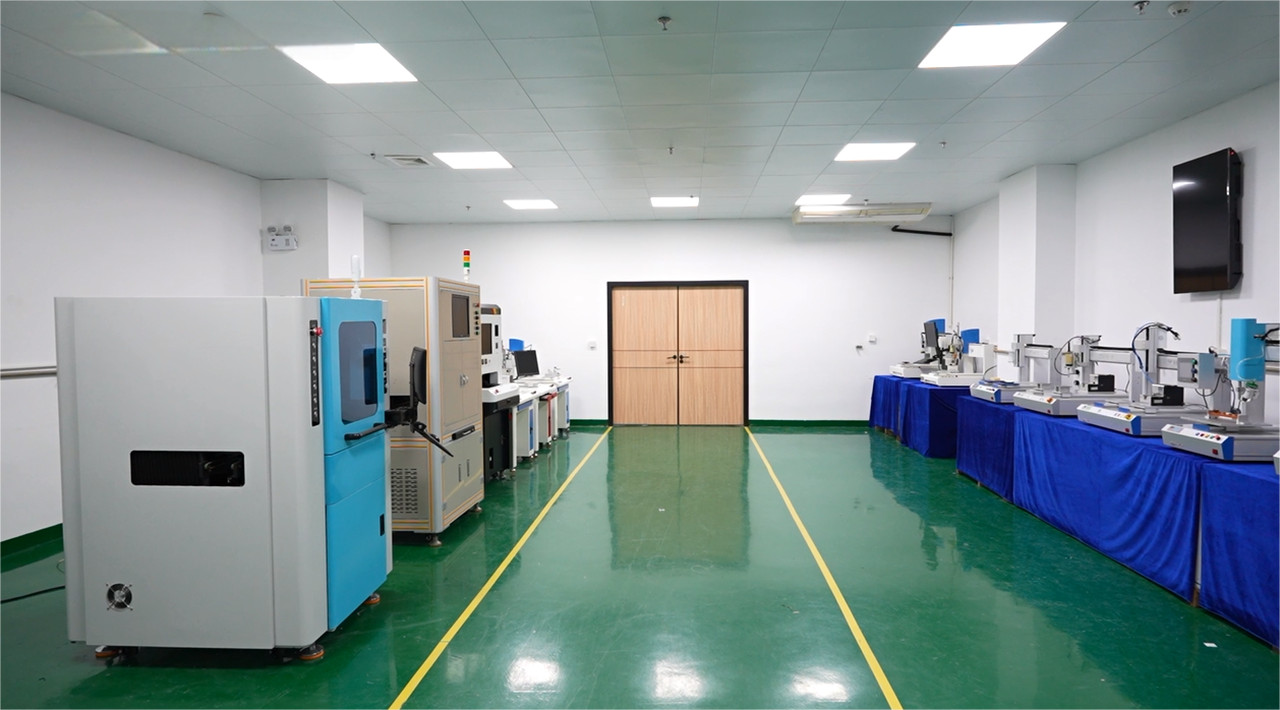
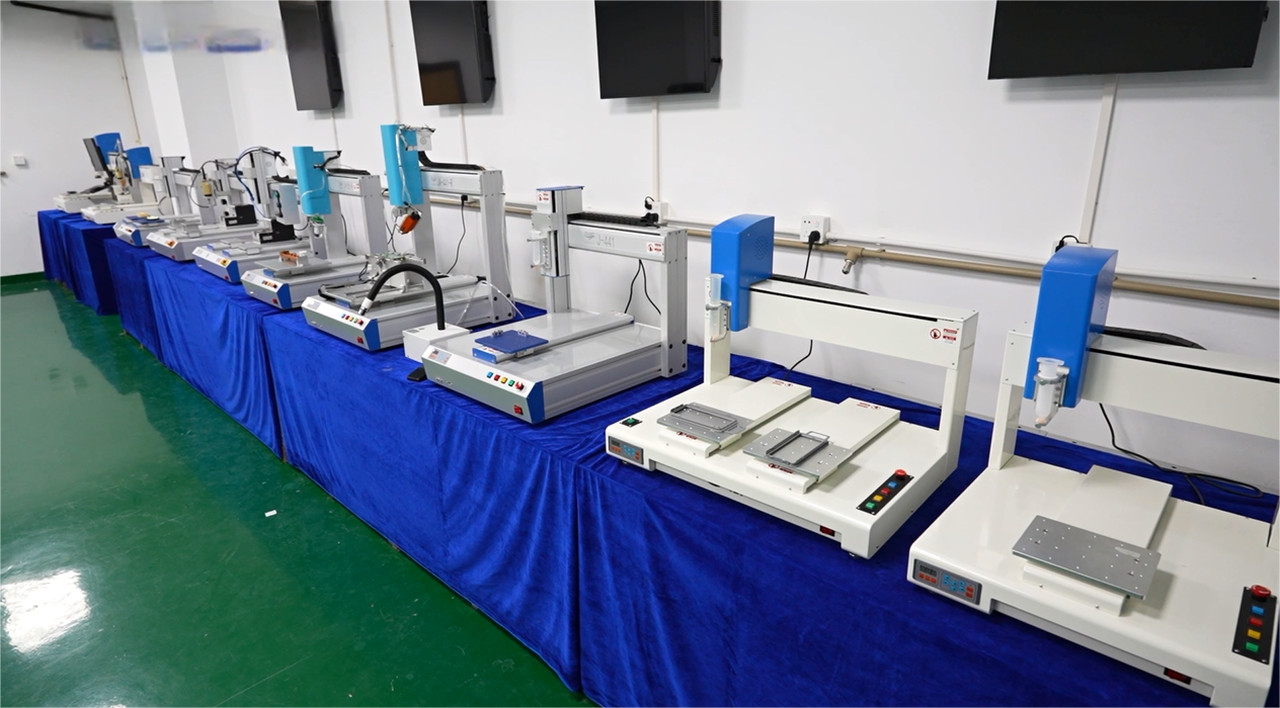
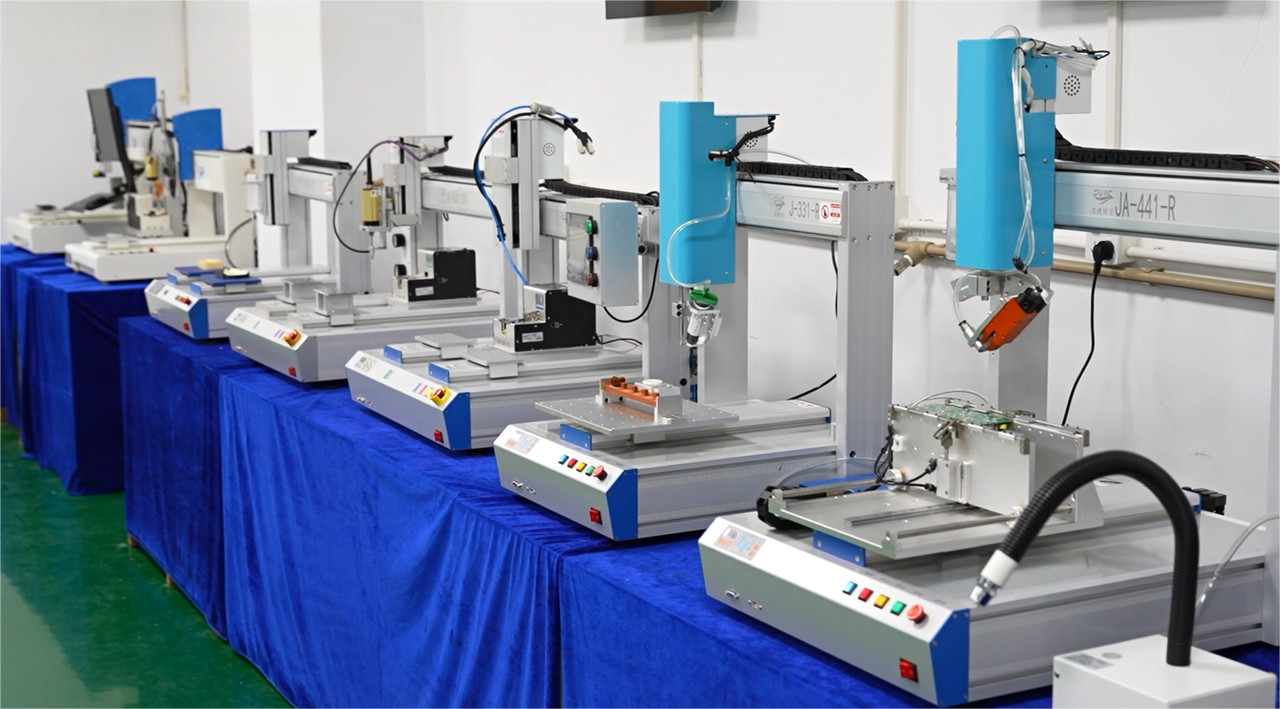
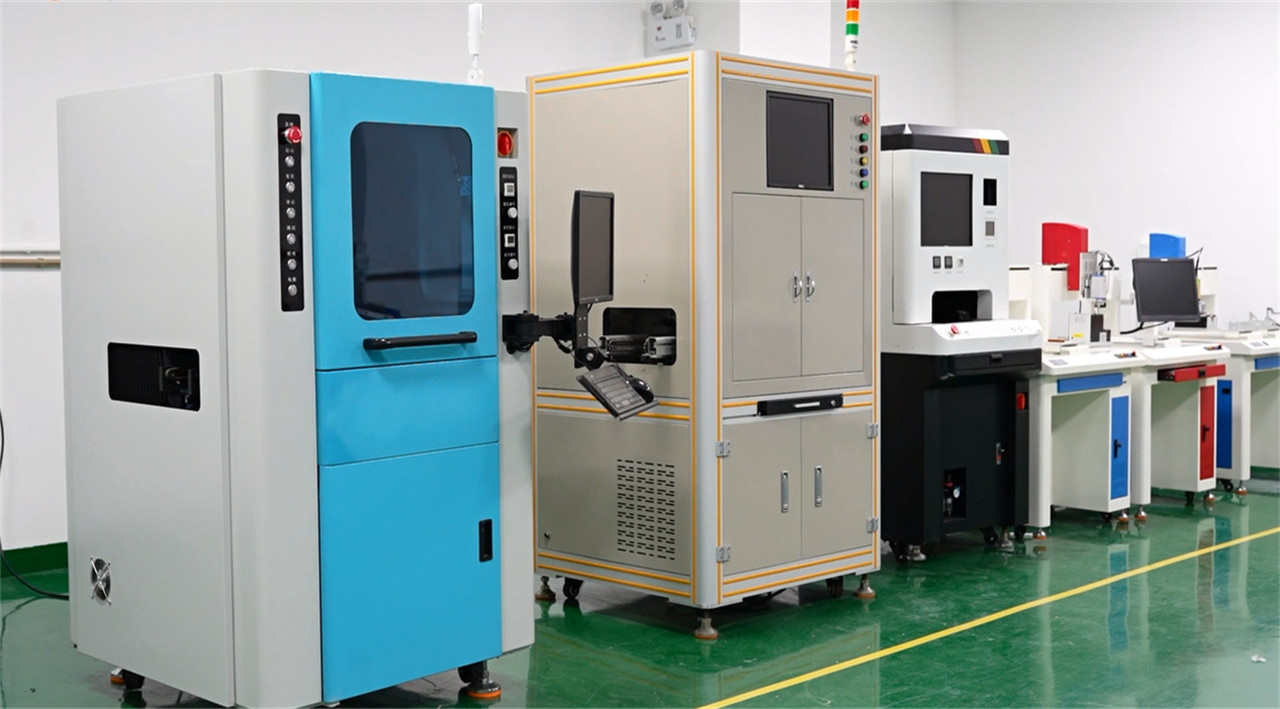
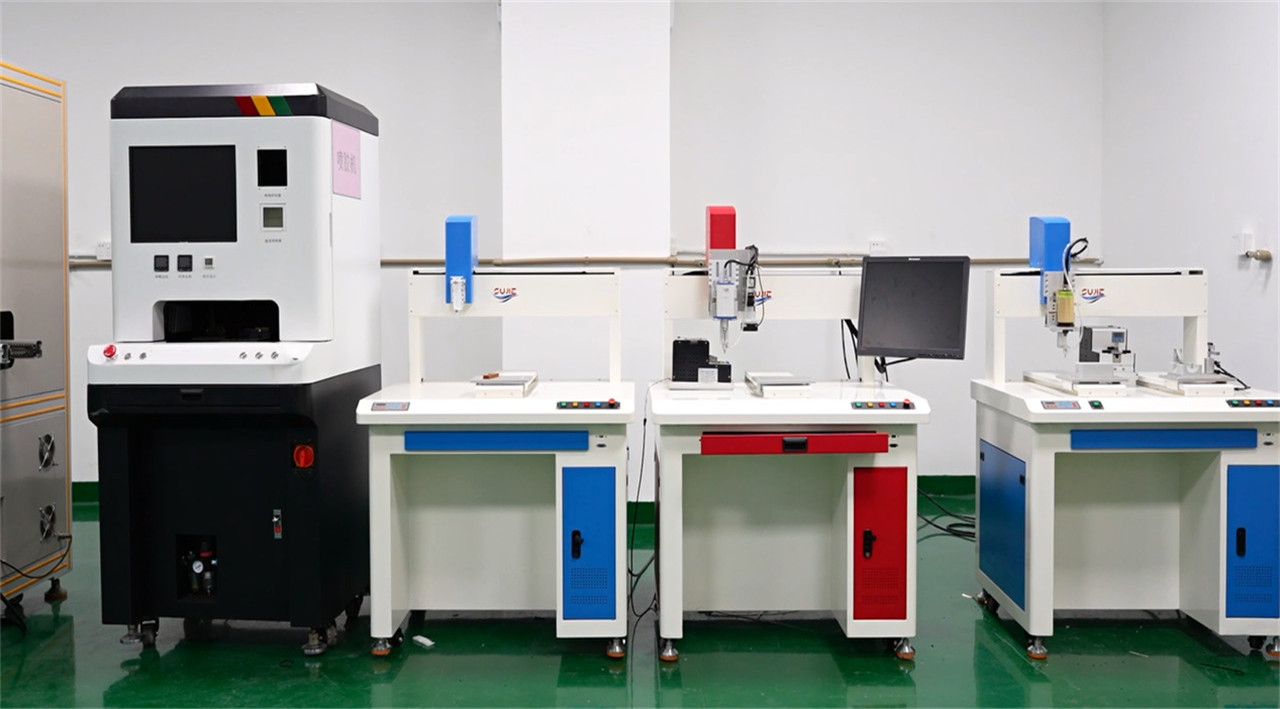
From micro-electronics manufacturing to heavy fluid control, see where our customized normally closed solenoid systems excel.
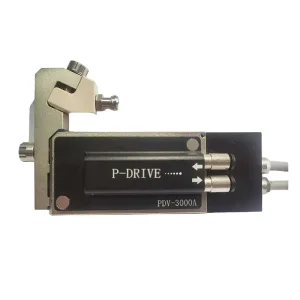
In consumer electronics, particularly 3C (computers, communications, consumer electronics) smartphone manufacturing, our high-frequency solenoids drive pneumatic jetting valves (like the PDV-3000A) to apply solder paste, conductive silver paste, and underfill epoxy at microscopic scales.
Automotive ECUs, sensor pods, and structural battery packs require localized silicone potting and moisture-resistant sealing. Our custom pneumatic injection systems (like the V6500) ensure absolute dosing control for sealant applications under harsh automotive requirements.
Normally closed solenoids act as reliable isolation mechanisms in diagnostic equipment. Since fluid contact is restricted to FDA-compliant tubing or specialized flow channels, they prevent cross-contamination while ensuring high-precision reagent dosing.
Future outlook for solenoid systems and key design metrics procurement departments must prioritize for long-term viability.
As the industrial landscape shifts toward smart integration and energy conservation, solenoid designers are pursuing three major research tracks:
When sourcing OEM normally closed solenoid assemblies, global buyers should assess the following parameters to ensure high reliability:
| Parameter Class | Standard Duty Solenoids | High-Speed Dispensing Solenoids | Heavy Industrial Solenoids |
|---|---|---|---|
| Response Time (On/Off) | 12 - 25 ms | 0.5 - 2 ms | 30 - 80 ms |
| Life Cycle Rating | 10 - 20 Million Cycles | 150 - 500 Million Cycles | 5 - 15 Million Cycles |
| Power Draw (Holding) | 4.5W - 8W | 1.2W - 3W (PWM Controlled) | 12W - 25W |
| Typical Applications | General Air/Water Valving | Micro-potting & 3C Dispensing | Pneumatic Actuators, Slurry Valves |
Get professional technical insights regarding OEM customizations, manufacturing timelines, and technical application parameters.
For basic modifications (such as modifying custom coil lead lengths or altering mounting threads), our design division can supply prototypes within 7 to 10 working days. For specialized custom manifold blocks or entirely custom valve architectures, our CAD engineering and CNC machining team delivers tested prototype units in 3 to 4 weeks.
Normally Closed solenoids remain closed and prevent flow when de-energized, making them ideal for fail-safe safety designs. Conversely, Normally Open solenoids allow continuous flow when de-energized, which is more energy-efficient for lines that require flow to remain open for the majority of the operating cycle.
Our core fluid control systems, light source hardware, and specialized high-speed solenoid assemblies hold CE safety certifications. Our production system conforms strictly to ISO 9001 quality management procedures, assuring traceabilities and uniform batch-to-batch precision.
Our solenoid actuators, coupled with our proprietary piezoelectric jetting systems, can handle fluid viscosities ranging from 1 cps (water-thin reagents) up to 1,000,000 cps (thick, non-leveling epoxies, solder pastes, and automotive structural silicones).
Every batch of solenoids goes through standardized testing protocols, including magnetic force profile testing, air-tightness tests, coil resistance tolerance tests, and high-temperature continuous loading. For critical models, we run accelerated lifecycle test beds continuously to confirm operation across hundreds of millions of cycles.
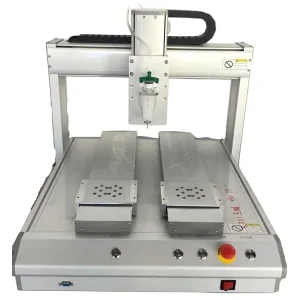
Browse our comprehensive array of online follow-up equipment, static mixing tubes, piezoelectric jet valves, and desktop rotary systems.
 Anyco Automation