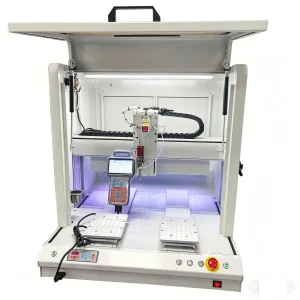
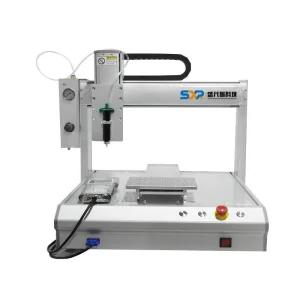
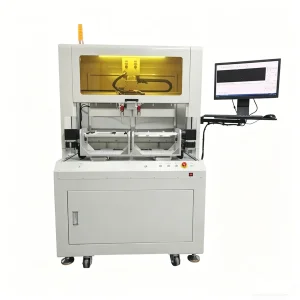
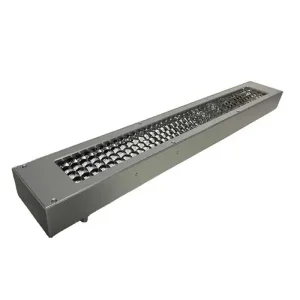
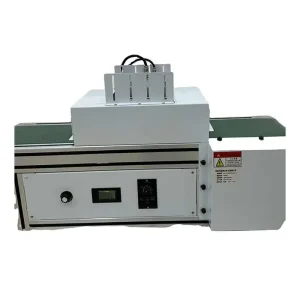
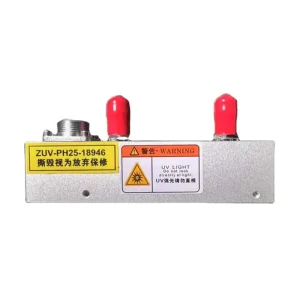
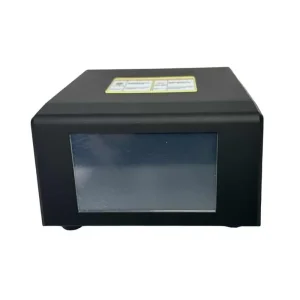
Explore our elite range of CE-certified jetting valves, UV curing light modules, and automated coating workcells designed for actuator manufacturing pipelines.
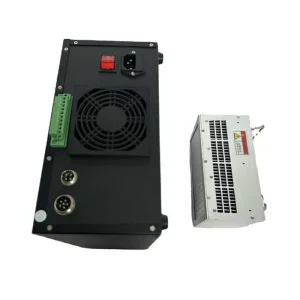
The global automotive and industrial manufacturing sectors are undergoing a massive transition toward absolute efficiency, micro-emission thresholds, and high-response smart actuators. At the center of this movement is the Intake Actuator Valve, a component critical for regulating fuel-air ratios, controlling manifold pressures, and optimizing variable valve timing (VVT) in traditional internal combustion engines (ICE), hybrids (PHEV), and complex hydrogen internal combustion powertrains.
To operate reliably in harsh under-hood environments—which feature extreme temperature swings (-40°C to +150°C), mechanical shocks, dynamic moisture ingress, and corrosive oil vapors—actuator valves depend heavily on advanced structural integrity and robust electrical micro-assemblies. The manufacturing of these valves requires precision assembly, conformal coating, micro-dispensing of adhesives, and immediate UV curing of sealing resins.
A variation of just 0.05mg in sealant application on an actuator's electronic casing can lead to catastrophic moisture seepage over time, triggering premature component short-circuits and vehicle recalls. That is why Tier-1 automotive component suppliers utilize advanced industrial dispensing systems to build hermetically sealed actuator enclosures.
How electric actuators and modern micro-dispensing techniques are redefining fluid engineering standards globally.
Regional emissions frameworks (such as Euro 7, China VI/VII, and EPA Tier 4) demand ultra-precise intake throttling. Consequently, variable geometry intakes and electric actuators are replacing older vacuum systems. Manufacturers in major hubs like Detroit, Stuttgart, Shanghai, and Tokyo are scaling production lines to meet the strict tolerance limits required by these standards.
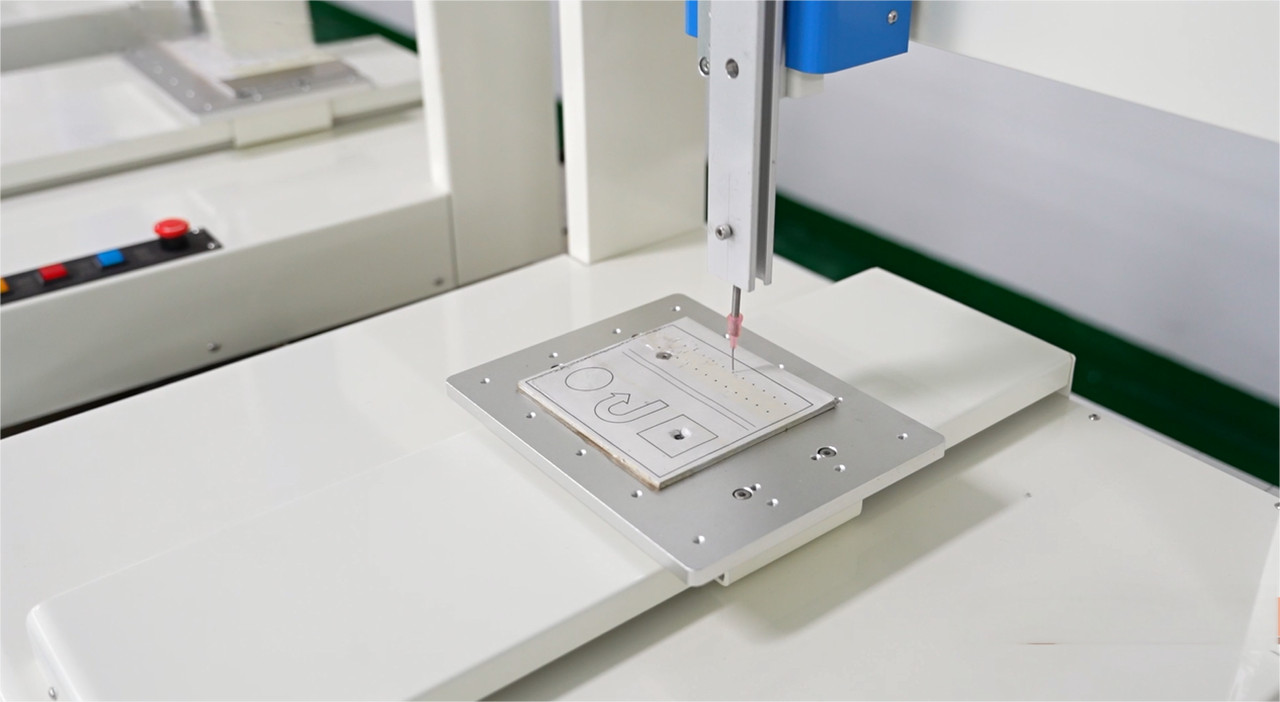
Today's intake actuators are equipped with integrated position sensors and CAN/LIN bus control chips. This complexity requires advanced component protection. Micro-piezoelectric jetting valves are used to apply precise dots of solder paste, thermal gels, and protective conformal coatings onto the delicate control circuit boards inside the valve actuators.
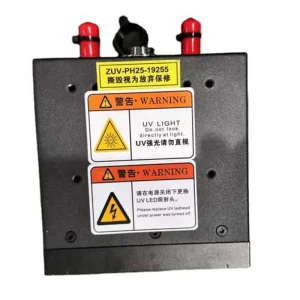
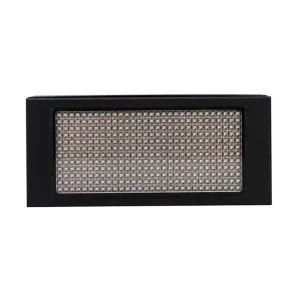
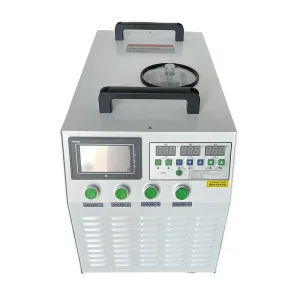
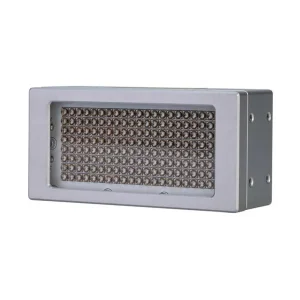
Automobile production lines operate on short cycle times, often measured in seconds. Using water-cooled UV curing lamps on automated lines speeds up the cross-linking of structural acrylics and protective polymers, allowing sub-assemblies to move down the line without cooling delays or thermal stress.
To manufacture top-tier intake actuator valves, suppliers need a co-designed process flow where dispensing, placement, and curing machines communicate with each other in real time. Our technological roadmap is designed around key process milestones:
By coordinating these processing steps, manufacturers can achieve structural durability that meets the stringent warranty requirements of light and heavy-duty vehicles alike.
Meeting regional production standards and operating conditions across key international markets.
Under conditions of high ambient humidity and heat, electronic components are highly vulnerable to oxidation. Our industrial dispensing jet valves and conformal coating machines provide thick, uniform moisture barriers for automotive parts factories in Hanoi, Bangkok, Chennai, and Pune, preventing premature sensor failure.
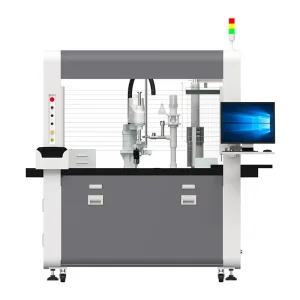
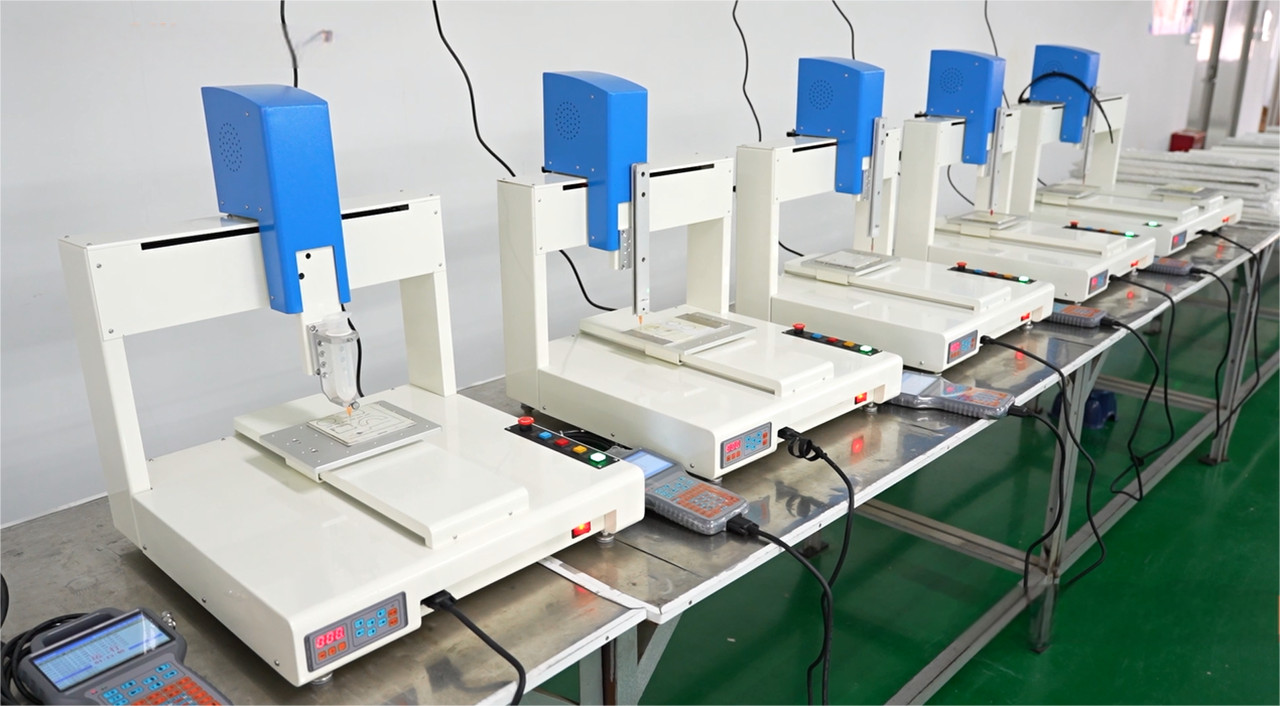
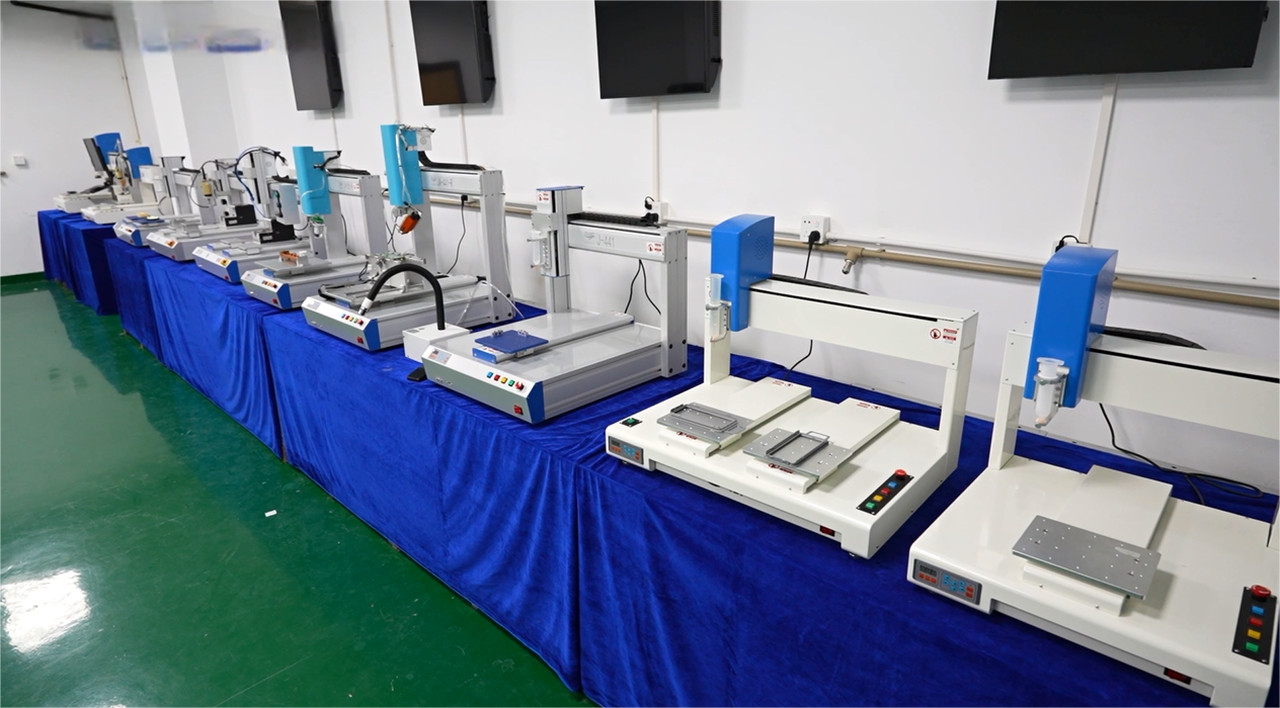
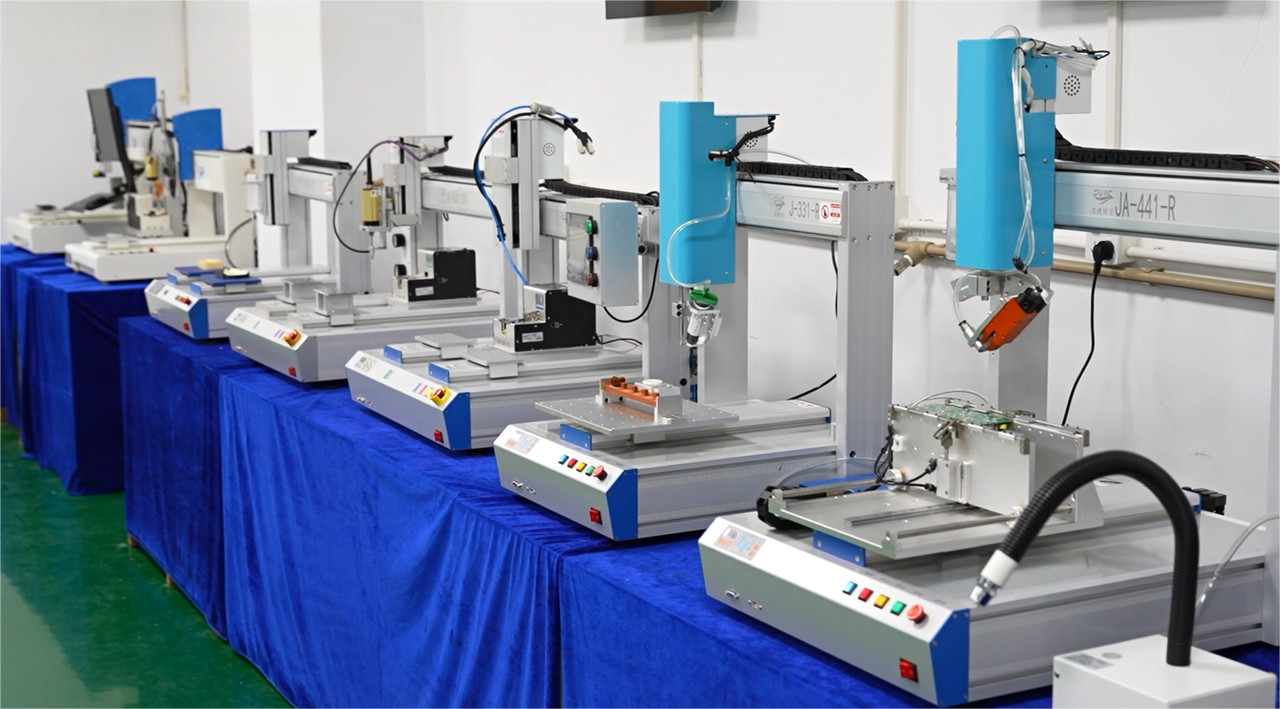
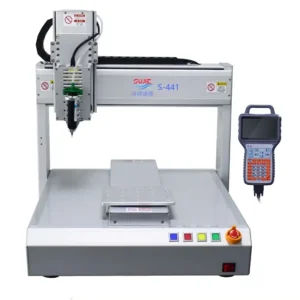
Proximity to US production hubs requires rapid high-volume manufacturing with minimal downtime. Automated desktop servo dispensing machines help manufacturers near Monterrey and Querétaro maintain high cycle speeds while ensuring full compliance with US automotive standards.
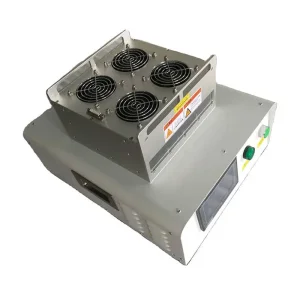
European factories prioritize carbon footprint reduction and high energy efficiency. Water-cooled LED UV curing systems use up to 70% less power than traditional mercury arc lamps, helping suppliers align with strict EU environmental directives while keeping production lines moving fast.
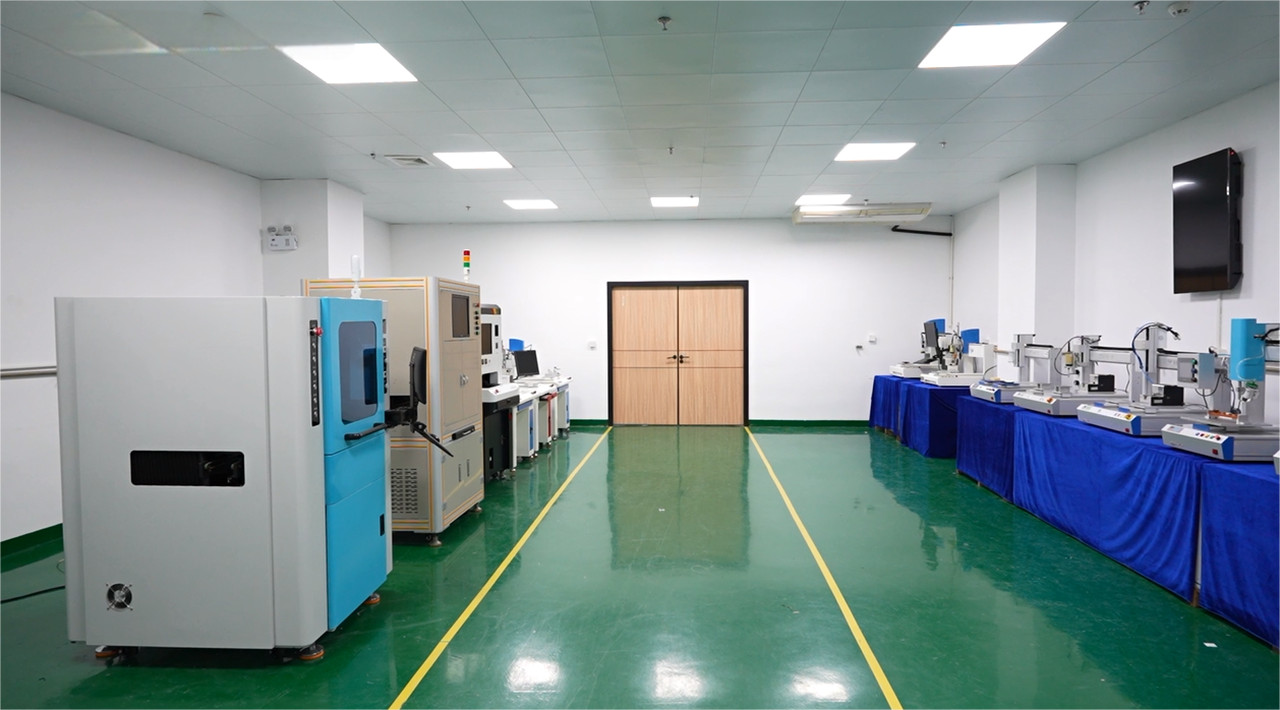
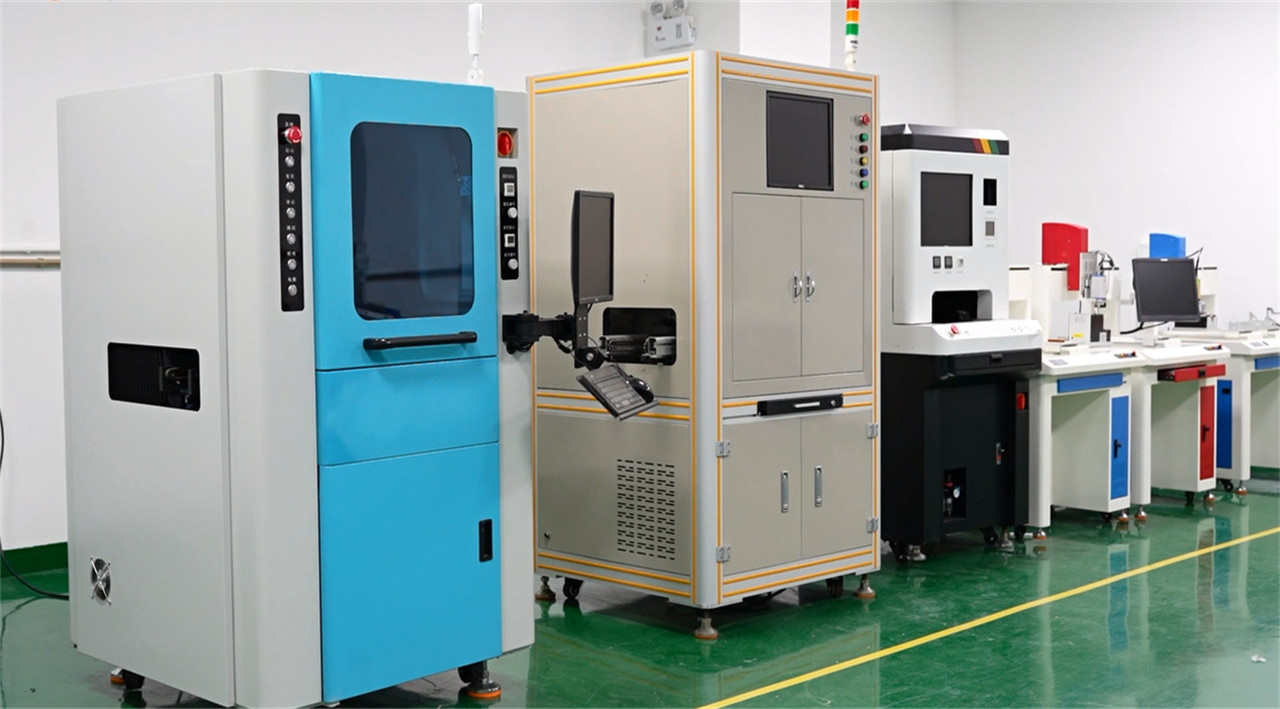
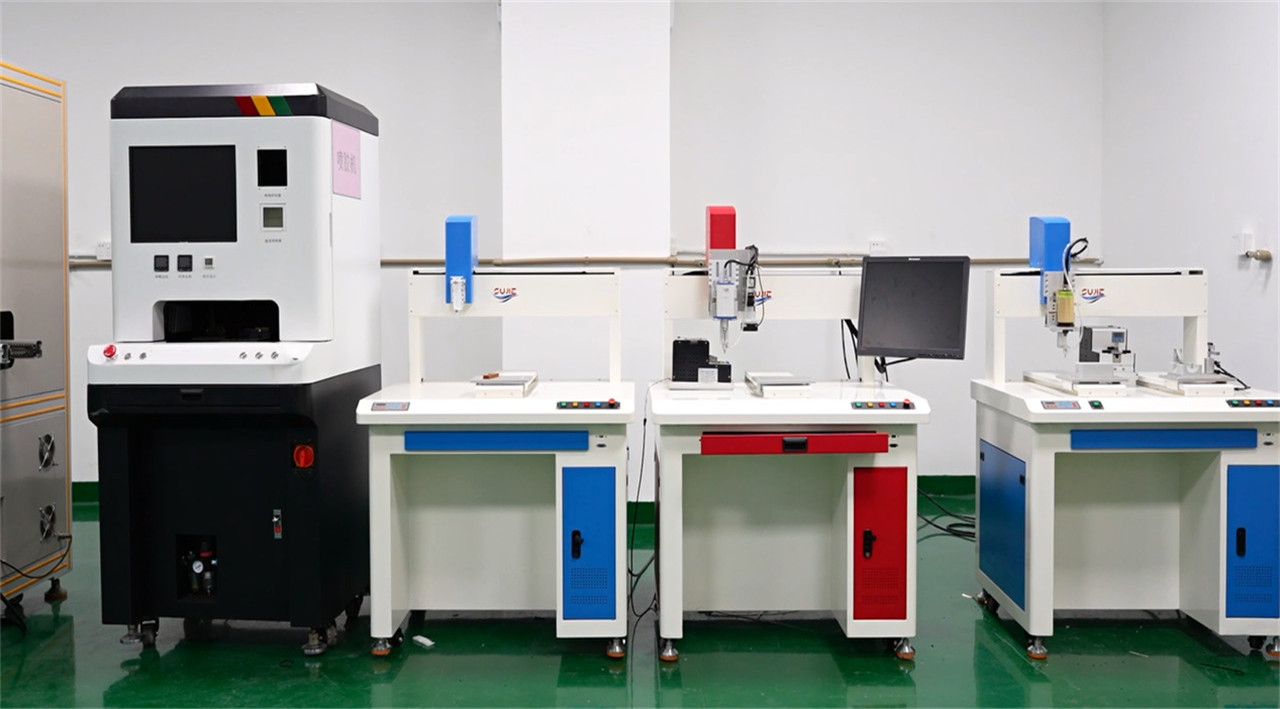
Founded in 2013, Shenzhen Anyco Automation Equipment Co., Ltd. is a national high-tech enterprise integrating the research, development, production, sales, and technical service of automated fluid control systems. We are a one-stop factory for precision dispensing equipment and custom accessories.
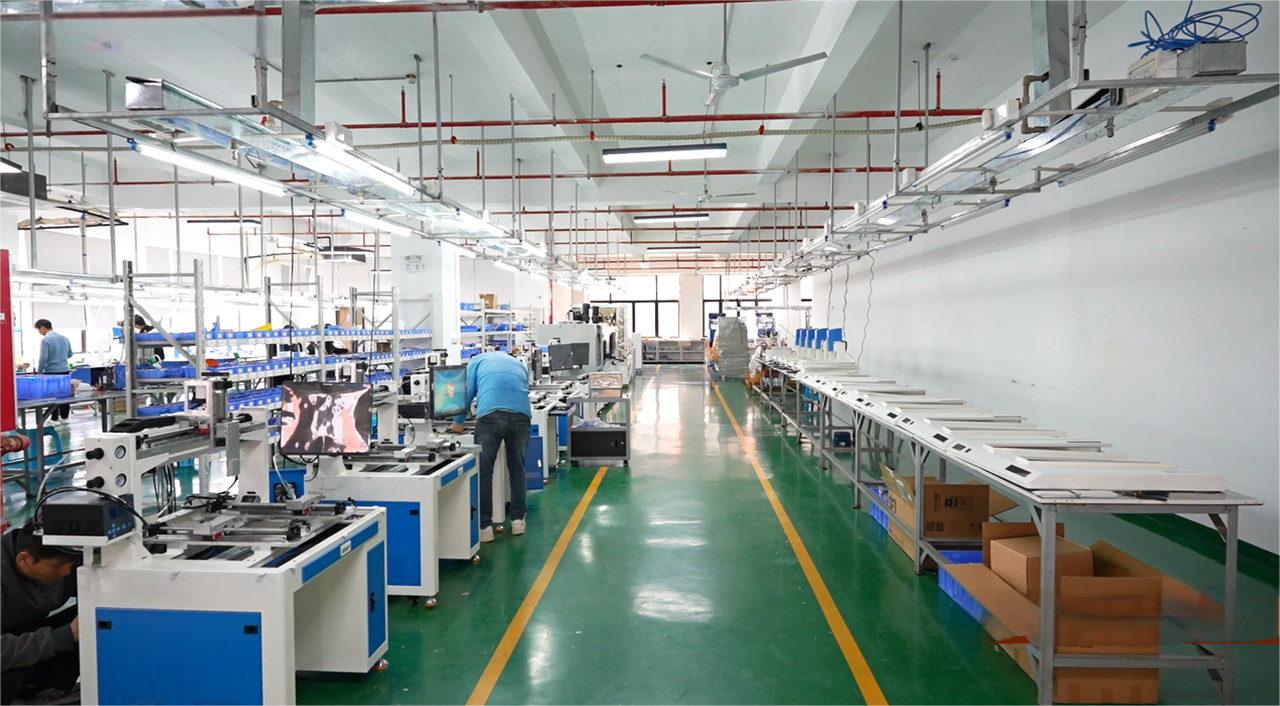
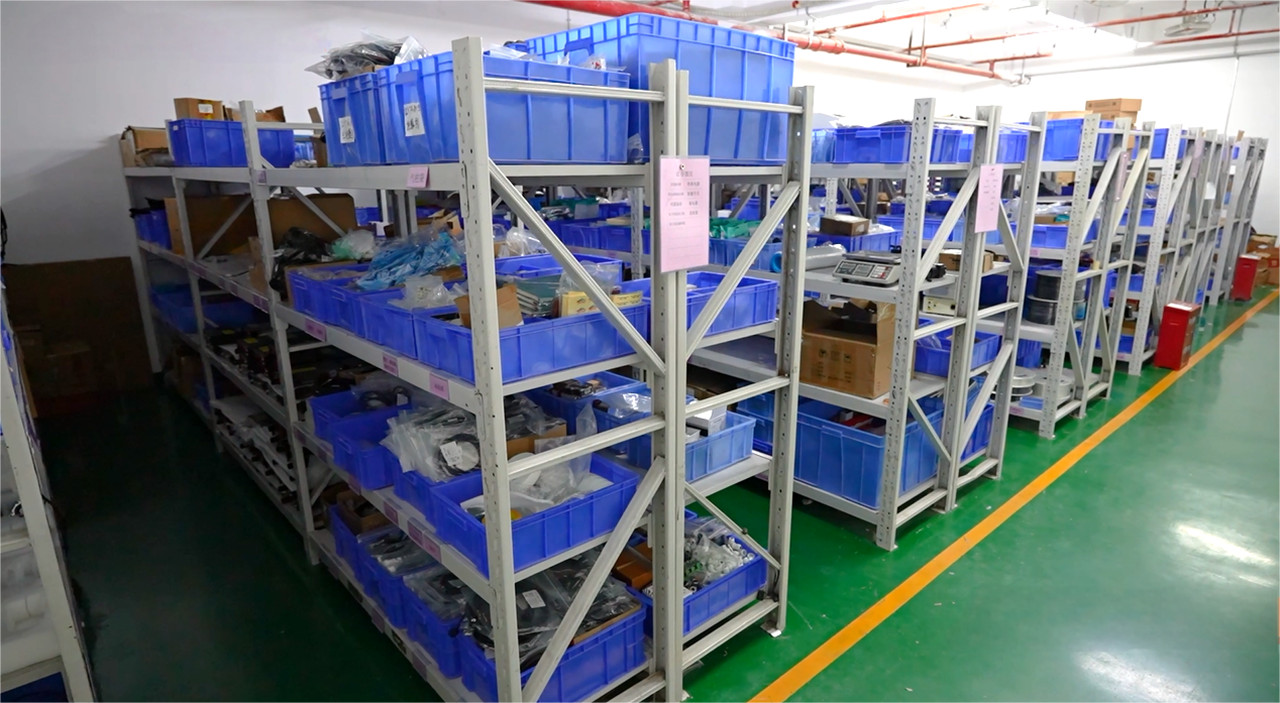
Headquartered in Guanlan, Shenzhen, with a modern manufacturing plant in Huizhou spanning over 2,000 square meters, Anyco serves major markets in Southeast Asia, India, Vietnam, Thailand, North America (Mexico), and North Africa (Morocco). Over the years, we have built a reputation for high quality and competitive pricing.
Our catalog includes high-volume precision jetting valves, industrial dispensing machines, and consumables. We provide tailored, one-on-one design services to meet specific line layouts and engineering requirements.
Answers to common technical questions from assembly engineers, procurement teams, and plant managers.
Select from our industrial-grade water-cooled light sources, desktop servo dispensers, and conformal coating stations.
 Anyco Automation