Premium automation hardware and precision consumables designed for high-yield manufacturing
Analyzing the role of custom nozzle cleaning needles in high-speed, automated production environments
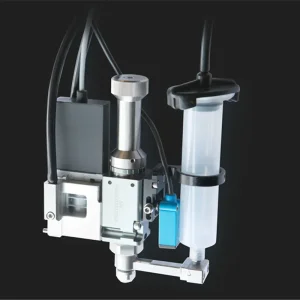
In modern high-speed electronics packaging, surface mount technology (SMT), and automotive component assembly, fluid dispensing is a cornerstone process. Whether utilizing advanced pneumatic injection valves like the Anyco V6500 or piezoelectric jetting valves such as the PDV-3000A, maintaining consistency in micro-volumes is imperative. A nozzle cleaning needle is not merely a maintenance accessory; it is a critical engineering tool designed to maintain capillary dynamics at the micro-scale.
When dealing with high-viscosity fluids, filled epoxies, solder pastes, or silver-conductive adhesives, nozzle clogging is a persistent issue. Particulate settlement, thermal cure progression, and shear-induced crystallization within the nozzle orifice can rapidly lead to volumetric drift. High-precision custom nozzle cleaning needles, engineered to tolerances within single-digit micrometers, allow manufacturers to clear obstructions without scratching inner capillary walls. This preserves the surface integrity and prolongs the lifespan of expensive dispensing nozzles.

Did You Know? A scratch as small as 0.5 micrometers inside a piezoelectric valve nozzle can alter fluid laminar flow profiles, causing dispensing satellite droplets and leading to high scrap rates in smartphone camera module packaging.
As consumer electronics push the boundaries of miniaturization—driven by 5G modules, HDI boards, and advanced system-in-package (SiP) semiconductors—dispensing nozzles are shrinking below 100 micrometers. This physical reality drives several major shifts in nozzle cleaning technologies:
Standard stainless steel needles are no longer sufficient for abrasive materials. The industry is moving towards Tungsten Carbide and Diamond-Like Carbon (DLC) coated needles. These materials resist abrasive wear from glass microspheres and metal flakes commonly found in thermal interface materials (TIM).
Modern suppliers must employ Swiss-type precision micro-lathes and chemical etching to manufacture cleaning needles with outer diameters as small as 0.05 mm (50 μm), ensuring compatibility with sub-100 μm dispensing nozzles.
To prevent mechanical locking and scratch damage, cleaning needles must undergo electropolishing. This achieves an average surface roughness (Ra) of less than 0.05 μm, facilitating smooth mechanical penetration through cured adhesive plugs.
Analyzing B2B procurement demands, regional markets, and China's Industry 4.0 production advantages

Global procurement specialists in automotive electronics, medical device manufacturing, and semiconductor assembly look for more than just a low price. They prioritize total cost of ownership (TCO) and long-term reliability. Key buyer requirements include:
As a leading hub for global electronic manufacturing, China's precision manufacturing industry has transformed. Shenzhen Anyco Automation Equipment Co., Ltd., established in 2013, represents the vanguard of this evolution. Located in the high-tech industrial cluster of Guanlan, Shenzhen, with factories in Huizhou spanning over 2,000 square meters, Anyco leverages local micro-machining and logistics infrastructure to offer unique supply chain advantages:
Explore our state-of-the-art facilities in Huizhou and Shenzhen, optimizing precision fluid control systems
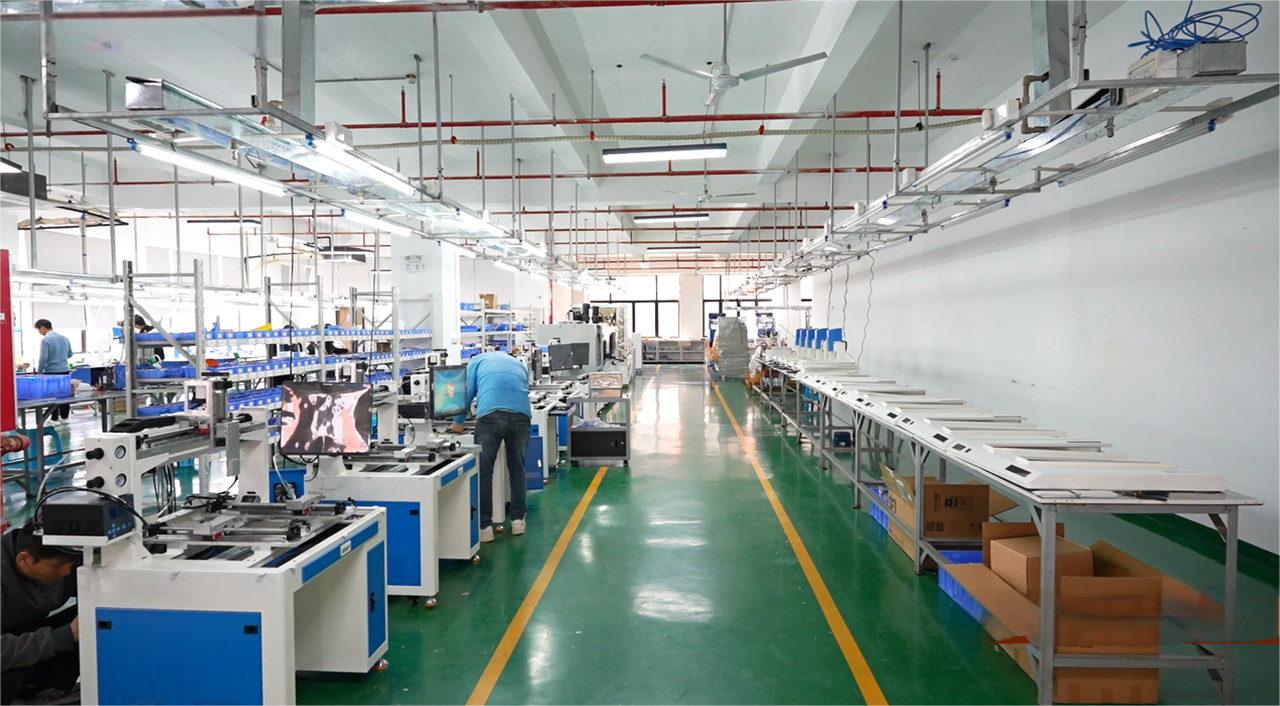
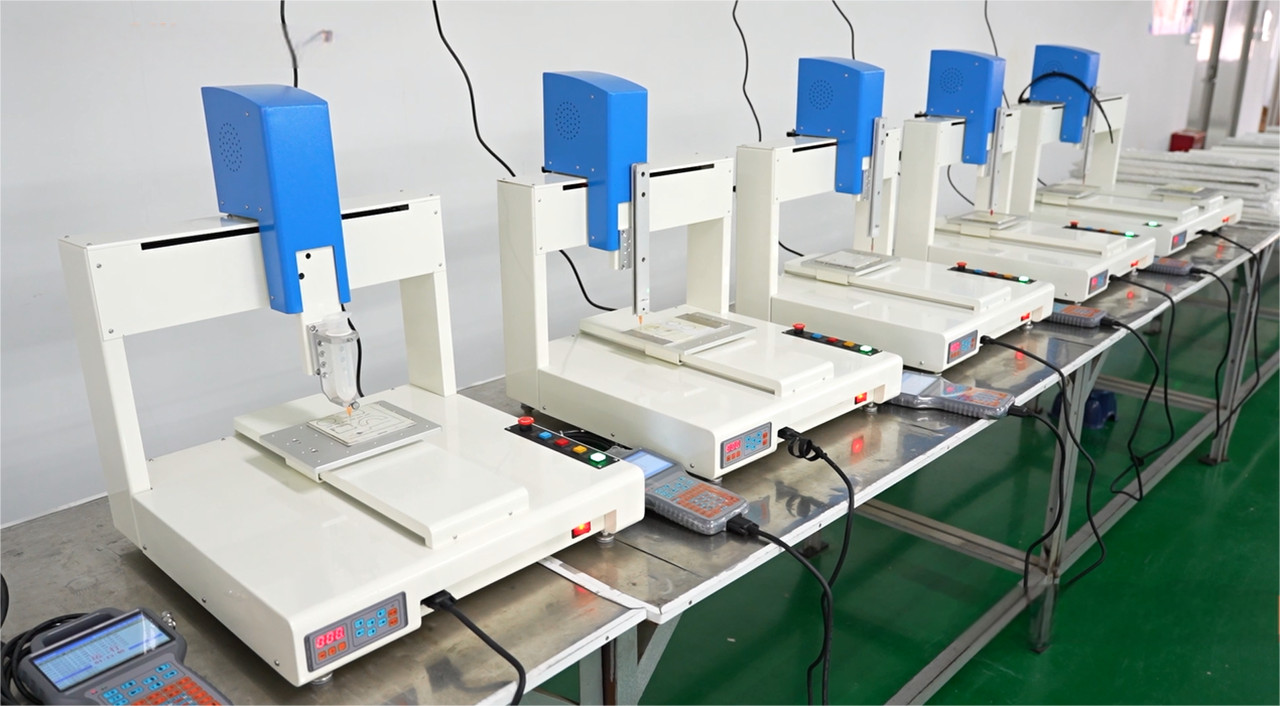
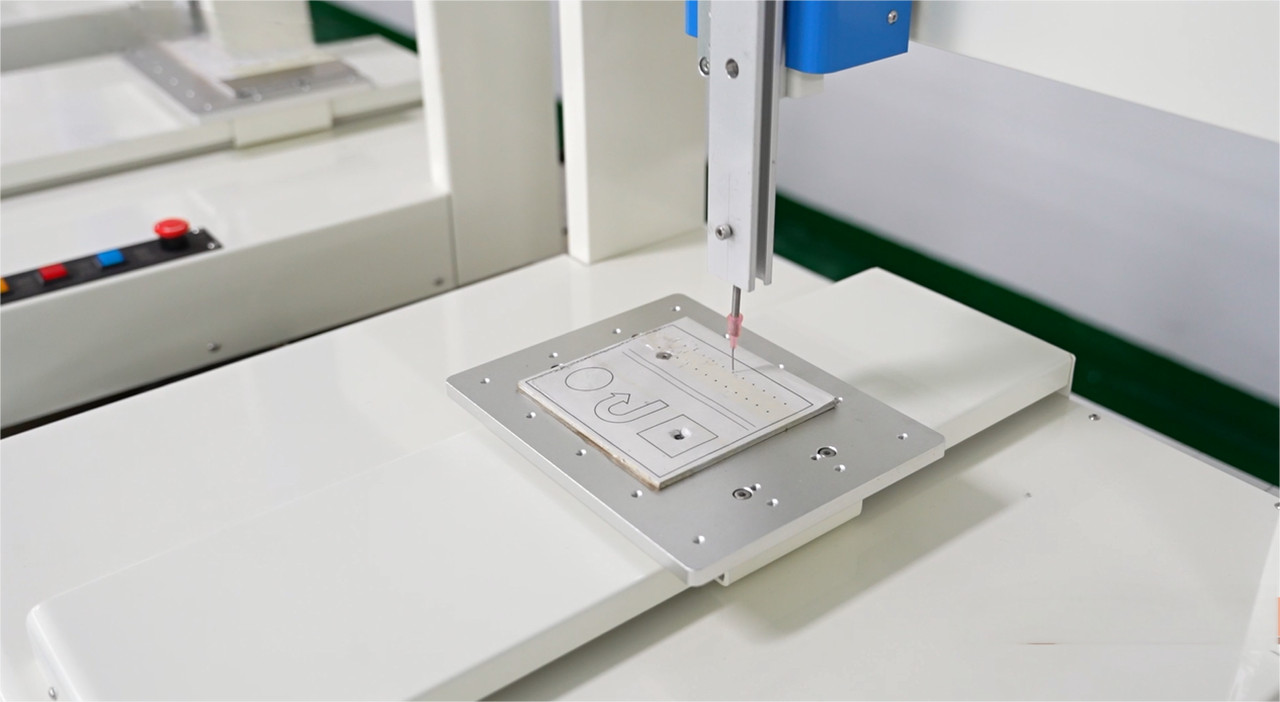
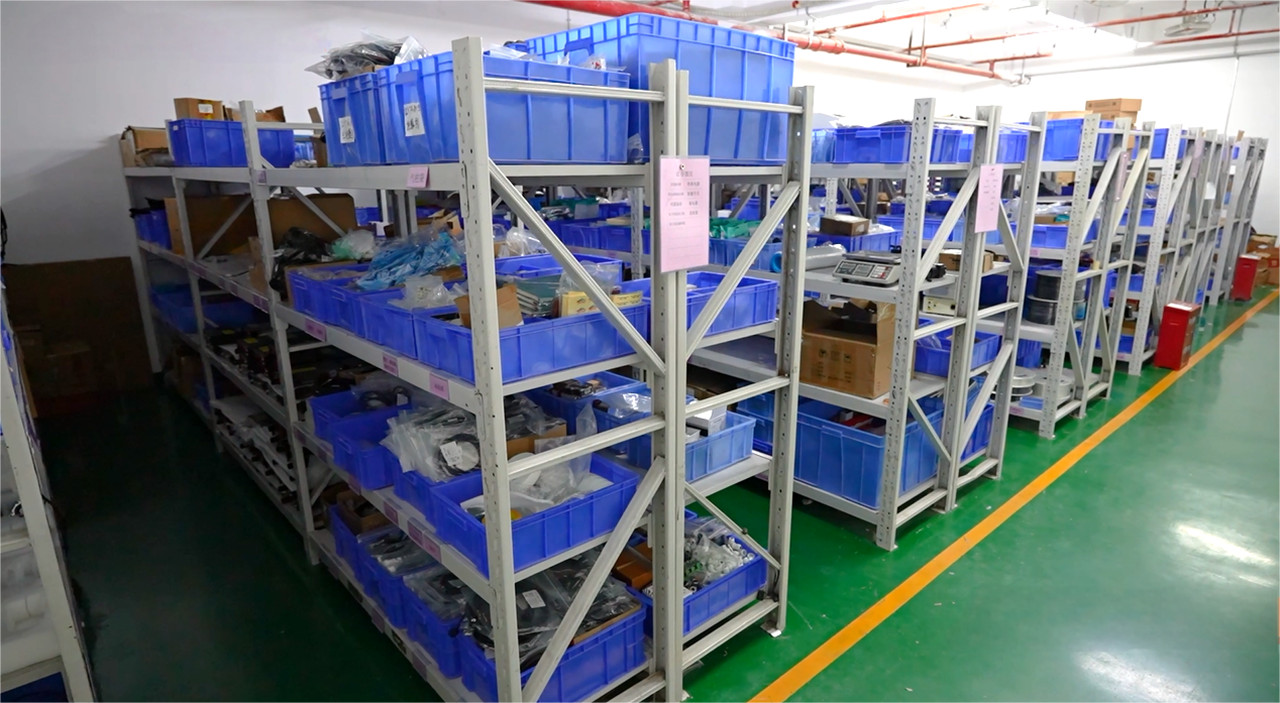
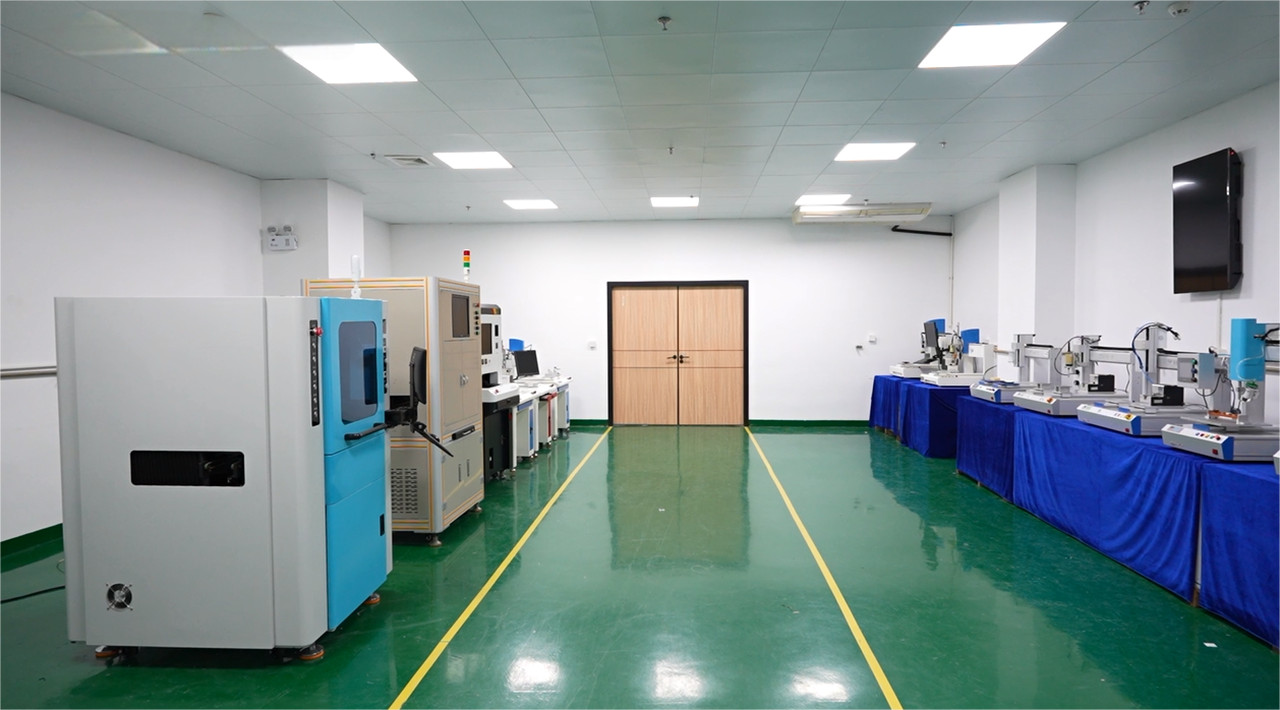
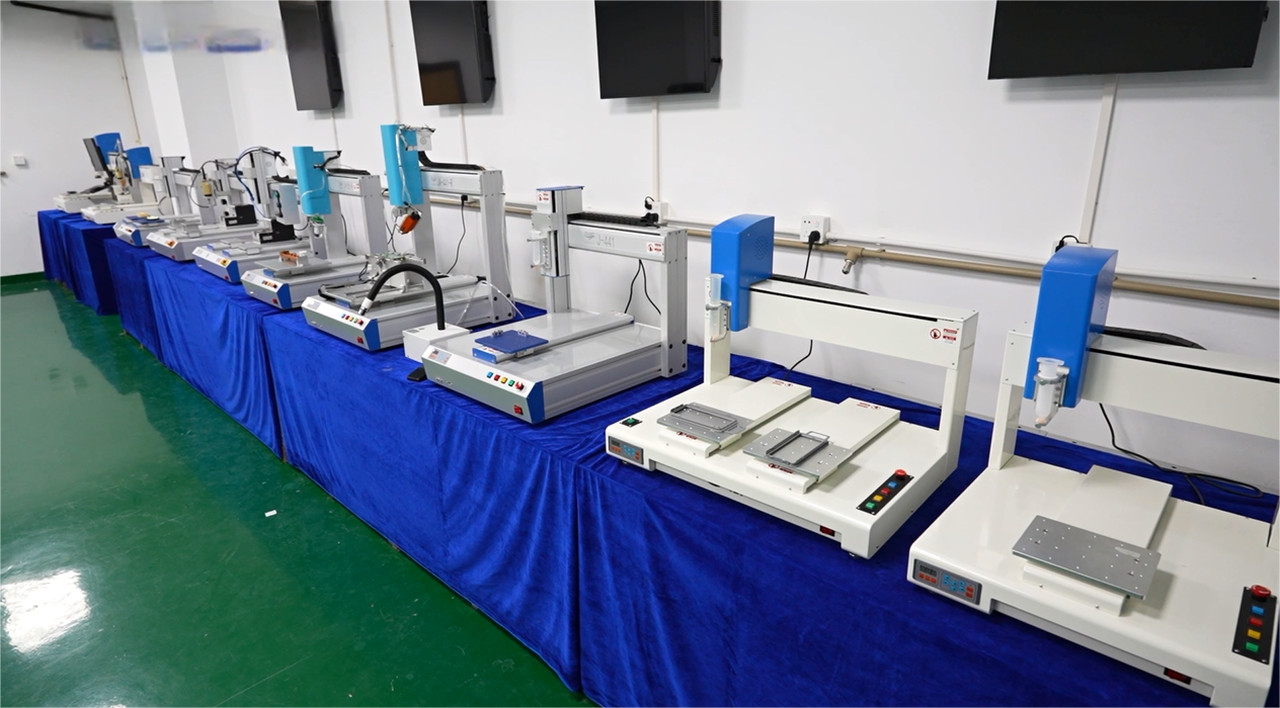
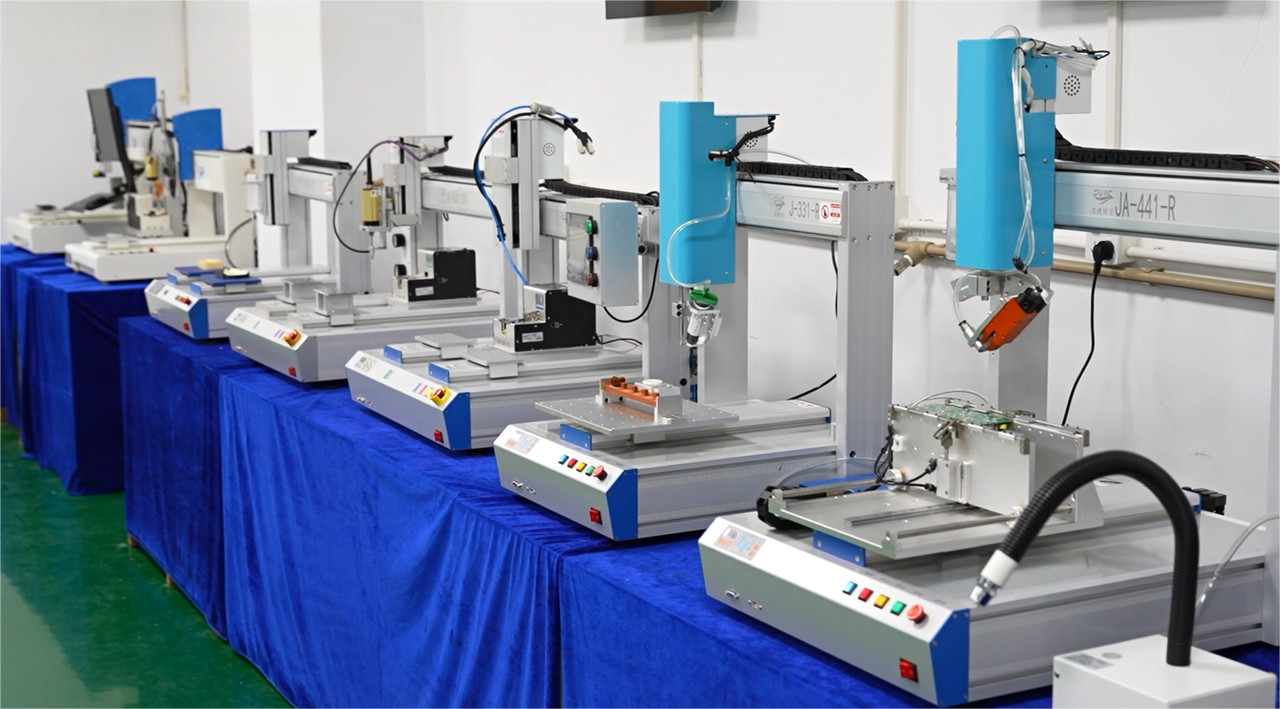
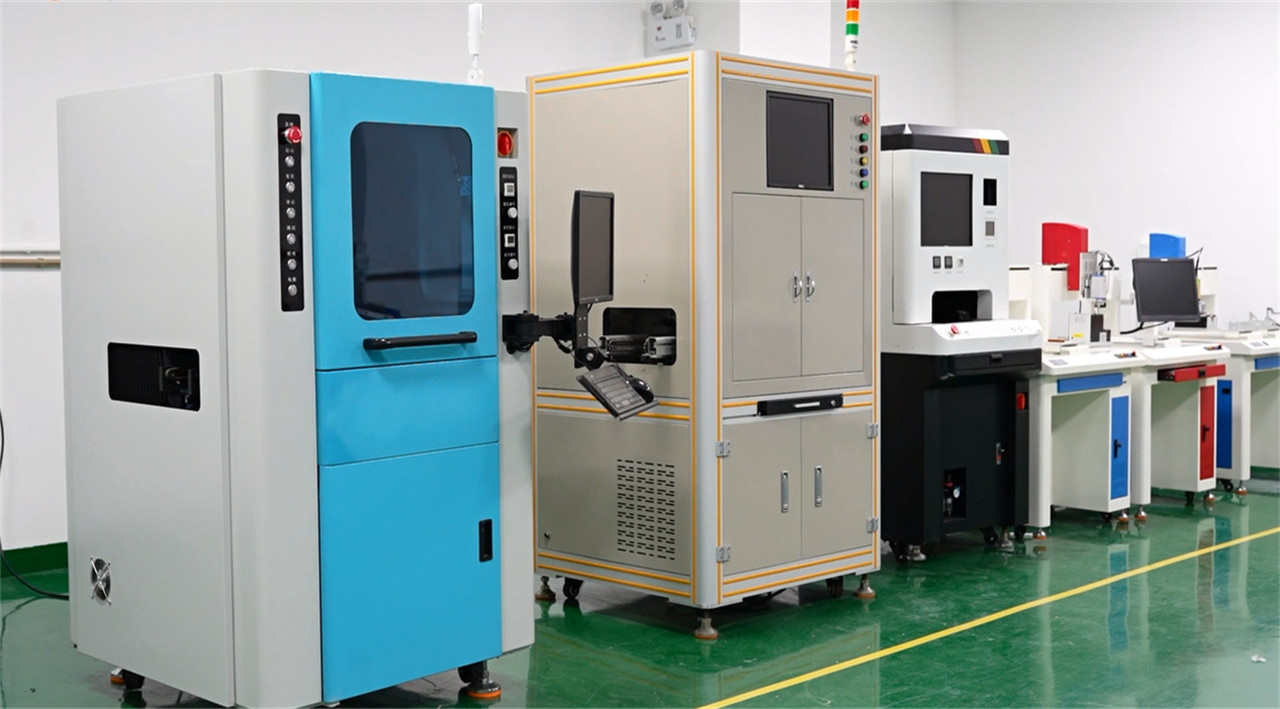
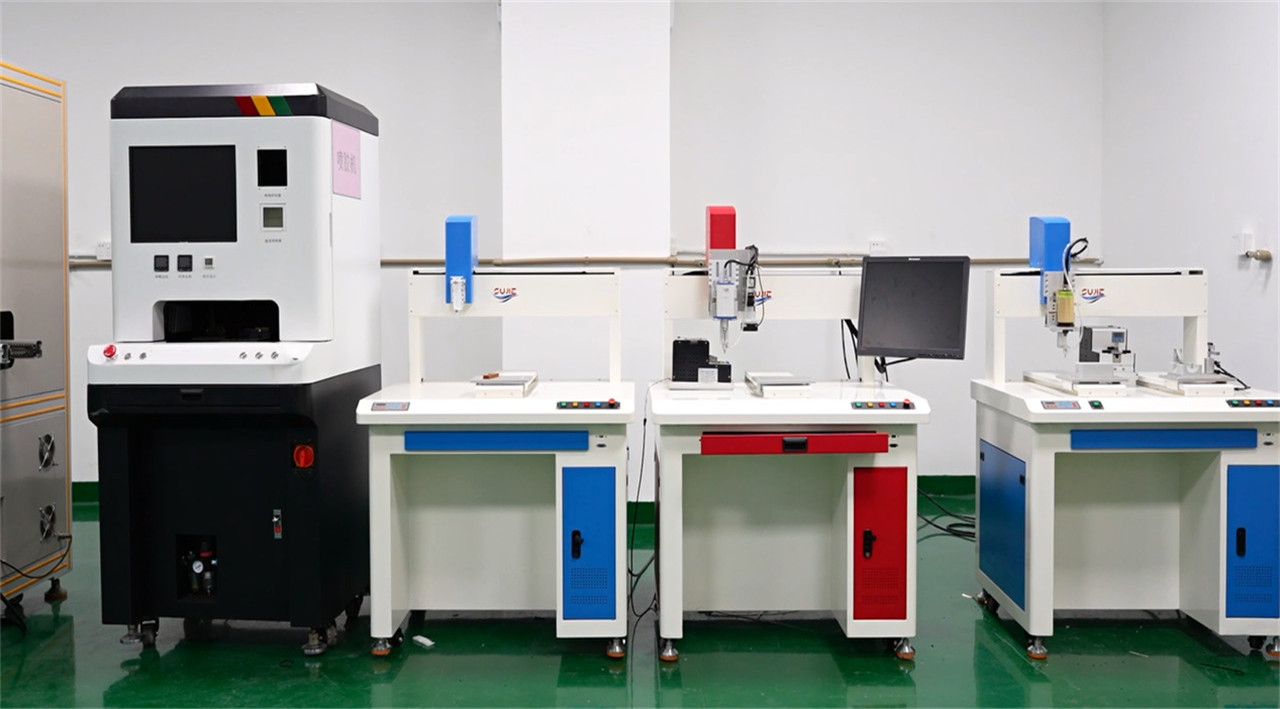
How precision cleaning needles and fluid accessories optimize global manufacturing processes
In Southeast Asia's electronics corridors, high-volume production of smartphones, tablets, and smart wearables is standard. High-speed dispensing lines operating 24/7 utilize piezoelectric jetting systems to apply solder pastes and conductive adhesives. Anyco's custom cleaning needles, sized down to 0.05 mm, allow on-line maintenance technicians to clean nozzle orifices quickly. This helps prevent downtime on lines running high-density assemblies where nozzle replacements can interrupt operations.
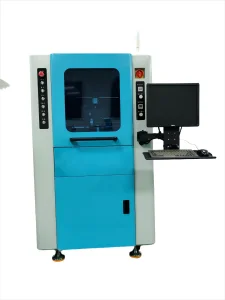
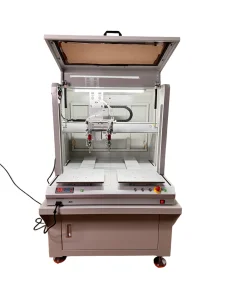
Automotive tier-1 suppliers in regions like Mexico face strict quality requirements. Control units, engine management systems, and safety-critical sensors require conformal coating (utilizing floor-standing machines like the AC-7661) and underfills. Clogged or partially blocked nozzles can cause inconsistent coating coverage, risking component failure from moisture ingress. Specialized, tapered cleaning needles ensure that nozzles maintain consistent dispensing geometry, satisfying strict quality audits.
Aerospace and advanced wiring harness production facilities in North Africa rely on high-reliability sealing and bonding. Using pneumatic valves like the Anyco V6500 to deposit specialty sealants requires precise cleaning accessories. Cleaning needles with customized double-screw barrel interfaces allow operators to clear curing sealants without exposing the delicate inner mechanisms of the valve to chemical cleaners.
Answering high-intent technical questions to optimize your fluid dispensing process
Choosing the correct cleaning needle size requires matching the needle's outer diameter (OD) to the nozzle's inner diameter (ID). As a general rule, the cleaning needle's OD should be between 70% and 85% of the nozzle's ID. If the needle is too large, it risks scratching or damaging the polished interior of the capillary nozzle. If the needle is too small, it will only pierce a small channel through the clogged material rather than cleaning the nozzle walls effectively. Additionally, consider the length: the needle must be long enough to clear the full length of the nozzle channel.
Tungsten Carbide offers higher hardness and wear resistance compared to standard 304 or 316 stainless steels. When cleaning nozzles clogged with abrasive materials like silver paste, epoxy resins with glass fillers, or solder pastes, stainless steel needles can wear down quickly. This wear can alter the needle's tip geometry, creating micro-burrs that can scratch the interior of precision nozzles. Tungsten Carbide and DLC coatings maintain their sharpness and surface finish over thousands of cleaning cycles, helping to protect critical dispensing valves.
To clean a nozzle safely, first pre-soak the component in a chemical solvent that dissolves the specific polymer base of your adhesive. Once the clog is softened, insert the cleaning needle straight into the nozzle without applying lateral force or rotating it aggressively. Mechanical clearing should be followed by flushing with clean solvent and using pressurized air to dry the nozzle chamber. Inspect the nozzle under a digital microscope to ensure all particulate matter has been removed.
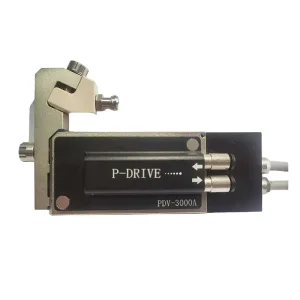
Yes, but with care. Piezoelectric jetting valves, such as the PDV-3000A, feature high-precision tolerances and require careful handling. Only use cleaning needles with a polished surface finish (Ra < 0.05 μm) and rounded, non-sharp tips to clear the nozzle plate. For the internal fluid chamber and needle seat, ultrasonic baths are typically preferred, while mechanical cleaning needles are used for clearing the nozzle plate orifice.
Anyco provides customization services for precision fluid accessories. Customers can specify the cleaning needle's outer diameter (down to 0.05 mm), overall length, and hub style (such as Luer Lock or threaded designs). We also customize the needle tip profile (flat, chamfered, or rounded) to match specific nozzle configurations and help prevent damage to the internal needle seat.
Conformal coating machines like the AC-7661 use spray or film coater heads, which dispense material over a wider area than dot-dispensing micro-nozzles. However, because conformal coatings are formulated to dry quickly, their nozzles are prone to skinning and curing when exposed to air. Cleaning spray heads requires a combination of solvent purge systems and needle pins to prevent the air cap holes from clogging, which helps maintain a consistent spray fan width and thickness.
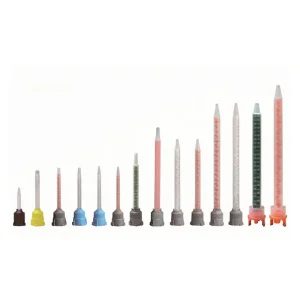
Static mixing tubes are designed for two-component (2K) fluids, mixing the resin and catalyst within the tube. Once the mixing process is complete, the residual material in the tube will cure and cannot be cleared with a cleaning needle. As a result, static mixing tubes are typically treated as consumable items and replaced periodically. However, the metal manifold and dispensing nozzles upstream of the mixing tube can be cleaned and reused with proper cleaning tools.
We work with established international logistics partners to serve key manufacturing hubs in Southeast Asia, North America, and Europe. By maintaining a safety stock of common sizes and using materials sourced from qualified suppliers, we help protect clients against supply chain disruptions. Standard orders are typically processed and shipped within 24 to 48 hours to minimize client downtime.
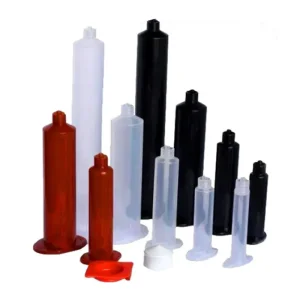
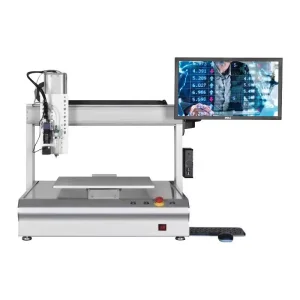
Complete range of high-performance components designed to maintain production reliability
 Anyco Automation