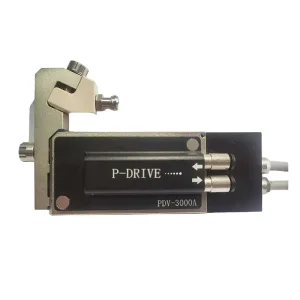
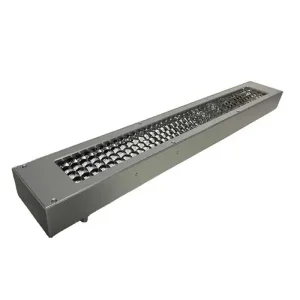
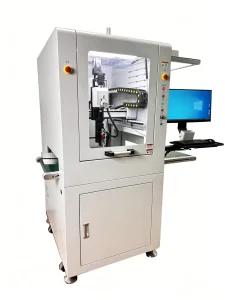
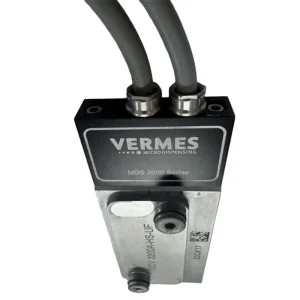
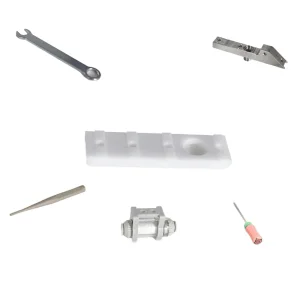
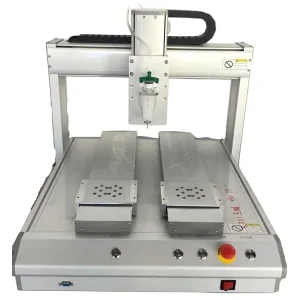
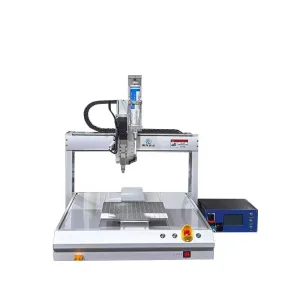
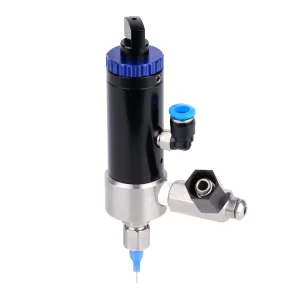
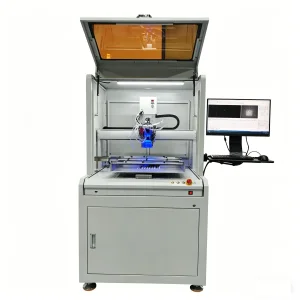
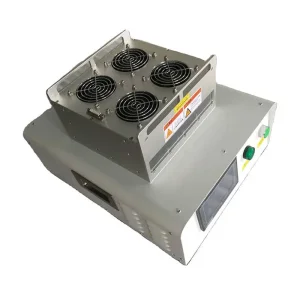
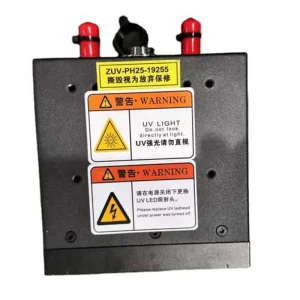
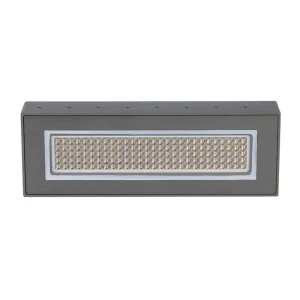
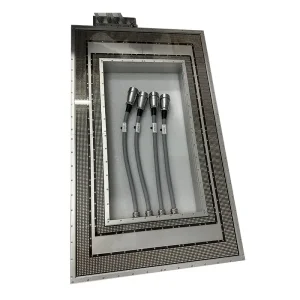
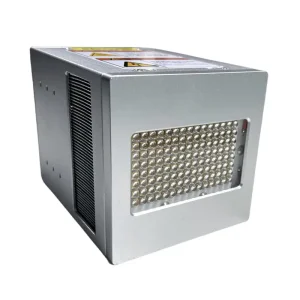
Explore our elite portfolio of dispensing valves, light sources, and automated coating hardware designed for microfluidic industrial environments.
How high-frequency electromagnetic and check-valve logic drive reliability across modern smart factories.
The contemporary automation landscape relies heavily on rapid-response pneumatic and electromagnetic actuators. Among these, the one-way solenoid valve serves as a foundational component for fluid security, stopping backflow, and enabling high-precision dosing in cleanrooms and assembly lines globally. Industrial systems operate under tight pressure differentials, calling for high repeatability and ultra-low leakage tolerances. As manufacturing pipelines shift toward micro-scale electronic components, the demands placed on fluid control architecture have heightened.
Valves are no longer simple mechanical shut-offs; they function as active, integrated parts of high-speed fluidic networks. Manufacturers worldwide seek suppliers who can engineer customized orifice structures, optimize seal chemistry (using advanced compounds like Viton, EPDM, or PTFE), and deliver configurations compatible with aggressive chemical solvents or high-viscosity pastes. From the precision dispensing of heat-conductive adhesive in electric vehicle power units to sub-nanoliter fluid management in medical diagnostic assays, selecting the correct one-way solenoid valve directly impacts system uptime, cycle efficiency, and yield rates.

Valued at billions annually, the industrial solenoid sector is shifting toward micro-dispensing and fluid-isolated designs to serve cleanroom and medical standards.
Customizing internal spring ratings allows for exact cracking pressures, ensuring zero backflow drift even in highly fluctuating pneumatic lines.
Advanced heat-dissipating coils and low-wattage hold modules prevent thermal transfer to sensitive dispensing media like epoxy or biological samples.
Navigating the transition toward IoT integration, smart diagnostics, and miniature footprint designs.
Looking ahead, the development of fluid control valves centers on digitization and high-frequency actuation. Traditional solenoid valves operated on binary open/close patterns. In contrast, today's smart factories require real-time pressure diagnostics, cycle-count monitoring, and thermal feedback loops directly from the valve body. Through IO-Link protocols and integrated sensor packages, modern fluid lines can report wear data before a mechanical failure occurs, minimizing unplanned downtime.
Furthermore, microfluidic scaling has driven the miniaturization of internal valve geometries. Standard inline ports are frequently replaced by manifold-mounted systems that reduce dead space and fluid priming requirements. As a result, users reduce expensive raw material waste—such as silver paste and specialized conformal coatings. The combination of high-speed piezoelectric micro-dispensing and reliable one-way solenoid protection ensures that industrial equipment operates efficiently at higher cycle speeds.

From Southeast Asian production bases to North American automotive assembly plants.
Industrial demand patterns vary significantly by region. Anyco’s global footprints showcase how localization influences fluid engineering requirements:
Anyco meets these localized requirements through custom fluid control components. Our engineering support spans from basic dimensional alterations to selecting specialized materials to ensure compatibility with diverse chemicals and regional power grids.
Inside Shenzhen Anyco Automation Equipment Co., Ltd. - A Hub for Precision Fluid Engineering.
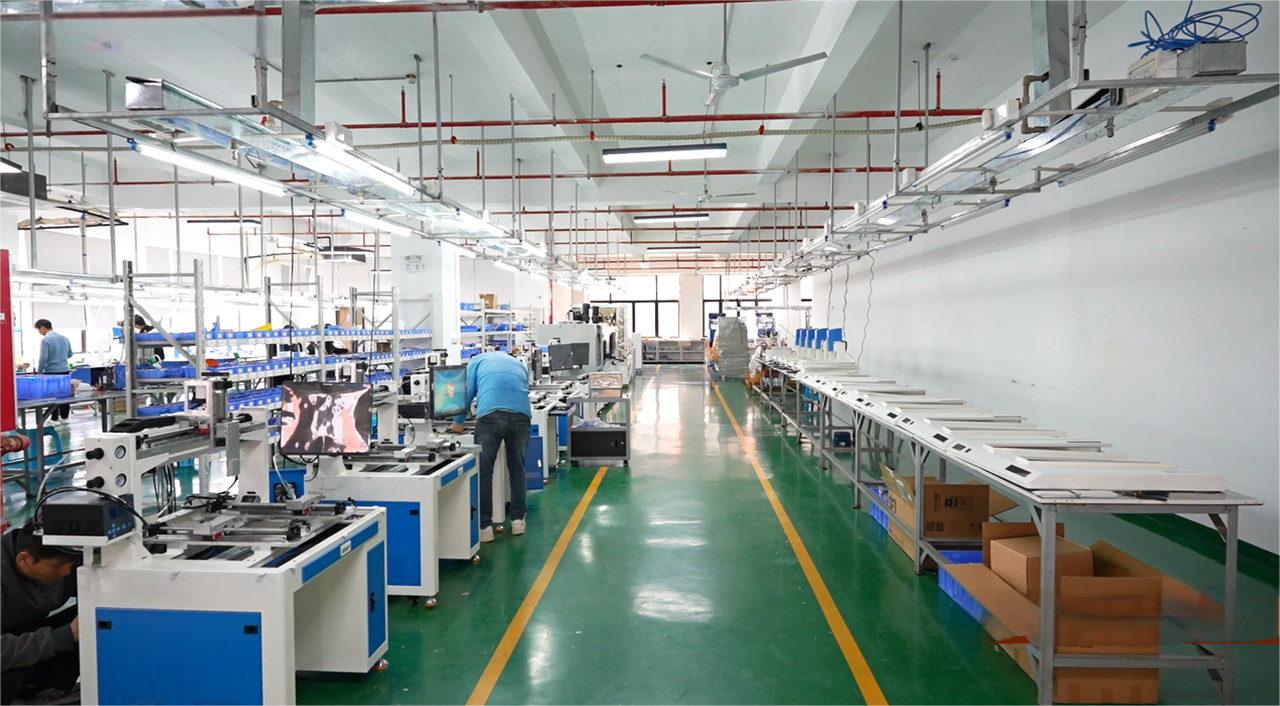
Founded in 2013, Shenzhen Anyco Automation Equipment Co., Ltd. is a high-tech enterprise integrating R&D, manufacturing, sales, and technical service. We serve as a comprehensive custom manufacturing facility for precision dispensing systems, high-speed jetting valves, and fluid control accessories. Headquartered in Guanlan, Shenzhen, and supported by a production facility in Huizhou, our combined floor area exceeds 2,000 square meters. By utilizing advanced CNC machining centers and coordinate measuring machines, we ensure that every valve and fitting meets tight tolerance requirements.
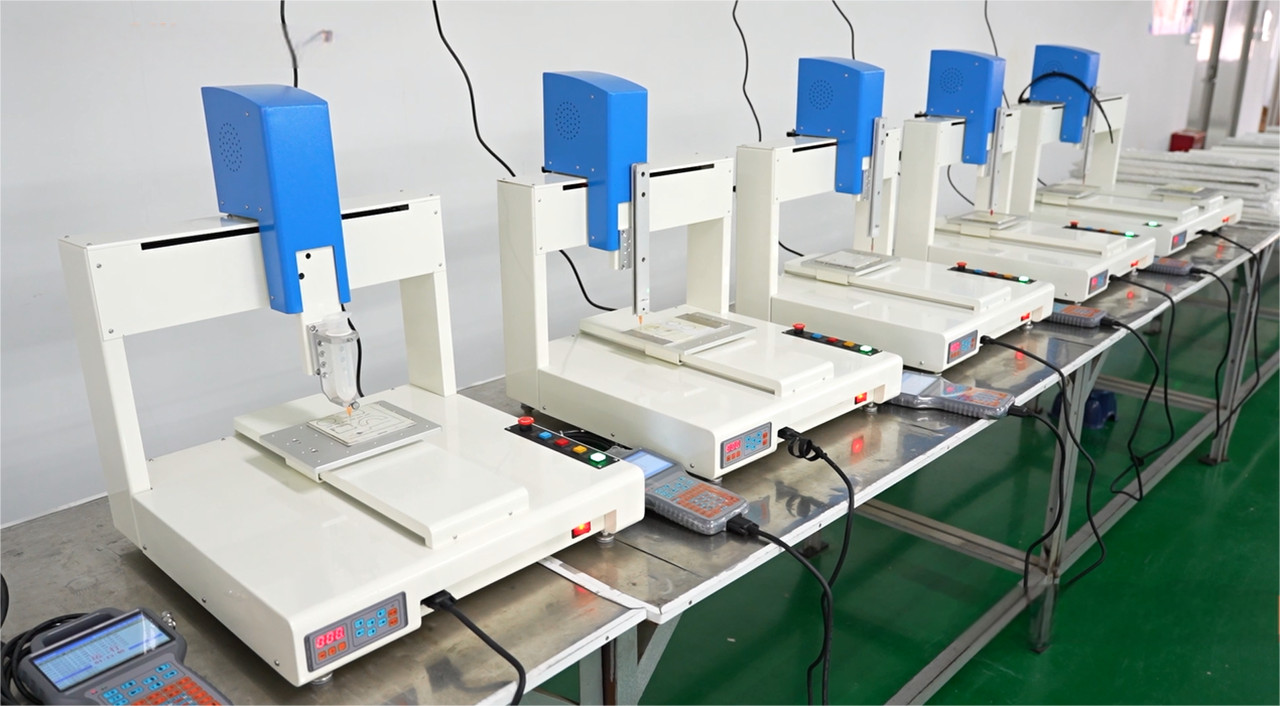
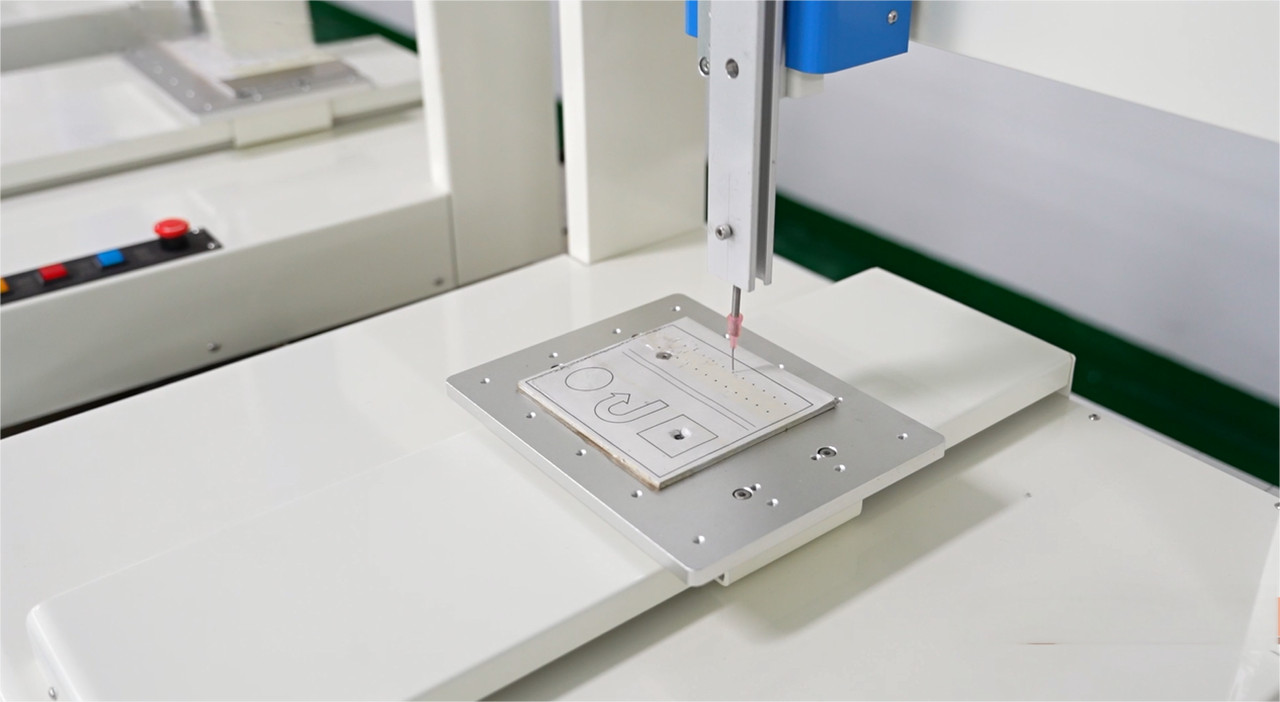
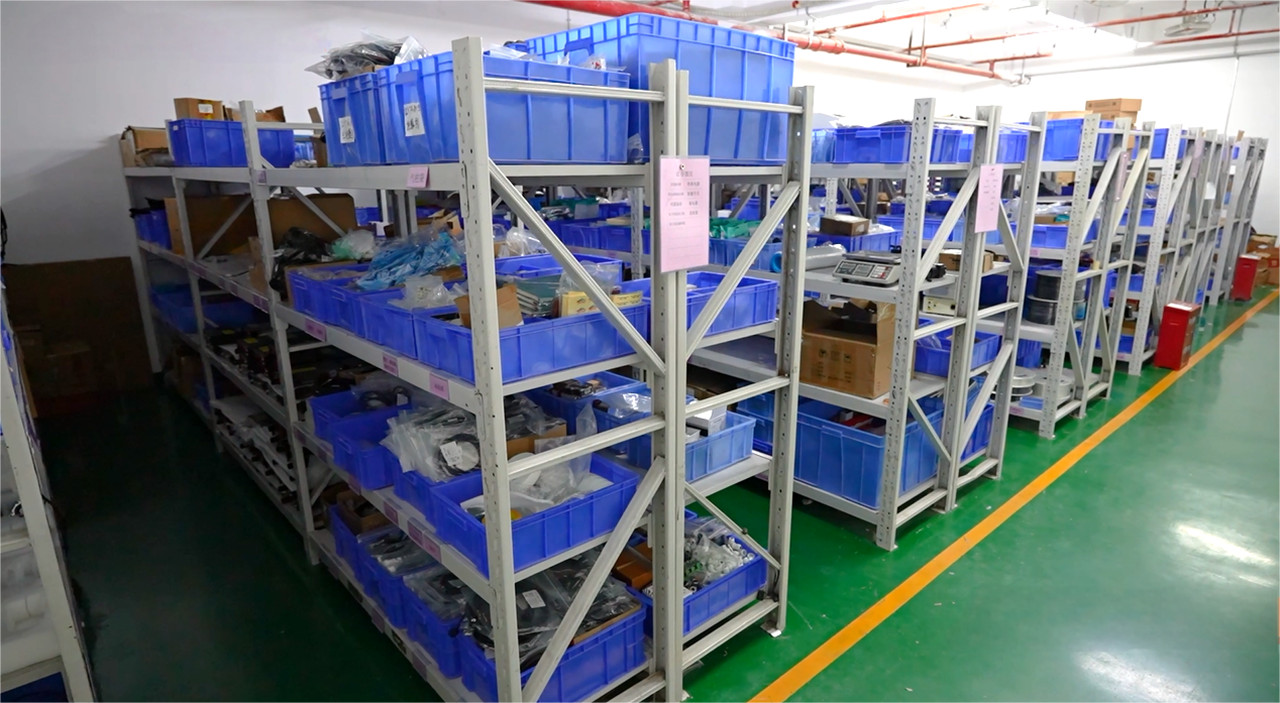
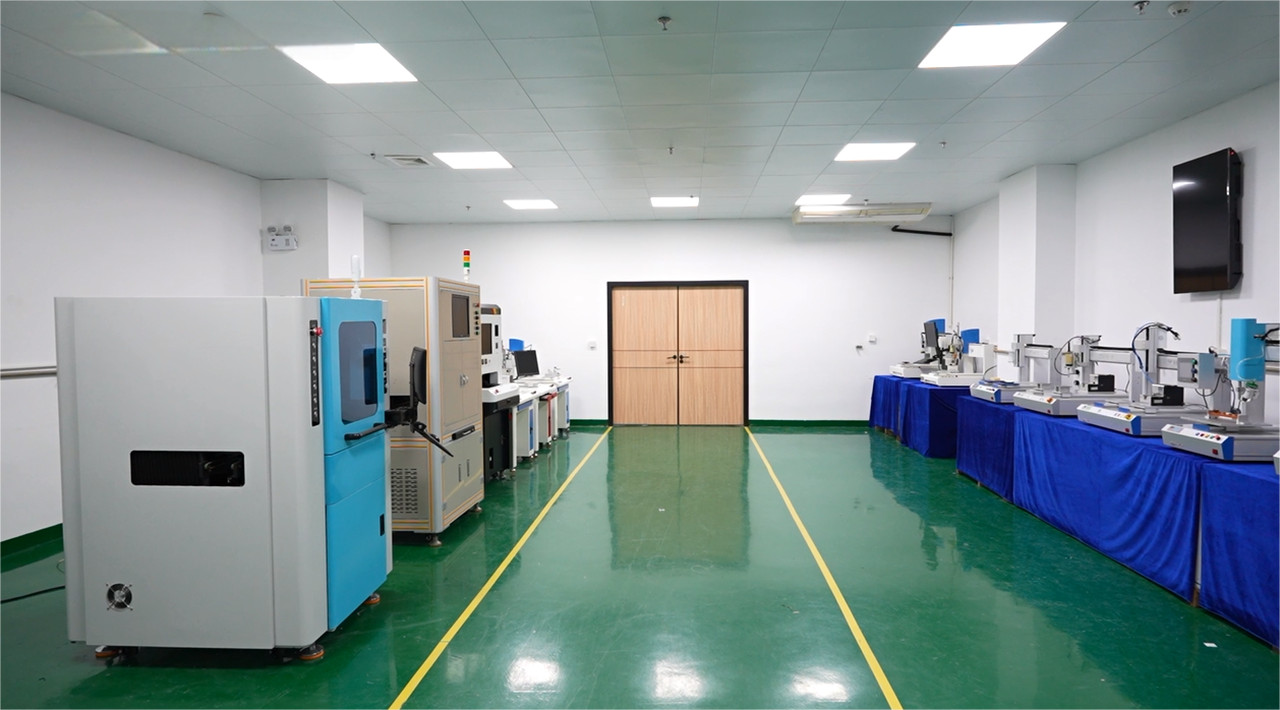
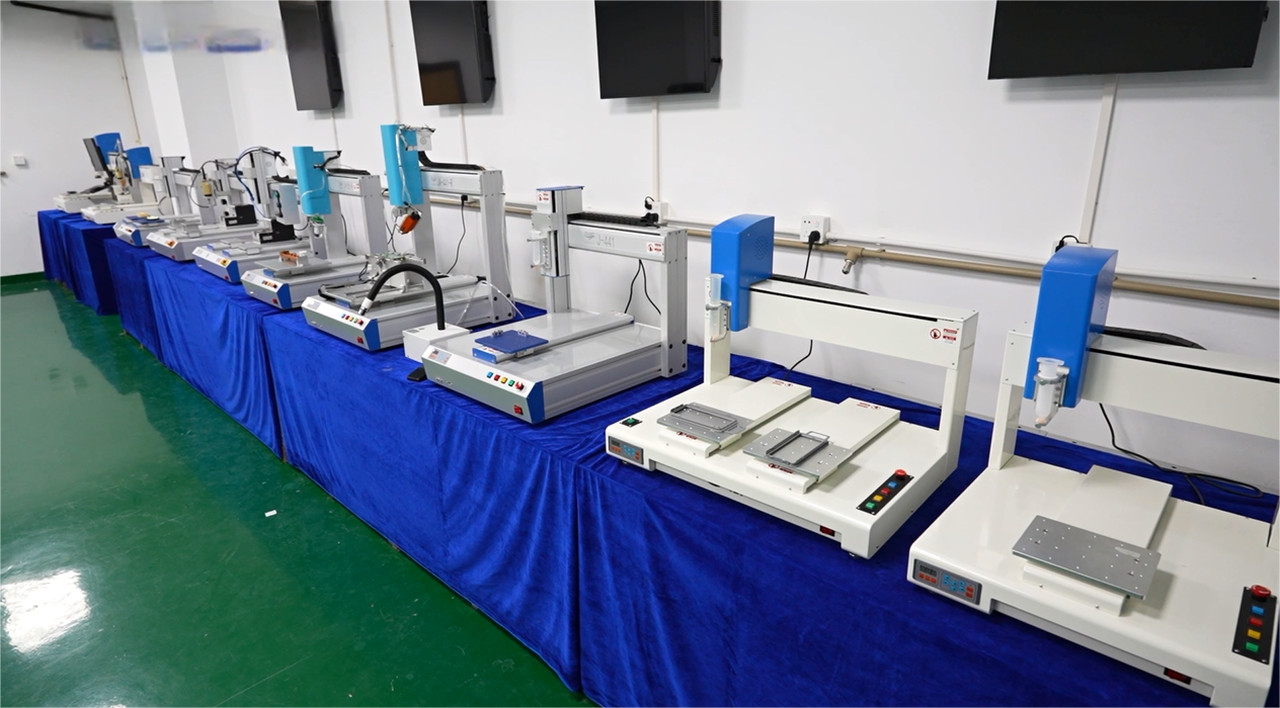
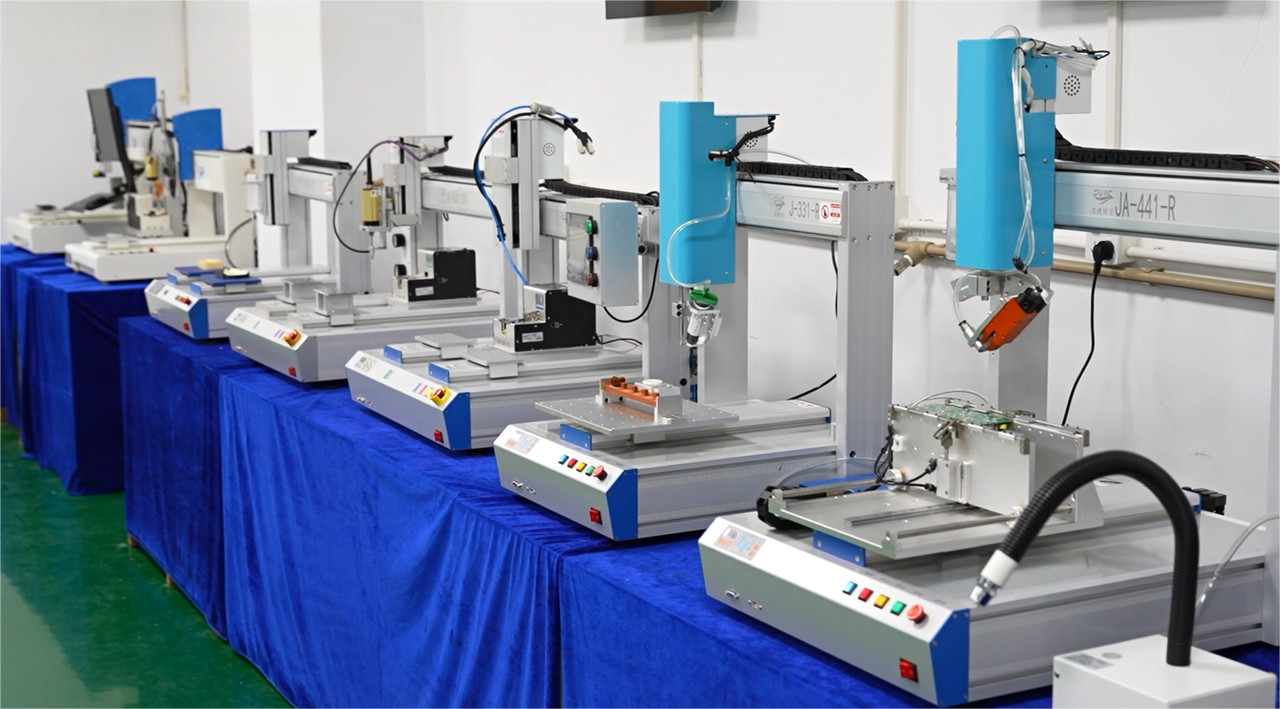
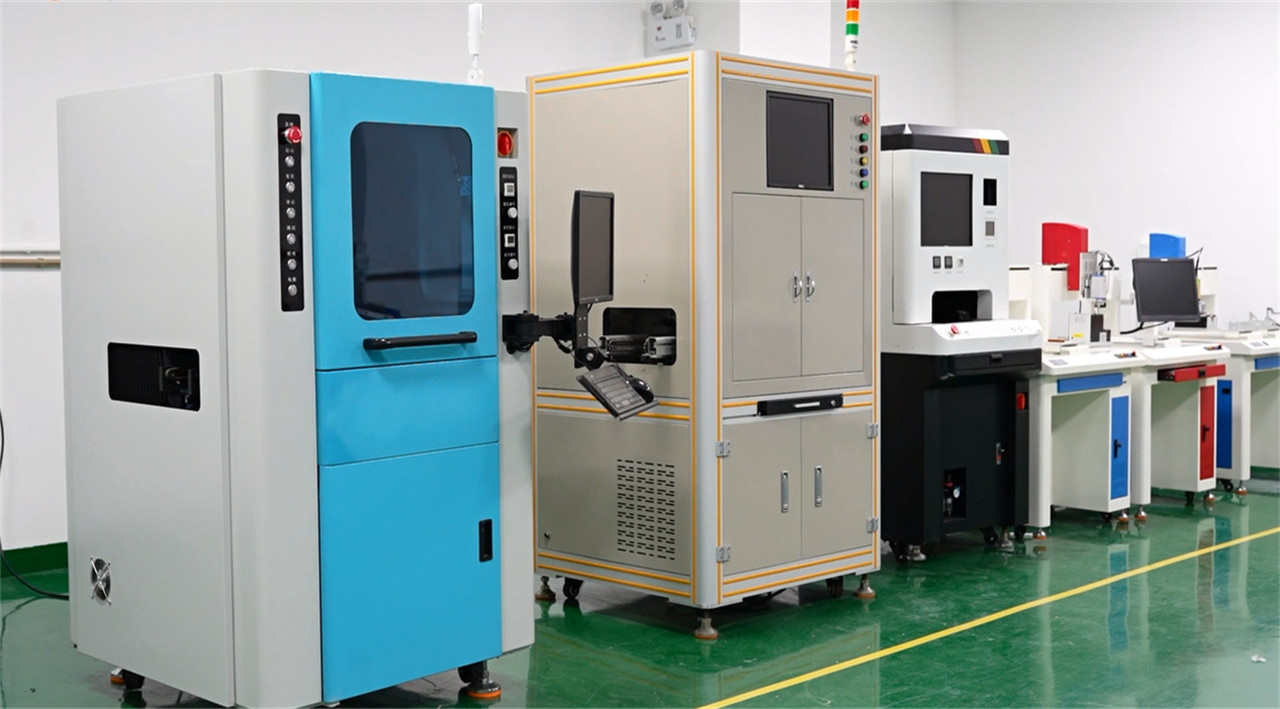
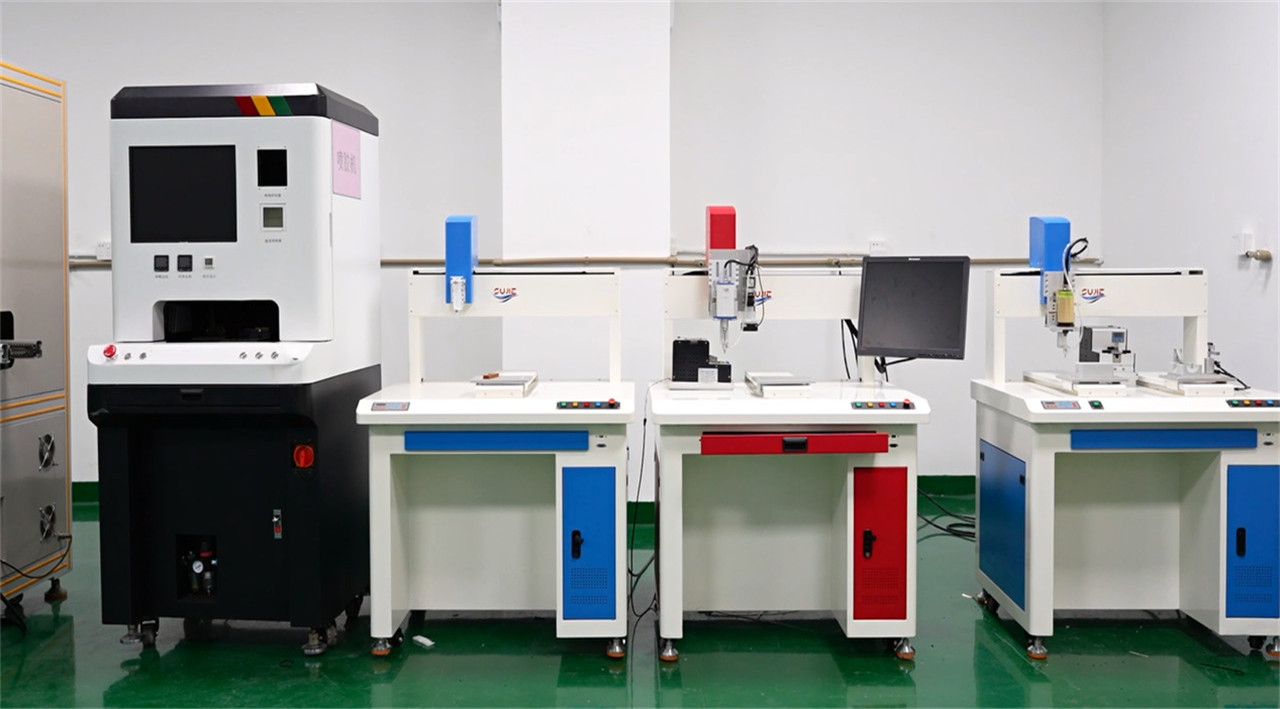
Developing complete control configurations rather than just components.
Sourcing individual valves is only part of the solution; modern industrial processes require complete system integration. Anyco focuses on four key industrial applications:
Custom non-corrosive solenoid arrays manage electrolytes and active solvents, protecting downstream sensors from acid backflow.
Integrating micro-needle designs with piezoelectric jet valves provides clean drop-on-demand dispensing without satellite droplets.
Our solutions prevent drips during conformal coating processes, ensuring uniform insulation and structural protection for PCBs.
Through close technical consultation, our engineers analyze your chemical compositions, operating temperatures, fluid pressures, and automation speed goals. We then provide optimized drawings and sample units, shortening development cycles and ensuring compatibility with your existing automation framework.
Technical answers directly from Anyco's liquid-handling engineering team.
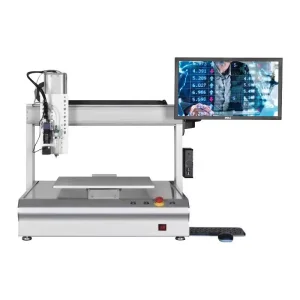
High-performance curing light systems, custom syringes, and vision-guided gantry systems.
 Anyco Automation