OEM Sprayer Pressure Regulator Valve Suppliers & Factories

Industrial-Grade Precision fluid Control Engineering, High-Precision Spray Coating Components, and Vertically Integrated OEM Manufacturing Solutions.

Global Landscape & Commercial Status of Spraying Pressure Control

Exploring the dynamics of precision fluid regulation and the role of specialized OEM manufacturing partners.

In the current era of automated industrial systems, precision is the fundamental benchmark for production excellence. The performance of critical fluid control systems depends significantly on the efficiency of the Sprayer Pressure Regulator Valve. From the precise layers of coatings required in consumer electronics to high-volume automotive paint booths, maintaining consistent dynamic pressure is essential. Fluctuations in pressure can lead to line turbulence, atomization failures, and uneven coating thickness, resulting in material waste or assembly defects.
Globally, manufacturing is shifting toward automated, low-emission, and highly precise processes. High-viscosity sealants, fast-curing conformal coatings, and abrasive silver pastes require specialized valve architectures. Standard off-the-shelf regulators often fall short when dealing with non-Newtonian fluids or corrosive chemical solvents. Consequently, industrial leaders seek dedicated OEM suppliers and factories capable of custom-engineering pressure control components. This guide provides an in-depth analysis of sprayer pressure regulator valves, detailing their technical design, application environments, and the supply chain advantages offered by China's manufacturing sector.

Localized Applications & Engineering Scenarios

How precision pressure regulator valves are customized and deployed across different international industrial clusters.

Automotive Coating in North America

In the automotive hubs of North America and Mexico, robotic paint booths require continuous paint atomization. OEM pressure valves must regulate pressures within a strict ±0.01 MPa tolerance. This stability prevents orange peel defects and ensures paint thickness consistency, even when utilizing fast-drying solvents.

3C Electronics in Southeast Asia

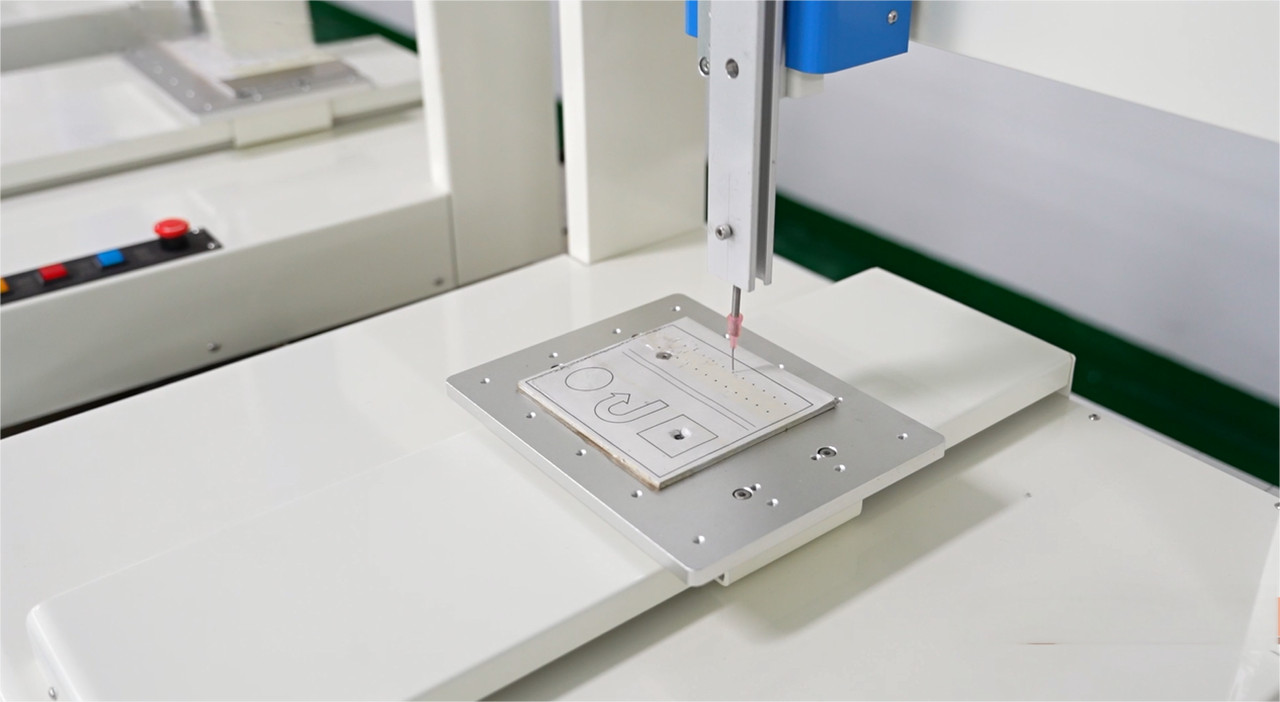
In electronic production zones like Vietnam and Thailand, pressure regulators are integrated into high-speed PCB conformal coating systems. The valves must handle micro-flow volumes without dripping or lagging, protecting delicate smartphone components from moisture and environmental contaminants.

Agricultural Atomization in India

Agricultural drone sprayers require lightweight, corrosion-resistant regulator valves. Utilizing high-performance engineering plastics, these valves ensure consistent pesticide flow over large fields under varying temperatures and speeds, preventing over-application.

Industrial Coating in Morocco & EMEA

In North African and European manufacturing centers, valves are integrated with abrasive media sprayers (such as ceramic glazes). Custom ceramic valve seats are utilized to prevent erosion, maintaining a long operational life under high shear stress.

Technical Roadmap & Future Outlook

The technological evolution of pressure regulation: from mechanical spring tension to digital closed-loop systems.

Advanced Diaphragm Materials (PTFE & FFKM)

Traditional elastomer diaphragms are prone to swelling and fatigue when exposed to aggressive industrial solvents. The current design trend incorporates multi-layered PTFE diaphragms backed with Kalrez (FFKM) cores. This combination provides chemical inertness along with the mechanical elasticity required for precise pressure adjustments.

Closed-Loop Electronic Proportional Regulation (EPR)

Modern automated lines are moving away from manual pressure adjustments. Modern systems utilize electronic proportional regulator valves integrated with piezoelectric sensors. The valve continuously monitors output pressure, adjusting seat displacement in milliseconds to maintain a stable flow rate.

IoT Integration and Predictive Diagnostics

Future systems will feature intelligent valves with built-in sensors to monitor temperature, micro-vibrations, and elastomer wear. Utilizing Modbus or Industrial Ethernet, these devices stream real-time diagnostic data to the central PLC, enabling predictive maintenance and reducing unscheduled downtime.

About Shenzhen Anyco Automation Equipment Co., Ltd.

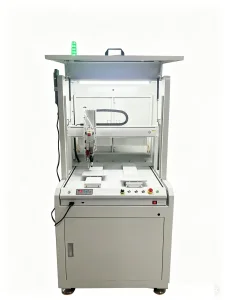
Founded in 2013, Shenzhen Anyco Automation Equipment Co., Ltd. is a national high-tech enterprise integrating automated fluid control equipment and accessories research, development, production, sales, and after-sales technical service. We function as a comprehensive, one-stop custom manufacturing facility for precision dispensing equipment and related accessories.

The company's corporate headquarters is located in the industrial district of Guanlan, Shenzhen, with a dedicated manufacturing factory located in Huizhou, covering a total footprint exceeding 2,000 square meters. Our primary international markets include Southeast Asia, India, Vietnam, Thailand, North America (Mexico), and Africa (Morocco), where we have established a strong market presence and reputation through high-quality products and competitive pricing.

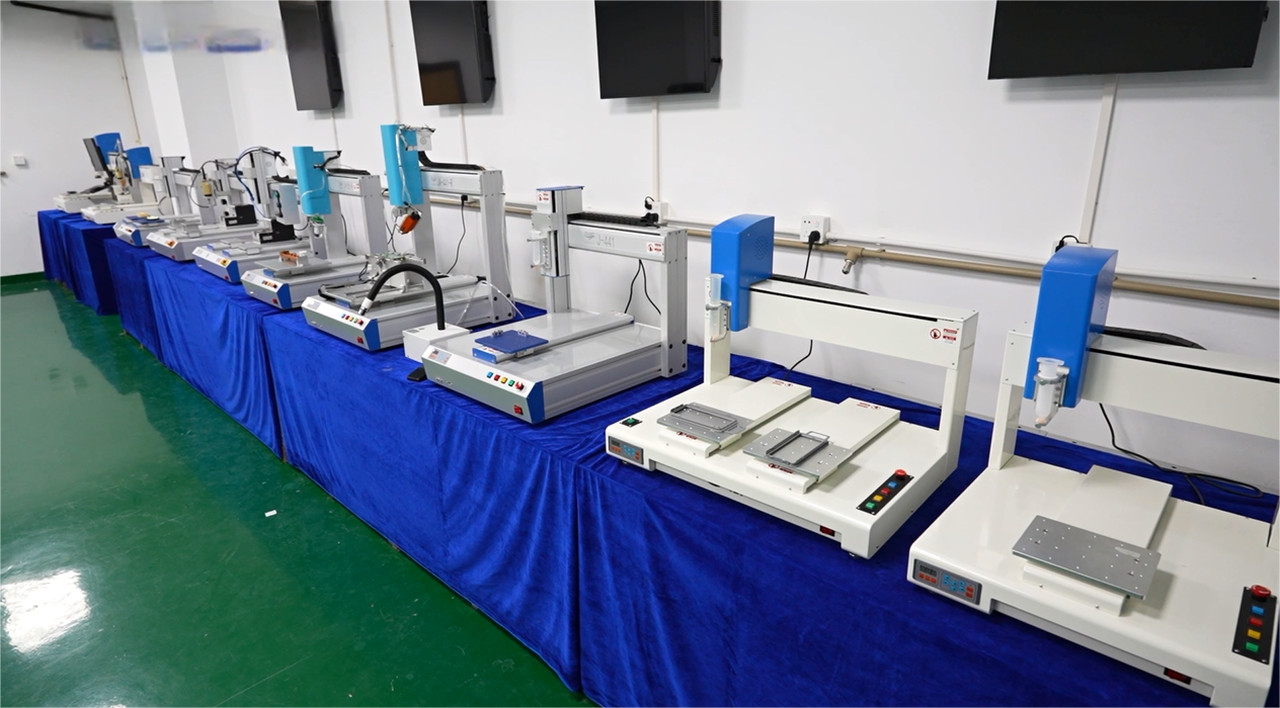
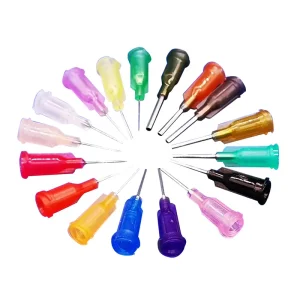
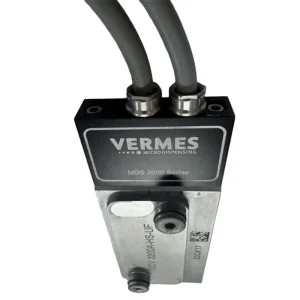
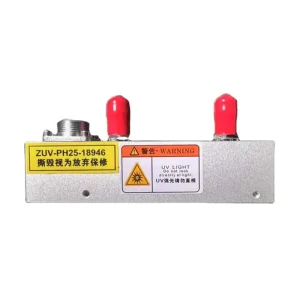
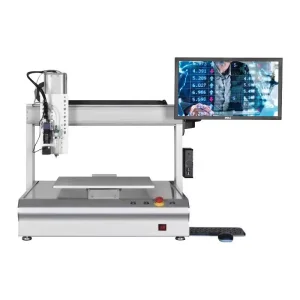
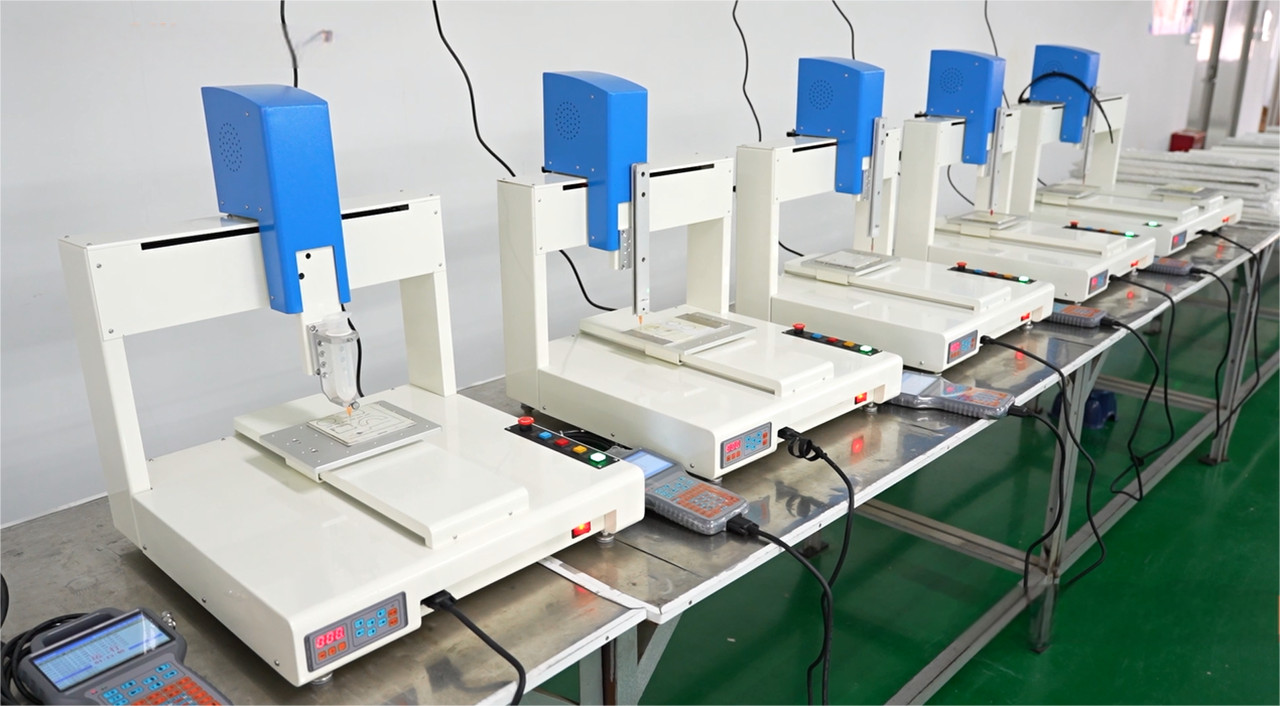
Our product range focuses on high-volume production of precision industrial dispensing and injection valves, industrial dispensing machines, and consumables, targeted at medium and high-end industrial applications. We offer customized design services to meet specific client requirements.

2013
Established Year
2,000+
Factory Area (㎡)
10+
Global Markets
100%
OEM/ODM Customization
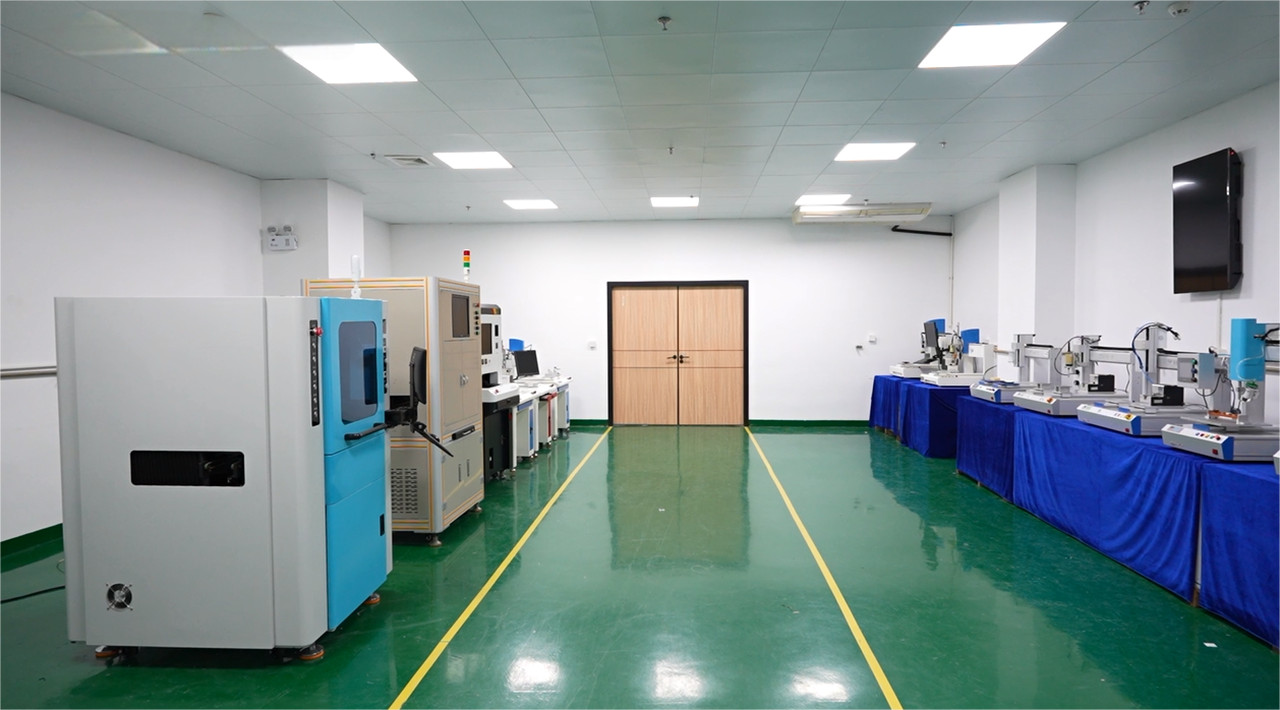
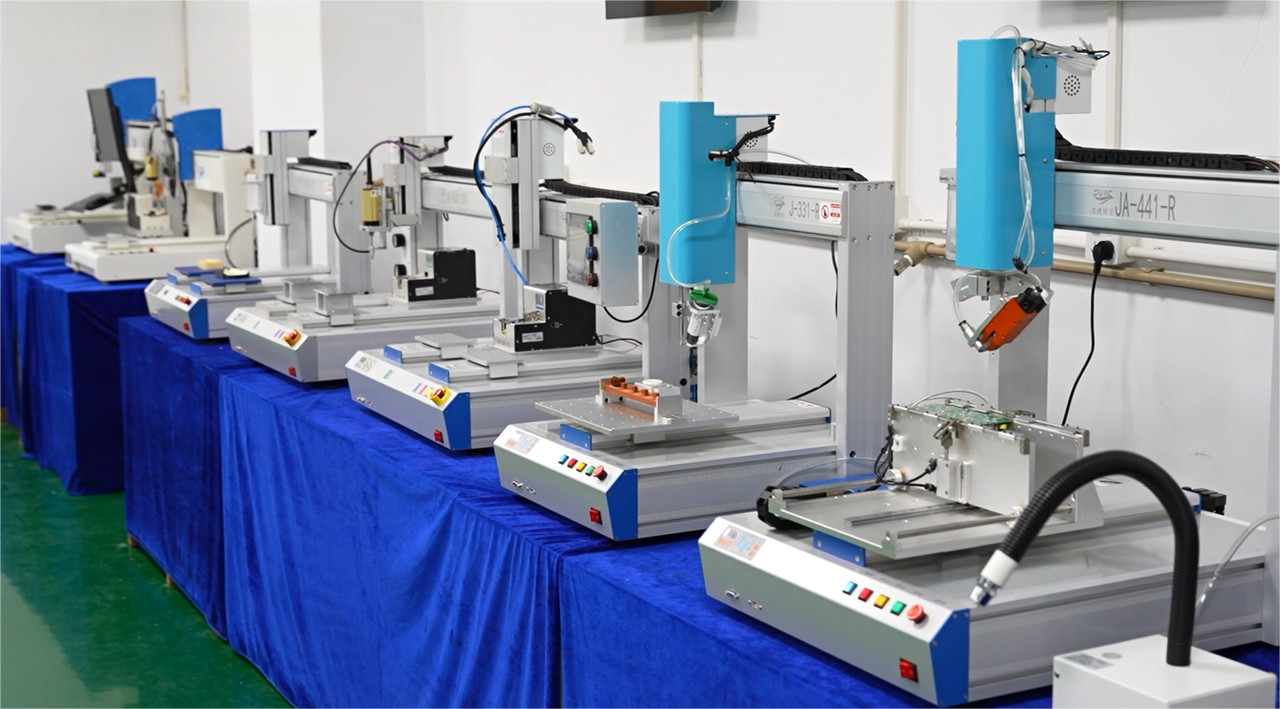
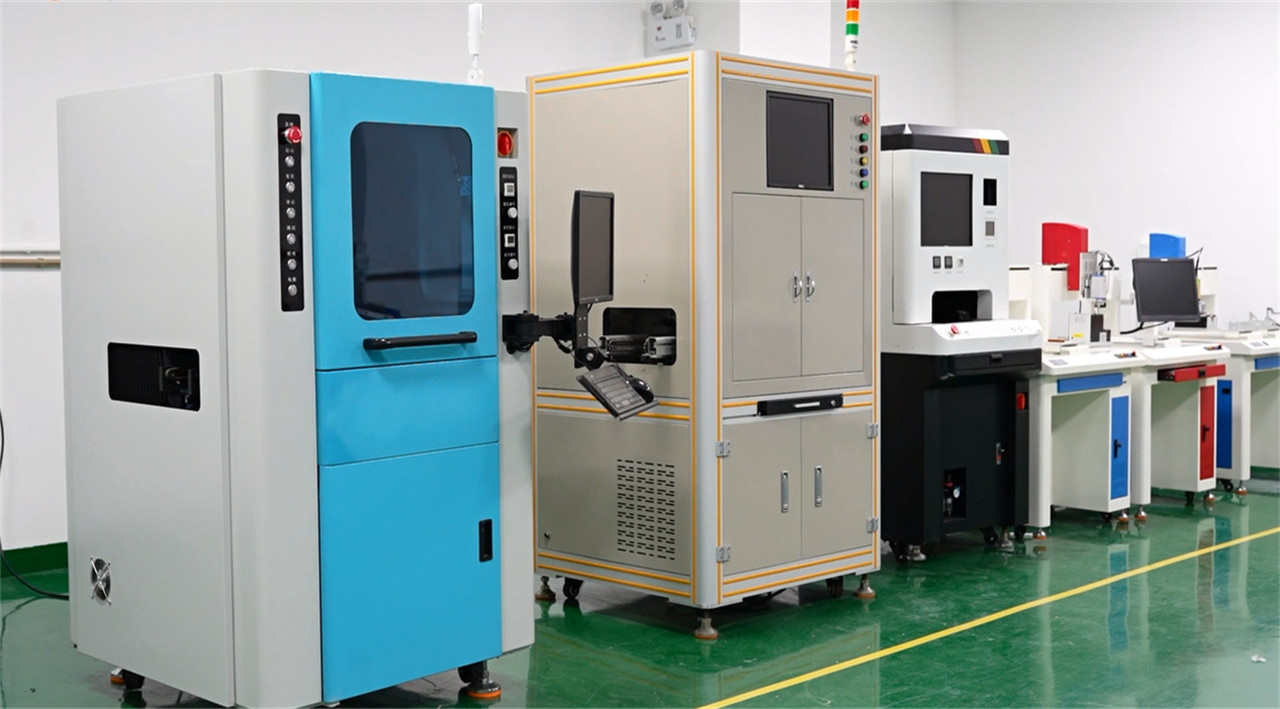
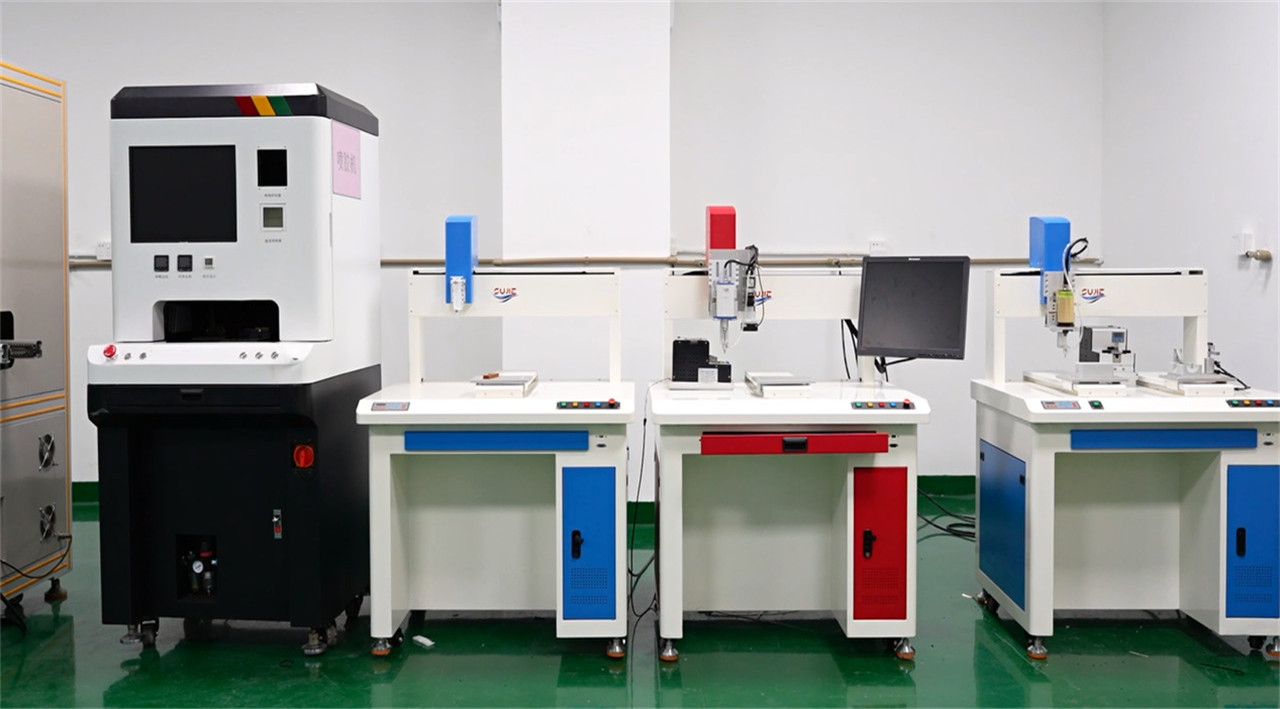
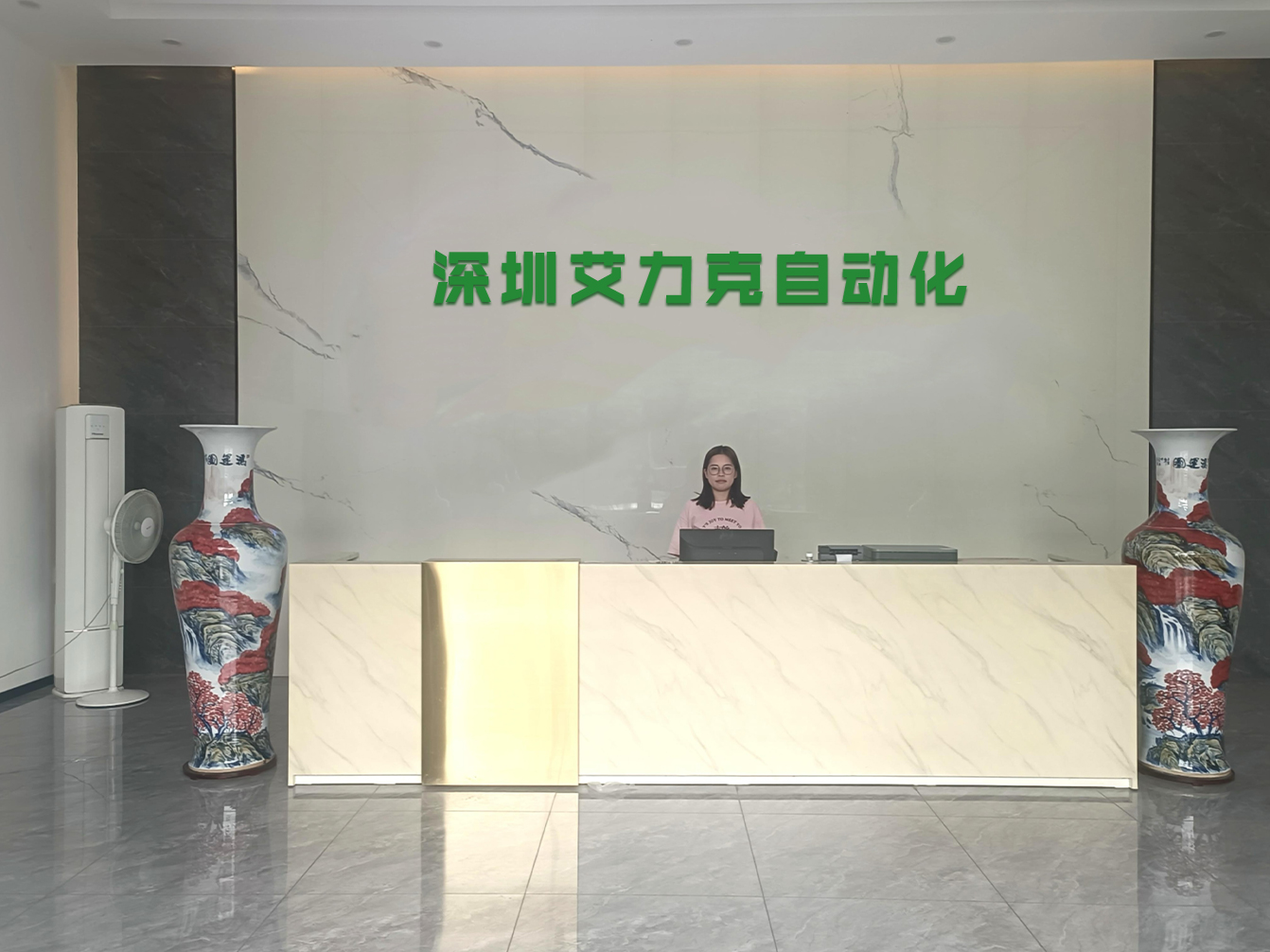
Shenzhen Anyco Automation Headquarters and Factory Profile

Meeting Complex Customized Requirements

Anyco focuses on high-precision intelligent manufacturing solutions tailored for the home appliance, consumer electronics (3C), and automotive electronics sectors. With proprietary technology and intellectual property, our systems provide high-speed, reliable, and flexible performance.

Every production line is unique, and standard components do not fit all requirements. We address these variations through customized technical support:
  • Material Compatibility Customization: Engineering valve internals using SUS316L, Hastelloy, or Ceramic elements to handle abrasive materials like solder paste and silver paste.
  • Adaptive Mounting Interfaces: Designing custom thread profiles and manifold connections to ensure drop-in compatibility with existing customer setups.
  • Multi-Stage Pressure Ranges: Calibrating valves to operate reliably across vacuum systems up to high pressure limits (0.8 MPa+).
Customized Requirements for Spray Dispensing Valves

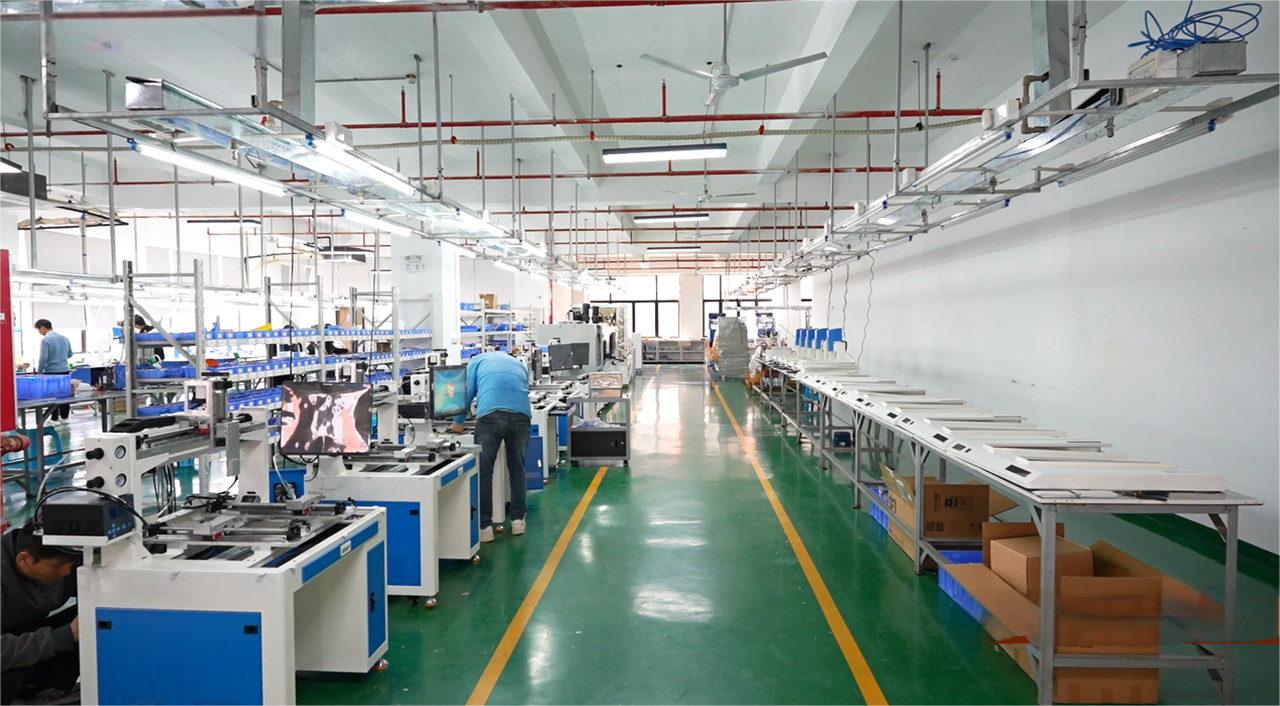
Our Factory & Manufacturing Center

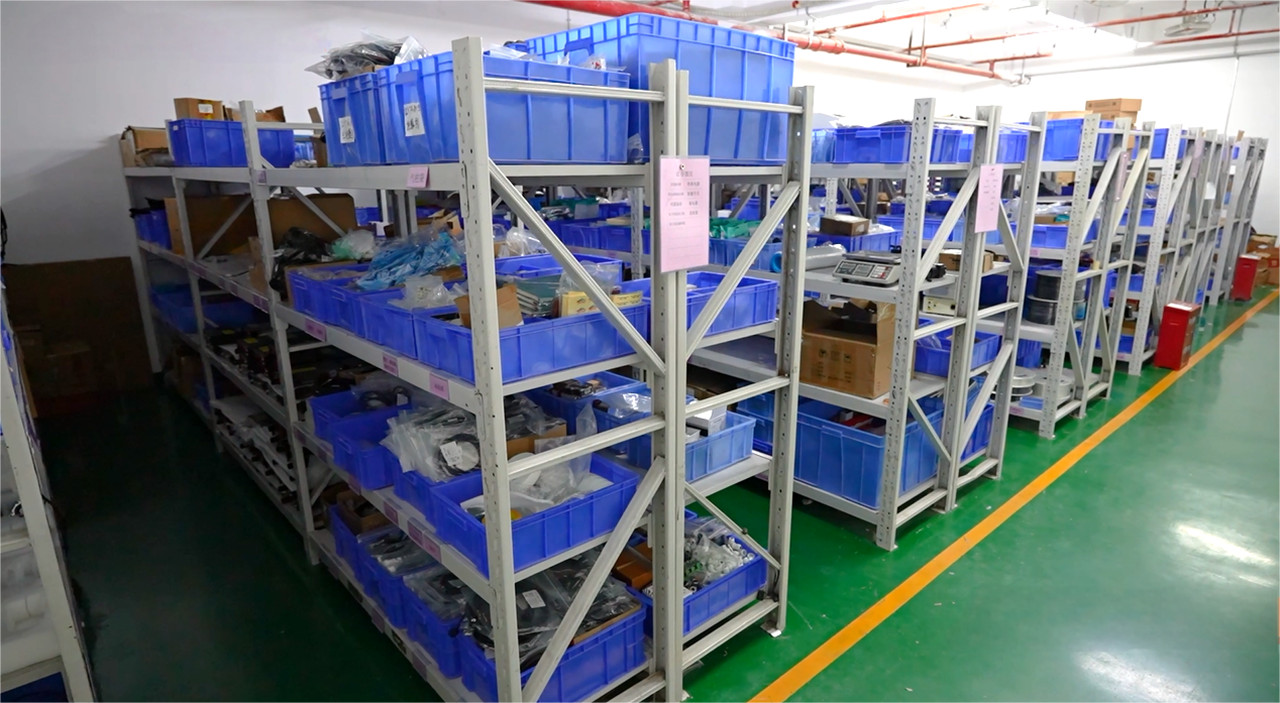
Inside Anyco's Huizhou facility, featuring precision CNC machining, cleanroom assembly, and rigorous testing setups.
China Supply Chain Resilience & Manufacturing Advantages

Why global OEMs partner with Shenzhen Anyco for high-speed, cost-effective, and robust fluid control solutions.

Integrated Industrial Ecosystem

Located in the Shenzhen-Huizhou industrial corridor, we benefit from a comprehensive local supply network. From raw materials (SUS316L, Titanium, ceramics) to precision machining (5-axis CNC grinding) and surface treatments (DLC coatings), our manufacturing steps are kept in close proximity, reducing lead times.

Rapid Prototyping

We offer short lead times for custom-engineered components. Once our engineers verify your dynamic pressure and chemical viscosity requirements, we can supply functional 3D-printed or machined alloy prototypes within 7 to 10 working days, speeding up product development.

Consistent Quality Control

Anyco's Huizhou facility maintains rigorous production standards. Each OEM pressure regulator valve undergoes automated lifecycle tests, fluid pressure fatigue tests, and chemical seal leak checks. This ensures reliable operation when integrated into your equipment.

Global Compliance & On-Site Technical Support

Aligning with international quality regulations and providing support where your assembly lines are based.

Operating in various international markets requires compliance with local industrial regulations. Shenzhen Anyco ensures all OEM sprayer pressure regulator valves and automated machinery conform to global standards, including:
  • CE Directive Compliance for EEA markets
  • RoHS Restriction of Hazardous Substances
  • ISO ISO 9001 Quality Management Systems
To support clients in places like Southeast Asia and Mexico, we provide comprehensive technical documentation, detailed installation guides, and remote video engineering consultations. Our technical team works alongside your engineering group to resolve fluid dynamic issues during line commissioning.

Technical FAQs - Fluid Dynamics & Regulation

Expert solutions to common fluid dispensing, pressure calibration, and installation challenges.

How do you choose between a back-pressure regulator and a forward pressure regulator in an automated spray system?
A forward-pressure regulator controls downstream pressure (after the valve), which is ideal for stabilizing pressure directly before the spray gun nozzle. A back-pressure regulator controls upstream pressure (before the valve), which is typically used in recirculating fluid loops to maintain constant pump head pressure and prevent fluid settling in the lines.
What factors cause pressure drift during long production runs, and how does Anyco minimize this?
Pressure drift is usually caused by temperature-induced viscosity changes, mechanical fatigue in the control spring, or elastomer swelling in the diaphragm. Anyco minimizes drift by utilizing heat-stabilized, high-rate alloy springs and multi-layered PTFE diaphragms with low swelling coefficients, ensuring stable performance over millions of cycles.
How does fluid viscosity affect diaphragm selection for sprayer regulator valves?
High-viscosity fluids exert significant shear stress on diaphragms, which can cause elastomeric failure or slow valve response times. For viscous fluids (e.g., above 5,000 cPs), we recommend using thinner, reinforced PTFE diaphragms paired with larger fluid passages to reduce pressure drops and maintain dynamic responsiveness.
Can Anyco's valves handle abrasive materials like solder paste or silver-filled epoxies?
Yes. For highly abrasive materials, we supply OEM valves with hardened ceramic or tungsten carbide seats and needles. These materials resist abrasive wear, preventing internal fluid bypass and keeping the valve's pressure characteristics stable.
What is the standard maintenance protocol to maximize valve operational life?
We recommend flush-cleaning the system with a compatible solvent after each production shift to prevent material curing inside the valve chamber. Additionally, seal kits and diaphragms should be inspected and replaced every 1 to 2 million cycles, depending on the chemical aggressiveness of the fluid.
How do digital proportional valves interface with standard factory PLCs?
Anyco's electronic proportional valves accept standard 0-10V or 4-20mA analog control signals. For smart factory setups, we support digital industrial protocols like Modbus RTU or EtherCAT, allowing direct integration into your PLC network for real-time pressure monitoring and adjustments.