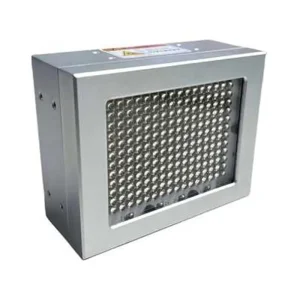
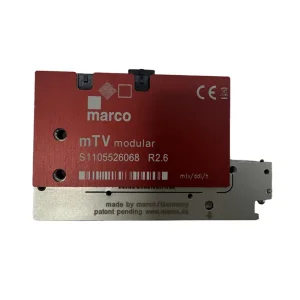
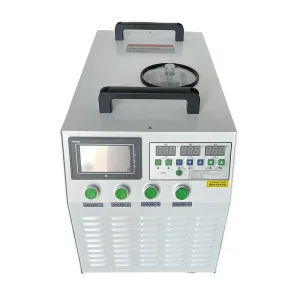
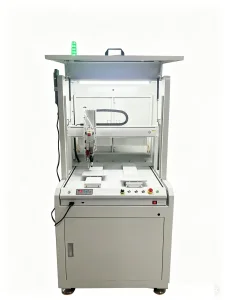
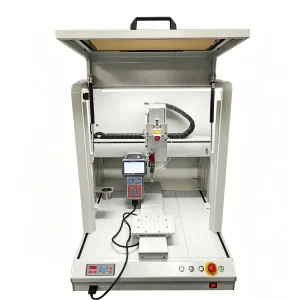
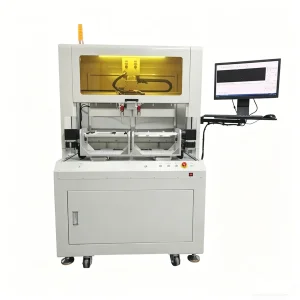
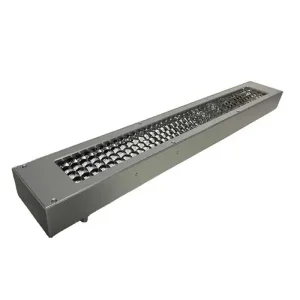
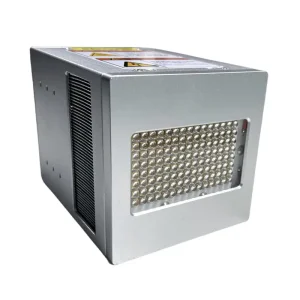
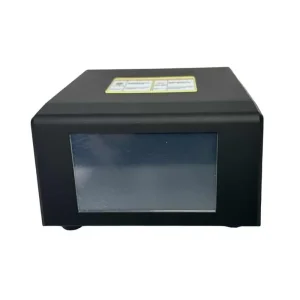
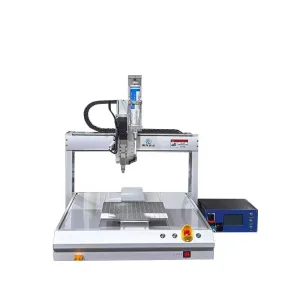
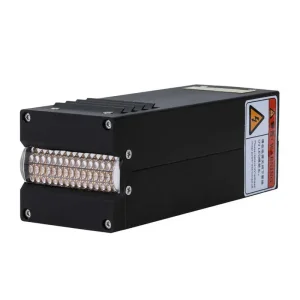
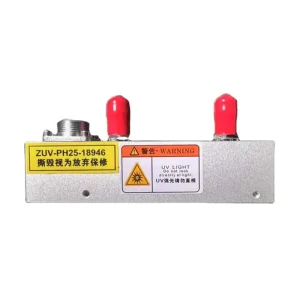
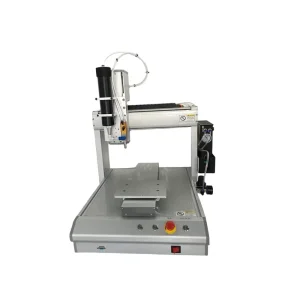
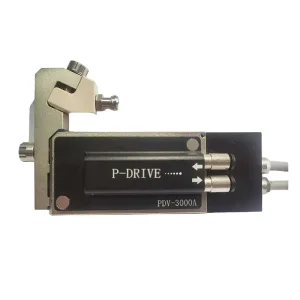
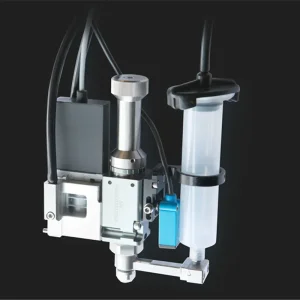
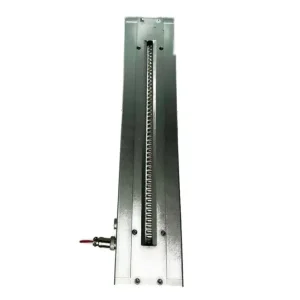
Explore our top-tier engineering solutions, encompassing advanced UV curing light sources, automated conformal coating lines, and heavy-duty industrial solenoids.
In modern industrial applications, control precision, instant response, and absolute fail-safe operation are non-negotiable. As a premier provider of sophisticated automated fluid control equipment, Shenzhen Anyco Automation Equipment Co., Ltd. (founded in 2013) understands the microscopic tolerances and mechanical demands that keep global supply chains moving. Our engineering philosophy fuses automated precision with rugged mechanical components, specifically targeting high-efficiency, multi-million cycle components like the Fuel Solenoid Shut Off Valve.
These electromechanical valves serve as the ultimate line of defense in internal combustion engines, generator systems, fuel burner assemblies, and automated factory piping systems. By acting upon electrical commands to instantaneously block fuel lines in emergencies, fuel solenoid valves protect machinery worth millions of dollars and prevent environmental hazards. When sourcing these safety-critical valves globally, choosing the right manufacturer determines operational uptime, regulatory compliance, and total system reliability.

Our state-of-the-art facility in Huizhou combined with our Shenzhen research headquarters delivers unparalleled capabilities in precise fluid management and solenoid design.
Leveraging the robust industrial clusters of South China allows us to combine hyper-advanced manufacturing with highly competitive cost-efficiencies.
Situated in the heart of the Guangdong-Hong Kong-Macao Greater Bay Area, our production utilizes highly optimized raw material sourcing, specialized heat treatment providers, and state-of-the-art CNC micro-machining vendors. This local synergy dramatically slashes prototyping times and component material lead times.
Our Huizhou facility is equipped with automated flow testing benches, high-voltage coil insulation testers, and temperature chambers capable of testing solenoid shut off valves from -40°C to +150°C. We ensure consistent response times (less than 50 milliseconds) under maximum pressure limits.
We provide comprehensive customizing packages to match exact system integration requirements. This includes custom coil voltage (12V DC, 24V DC, 110V AC, 220V AC), specialized seals (Viton/FKM, HNBR for extreme fuel corrosion resistance), and bespoke inlet/outlet configurations (threaded BSPT, NPT, or flanged fittings).

Anyco is not just a high-volume assembly plant; we are custom fluid automation partners. Our major geographic markets span across Southeast Asia, India, Vietnam, Thailand, North America (specifically Mexico), and Africa (Morocco). By blending high quality with highly competitive pricing structures, we have carved out a market-leading position and earned a solid reputation in international logistics hubs.
Our catalog centers on high-volume production of precision industrial dispensing injection valve accessories, industrial fluid dispensing machines, and fuel safety shut off solenoids. We target middle-to-high-end positionings, delivering personalized customized service directly to your engineering departments. Utilizing our proprietary technology suite, we offer comprehensive fluid control solutions for the home appliance, automotive electronics, and heavy-duty machinery industries.
Staying at the forefront of regulatory changes and industrial modernization demands continuous adaptation. Below are the key engineering trends shaping the future of fuel control valves.
Modern industrial systems demand real-time diagnostics. Advanced solenoids now feature integrated Hall-effect position sensors and coil temperature sensors. These sensors feed back data to the main PLC loop, warning maintenance departments of potential coil fatigue or valve blockage before a shutdown occurs.
Reducing continuous hold current is vital for modern energy-saving standards. Dual-winding solenoids utilize a high-current "pull-in" coil for quick initial actuation, immediately switching to a low-current "hold-in" coil. This design slashes energy draw by up to 80% and drastically lowers coil operating temperatures.
Traditional elastomers degrade rapidly when exposed to biodiesel (such as B20/B100) or low-sulfur diesel blends. Progressive manufacturers are switching to high-fluorine Viton (FKM) and specialized polytetrafluoroethylene (PTFE) seat designs. This ensures zero swelling, zero leakage, and maintaining a tight seal over years of operation.
For applications in hazardous environments, such as petrochemical facilities and marine engine rooms, solenoids are now designed with fully encapsulated, flameproof coils. These systems isolate electric sparks from the ambient atmosphere, satisfying stringent international functional safety regulations.
From standard backup power systems to high-performance transportation, fuel solenoid shut off valves play critical roles across diverse industries.
In critical facilities like hospitals, data centers, and military installations, standby generator sets must spin up in seconds. The fuel solenoid shut-off valve remains closed to prevent fuel seepage into the cylinders when idle, and immediately snaps open upon start signals to ensure instant fuel supply.
Tractors, combine harvesters, and irrigation pumps operate under severe dust, moisture, and high vibration levels. Custom IP67-rated solenoid valves prevent diesel fuel leaks and allow operators to cut fuel flows instantly from control cabins during mechanical emergencies.
Salt spray and corrosive sea air demand heavy-duty valve materials. Stainless steel 316 (CF8M) bodied solenoid valves with specialized exterior plating are standard requirements for remote main engine fuel shutoffs on large vessels and commercial yachts.
How Anyco integrates high-precision fluid dynamics into large-scale industrial infrastructure projects.
At the macro-level, a fuel shut-off valve is not an isolated unit. It is an integral component in a larger automated fluid distribution network. For instance, in automated automotive paint shops, aerospace adhesive sealing setups, or precision electronic dispensing, micro-solenoids control the precise flows of chemical components.
Anyco specializes in providing integrated control schemes, matching our high-precision valves directly to advanced PLC automated hardware. This ensures that the valve's electromechanical properties do not cause signal lag or pressure spikes in high-pressure supply systems (common rail or loop distributions). Our designs consider pressure drops, viscosity curves, fluid densities, and cycle rates to prevent water hammer effects and system fatigues.
Every production batch of Anyco fuel solenoid shut off valves undergoes rigorous testing protocols before international shipping:
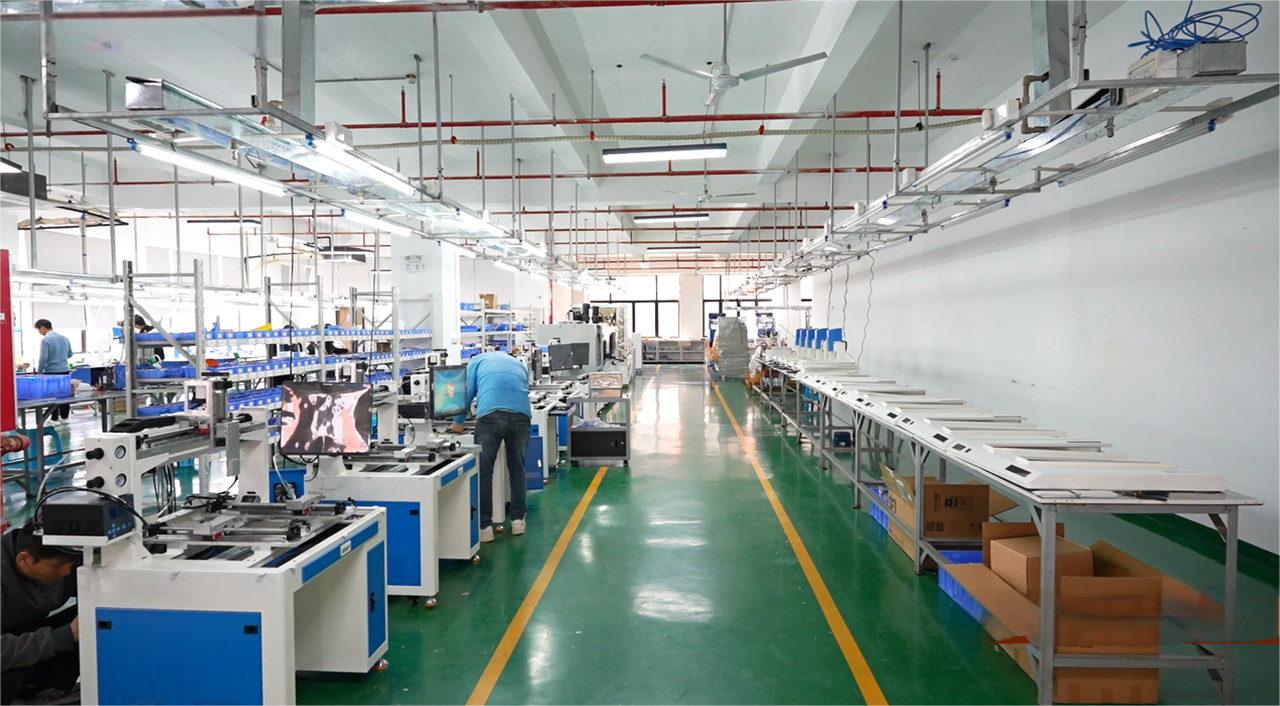
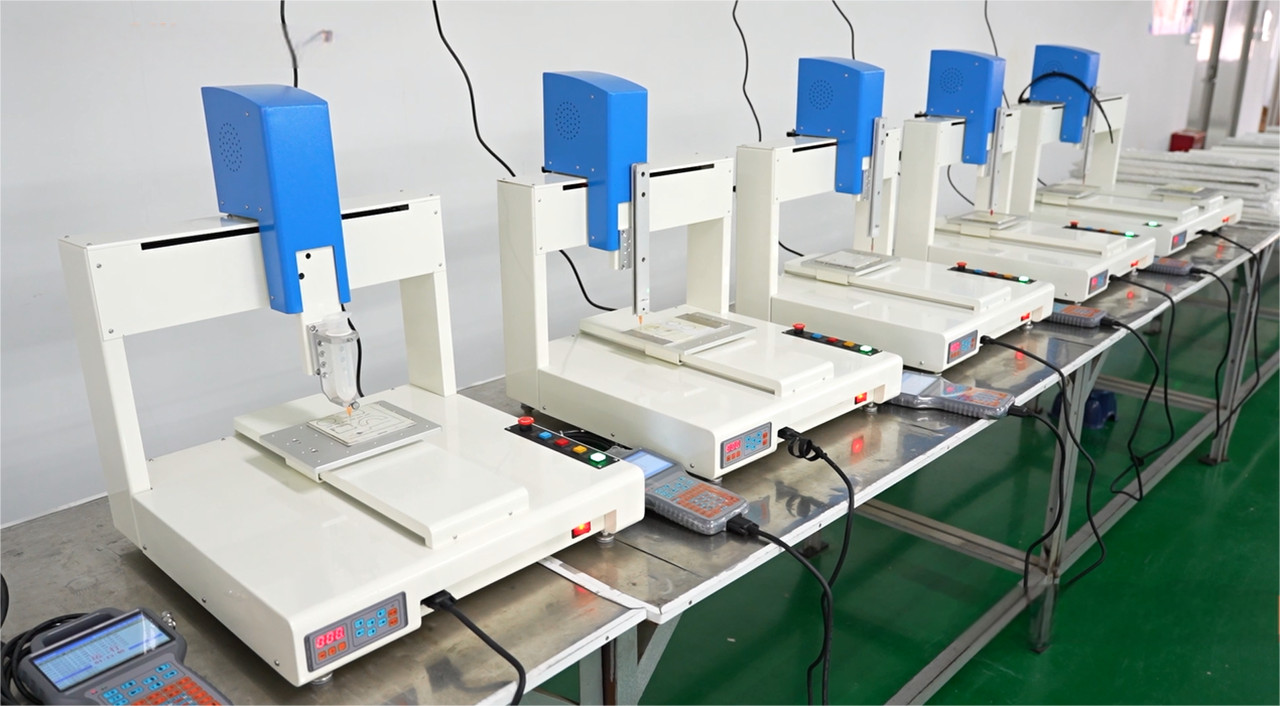
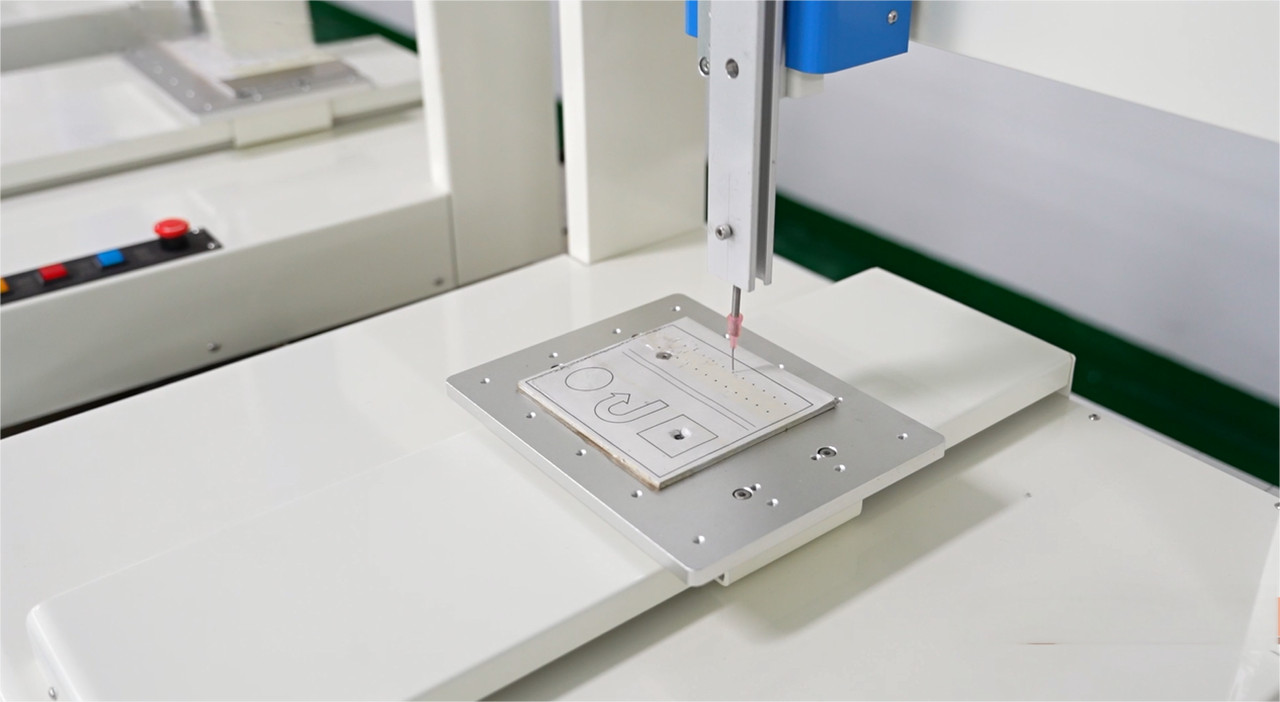
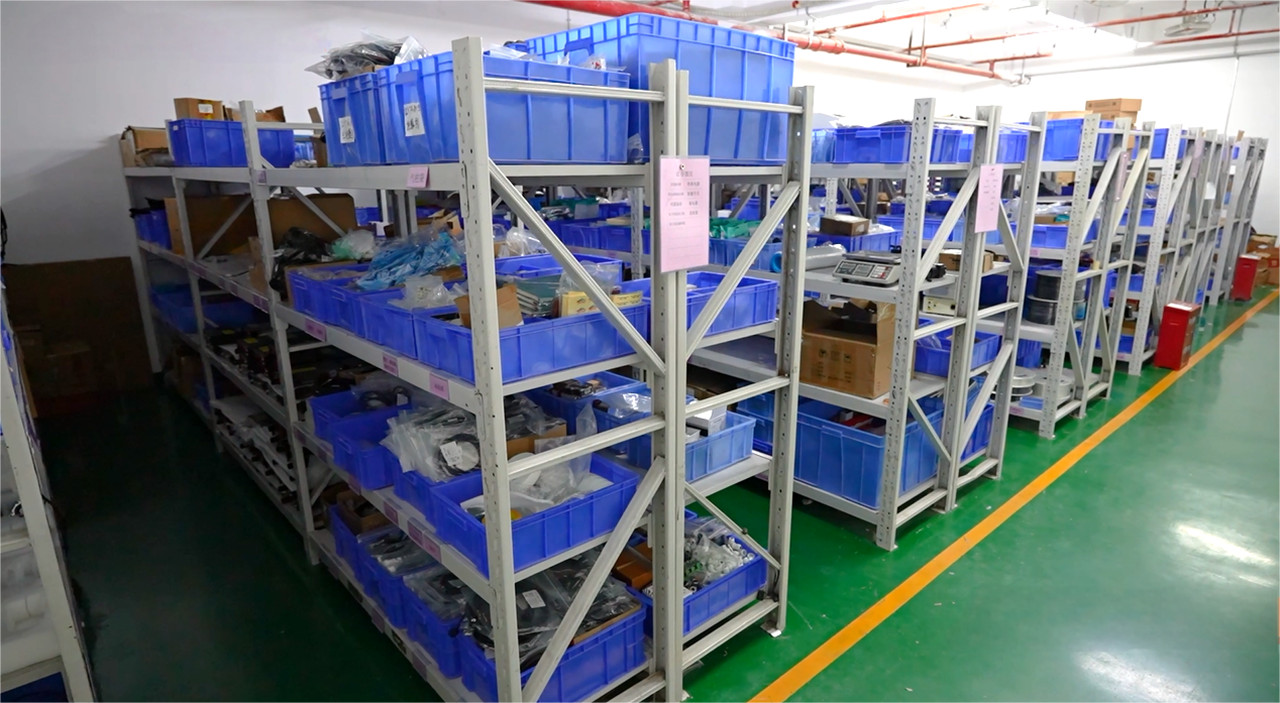
Inside our advanced manufacturing center, showcasing precision engineering, assembly cleanrooms, and testing facilities.
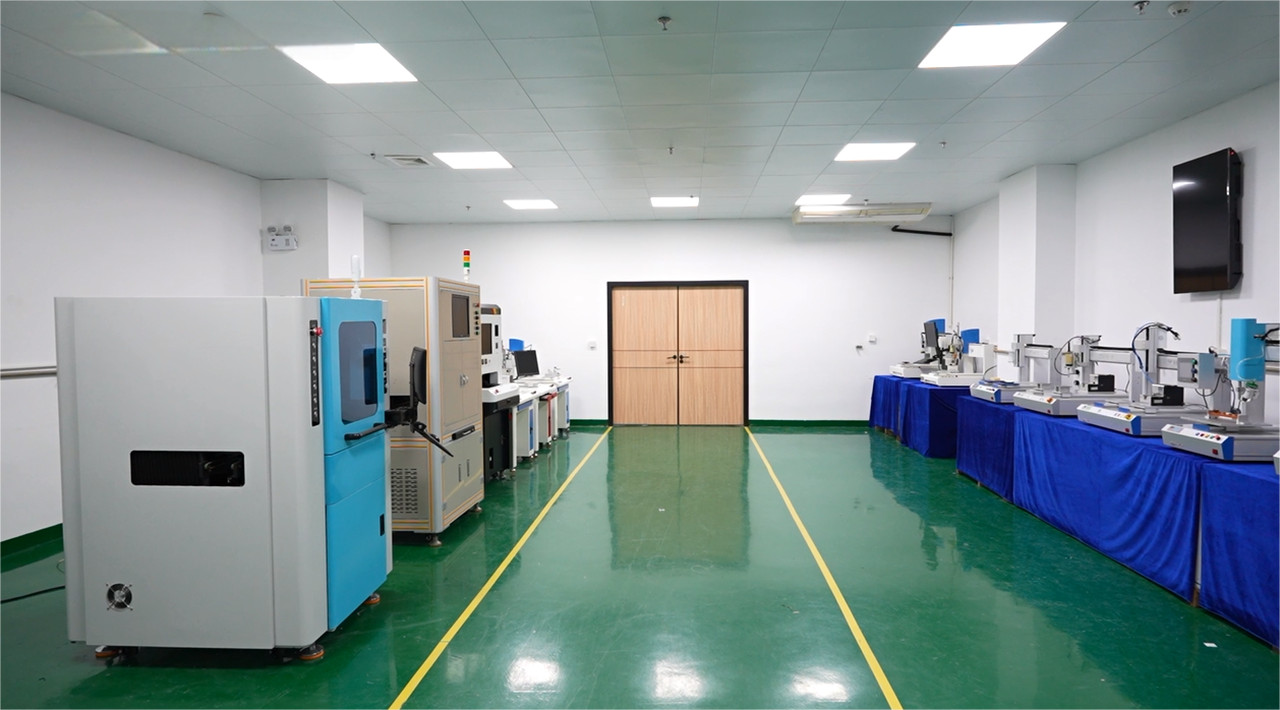
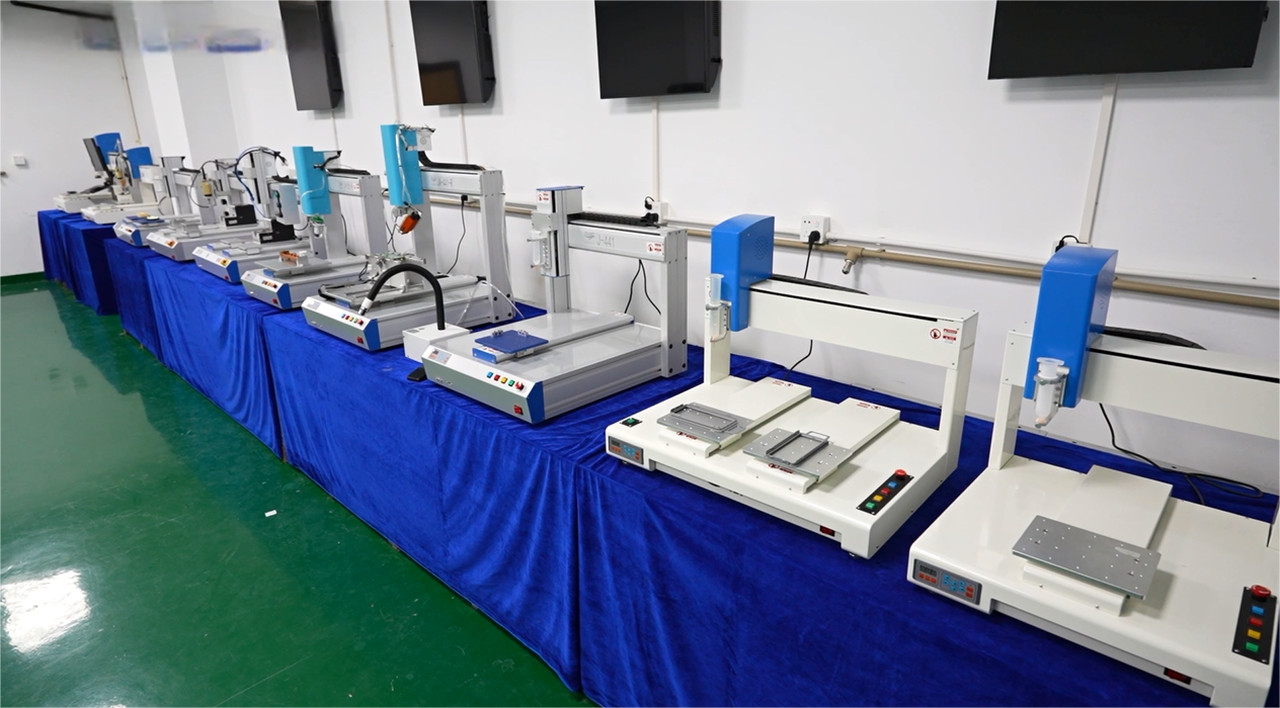
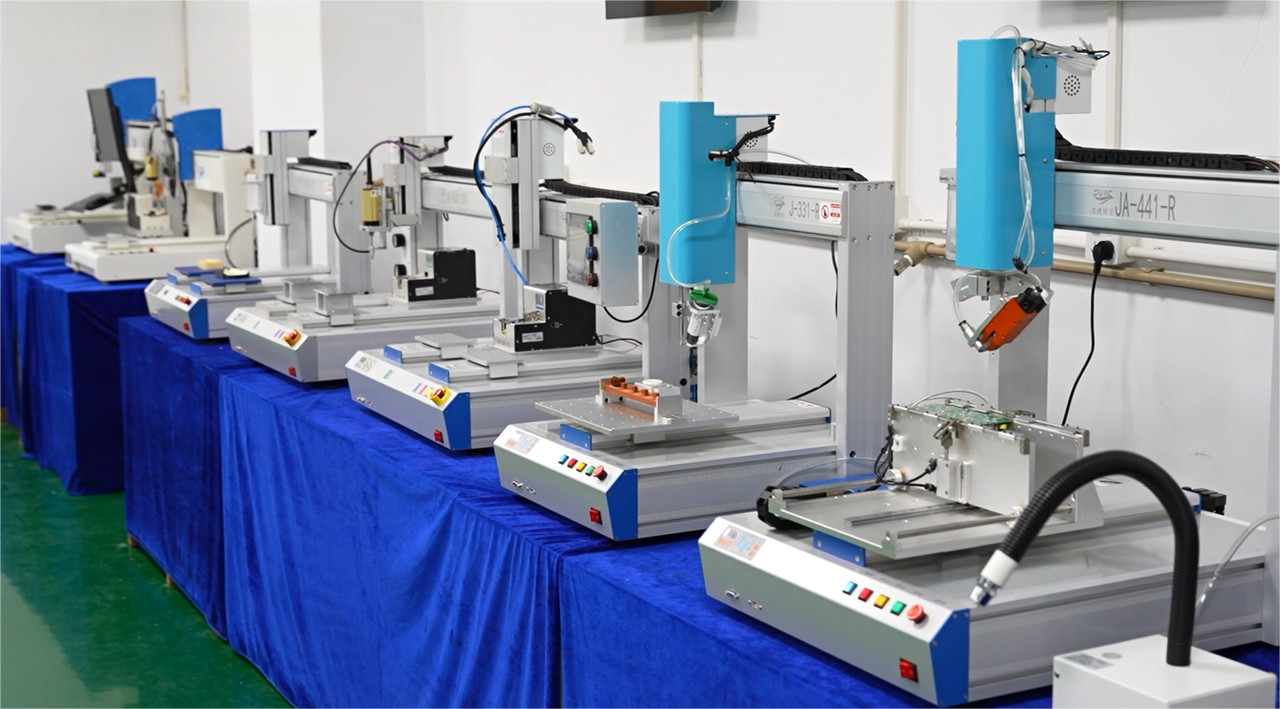
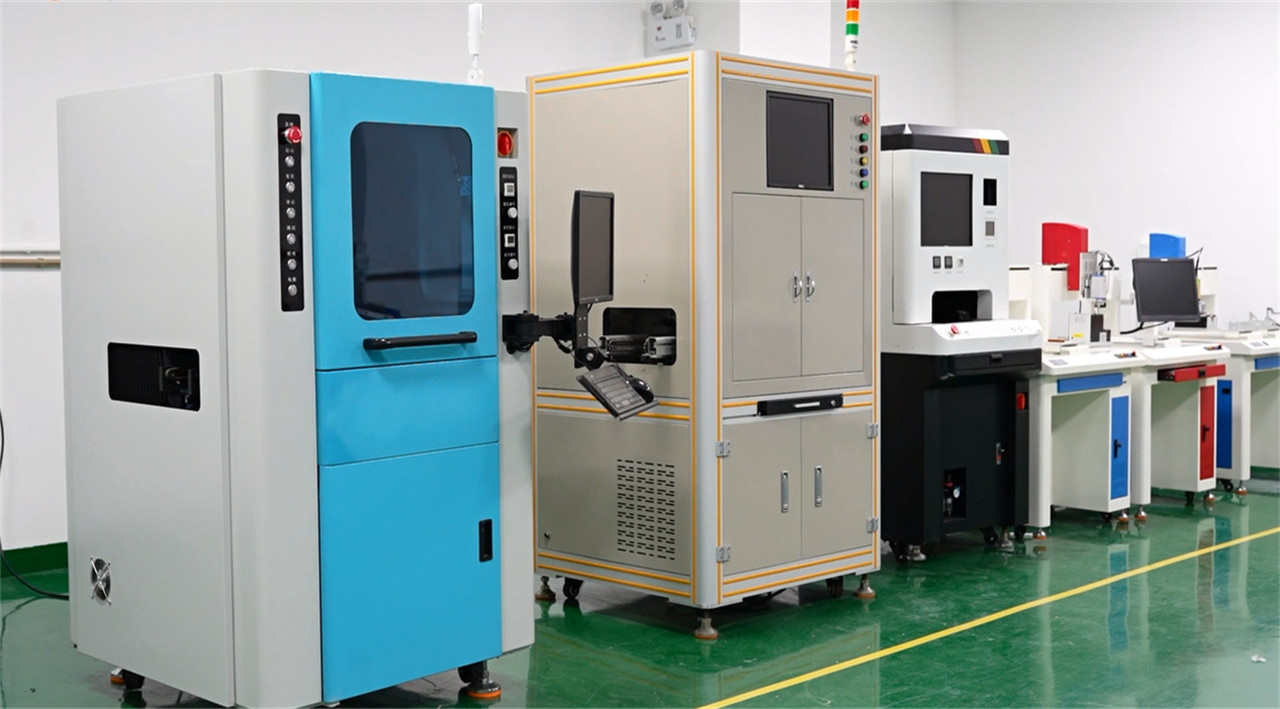
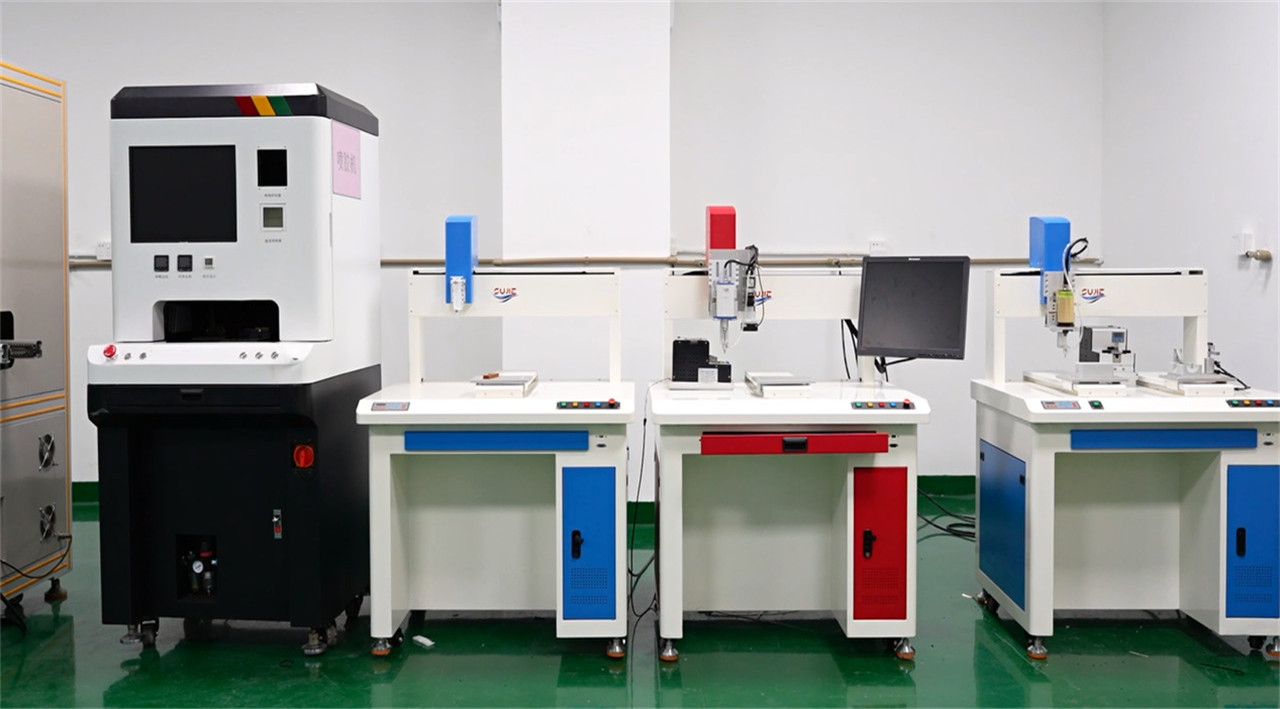
Discover why Fortune 500 companies and local industry leaders trust us with their automated fluid control components.
We concentrate specifically on high-precision fluid control systems for the electronics manufacturing and industrial engine sectors, ensuring deep specialized domain expertise.
We are a prominent global supplier of piezoelectric jetting valves, micro-solenoids, and high-frequency actuators, continually driving technology innovations.
We manufacture customized solutions for the 3C markets (smartphones, wearables) and heavy duty fluid systems handling solder paste, silver paste, oil, and liquid fuels.
Our core mission is delivering unparalleled engineering service, comprehensive technical support, and the lowest total cost of ownership (TCO) for global buyers.
Navigating complex international supplier chains demands transparency, conformity, and reliable risk mitigation strategies.
Procurement directors and design engineers sourcing wholesale fuel solenoid shut off valves must vet manufacturers according to strict structural metrics. It is not just about unit price; it is about risk management. When a safety shutoff fails, the costs can escalate into catastrophic fire hazards or engine rebuilds.
At Anyco, we structure our manufacturing workflow to address key global compliance factors:
Ensure your supplier meets these baseline parameters before placing volume orders:
Technical insights regarding installation, specification, and operation of fuel shutoff solenoids.
Discover our comprehensive range of high-precision fluid controllers, jet valves, and curing systems optimized for industrial lines.
 Anyco Automation