 Anyco Automation
Melbourne's Advanced Manufacturing Evolution and the Need for Precision Micro-Fluidics
As Victoria continues to transition away from traditional heavy automotive assembly and pivot toward high-value, intellectual property-intensive advanced manufacturing, the demands on assembly tolerances have tightened exponentially. From medical diagnostic devices engineered in the Parkville Biomedical Precinct to complex aerospace sensory systems integrated at Fishermans Bend, micro-scale packaging is the new baseline. Within these sophisticated electronics and mechanical systems, precision fluid dispensing serves as the fundamental pillar ensuring structural integrity, environmental protection, and electrical conductivity.
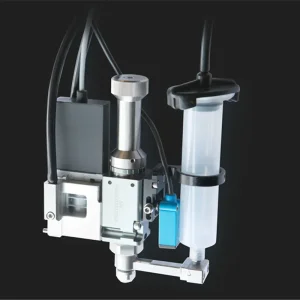
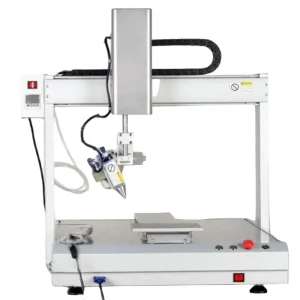
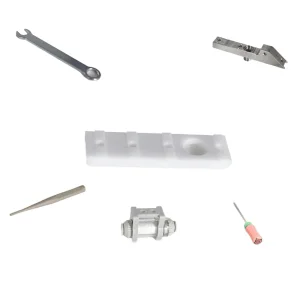
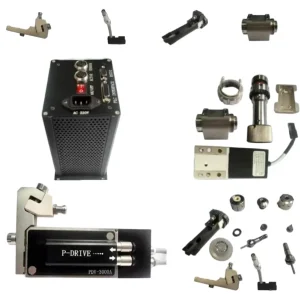
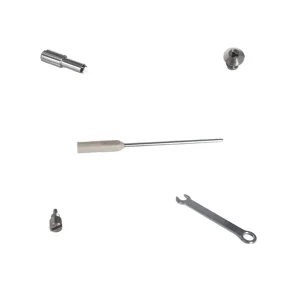
Modern assembly processes require dispensing valves capable of handling incredibly low-volume materials—such as conductive silver pastes, underfills, surface mount adhesives, and protective conformal coatings—with sub-nanoliter repeatability. In a high-frequency manufacturing environment in Dandenong or Campbellfield, even a 1% variance in adhesive volume can lead to device failure, thermal bottlenecks, or short circuits. Therefore, procuring premium-grade, highly durable accessories—such as nozzles, needle guides, fluid chambers, and strike pins compatible with global standards like AXXON and Vermes systems—is critical to mitigating downtime and achieving continuous high-volume throughput.
Global Micro-Dispensing Trends & Macro-Industry Solutions
On a global scale, the industrial fluid dispensing market is undergoing a seismic shift from contact-based pneumatic dispensing to non-contact jetting technologies. Driven by the miniaturization of consumer electronics, smartphones, and automotive Advanced Driver Assistance Systems (ADAS), manufacturers worldwide are adopting piezoelectric and pneumatic injection valves. Contact-based methods are bottlenecked by Z-axis movement limits; non-contact jetting eliminates Z-axis physical height adjustments during deposition, allowing high-speed dispensing over uneven substrates or inside deep cavities.
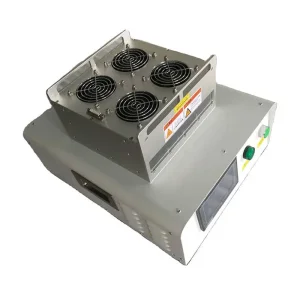
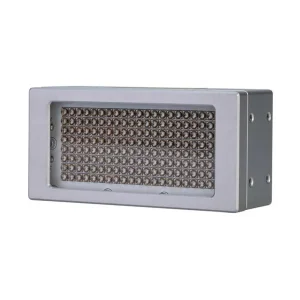
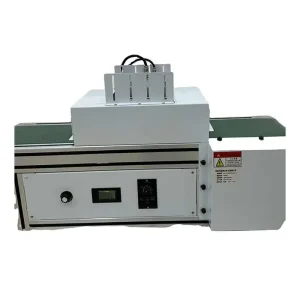
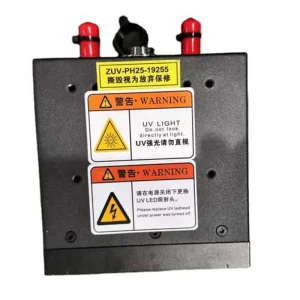
In addition, global environmental initiatives are pushing factories to adopt solvent-free, UV-curable chemistries to minimize Volatile Organic Compounds (VOCs). This shift directly links dispensing precision with high-power curing technologies. High-speed jetting valves must work in tandem with precise UV LED light sources (operating at 365nm or 395nm wavelengths) to cure deposited adhesives instantly, locking critical components in place before any migration or bleeding occurs.