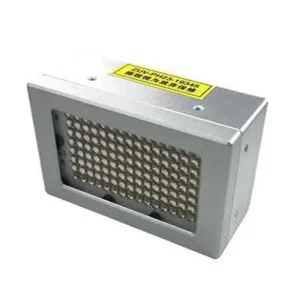
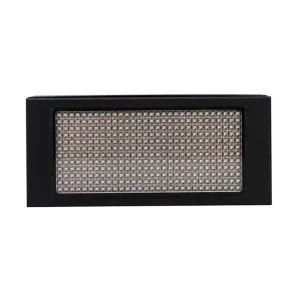
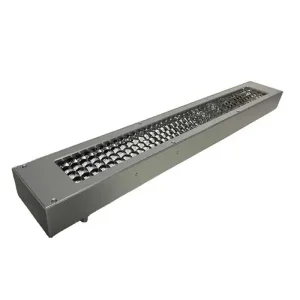
Industrial White Paper

UV Curing Machine Companies & Company serving the Boston market

Decentralized Precision Engineering & Custom Solid-State LED Curing Systems for Biotech, Optoelectronics, and Advanced Device Assembly in Massachusetts.

Send Inquiry Now

The Boston Industrial & Commercial UV Curing Ecosystem

The Greater Boston area—including key technological corridors like Route 128, Kendall Square, Waltham, and Worcester—represents one of the world's most concentrated clusters of biotech, medical device engineering, life sciences, robotics, and advanced optoelectronics development. Unlike markets dominated by heavy industrial automotive manufacturing or mass consumer electronics, Boston's industry thrives on precision, traceability, and uncompromising validation standards.

In this local ecosystem, UV curing technology has evolved from a simple coating drying method to a mission-critical assembly phase. For instance, in the manufacturing of optical biosensors, endoscopes, and intravascular catheters, structural adhesives must be cured instantly with zero thermal expansion. Thermal stress can shift micro-lenses by mere micrometers, rendering a high-value medical device useless. This demands solid-state UV LED systems with exceptional spectral purity (primarily 365nm and 395nm wavelengths) and closed-loop temperature control.

"The intersection of MIT and Harvard R&D spin-offs with established life-science manufacturers in Massachusetts creates a unique demand pattern: rapid prototyping capability combined with immediate paths to FDA-compliant scale production. High-stability UV curing is a central component of this chain."

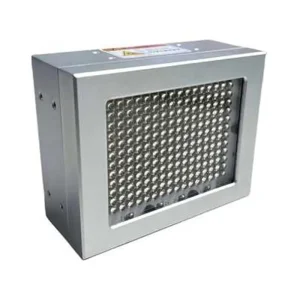
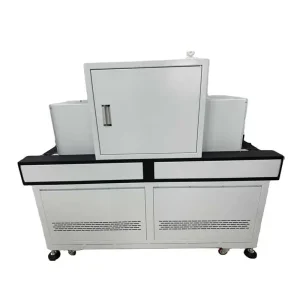
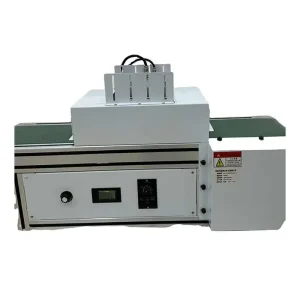
Furthermore, the academic and startup labs throughout Cambridge require lab-grade desktop curing ovens that offer highly uniform surface exposures, repeatable dosing parameters, and programmability. Our custom-engineered systems bridge this gap, providing R&D centers with experimental repeatability that seamlessly scales up to automated conveyor curing systems used by local contract manufacturers (CMs) throughout New England.

99.9%
Curing Uniformity Across Exposure Fields
395nm / 365nm
Targeted Narrow-Band Wavelengths
>20,000 hrs
Continuous LED Operating Lifetime
< 0.5s
Instantaneous Polymerization Cycles

Global Industrial Trends in UV Curing Technology

On a global scale, the UV curing equipment sector is experiencing a rapid technological paradigm shift. Traditional medium-pressure mercury arc lamps are being systematically phased out due to environmental regulations (such as the Minamata Convention on Mercury), high power consumption, and excessive heat output. The replacement technology, UV LED curing, offers several transformational advantages:

  • Energy Efficiency: Up to 80% reduction in electricity usage compared to arc-lamp systems.
  • Cold Curing: Minimal infrared emissions prevent the deformation of heat-sensitive materials like thin polymer films and medical plastics.
  • On/Off Instantaneity: Eliminates warm-up cycles and shutter mechanisms, resulting in lower cycle times and minimized wear.
  • Industry 4.0 Integration: Digital communication protocols (RS485, PLC integration) allow real-time diagnostic reporting, irradiation profiling, and automated calibration.

The Shenzhen Advantage: Accelerating the Boston Innovation Loop

For Boston firms searching for reliable UV curing machine suppliers, partnering with specialized Chinese factories offers a distinct competitive advantage. Shenzhen, widely regarded as the global epicenter of electronic and optical hardware manufacturing, provides unparalleled speed and supply chain density.

At Shenzhen Anyco Automation Equipment Co., Ltd., we utilize this ecosystem to deliver massive value to our overseas partners:

  1. Rapid Customization Cycles: We can design, machine, prototype, and test custom water-cooled or air-cooled UV heads in a fraction of the time required by Western toolmakers.
  2. Cost-Efficient Advanced Components: By sourcing optical chips, aluminum machining, and state-of-the-art drivers directly from primary component manufacturers in South China, we offer high-spec systems at highly competitive wholesale rates.
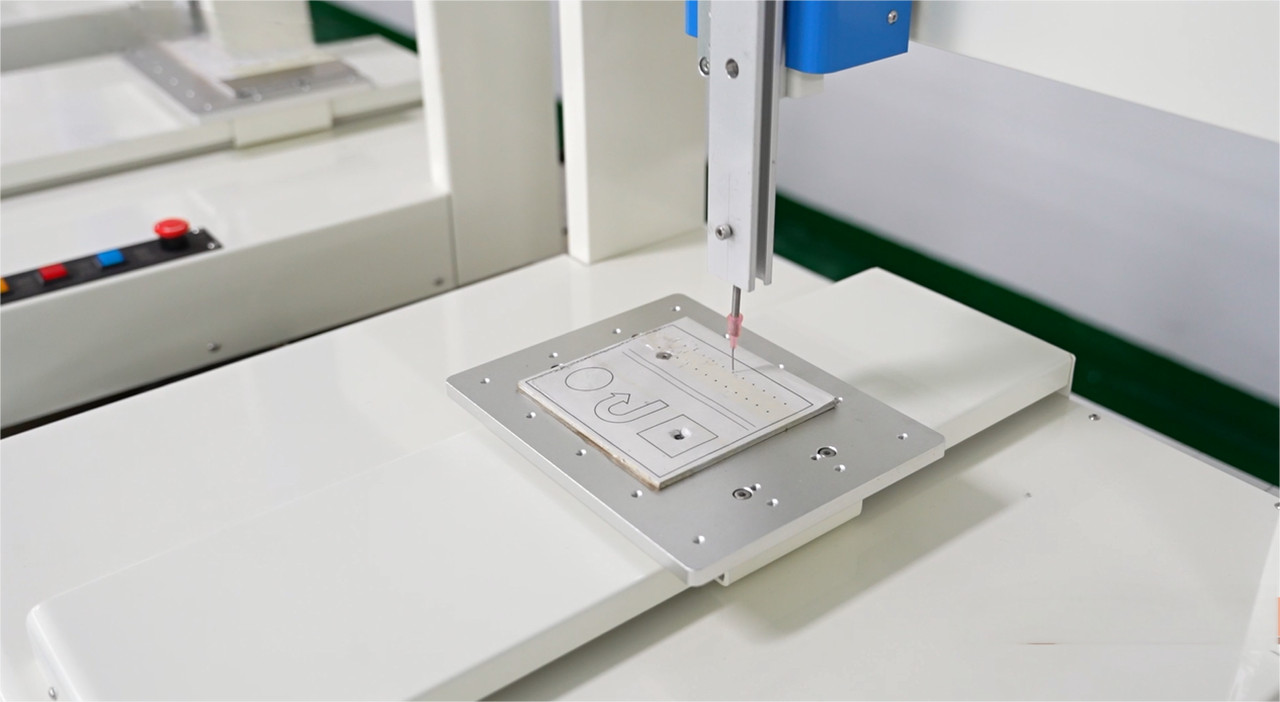
  3. End-to-End Fluid & Cure Integration: As a national high-tech enterprise specializing in both fluid dispensing (piezoelectric jetting valves) and UV curing, we provide a unified one-stop manufacturing process. We ensure the adhesive is applied with micro-dispensing precision and cured perfectly without line bottlenecks.
Wholesale Price Advantage

Get enterprise-grade UV LED arrays and high-capacity conveyor ovens at OEM/ODM factory prices, bypassing domestic distributor markup.

Rapid Delivery to New England

Streamlined logistics routes straight to Logan International Airport or the Port of Boston, backed by full customs clearance documentation.

Custom Mechanical Adapting

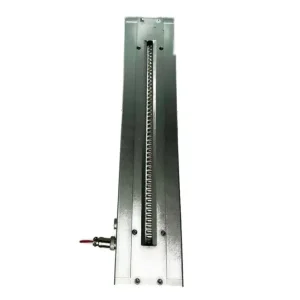
Full CAD file sharing, custom mounting brackets, and customized wavelengths configured to match your existing robotic assembly lines.

About Shenzhen Anyco Automation

Founded in 2013, Shenzhen Anyco Automation Equipment Co., Ltd. is a national high-tech enterprise integrating automated fluid control equipment, high-performance optical curing components, and industrial manufacturing accessories. Our headquarters is located in the technology hub of Guanlan, Shenzhen, while our state-of-the-art production plant sits in Huizhou, spanning over 2,000 square meters of advanced testing, CNC machining, and assembly space.

Our main international markets stretch across North America (including key regions like Boston, Silicon Valley, and Mexico), Southeast Asia, Africa, and India. By maintaining a medium-to-high-end position, we provide customers with one-on-one customized design support to satisfy the rigid specifications of high-tech production floors.
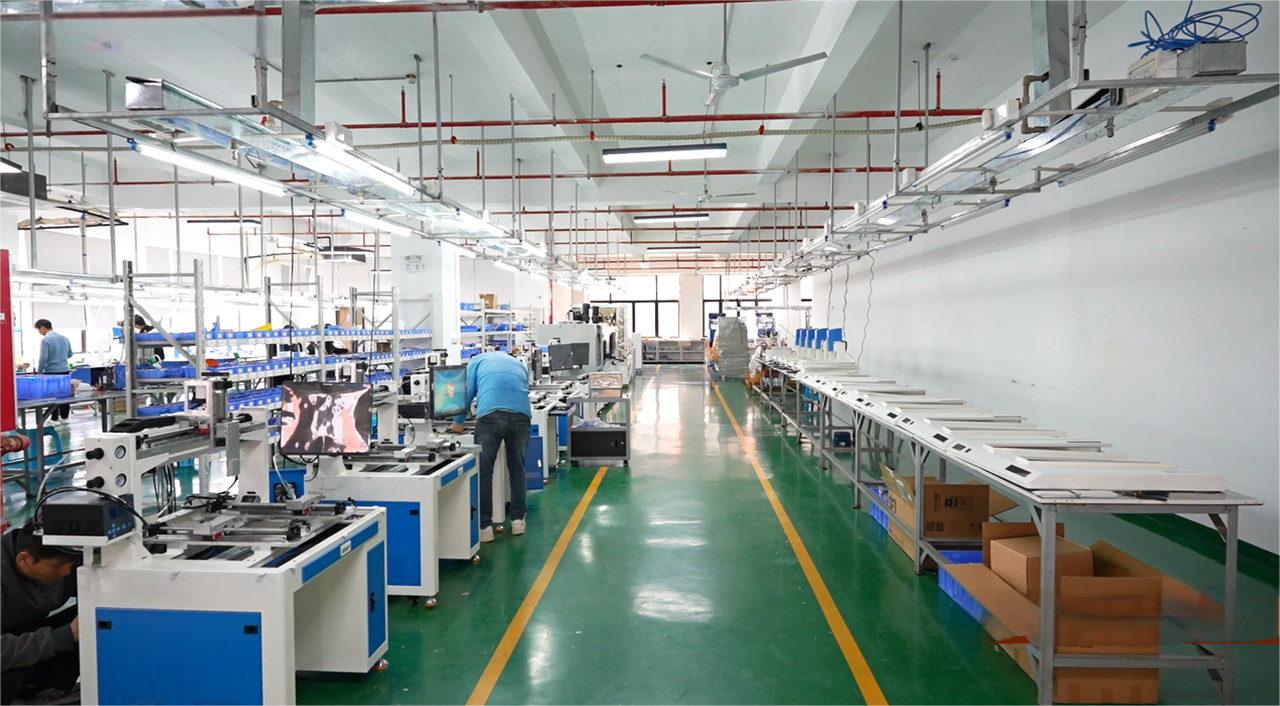
Our Core Advantages:

  • Fluid Control Focus: Specializing in precision dispensing jetting systems for consumer electronics, smartphones, medical devices, and automotive applications.
  • Technological Leadership: Recognized global supplier of high-stability piezoelectric jetting valves and multi-wavelength UV LED light sources.
  • High-End Materials: Fully certified systems designed for processing solder paste, silver adhesive, structural epoxy, and high-performance optical coatings.

Inside Our Production Facility

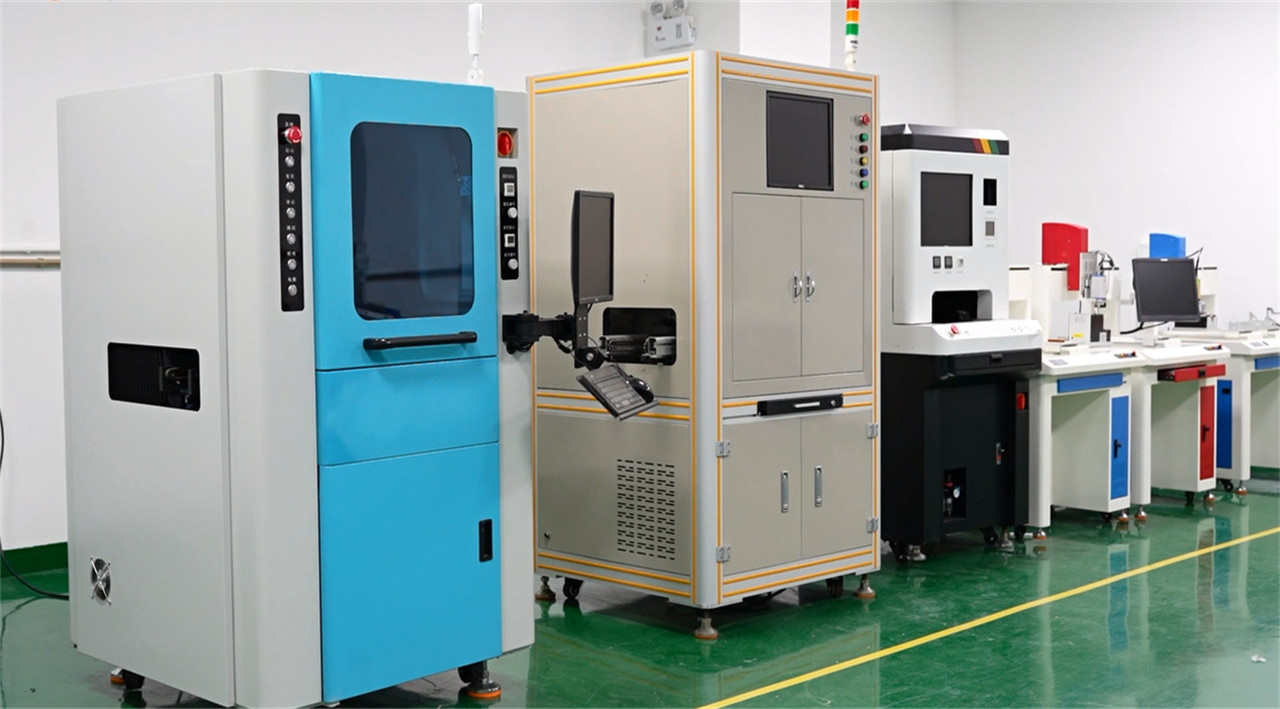
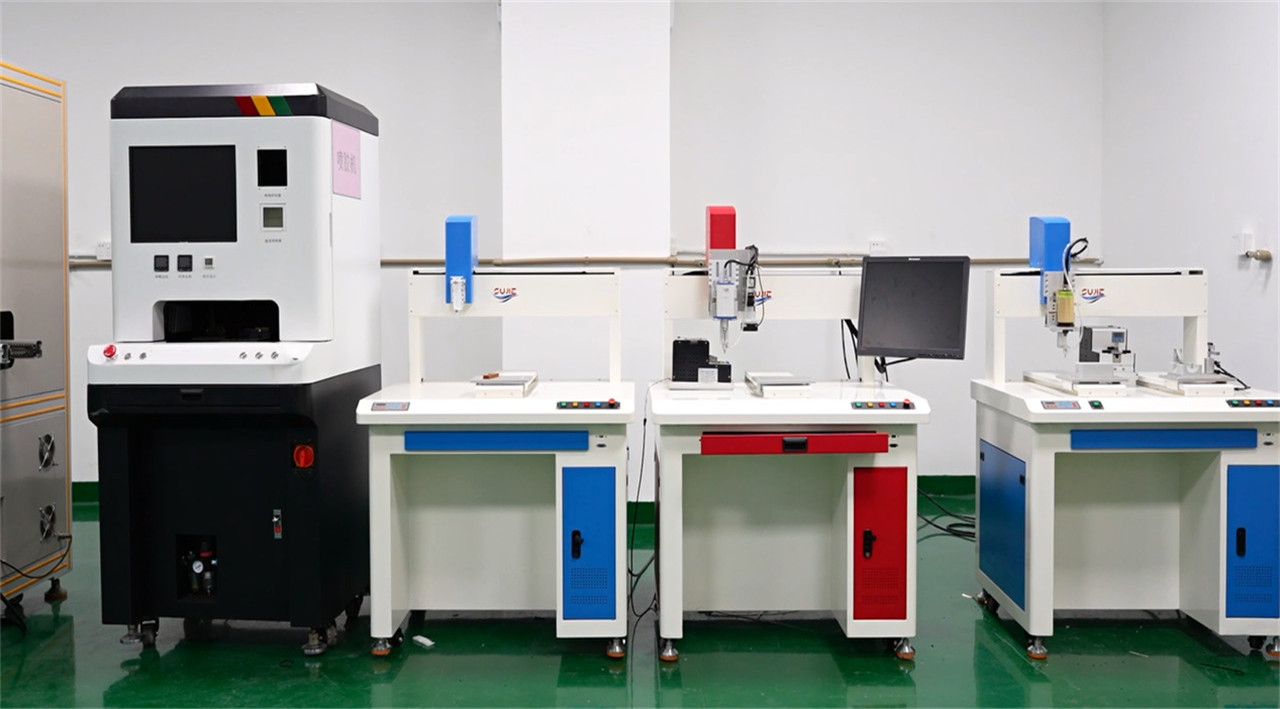
Anyco Factory Floor 1
Anyco Factory Floor 2
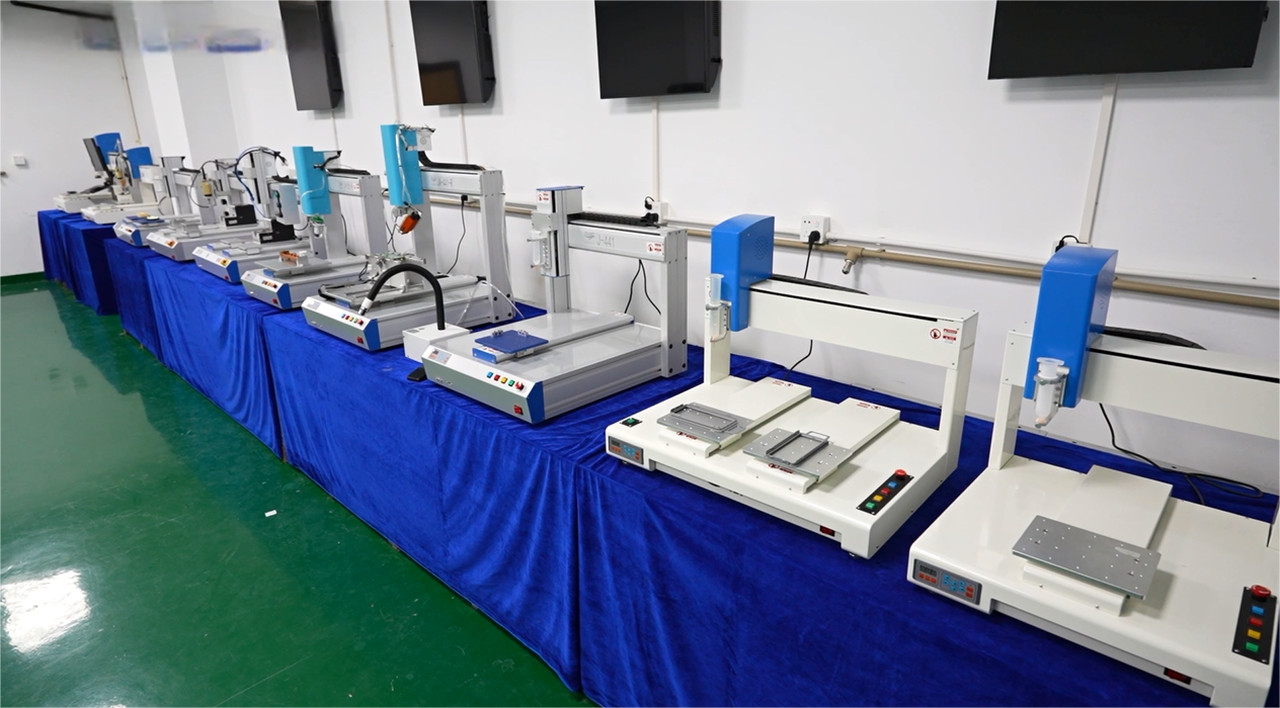
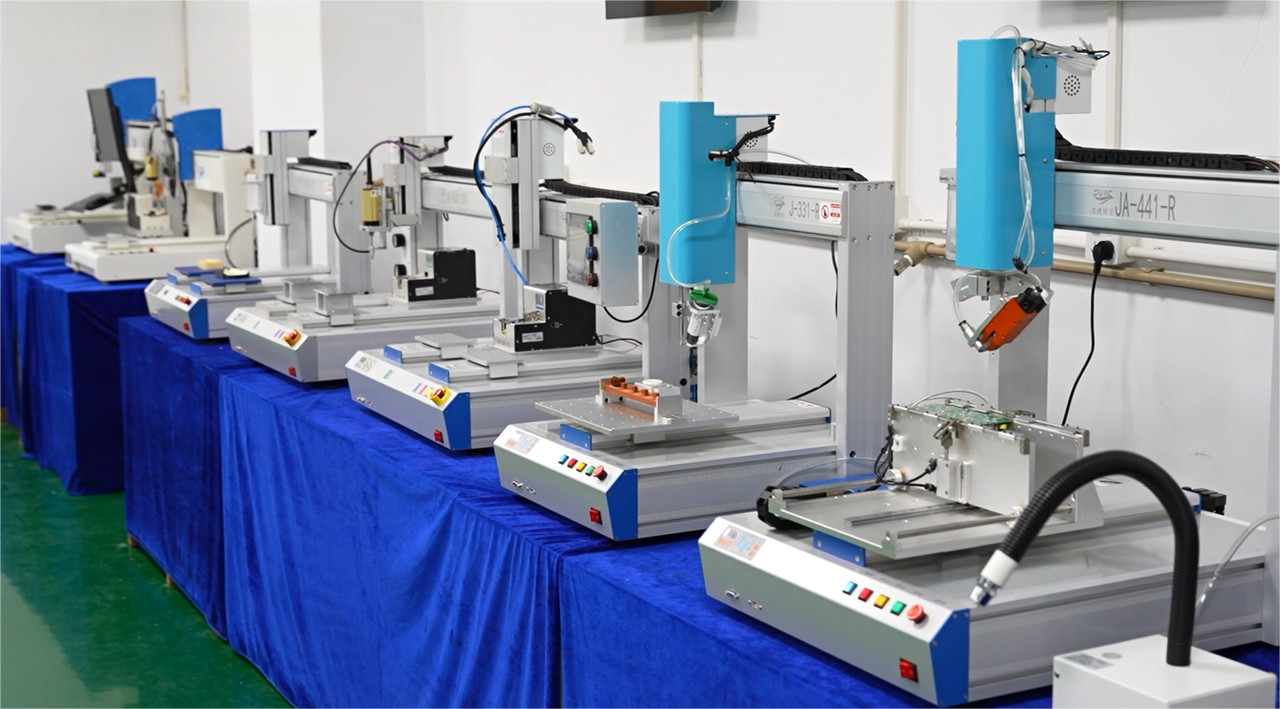
Anyco Assembly Line
Quality Inspection Department
CNC Machining Facility
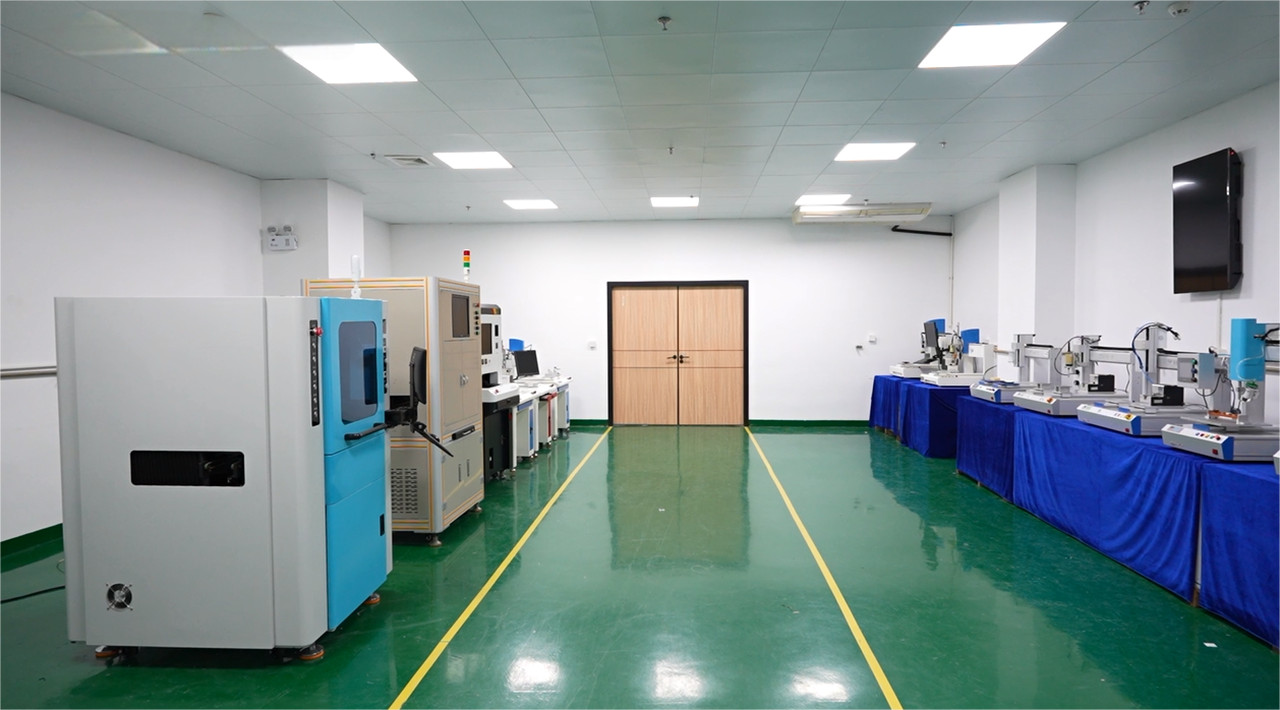
Testing Lab
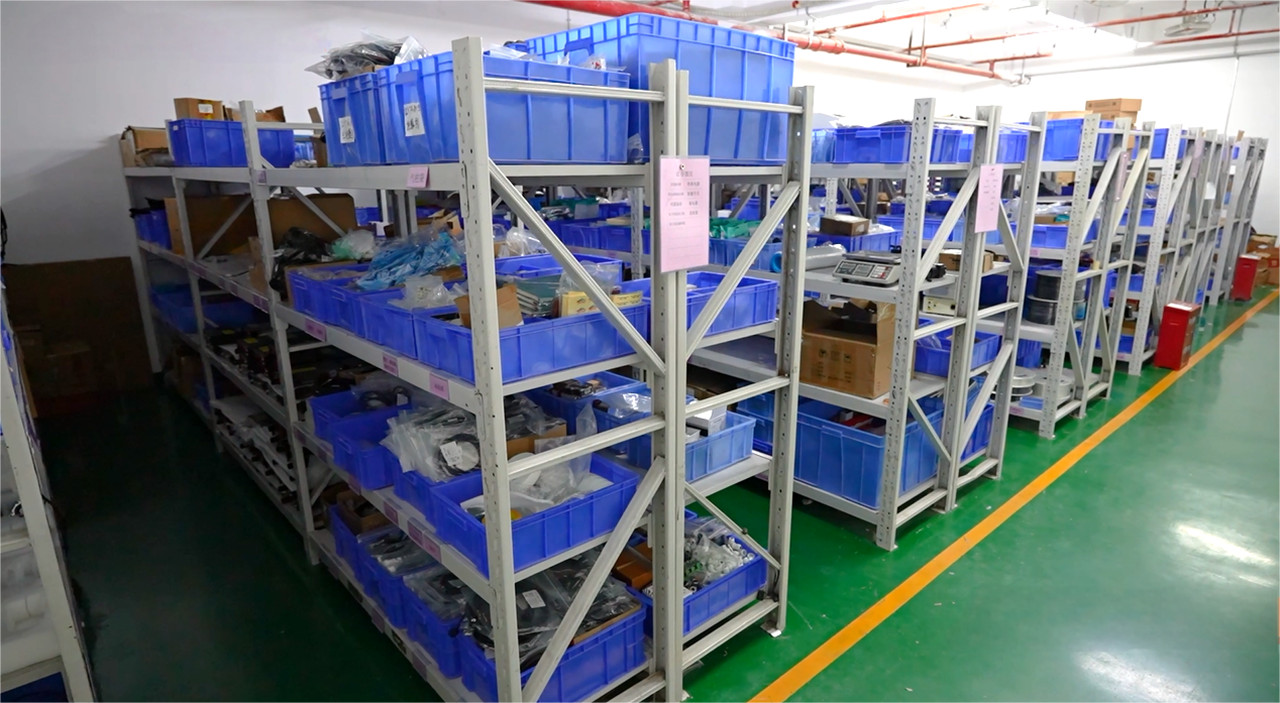
Precision Warehouse
Testing Equipment
Pre-shipment Inspection Area

Localized Application Scenarios in New England High-Tech Sectors

UV curing is integrated across multiple industries throughout Massachusetts and the wider New England area. Key application areas include:

1. Biotech & Medical Device Micro-Assembly

In facilities in Waltham and South Boston, biocompatible adhesives must be instantly cured to assemble tools such as guide wires, catheters, hearing aids, and surgical needles. The curing process must meet ISO 10993 biocompatibility requirements, requiring uniform light delivery to prevent uncured monomer residue. Using high-precision spot and line UV sources ensures consistent polymer cross-linking.

2. Optoelectronics & Fiber Optics

Boston's photonics cluster develops high-speed communication infrastructure, transceivers, and specialized optical lenses. Precise alignment is critical; even sub-micron changes during thermal curing can misalign components. UV LED curing systems deliver rapid, low-temperature curing, locking optical components in place with minimal physical shifting.

3. Semiconductor & MEMS Packaging

Working alongside local research cleanrooms, our OEM UV units provide reliable die attach and wafer dicing tape peel curing. Precise dosage control helps protect sensitive substrate structures from overheating.

Global Enterprise Procurement & Customization Guide

Procuring UV curing solutions requires evaluating parameters beyond cost. For procurement directors, quality assurance managers, and systems integrators in New England and globally, key technical specifications must align with cleanroom standards and safety guidelines.

Key Technical Criteria for Procurement:

  1. Spectral Irradiance Consistency: Output variations over the exposure field must be minimized. Our systems offer a uniformity threshold of >90%, preventing uneven polymerization.
  2. Effective Heat Dissipation: Choosing the right cooling method is essential:
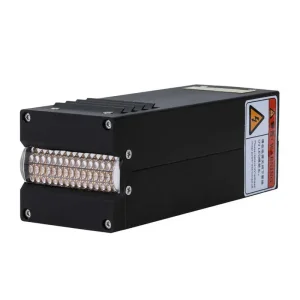
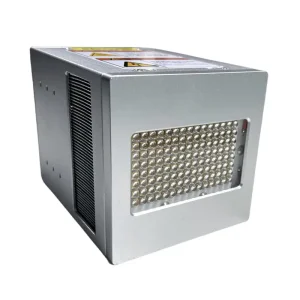
    • Air-Cooled Systems: Best for standalone units, compact conveyor systems, and environments where water loops are impractical.
    • Water-Cooled Systems: Essential for high-power installations, cleanrooms (to prevent particle dispersion from fans), and prolonged operations where temperature stability is critical.
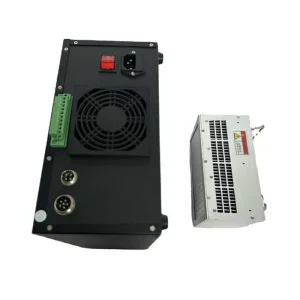
  3. Integrated Control & Safety Loops: The UV power source must communicate with PLC setups via RS485 or digital interfaces, monitoring for overheating, system alerts, and driver anomalies.

The Customization Process:

At Anyco, we follow a detailed workflow to customize machinery for your production needs:

  • Phase 1: Spectrum & Chemistry Matching. We evaluate your photoinitiator chemistry to determine the optimal peak wavelength (typically 365nm for surface coatings or 395nm for deeper polymer layers).
  • Phase 2: Mechanical Integration. Our engineering team designs custom mounting interfaces to fit your existing automated dispensing and conveyor setups.
  • Phase 3: Environmental Certification. Products are engineered to meet CE certification, cleanroom protocols, and safety standards.
Technical Help Center

Frequently Asked Questions

Common technical questions regarding UV LED wavelength selection, thermal management, and integration.
How do I choose between 365nm and 395nm UV LED wavelengths?
The choice depends on the formulation of your adhesive or coating. 365nm light has a shorter wavelength, making it ideal for surface curing and thin coatings, as it reacts efficiently with typical surface photoinitiators. 395nm light penetrates deeper, making it better for thick resin layers, pigmented layers, and curing through semi-transparent plastic or glass components.
Why is water-cooling preferred over air-cooling in medical cleanrooms?
Water-cooled systems do not require high-speed fans, eliminating air turbulence that can kick up micro-particles in cleanroom environments. Additionally, water-cooling allows the UV heads to run cooler, ensuring stability and prolonging the lifetime of the LED diodes.
Can Anyco's UV systems be integrated with existing PLC manufacturing setups?
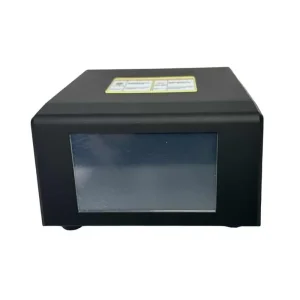
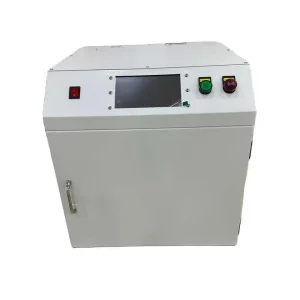
Yes, our automated curing chambers and modular line/area light heads support integration with standard industrial PLC loops. We provide remote trigger control, alarm signals for fan failures or overheating, and RS485 communication interfaces.
What certifications do Anyco products carry for North American and European imports?
Our principal UV curing machinery and optical head configurations carry CE certification. This ensures compliance with European and international health, safety, and environmental protection standards.