High-efficiency, certified optoelectronic arrays and thermal-management setups engineered for modern industrial manufacturing integrations across Bulgarian production sites.
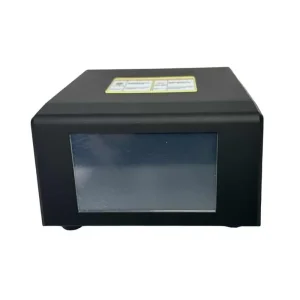
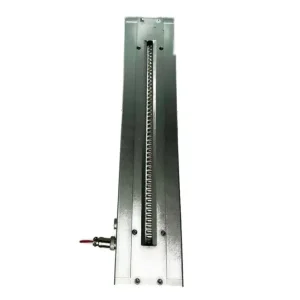
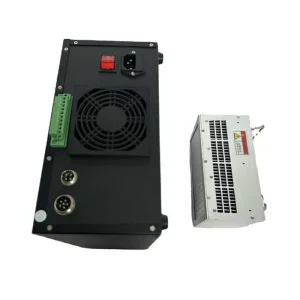
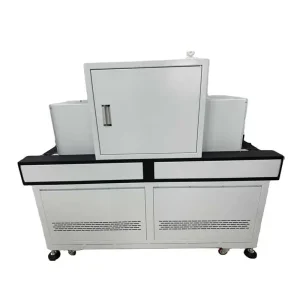
Bulgaria has emerged as a key industrial center in Southeastern Europe, particularly through development zones like the Trakia Economic Zone (TEZ) in Plovdiv and tech hubs around Sofia. Industries ranging from automotive sensor assembly and household appliance electronics to advanced packaging and medical devices are undergoing rapid modernization.
As EU regulations demand lower carbon footprints, reduced VOC emissions, and higher energy efficiency, Bulgarian factories are aggressively phasing out traditional thermal ovens in favor of advanced UV photopolymerization (UV LED curing) equipment. This shift is critical for Tier 1 automotive suppliers in Bulgaria delivering precise component sealings to European car manufacturers.
High-speed curing is vital for localized PCB assembly (PCBA), where instant polymerization prevents thermal distortion on sensitive micro-components.
Navigating wavelength selection, thermal dissipation architectures, and fluid-curing automation interfaces.
Understanding the chemical absorption spectrum of photoinitiators. 365nm provides optimal surface cure, while 395nm and 405nm achieve deep penetration in thick structural adhesives and opaque formulations.
Water-cooled modules maintain constant junction temperatures during high-duty continuous runs, ensuring long diode lifespans. Air-cooled options offer compact footprints for lighter duty-cycle assemblies.
Equipped with Modbus/RS485 communication protocols, real-time irradiance monitoring sensors, and dynamic power adjustments matching variable conveyor speeds.
| Performance Metric | Traditional Mercury Arc Systems | Anyco Next-Gen UV LED Systems | Industrial Value for Bulgaria Buyers |
|---|---|---|---|
| Operational Lifespan | 1,000 - 2,000 Hours | 20,000 - 30,000 Hours | Reduced maintenance overhead and system downtime. |
| Heat Output to Substrate | High Infrared Radiation (High Heat) | Minimal Thermal Dissipation (Cold Light) | Prevents warping of thin plastic parts and flexible foils. |
| Warm-up & Cool-down | Requires 5-10 minutes warming | Instantaneous On/Off Cycle | Optimizes energy consumption; syncs directly with step motors. |
| Environmental Safety | Contains toxic Mercury; produces Ozone | Mercury-Free, Ozone-Free, RoHS Compliant | Aligns directly with strict EU occupational safety guidelines. |
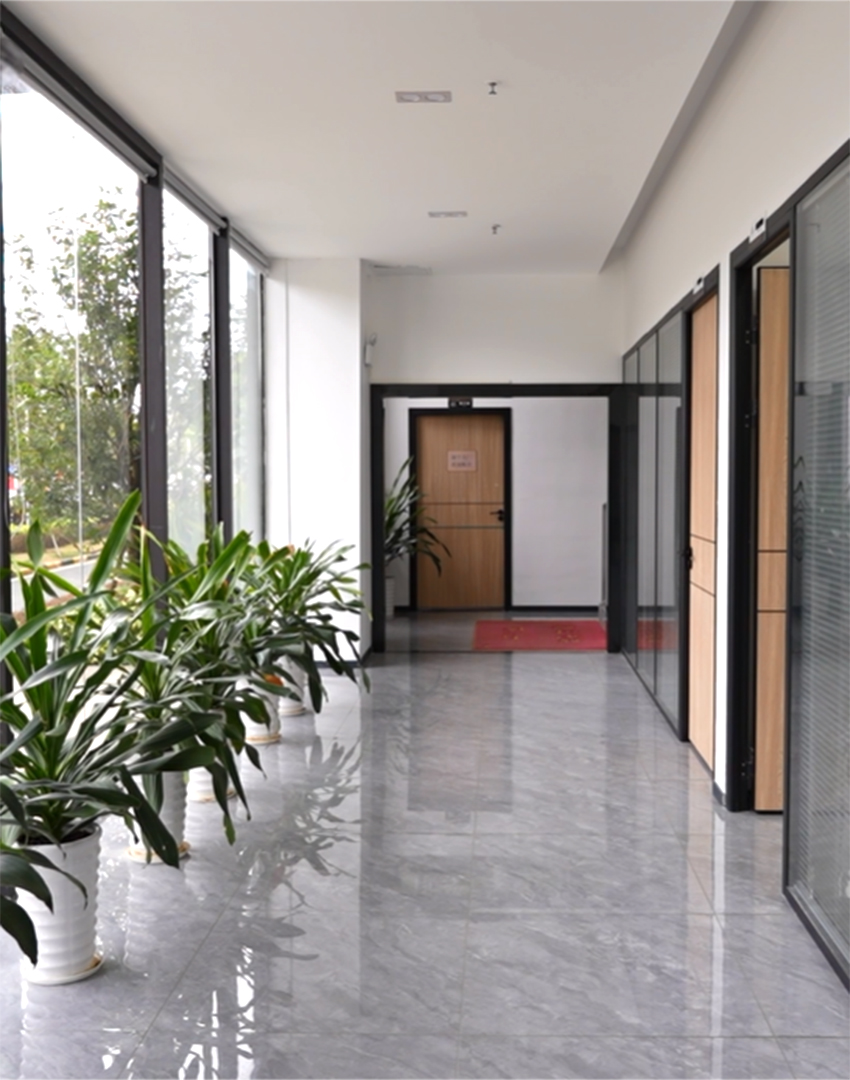
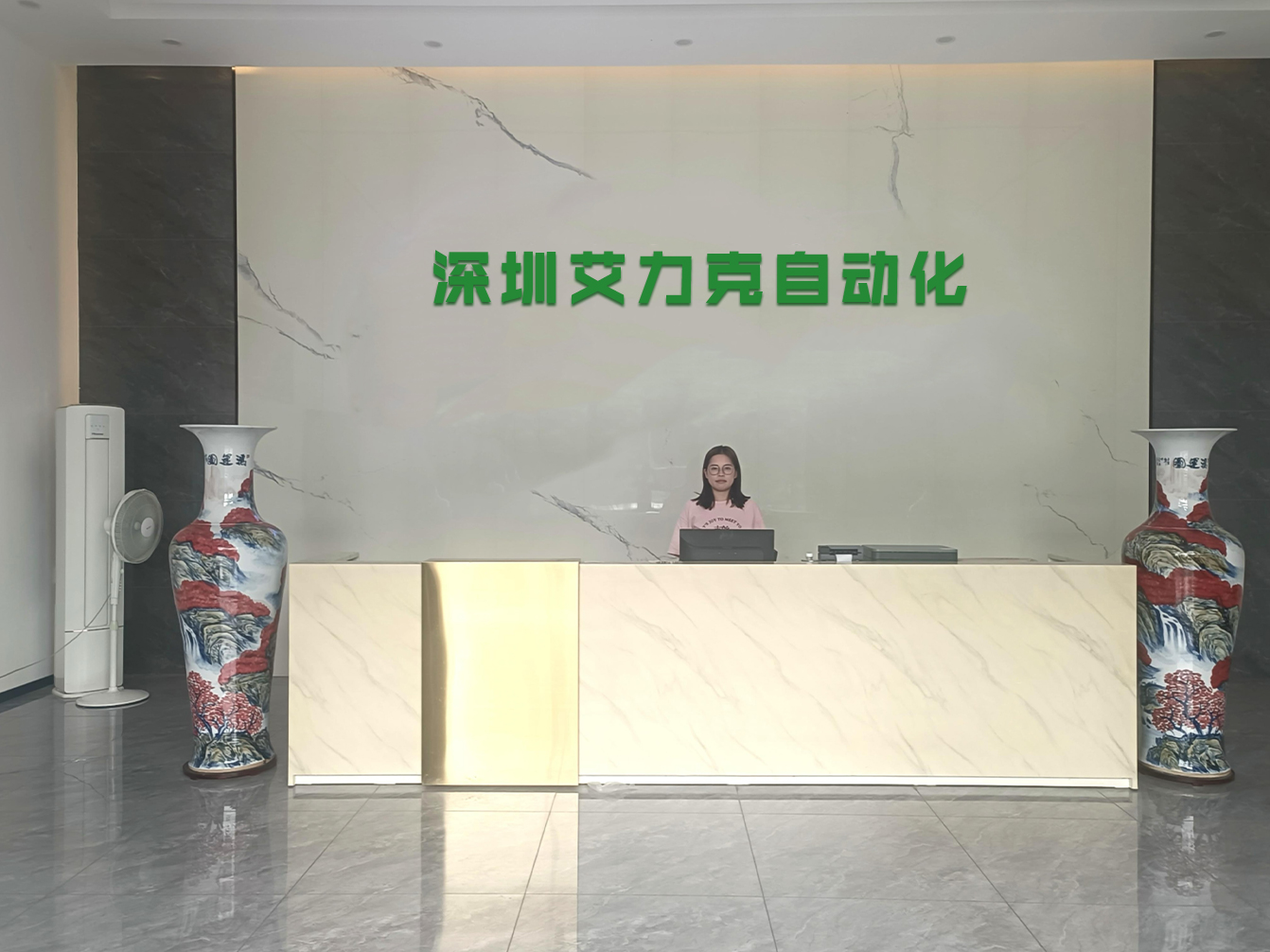
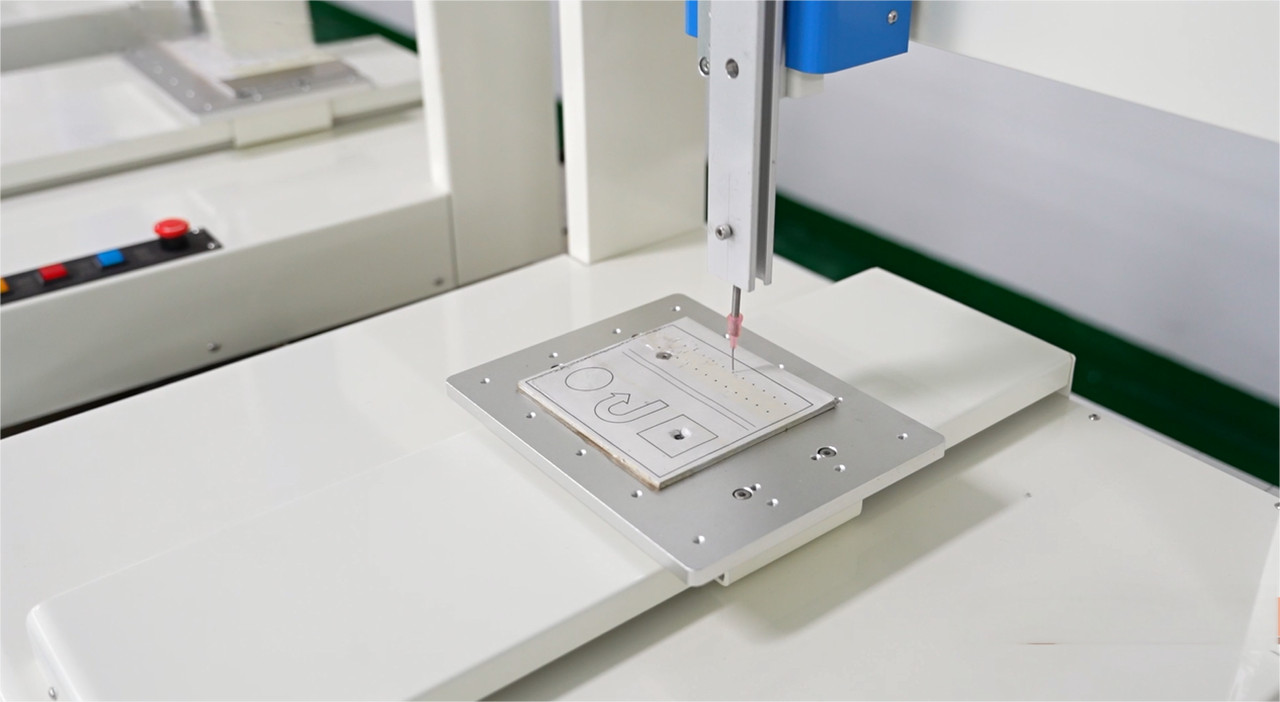
Founded in 2013, Shenzhen Anyco Automation Equipment Co., Ltd. is a national high-tech enterprise integrating automated fluid control, precision dispensing, and advanced UV curing technology into a comprehensive, one-stop manufacturing platform.
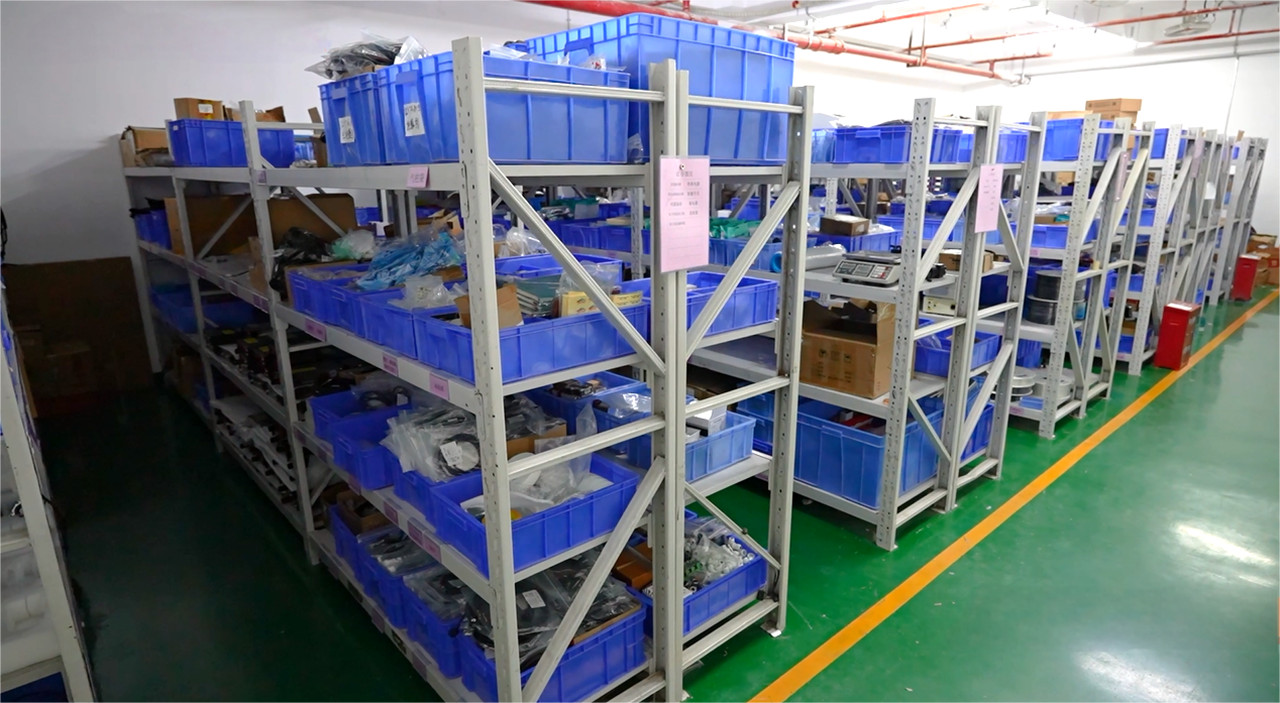
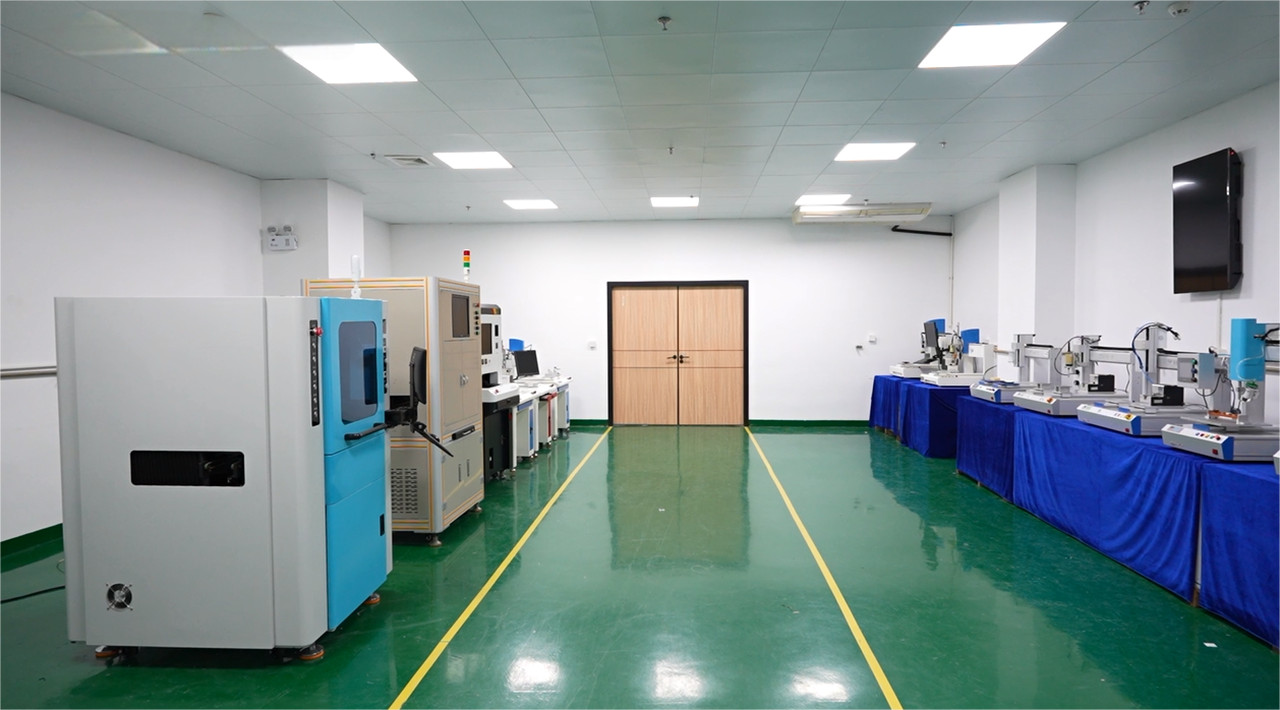
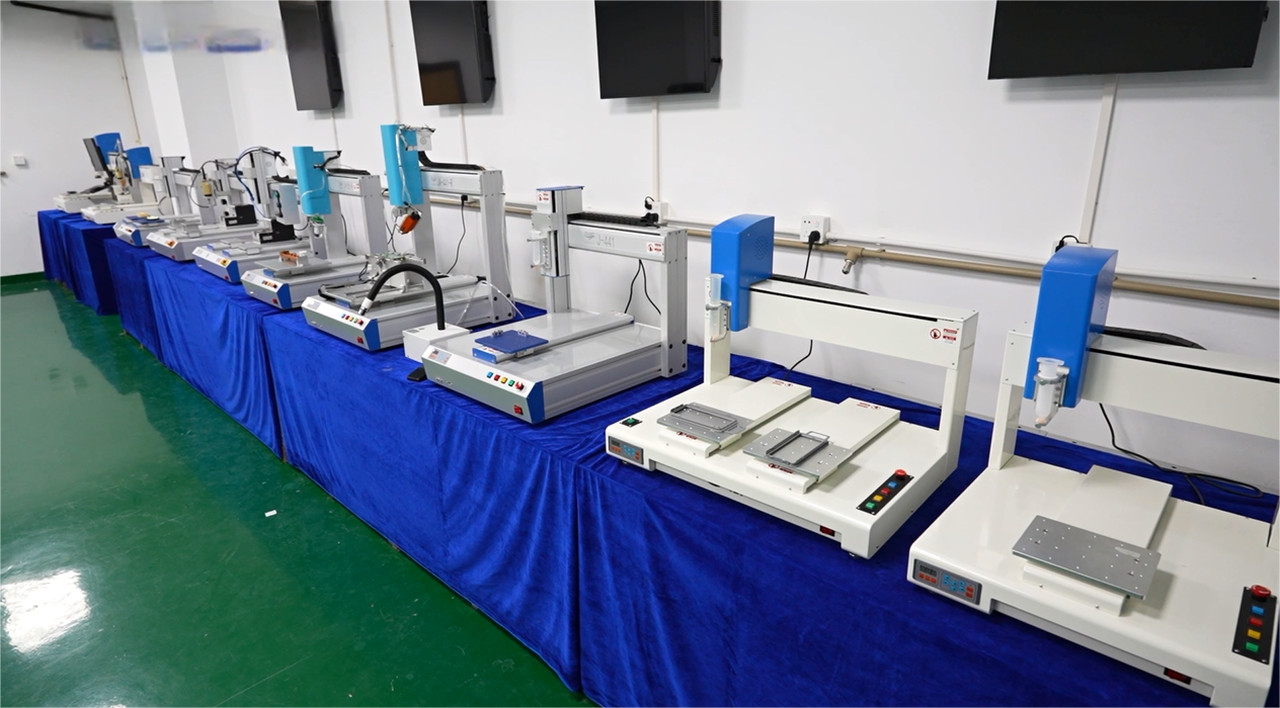
Headquartered in the tech hub of Guanlan, Shenzhen, with a specialized production facility in Huizhou spanning over 2,000 square meters, Anyco combines precision fluid mechanics (such as high-speed piezoelectric jetting valves) with specialized UV LED optical systems to deliver seamless "Dispense-to-Cure" automated lines.
By controlling both fluid deposition and photopolymerization, Anyco ensures absolute process reliability for high-end electronics, automotive assemblies, and appliance manufacturing worldwide.
While Anyco has established deep market penetration across Southeast Asia, India, Vietnam, Thailand, North America (Mexico), and Africa (Morocco), we are expanding specialized engineering pipelines directly to Bulgaria and Eastern Europe.
We provide one-on-one tailored configuration systems: matching fluid viscosities (solder paste, conductive silver paste, underfills, UV epoxies) with specific UV curing parameters. This tailored methodology ensures that Bulgarian packaging factories, automotive sensor OEMs, and electronics developers receive optimal machinery matching their specific chemical substrates.
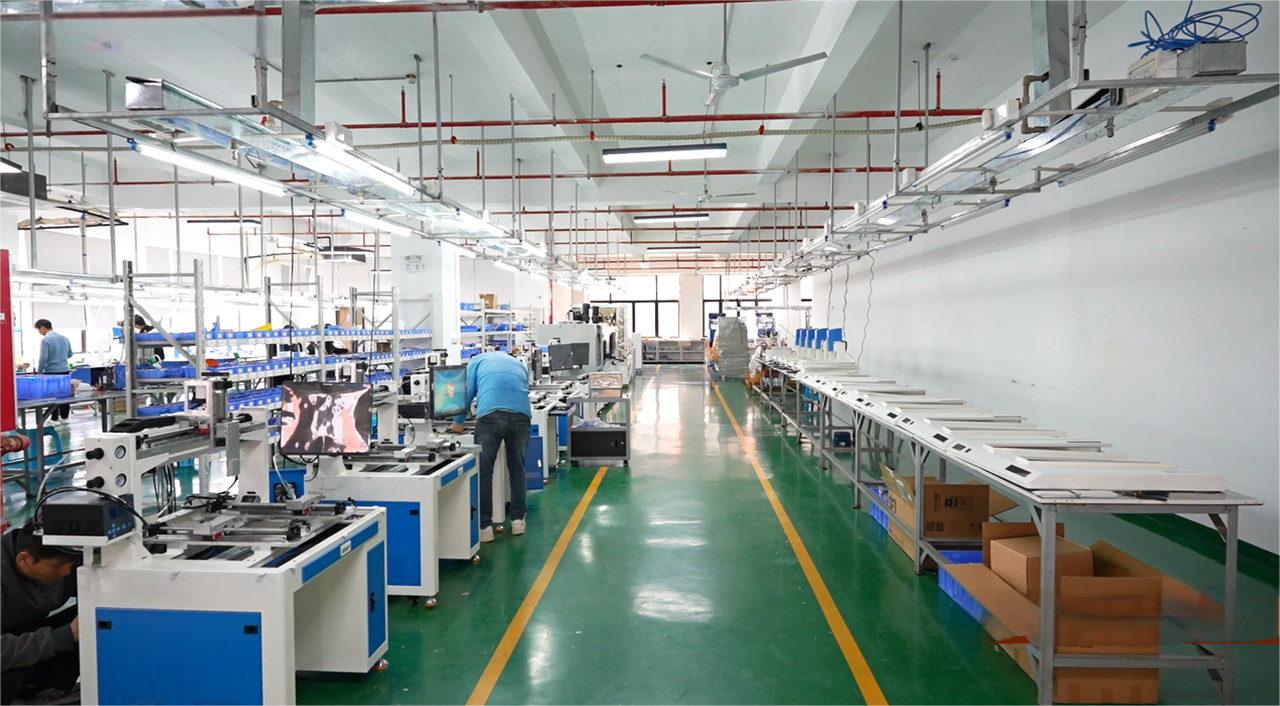
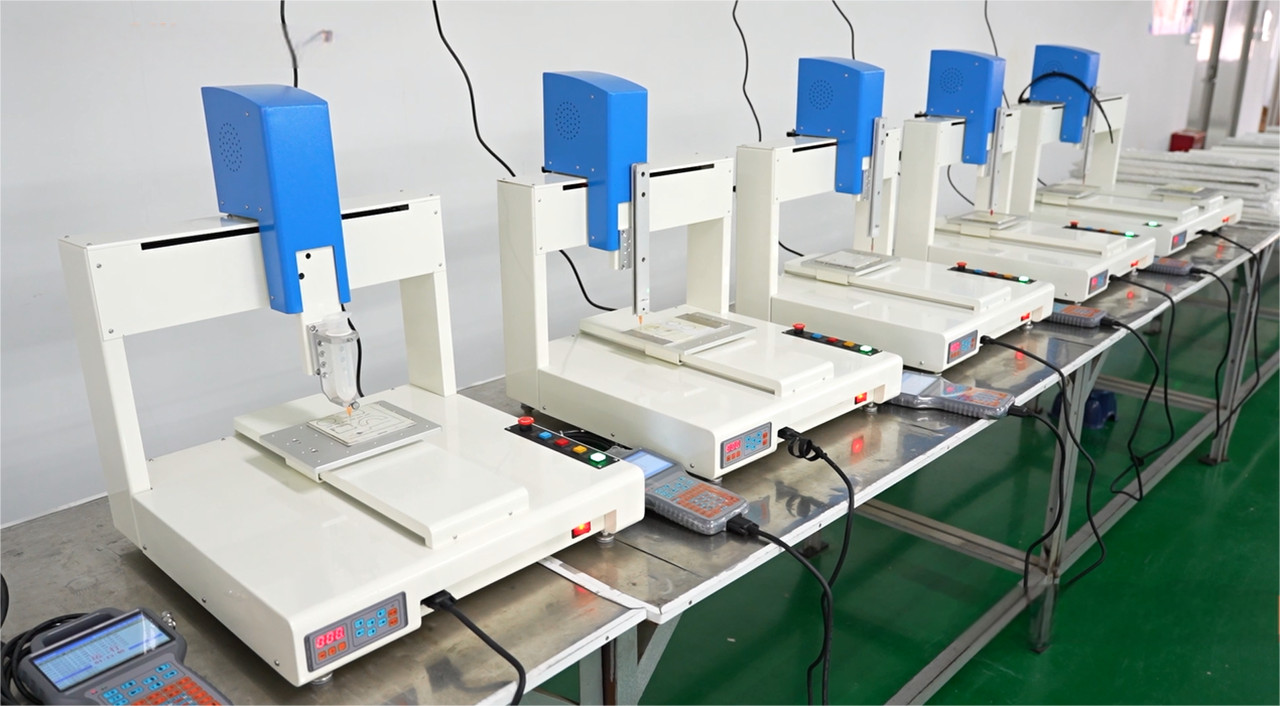
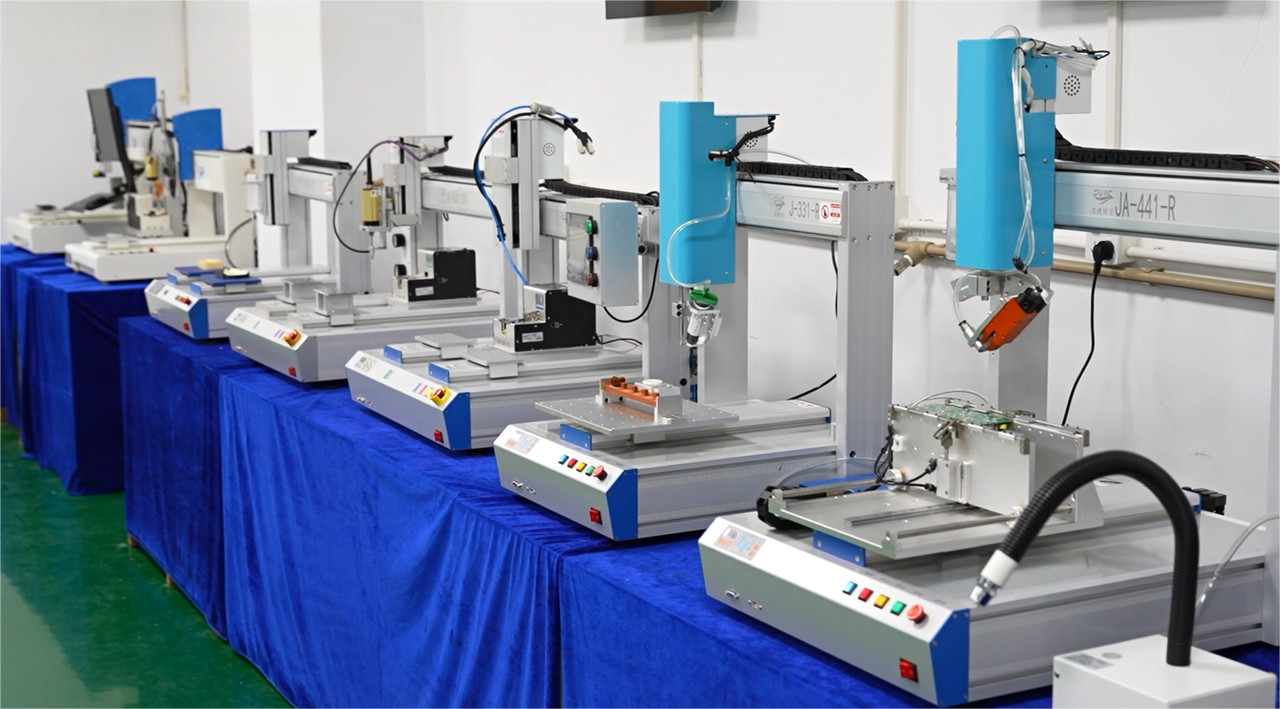
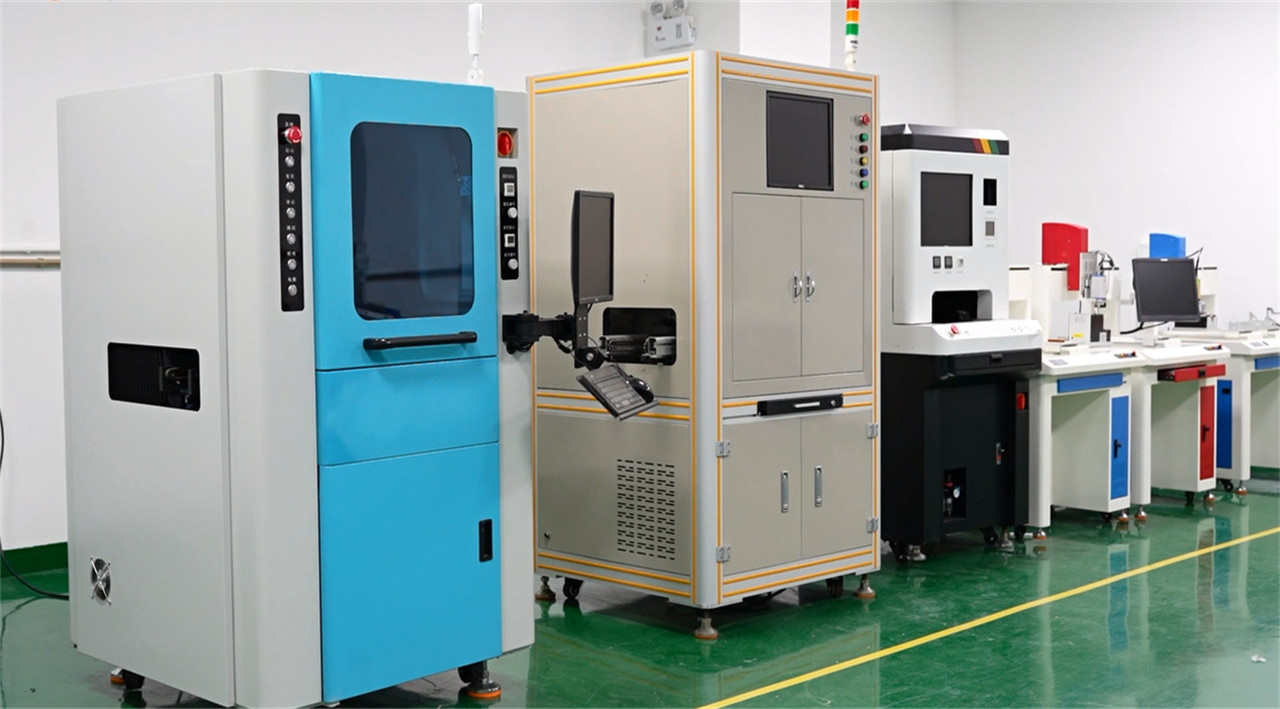
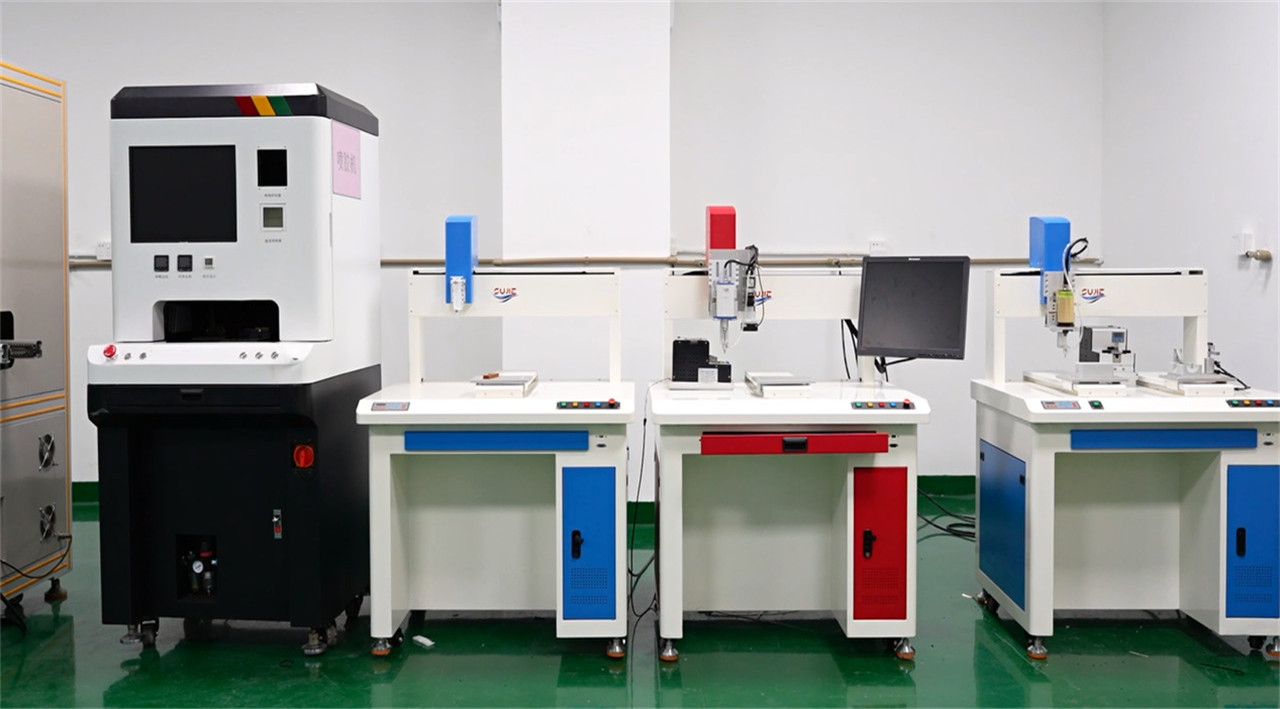
A seamless importing experience backed by comprehensive technical documentation and verified safety compliance.
All systems shipped to Bulgaria carry full CE markings and comply with the Low Voltage Directive (LVD 2014/35/EU) and Electromagnetic Compatibility Directive (EMC 2014/30/EU) for safe deployment in European manufacturing lines.
Leveraging ocean freight directly from Shenzhen port to the Port of Varna or Port of Burgas. Urgent optoelectronic components or light sources can be shipped via air express straight to Sofia Airport for rapid replacement.
Detailed wiring diagrams, PLC interface logic guides, and step-by-step video instructions allow Bulgarian engineers to complete quick system installations with direct R&D engineering support via online video consultations.
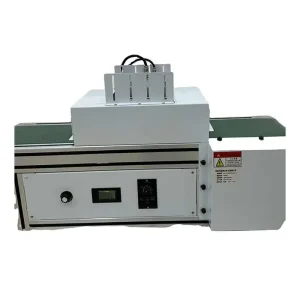
Browse our complete spectrum of industrial water-cooled and air-cooled area, line, and spot UV curing modules.
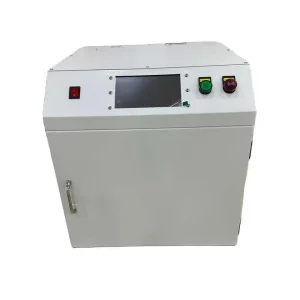
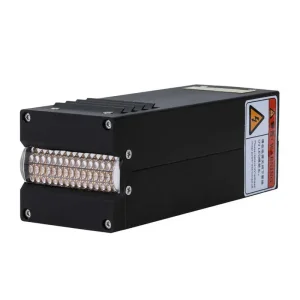
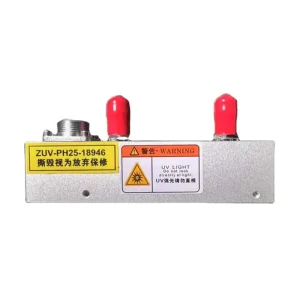
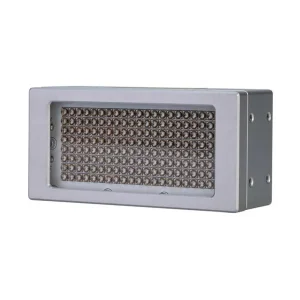
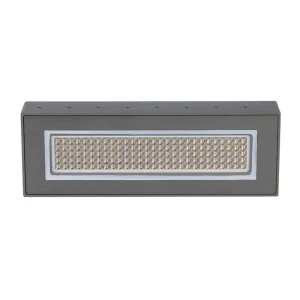
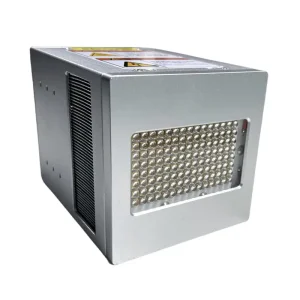
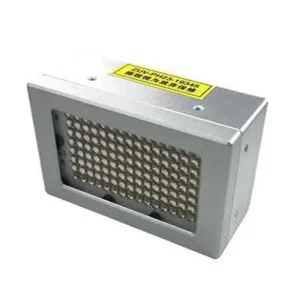
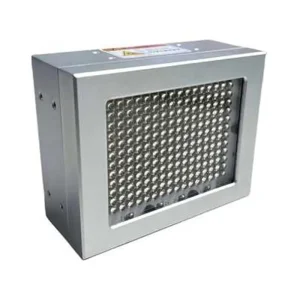
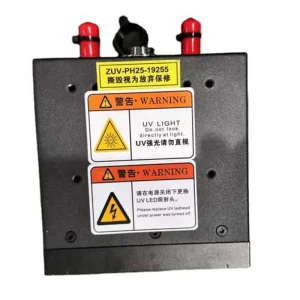
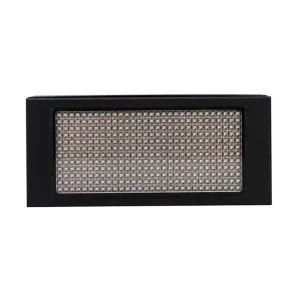
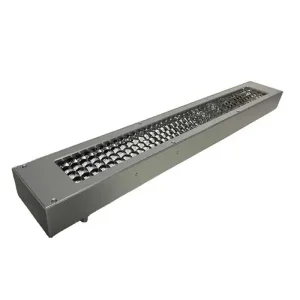
Clear, engineering-focused answers for procurement professionals and automation developers in Bulgaria.
The selection is dictated by your photoinitiator type and compound thickness. 365nm is highly absorbed at the surface of standard UV resins, providing a tack-free finish. 395nm has lower absorption coefficients, allowing light to penetrate deeper through thick adhesive layers or tinted components (such as black automotive plastics). In many automotive sensor and underfill processes, a combined light recipe is utilized.
Yes. Anyco’s Industry 4.0-ready curing boxes and light source controllers support RS485 (Modbus RTU) as standard, with options for Modbus TCP/IP gateway extensions. This enables your master PLC system to dynamically adjust UV intensity, track diode temperature, monitor run-time diagnostic codes, and sync the flash cycle with motor movements.
We supply standard documentation packages including the CE Declaration of Conformity (covering LVD & EMC directives), RoHS material certification lists, system user manuals in English, and detailed optical output test sheets indicating peak irradiance levels (W/cm²) measured before dispatch.
High-power UV LED matrices produce substantial heat at the semiconductor level. If not dissipated, thermal runaway decreases optical output and shifts the output wavelength, which leads to incomplete polymer curing. Water-cooling jackets maintain a stable junction temperature of 25°C - 30°C, ensuring uniform curing intensity and preventing heat from transferring to sensitive substrates.
Connect with our application engineers to determine the exact wavelength, footprint, cooling profile, and automation options for your Bulgarian manufacturing operation.
Send Inquiry Now Anyco Automation