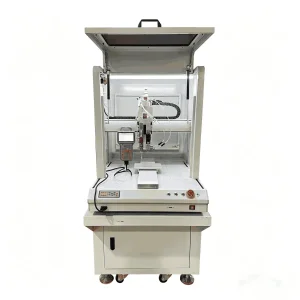
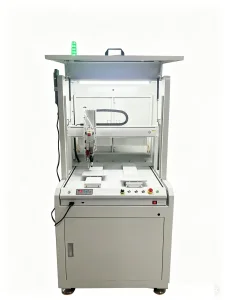
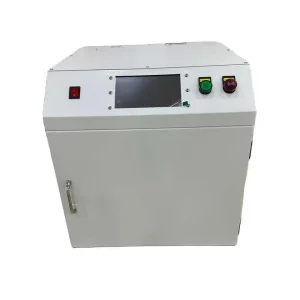
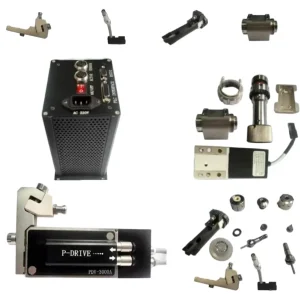
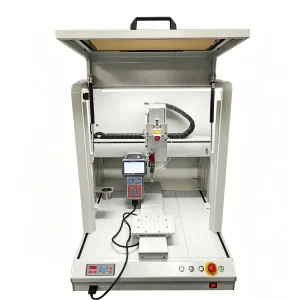
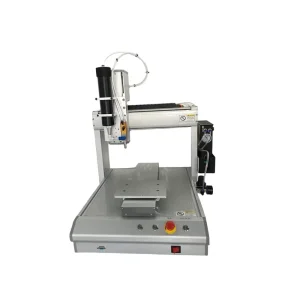
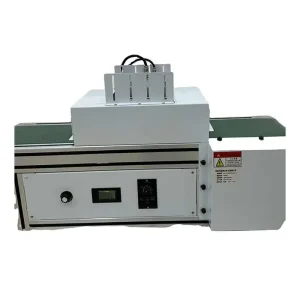
Explore our highly integrated industrial solutions, from advanced vision-guided desktop dispensers to micro impingement needle valves engineered for continuous high-throughput automation lines.
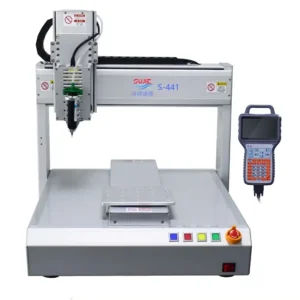
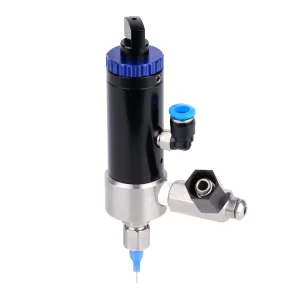
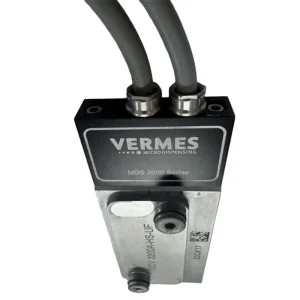
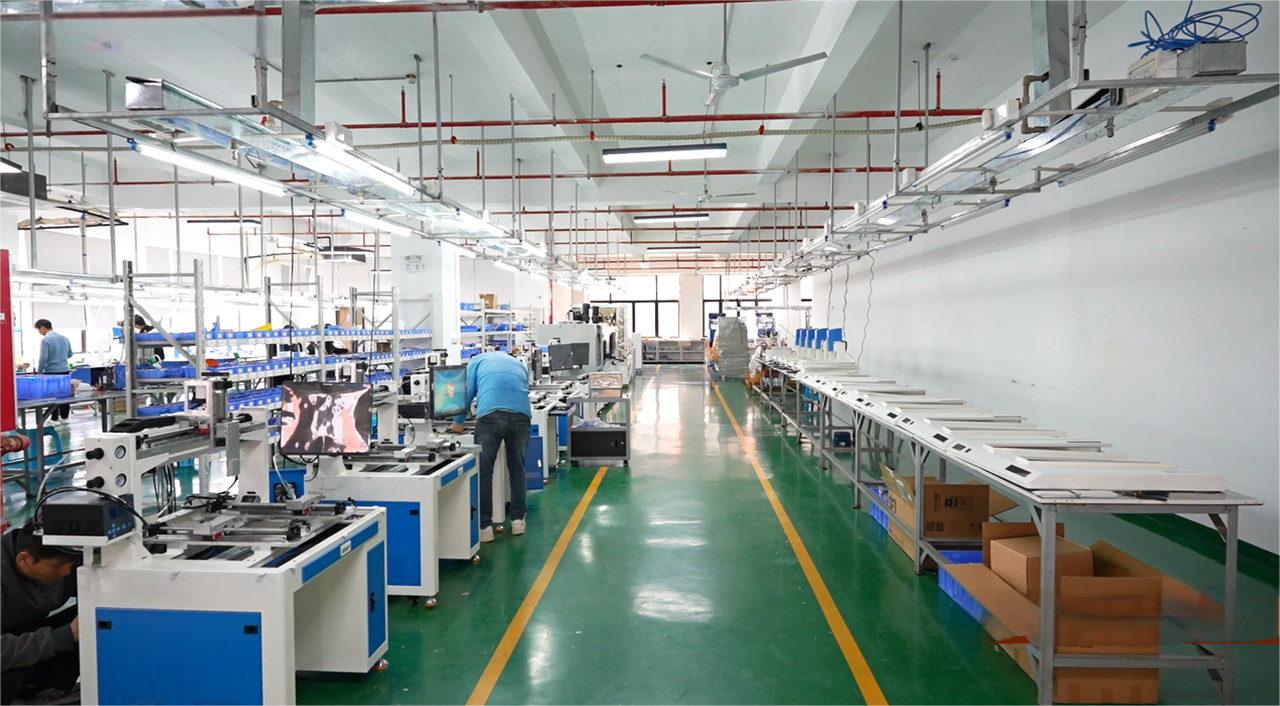
Shenzhen Anyco Automation Equipment Co., Ltd., founded in 2013, is a national high-tech enterprise integrating automated fluid control equipment, piezoelectric jetting valves, and precision solenoid accessories. We operate as a comprehensive one-stop provider, offering research, development, assembly-line manufacturing, sales, and post-sale technical deployment. Our global operations span across strategic manufacturing locations: the corporate headquarters is nestled in the tech hub of Guanlan, Shenzhen, with a modern manufacturing factory located in Huizhou, boasting a combined workspace layout covering more than 2,000 square meters.
Through rigorous intellectual property acquisition and persistent R&D investments, Anyco has created a dynamic roadmap of proprietary designs in automatic solenoid valves and micro-dispensing systems. Our clients count on our equipment for extreme reliability, exceptional micro-millisecond valve response times, and customizable structural configurations tailored to complex electronics assembly lines.

We operate with structural benchmarks designed to bridge the gaps in high-frequency solenoid performance, chemical compatibility, and thermal dissipation.
Exporting to key manufacturing sectors in Southeast Asia (Vietnam, Thailand), India, North America (Mexico), and Africa (Morocco). Our core target is custom engineering of industrial jet valve components and medium-to-high-end automated dispensing machines.
Dedicated to fine fluid control engineering, focusing heavily on modern consumer electronics, automotive sensor potting, pharmaceutical dosing, and chemical reagent filling processes.
A top-tier domestic supply partner of piezoelectric valves and high-frequency fluid solenoid assemblies designed for solder pastes, conductive epoxies, and volatile solvents.
The global landscape of industrial automation demands high repeatability, continuous cycle counts, and minimal downtime. Historically, Automatic Solenoid Valves served basic binary (on/off) fluid routing functions. However, with the rise of modern industrial IoT platforms and miniaturized hardware, solenoid valves have transitioned into high-frequency, highly responsive micro-dosing systems. Today's systems demand integration into Closed-Loop feedback systems, requiring sensors to continually verify flow rates, pressure fluctuations, and internal coil operating temperatures.
Modern factory supply chain heads face multi-faceted challenges when vetting solenoid valve suppliers. Key criteria include:
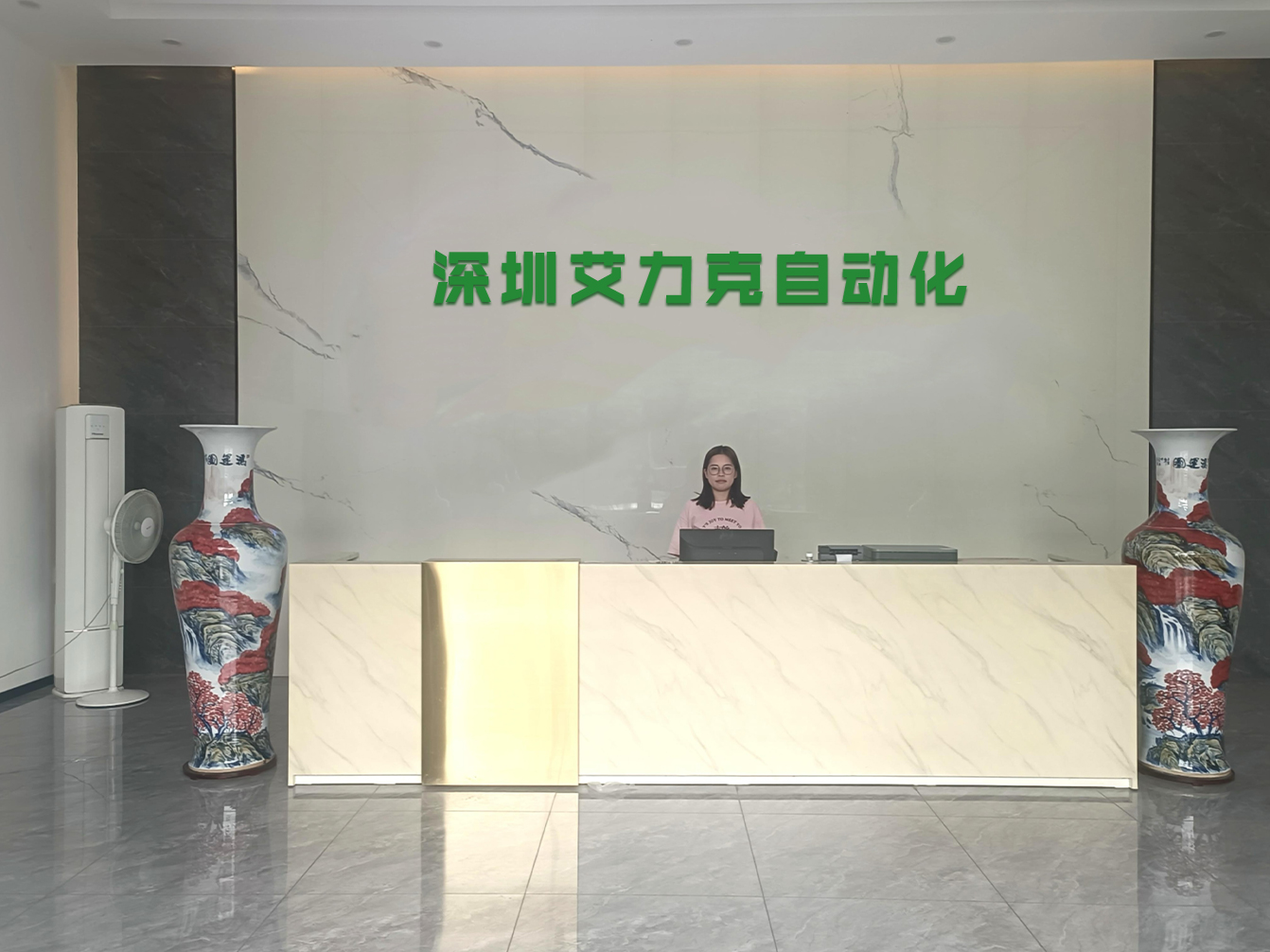
At Anyco, we do not believe in one-size-fits-all hardware. Our engineers design fluid components relative to the target liquid's rheological profile. During our ODM customization process, we analyze viscosity (mPa·s), solid filler percentages, chemical base (silicone, polyurethane, epoxy), and thermal curing properties. This guarantees that your automatic solenoid valve, micro needle valve, or jetting valve exhibits zero leakage, optimum throughput, and matches the programmatic footprint of your gantry robots.
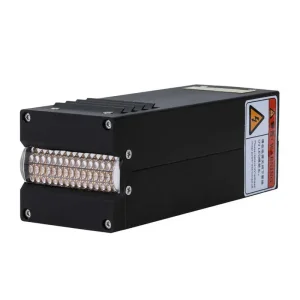
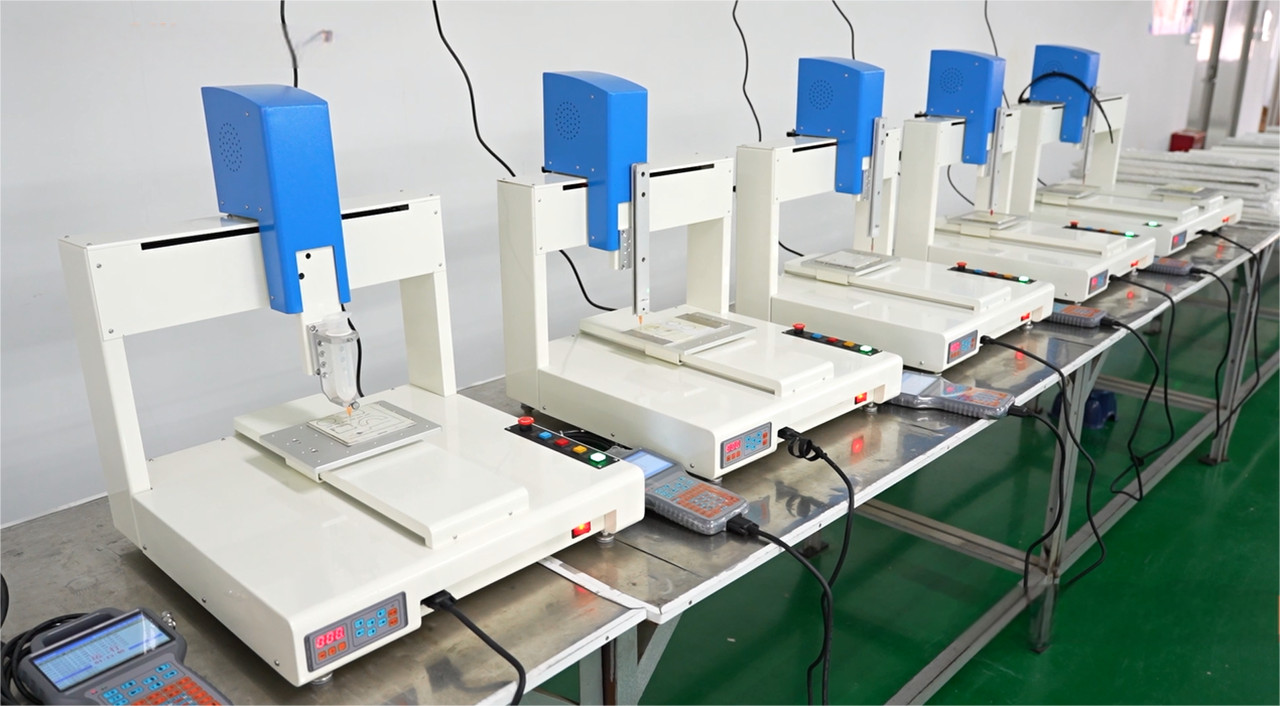
Anyco designs holistic fluid solutions combining the raw mechanical precision of solenoid actuation with auxiliary process controllers, including inline UV curing and automatic position alignment.
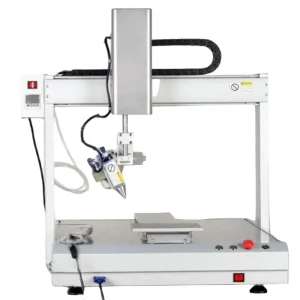
With the growth of electric vehicles (EVs), the demand for potting and conformal coating of ECUs, power converters, and onboard sensors has escalated. Our custom desktop conformal coating systems deploy fast-reacting solenoid valves to ensure complete, bubble-free insulation layers protecting critical components from extreme road vibration and thermal cycling.
Precision dispensing of battery slurries, terminal sealing epoxies, and electrolyte injection requires reliable micro-dispensing. Our Programmable 3200 Solenoid Series provides the precise volumetric control required to run millions of charge-discharge cycles without risk of internal micro-shortages caused by structural fluid voids.
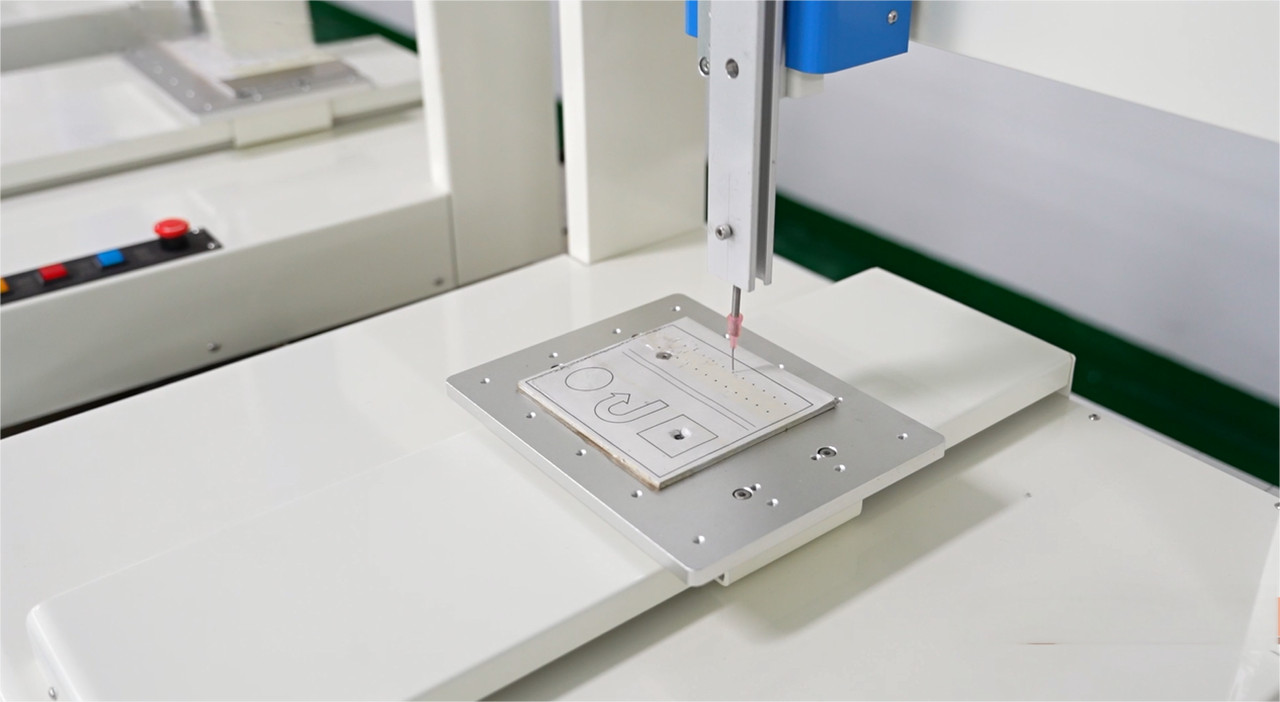
Smartphones and wearable medical devices demand tiny micro-dot sizes under 0.25mm. Our diaphragm micro impingement valves (such as the AC-741GM) operate with piezoelectric speed to deploy underfills, silver adhesives, and screen border adhesives at high frequencies, avoiding mechanical contact with delicate microchips.
| Equipment / Valve Category | Core Application Fluid Type | Actuation Control Method | Maximum Output Frequency |
|---|---|---|---|
| Programmable 3200 Solenoids | Electrolytes, Conductive Glues | High-Frequency Solenoid Pulse | Up to 250 Hz |
| AC-741GM Micro Impingement Valve | Underfills, UV Epoxies, Cyanoacrylates | Pneumatic/Diaphragm Micro-needle | Up to 300 Hz |
| Servo Screw Dispensing Machine | High-Viscosity Solder Pastes, Thermal Gels | Servo Motor Rotary Dispense | Continuous Volumetric Flow |
| Conformal Coating Machine Series | Acrylics, Polyurethanes, Silicones | Atomizing spray valve / Jet valve | Dynamic Continuous Spray |
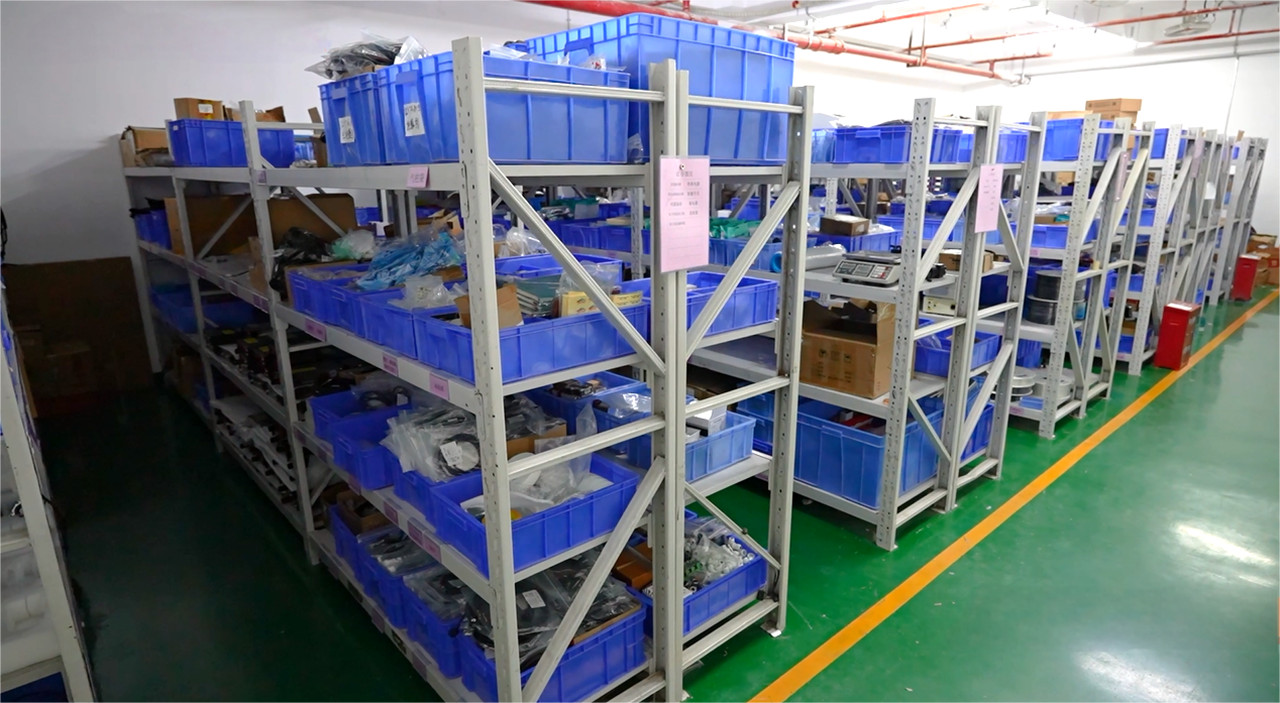
Equipped with multi-axis CNC machines, cleanroom testing chambers, and professional QA teams, our assembly and machining facility ensures every fluid component conforms to strict performance tolerances.
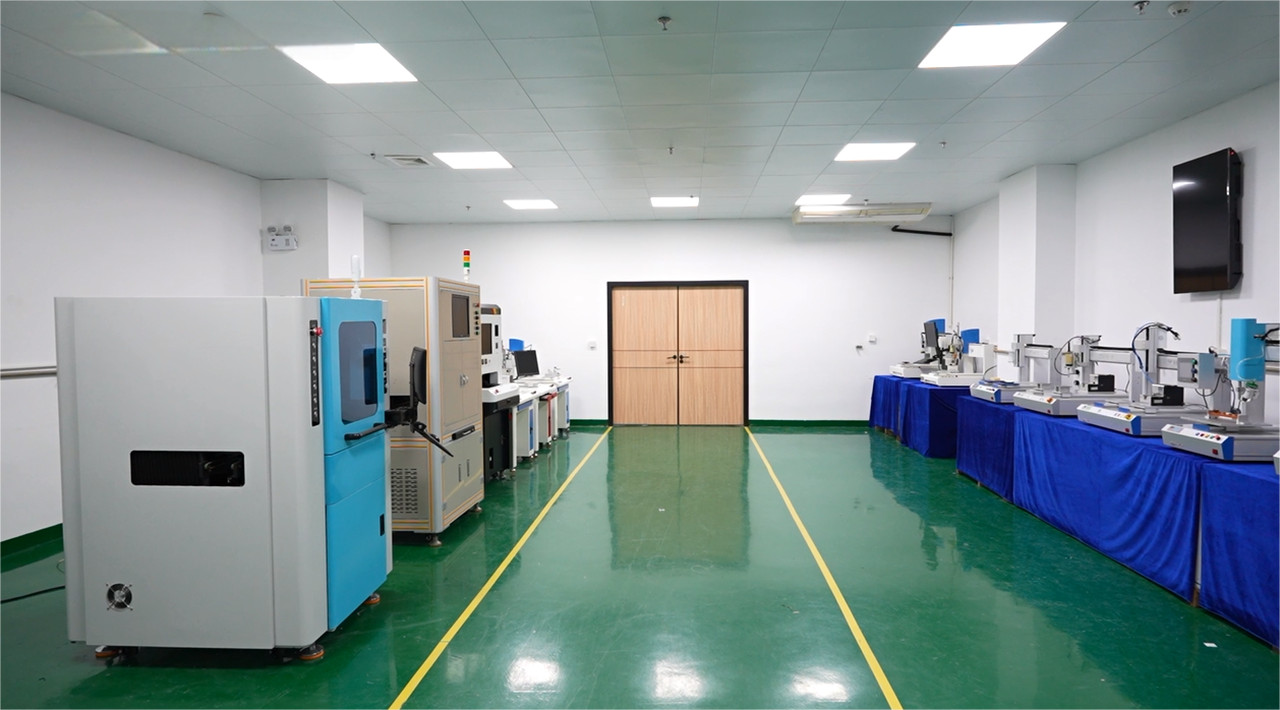
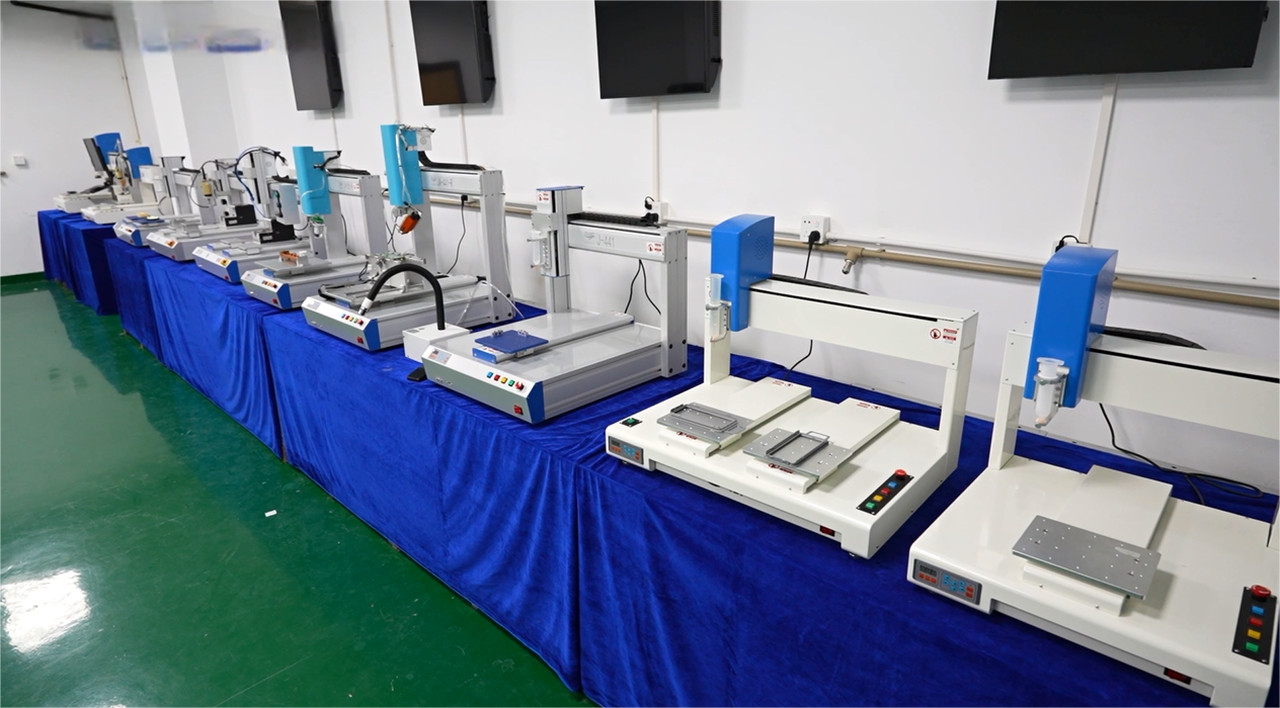
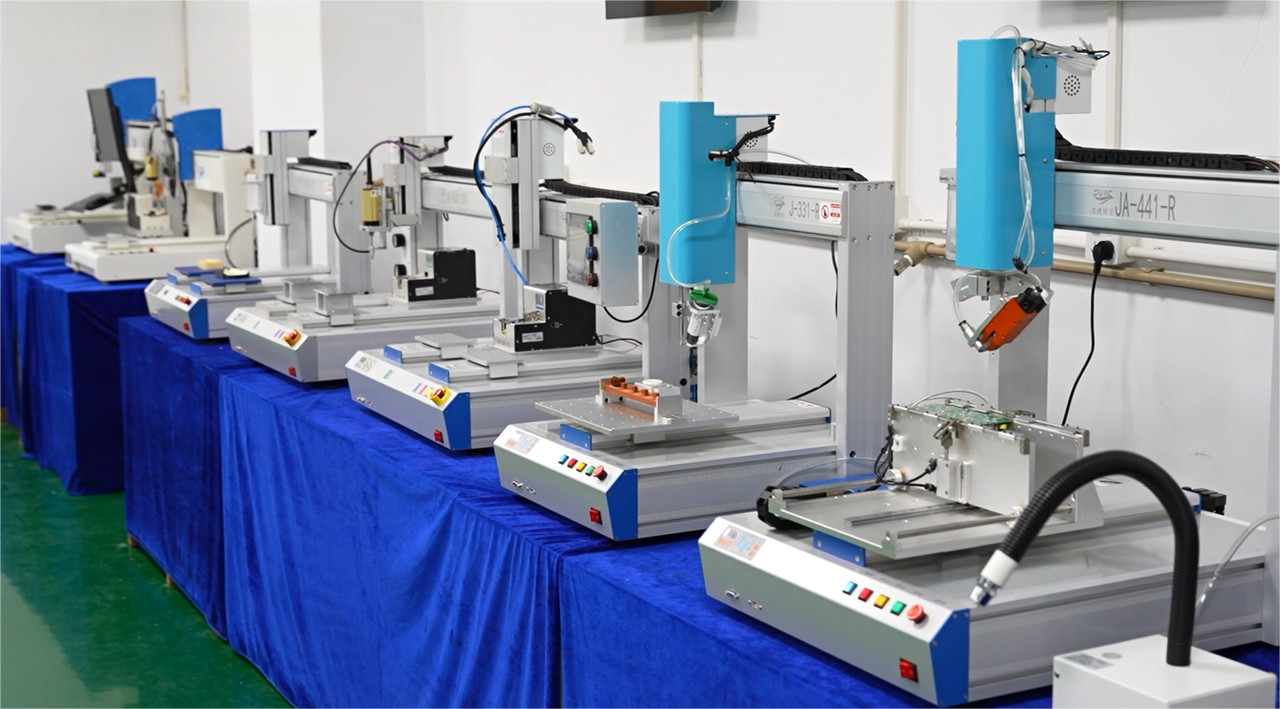
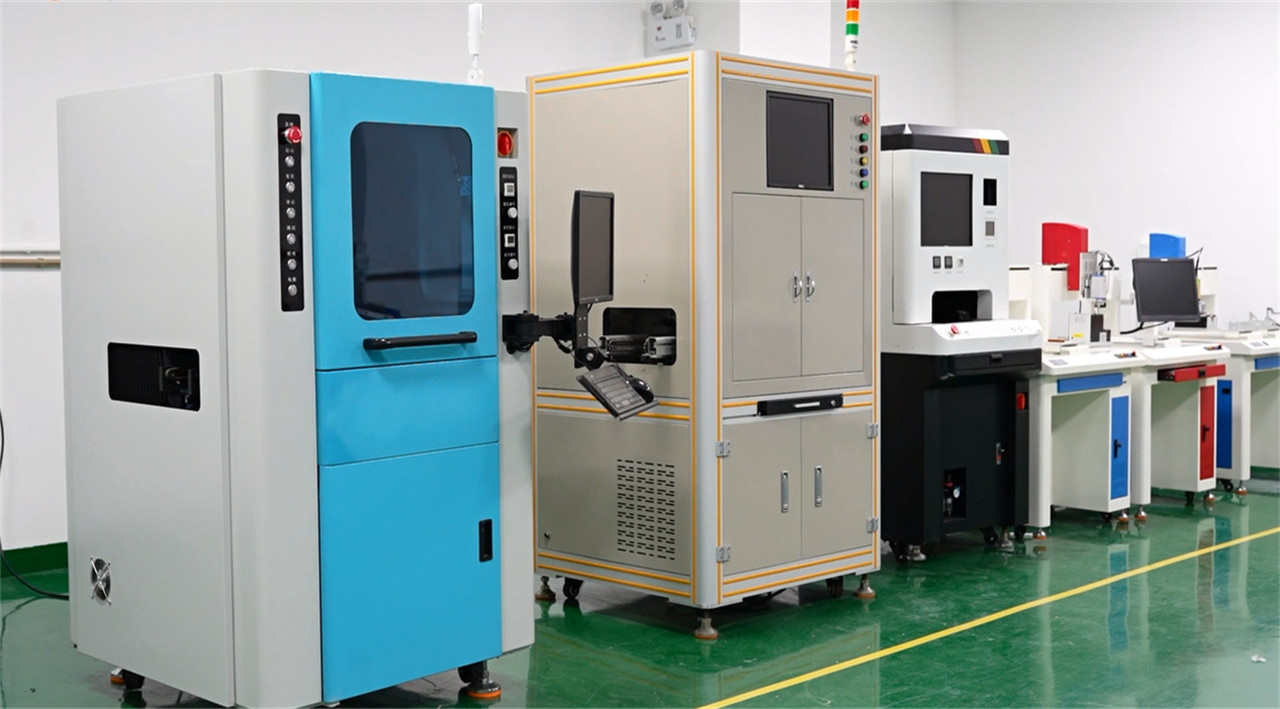
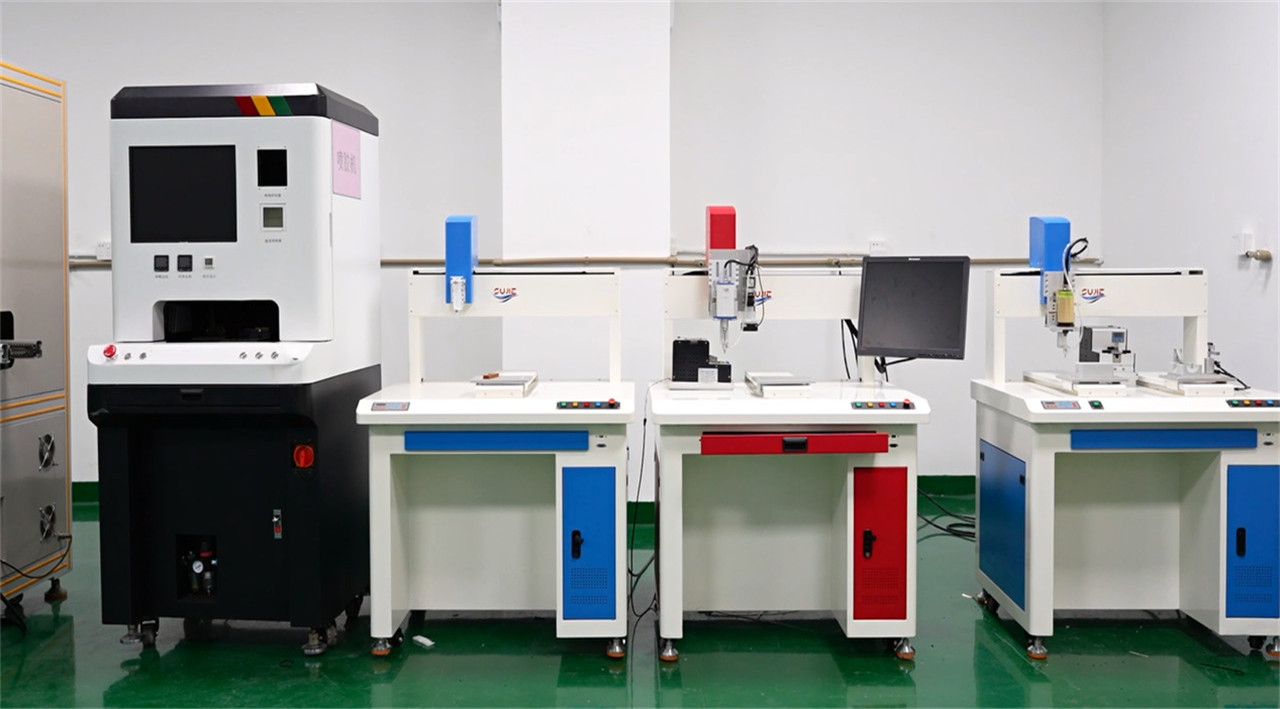
Anyco is actively steering its research towards the development of smart, self-monitoring fluid systems. The future of fluid dispensing lies in the intersection of real-time control, IoT analytics, and eco-friendly curing methods.
Future iterations of our solenoid controllers will output real-time duty cycle analytics, air pressure feedback, and operating temperature profiles to smart factory MES systems, allowing preventive maintenance before component wear triggers line stops.
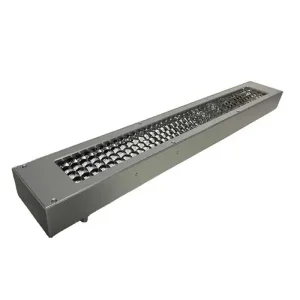
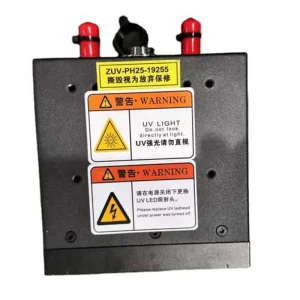
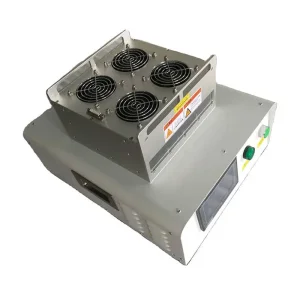
By upgrading our water-cooled and air-cooled UV light sources (365nm and 395nm wavelengths) to high-output LED matrices, we minimize heat damage to sensitive circuits while reducing power draw up to 40% compared to mercury lamps.
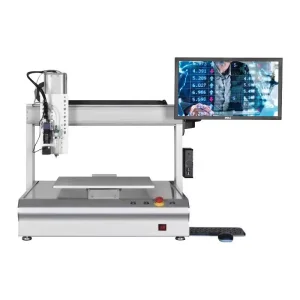
Integrating edge-AI computing onto our vision-guided dispensing platforms (like the SXR-300EDV) ensures the pathing system updates its position on-the-fly, compensating for board warping, shrinkage, or rotation variations in microsecond timescales.
For international procurements, regional regulatory compliance is vital. Anyco provides localized shipping compliance, raw material safety declarations, and custom integration documentation. We comply with RoHS directives prohibiting hazardous substances in electrical equipment and ensure all curing equipment meets CE standards. Our export distribution channels have optimized supply paths to heavy industrial corridors in Central and North America (Mexico), Eastern Europe, Southeast Asia, and industrial hubs across India.
Here are answers to technical questions commonly asked by international integration engineers and industrial B2B procurement heads.
Browse our selection of heavy-duty curing enclosures, replacement jet valve accessories, and certified UV ovens built to complete high-precision assembly processes.
 Anyco Automation