 Anyco Automation
White Paper: Engineering Evolution of OEM Heating Actuator Valves
In modern HVAC systems, hydronic regulation networks, and automated fluid distribution processes, the OEM Heating Actuator Valve stands as a critical interface components. Driven by a global transition toward energy conservation, decarbonization, and smart building management, the requirement for highly reliable, thermally responsive valve actuator configurations has seen monumental growth. These devices, primarily using either electrothermal wax element expansion or advanced electromagnetic/piezoelectric control designs, operate as the mechanical hands of automated thermostats, PLCs, and intelligent controllers.
From an architectural standpoint, an electrothermal actuator responds to voltage inputs (typically 24V AC/DC or 230V AC) by activating an internal PTC (Positive Temperature Coefficient) resistor. As this heating element warms up, the thermal wax inside an elastic cartridge expands, generating a physical linear thrust. This thrust overcomes a robust return spring to open or close the valve seat. Understanding this complex thermal-mechanical cycle is paramount for engineers looking to integrate OEM components into underfloor heating manifolds, radiative cooling systems, or custom industrial processes where fluid viscosity and flow rate require continuous micro-adjustments.
Global Commercial and Industrial Landscapes
The demand landscape for heating actuator valves is geographically diverse yet unified by the strict standards of modern green energy directives. In the European Union, implementation of the Energy Performance of Buildings Directive (EPBD) has forced commercial building operators to employ hydronic zoning technologies, directly driving demand for individual loop thermal actuators. Concurrently, in high-growth industrial zones across Asia-Pacific and Latin America, automated zoning systems are increasingly integrated into commercial spaces, smart logistics centers, and advanced manufacturing cleanrooms.
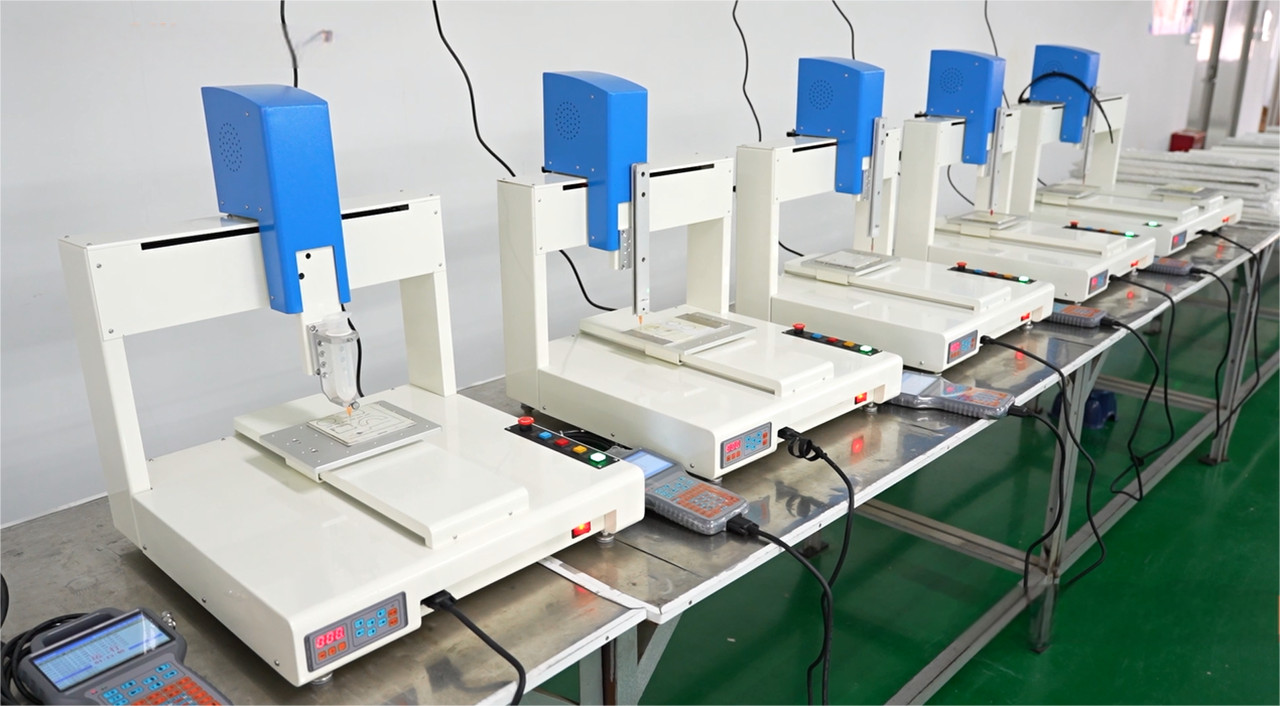
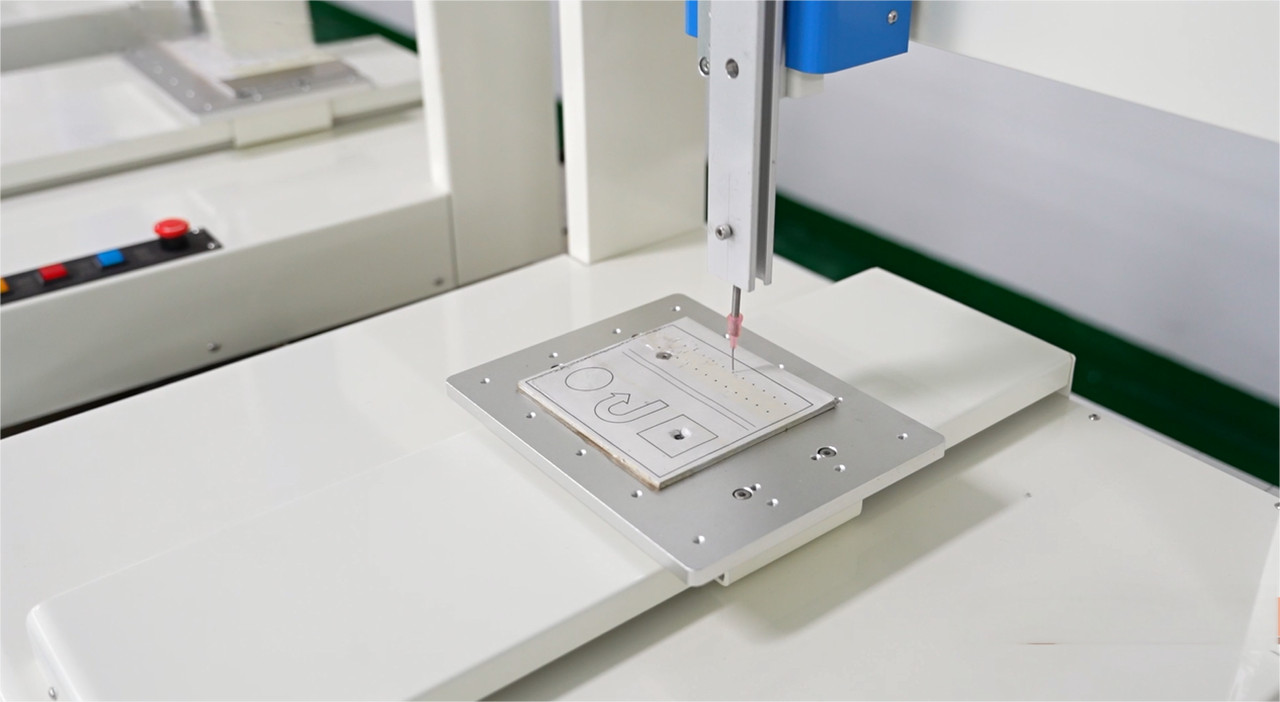
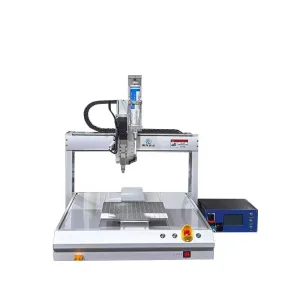
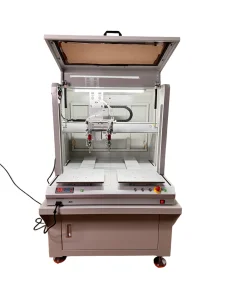
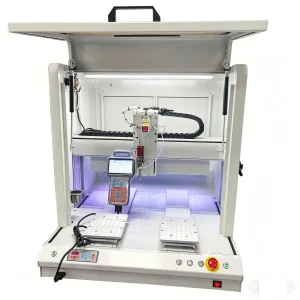
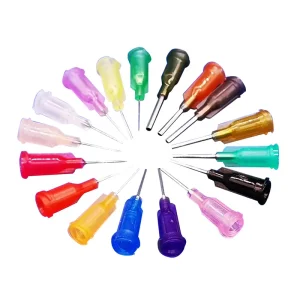
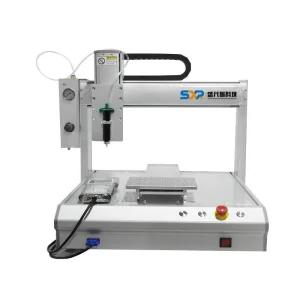
Furthermore, the industrial automation segment is experiencing a convergence between traditional hydronic actuators and high-speed precision liquid valves. In processes requiring thermal stabilization—such as conformal coating, underfill dispensing, and solder paste application—precise heating modules are wrapped around fluid dispensing heads. This ensures that the viscosity of the flowing adhesive remains stable regardless of environmental temperature fluctuations, bridging the gap between traditional room-temperature HVAC zoning and advanced automated fluid engineering.