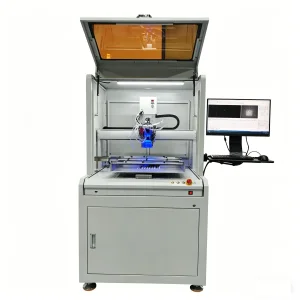
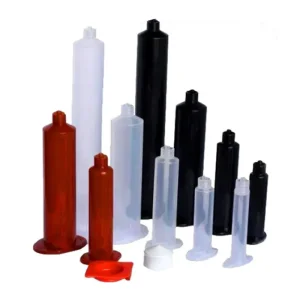
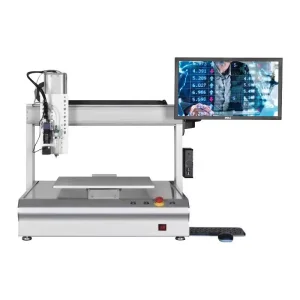
Industrial-grade automated dispensing components designed to deliver unparalleled accuracy, dynamic volume control, and continuous operating resilience.
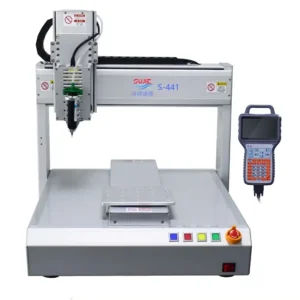
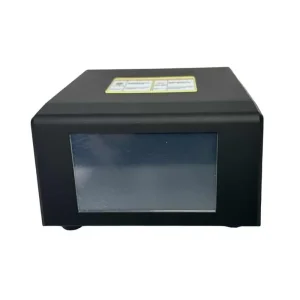
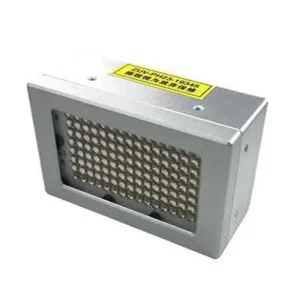
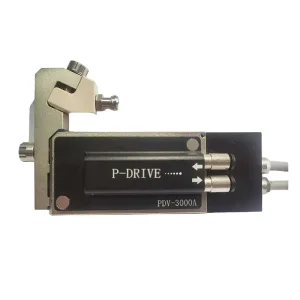
In high-accuracy industrial manufacturing, precision fluid management stands as a key differentiator. The Solenoid Operated Directional Valve is a foundational element in automated assemblies, regulating the directional movement of fluid or pneumatic media with rapid execution, reliability, and precision. This whitepaper examines the core engineering, manufacturing integration, and supply chain logistics required for sourcing these systems globally.
"As micro-electronics assembly and automotive components decrease in footprint, the demand for fast, repeatable, and clean shut-off cycles highlights the necessity of integration between directional control solenoids and advanced dispensing equipment."
Modern industrial automation requires valves that transition beyond basic mechanical operations. The current roadmap focuses on integration with intelligent feedback systems, smart proportional actuation, and materials capable of withstand corrosive or abrasive fluids.
Conventional solenoid directional systems operate in binary states (open/closed). The transition toward *proportional response mechanics* allows design engineers to vary spool positions in real-time, matching flow volume and velocity dynamically to process demands. Integration of feedback loop electronics (such as linear displacement sensors and thermistors) enables real-time adjustments for thermal expansion and pressure differentials.
On the micro-dispensing scale, standard solenoid valves have supported the deployment of piezoelectric and high-frequency jetting systems. As dispensing limits drop below microliter thresholds, micro-solenoid pilots must toggle under-seat pressures with microsecond response rates. The engineering focus has centered on reducing spool weight, optimizing return-spring tension, and utilizing high-flux-density magnetic coils to prevent thermal build-up and mechanical degradation over millions of cycles.
Industrial applications present unique demands on fluid control components. Our engineering approach matches specific valves to their functional requirements, optimizing line throughput, fluid dynamics, and maintenance intervals:
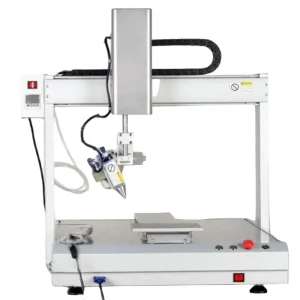
By pairing high-reliability directional valves with downstream equipment like screw-drive dispensers, static mixing chambers, or vision-guided gantry systems, production lines achieve improved process capability indices (Cpk).
Developing robust, smart, and precise fluid control units for demanding operating environments.
Integrated microchips track cycle counts, operating temperature, and coil resistance, allowing for predictive maintenance scheduling before line stoppages occur.
Using pulse-width modulation (PWM) control circuits to lower hold current post-actuation, reducing coil heat output by up to 50% and protecting delicate fluids.
Internal spools and sleeves are coated with Diamond-Like Carbon (DLC) or titanium carbonitride (TiCN), supporting longevity even when processing abrasive media.
Founded in 2013, Shenzhen Anyco Automation Equipment Co., Ltd. is a national high-tech enterprise integrating research and development, manufacturing, sales, and after-sales support for automated fluid control systems and accessories. We serve as a one-stop factory for precision dispensing components and equipment customization.
With corporate headquarters situated in Guanlan, Shenzhen, and our primary production facilities located in Huizhou, our combined footprint spans more than 2,000 square meters. Our position in the manufacturing corridor allows us to efficiently manage supply chains, access premium raw materials, and export high-quality equipment worldwide.
Pioneering with a portfolio of proprietary technologies and core intellectual property, Anyco delivers high-speed, high-precision intelligent manufacturing solutions for the home appliance, consumer electronics, and automotive electronics sectors. Users are satisfied with the advancement, reliability and flexibility of Anyco's equipment.

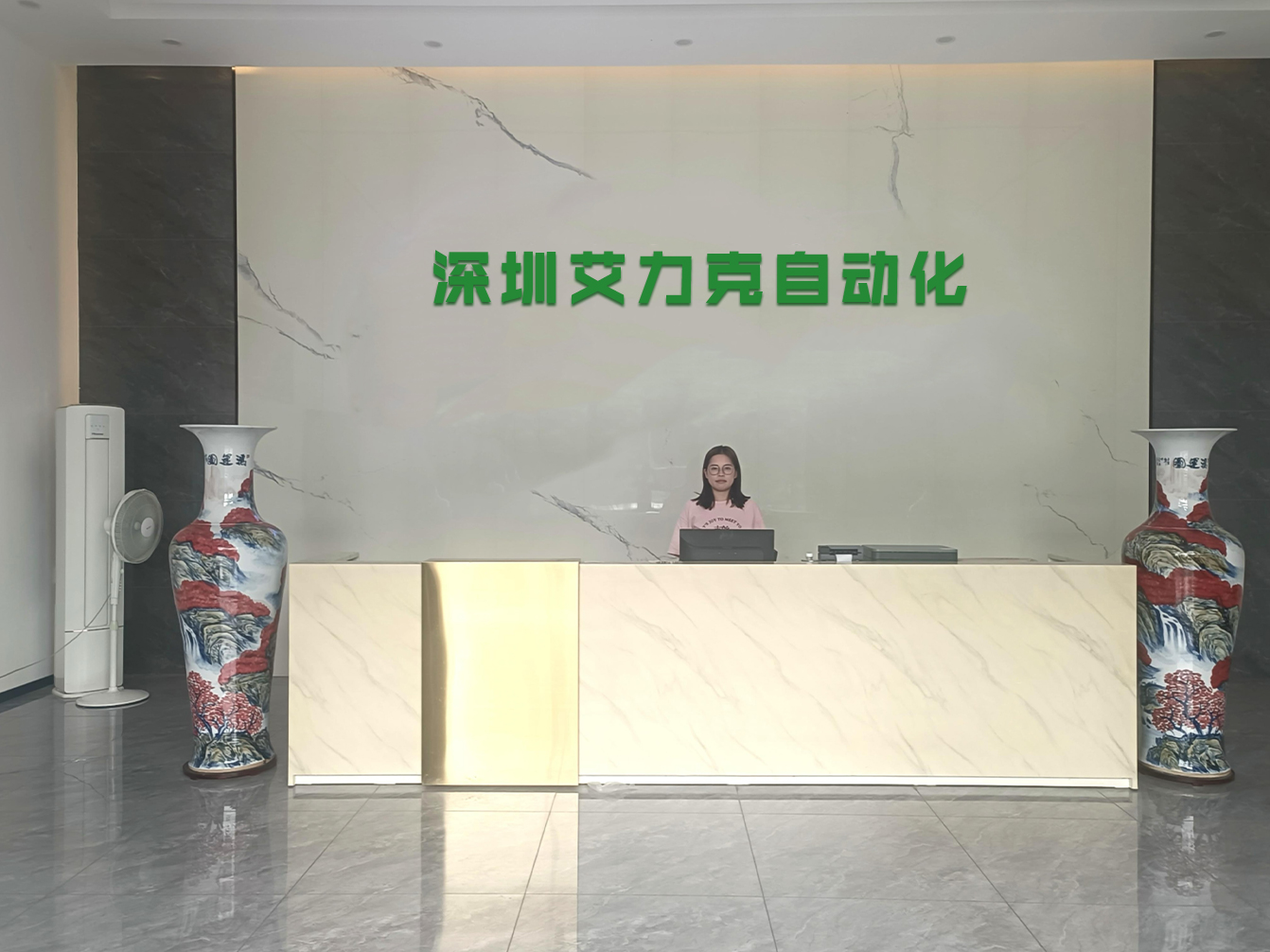
Our main markets span Southeast Asia, India, Vietnam, Thailand, North America (Mexico), Africa (Morocco), and other emerging manufacturing hubs. We have earned a strong market presence and reputation in Southeast Asia by providing high-quality solutions at competitive prices.
Our products focus on high-volume distribution of precision industrial dispensing injection valve accessories, industrial dispensing systems, and consumable supplies. Positioned in the medium-to-high-end segment, we offer one-on-one custom engineering services to meet our clients' exact specifications.
Whether you require specific coil voltages, customized mounting patterns, unique body materials like PEEK or stainless steel, or integration with high-speed gantry robots, Anyco delivers tailored solutions to match your production goals.
Why international procurement teams trust Anyco for critical production lines.
Specialized fluid control and automated dispensing systems optimized for electronics, assembly lines, and industrial machinery.
A global developer and supplier of high-speed piezoelectric jetting valves, offering micro-dispensing accuracy.
Designed for the 3C (computers, communications, consumer electronics) market, smartphone assembly, and solder paste jetting.
Direct communication with engineering teams to provide post-sales support and installation guidance.
Inside our production facilities: from automated CNC machining centers to clean-room testing of valves.
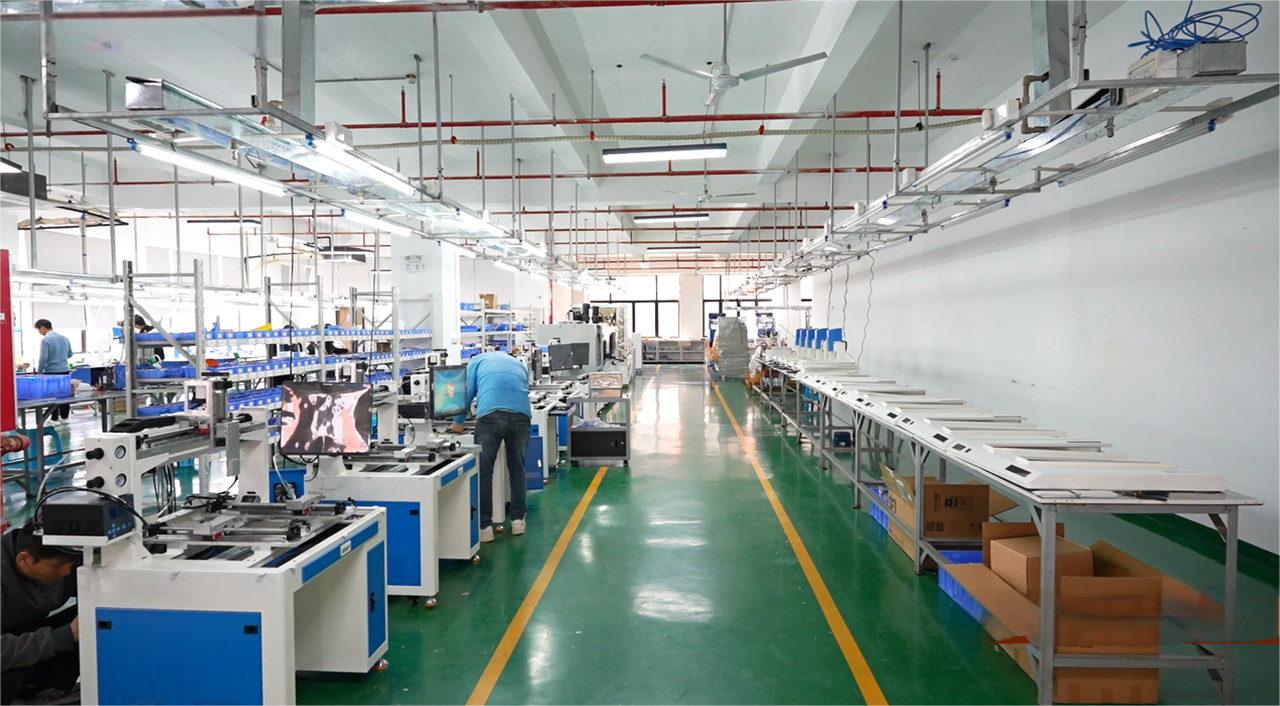
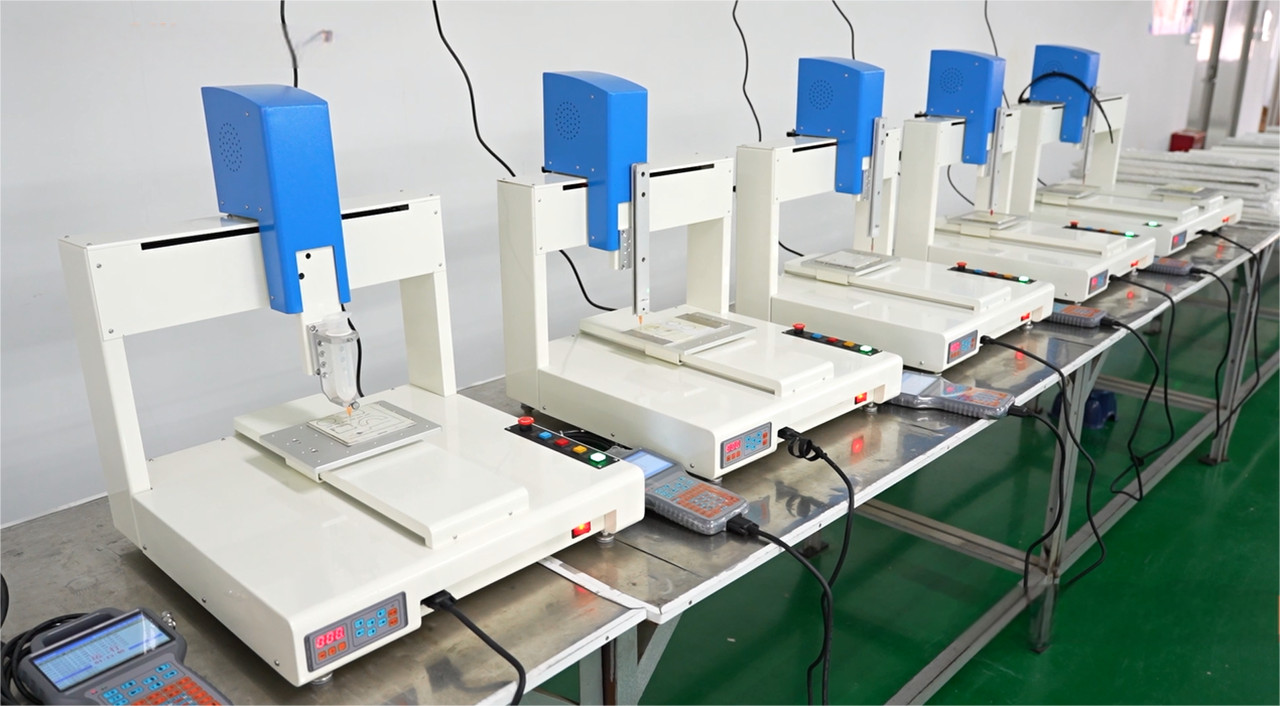
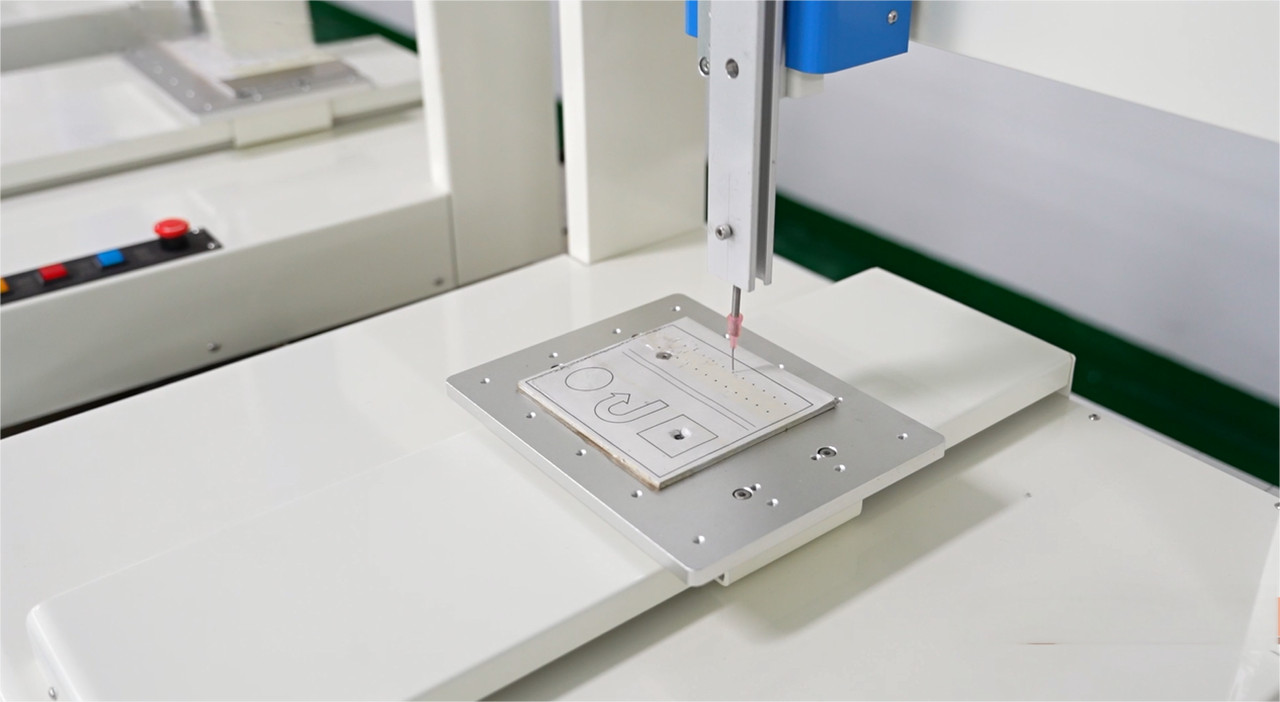
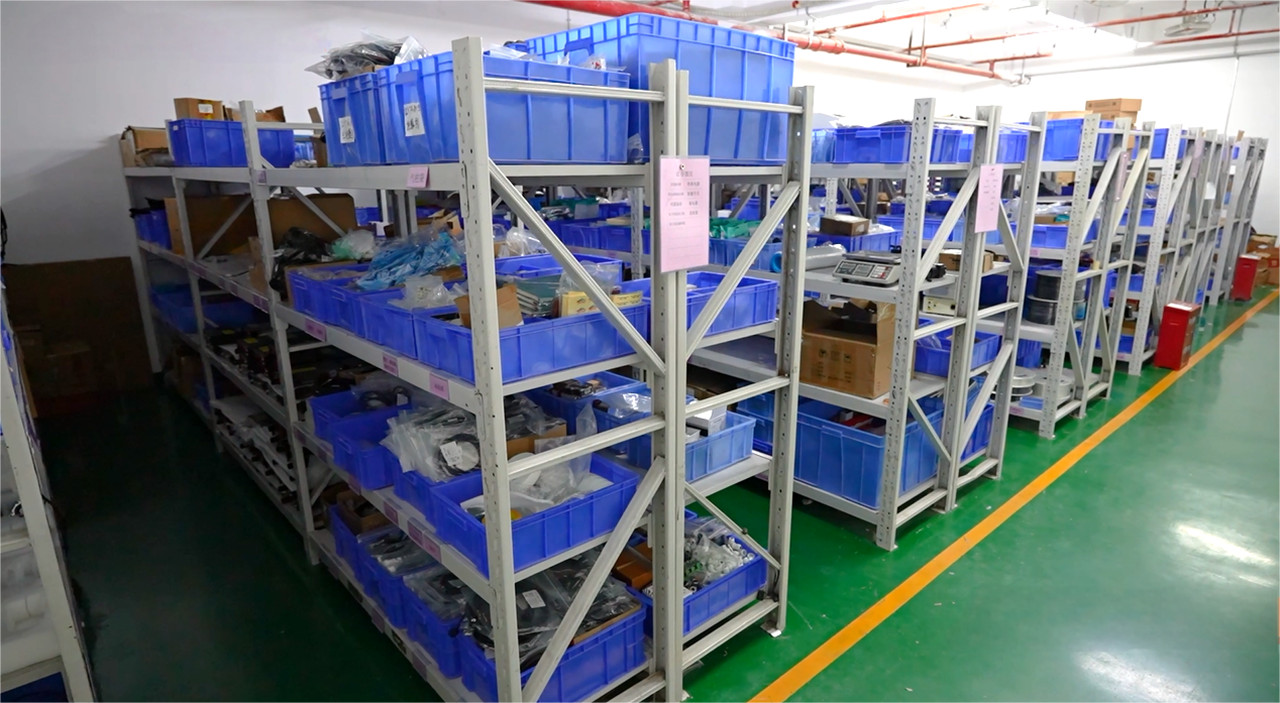
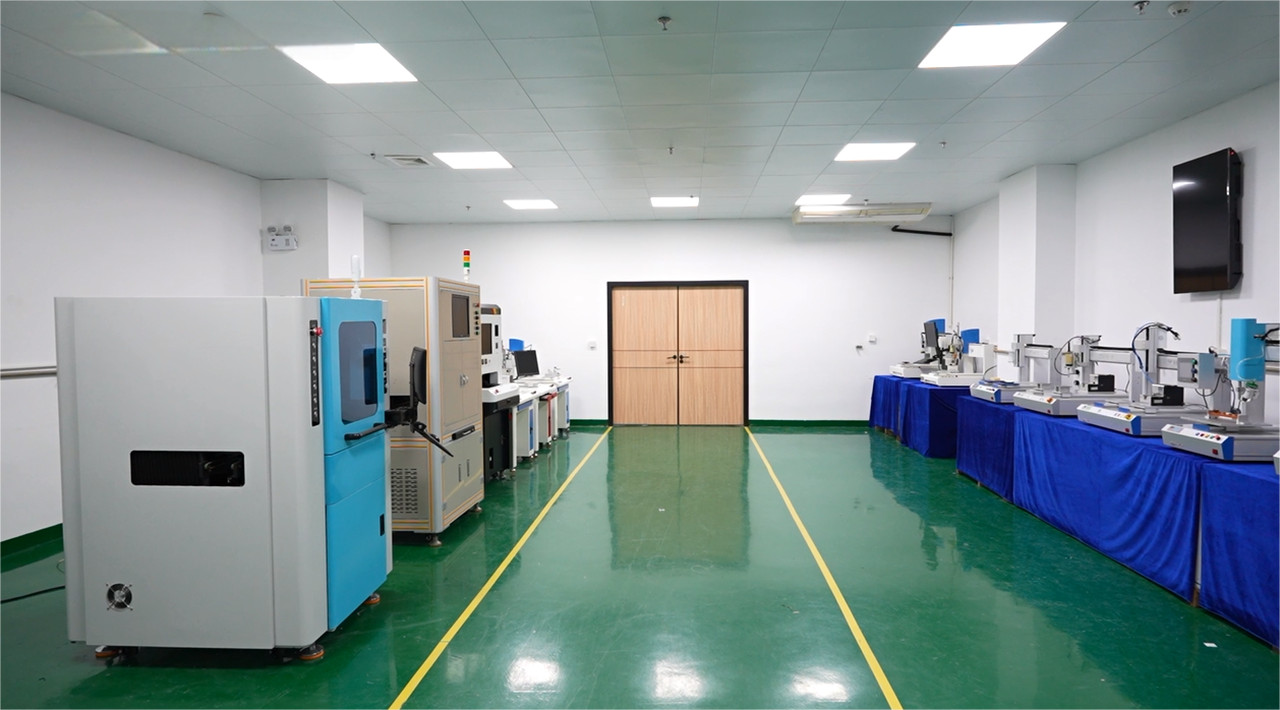
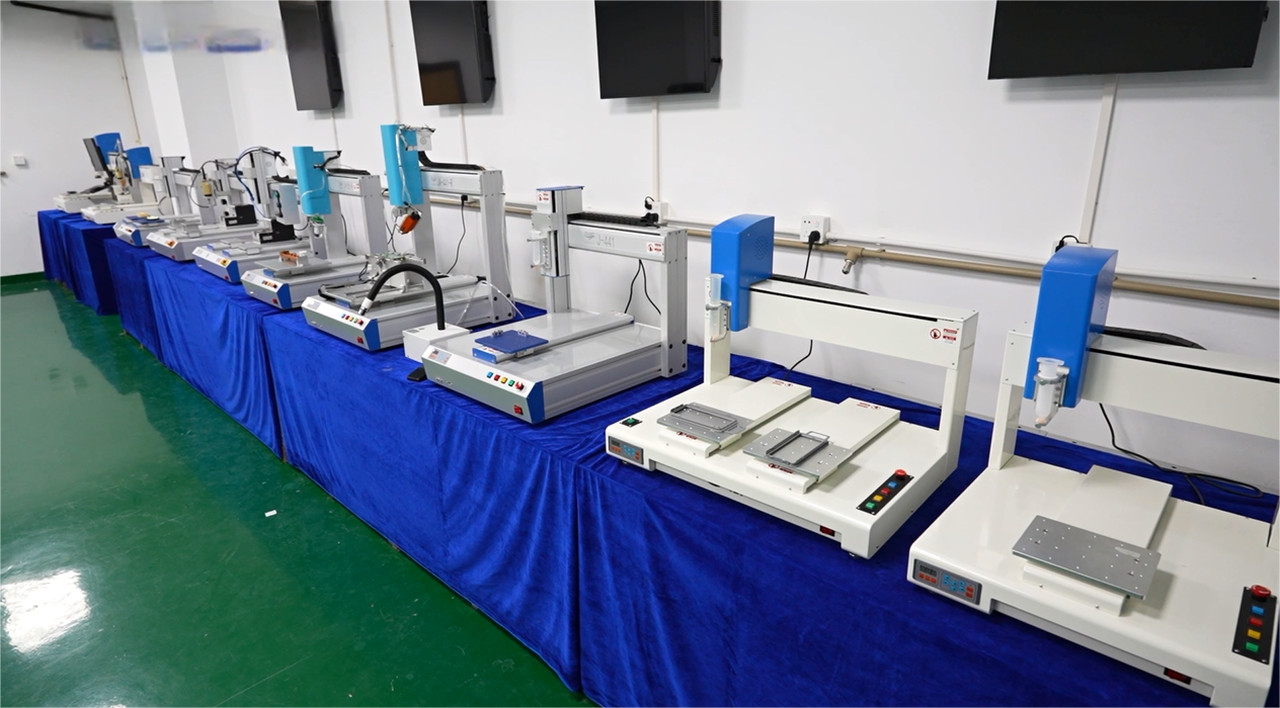
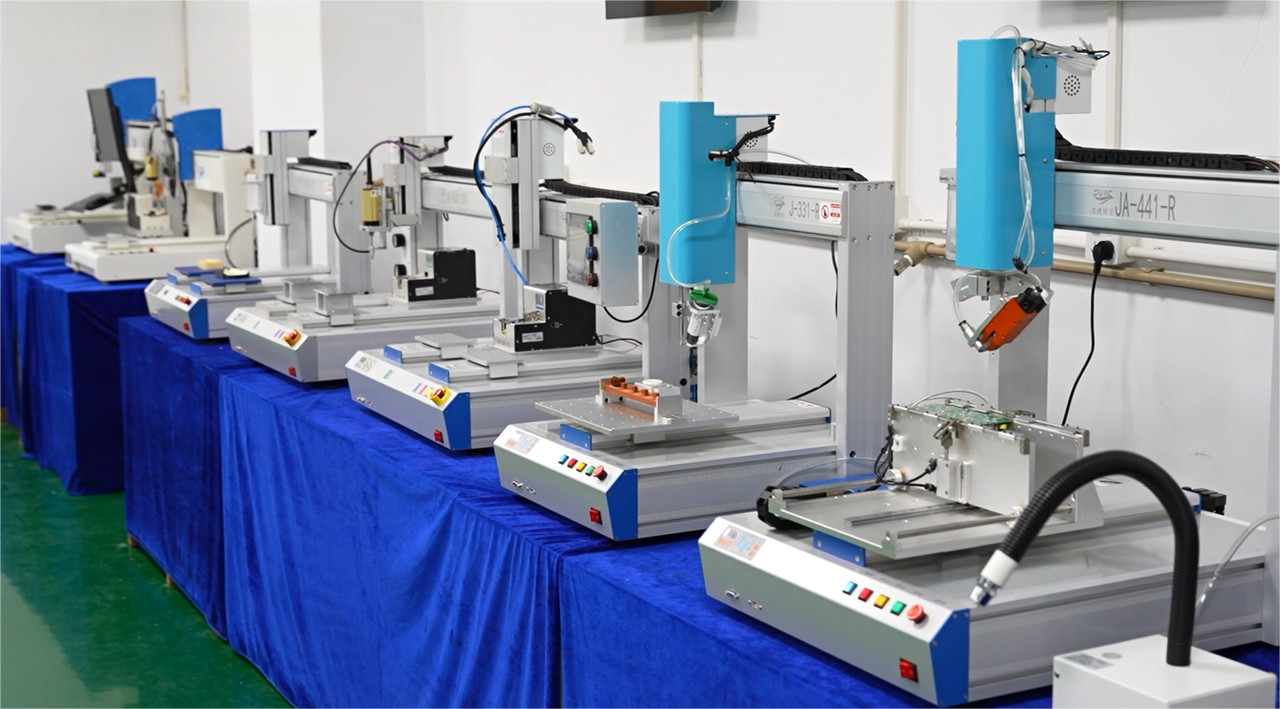
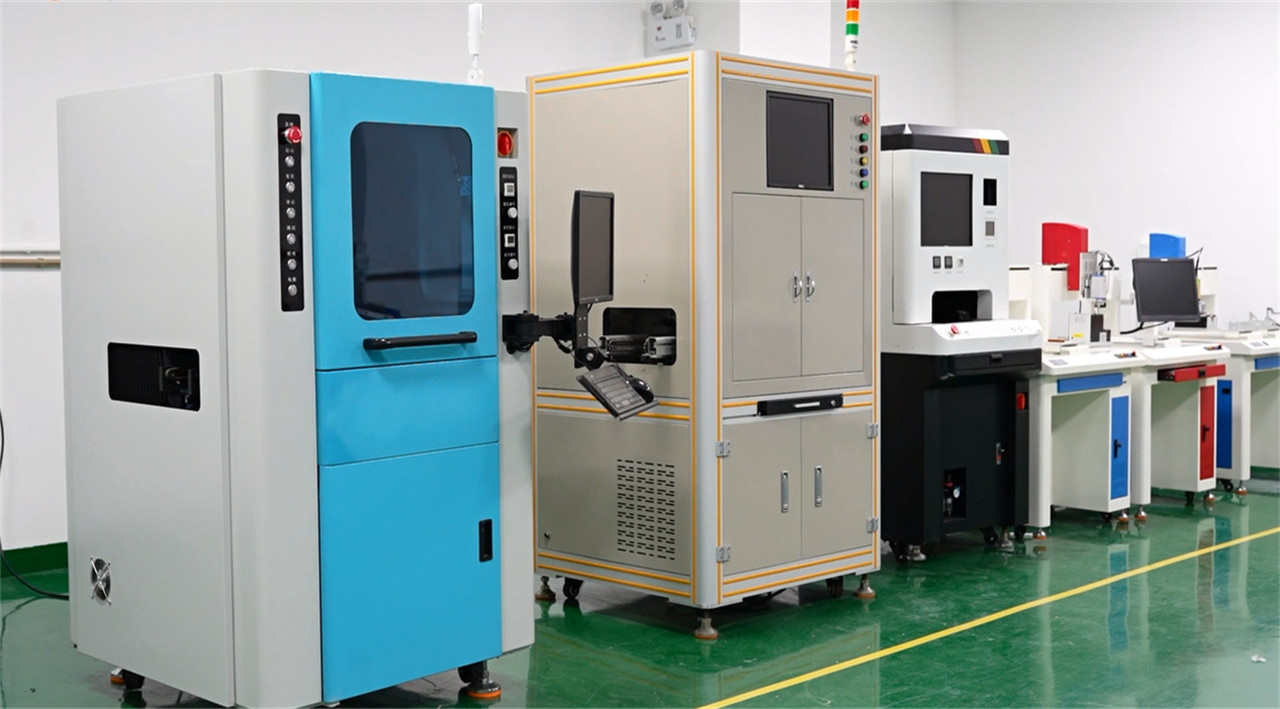
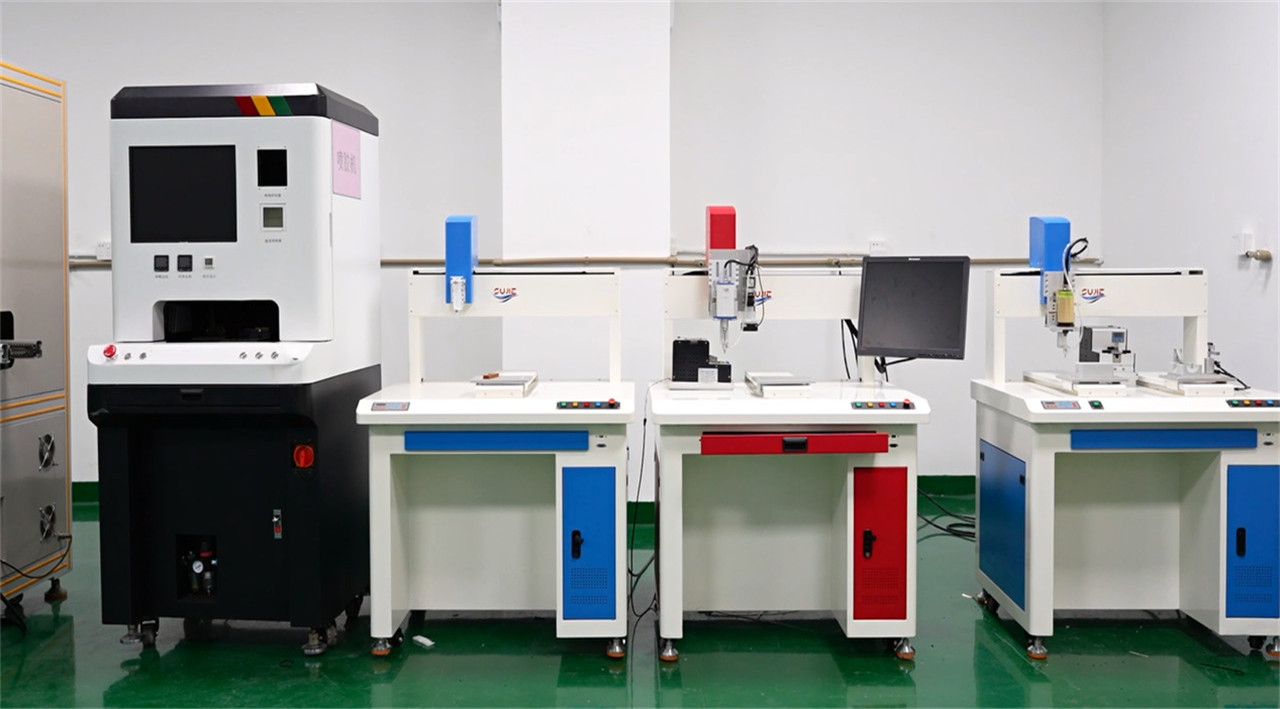
Operating a production center within Guangdong's manufacturing region enables Anyco to implement modern manufacturing methods. Our production strategy addresses two core requirements: maintaining structural component quality and ensuring stable supply delivery.
We source raw bar stock, including aerospace-grade aluminum, SUS316L stainless steel, and specialized engineering plastics (like Torlon and PEEK), from certified suppliers. Our manufacturing processes utilize automated machining, coordinate measuring machine (CMM) verification, and testing procedures to ensure that finished spools, valve bodies, and manifolds meet designed specifications.
Our Huizhou facility is structured to mitigate supply disruptions. By maintaining safety stocks of critical components—such as micro-solenoids, precision springs, fluororubber seals, and custom wiring harnesses—we support consistent production timelines. This helps reduce lead times for custom runs, assisting global procurement managers in keeping projects on schedule.
Procuring mechanical and fluid control systems from international suppliers can present challenges regarding total cost of ownership (TCO), quality consistency, and cross-border logistics. At Anyco, we address these concerns through structured project management:
Before starting a production run, our design team provides 3D CAD modeling, material certification documentation, and performance simulation data to verify the design against operational parameters.
Every batch undergoes testing for operational pressure limits, leakage rates, and electrical resistance. These results are recorded for quality tracking and compliance verification.
By streamlining import-export compliance, providing transparent logistics tracking, and supplying proper documentation (including HS code classification, certificates of origin, and custom declarations), we minimize shipping delays. This ensures our products reach clients in North America, Southeast Asia, and Europe on time.
Industrial components must meet international regulatory standards to ensure plant safety, environmental protection, and compatibility with wider machinery designs. Anyco's products conform to global manufacturing baselines, including CE safety requirements and RoHS compliance for restricted substances in electronics assembly.
We understand that installing fluid control valves requires on-the-ground support. Anyco has established technical support partnerships and service nodes in regional manufacturing hubs, including Vietnam, Thailand, India, Mexico, and Morocco. Our network provides access to troubleshooting, replacement parts, and engineering consultation to help minimize line downtime and maintain production throughput.
Answers to common engineering and procurement questions regarding fluid control valves and micro-dispensing equipment.
The response time is determined by coil electrical inductance, the mass of the moving armature/spool, the return spring force, and the operating voltage. Higher flux-density coils combined with light, wear-resistant spools enable response times under 5 milliseconds in high-frequency applications.
High-viscosity fluids (such as solder pastes or silicone rubbers) introduce drag, requiring larger actuator forces to shift spools or poppets. In these applications, direct-acting or high-force pilot systems are preferred to ensure positive shut-off and prevent dripping or tailing.
Yes, for chemically aggressive fluids we construct the wetted parts from inert materials like SUS316L stainless steel, PEEK, and PTFE. Seals are matched to the specific chemistry using Viton, EPDM, or FFKM (Kalrez) to prevent swelling and degradation.
Piezoelectric valves use crystal deformation to actuate the fluid needle, achieving operating frequencies up to 1000 Hz and dispensing micro-dots down to sub-nanoliter scales. This is suitable for high-density electronic boards where standard pneumatic solenoid speeds are insufficient.
Yes, we provide one-on-one customization. We design and manufacture custom manifolds, sub-plates, and mechanical adapters to fit existing machine geometries, ensuring swap-in compatibility without modifying main structures.
Continuous solenoid activation generates heat, which can affect heat-sensitive fluids. We use pulse-width modulated (PWM) driver circuits to drop the hold current once shifted, and offer liquid-cooled or heatsink-mounted valve designs to maintain stable process temperatures.
We supply full documentation packages including Certificates of Conformance, material test reports, CE compliance documentation, detailed CAD drawings, and custom clearing documents to ensure smooth transit through global ports.
We maintain stocks of standard wear items (such as spools, seal kits, needles, and coils) at our factory and regional partner locations. We offer fast shipping on replacement parts and provide online engineering assistance for troubleshooting and installation.
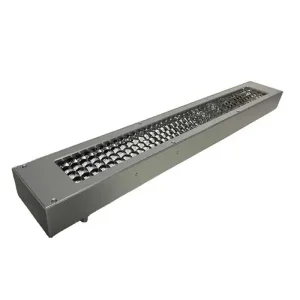
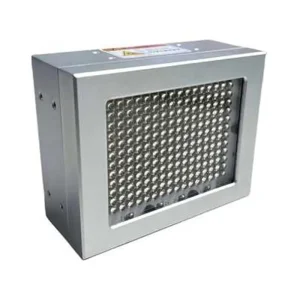
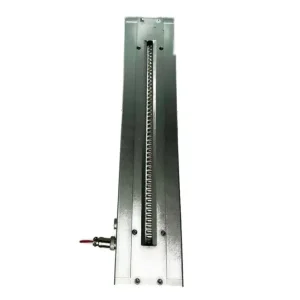
Explore our secondary lineup of specialized automated fluid dispensers, UV curing units, and precision syringe assemblies.
 Anyco Automation