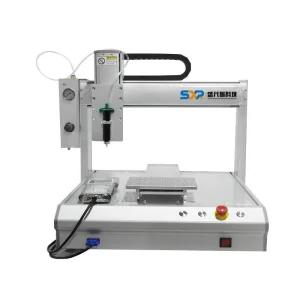
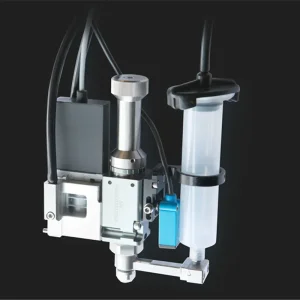
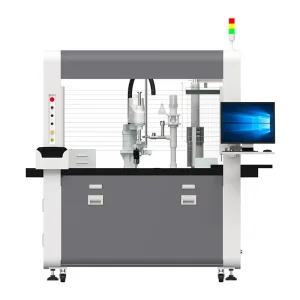
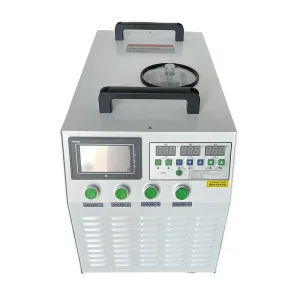
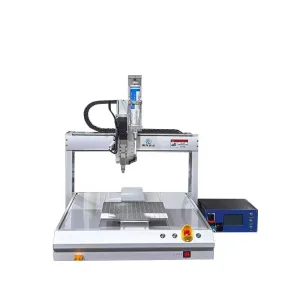
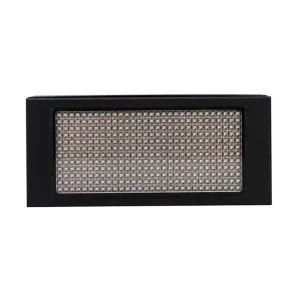
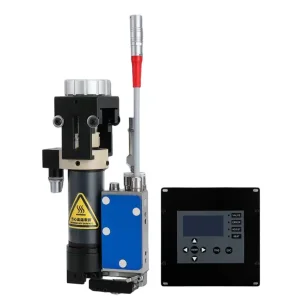
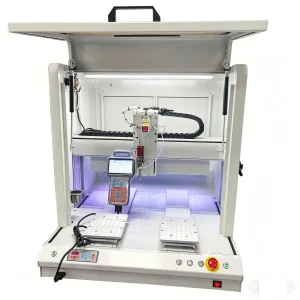
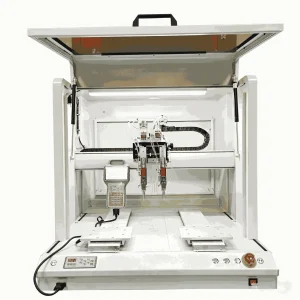
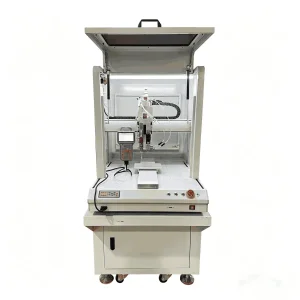
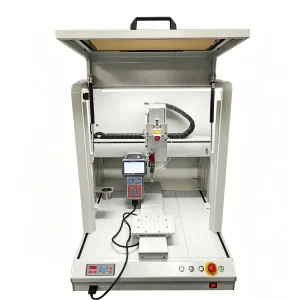
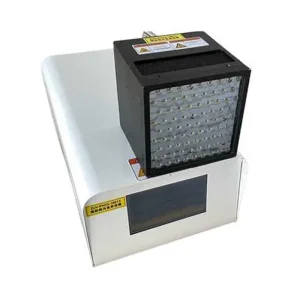
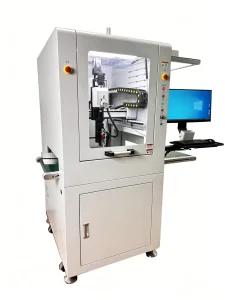
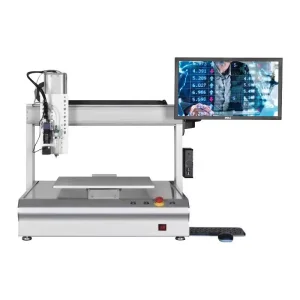
Explore our premium segment of high-precision fluid control machines, UV light systems, and specialized industrial valve solutions engineered to meet rigorous cleanroom and high-throughput production requirements.
Thermoelectric actuators, commonly referred to as thermal electro-actuators or wax motor actuators, constitute the core mechanical regulators in contemporary hydronic heating, smart HVAC manifold systems, zone valves, and complex automation architectures. By converting electrical input into linear physical stroke movements through the thermal expansion and contraction cycles of specialized industrial wax elements, these components provide silent, precise, and highly reliable control without the wear-and-tear vulnerabilities inherent to traditional gear-driven motor counterparts.
For engineering leads and global distribution partners, selecting a wholesale thermoelectric actuator manufacturer requires a technical grasp of the actuation parameters, mechanical integration requirements, and material reliability properties. As automation technology advances towards IoT integration and smart building envelopes, these actuators must execute hundreds of thousands of cycles with minimal drift in timing, stroke depth, or actuation force.

Founded in 2013, Shenzhen Anyco Automation Equipment Co., Ltd. has established itself as a national high-tech enterprise at the forefront of automated fluid control systems and precision hardware components. Our headquarters, situated in the industrial innovation hub of Guanlan, Shenzhen, coupled with our dedicated modern manufacturing facility in Huizhou covering over 2,000 square meters, positions Anyco uniquely to serve as a one-stop factory for precision design, customized OEM/ODM engineering, and wholesale supply chains.
Equipped with a robust R&D infrastructure and a portfolio of proprietary technologies and core intellectual property, Anyco delivers high-speed, high-precision intelligent manufacturing solutions tailored for demanding markets in the home appliance, consumer electronics, and automotive electronics sectors. Our capabilities range from custom industrial dispensing machines to high-volume precision injection valves, ensuring that Anyco meets the rigid standards required by modern global supply lines.

We provide one-on-one custom design services to address unique spatial restrictions, voltage variations (24V, 110V, 230V), connector pin configurations, and environment-specific IP protection ratings.
Anyco's primary export routes include Southeast Asia, India, Vietnam, Thailand, North America (Mexico), and North Africa (Morocco), offering highly competitive pricing paired with internationally certified quality.
Our solutions feature high reliability and flexibility, verified by tier-1 brands in electronics and industrial automation who count on us for consistent delivery of complex fluid dynamics and actuation projects.
Global procurement specialists understand that sourcing thermoelectric actuators or fluid control elements from China is not simply about low manufacturing costs; it is an optimization strategy centered around supply chain depth, raw material accessibility, advanced testing equipment, and engineering agility. Here is why the Shenzhen-Huizhou corridor stands out globally:
The core expansion material inside thermoelectric actuators dictates their longevity and response timing. Chinese manufacturers partner with local advanced chemical institutions to procure high-purity thermal waxes that maintain physical expansion stability over 100,000+ open-and-close cycles.
Our Huizhou facility operates in close proximity to the world's most complete hardware suppliers, allowing us to source premium PTC (Positive Temperature Coefficient) thermistors, durable engineering plastic shells (such as fire-retardant polyamide/nylon PA66), and high-grade copper internal components with minimal lead times.
With CE certifications and automated quality systems, our assembly stages undergo pressure threshold tests, electric signal checks, and stroke-duration analysis. The transition from precision electronics to thermo-mechanical systems is carefully calculated and verified.
To successfully integrate thermoelectric actuators into HVAC manifolds or custom machinery pipelines, engineers must match the electrical parameters, thread configurations, and thermal latency windows of the hardware to their native systems. Below is a comprehensive guide to standard industrial parameters for thermoelectric actuators:
| Specification Parameter | Standard Baseline Value | Industrial Customization Range |
|---|---|---|
| Operating Voltage | 230V AC (50/60Hz) or 24V AC/DC | 12V DC, 110V AC, customized wiring options |
| Power Consumption | 1.8W - 2.0W (Continuous) | Ultra-low consumption variants (under 1.2W) |
| Stroke Length | 3.0mm to 4.5mm | Extended stroke profiles up to 6.5mm |
| Initial Current Draw | ~250mA (for 24V) to ~300mA (for 230V) | Customized soft-start circuitry available |
| Actuation Force | 90N - 110N | Heavy-duty applications up to 140N |
| Response Time (Cold to Hot) | 3 to 5 minutes | Fast-response systems down to 1.5 minutes |
| Ingress Protection Class | IP54 (dust and splash proof) | Up to IP65 configurations for damp installations |
| Valve Interface Thread | M30 x 1.5 mm | M28 x 1.5 mm, Crimp-type, and clip-on formats |
NC (Normally Closed) vs. NO (Normally Open): The baseline state of the valve when no electrical current flows through the internal PTC thermistor. Under NC settings, the wax remains unexpanded, and an internal spring holds the valve shut. Applying voltage heats the wax, forcing the plunger out to open the flow loop. NO actuators operate in the exact reverse configuration.
First-Open Function: For large-scale installations (such as underfloor heating manifolds), many wholesale units come with a manual mechanical latch that holds the valve open in a "first-open" state. This facilitates system testing, loop filling, and system purging prior to the final electrical commissioning process.
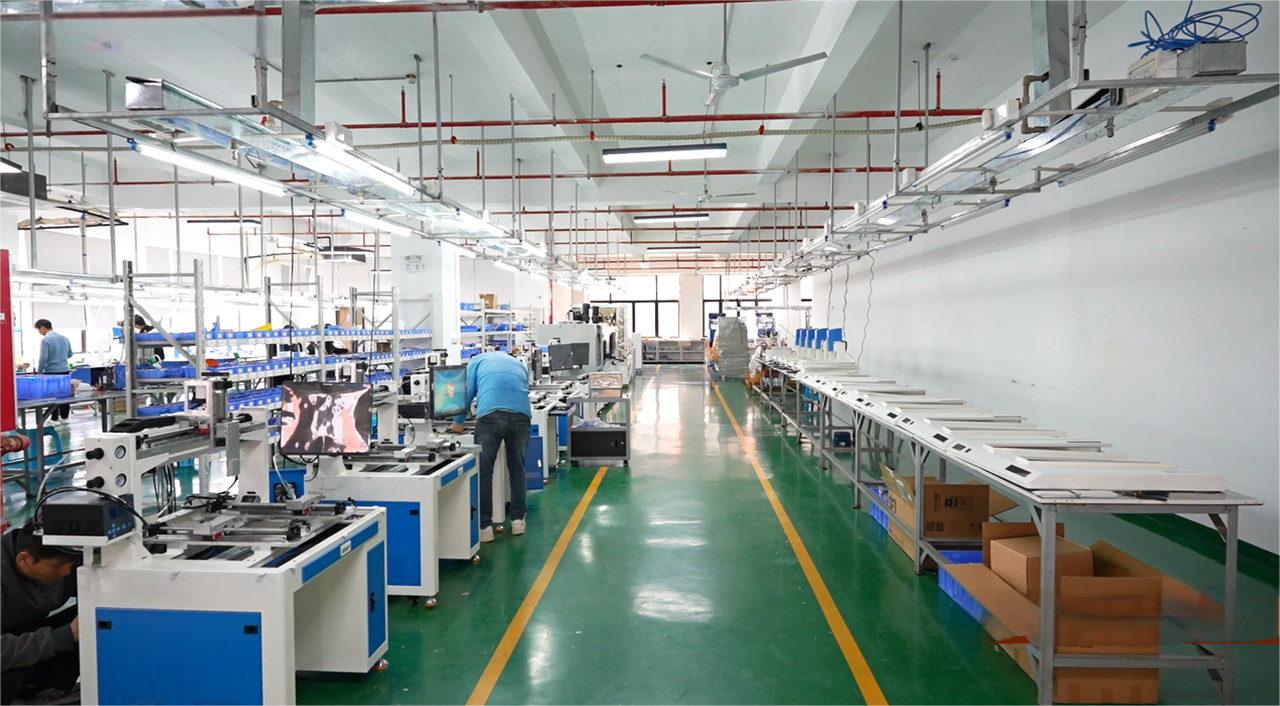
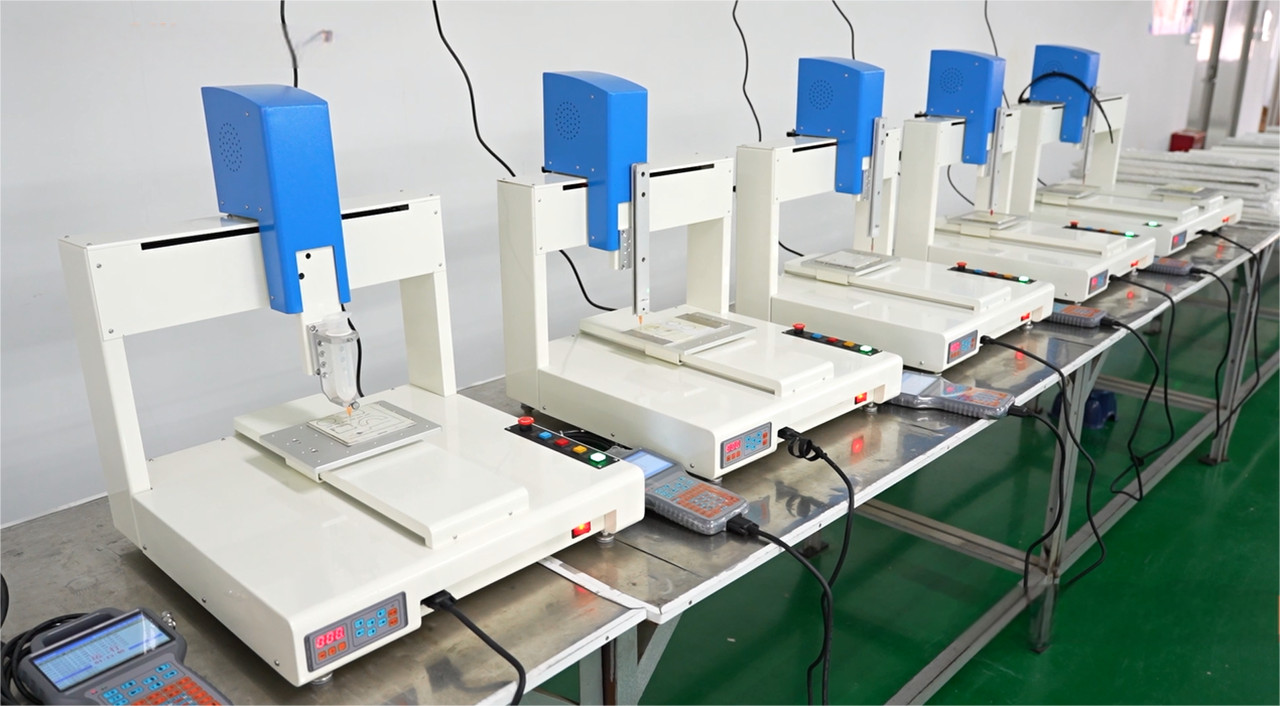
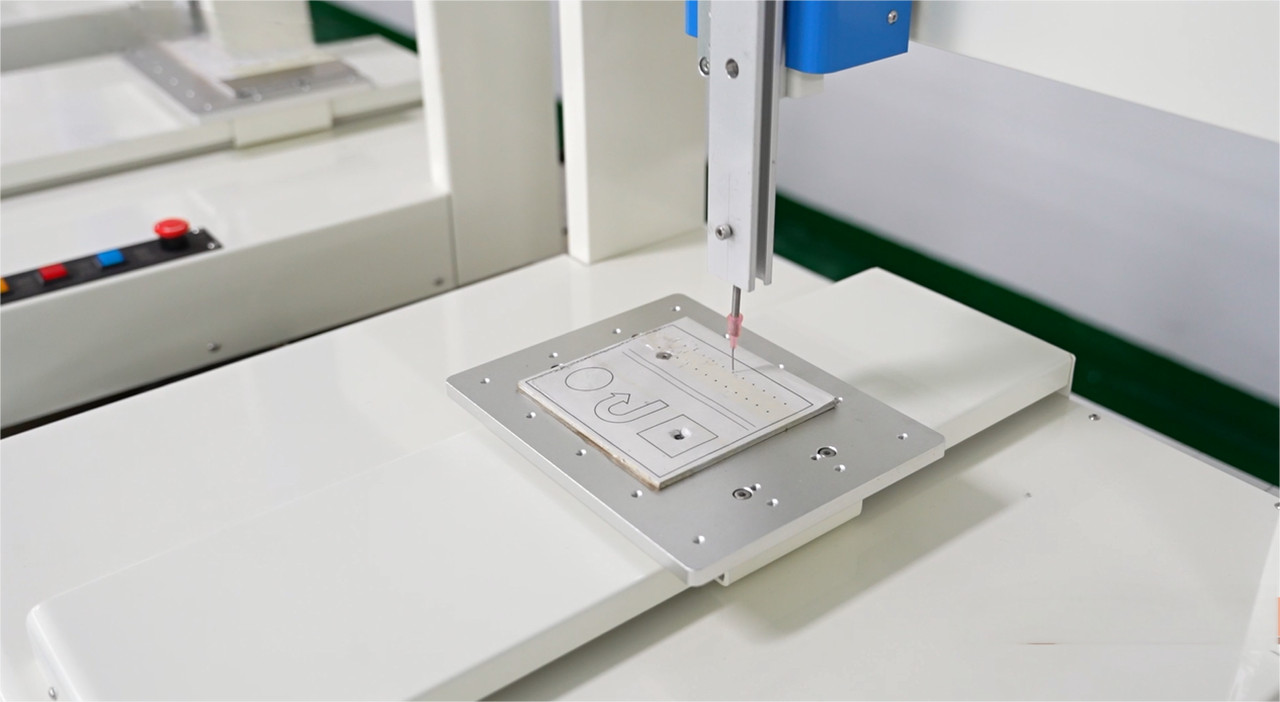
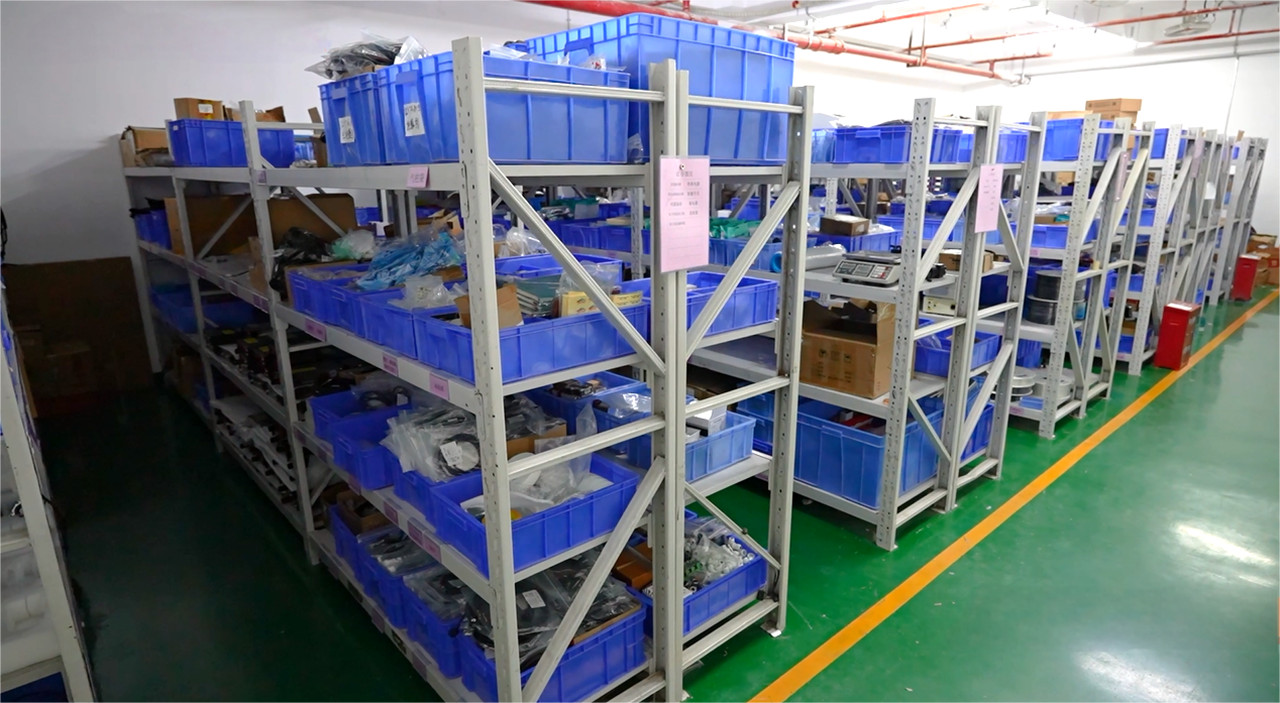
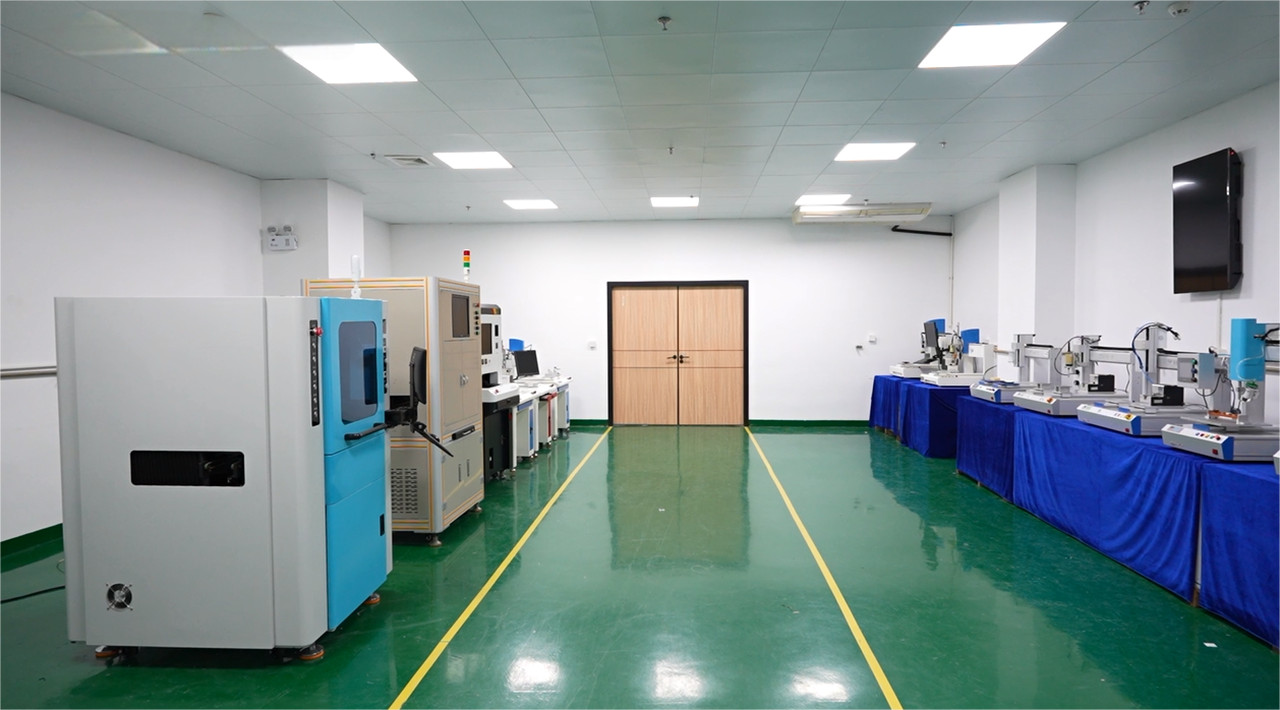
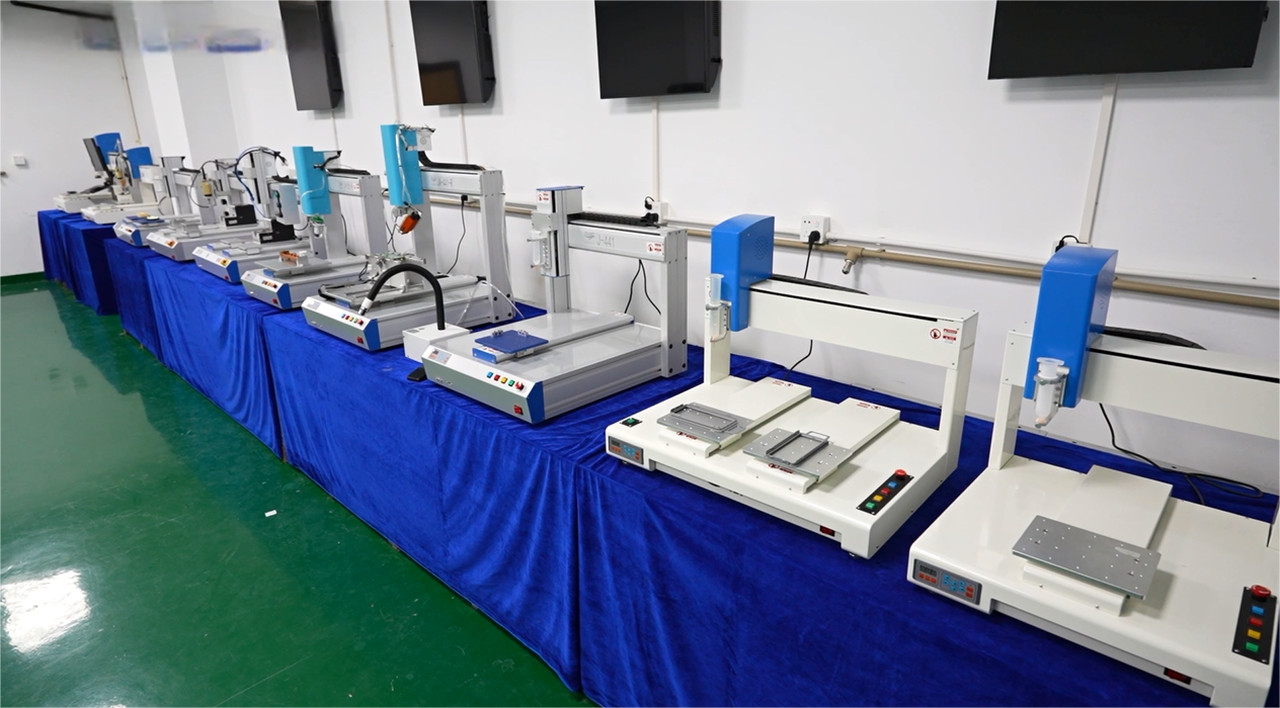
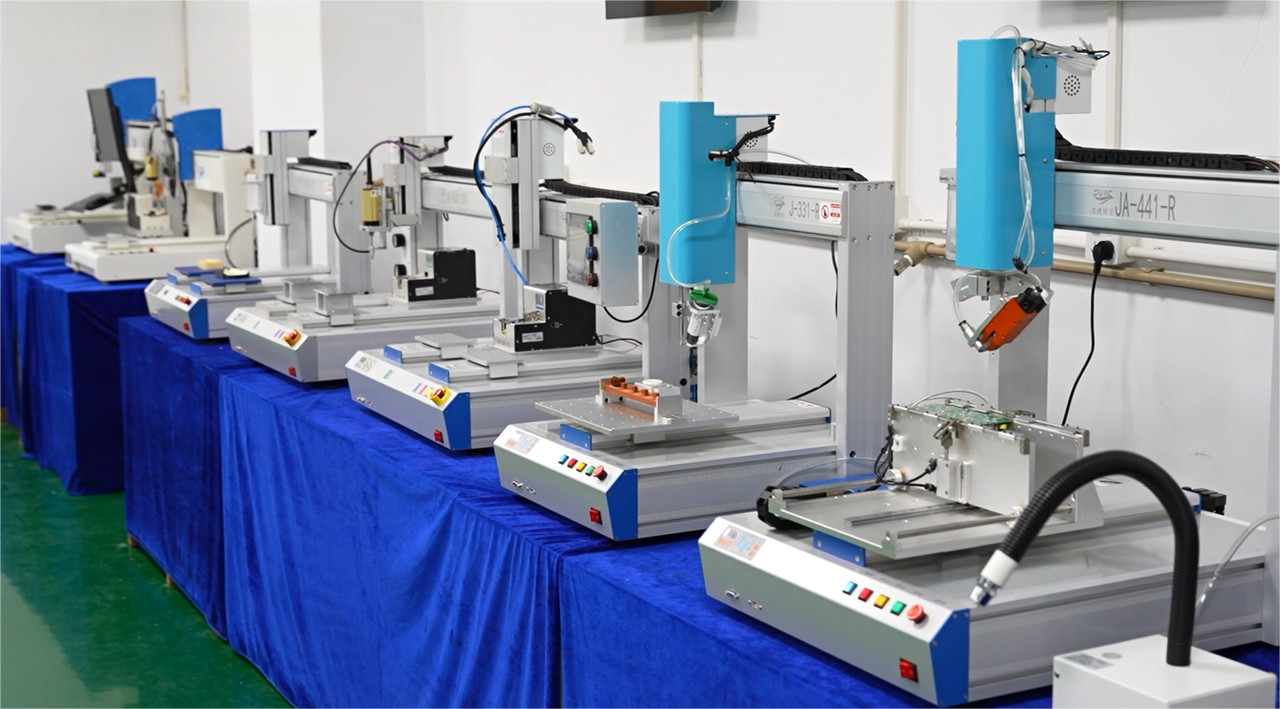
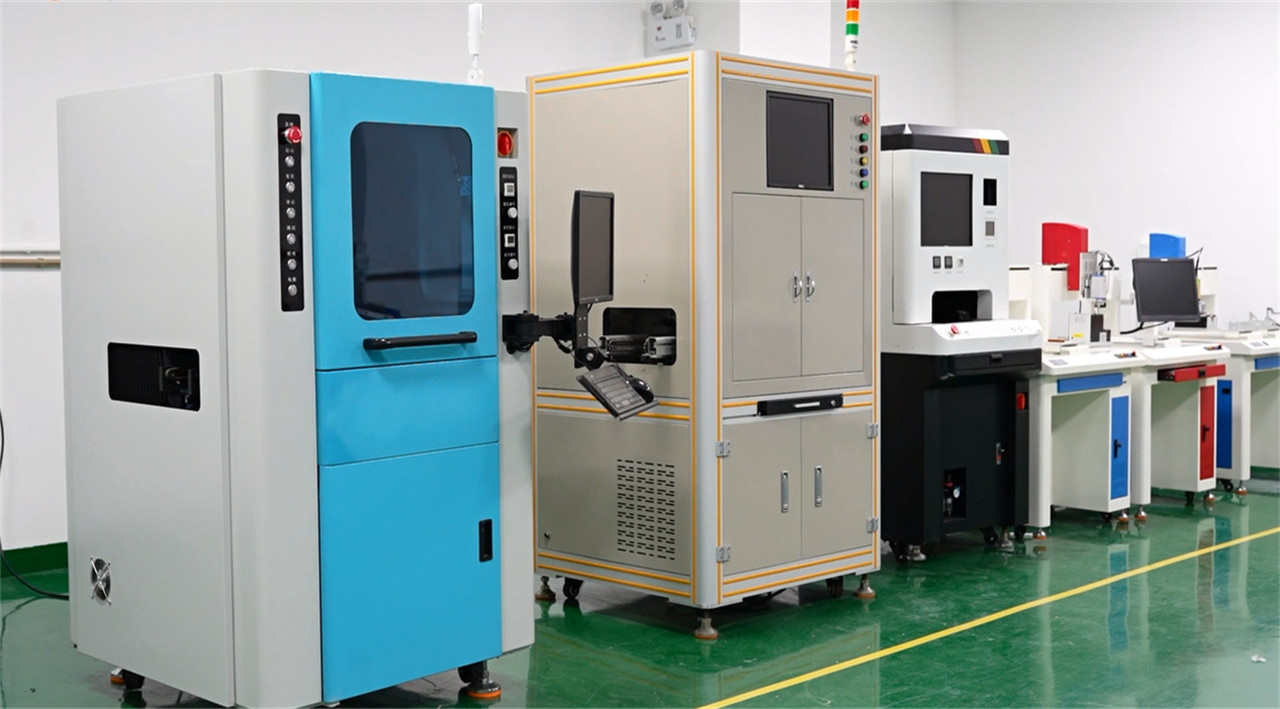
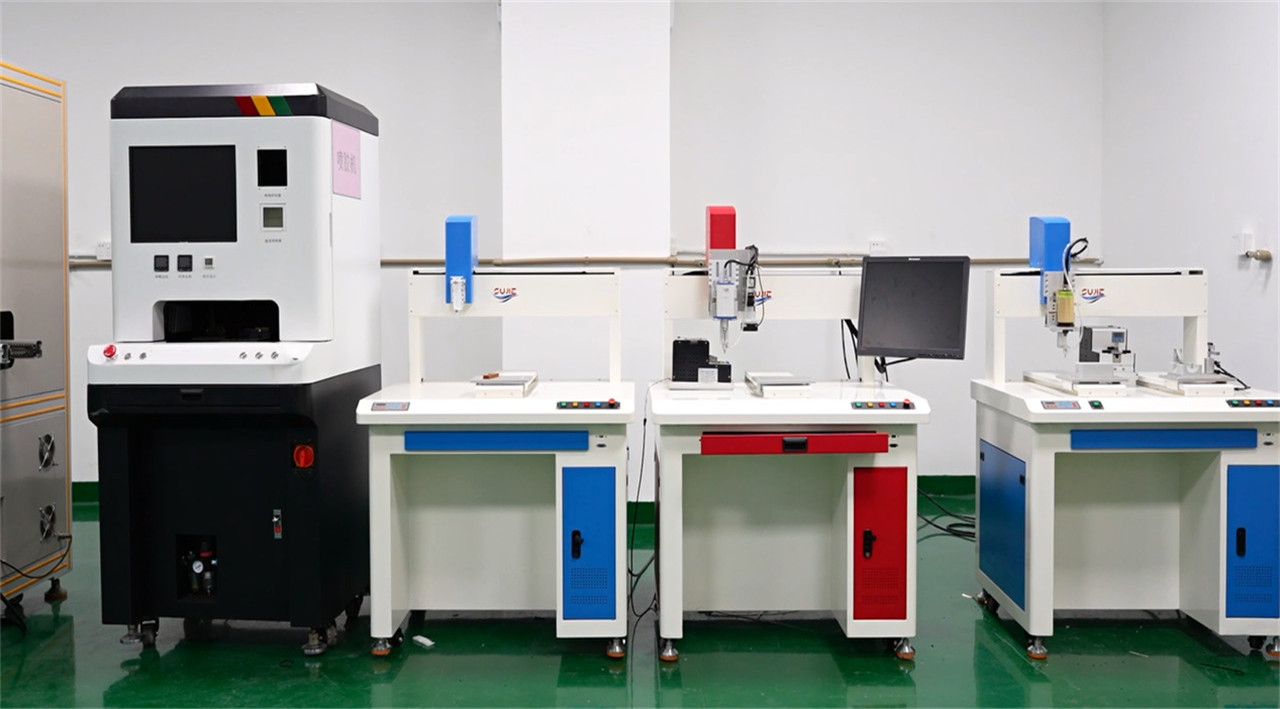
Take a closer look at our cleanrooms, machining centers, automatic test systems, and assembly lines. Our production adheres to advanced ERP tracking systems and strict quality inspection frameworks.
The heating, ventilation, and industrial control sectors are undergoing a massive transition driven by energy-efficiency directives, electrification, and intelligent IoT protocols. As dynamic temperature regulators, thermoelectric actuators are adapting rapidly to meet these shifting market requirements:
Modern building codes like the EU Energy Performance of Buildings Directive (EPBD) dictate minimal standby energy footprints. Next-gen actuators implement highly efficient internal heaters that drop standard operating draw from 2W down to 1W or less once the valve has fully transitioned.
Standard thermal actuators operate as binary ON/OFF devices. However, sophisticated zone heating systems increasingly demand modulating behavior (0-10V or PWM inputs) to finely dial in hydronic flow rates, preventing heating spikes and optimizing pump power consumption.
Integrating wireless sensors, smart thermostats, and home-automation central units requires thermal actuators that communicate over Zigbee, Z-Wave, or Modbus wirelines. This integration allows for predictive heating models based on weather forecasting and occupancy sensors.
Access authoritative answers to the most common engineering, purchasing, and design questions surrounding wholesale thermoelectric actuators and industrial fluid equipment.
Under standard operating conditions, a premium thermoelectric actuator designed with a high-grade PTC thermistor and high-purity wax expansion cell is expected to last for more than 100,000 to 120,000 full stroke cycles. This typically equates to 10 to 15 years of standard seasonal HVAC service.
Because these actuators rely on thermal expansion, very high ambient temperatures (above 60°C / 140°F) in tight enclosures can reduce the cooling rate, slowing down the valve retraction (closing) time. Our industrial enclosures feature strategic thermal venting options to counter this effect in confined spaces.
Yes, while M30x1.5mm is the global industry standard for the majority of manifold and radiator valves, we can manufacture alternative thread profiles (such as M28x1.5mm, click-on adapters, or custom brass inserts) to ensure plug-and-play compatibility with existing systems.
Anyco components are manufactured in compliance with international requirements. We offer CE certified equipment, RoHS compliant materials, and rigorous electrical insulation testing to satisfy safety regulations across European Union, North American, and Southeast Asian territories.
Standard prototype or custom engineering drawings can be prepared within 7 to 10 working days. Bulk production orders typically range between 20 to 30 days depending on component customization, testing specifications, and the shipping location from our Shenzhen or Huizhou hubs.
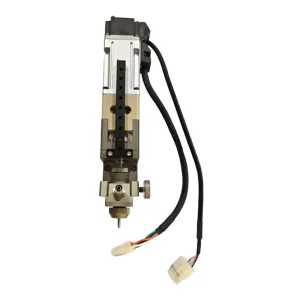
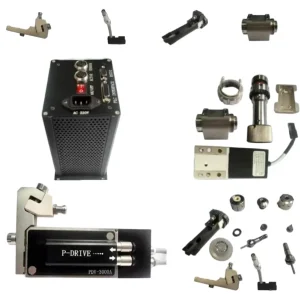
Our secondary line of industrial coating machines, advanced screw valves, and jetting mechanisms designed to interface seamlessly with complex automated fluid control lines.
Discuss your specific mechanical layouts, electric connections, or fluid dispensing needs with our experienced engineering leads. We provide free engineering reviews and high-volume wholesale estimates.
Submit Sourcing Specifications Anyco Automation