Leading-edge automated dispensing hardware matched with regulatory compliance and premium performance standards.
Whitepaper: How CE Certified High Conductivity Thermal Paste and Automated Dispensing Systems Optimize Thermal Budget & Quality Control in Electronics Assembly.
Executive Summary: As semiconductor package power densities escalate alongside device miniaturization, thermal management has transitioned from a supporting packaging consideration to a key limiter of electronic system life-cycles. High Conductivity Thermal Paste (also known as Thermal Interface Material, or TIM) bridges microscale air gaps to create a solid path for heat transfer. For global Tier-1 procurers, aligning paste chemistry with automated precision fluid controls is critical to preventing voiding, maintaining thin Bond Line Thickness (BLT), and ensuring consistent performance across high-volume production lines.
Founded in 2013, Shenzhen Anyco Automation Equipment Co., Ltd. is a national high-tech enterprise integrating research and development, manufacturing, sales, and after-sales technical support for automated fluid control equipment and accessories. We operate as a comprehensive, one-stop custom precision dispensing equipment factory.
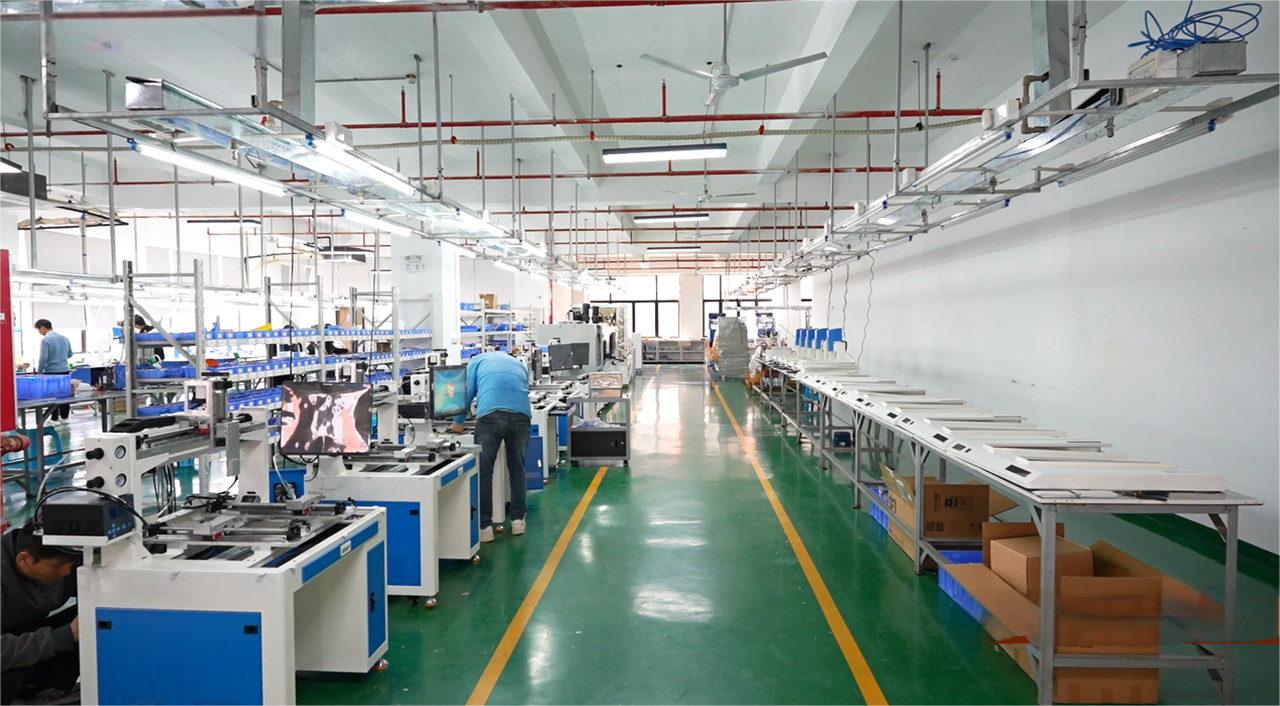
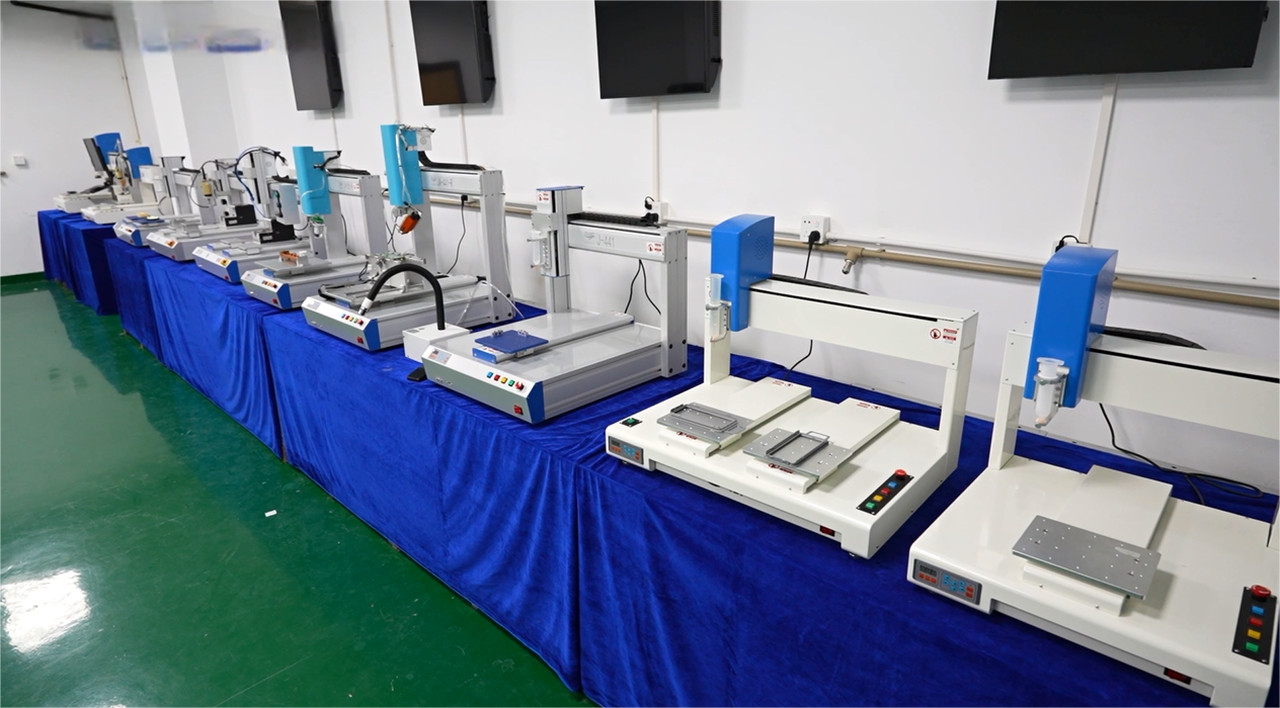
Headquartered in Guanlan, Shenzhen, with a modern manufacturing facility located in Huizhou spanning over 2,000 square meters, we design and produce highly reliable dispensing valves, curing systems, and fluid management configurations to meet high-volume global demands.
Anyco is committed to high-speed, high-precision intelligent manufacturing solutions serving the home appliance, consumer electronics, and automotive electronics sectors. Our systems enable the precise application of challenging industrial media—such as silver paste, UV adhesives, solder pastes, and highly abrasive, high conductivity thermal pastes.

Discover how China's premier manufacturing ecosystem optimizes production, cost controls, and regulatory speed.
CE Certification ensures our systems meet European safety, health, and environmental standards. Undergoing strict testing protocols, we guarantee electromagnetic compatibility (EMC) and mechanical safety, helping global OEMs bypass regulatory hurdles in the European Economic Area (EEA) and other international markets.
Operating a dual-base setup in Shenzhen and Huizhou allows us to utilize the world's most integrated electronics manufacturing supply chain. We procure raw materials, optical sensors, and precision CNC components locally, shortening R&D cycles and providing volume production discounts directly to our clients.
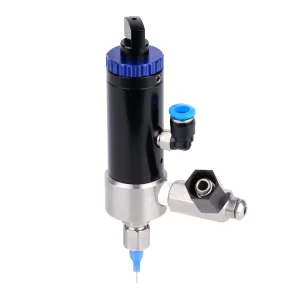
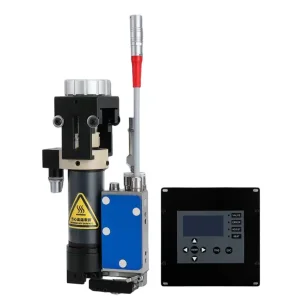
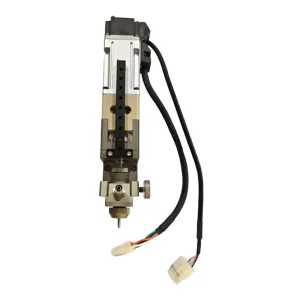
Unlike standard liquids, high conductivity thermal pastes are loaded with dense metallic or ceramic particles. This increases viscosity and causes high tool wear. Anyco specialty valves (screw, piezoelectric, and micro-needle valves) are engineered with hardened materials to prevent wear and ensure constant fluid flow.
Our main export footprint covers Southeast Asia, India, Vietnam, Thailand, North America (Mexico), and Africa (Morocco). Winning market share in these competitive arenas requires accommodating regional requirements rather than pushing rigid off-the-shelf items.
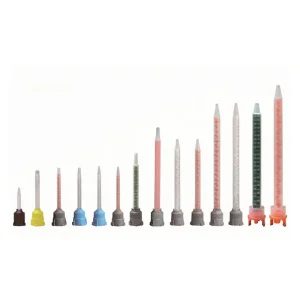
Whether you require specific mechanical integrations, customized static mixing tubes, tailored line widths for thermal compound application, or UV curing configurations, we offer detailed 1-on-1 technical design consultations.
Industrial parameters, application dynamics, and system integration strategies for engineering executives.
High conductivity thermal pastes reach thermal conductivities from 3.0 W/m-K up to 15.0 W/m-K by incorporating metallic oxides, aluminum nitride, or boron nitride fillers. While improving heat dissipation, these solid materials make the compound highly abrasive and shear-sensitive.
Standard air-pressure dispensing valves suffer from inner barrel wear, leading to piston damage and flow drift. Anyco's AG-700 screw valves and piezo-electric jetting systems use industrial tungsten carbide components and sapphire nozzles. This prevents mechanical degradation, ensuring high repeatability in electronic packaging processes.
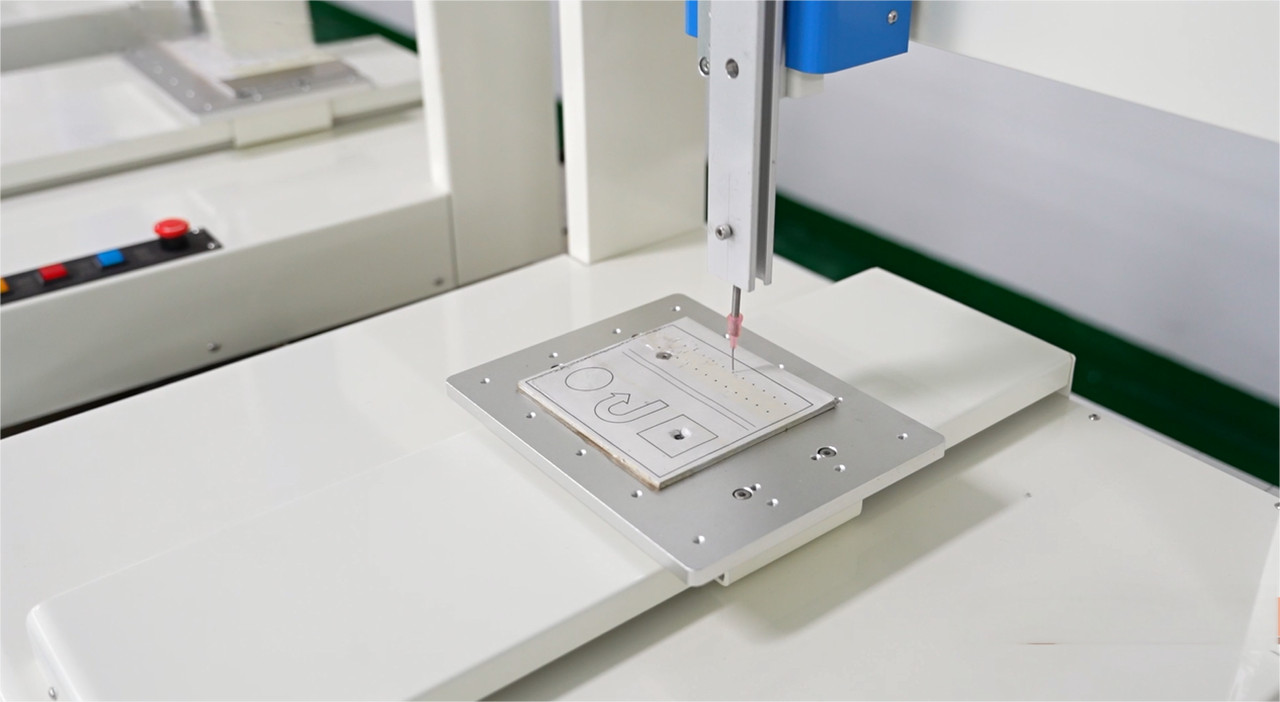
Thermal resistance (R) is directly proportional to thickness and inversely proportional to thermal conductivity: R = BLT / K. Even a paste with high thermal conductivity (K) will perform poorly if applied in a thick layer. Precise deposition is necessary to ensure the paste is spread thin without leaving voids, which can act as thermal insulators.
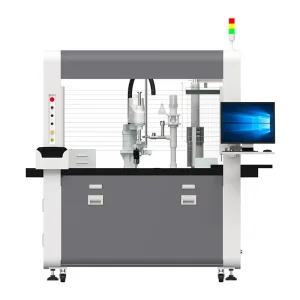
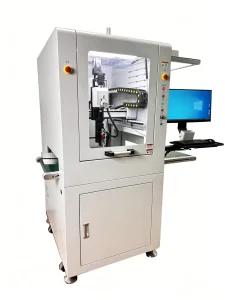
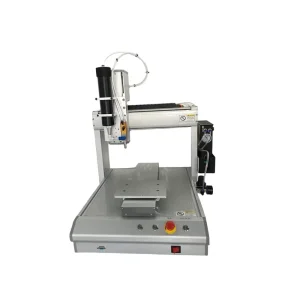
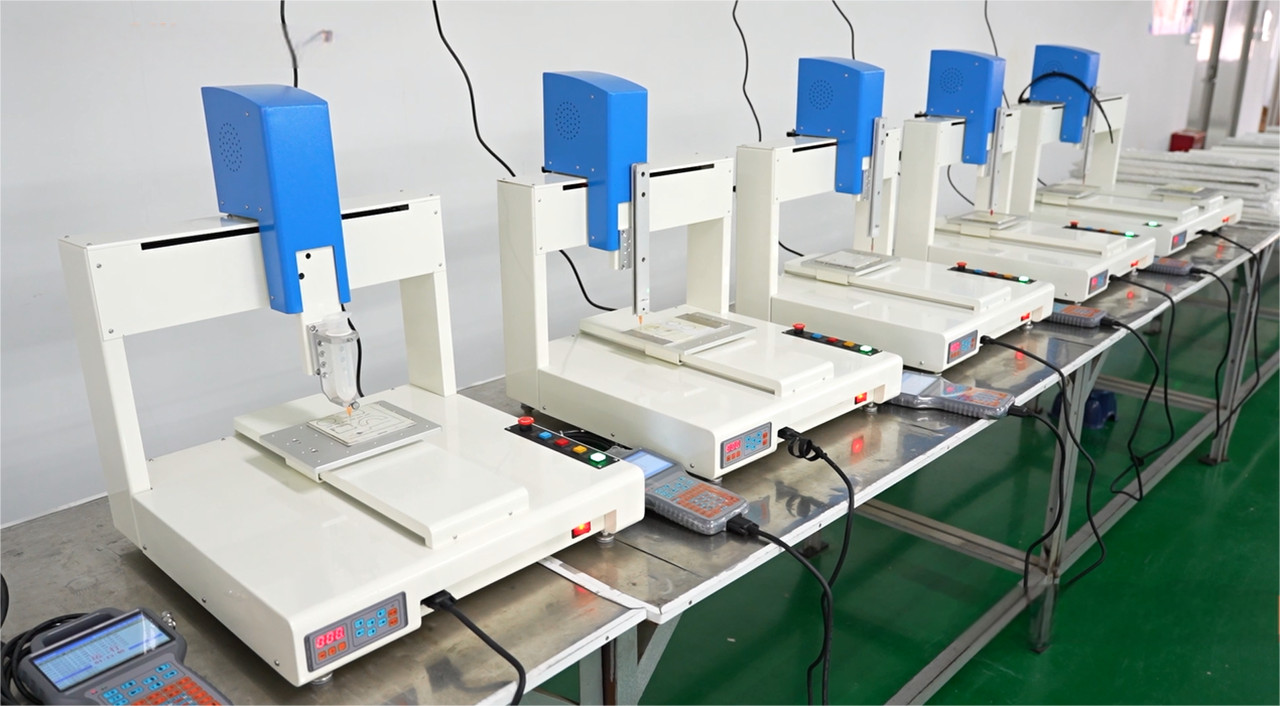
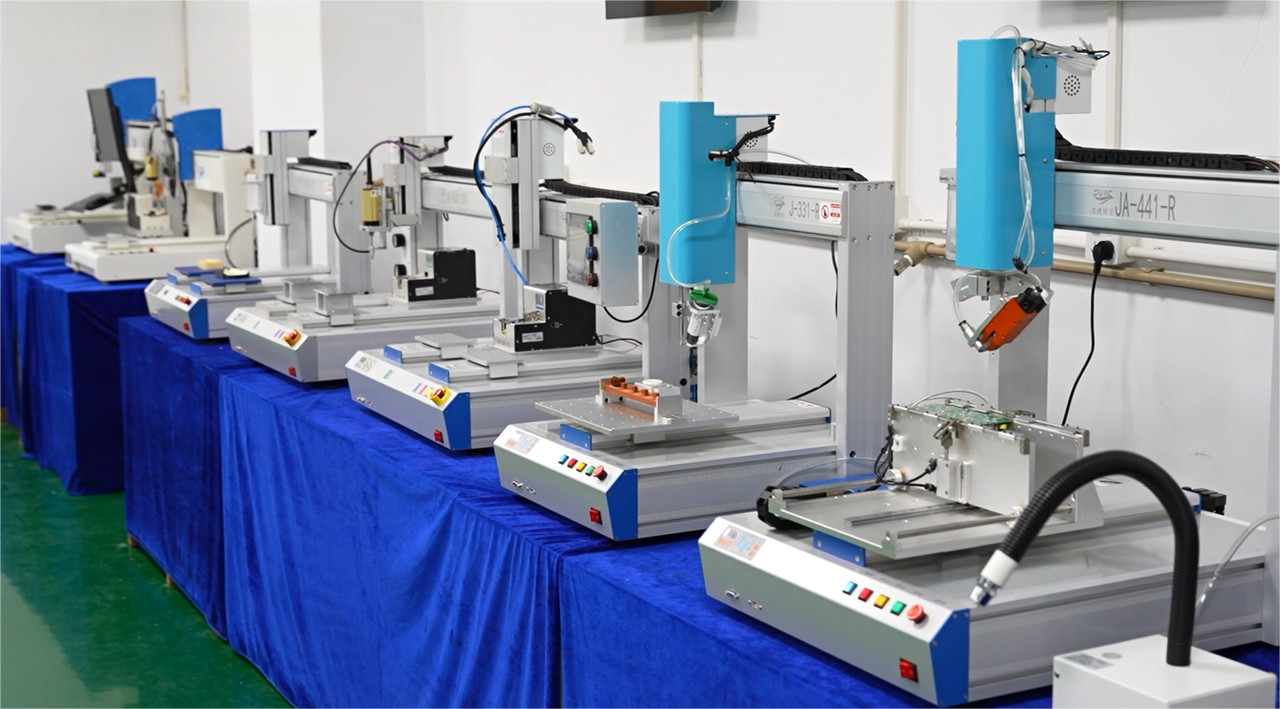
Industrial demand is shifting towards automated, multi-axis, online follow-up robots capable of applying complex patterns (such as cross-hatches, serpentine lines, and dots) in high-volume production environments.
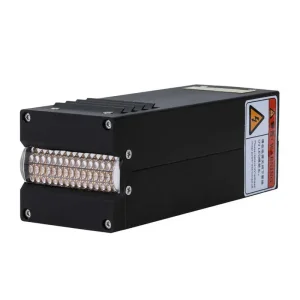
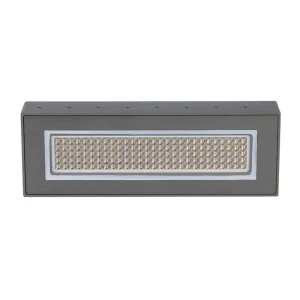
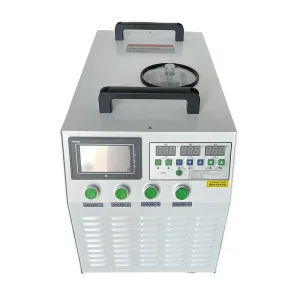
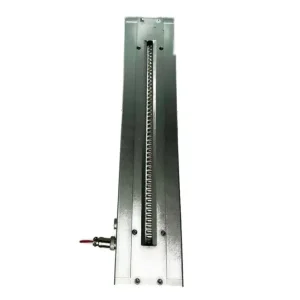
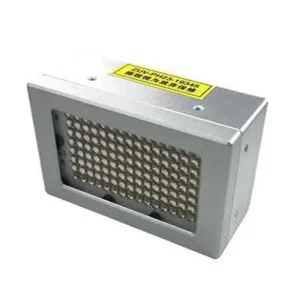
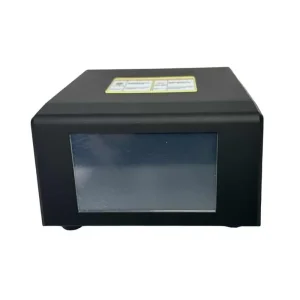
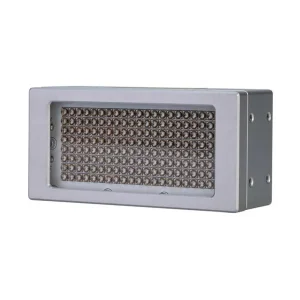
Our global clients in areas like Vietnam (Binh Duong, Bac Ninh) and Mexico (Monterrey, Tijuana) highlight the need for robust equipment that operates reliably under varied local grid conditions and high factory ambient temperatures. Our CE-marked line light sources and water-cooled area light sources are built to function continuously in demanding conditions, offering robust operation with minimal maintenance.
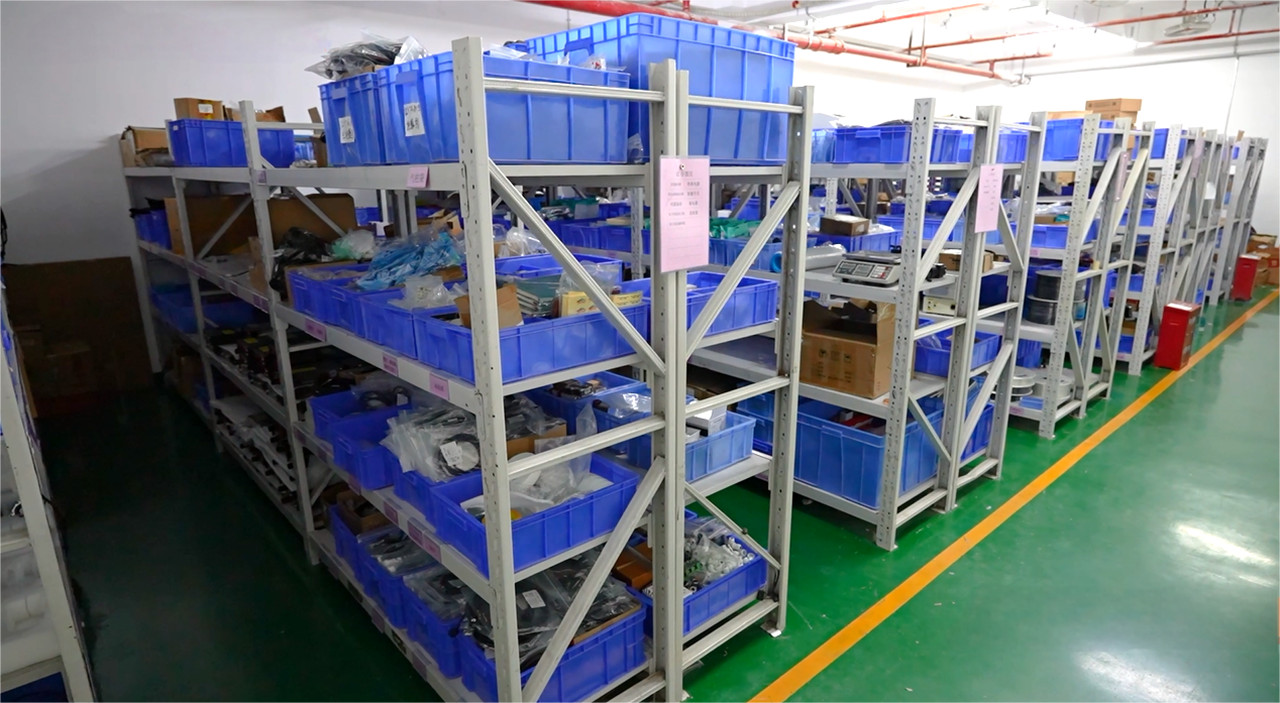
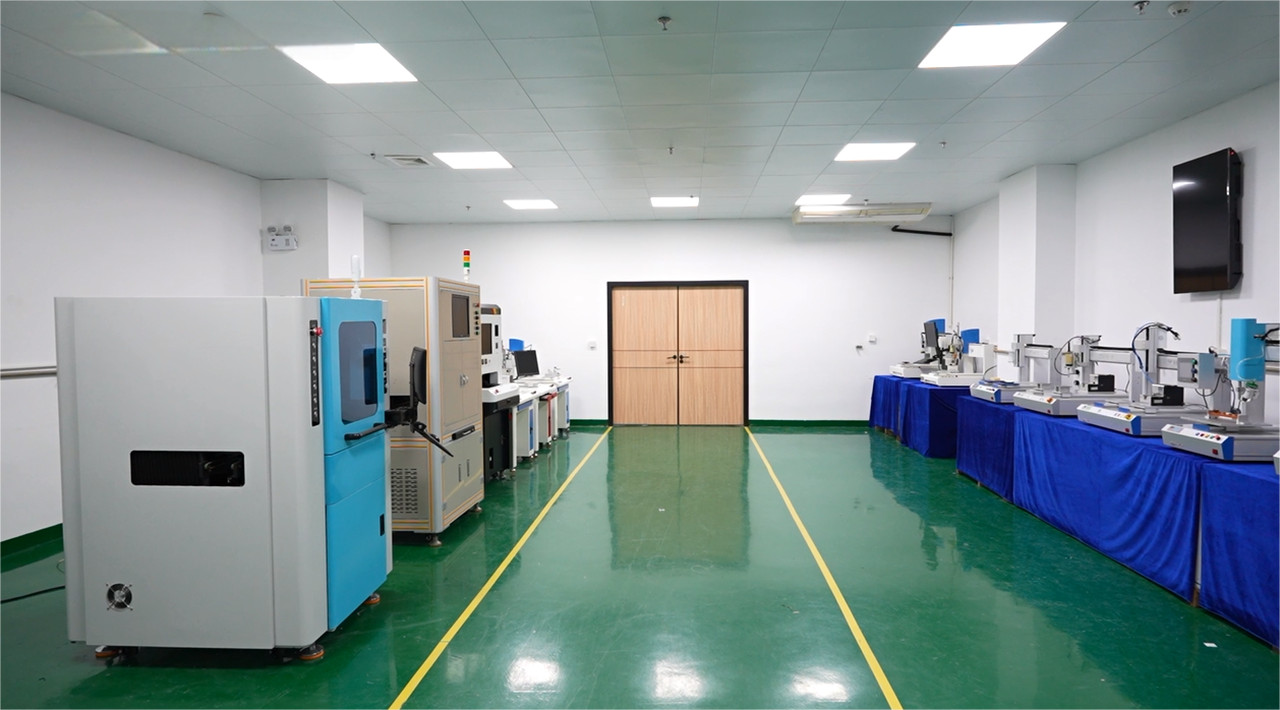
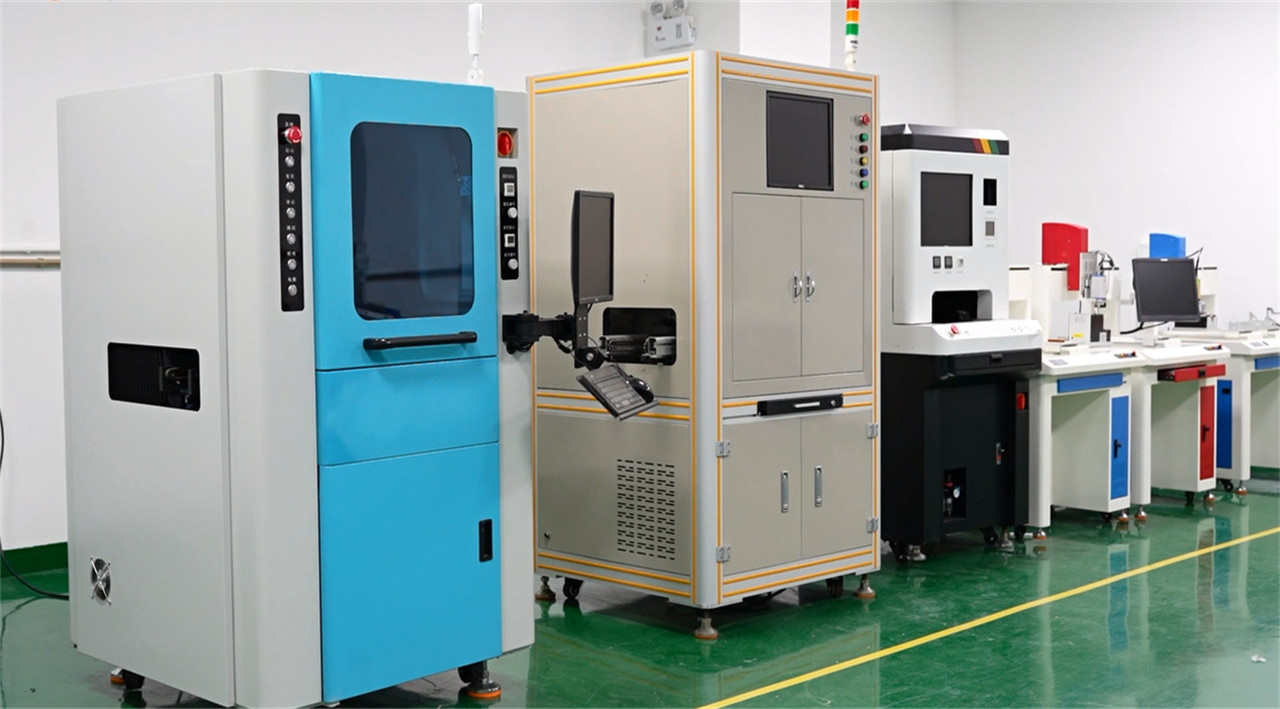
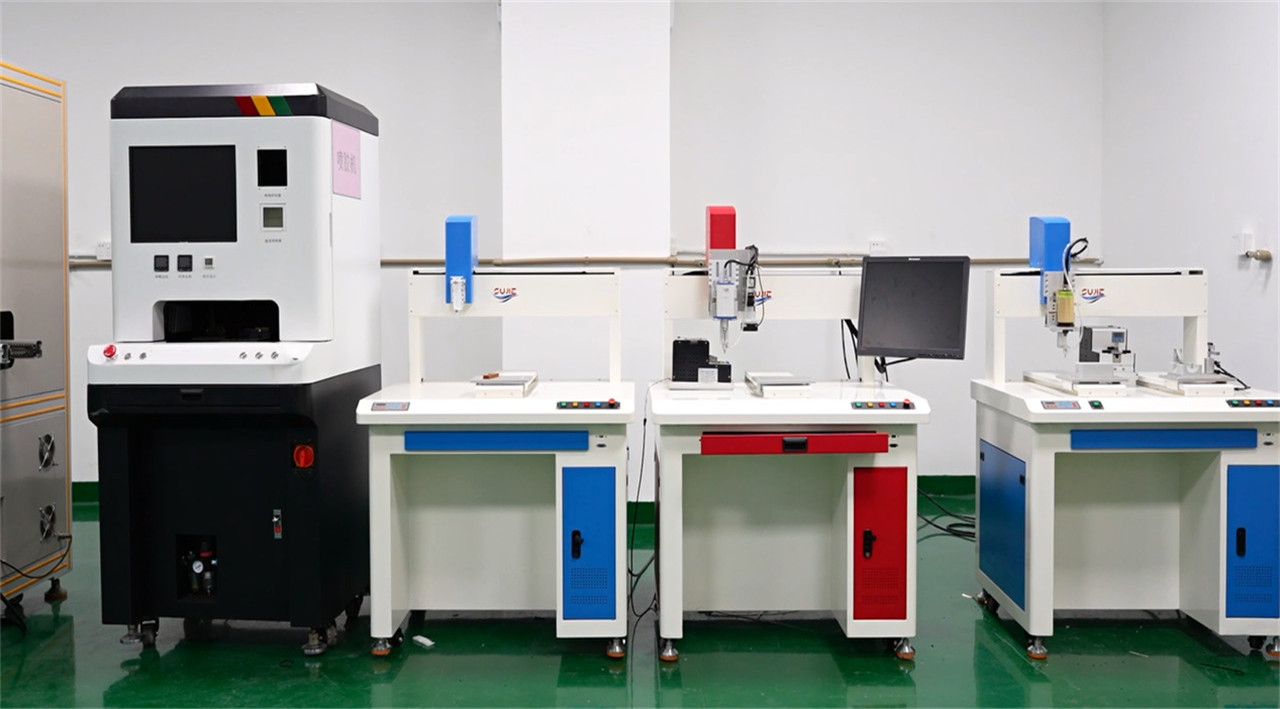
Take a virtual tour of our 2,000+ sqm manufacturing facility, testing rooms, and precision machining workshops in Huizhou.
Expert answers addressing chemistry, automation interfaces, and regulatory compliance for procurement professionals.
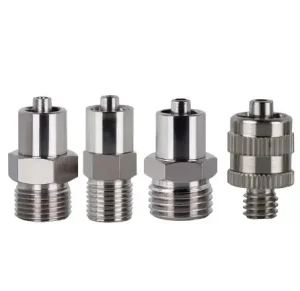
Ensure reliability with verified curing components and industrial dispensing accessories.
 Anyco Automation