Explore our CE certified machinery, industrial UV curing solutions, and pneumatic dispensing valves engineered for high-accuracy fluid handling.
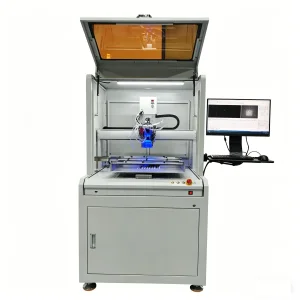
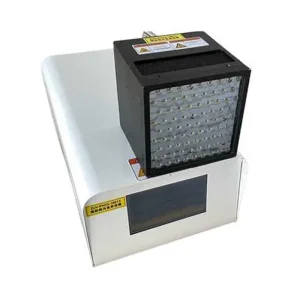
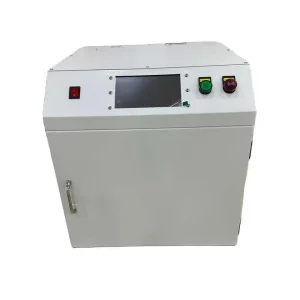
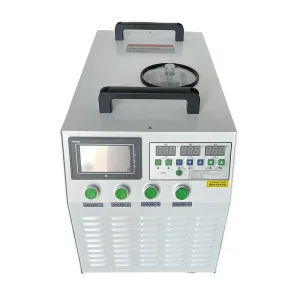
In modern electronic, automotive, and medical manufacturing, precision fluid control is a core technical challenge. At the heart of this process lies a seemingly simple yet technologically demanding component: the **Rubber Piston Syringe**. Operating as the primary container and mechanical interface in automated dispensing systems, the quality and compliance of these syringes directly govern the stability of manufacturing cycles. For industries deploying high-speed piezoelectric jetting valves or automated three-axis dispensing setups, slight inconsistencies in piston geometry or rubber composition can lead to variations in fluid pressure, causing defects such as bridging, insufficient coating, or component contamination.
Historically, standard syringes were designed purely for manual or low-pressure medical fluid delivery. However, the rise of Industry 4.0 automation and high-viscosity materials (such as silver paste, underfills, and structural adhesives) demanded a complete overhaul of syringe design. Current-generation industrial syringes employ specialized double-wipe pistons that prevent fluid blow-by. They are manufactured under stringent Cleanroom conditions and certified under global regulatory framework guidelines.
For international procurement, working with **CE certified rubber piston syringe factories** is not merely a legal requirement; it is the ultimate benchmark of reliability. The CE mark verifies that the syringes and associated fluid control components conform to strict European health, safety, and environmental protection standards.
Syringes deployed in clinical settings require MDD/MDR registration, biocompatibility testing (ISO 10993), and sterile validation to guarantee zero toxicity and zero pyrogens.
Industrial fluid syringes must comply with the EU Machinery Directive and RoHS/REACH regulations, ensuring zero trace chemical contaminants that could ruin sensitive semiconductor packages.
Consistent compliance is monitored under ISO 9001 and ISO 13485 quality systems, requiring strict traceability from raw elastomer granules to the final molded piston assembly.
Leading factories invest heavily in automated cleanrooms and precision injection-molding systems to ensure that the internal syringe barrel diameter is uniform throughout its length. Tapered barrels cause variations in air volume, resulting in compressed-air lag that degrades dispensing accuracy when using high-speed dispensing pumps.
When sourcing rubber piston syringes, selecting the correct material combination is paramount. Chemical reactions between the piston elastomer and the dispensing material can cause swelling, contamination, or catastrophic seal failure. Below is a comparative matrix that guides global procurement teams:
| Piston Material | Chemical Compatibility | Best Suited For | Frictional Resistance |
|---|---|---|---|
| Nitrile Rubber (NBR) | Oils, petroleum-based solvents, grease | Industrial lubricants, automotive sealants | Moderate |
| Fluorosilicone / FKM | Aggressive acids, ketones, high-temp fluids | Aerospace and advanced chemical dispensing | Low to Medium |
| Ethylene Propylene (EPDM) | Polar solvents, water-based solutions | Medical syringes, sterile fluid handling | Low (with specialized coatings) |
"For semiconductor applications, silicone-free certification is absolutely mandatory. Even minor silicone outgassing can disrupt adhesion properties in micro-assembly and optical bonding processes."
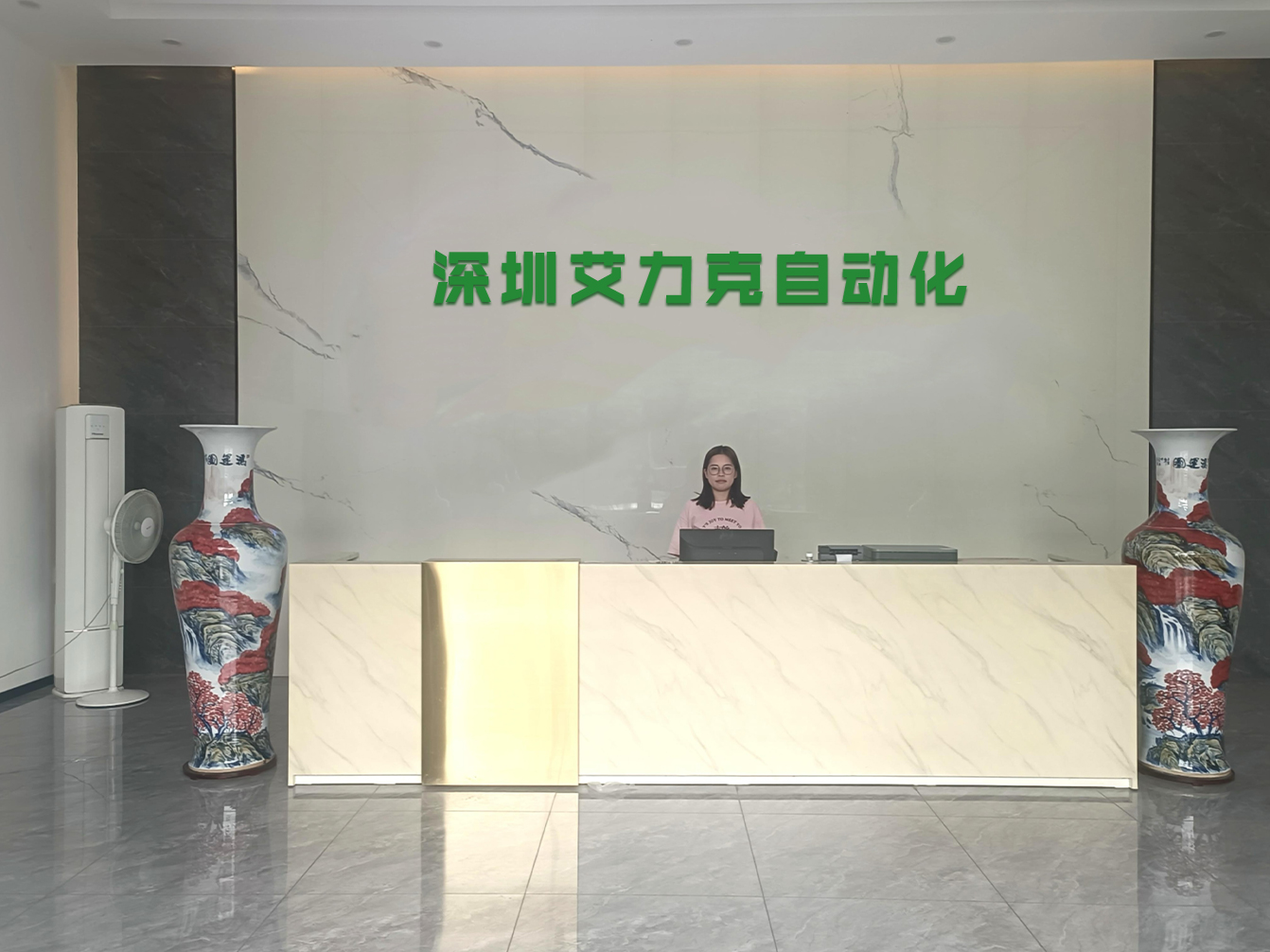
Founded in 2013, Anyco is a national high-tech enterprise integrating automated fluid control equipment design, customization, and accessories manufacturing.
Shenzhen Anyco Automation Equipment Co., Ltd., founded in 2013, is a set of automated fluid control equipment and accessories research and development, production, sales, and after-sales technical service as one of the national high-tech enterprises. Anyco functions as a trusted one-stop precision dispensing equipment and accessories customized factory.
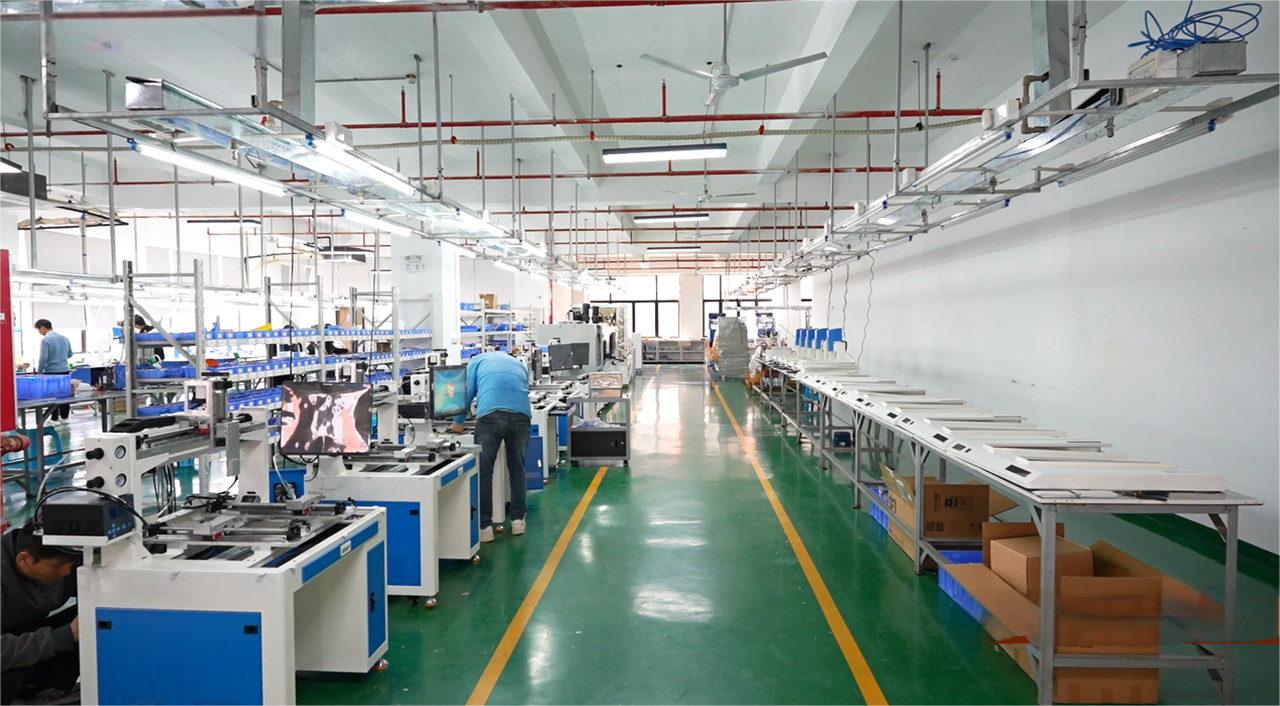
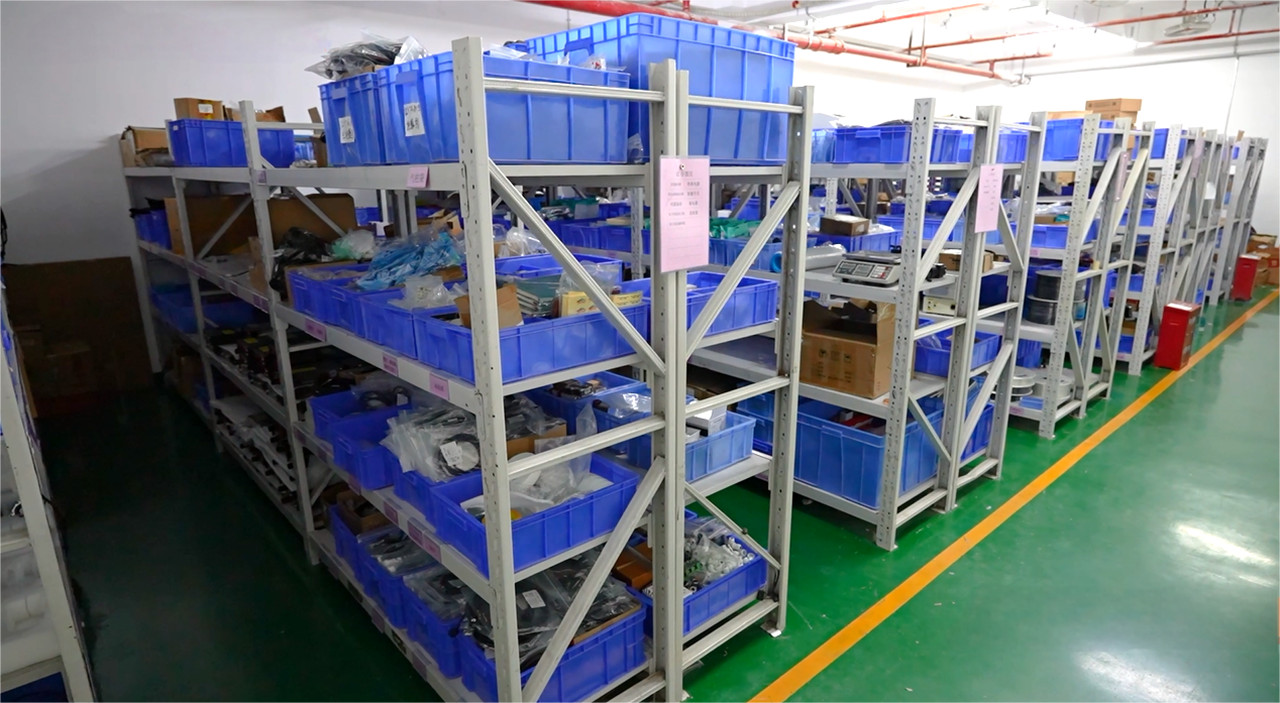
The company's headquarters is located in the automation hub of Guanlan, Shenzhen, and our specialized production facility is located in Huizhou, yielding a combined total area of more than 2,000 square meters. Through years of technological refinement, Anyco has established itself as a premier supplier of high-speed, high-precision industrial fluid control systems.
Our primary markets span Southeast Asia, India, Vietnam, Thailand, North America (Mexico), Africa (Morocco), and beyond. With high product quality and competitive direct-to-factory pricing, Anyco has captured a significant market share and earned a strong global reputation.
Our core product lines include high-volume, high-precision industrial dispensing injection valve accessories, industrial dispensing machines, and high-performance consumables. With a focus on medium and high-end market positioning, we offer personalized, one-on-one customization services to meet specific manufacturing standards.

Pioneering with a portfolio of proprietary technologies and core intellectual property, Anyco delivers high-speed, high-precision intelligent manufacturing solutions for the home appliance, consumer electronics, and automotive electronics sectors.
Whether integrating high-speed micro-needle valves or designing automated three-axis follow-up coating platforms, users globally are satisfied with the advancement, reliability, and flexibility of Anyco's equipment.
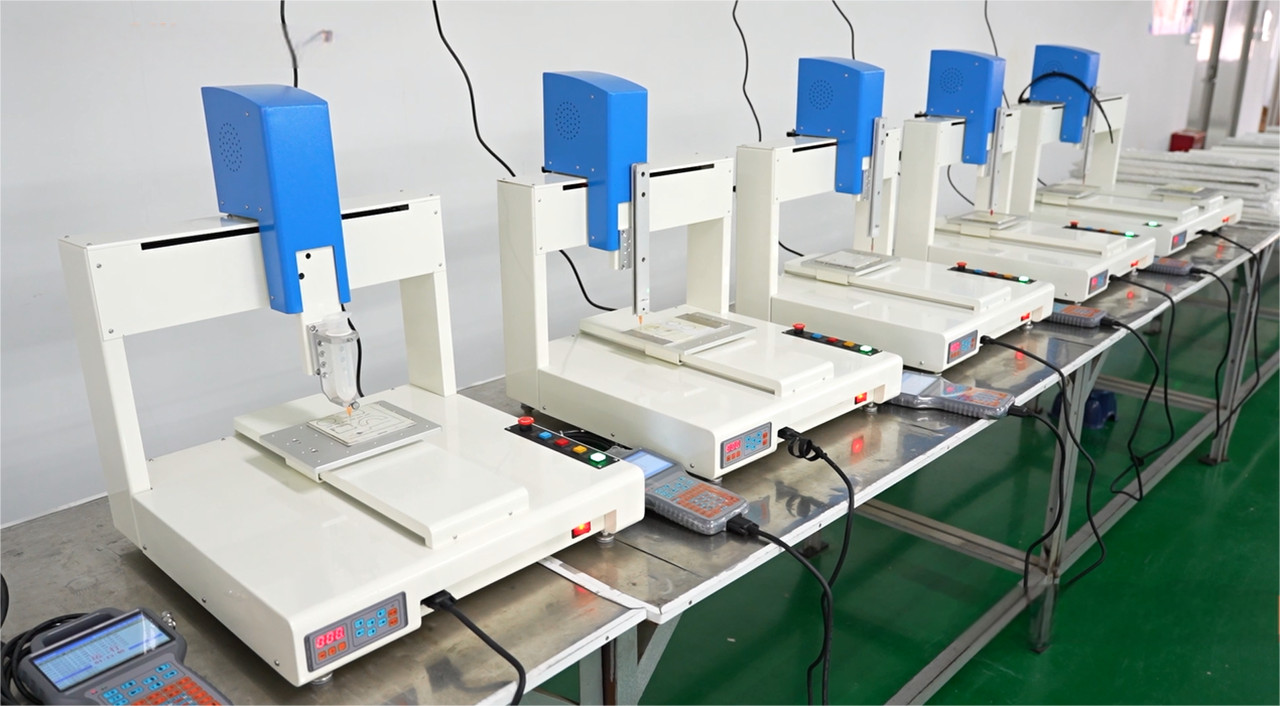
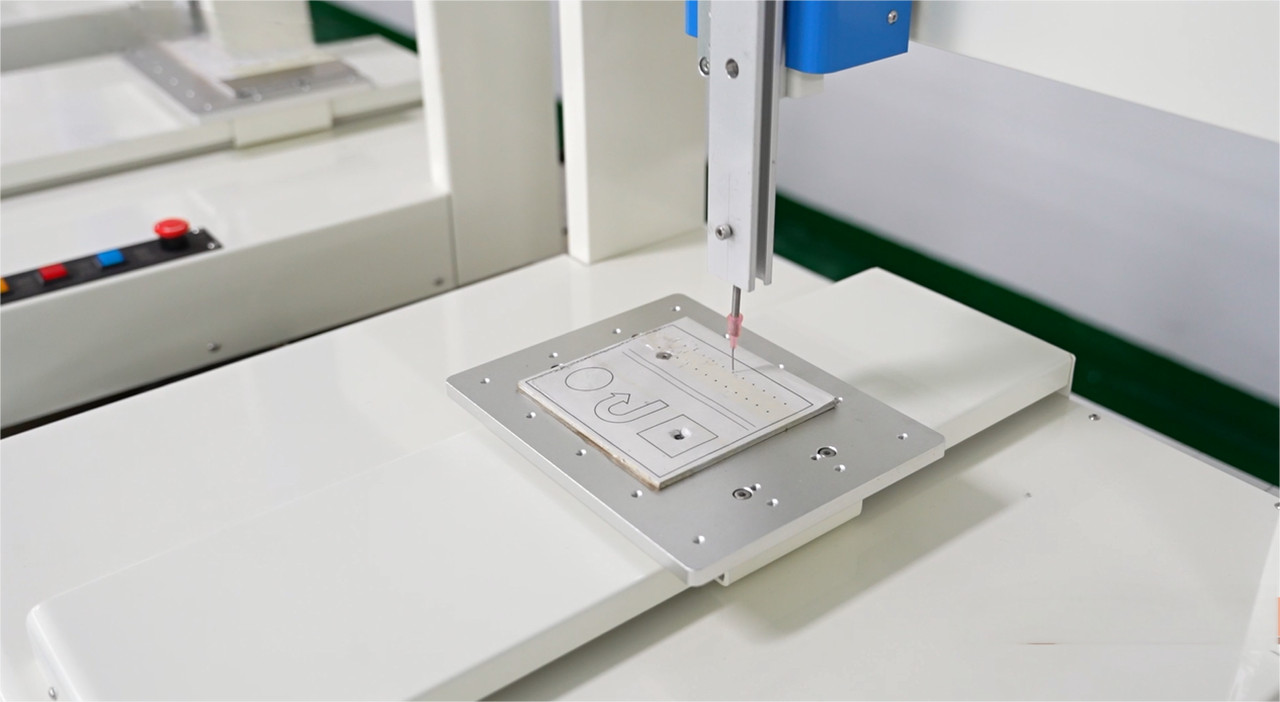
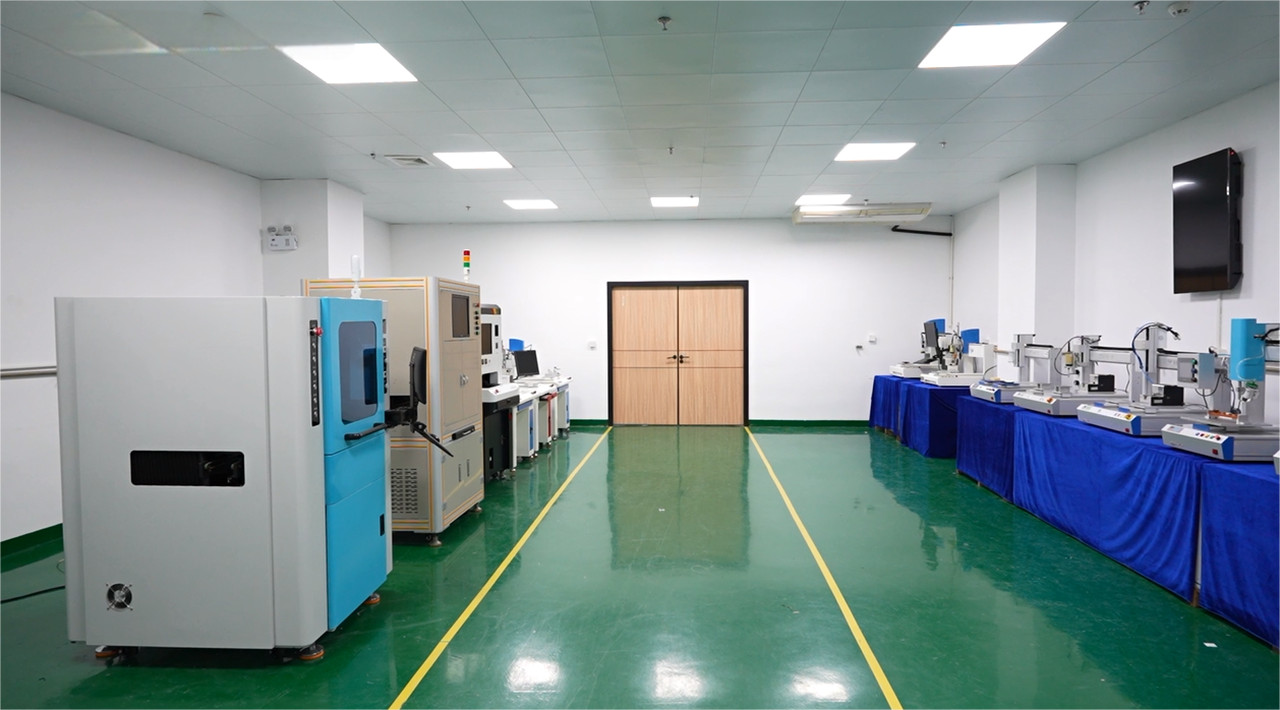
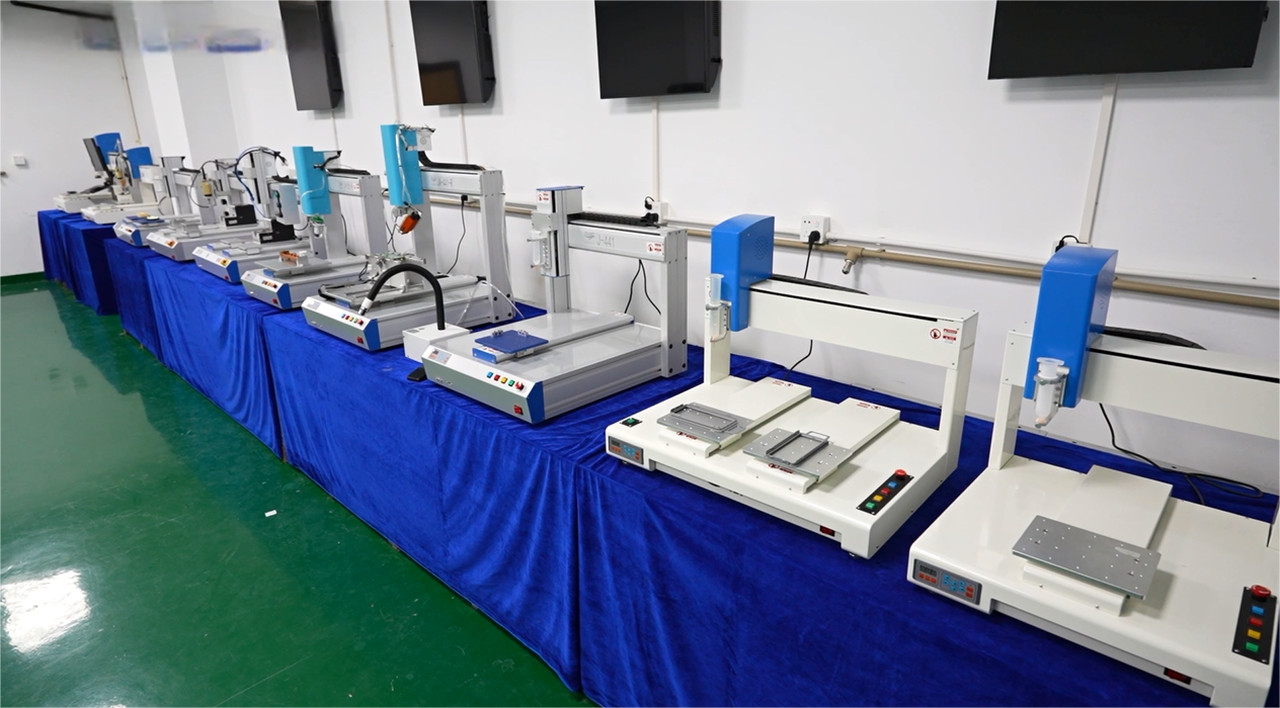
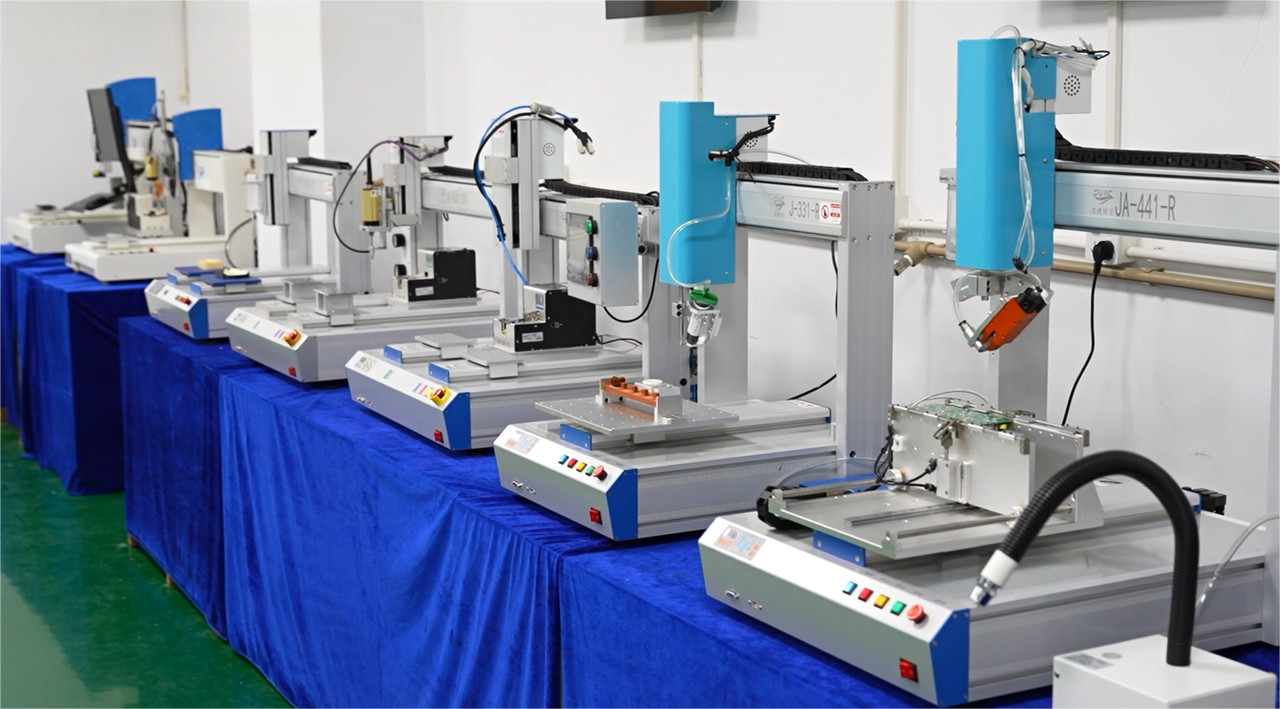
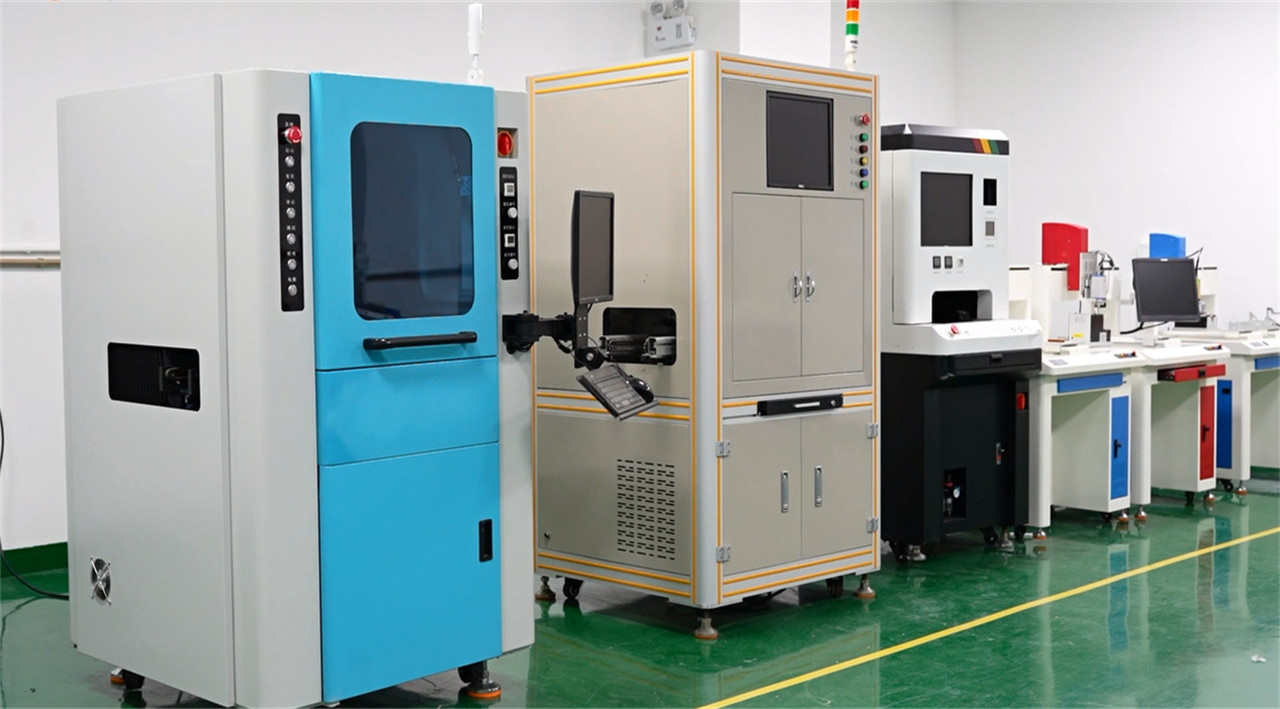
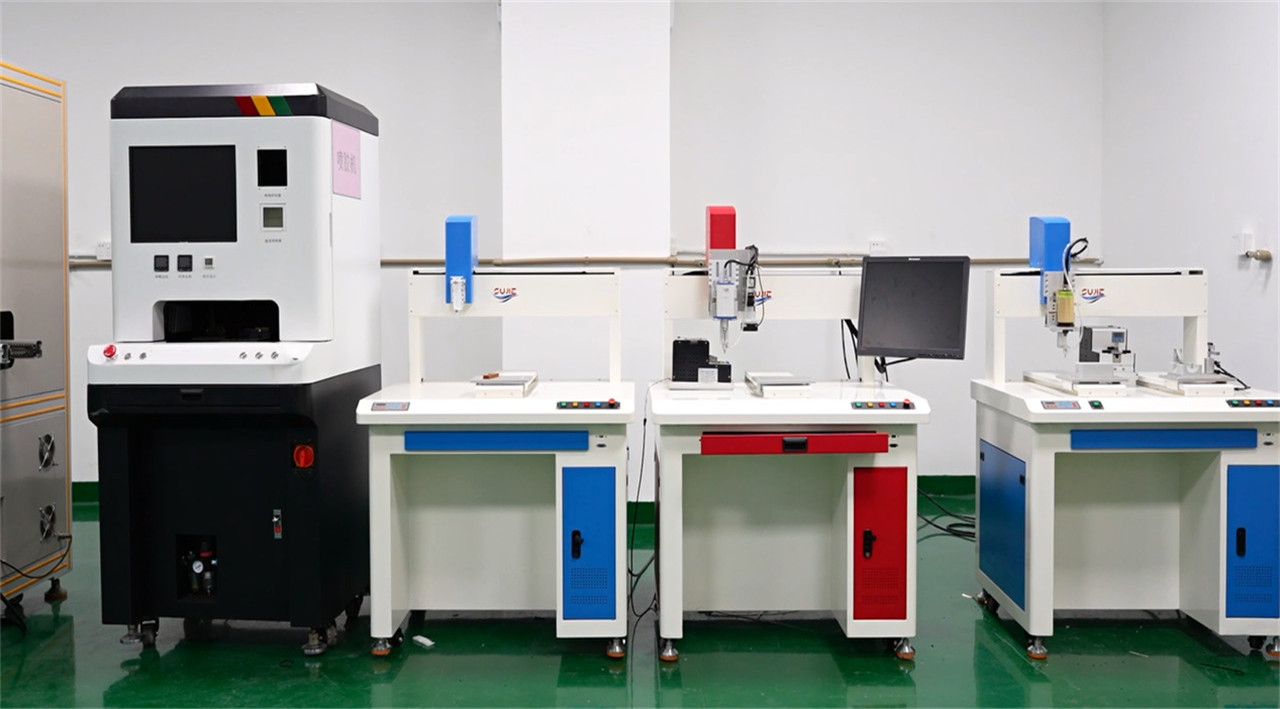
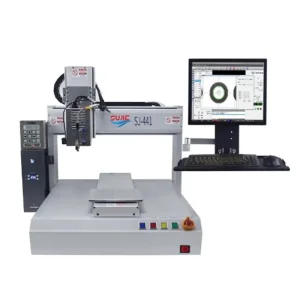
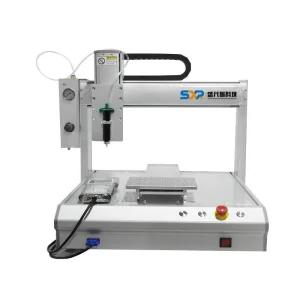
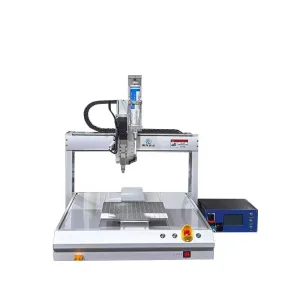
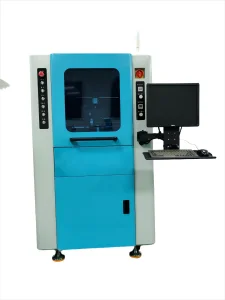
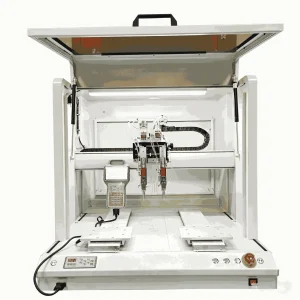
The manufacturing ecosystem is transitioning away from siloed sourcing. Modern procurement teams recognize that rubber piston syringes, barrels, needles, and advanced dispensing valves must be designed and evaluated as a unified tribological system. High-performance syringes require precise integration with automation setups, such as desktop servo-driven dispensing units or floor-standing conformal coating platforms.
Specially engineered zero-draft walls inside the syringe barrels ensure the rubber piston scrapes the walls perfectly clean, minimizing residual waste of expensive fluids like silver epoxy.
For electronic assembly, ESD-safe carbon-filled or static-dissipative syringes protect delicate integrated circuits (ICs) from electrostatic discharge during the dispensing cycle.
Syringes are color-coded (e.g., green for UV-blocking, amber for light-sensitive compounds, and black for total light block) to maintain material integrity before and during application.
This systems-level design philosophy reduces downtime. When automated desktop single-station visual dispensing units are paired with matched-tolerance piston syringes and high-frequency jetting valves, the frequency of calibration is reduced by up to 60%. This results in higher line capacity, improved yield, and predictable cost of ownership.
The future of micro-dispensing lies in real-time closed-loop control. Future generations of syringes will incorporate tracking and sensor technologies, transforming them from passive containers into active nodes within the factory IoT network.
With tightening environmental regulations, manufacturers are moving toward recyclable thermoplastics and biodegradable elastomers that mimic the resilience of vulcanized nitrile rubber without the chemical footprint.
Future syringe barrels will feature embedded thin-film RFID chips and conductive tracks to track batch expiration dates, temperature limits, and fluid volume in real time. This data will feed directly into the dispensing machine's controller for automated pressure adjustments.
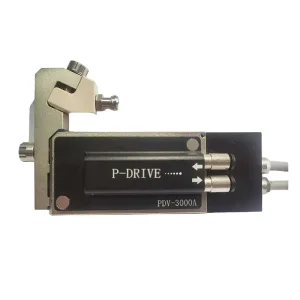
Shenzhen Anyco is at the forefront of this evolution, researching advanced material configurations and testing high-speed diaphragm impingement and piezoelectric jet valves that integrate with smart consumables. This keeps our clients ahead of the curve as they transition to Industry 4.0 production environments.
Expert answers to complex technical questions encountered by procurement professionals and production engineers.
Discover our specialized high-viscosity jet valves, high-speed micro-valves, and automated inline three-axis dispensing platforms.
 Anyco Automation