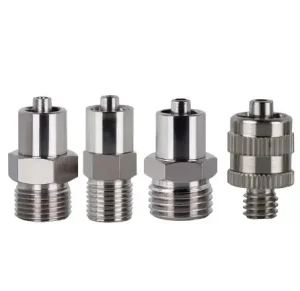
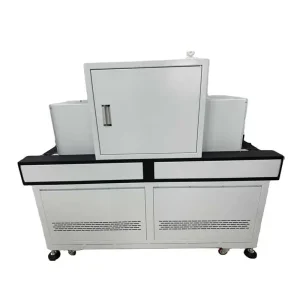
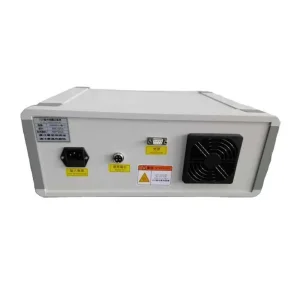
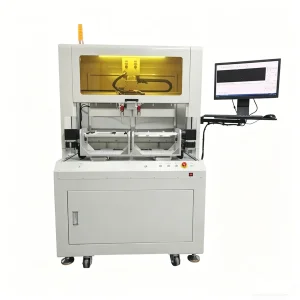
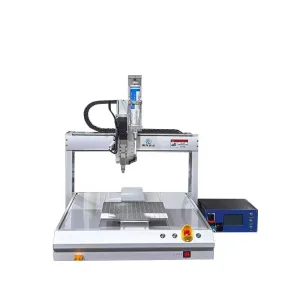
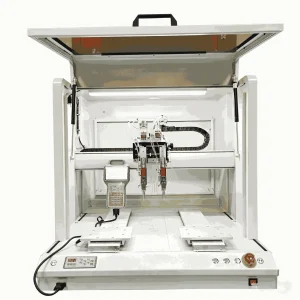
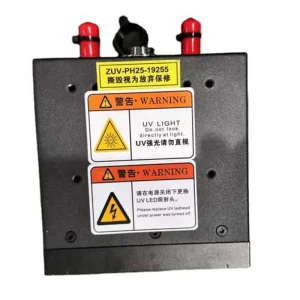
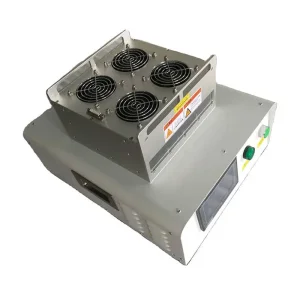
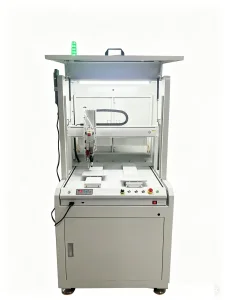
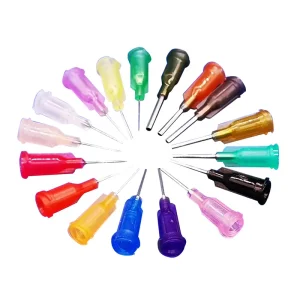
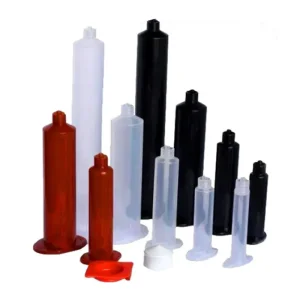
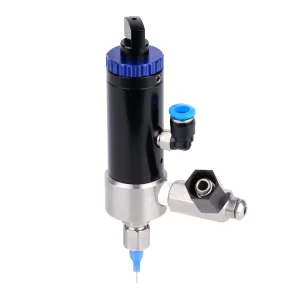
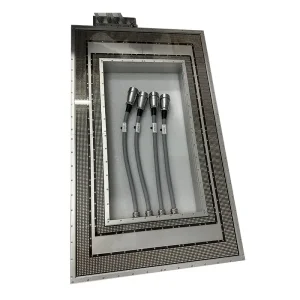
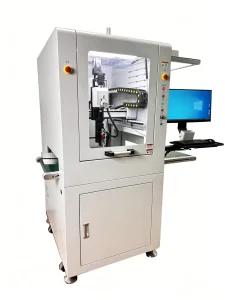
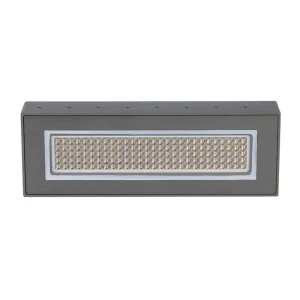
Explore our engineering-grade dispensing systems, custom connectors, light curing ovens, and high-performance fluid accessories optimized for heat conductive adhesives.
Analyzing the intersection of raw material science, component miniaturization, and advanced electronics thermal management.
The industrial demand for high-performance heat conductive glue (also referred to as Thermal Conductive Adhesives or Thermal Interface Materials - TIMs) has surged exponentially over the past five years. Driven by the aggressive deployment of 5G telecommunication networks, miniaturization of consumer electronics (3C), power density increases in electric vehicle (EV) battery packs, and Advanced Driver Assistance Systems (ADAS), heat dissipation has shifted from a post-design afterthought to a core structural requirement.
Modern electrical components generate unprecedented heat fluxes. Standard thermal pads and structural adhesives are no longer sufficient to guarantee long-term system reliability. Custom formulations—engineered with precise parameters of thermal conductivity (ranging from 1.5 W/m·K to over 8.0 W/m·K), controlled viscosity, specific thixotropic index, and custom curing profiles (UV, thermal, or moisture initiators)—are now mandatory to eliminate micro-air gaps between chips and heat sinks.

Why precision dispensing technology is the single most critical factor in thermal management assembly lines.
Heat conductive glues contain high percentages of alumina, silica, or boron nitride particles. These fillers cause rapid mechanical wear on standard steel fluid paths. Anyco solves this using tungsten carbide internally coated dispensing needles and specialized ceramics.
Air voids act as excellent thermal insulators, destroying the heat-conductive path. Our pressurized screw-type desktop dispensers and vacuumized double-screw syringe barrels ensure bubble-free material deposition at high production rates.
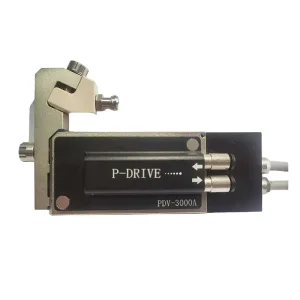
With viscous heat-conductive glues, traditional contact dispensing is slow and risks component damage. By employing piezoelectric jet valves (e.g., PDV-3000A), manufacturers achieve non-contact fly-dispensing up to 3000 Hz, slashing cycle times.
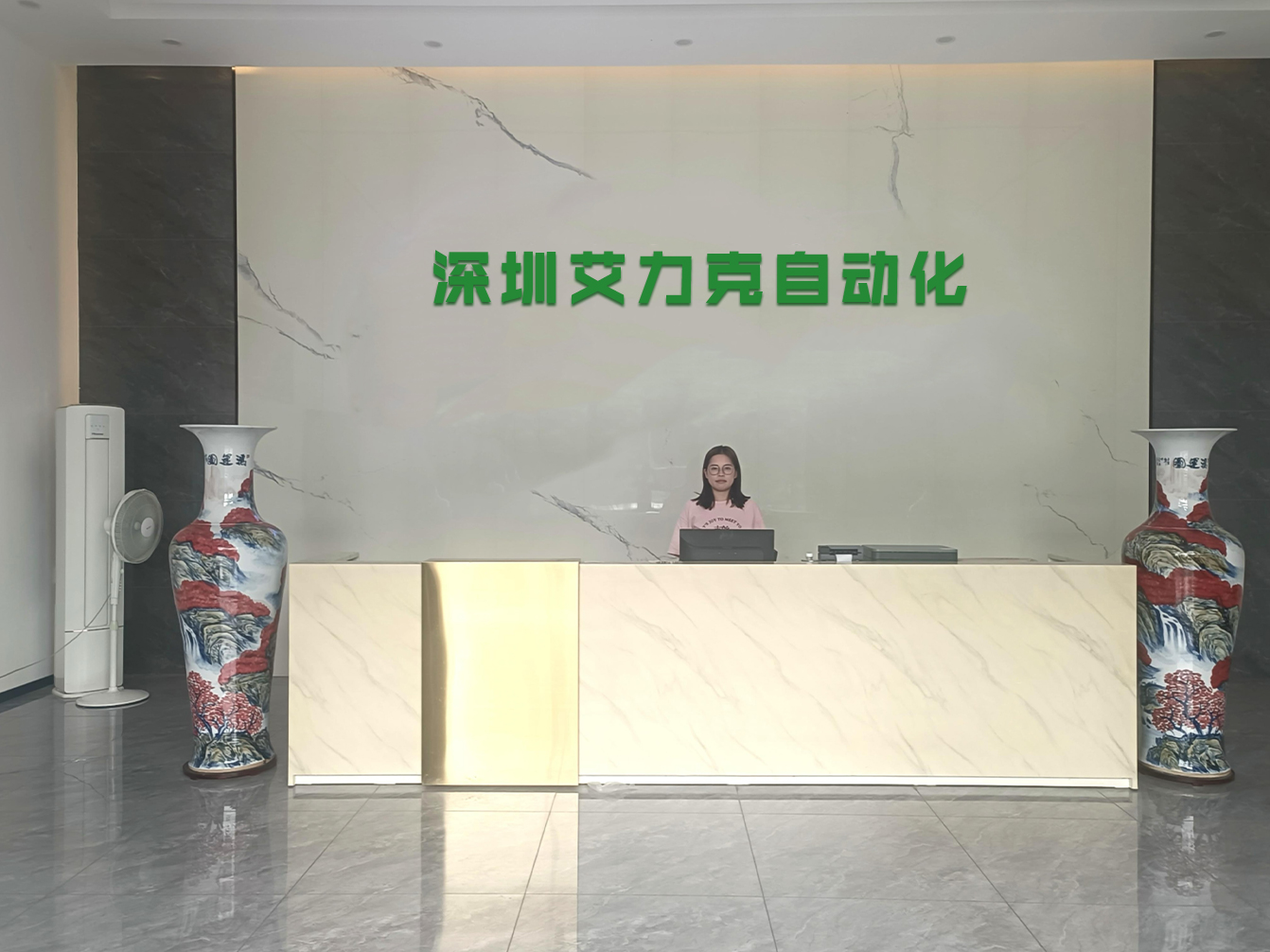
Founded in 2013, Shenzhen Anyco Automation Equipment Co., Ltd. is a national high-tech enterprise integrating the R&D, production, sales, and after-sales technical service of automated fluid control equipment and high-precision structural accessories.
Our corporate headquarters is strategically situated in Guanlan, Shenzhen (the electronics manufacturing heart of China), with our specialized heavy production factory located in Huizhou, spanning an expansive footprint of over 2,000 square meters. We focus exclusively on precision industrial dispensing injection valve accessories, high-speed dispensing systems, and consumable machinery to support global electronics supply chains.
By pioneering a robust portfolio of proprietary technologies and core intellectual property, Anyco delivers high-speed, high-precision intelligent manufacturing solutions tailored to the home appliance, consumer electronics, and automotive electronics sectors. Our systems excel in dispensing highly viscous pastes, silver epoxy, and abrasive heat conductive glue with unparalleled consistency.
How localized industrial clusters in Shenzhen & Huizhou drive down cost while increasing engineering precision.
Global procurement heads face a persistent dilemma: balancing high capital equipment costs with the necessity for extreme precision. Working directly with Anyco’s specialized factory in South China resolves this bottleneck. The Pearl River Delta operates the world’s most dense supply-chain cluster for advanced electronics manufacturing. This geographic integration gives us distinct advantages:
A transparent look inside our manufacturing processes, machining lines, and testing facilities.
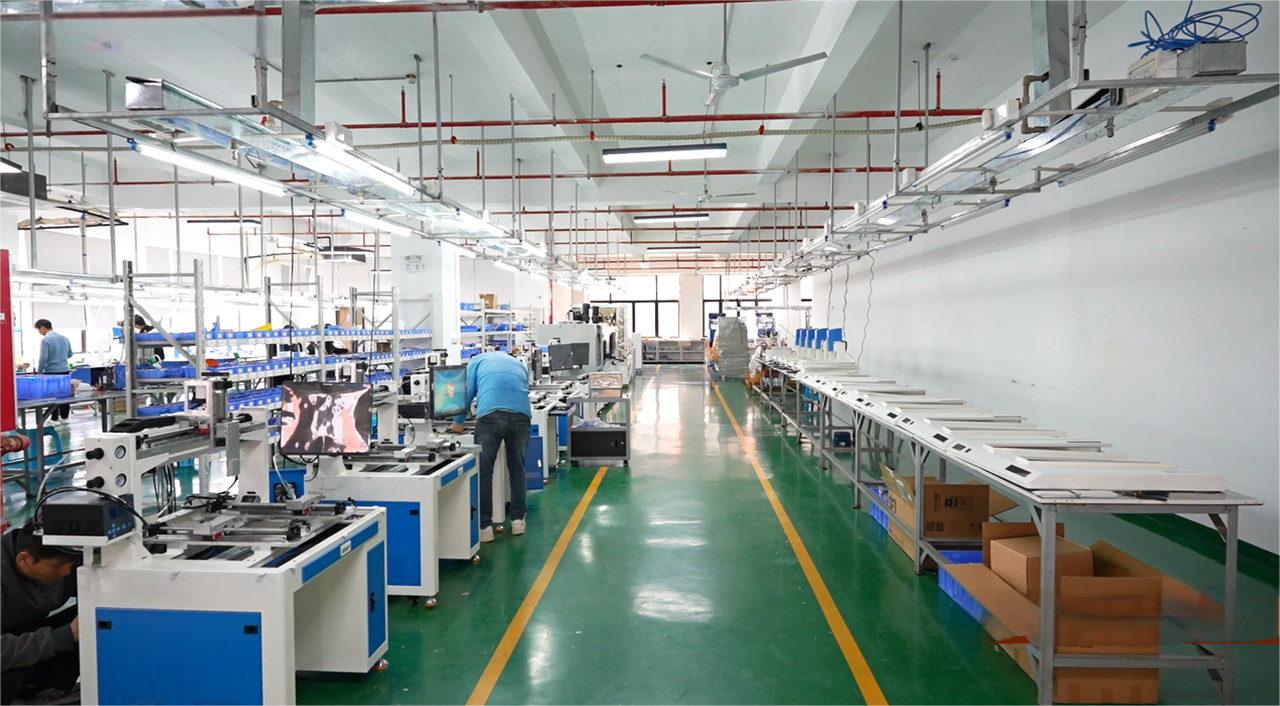
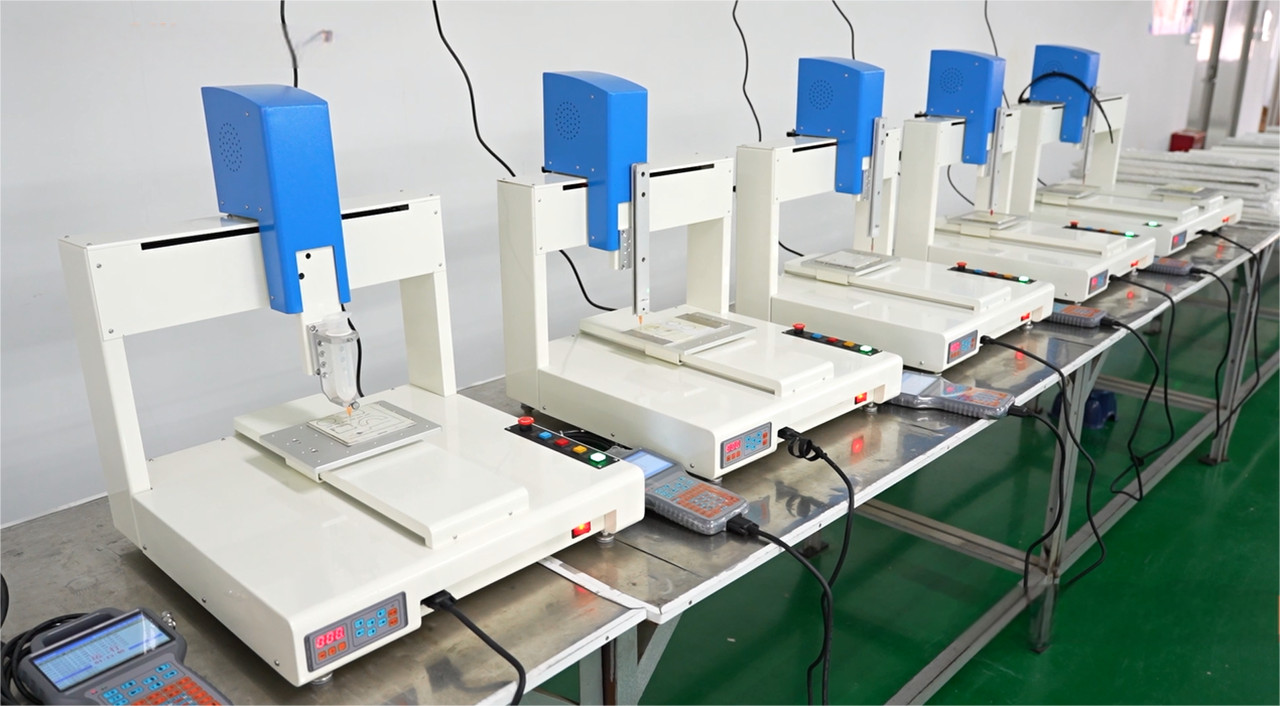
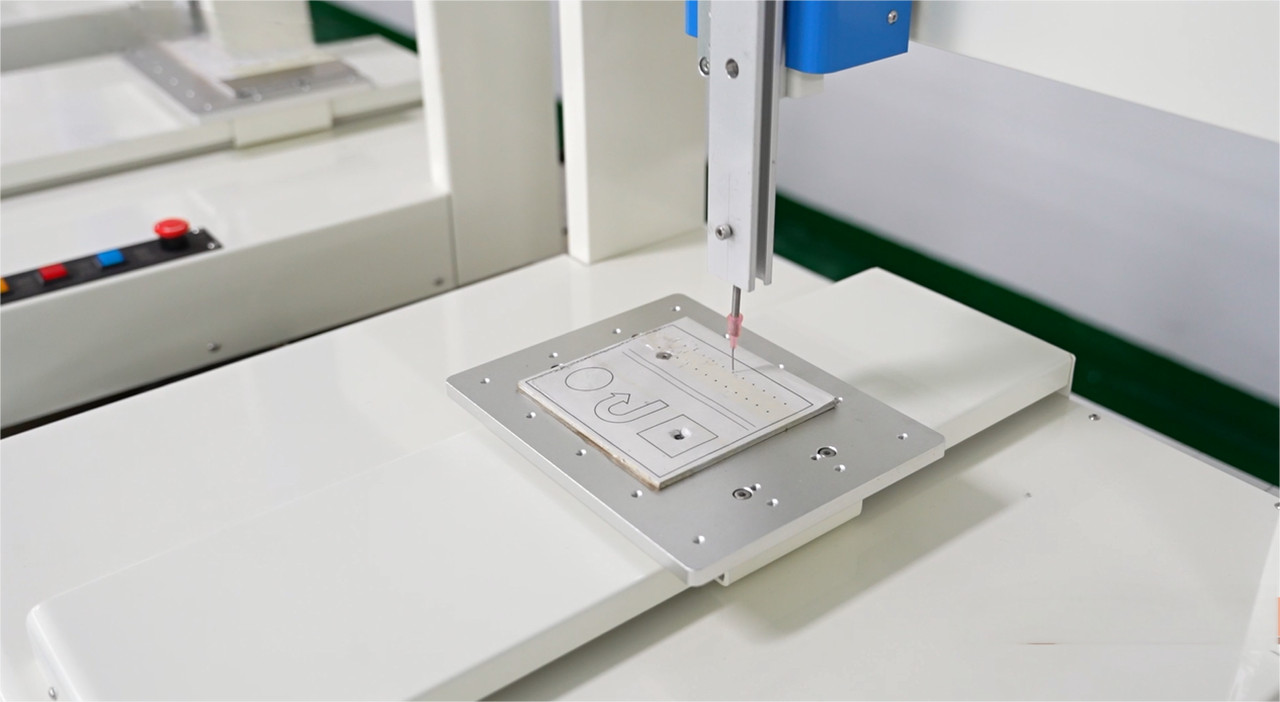
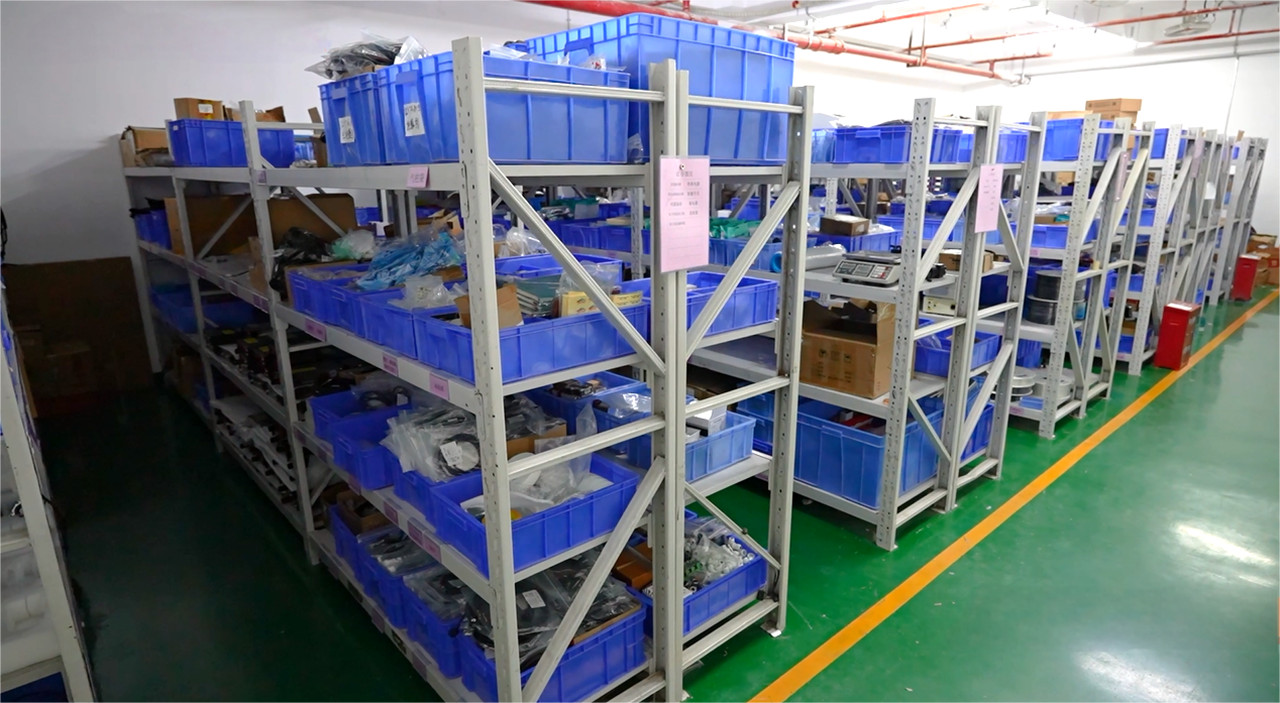
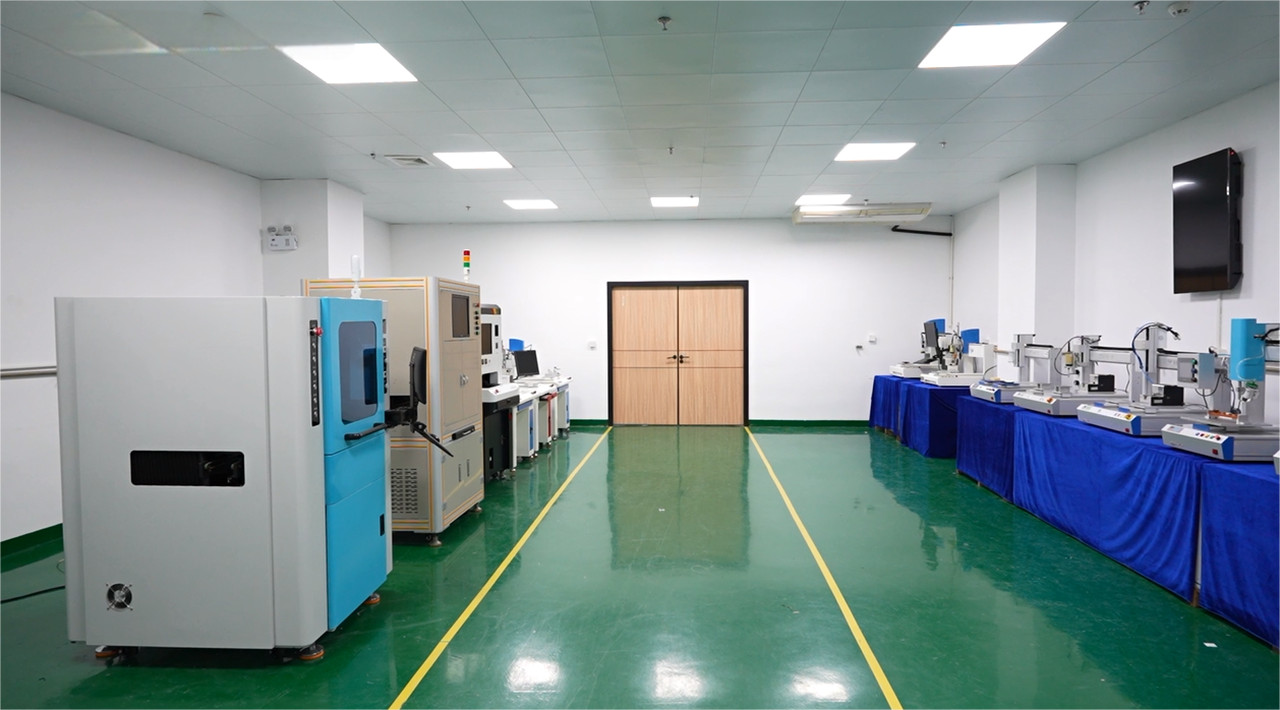
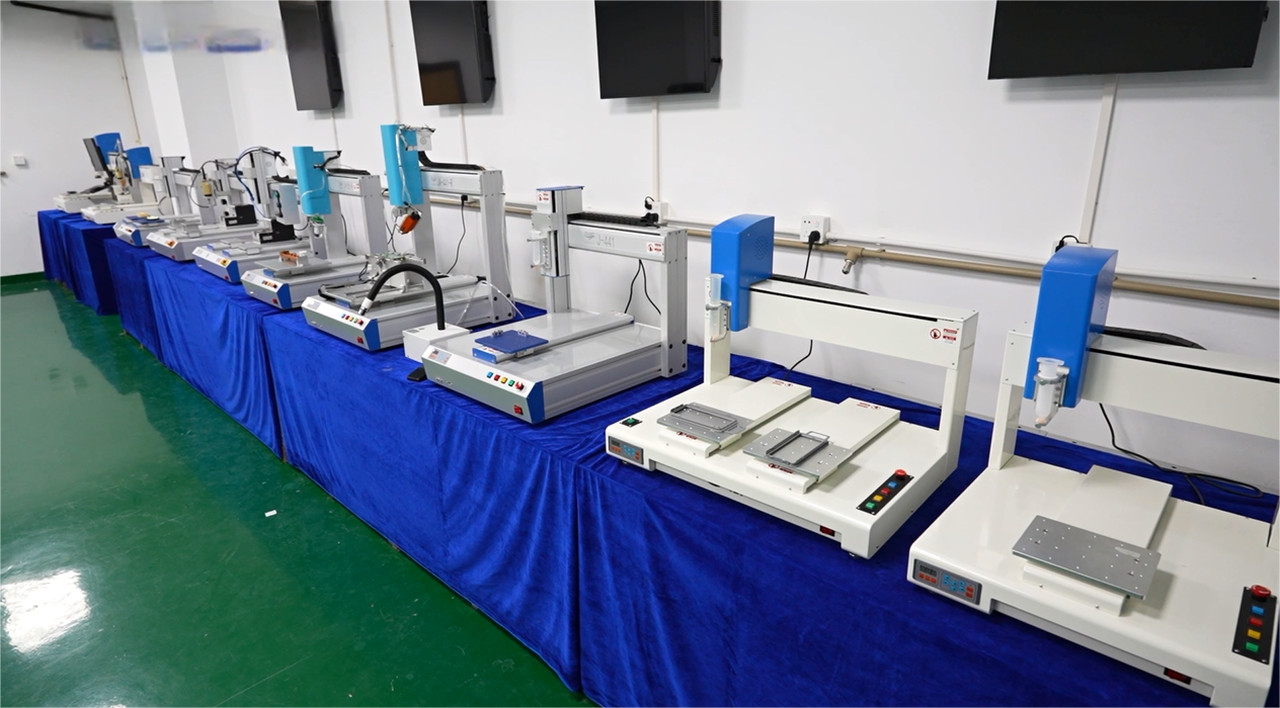
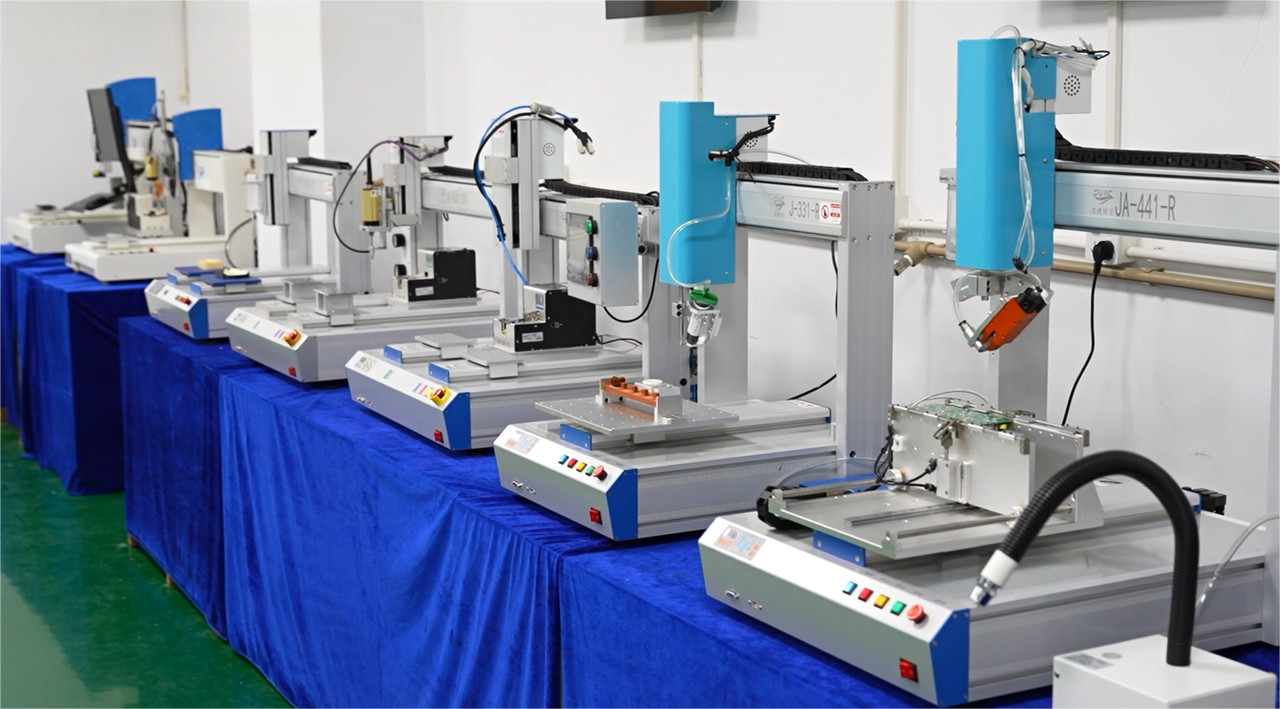
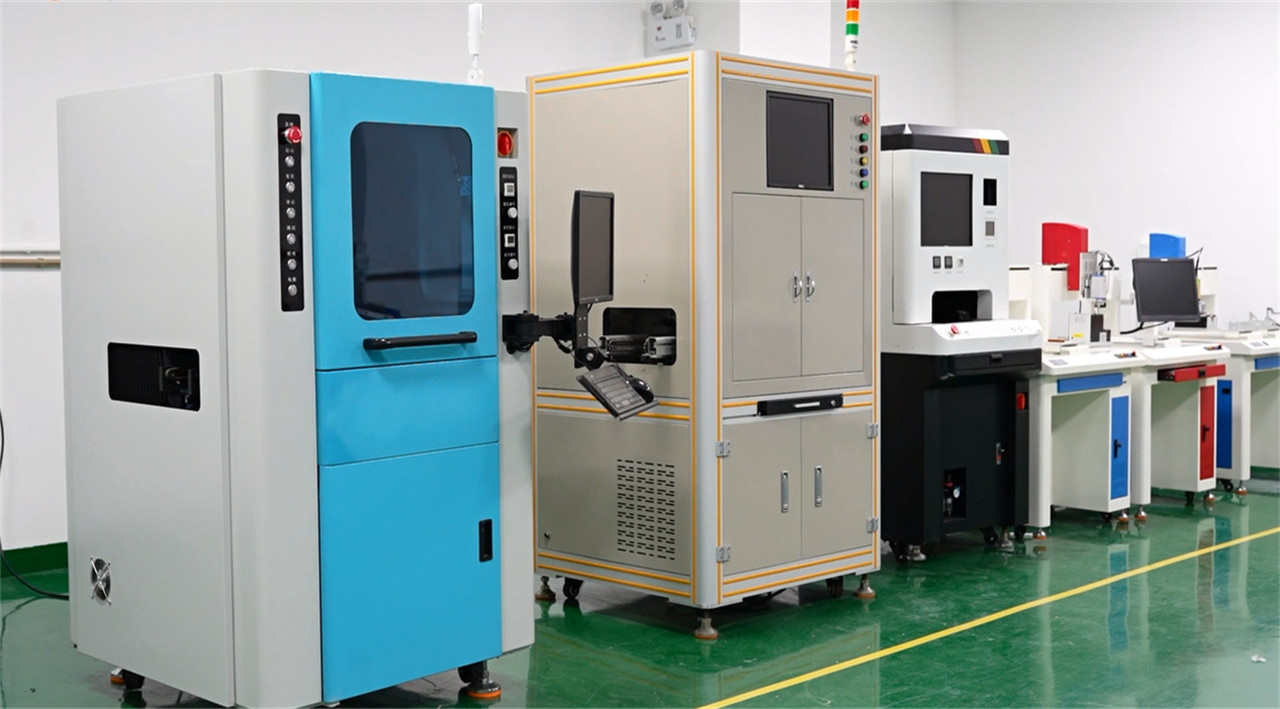
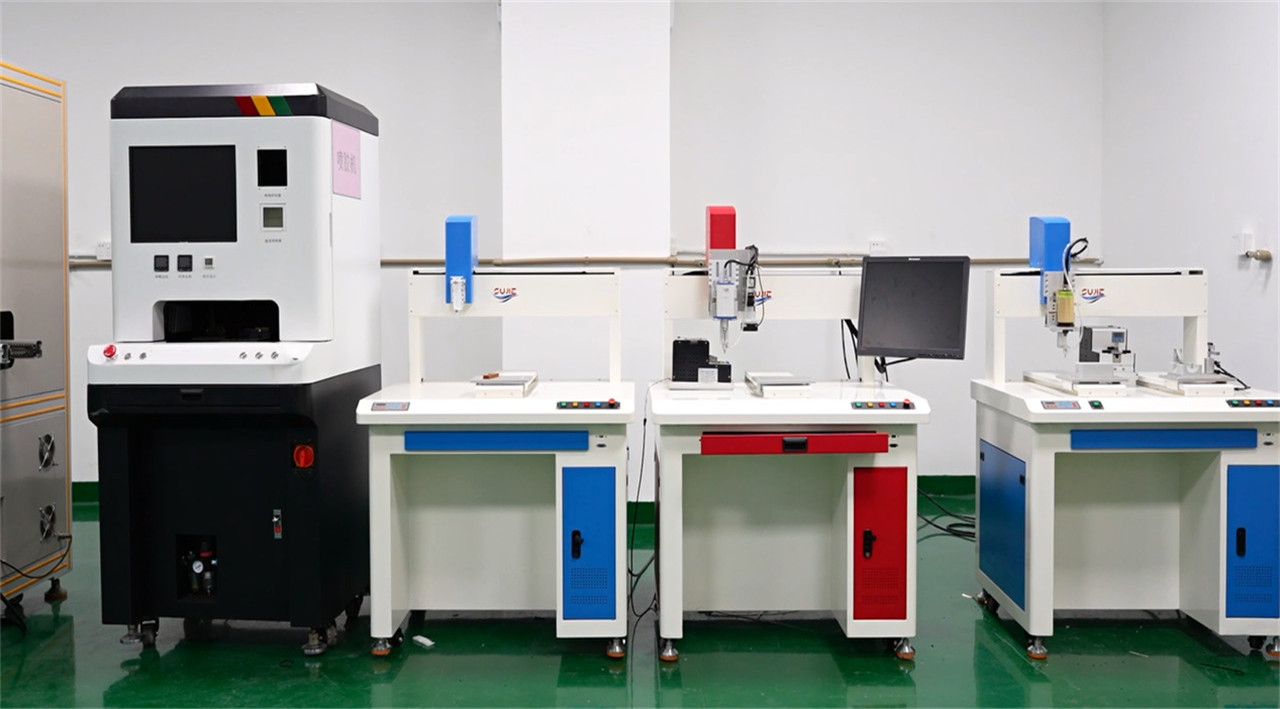
Custom solutions adapted to regional supply chains, local production constraints, and dynamic logistics.
Anyco does not offer one-size-fits-all hardware. Our design department customizes products to fit the localized demands of specific industrial corridors:
Focused on high-volume consumer electronic packaging. Plants require cost-effective dispensing systems, wear-resistant syringe barrels, and simple, long-lasting industrial needles that minimize down-time during shift changes.
High-tempo electronics lines requiring heavy-duty localized support, high-speed jetting valves, and replacement consumables like connectors and needles that are compatible with Japanese/American standard machinery.
Engineered for ADAS systems and power modules. High trace accuracy, compliance with strict IATF 16949 production principles, and robust conformal coating machines compatible with dual-curing thermal sealants.
Reliable, semi-automatic dispensing setups integrated with robust UV curing ovens, optimizing cost while meeting the quality standards required for European appliance markets.
Mapping the upcoming technological leaps in fluid dynamics, robotic dispensing, and green manufacturing.
Dispensing paths for heat conductive glue will no longer be hard-coded. Upcoming machines will utilize AI vision cameras to map uneven surfaces of electrical chips in real time, dynamically adjusting the volume and path of the adhesive to ensure a zero-defect bond line thickness (BLT).
To bypass the long ovens required for single-component thermal cure glues, 2-part (2K) epoxy resins that cure at room temperature are rising. This requires dual-inlet metering systems and specialized mixing nozzles that prevent premature cross-linking inside the dispensing valve.
Regulatory frameworks (like RoHS and REACH) are pushing companies to find plant-derived or halogen-free thermal conductive formulations. These green glues have unique thixotropic properties, demanding highly flexible air-cooled or water-cooled dispensing valve controllers to regulate temperature-sensitive viscosities.
As micro-LEDs and compact optical sensors proliferate, line widths of dispensed thermal gel are shrinking below 100 microns. Dispensing tips must feature nanotechnology-inspired interior walls to prevent fluid capillary drag and tailing.
A rigorous evaluation matrix for engineering, supply chain, and quality control professionals.
Before confirming an order with any OEM/ODM dispensing factory, verify the following specifications to ensure optimal long-term equipment compatibility:
In-depth insights resolving practical fluid dispensing and curing challenges in industrial settings.
Browse our second segment of machinery, curing panels, precision nozzles, and fluid controllers designed for global industries.
 Anyco Automation