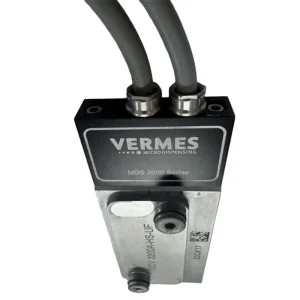
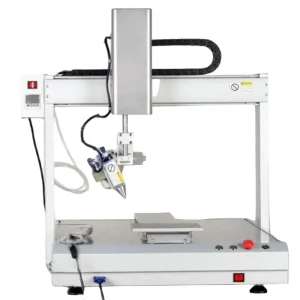
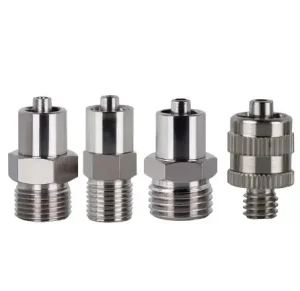
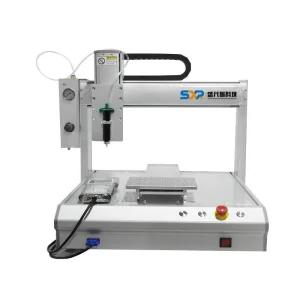
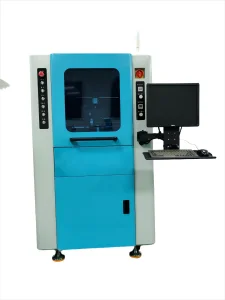
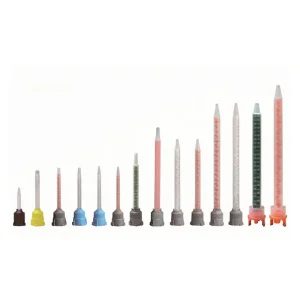
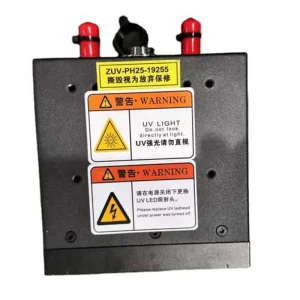
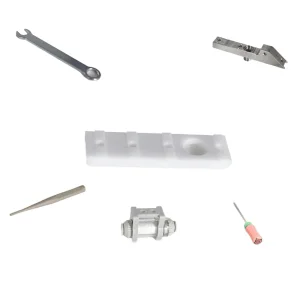
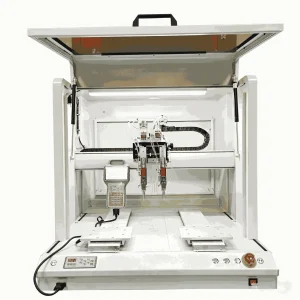
Explore our leading selection of custom valves, light sources, and automated dispensing machines engineered for high-precision manufacturing.
In modern industrial manufacturing—ranging from 3C consumer electronics assembly to new energy lithium battery encapsulation—the integrity of fluid transmission and dispensing systems determines final product yields. As a cornerstone component, the Solenoid Drain Valve regulates condensate discharge, controls system pressure drops, and prevents contamination.
When selecting an Original Design Manufacturer (ODM) for solenoid systems, global enterprises look beyond simple mechanical structures. High-precision manufacturing demands valves that offer precise microsecond response times, exceptional chemical compatibility (handling abrasive materials, silver pastes, and volatile solvents), and sustained durability under high duty cycles. Integrated fluid automation relies on solenoid-activated logic to synchronize clean-out cycles and maintain consistent nozzle pressure, eliminating micro-droplet anomalies.
Our solutions target these complex production requirements, bridging the gap between high-level solenoid actuation and the micro-dispensing environments utilized by top-tier manufacturers globally.
The shift toward micro-dosing and high-frequency valve actuation is redefining procurement priorities in the automation sector.
Next-generation solenoid drain valves incorporate smart sensors to monitor coil temperature, seal wear, and cycle count in real-time, allowing operators to transition from reactive to predictive maintenance strategies.
Transitioning from basic brass to specialized AISI 316L stainless steel bodies and FFKM fluorinated elastomers to resist chemical decomposition when operating with aggressive visual coating fluids.
Implementation of pulse-width modulation (PWM) controllers to reduce power draw by up to 70% once the solenoid core has completed its initial actuation, reducing thermal signatures in thermal-sensitive environments.
| Feature Specification | Standard Solenoid Valve | Anyco ODM Industrial Class | Impact on Manufacturing Yield |
|---|---|---|---|
| Response Delay | > 50 ms | ≤ 10 ms (Pneumatic High-Speed) | Minimizes material tails and dripping in visual dispensing. |
| Operational Lifetime | ~ 5 Million Cycles | > 50 Million Cycles (Tested) | Reduces factory downtime and direct maintenance costs. |
| Sealing Compound | Standard NBR / Viton | PTFE / Customized FKM Elastomers | Allows continuous usage with corrosive polymers and solvents. |
| Customization Scope | Fixed Thread & Voltage | Full Port Configuration & Coil Matching | Enables seamless mechanical integration into existing machinery. |
Operating a global manufacturing plant requires hardware that complies with local regulations. Anyco's fluid components and automatic dispensing accessories are manufactured to align with international regulatory frameworks, including CE Certification, RoHS Compliance, and ISO 9001 quality management guidelines.
Our localized support structure addresses unique operating conditions across key regional markets:
How Anyco leverages the industrial synergy of Shenzhen and Huizhou to deliver value and performance.
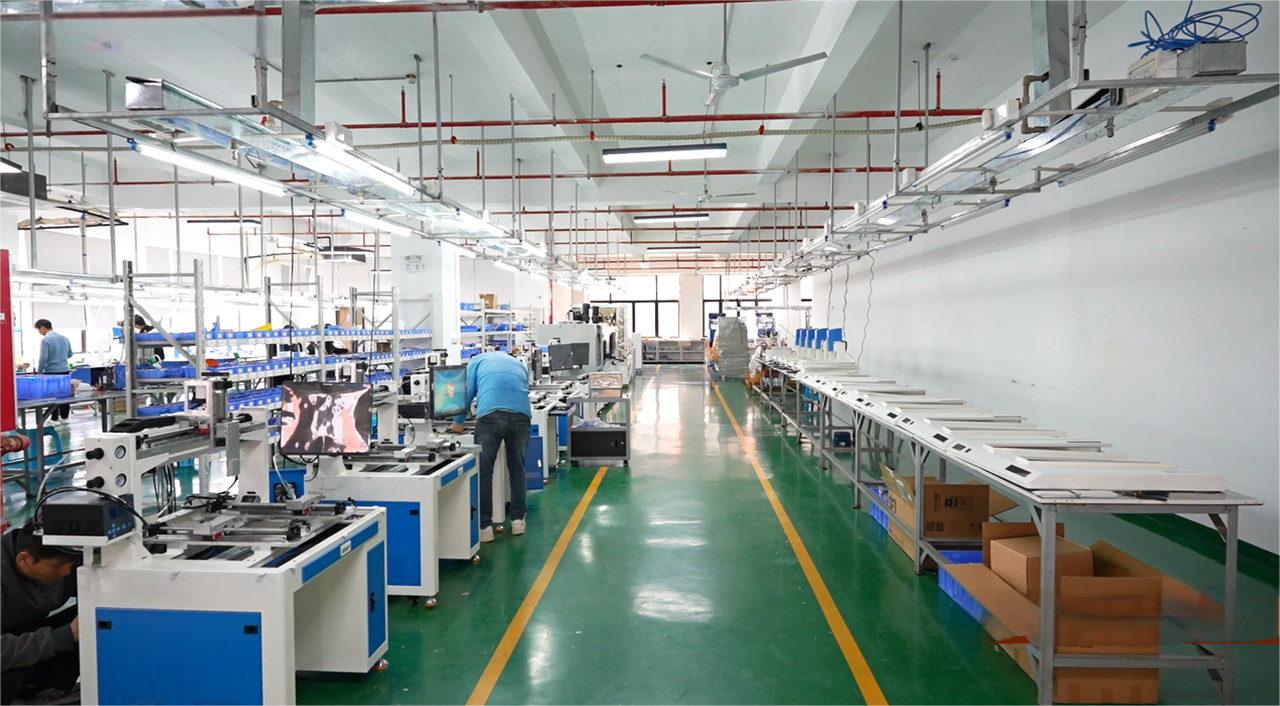
Our corporate headquarters in Guanlan, Shenzhen, manages R&D, engineering design, and international sales. Our production plant in Huizhou covers over 2,000 square meters, allowing us to manage scale and technical support in parallel.
We provide one-on-one tailored design services, modifying port sizing, thread pitches (BSP, NPT, G), seal chemistry, and voltage properties to match specialized dispenser configurations.
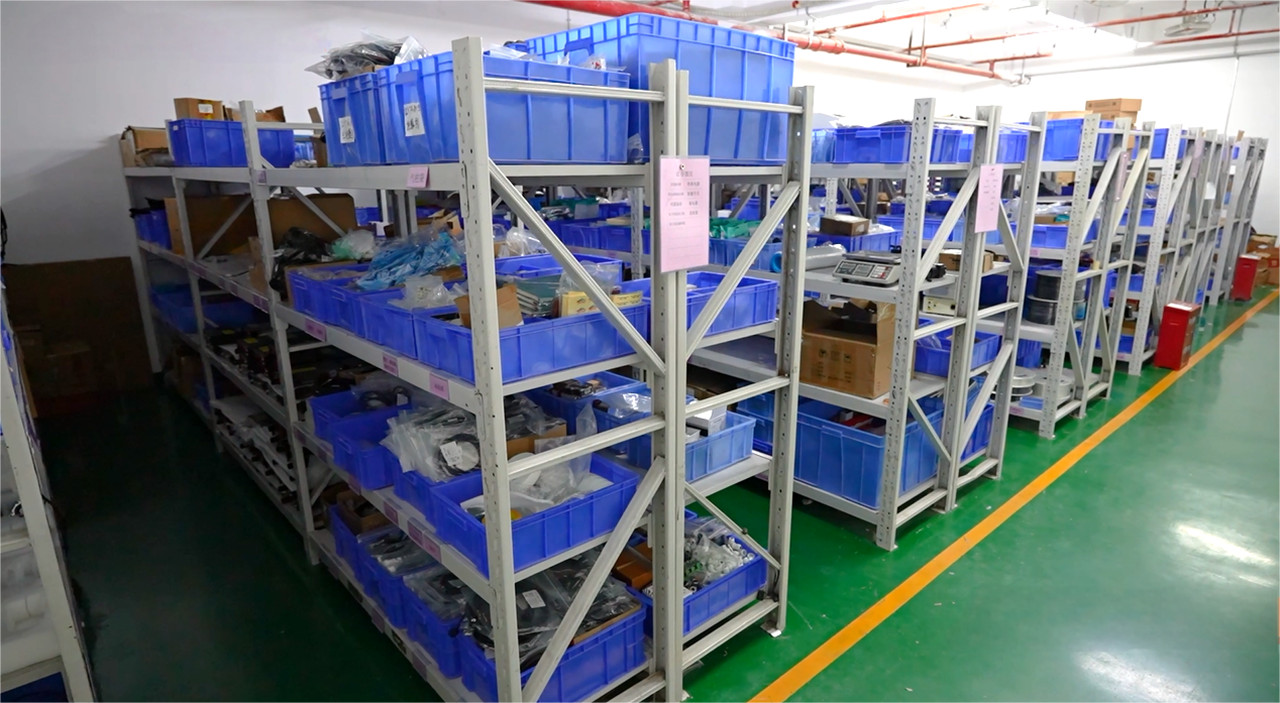
We source structural brass, SUS303/304/316 stainless steel, and high-performance engineering plastics (such as PEEK and PTFE) from verified upstream manufacturers, guaranteeing stability under high pressure.
Our facility uses precision CNC machining centers, automated winding systems, and advanced pressure testing machinery. This allows us to quickly deliver prototypes and scale production while maintaining tight tolerances.
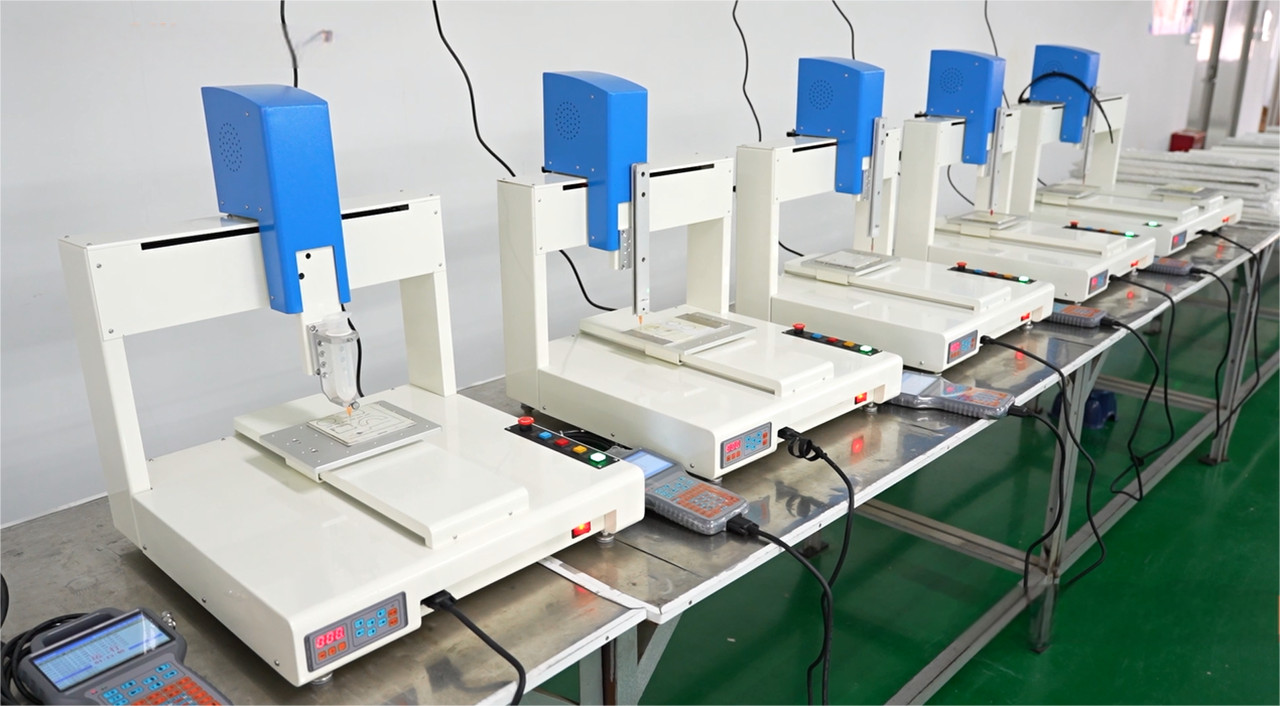
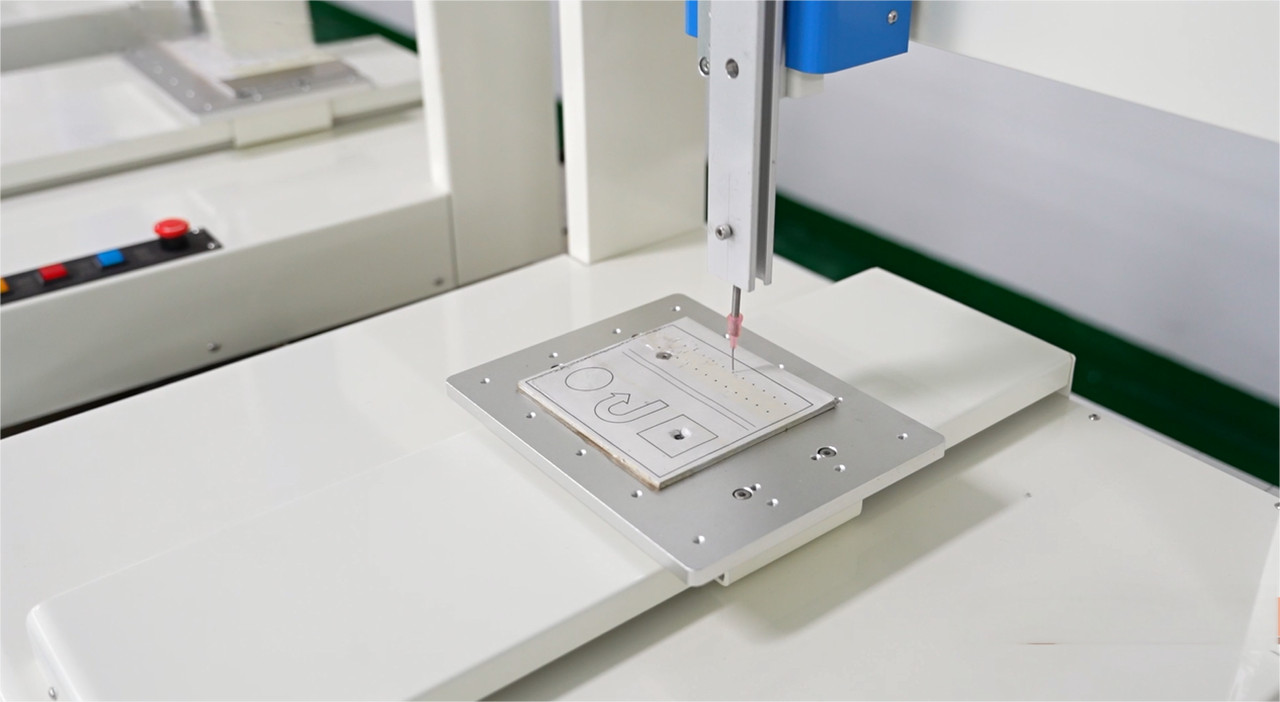
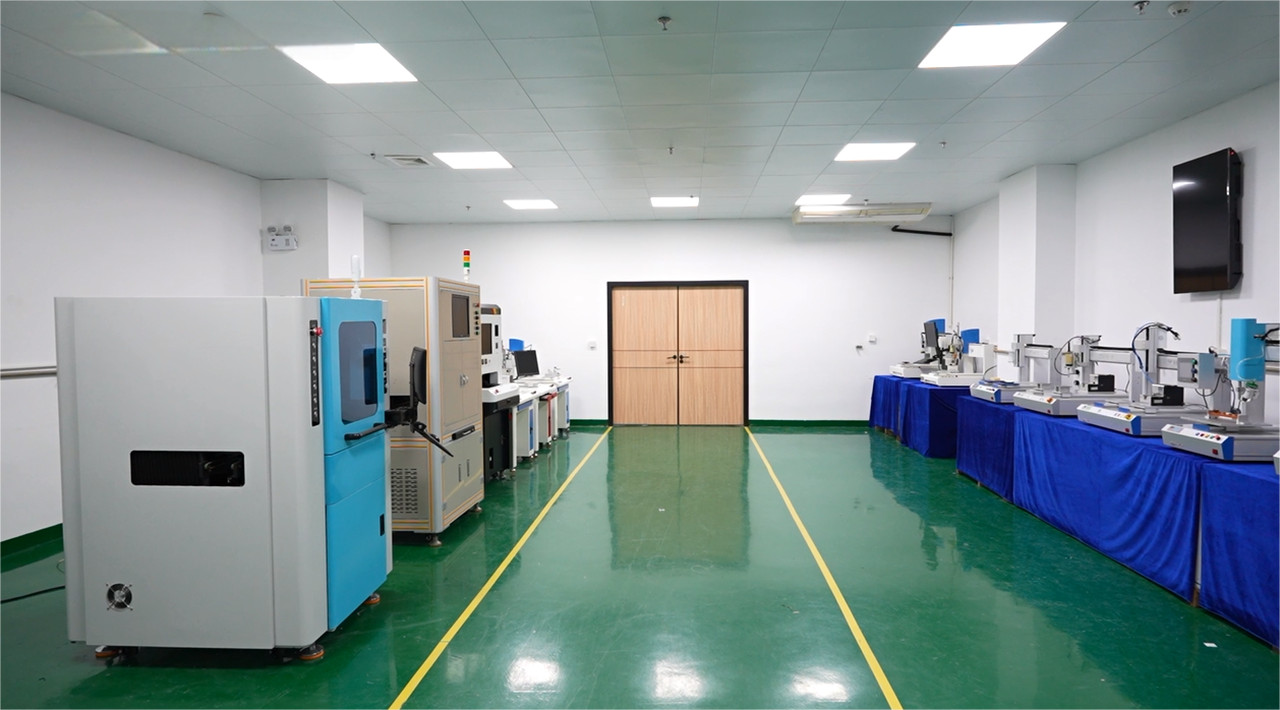
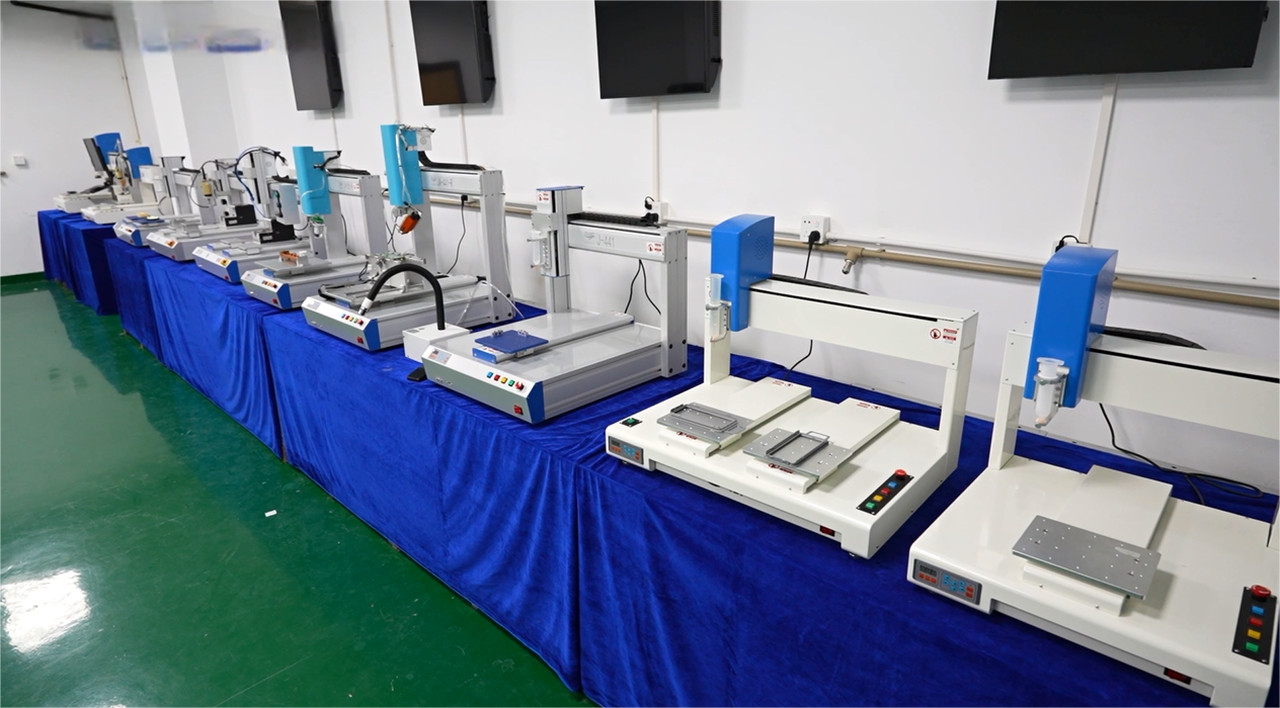
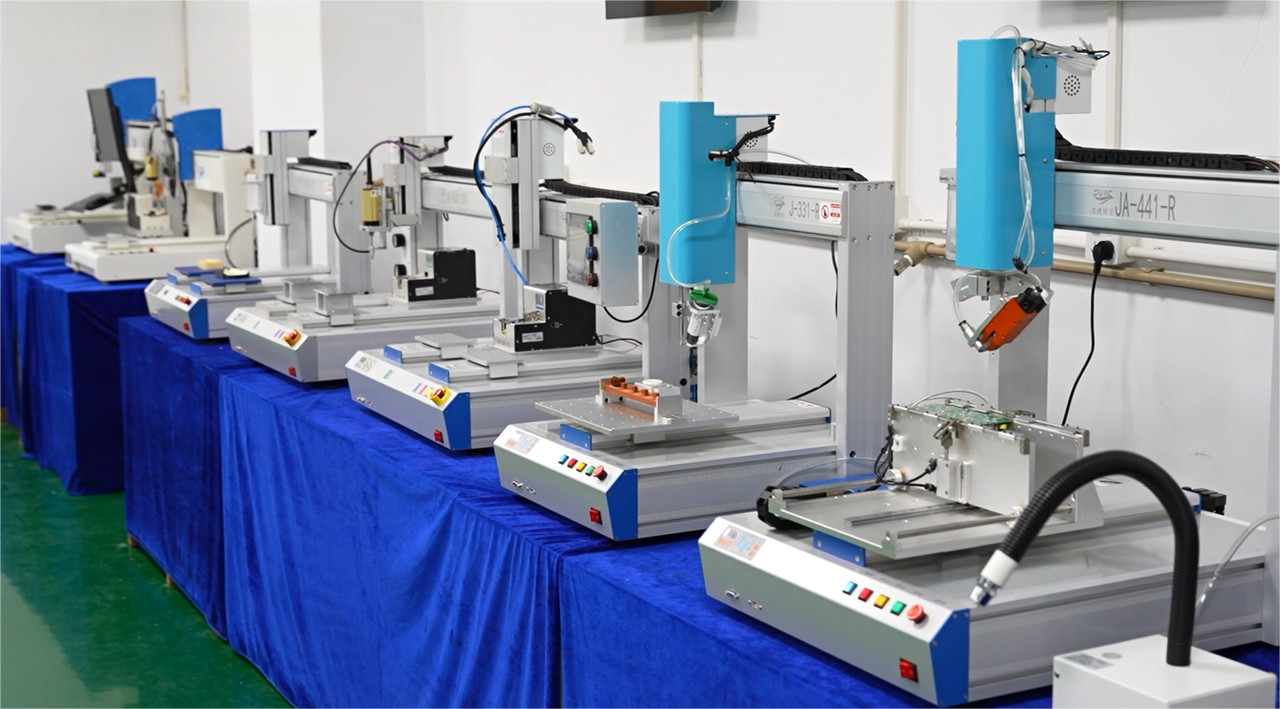
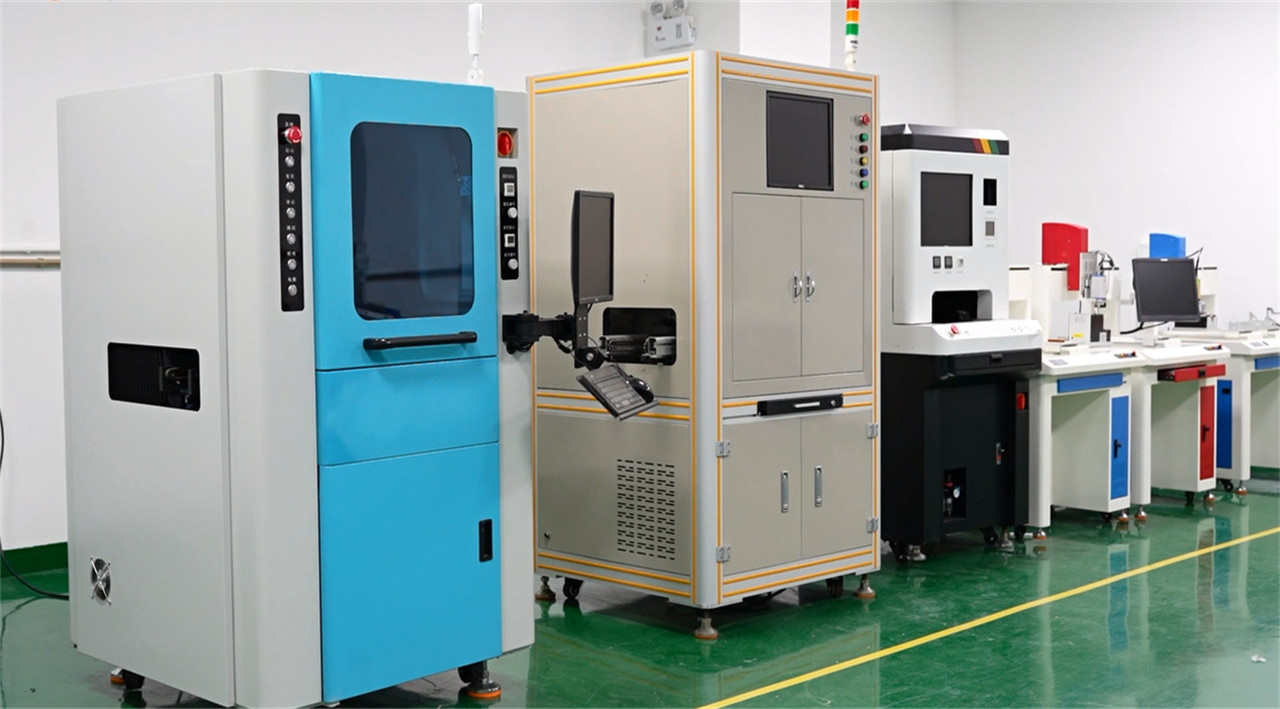
Inside our manufacturing facilities in Huizhou and Shenzhen, where precision components are produced.
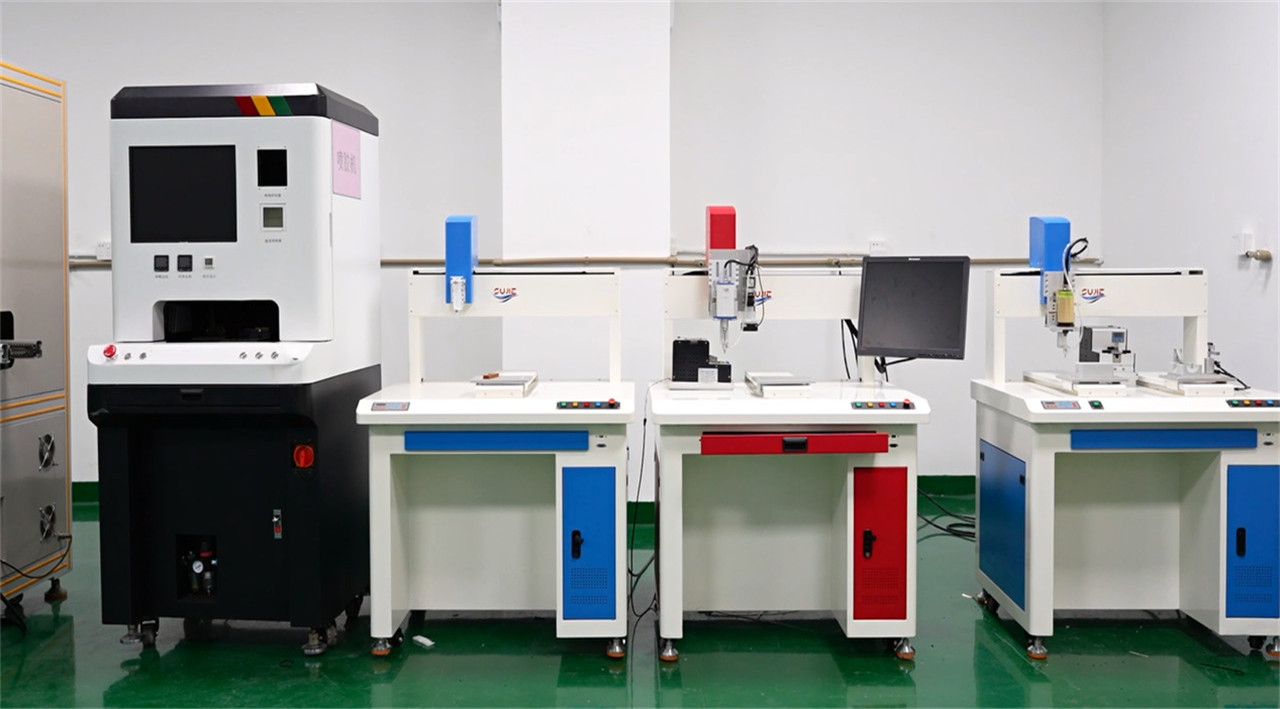
Answers to common engineering and procurement questions regarding custom solenoid drain valves and dispensing accessories.
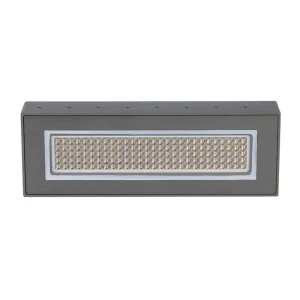
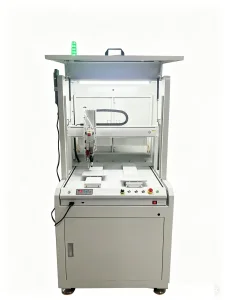
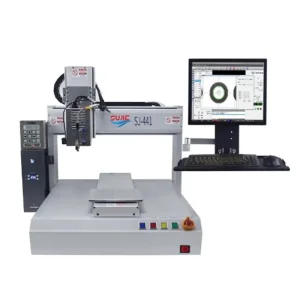
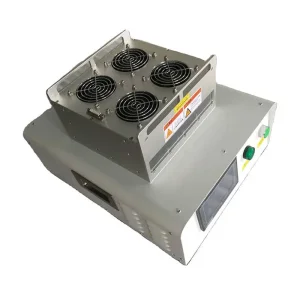
High-durability automatic dispensing units, UV curing lamps, and specialized connectors for industrial automation systems.
 Anyco Automation