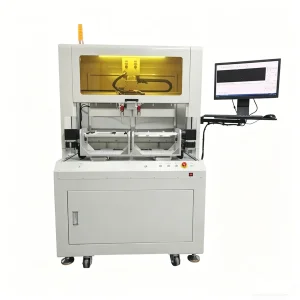
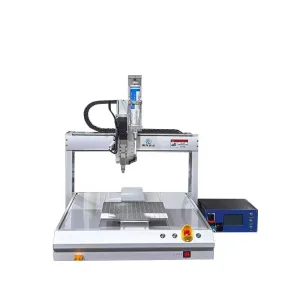
Advanced Industrial Equipment Tailored for Automated PCB Assembly Lines
The global printed circuit board (PCB) protective coating—widely known as conformal coating—industry is undergoing a massive paradigm shift. As consumer electronics, electric vehicles (EVs), medical diagnostic equipment, and aerospace electronics become increasingly compact and complex, the demand for high-reliability barrier protection against moisture, dust, chemical contaminants, and thermal shock has reached unprecedented levels.
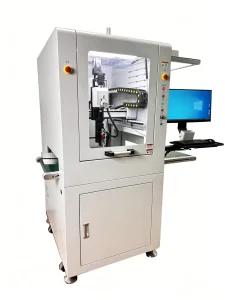
Conformal coating machines serve as the frontline defense in assuring long-term product survivability. By applying thin, uniform layers of polymeric materials (such as acrylics, silicones, polyurethanes, and UV-curable resins), these machines protect high-density interconnects (HDIs) from dendritic growth and electrical failure. OEMs and Tier-1 EMS (Electronics Manufacturing Services) suppliers are shifting away from manual spraying methods to highly automated selective coating platforms that maximize throughput while minimizing material waste and volatile organic compound (VOC) emissions.
From an international supply chain perspective, manufacturing hubs in Southeast Asia, India, Vietnam, and Mexico are scaling up their local assembly lines, requiring flexible, high-precision automated fluid control equipment that complies with localized environmental and manufacturing safety regulations.
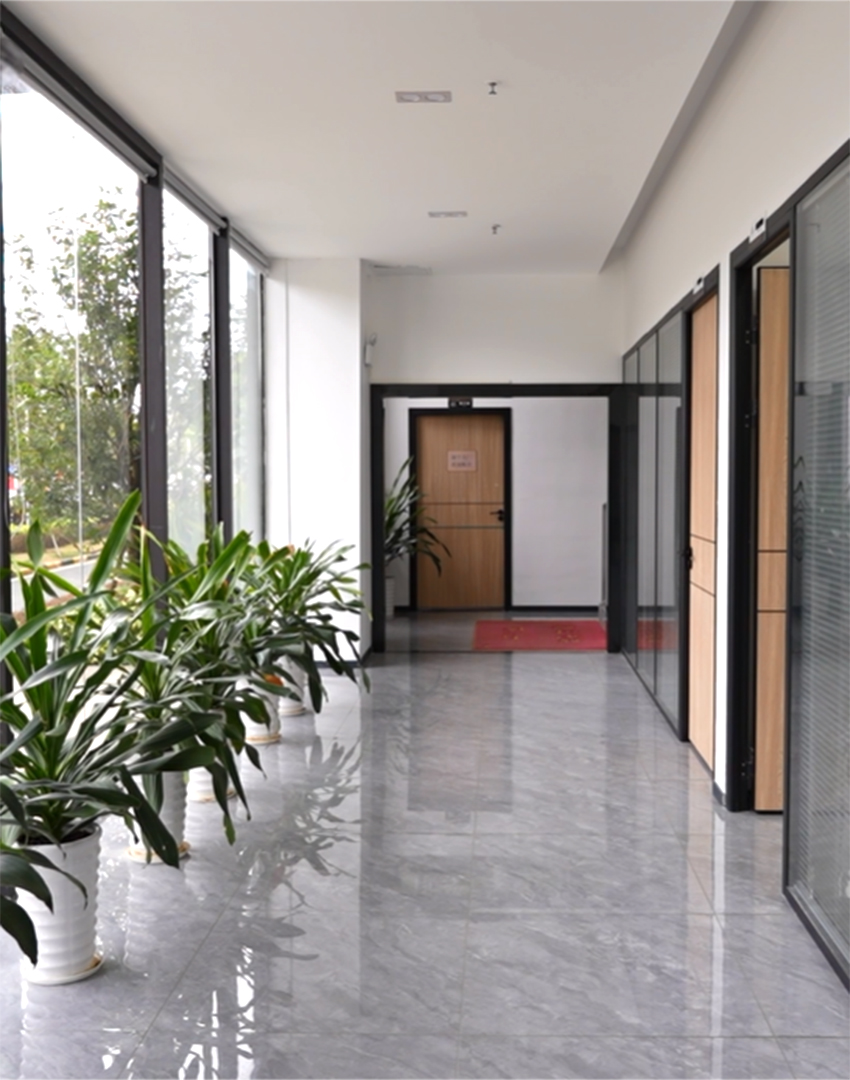
Crucial shifts in PCB protective coating, dispensing technologies, and curing mechanisms
Modern production facilities demand full traceabilities. Modern coating systems incorporate real-time monitoring, barcode readers, and standard communications (like SECS/GEM or IPC-CFX) to link directly with factory MES, tracking viscosity, pressure, and flow rates for every single board.
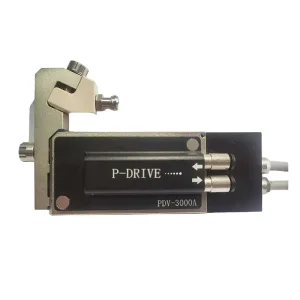
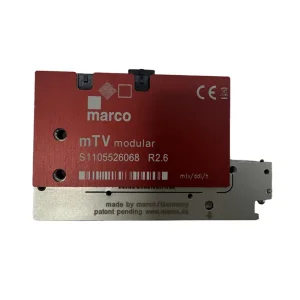
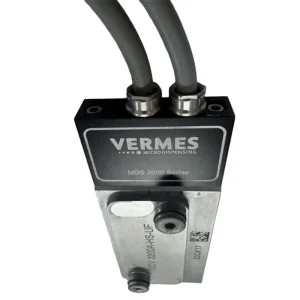
Traditional pneumatic valves struggle with low-viscosity adhesives or dense component spacing. The industry is rapidly adopting piezoelectric jetting technology, which achieves ultra-high cycle speeds and micrometer-level dots, eliminating overspray and keeping keep-out zones completely clean.
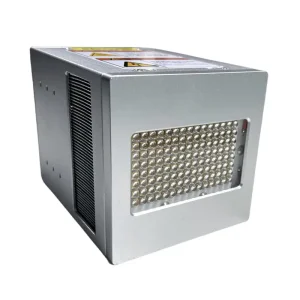
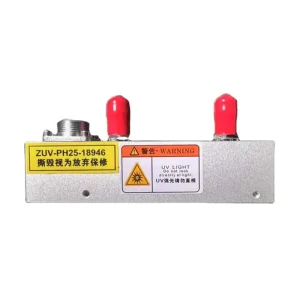
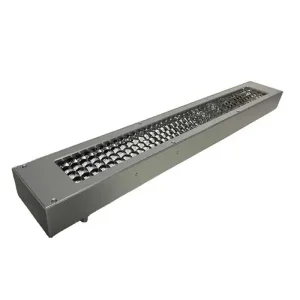
Energy efficiency regulations are pushing manufacturers away from traditional solvent-based thermal cure ovens. UV LED area light sources (typically operating at 365nm to 395nm wavelengths) enable instantaneous, solvent-free polymer curing with minimal carbon footprints and thermal stress on sensitive components.
Dispensing Accuracy
Coating Axes (X, Y, Z, Rotation, Tilt)
Piezo Jet Frequency
Huizhou Modern Factory Area
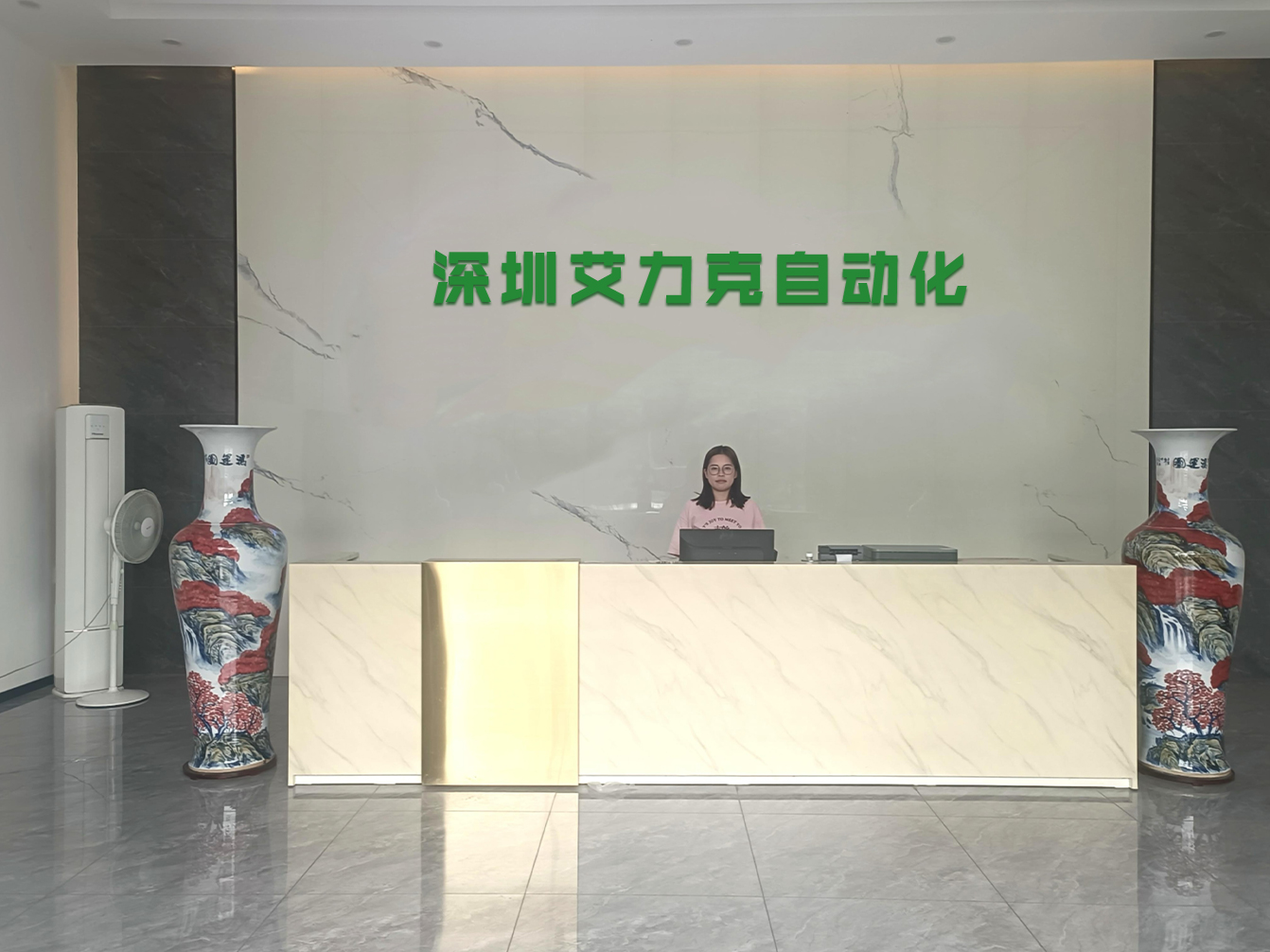
Founded in 2013, Shenzhen Anyco Automation Equipment Co., Ltd. is a premier, national high-tech enterprise integrating the research, development, production, sales, and after-sales technical service of automated fluid control systems and precision accessories. Operating as a comprehensive, one-stop precision dispensing equipment accessories customized factory, Anyco maintains its corporate headquarters in Guanlan, Shenzhen, and a manufacturing facility in Huizhou, spanning an expansive area of over 2,000 square meters.
Anyco pioneered a portfolio of proprietary technologies and core intellectual property. We deliver high-speed, high-precision intelligent manufacturing solutions tailored for the home appliance, consumer electronics, 3C (computers, communications, and consumer electronics) market, and automotive electronics sectors. Our global users trust the advancement, reliability, and unparalleled flexibility of Anyco's fluid dispensing and conformal coating platforms.
Delivering high-reliability equipment to primary manufacturing sectors worldwide
Our core markets span major manufacturing regions across Southeast Asia, India, Vietnam, Thailand, North America (Mexico), and North Africa (Morocco). With competitive pricing, robust machinery construction, and high-performance fluid valves, we provide custom engineered solutions matching global client requirements.
Addressing high-volume mobile device manufacturing, microphone array dispensing, and consumer electronics assembly. Anyco systems support rapid deployment, easy operation, and localized technical training.
Serving automotive Tier-1 suppliers. Automated conformal coating solutions ensure under-hood PCBs withstand extreme temperatures, vibrations, and corrosive chemicals according to strict automotive standards.
Supporting emerging home appliance and automotive manufacturing plants with robust, easy-to-maintain desktop dispensing equipment and CE-certified electronic valves.
Our competitive edge in advanced fluid dispensing technology
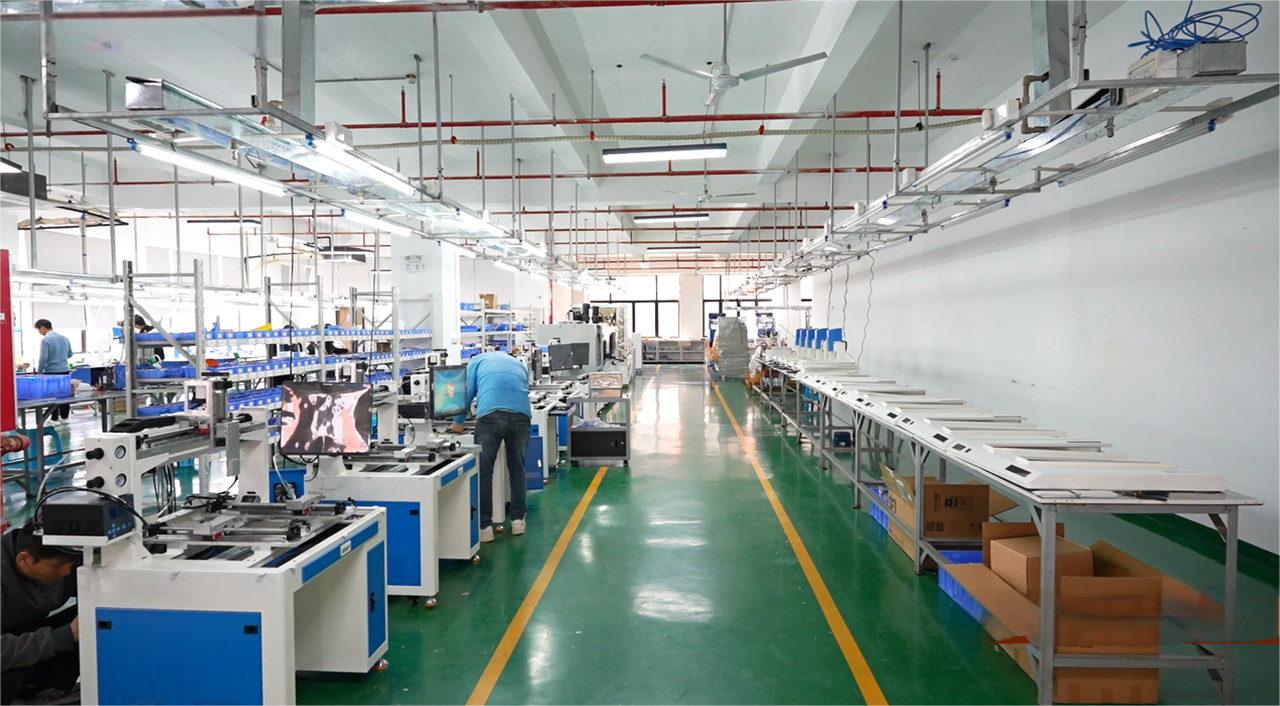
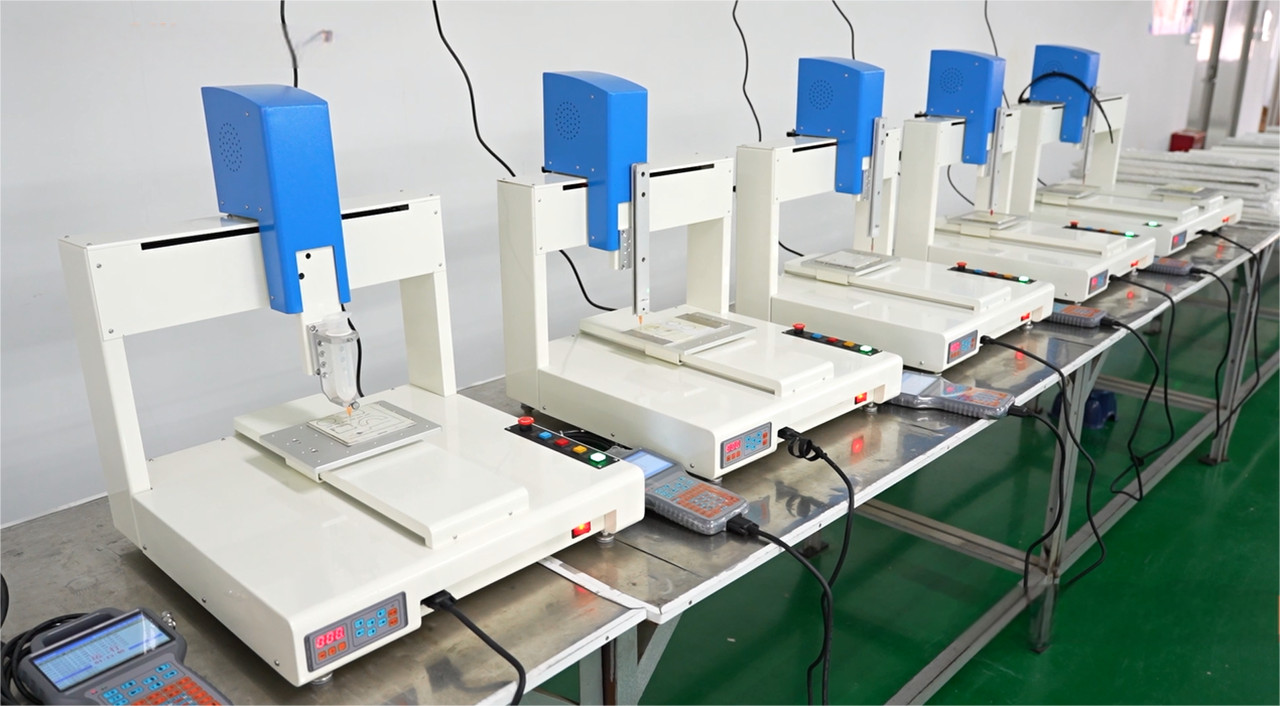
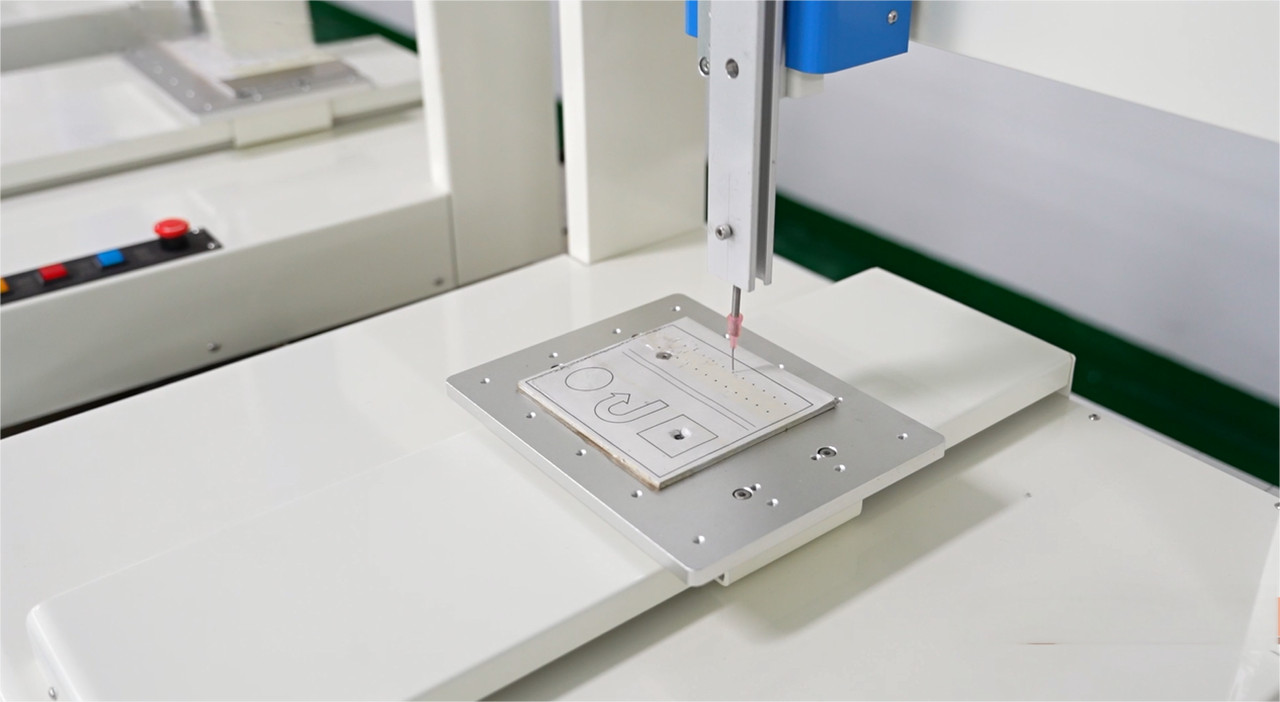
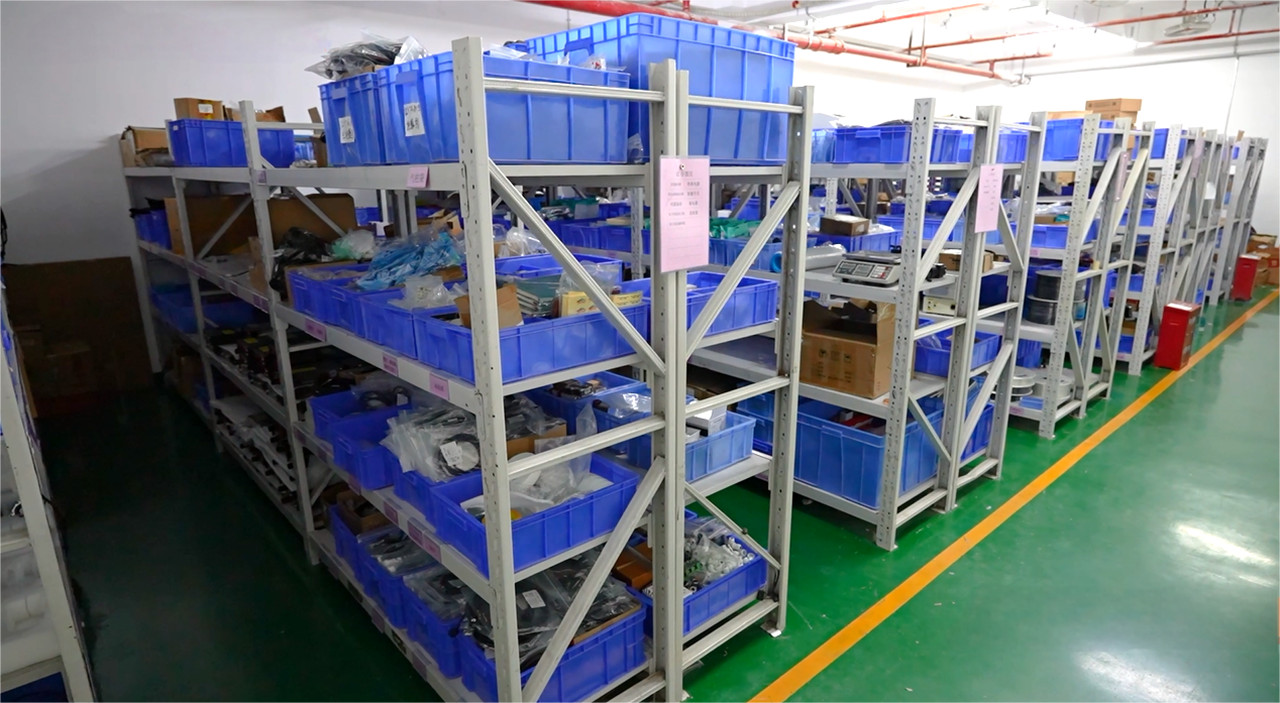
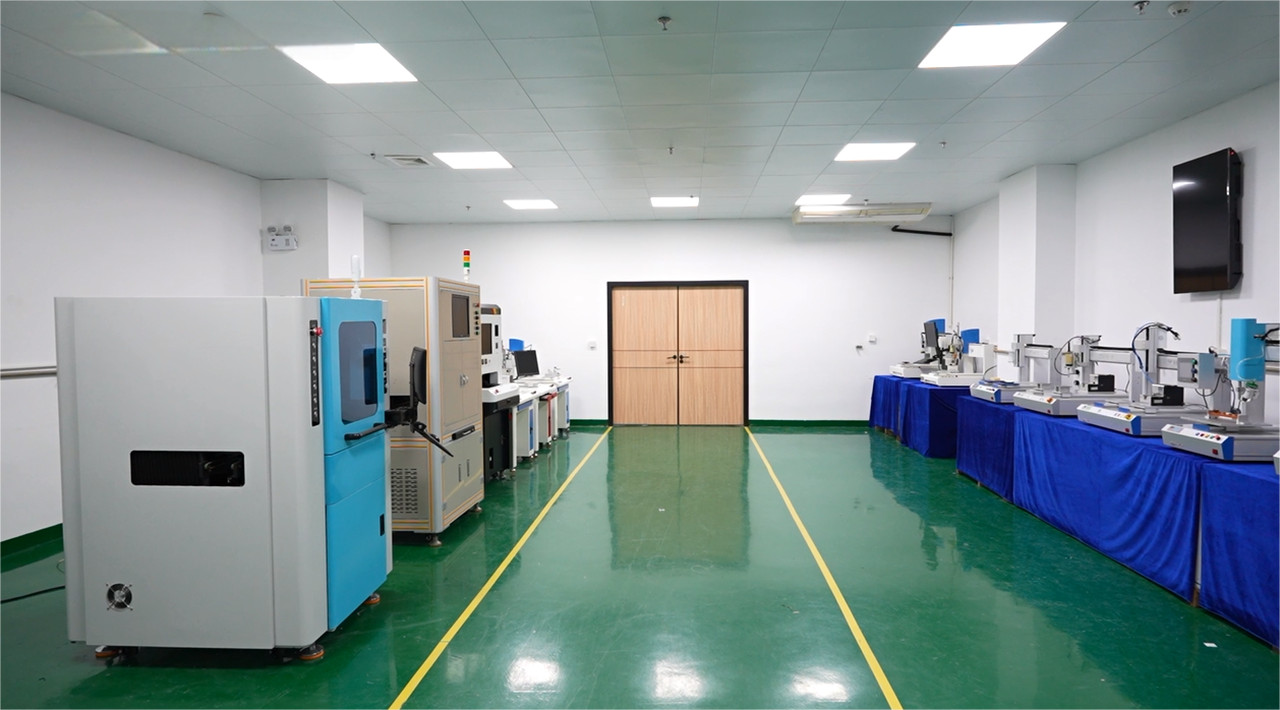
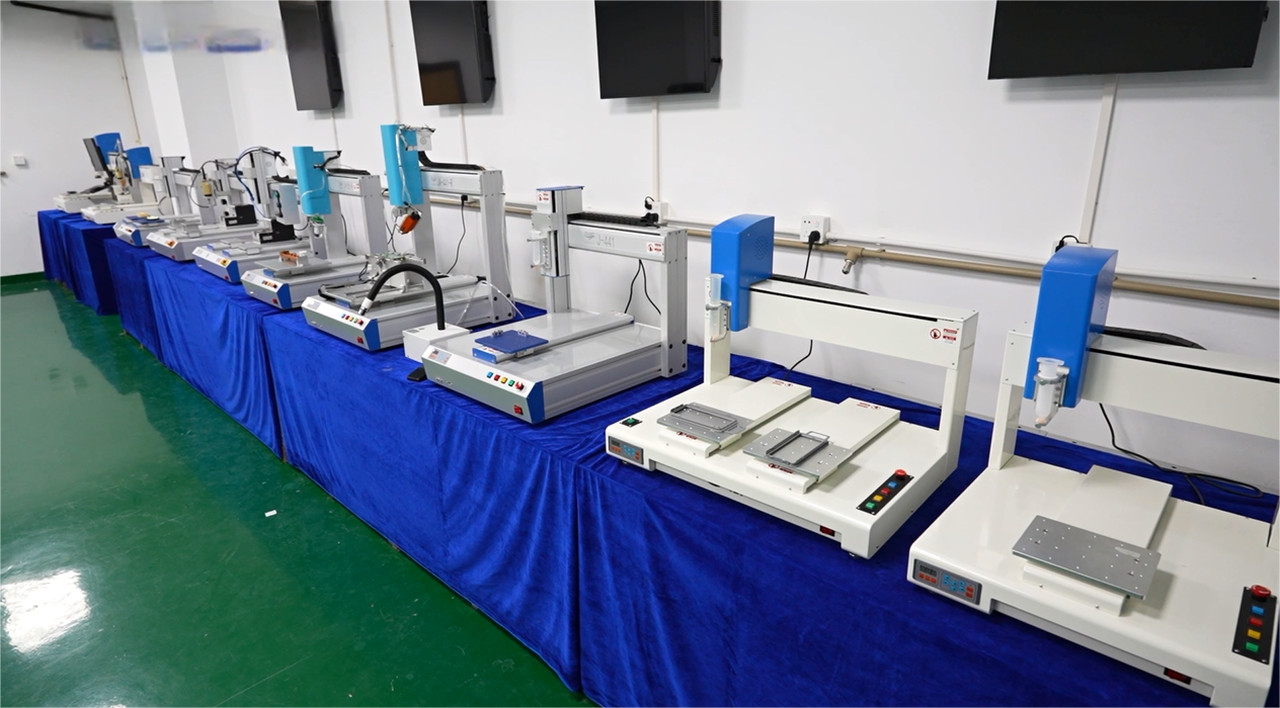
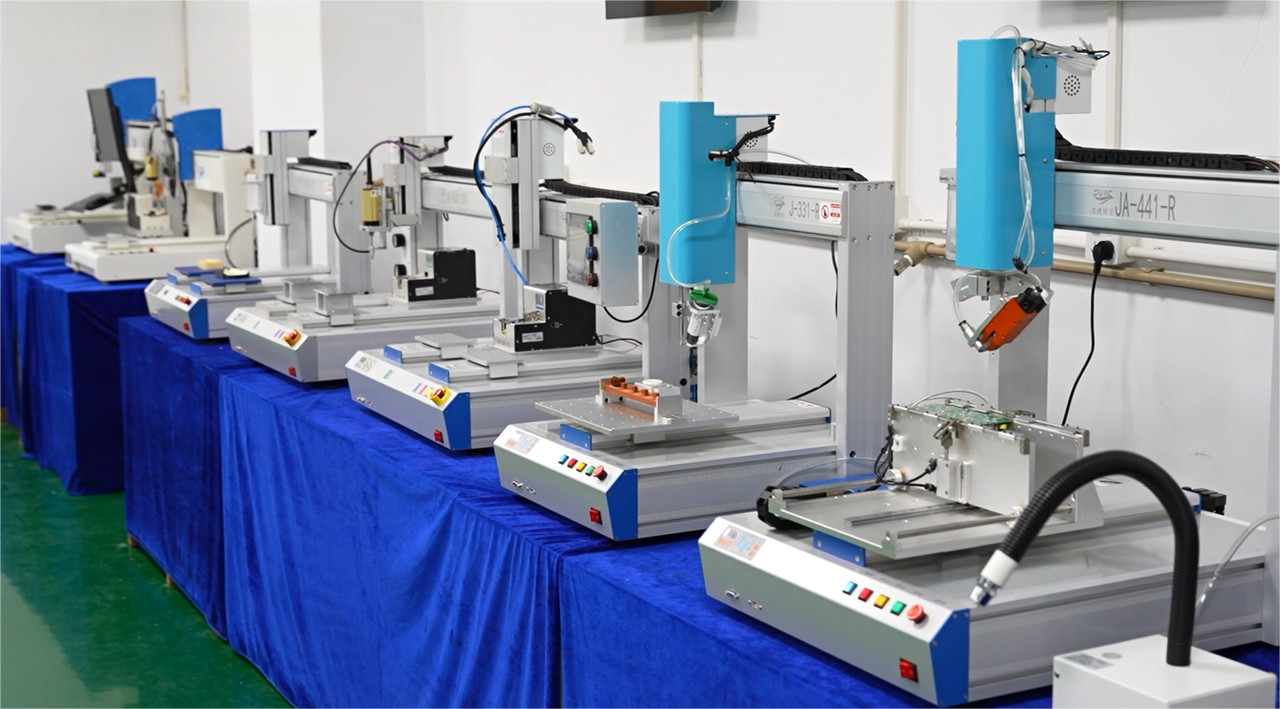
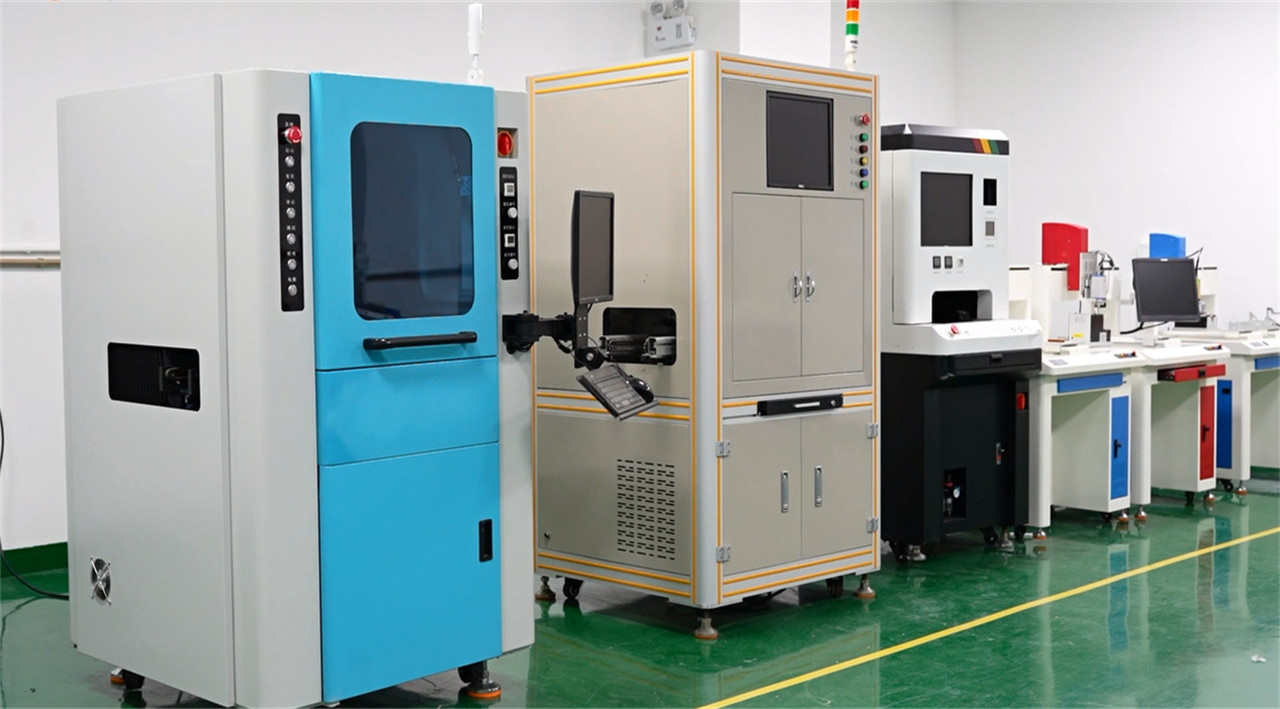
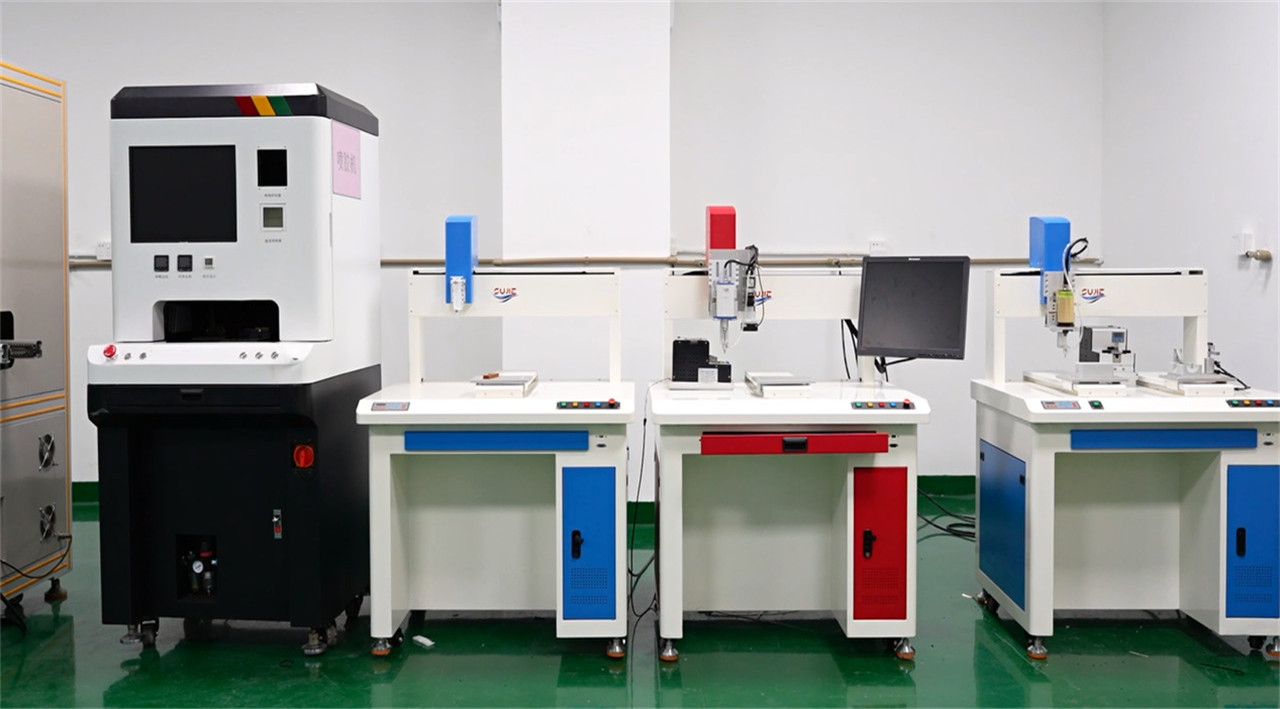
With a modern factory in Huizhou, we implement lean manufacturing paradigms to ensure every component, from pneumatic solenoids to heavy-duty gantry frames, undergoes strict quality control. Below are snapshots of our real-world factory, illustrating our professional production environments:
Anticipating the next steps in high-reliability industrial fluid deposition
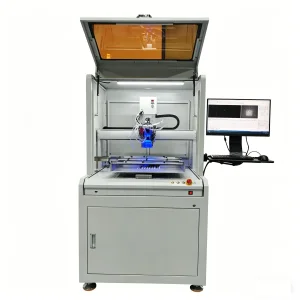
Future automated coating lines will merge coating and inspection into a single closed loop. Built-in UV AOI (Automated Optical Inspection) sensors inspect the wet thickness and coverage area of conformal coatings immediately after deposition. If dry spots, air bubbles, or excessive coating thicknesses are detected, the system automatically tweaks spraying parameters in real-time, preventing defect propagation down the line.
As PCBs become more dense, calculating the optimal travel path for coating heads manually becomes tedious. Anyco is prototyping software that accepts 3D CAD models of PCBs, recognizes component heights, calculates gravity-driven fluid flow profiles, and automatically generates collision-free, optimized dispensing trajectories. This minimizes programming overhead from days to minutes.
With the rise of wearable electronics, ultra-thin protective coatings (such as fluoropolymer nano-coatings) are gaining traction. Standard spray systems cannot process these extremely low viscosity materials without splashing or thickness variations. Our development efforts focus on specialized low-pressure atomization valves to coat nano-scale barriers uniformly without risking component damage.
End-to-end fluid deposition, inspection, and curing architectures
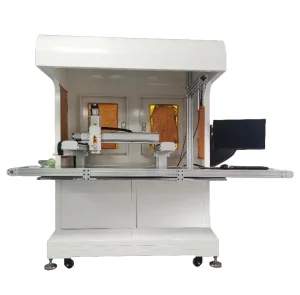
We don't just export standalone units; we design macro-level factory processes. By combining automated loading, pre-heating, selective coating, inline UV/thermal curing, and sorting systems, we provide turn-key production lines that slash operational costs and maintain continuous quality.
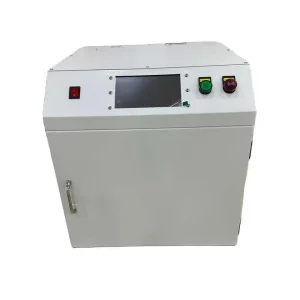
Using fluid reservoirs with automatic stirring, vacuum degassing, and constant temperature jackets to ensure materials enter the dispensing lines at perfect, stable viscosities.
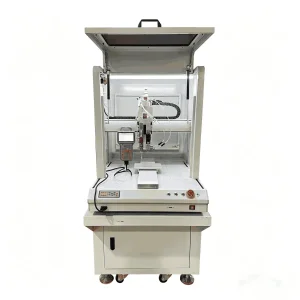
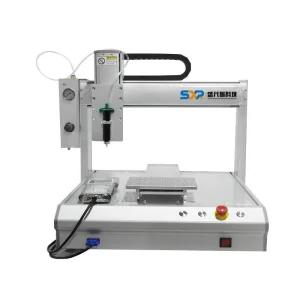
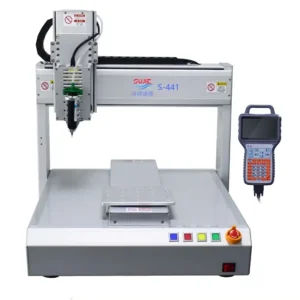
Employing multi-axis gantry robots equipped with vision tracking systems, high-speed piezo jet valves, and selective atomizing nozzles to apply coatings only where required.
Passing coated assemblies through specialized inline curing chambers equipped with water-cooled or air-cooled UV LED light sources, producing fully cured, cross-linked barriers within seconds.
Expert insights on troubleshooting and optimizing your automated PCB coating lines
A: Bubbles typically result from solvent entrapment, excessive atomizing pressure, or chemical reactions. To prevent bubbles, ensure materials undergo proper vacuum degassing prior to feeding. Furthermore, optimize nozzle speeds; moving too fast can trap air pockets beneath the wet layer. Orange-peel defects usually stem from incorrect solvent-to-resin ratios or spraying at excessive distances, causing the solvent to flash off mid-air. Adjusting fluid viscosity and keeping a consistent nozzle height of 10-15mm helps resolve this.
A: Traditional needle dispensing relies on pneumatic pressure pushing fluid out of a tip, which is limited by mechanical friction and cycle times. Piezoelectric jetting uses a piezo actuator to generate high-frequency kinetic energy, shooting discrete droplets (down to nanoliter volumes) without needle touch. This permits speeds up to 1000 Hz, eliminates Z-axis height tracking delays, prevents tip contamination, and allows dispensing into narrow cavities.
A: In a connected smart factory, the coating machine sends status signals (using protocols like SMEMA) to the UV curing box. The speed of the conveyor belt is dynamically synchronized to match both coating cycle times and required UV energy dosages (measured in mJ/cm²). If the curing box sensors detect lamp degradation or insufficient temperatures, the feedback loop triggers an alarm and halts the upstream coating feed to prevent uncured products from packing.
A: Anyco offers comprehensive one-on-one customization. We can modify physical machine footprints, integrate dual-valve mechanisms (e.g., combining a spray valve and a jet valve on a single gantry), install custom CCD cameras for automatic fiducial alignment, and customize software GUI to match localized operator languages. We also customize specialized nozzles and fluid fluidic paths to handle highly filled, abrasive fluids.
A: Most conformal coating resins are highly temperature-sensitive. As temperatures drop, viscosity increases, which leads to nozzle clogging, uneven spray patterns, or thicker coatings. Anyco addresses this by providing optional inline fluid heaters, temperature-regulated valve bodies, and environmental control modules inside the machine enclosure, keeping fluid temperatures within ±0.5°C tolerance.
A: For markets like Europe and parts of Southeast Asia, CE Certification is mandatory, guaranteeing compliance with machinery directives, electrical safety, and electromagnetic compatibility. For pressure vessels utilized in fluid feed systems, ASME or local pressure vessel certifications are required. Anyco’s equipment complies with all global electrical and pneumatic safety regulations for seamless import clearance.
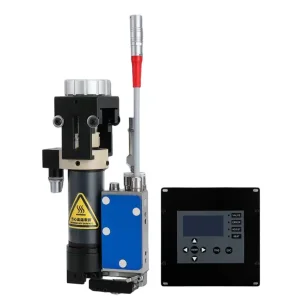
High-End Curing Modules, Follow-Up Systems, and Precision Valves
 Anyco Automation