A technical whitepaper analyzing the diagnostic role of electromagnetic override systems in automated line setups, smart manufacturing pipelines, and high-frequency fluid control systems.
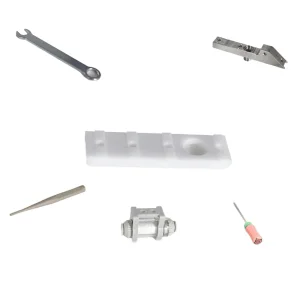
Within modern industrial automation, the Solenoid Valve Magnet Tool (often referred to as a solenoid valve tester or magnetic manual override tool) serves as an essential utility for engineering teams. It allows technicians to manually actuate and troubleshoot 2-way, 3-way, or 4-way electromagnetic solenoid valves without requiring electrical connections. By applying a high-intensity, localized magnetic flux directly to the armature cylinder of the valve coil assembly, the magnetic tool bypasses the electrical coil entirely. This action isolates mechanical failures from electrical grid control issues.
For operations involving complex fluid dynamics—such as electronic manufacturing dispensing valves, pneumatic actuators, and liquid dosing systems—diagnostic efficiency determines overall line productivity. When fluid dispensing nozzles or jetting valves undergo maintenance, shutting down the automation controllers to verify coil status introduces costly system downtime. An OEM-engineered solenoid valve magnet tool provides a safe, spark-free method to temporarily override processes in explosive or high-purity environments, preserving cleanroom standards and reducing diagnostic operations from hours to seconds.

As automated production lines transition to Industry 4.0 frameworks, pneumatic valve manifolds and piezoelectric jetting valves demand stricter maintenance protocols. Operating a physical manual override pin on a miniature valve block can damage fragile internal seals. The solenoid valve magnet tool offers a completely contact-free, non-invasive method of actuation. By selecting the correct magnet size, internal bore, and magnetic force gradient, global manufacturing teams can execute reliable tests on valves from brands such as SMC, Festo, Norgren, and ASCO, ensuring compatibility across entire industrial ecosystems.
| Diagnostic Parameter | Standard Manual Override Pin | Magnetic Override Tool Method | Piezoelectric / Smart Valve Method |
|---|---|---|---|
| Actuation Method | Mechanical Physical Contact (Pin Press) | Non-contact Electromagnetic Induction | Digital Loop Control & Piezo Actuation |
| Wear & Tear Risk | High (Risk of seal and pin deformation) | None (No contact with internal parts) | None (Electronic driver control) |
| Downtime Needed | Moderate (Requires manual safety override lock) | Zero (Instant loop verification on-the-fly) | Minimal (Software loop self-test diagnostics) |
| Explosion Safety | Risk of mechanical sparking | Intrinsically Safe (Spark-proof casing) | Requires ATEX/IECEx certified wiring |
A deep look at our modern facility, R&D protocols, and optimized manufacturing capabilities in South China's technology cluster.
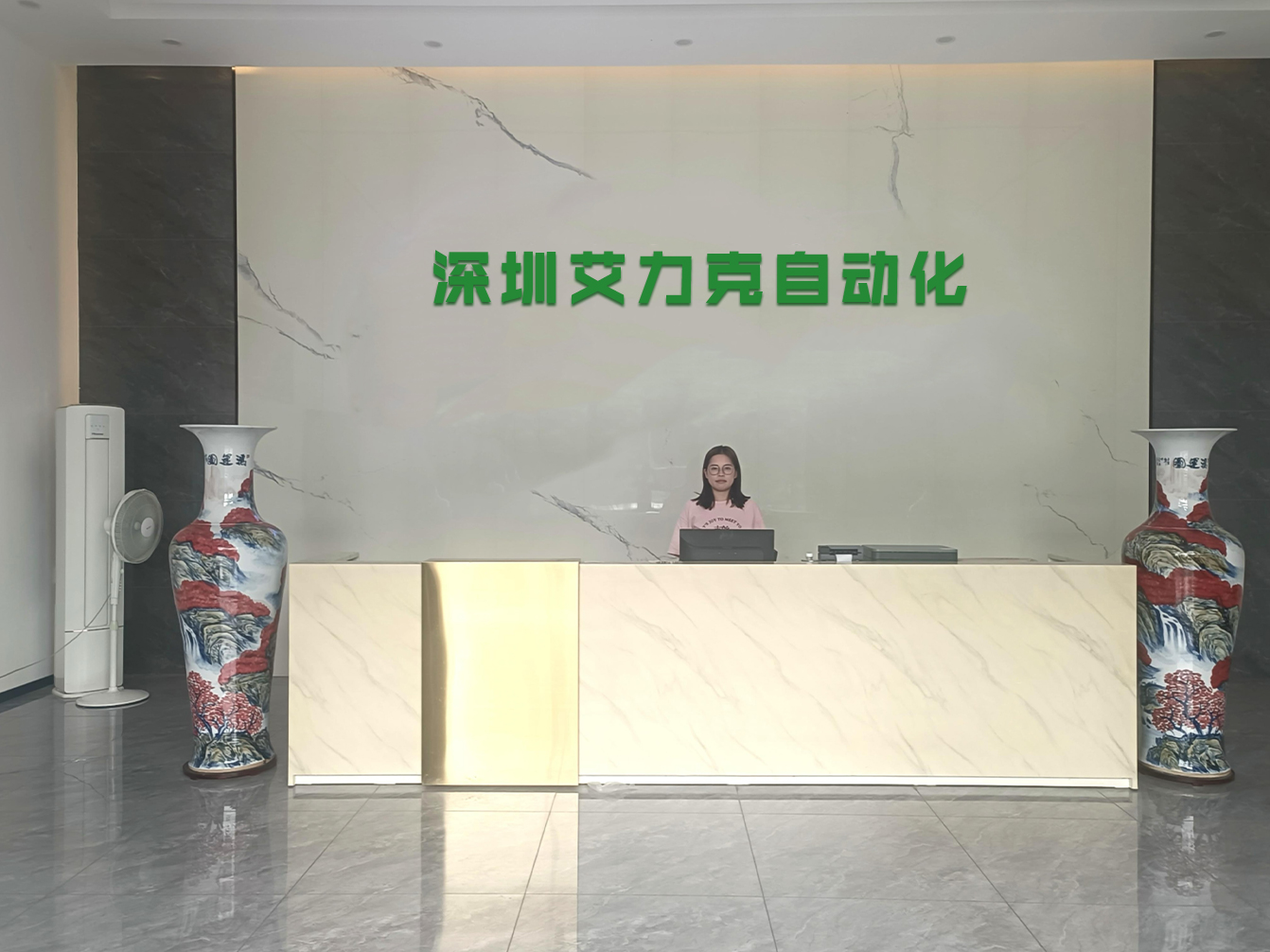
Founded in 2013, Shenzhen Anyco Automation Equipment Co., Ltd. has established itself as a leading developer and manufacturer of automated fluid control equipment, high-precision dispensing systems, and specialty industrial consumables. With headquarters in Guanlan, Shenzhen, and an integrated manufacturing facility in Huizhou covering more than 2,000 square meters, we specialize in high-efficiency custom solutions designed for the global market.
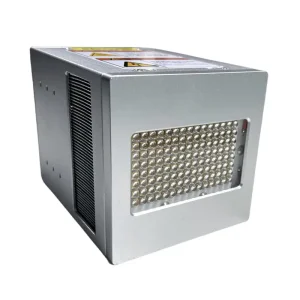
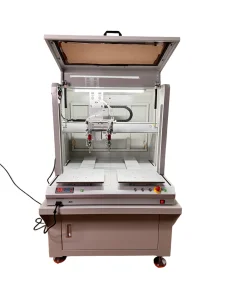
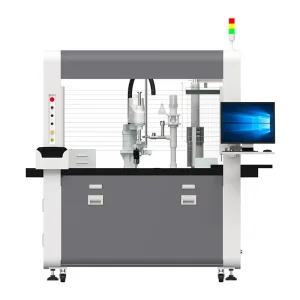
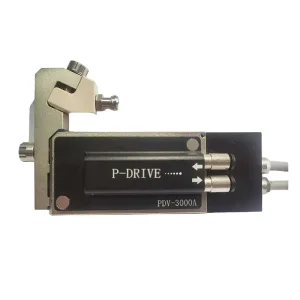
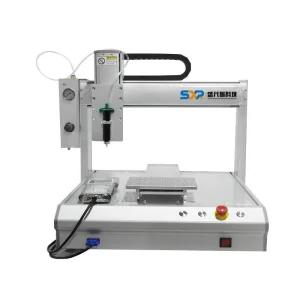
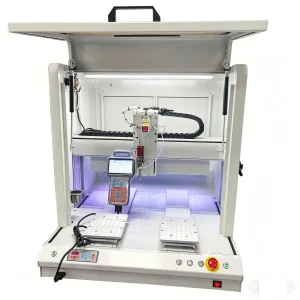
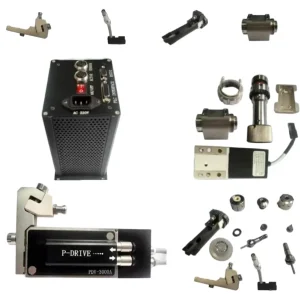
Our engineering team designs fluid handling products with high-volume manufacturing environments in mind. Whether producing piezo jetting valve accessories, conformal coating systems, UV curing light sources, or custom solenoid valve magnet tools, our focus is on structural durability and process repeatability. Operating at the intersection of automation software development and precision mechanical design, Anyco supports leading global brands in consumer electronics (3C), automotive systems, aerospace, and medical device manufacturing.
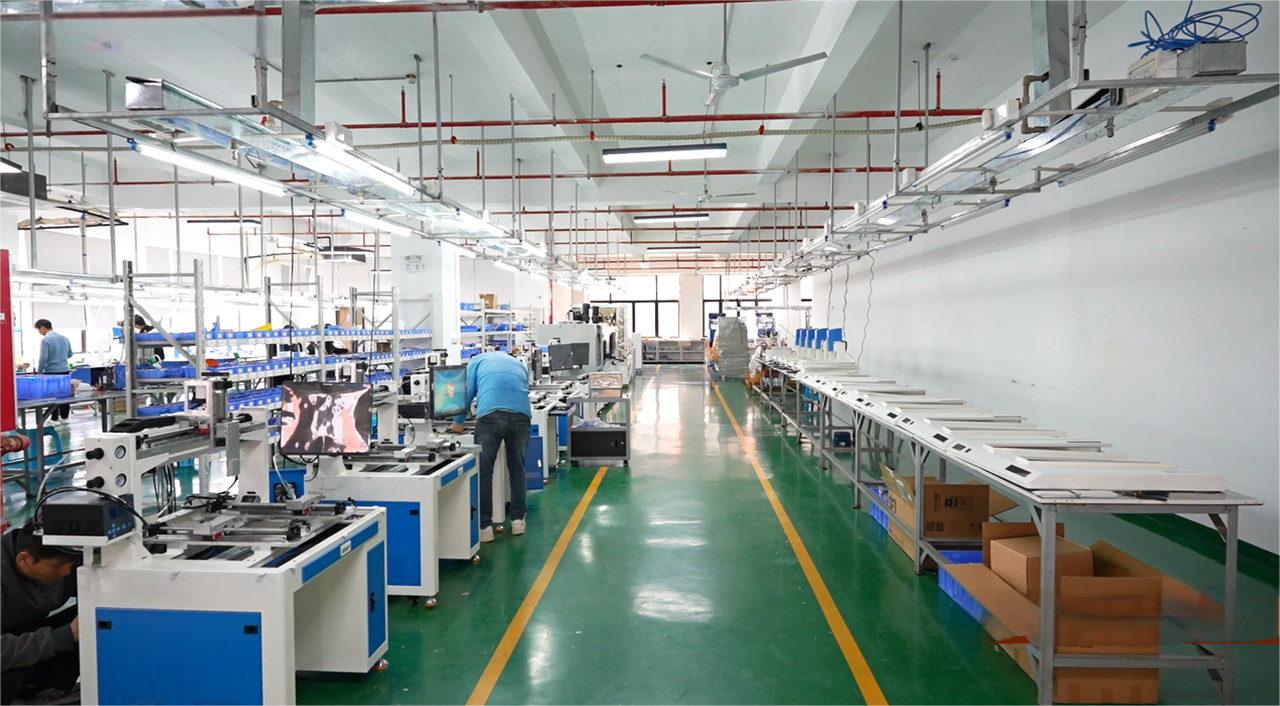
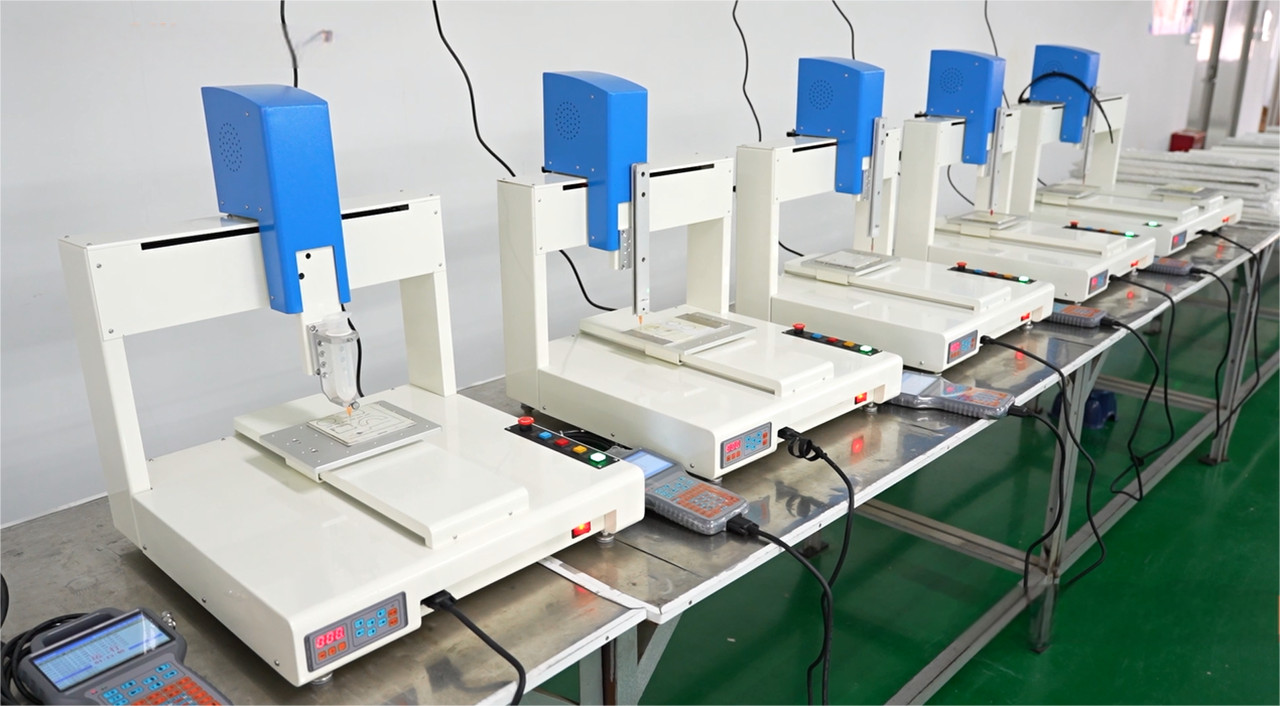
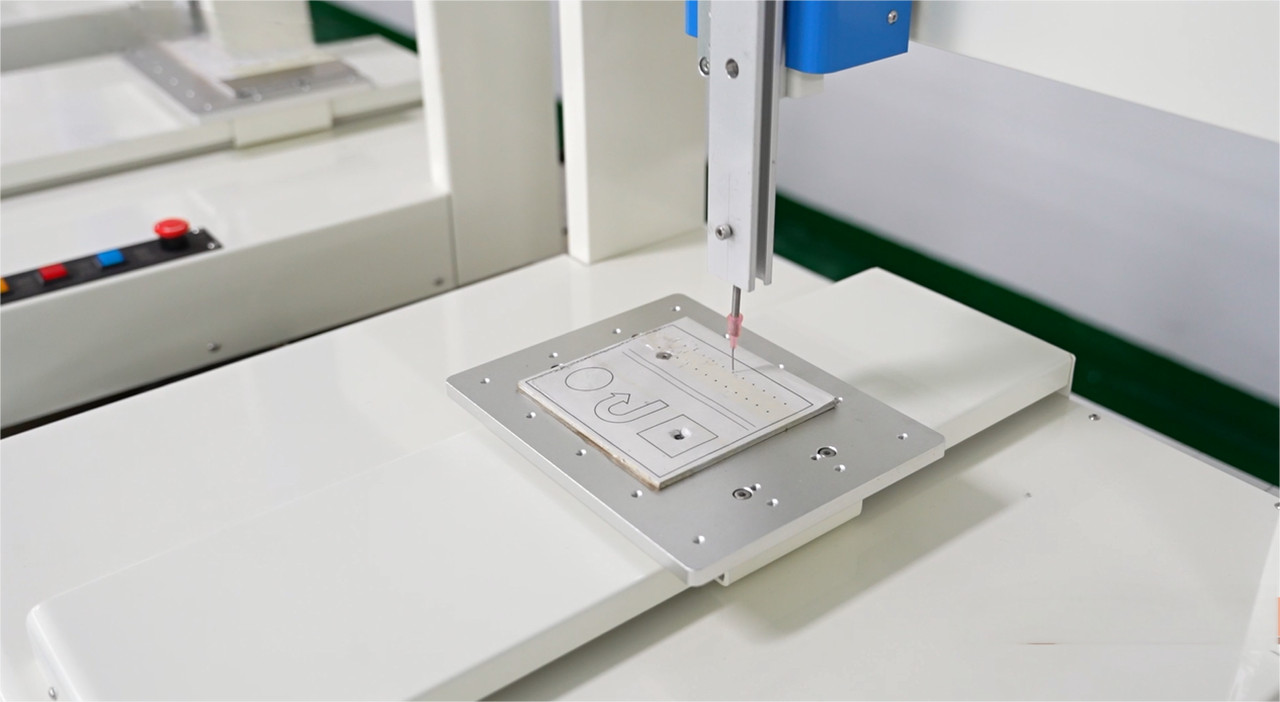
By leveraging advanced CNC machining center clusters, quality assurance laboratories, and cleanroom assembly spaces in Huizhou, Anyco guarantees that all industrial parts meet demanding tolerances. Below is a view of our manufacturing environment, custom testing bays, and warehouse processing facilities, showcasing the scale of our production capacity.
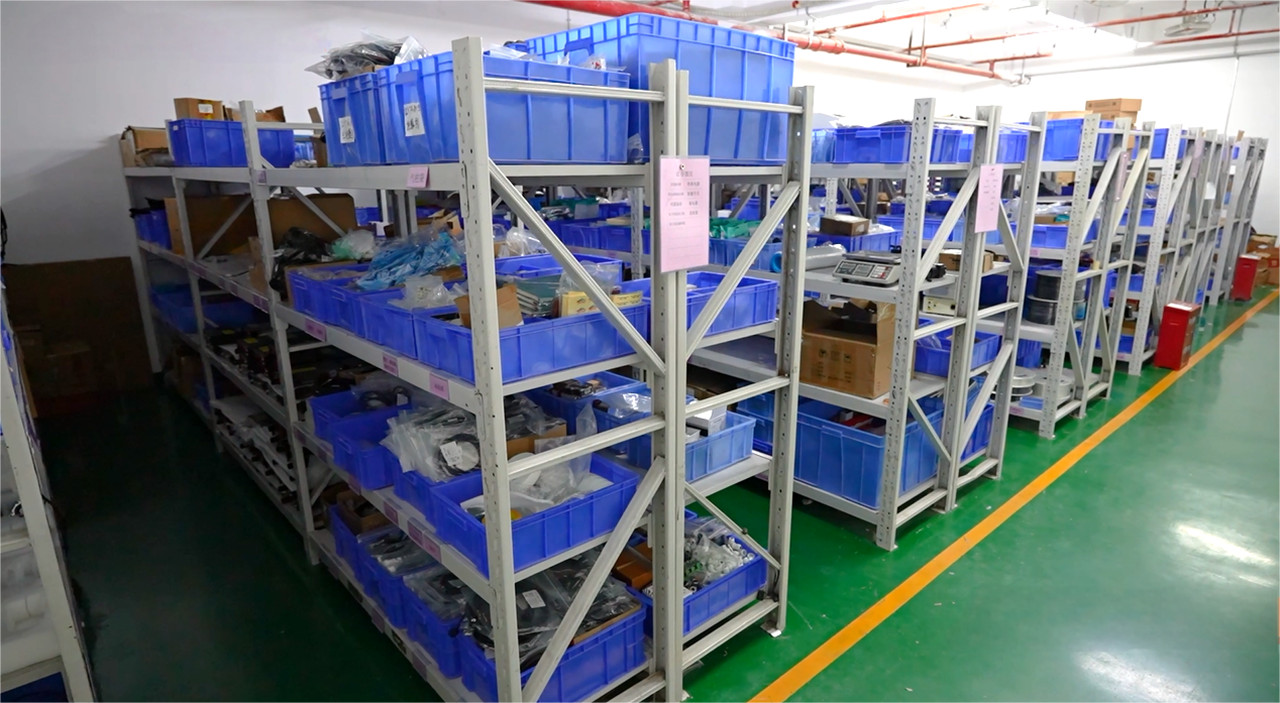
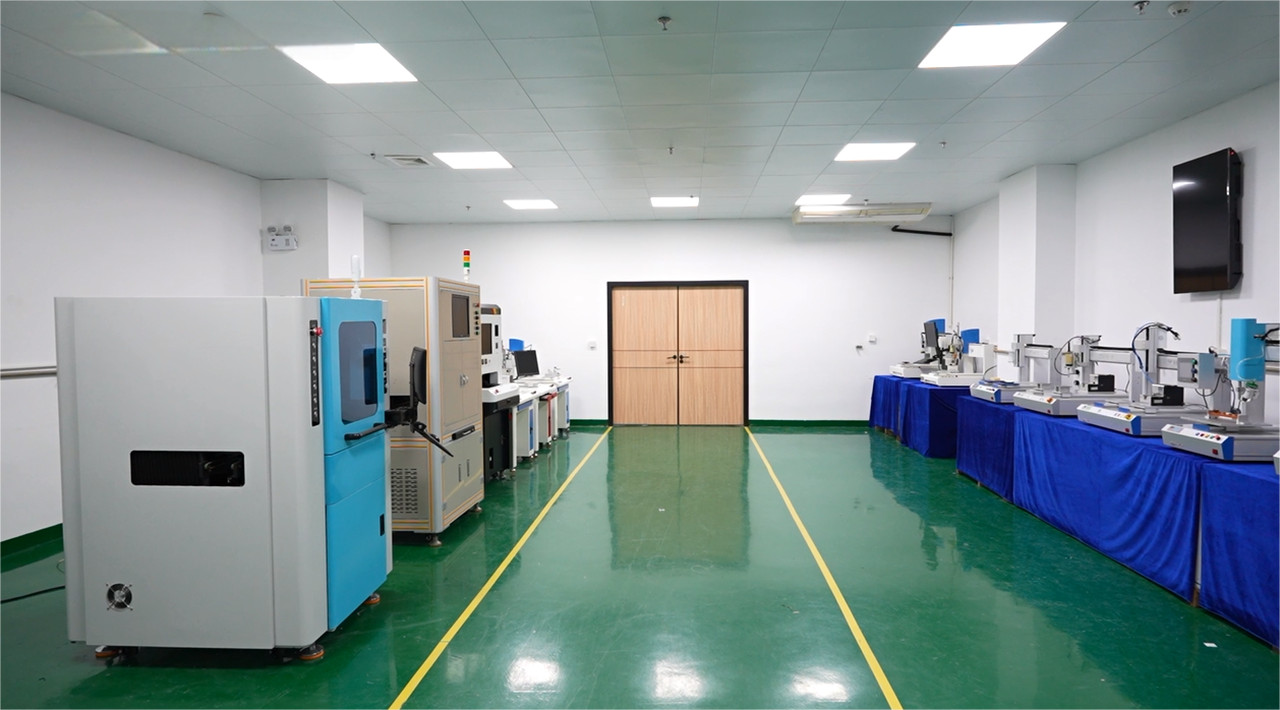
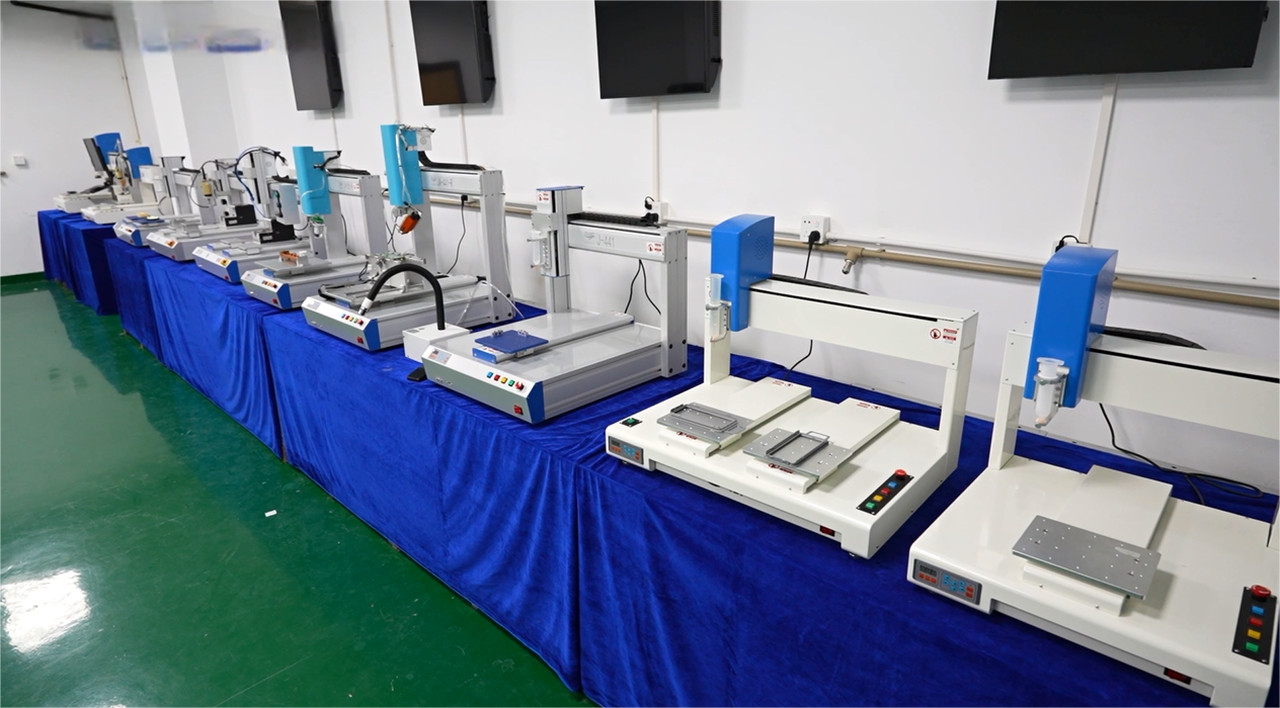
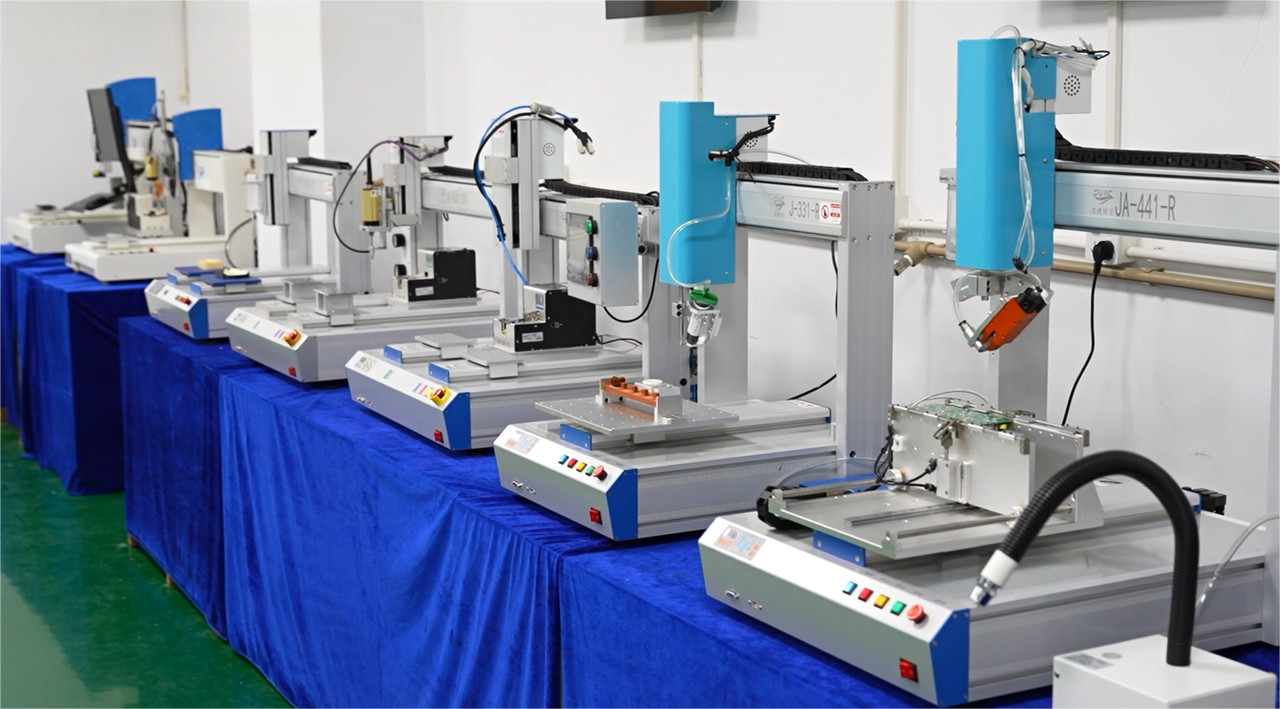
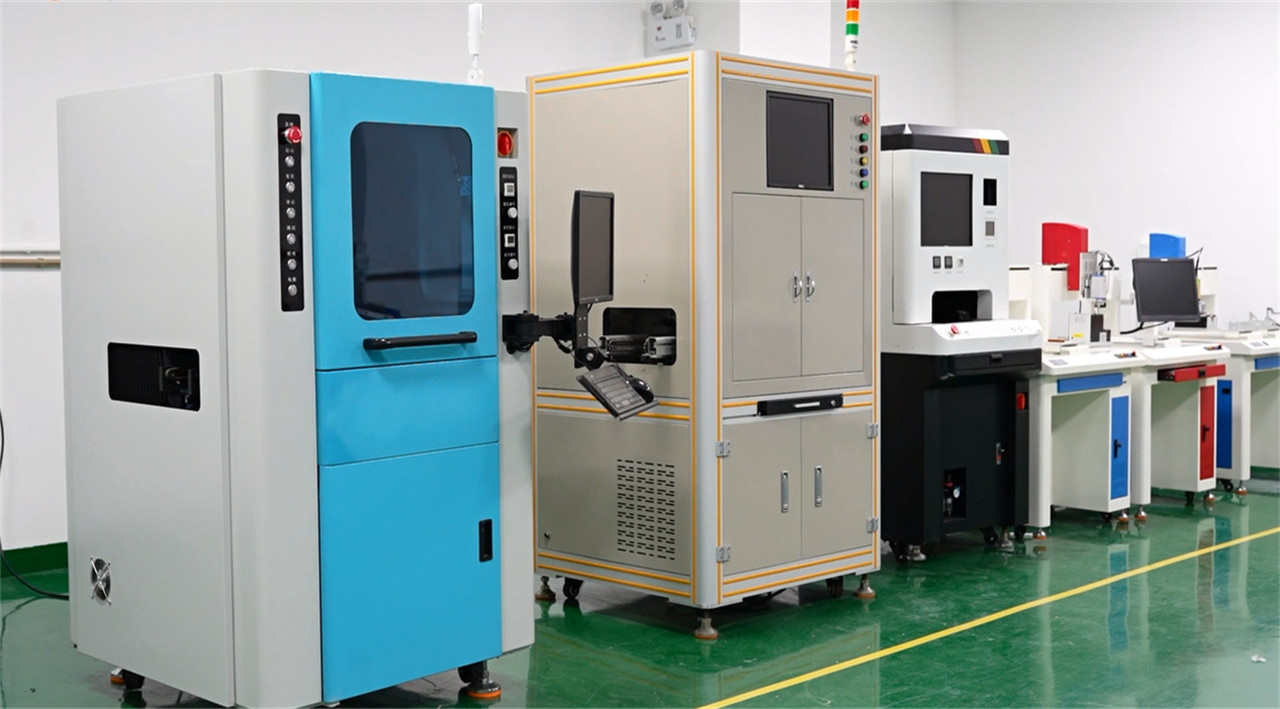
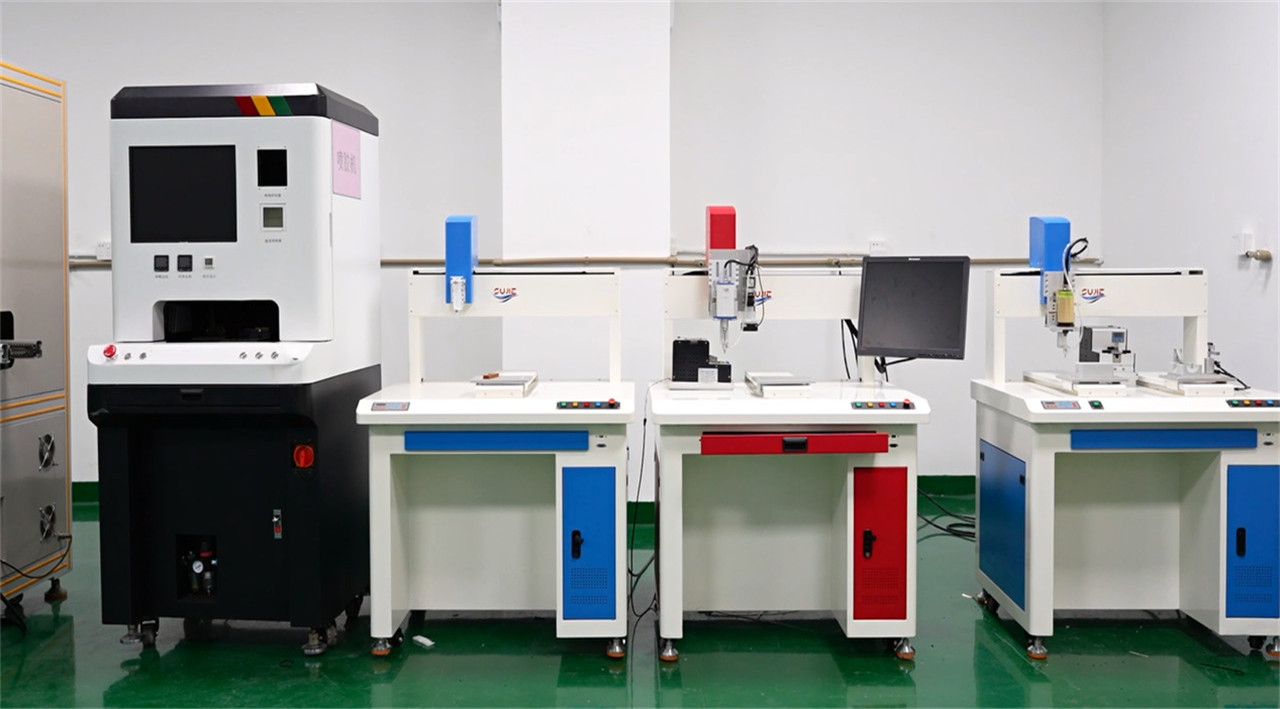
How Anyco aligns its precision engineering processes to match regional economic demands and industrial challenges across the world's major manufacturing hubs.
As the global hub for high-volume 3C consumer electronics and component packaging, Southeast Asia requires reliable dispensing machinery, high-speed valves, and diagnostic tooling. Our cost-efficient designs and prompt technical support help local factories run continuous operations with minimal downtime.
Automotive electronics, vehicle ECU assembly, and complex wiring harness potting require precision fluid systems. Mexico's manufacturing corridors demand tools certified to international standards. Anyco provides CE-certified systems and high-durability tooling designed to withstand multi-shift industrial environments.
Industrializing regions like Morocco are building large-scale assembly hubs for automotive sub-systems and domestic appliances. Anyco provides reliable, cost-effective machinery and testing components, ensuring entry-level lines operate with high precision and minimal maintenance overheads.
Procuring custom industrial components requires reliable performance, clear supply chain visibility, and consistent product quality. Anyco manages this complex balance through our integrated design and production facilities. By keeping core R&D in Shenzhen and high-capacity manufacturing in Huizhou, we maintain control over every step of the process—from sourcing materials to final quality testing.
Our production facility in South China is positioned near global logistics networks, helping us manage delivery timelines and minimize shipping delays. By utilizing local supply chains for specialized materials and using advanced manufacturing techniques, we reduce production waste and offer competitive pricing. This proximity enables us to source raw materials quickly and deliver custom prototypes to international clients in short timeframes.
As automated lines move toward digital diagnostics and IoT integration, diagnostic tools and valve components are evolving to meet these new requirements.
The field of industrial fluid control is transitioning from basic pneumatic systems to electronic control methods. Micro-dispensing, jetting, and high-frequency fluid application require fast response times, often down to the millisecond. In these setups, even minor issues like magnetic lag, residual magnetism, or valve spring wear can affect production quality. Because of this, troubleshooting tools must be highly precise to avoid false readings during tests.
Additionally, modern manufacturing setups require clean, non-contact maintenance processes. Solenoid valve magnet tools must perform reliably without generating particles that could contaminate sensitive components. Anyco addresses this need by sealing our diagnostic tools in chemical-resistant, non-magnetic coatings (like anodized aluminum, high-grade polymers, and stainless steel). This ensures the tool remains clean and performs consistently over long operational lifetimes.
Addressing common engineering and procurement questions regarding solenoid valve magnet tools, customized manufacturing, and fluid control setup troubleshooting.
 Anyco Automation