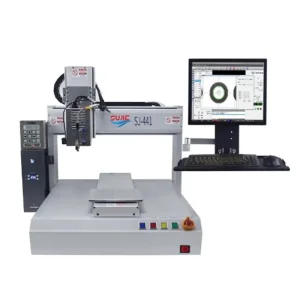
Wholesale Aluminum profile desktop single-station visual dispensing machine Suppliers, Companies
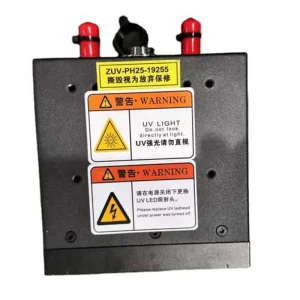
ODM 9060 Water Cooled Area Light Source 395nm Wavelength Manufacturers, Companies
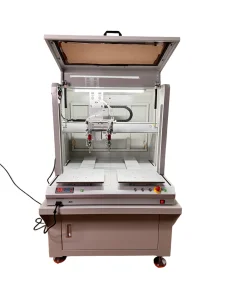
CE Certification AC-7661 Floor-Standing Conformal Coating Machine Suppliers, Manufacturer
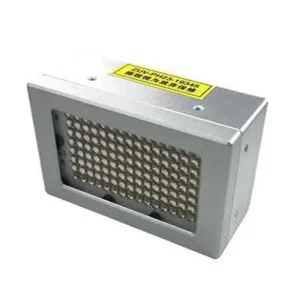
CE Certification 6040 Water cooled area light source 395nm wavelength Exporter, Companies
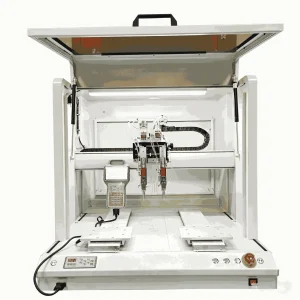
ODM AC-T7441-2 Desktop Conformal Coating Machine Company, Service
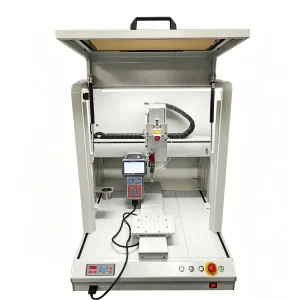
Wholesale AC-T551-1 Desktop Conformal Coating Machine Manufacturer, Companies
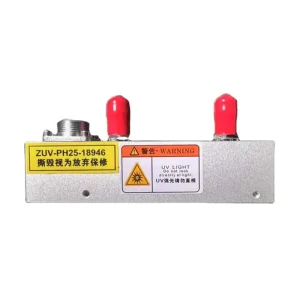
OEM 90*20 Water cooled light source 395nm wavelength Exporter, Companies
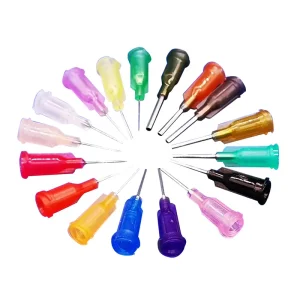
An in-depth technical analysis of bistable (latching) solenoid valves and how they are transforming energy efficiency, precision dispensing, and automated manufacturing pipelines globally.
In modern industrial automation, the demand for highly efficient, stable, and low-power consumption components is paramount. Bistable solenoid valves, often referred to as latching solenoid valves, represent a monumental shift in electromagnetic actuation technology. Unlike traditional monostable valves that require constant electrical current to hold a state, bistable valves rely on permanent magnets to secure their position (either fully open or fully closed) without drawing continuous power.
This design utilizes dual magnetic control. When a positive electrical pulse is applied, the valve shifts to one state and is held there by an integrated permanent magnet. To reverse the state, a negative pulse of opposite polarity is applied, releasing the lock. This zero-power holding state prevents coil overheating, lowers energy footprints, and provides inherent safety characteristics in the event of power failures.
Integrating these mechanisms within visual dispensing machines, conformal coating systems, and precision fluid control equipment enables electronics and automotive factories to mitigate heat degradation, secure uninterrupted chemical flow, and minimize systemic power consumption.
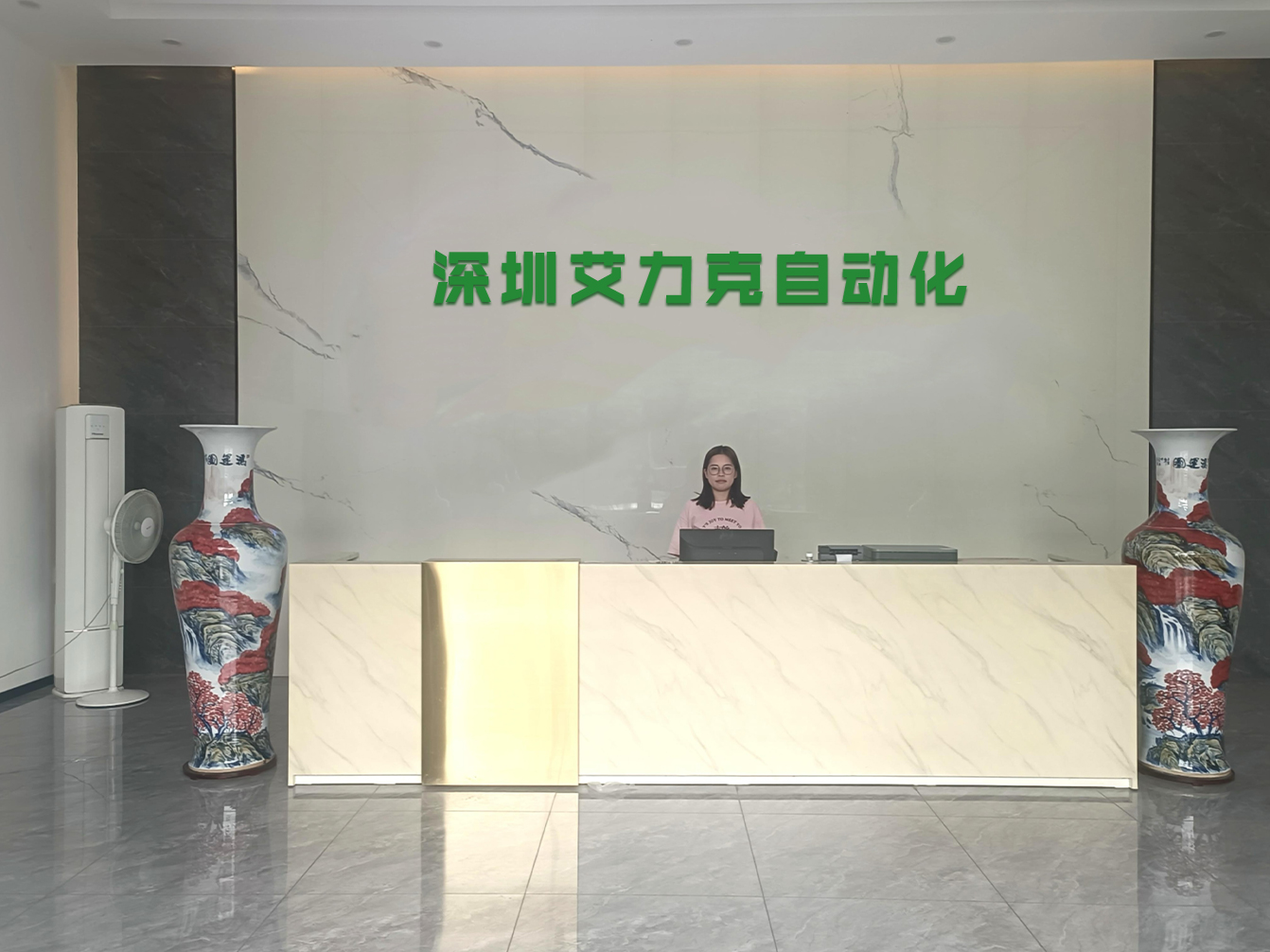
Shenzhen Anyco Automation Equipment Co., Ltd., founded in 2013, is a set of automated fluid control equipment and accessories research and development, production, sales, after-sales technical service as one of the national high-tech enterprises, one-stop precision dispensing equipment accessories customized factory. The company's headquarters is located in Guanlan, Shenzhen, and the factory is located in Huizhou, with a total area of more than 2,000 square meters.
Anyco continues to drive engineering innovation by designing both high-performance dispensing infrastructure and the essential electromagnetic micro-valves that drive them. By combining solenoid valve technology with high-speed automated dispensing units, Anyco supports advanced lines across consumer electronics and smart electronics assembly.
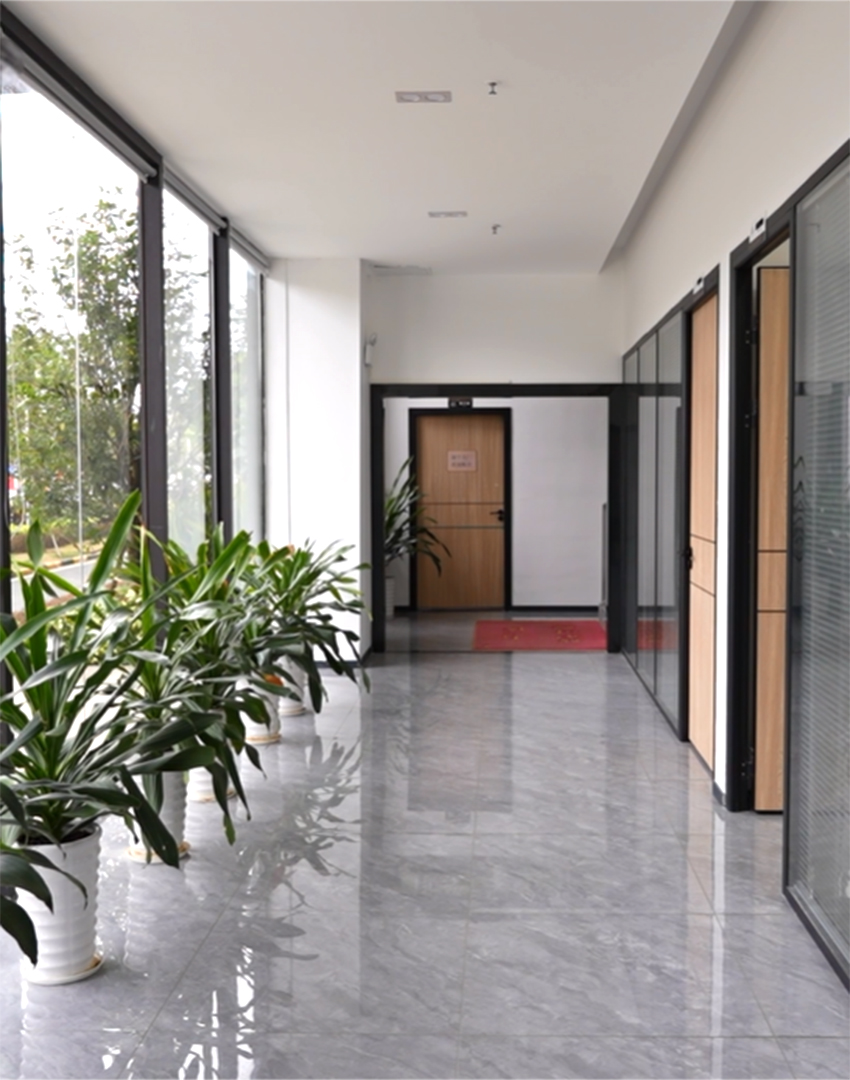
Our main markets are in Southeast Asia, India, Vietnam, Thailand, North America Mexico, Africa Morocco and so on. With its high quality and competitive price in Southeast Asia to win a huge market and good reputation. Products to high-volume sales of precision industrial dispensing injection valve accessories, industrial dispensing machines and consumables equipment as a supplement, medium and high-end positioning, to provide customers with one-on-one customized product services to meet customer customization needs.
Pioneering with a portfolio of proprietary technologies and core intellectual property, Anyco delivers high-speed, high-precision intelligent manufacturing solutions for the home appliance, consumer electronics, and automotive electronics sectors. Users are satisfied with the advancement, reliability and flexibility of Anyco's equipment.
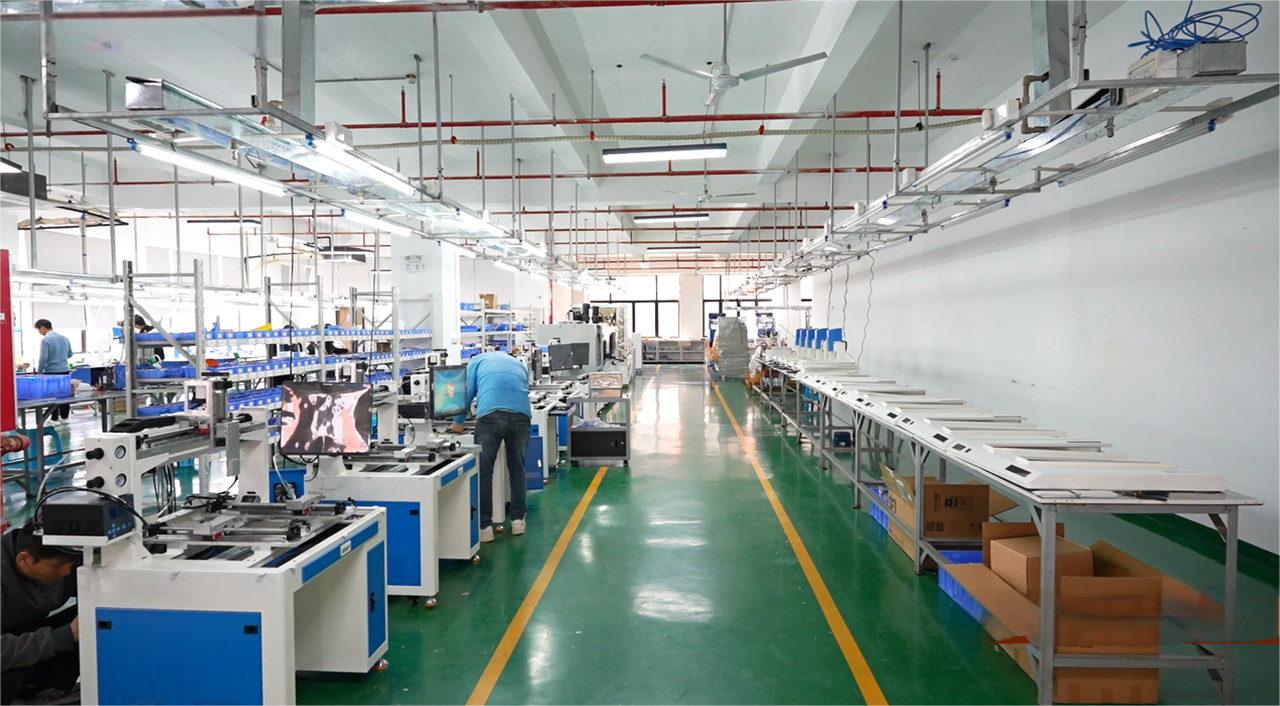
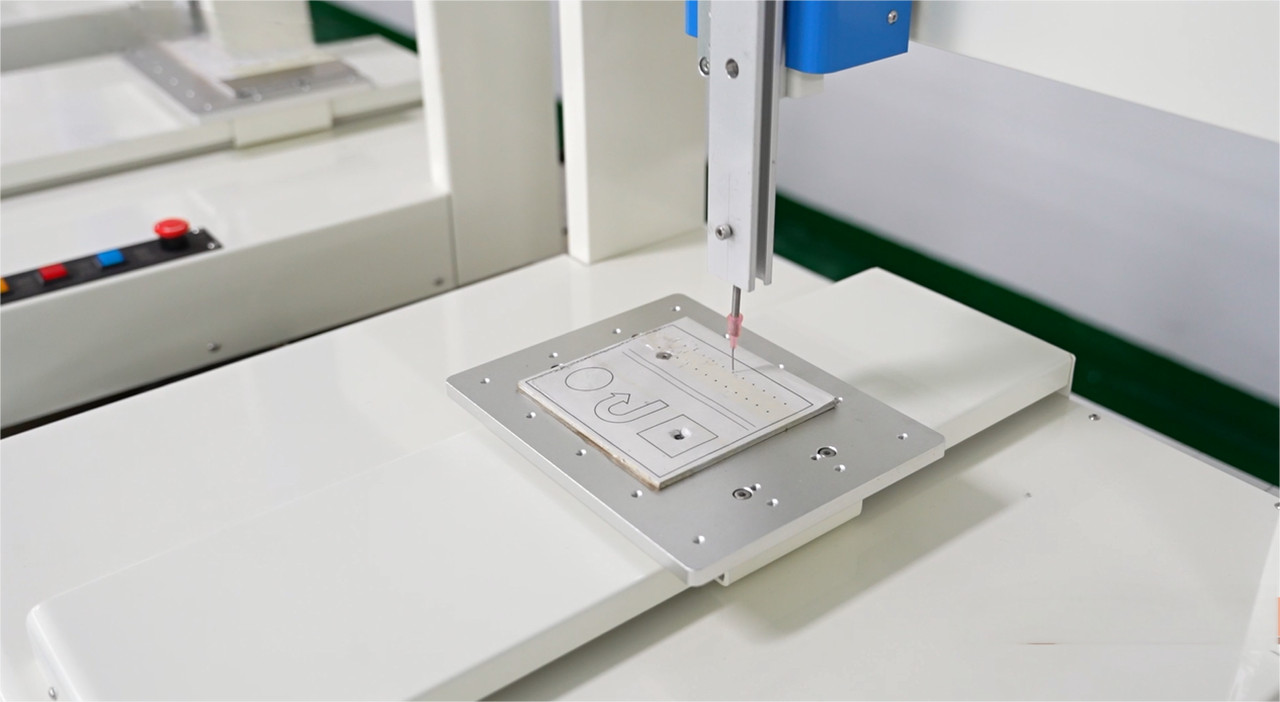
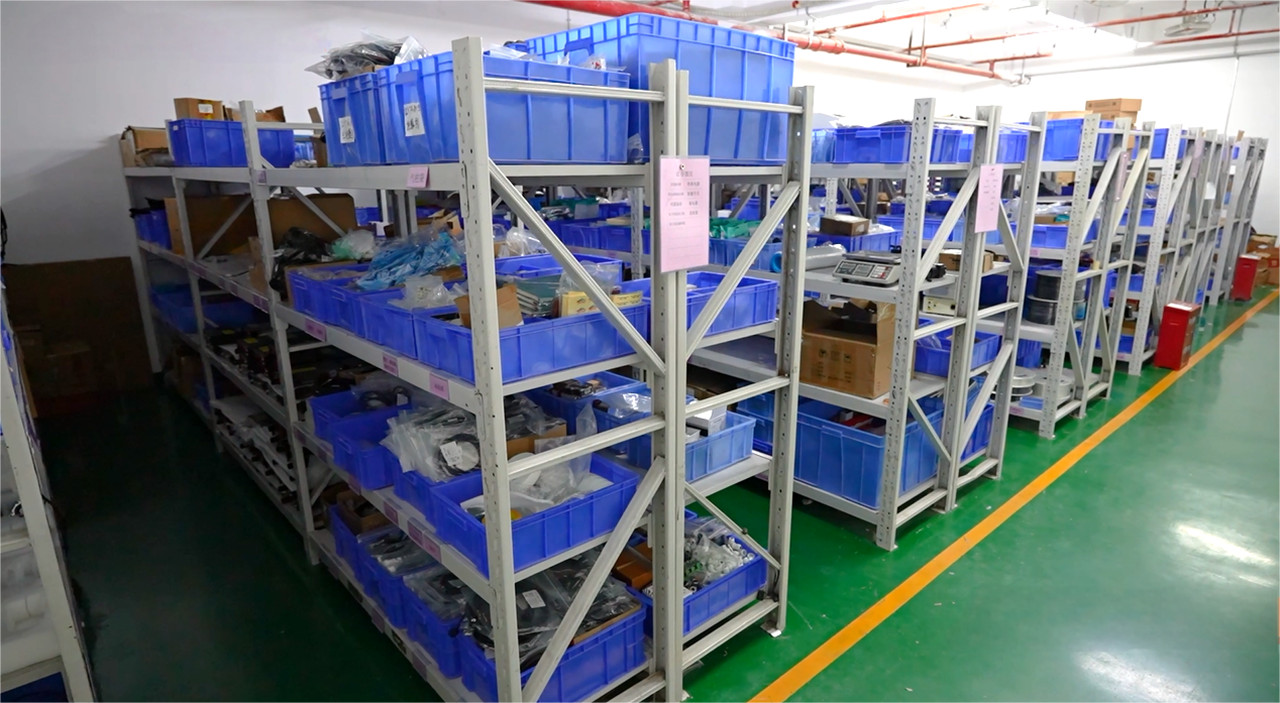
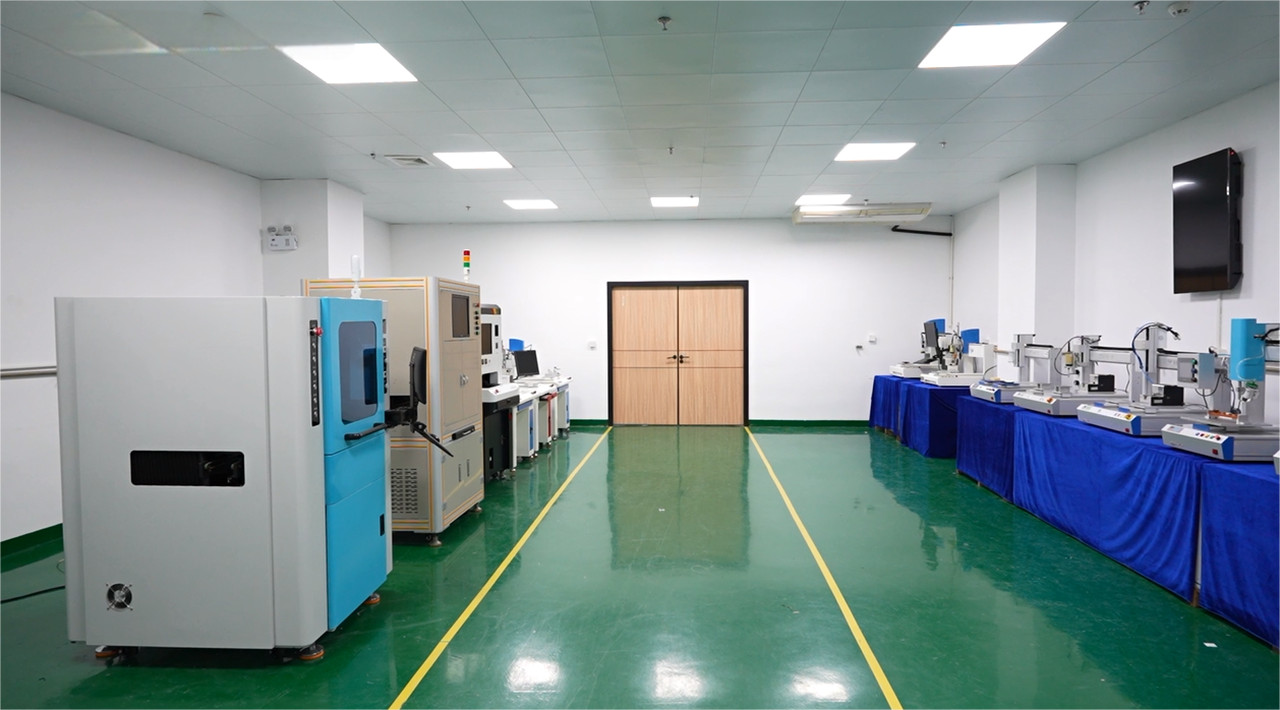
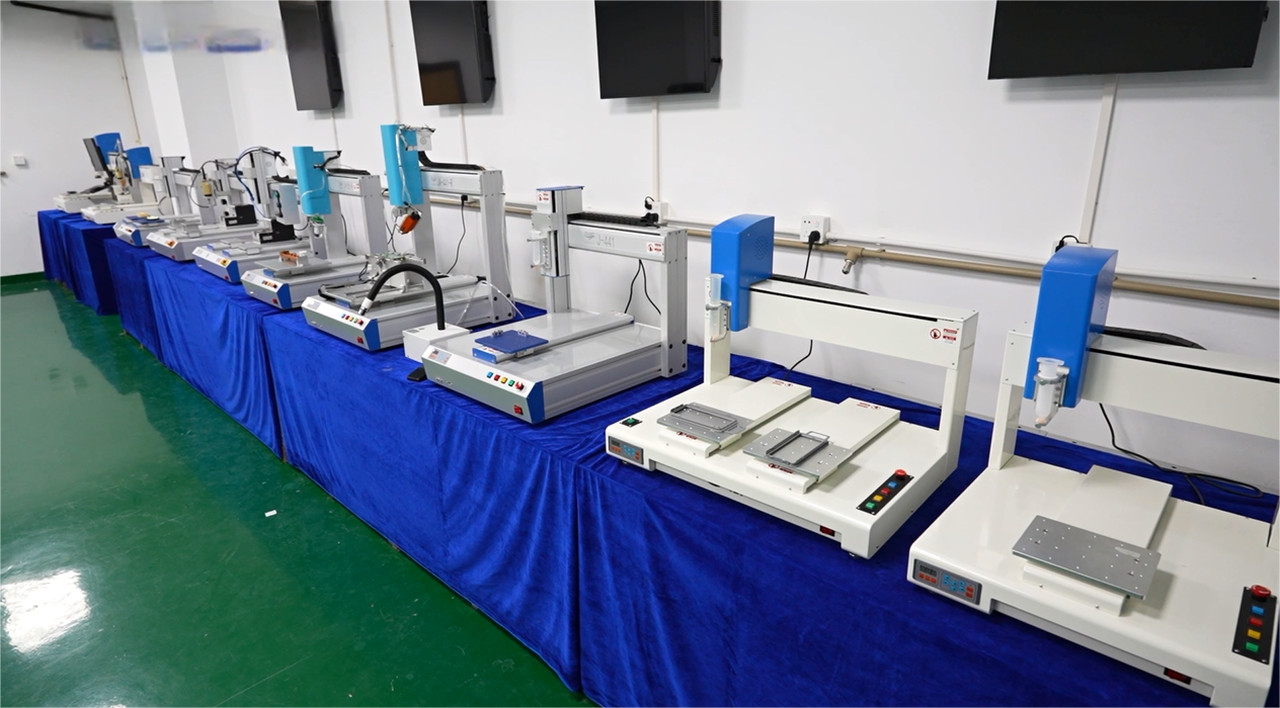
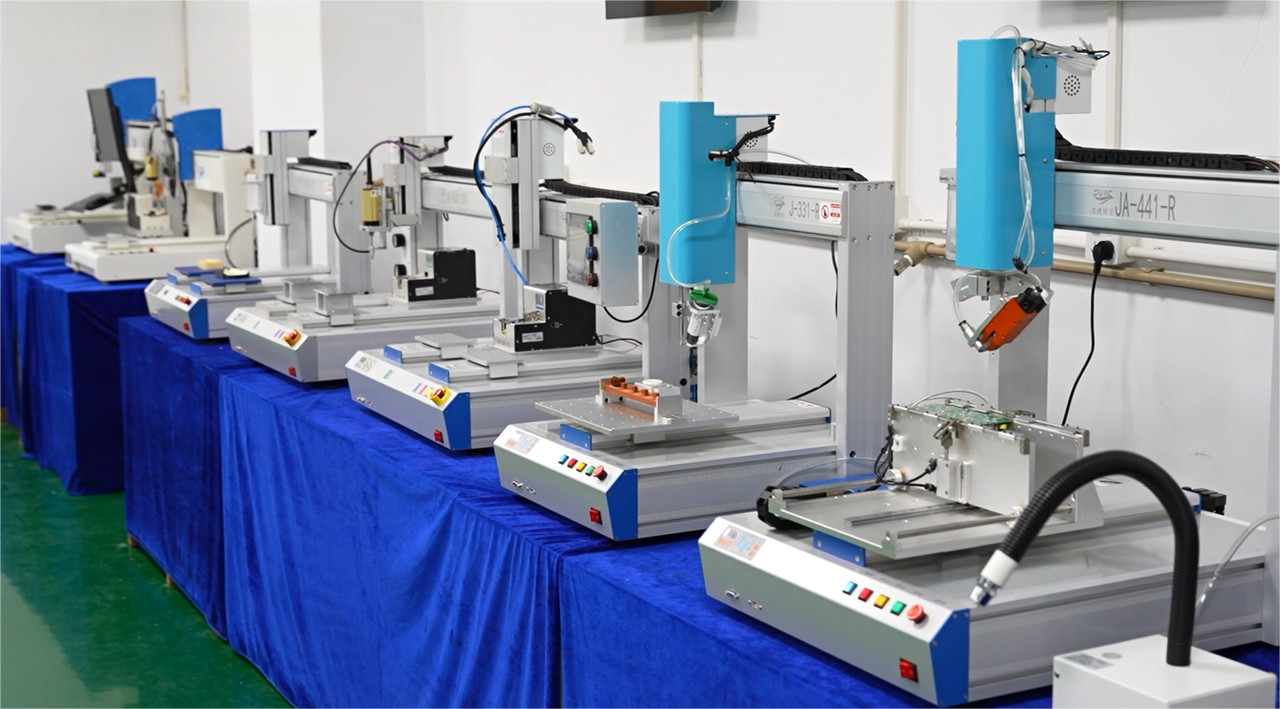
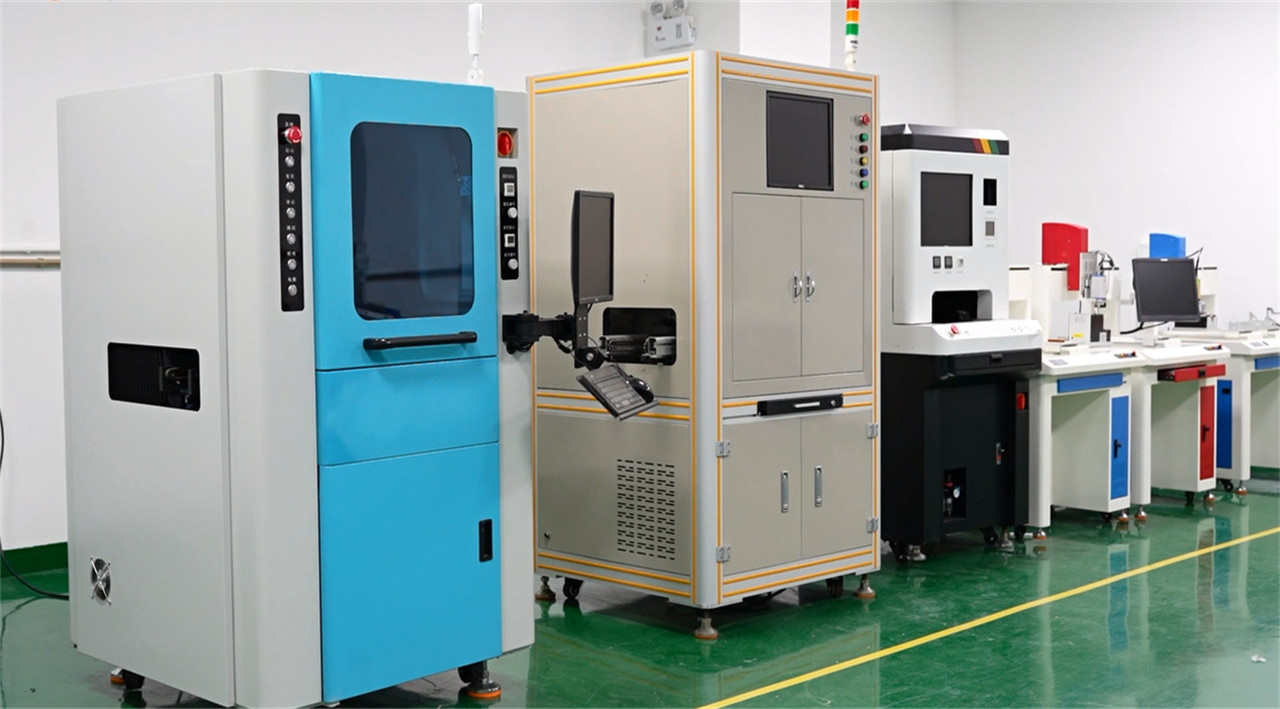
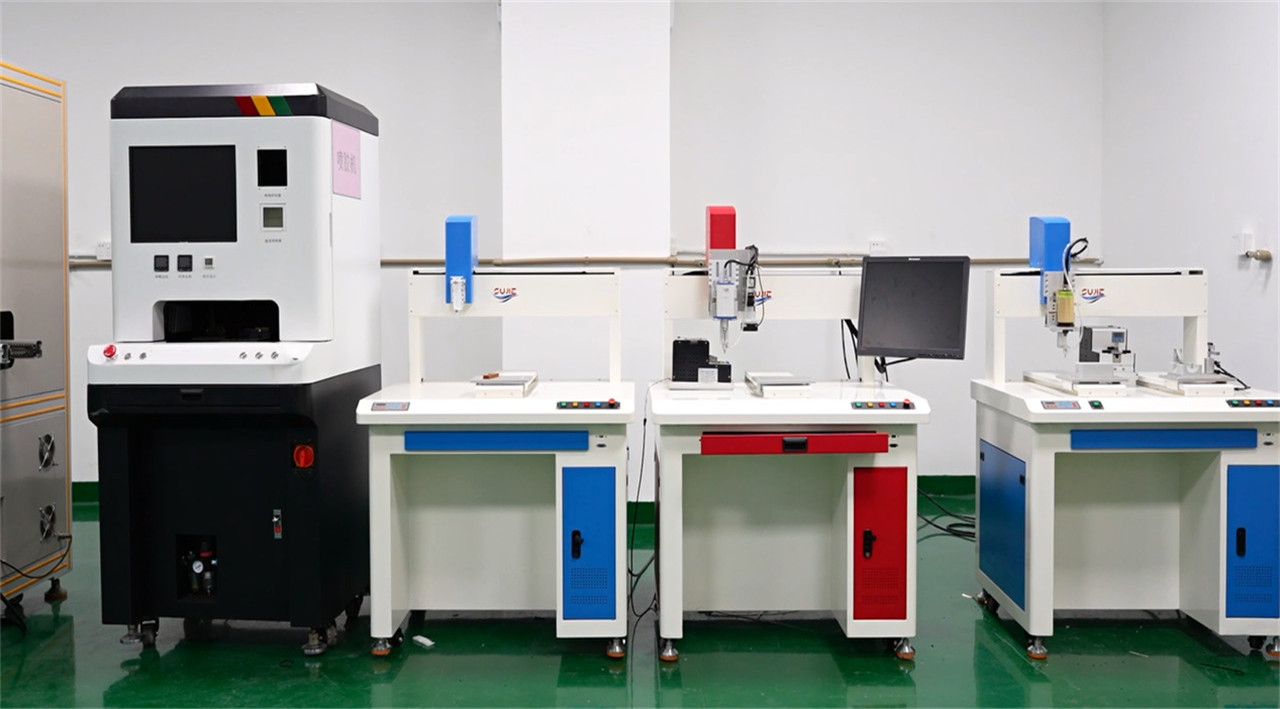
Take a visual tour inside our advanced Huizhou production facility, optimized for high-volume custom manufacturing and strict quality inspections.
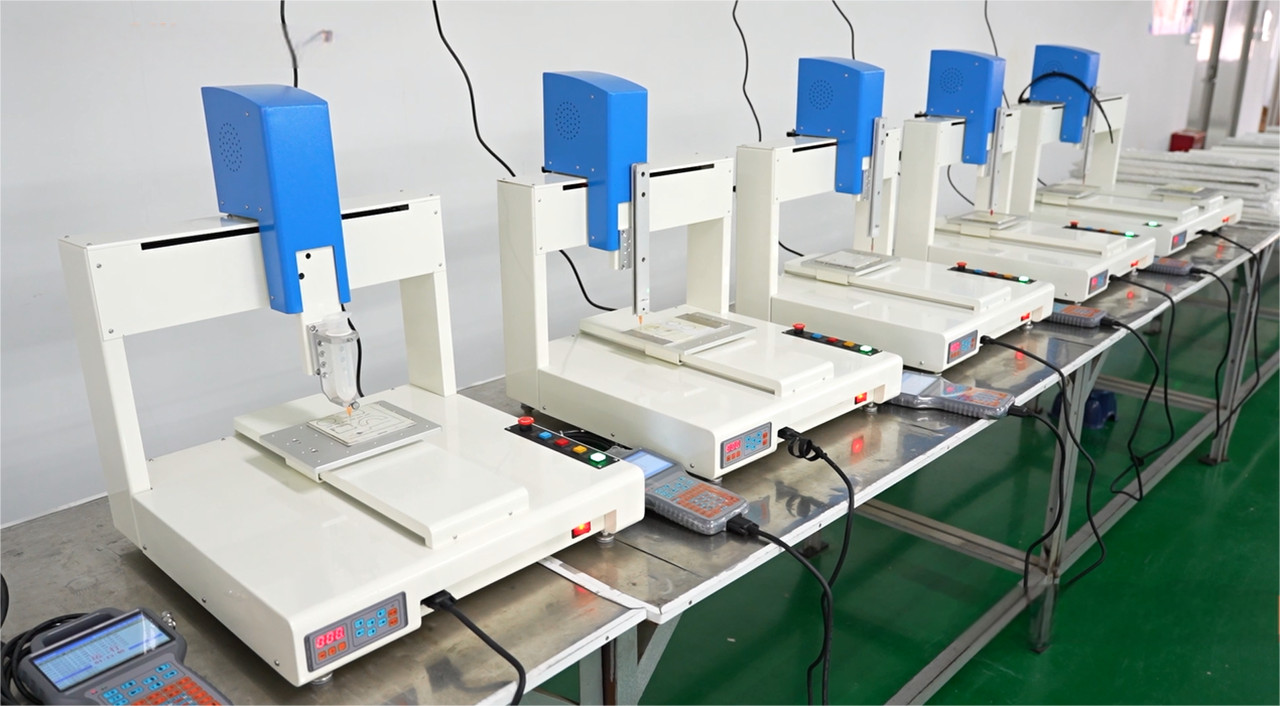
Leveraging decades of mechanical expertise to optimize precision fluid control architectures.
Dedicated design of precision fluid control systems, bistable valves, and automated elements for advanced electronics manufacturing.
A prominent global supplier of high-efficiency piezoelectric jetting valves and electromagnetic pulse controls.
Tailored fluid control components specialized for the demanding 3C electronics and smartphone manufacturing sectors.
Delivering unparalleled technical service, rapid customization, and long-term cost benefits for global clients.
Analyzing the infrastructure and cost benefits that position the Shenzhen-Huizhou manufacturing corridor as the dominant supplier for industrial automation components.
Access to raw materials (magnetic copper wires, premium stainless steel, specialty rubbers like Viton and EPDM) in close proximity accelerates R&D and ensures consistent quality.
China-based plants ensure valves carry necessary CE, RoHS, ISO 9001, and UL certifications, clearing them for import into highly regulated markets like Europe and North America.
From microfluidic medical devices to heavy-duty utility networks, plants offer flexible OEM modifications. Port sizes, seal chemistry, and voltage ratings can be adapted rapidly.
How different global regions deploy bistable solenoid valves in diverse applications—ranging from municipal water systems to micro-dispensing electronics.
In highly urbanized zones throughout Germany, France, and Canada, battery-operated smart water meters rely heavily on latching (bistable) solenoid valves. Because these systems are buried underground and run on dry-cell batteries intended to last 10 to 15 years, drawing static current is impossible. A tiny electrical pulse from the centralized controller opens or closes the supply line instantly. The system stays locked without drawing a single micro-amp of continuous power, securing high water conservation and lowering replacement overheads.
In electronics manufacturing regions such as Vietnam and automotive assembly corridors in Mexico, fluid valves handle delicate UV adhesives, conformal coatings, and liquid gaskets. Standard monostable solenoid valves generate substantial operational heat when energized continuously. This localized heat changes the chemical viscosity of the materials, leading to inconsistent application. Deploying Anyco's bistable architectures ensures that the valves remain open or closed without heat buildup, guaranteeing stable adhesive deposition on smartphone and automotive circuits.
In rural and off-grid agricultural zones where solar panels and batteries supply all electric power, energy efficiency is critical. Solenoid valves manage complex zone-based irrigation schedules. Standard continuous-duty solenoids quickly drain reserve solar batteries, particularly during cloudy seasons. By utilizing bistable solenoid valves, agricultural fields in India and Morocco run automated water schedules without compromising power storage, maintaining robust agricultural throughput even with limited infrastructure.
Within healthcare fluidics, preventing heat transfer from solenoid coils to biological reagents is critical to prevent protein denaturation or fluid degradation. Bistable microfluidic valves provide a precise solution by operating through rapid millisecond pulses, isolating heat completely from delicate fluid paths during clinical diagnostic scans and lab assays.
The convergence of IoT diagnostics, advanced alloy materials, and ultra-miniaturized architectures defining tomorrow's fluid control components.
Next-generation valves are being integrated with micro-sensors that measure pressure, flow rate, and magnetic field feedback. This enables predictive maintenance alert cycles before physical seal wear can cause systemic failure.
As microfluidic demands rise in biomedical and micro-electronics, valve packages are shrinking. Manufacturers are fabricating valves down to 10mm footprints while maintaining adequate pressure ratings.
Traditional brass is giving way to chemical-resistant polymers (PEEK, PTFE) and passivation-hardened alloys. These enable valves to handle aggressive industrial chemical mixtures without physical deterioration.
Get professional, engineering-focused answers to common queries regarding bistable solenoid valve integration and factory procurement.
What is the core working difference between bistable and monostable solenoid valves?
A monostable valve requires a constant electrical current to hold one of its positions (typically open) and returns to its natural position via spring return once the current is removed. A bistable (latching) valve uses permanent magnets to lock the plunger in place at either end. It only requires a brief millisecond electrical pulse to switch states, consuming zero energy while holding a position.
Why are bistable valves preferred for fluid dispensing of UV adhesives and solder paste?
Continuous-duty solenoid valves generate operational heat that transfers to the fluid body. This heat alters the viscosity of adhesives, solder pastes, or conformal coatings, resulting in inconsistent fluid dispensing. Bistable valves remain cool because they do not draw continuous current, preserving chemical integrity.
Can I request custom port sizes, voltages, and seal materials from your factory?
Yes, Anyco specializes in custom fluid control accessories. We accommodate specific requirements including varying voltage ranges (DC 3V to 24V or AC alternatives), customized thread dimensions, and targeted seal choices (Viton, NBR, EPDM) to handle diverse chemical compatibilities.
What certifications do your fluid control devices and valves conform to?
All our standard export equipment, conformal coating machines, and core electrical elements are manufactured in compliance with international requirements, including CE certification, RoHS regulations, and ISO 9001 factory quality management frameworks.
How are shipments and quality controls handled for overseas procurement?
Products undergo 100% functional testing at our Huizhou facility before dispatch. Packaging is optimized for sea/air freight to prevent transit shock. We coordinate logistics directly to Southeast Asia, North America, India, and Africa with export documentation support.
How do latching valves secure fluid pathways during unexpected power failures?
Because a bistable solenoid valve uses a permanent magnet to hold its position mechanical, it requires zero current to maintain state. In the event of a power outage, the valve remains in its current state (open or closed) without failing or drifting, keeping fluid lines locked and secure.
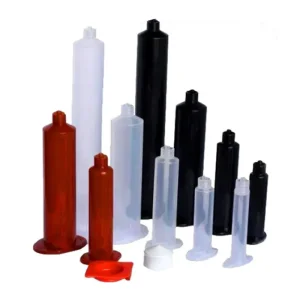
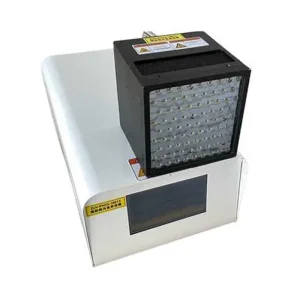
OEM 100100 air-cooled area light source +Host Supplier, Products
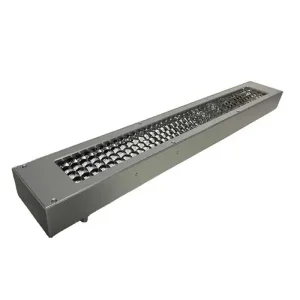
Wholesale 58058 Water cooled area light source Suppliers, Company
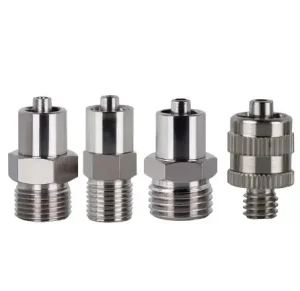
Custom Industrial dispensing needles connector Suppliers, Factories
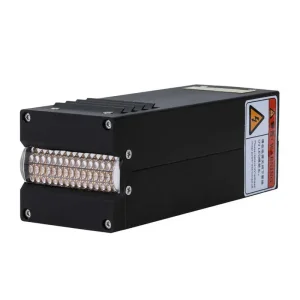
OEM 6020 air-cooled line light source 395nm wavelength Companies, Company
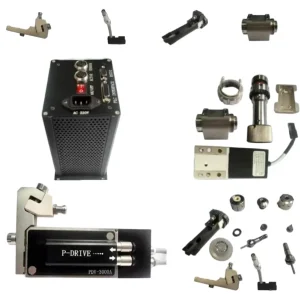
ODM Domestic Industrial Dispensing Jet Valve accessories Supplier, Exporter
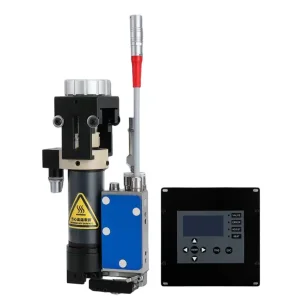
ODM 1800S Piezo-electric valve for UV adhesive Manufacturers, Products
 Anyco Automation