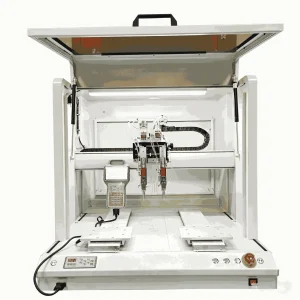
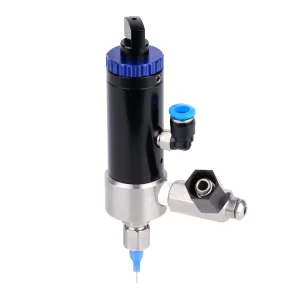
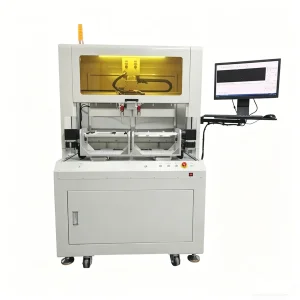
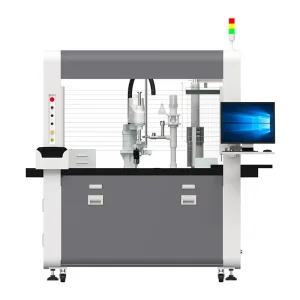
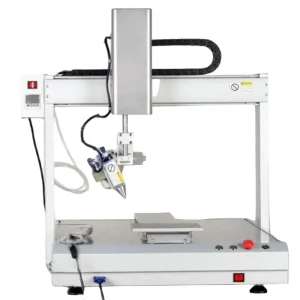
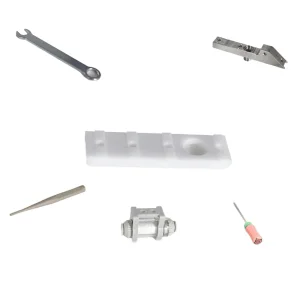
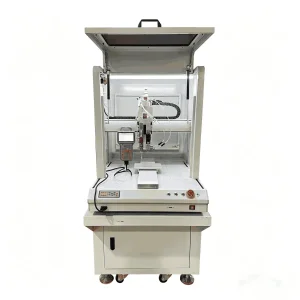
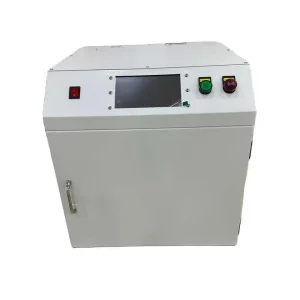
Industry-certified equipment engineered for precision, throughput, and system reliability.
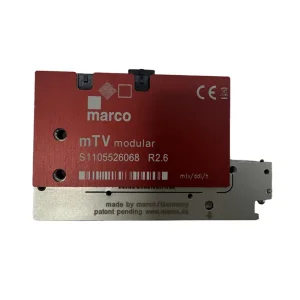
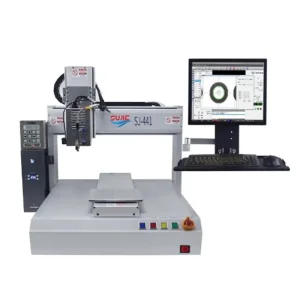
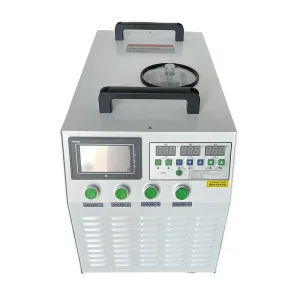
The global industrial landscape is experiencing an unprecedented migration toward micro-precision, automated feedback loops, and highly responsive valve actuation. Modulating valve actuators are the foundational pillars of this transformation. Unlike basic binary on/off actuators, modulating actuators interpret real-time analog or digital signals (e.g., 4-20mA, 0-10V, or Modbus commands) to adjust fluid, gas, or adhesive flows dynamically. This allows systems to balance pressures, micro-manage viscosities, and ensure seamless delivery metrics.
As electronic components shrink, battery designs become denser, and automotive sensors grow more intricate, the margins for fluid delivery tolerances have narrowed. Advanced manufacturing operations no longer view actuators as isolated mechanical accessories. Instead, they are regarded as smart nodes embedded in broader industrial networks. By offering modulating capabilities, these devices minimize mechanical overshoot, eliminate water hammer effects, and significantly extend the operating lifespan of delicate dispensing arrays and control valves.

Why modern buyers prioritize CE compliance, performance indicators, and integrated service infrastructures.
Compliance is not optional for European and developed global markets. Genuine CE certification guarantees that modulating valve actuators satisfy all European Directives for safety, electromagnetic compatibility (EMC), and low-voltage electrical operations. This simplifies integration into machinery and streamlines import workflows.
Industrial fluid processes require exceptional positioning accuracy. Modern modulating units feature high-resolution internal encoders, ultra-smooth planetary gearing systems, and brushless motors. These components deliver micro-step actuation down to fractions of a millimeter, preventing application defects.
Modern factories rely on networked assets. Incorporating protocols like Modbus, CANopen, and Profinet directly into modulating valve controllers facilitates remote configuration, real-time diagnostic reporting, and predictive maintenance protocols that prevent unscheduled line down-time.
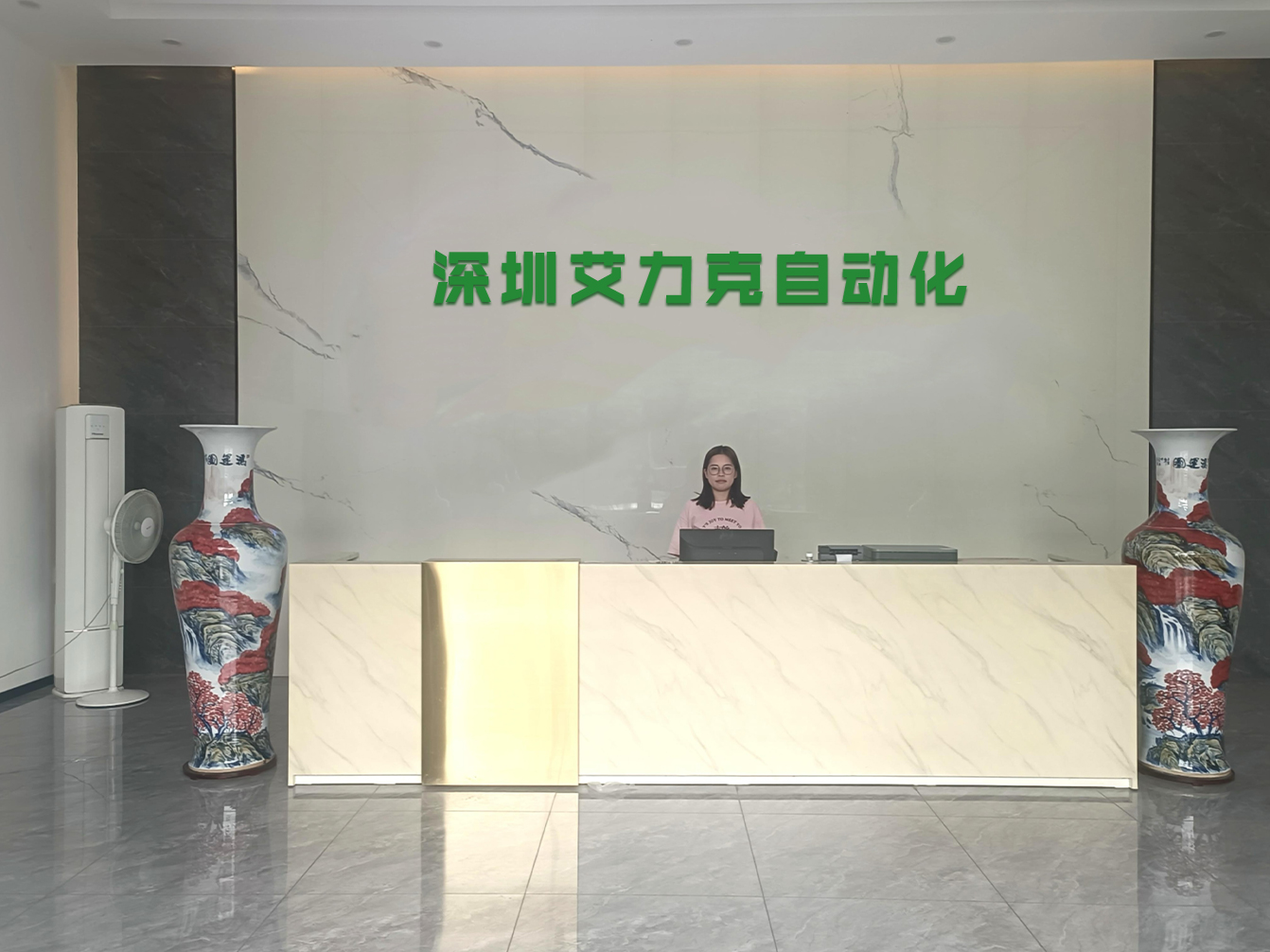
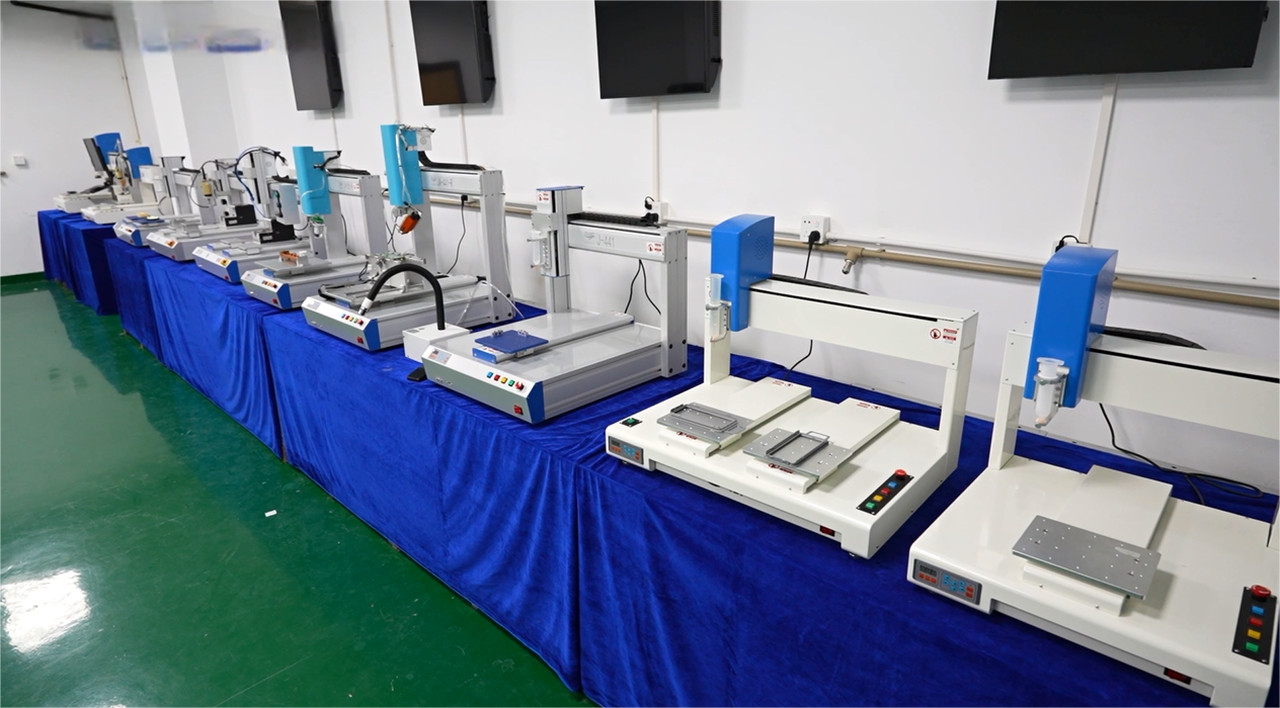
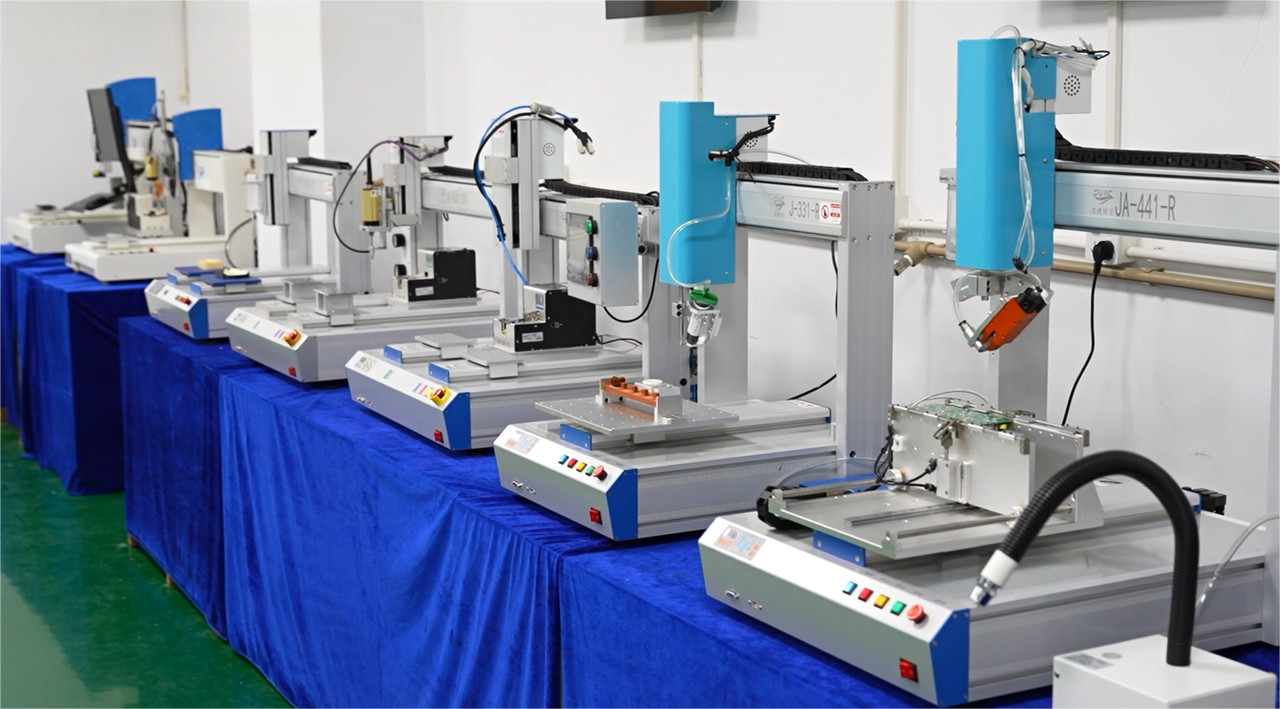
Founded in 2013, Shenzhen Anyco Automation Equipment Co., Ltd. has established itself as a premier developer, manufacturer, and after-sales service provider of precision automated fluid control systems. Recognized as a national high-tech enterprise, Anyco operates a comprehensive, one-stop factory specializing in customized precision dispensing equipment, valve actuators, and high-performance manufacturing consumables.
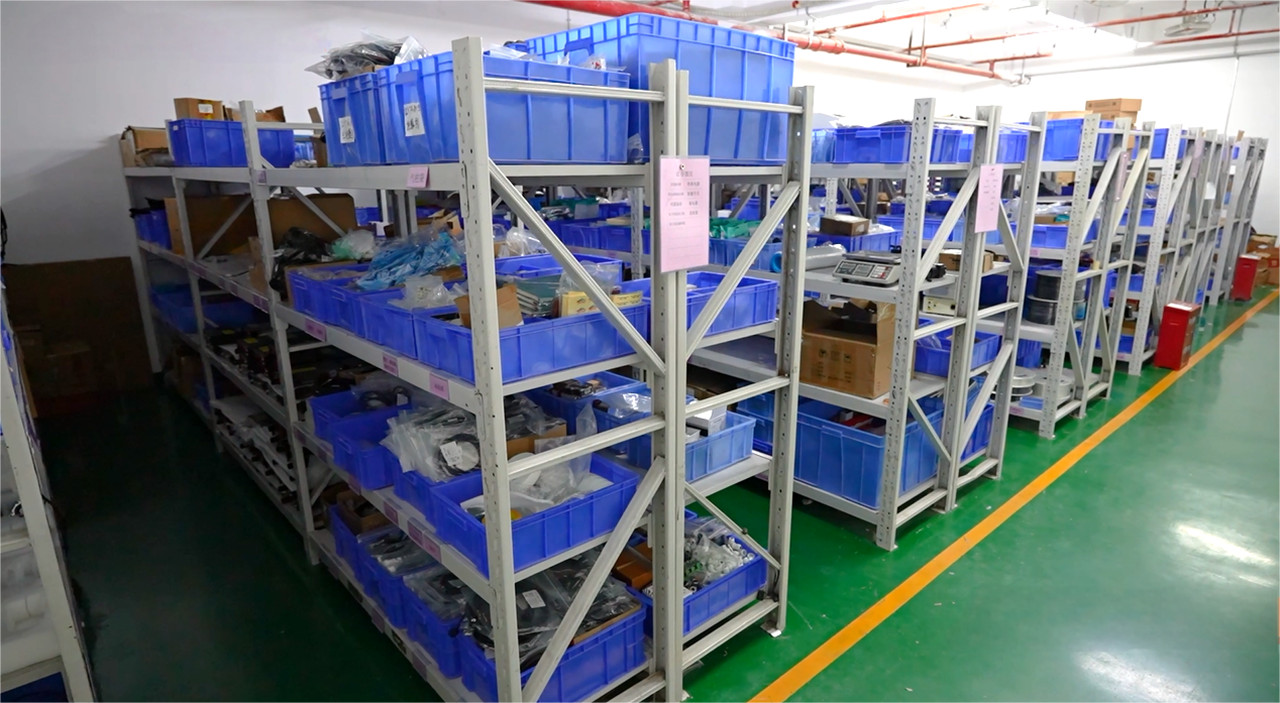
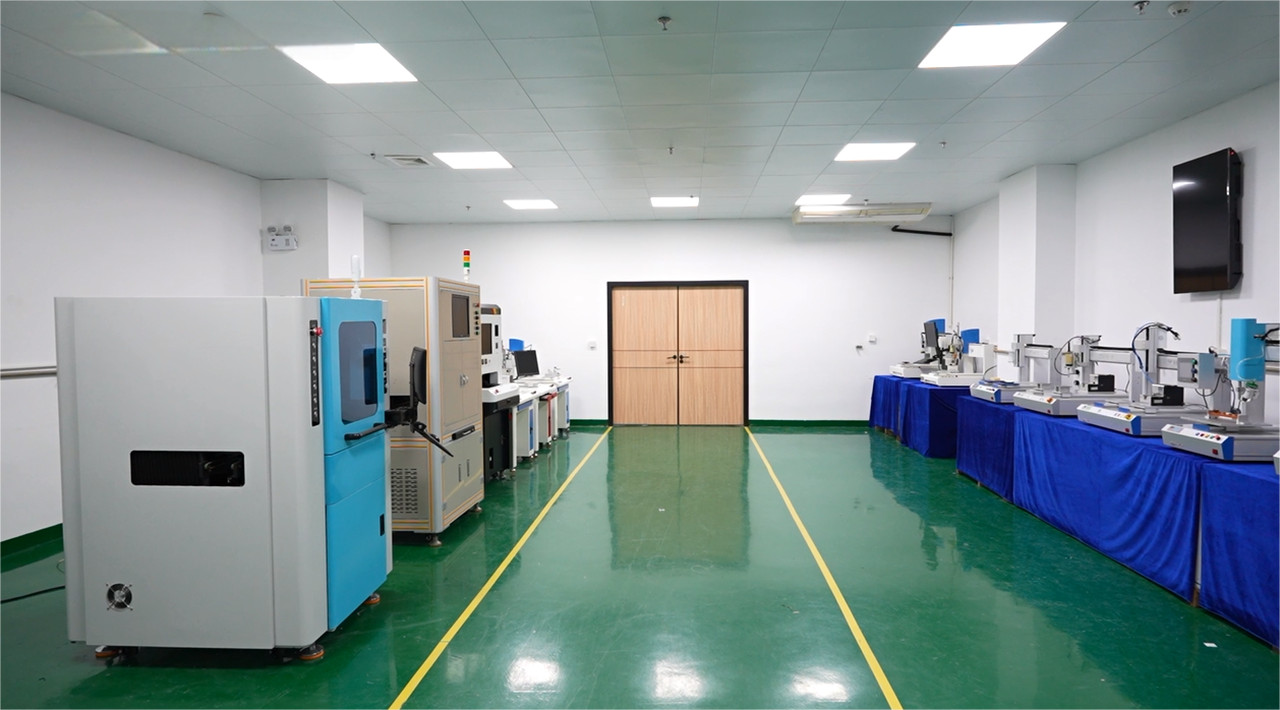
With corporate headquarters situated in the innovation hub of Guanlan, Shenzhen, and a dedicated manufacturing facility in Huizhou covering more than 2,000 square meters, the company seamlessly bridges advanced engineering with efficient mass production. Anyco's product portfolio is engineered for high-demand industrial application fields, providing custom solutions to clients worldwide.
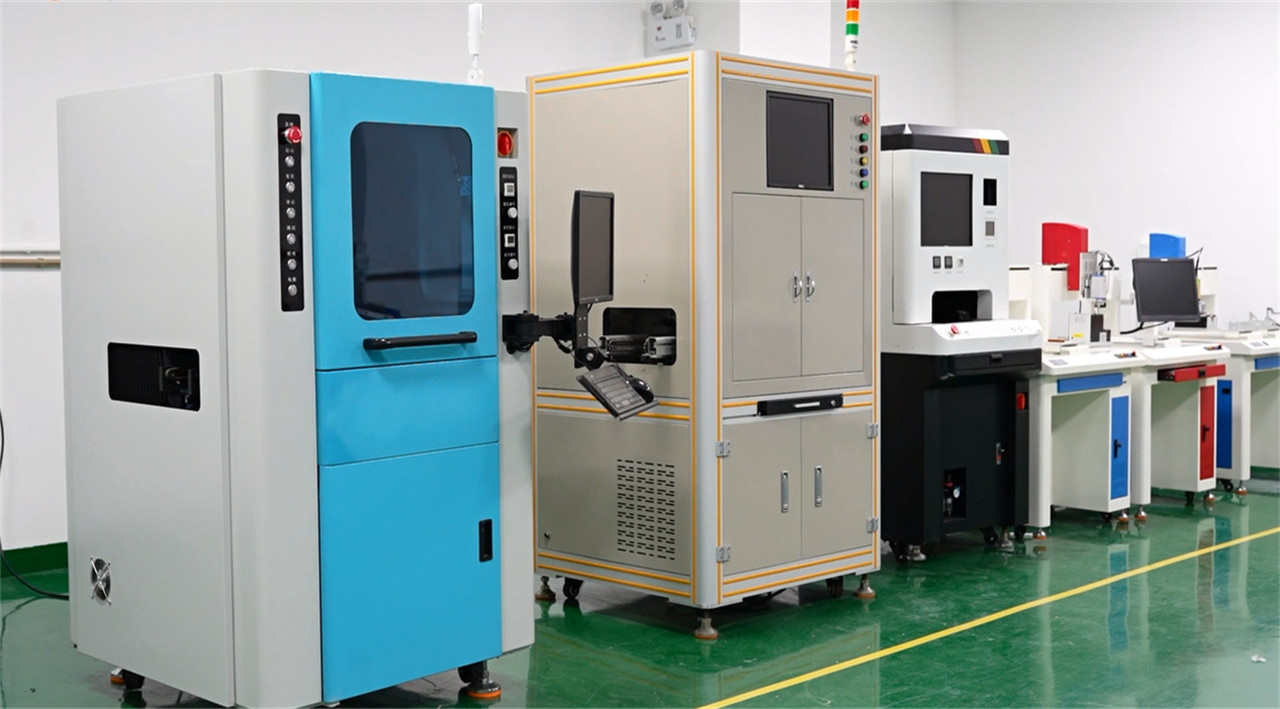
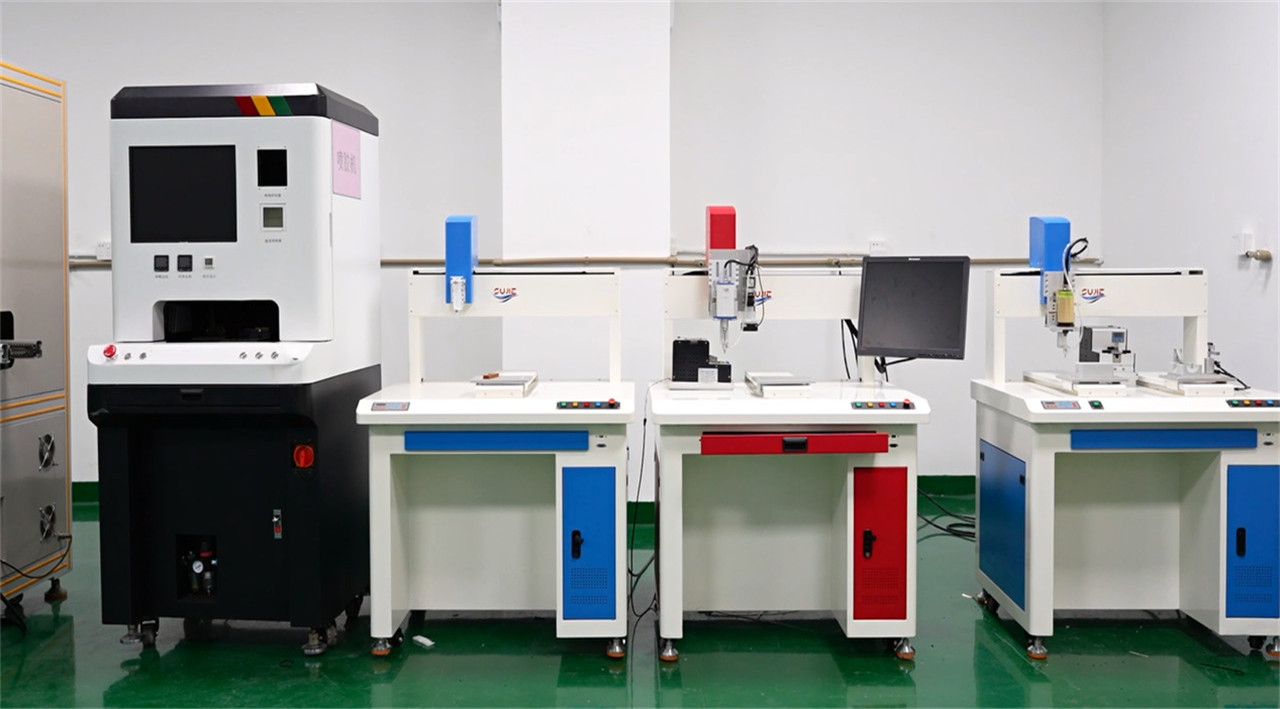
A glimpse into the manufacturing, calibration, and quality control lines driving Anyco's industrial compliance.
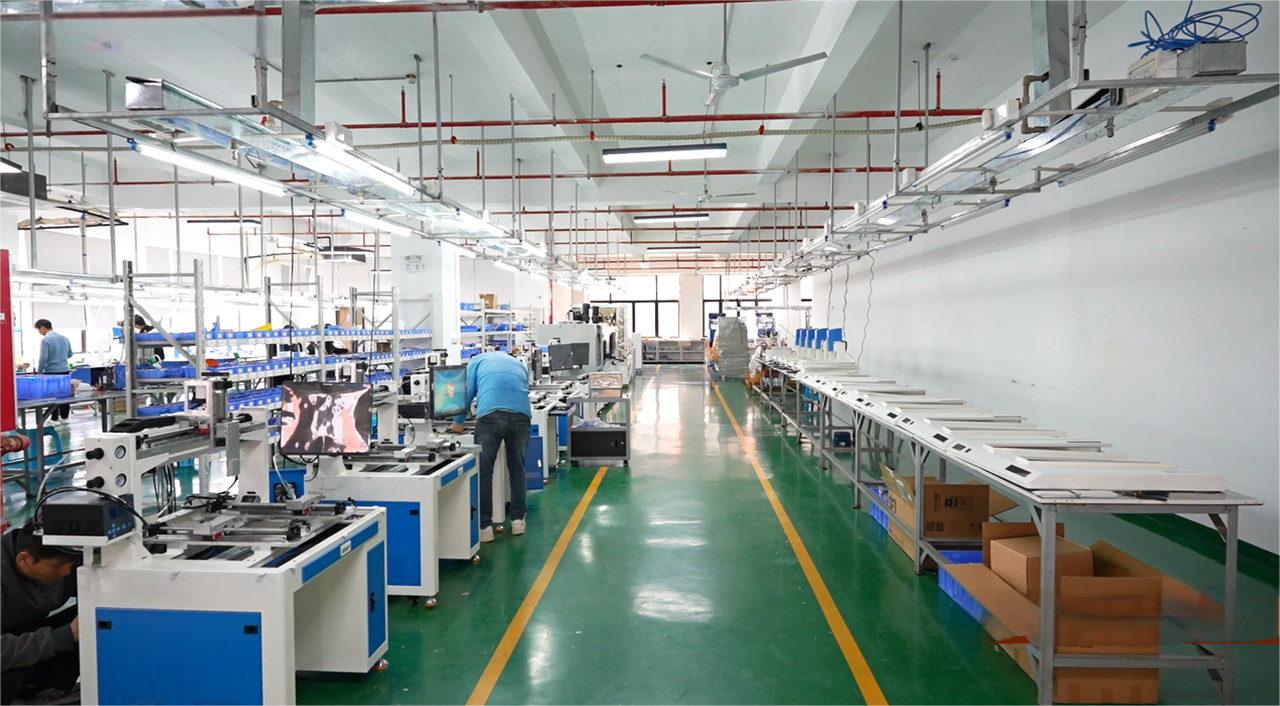
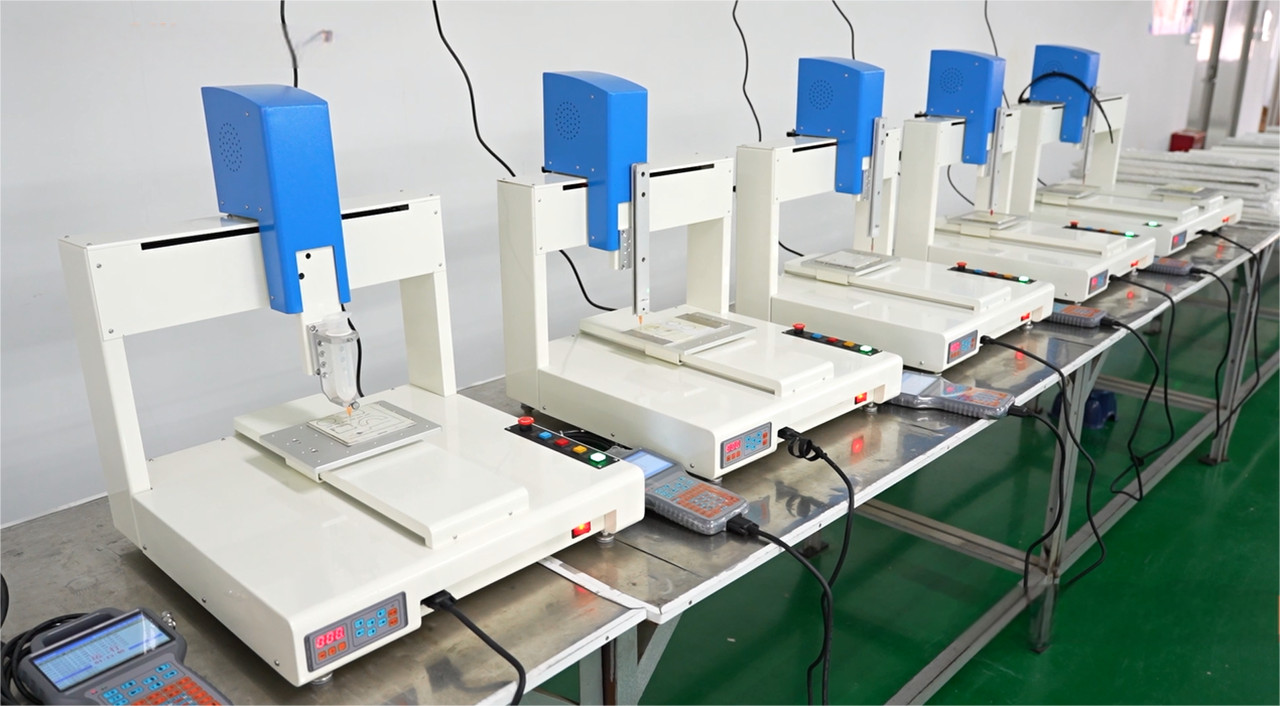
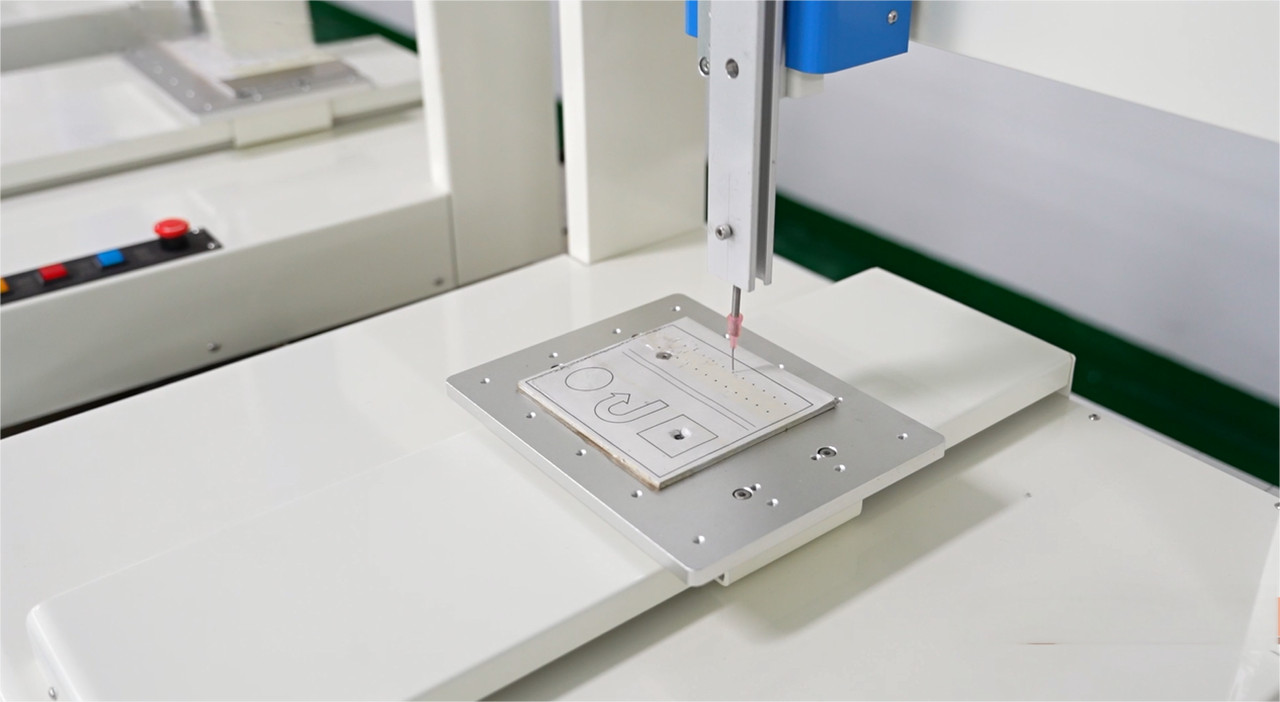
Leveraging regional ecosystems to deliver value, speed, and customization at scale.
Global supply chains require a balance of quality, velocity, and adaptability. Operating in the Shenzhen-Huizhou industrial corridor allows Anyco to leverage a robust, localized ecosystem of raw material suppliers, specialized surface treatment providers, and high-precision component manufacturers. This proximity reduces transit delays, allows for rapid prototyping, and significantly lowers logistical costs compared to isolated manufacturing facilities.
By implementing Factory 4.0 automation methodologies, we minimize variation across production runs. Standardized robotic calibration systems test each modulating actuator's performance parameters, thermal thresholds, and mechanical response profiles. This data is recorded to guarantee traceability. For international buyers, this translation of regional supply chain advantages and strict manufacturing controls offers a clear path to high-performing equipment without cost inflation.
Additionally, our proximity to global deepwater ports in Shenzhen and Guangzhou enables reliable, cost-efficient shipping lanes to key industrial corridors across Europe, North America, Southeast Asia, and the Middle East, keeping projects on schedule and within budget parameters.
How precise mechanical modulation addresses specific production challenges across high-tech industries.
In 3C and smartphone assembly, the application of structural adhesives, solder paste, and conductive silver paste requires precision down to the micro-gram level. Modulating valve actuators regulate fluid pressures dynamically to compensate for changing material viscosities, ensuring uniform deposition lines and preventing component defects.
Modern vehicles rely on complex electronic architectures. Protecting ECUs, sensor arrays, and battery management systems (BMS) requires high-accuracy potting and conformal coating. Our modulating actuators enable uniform coating thicknesses over complex surface profiles, preventing failures caused by moisture ingress.
In automated chemical synthesis, cleanroom manufacturing, and pharmaceutical packaging, maintaining precise chemical dosing levels is critical. Modulating actuators respond to downstream flow sensors to execute real-time, closed-loop fluid adjustments, maintaining process stability.
Addressing engineering, regulatory compliance, and operational queries from procurement leads and system integrators.
Complete your automation setup with certified valves, fittings, and curing hardware.
 Anyco Automation