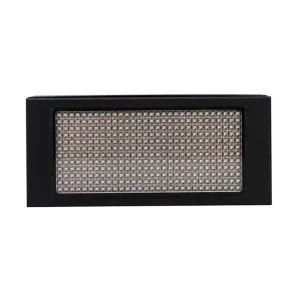
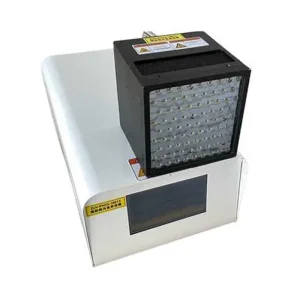
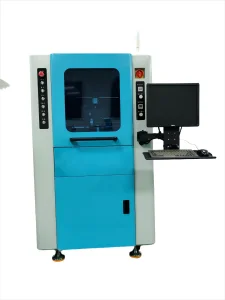
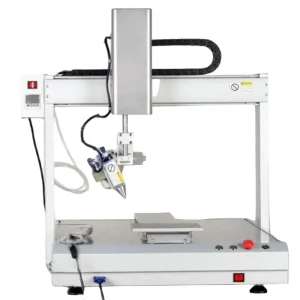
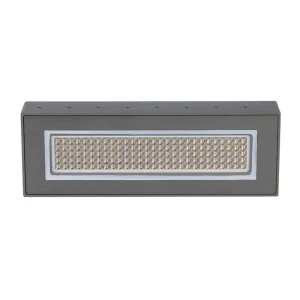
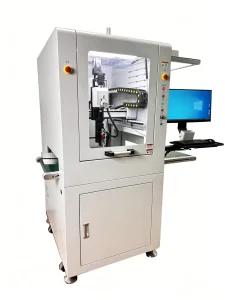
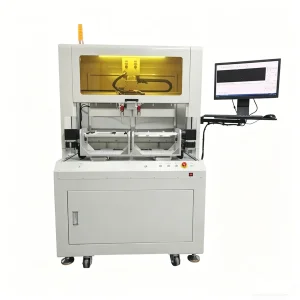
Explore our top-tier OEM/ODM machinery designed for flawless integration, thermal management, and precision material deposition.
Electrical Conductivity Paste (ECP) and conductive adhesives represent the backbone of contemporary microelectronics packaging, thermal dissipation systems, and electrical interconnect networks. As global manufacturing scales past traditional lead-based soldering techniques, industries are pivoting rapidly toward polymer-metal composite systems. The global market is characterized by a compounding demand for ultra-fine-pitch interconnects, driven by high-frequency communication protocols (5G/6G) and semiconductor miniaturization.
These advanced compounds rely on metallic fillers suspended in specialized resin matrices to establish stable electrical channels. Achieving optimal percolation thresholds requires highly controlled manufacturing processes, where raw particle geometry and binder compatibility are mathematically optimized. Consequently, industrial consumers rely heavily on OEM custom factories capable of designing tailored formulations that balance viscosity, sheet resistance, and curing temperatures to match specific production-line demands.

From the smart assembly floors of Vietnam to the heavy automotive corridors of Mexico, different environments demand distinct chemical properties from electrical conductivity pastes.
Under heavy, humid manufacturing environments, ECP formulations must incorporate moisture-resistant hydrophobes. Our OEM client solutions focus on high-speed dispensing stability, ensuring materials do not absorb ambient moisture during micro-BGA or smartphone chassis grounding assemblies, preserving long-term electrical conductivity without oxidation.
Automotive electronics require structural durability under extreme thermal cycling (-40°C to +150°C). Conductive pastes applied in ECU shieldings or battery management systems (BMS) are formulated with elasticized siloxane or epoxy binders to absorb thermal strain while maintaining low contact resistance across hundreds of thousands of highway miles.
In aerospace, defense, and power transmission hubs across EMEA, compliance and severe environmental resistance are critical. Custom ECPs require halogen-free chemistries and low-outgassing properties to operate in pressurized cabins or high-voltage relay cabinets without forming corrosive chemical residues.
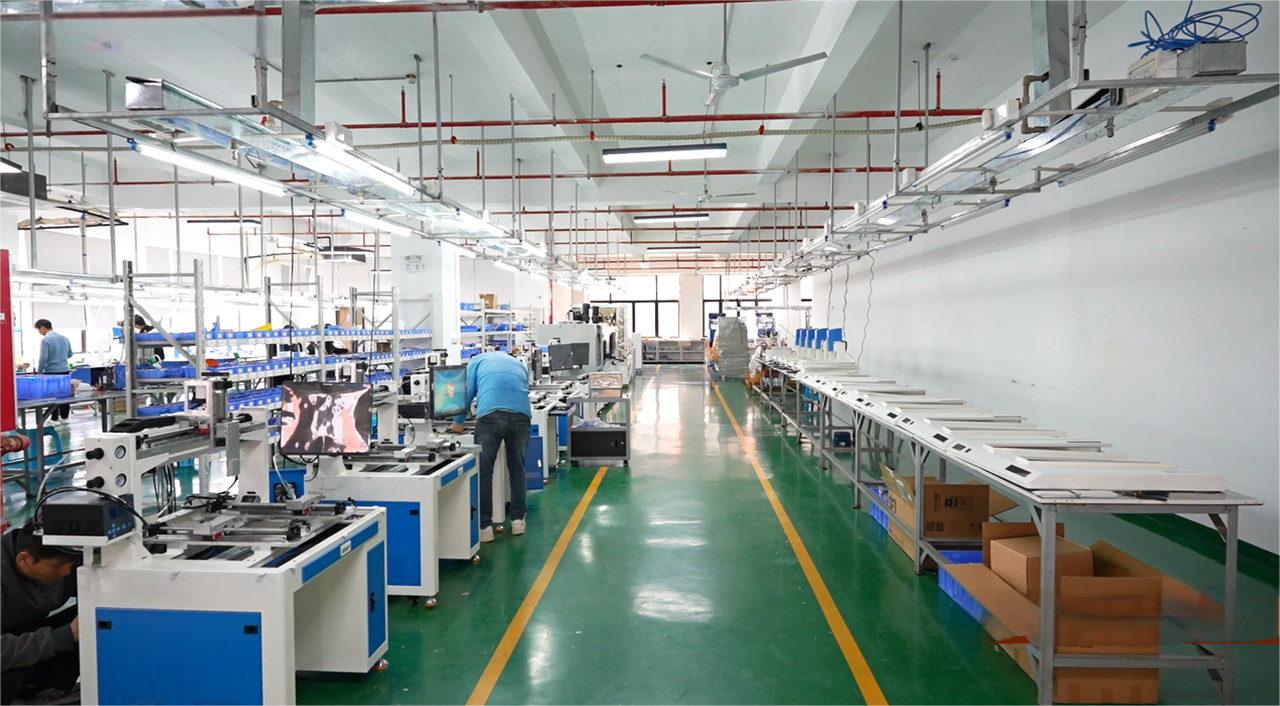
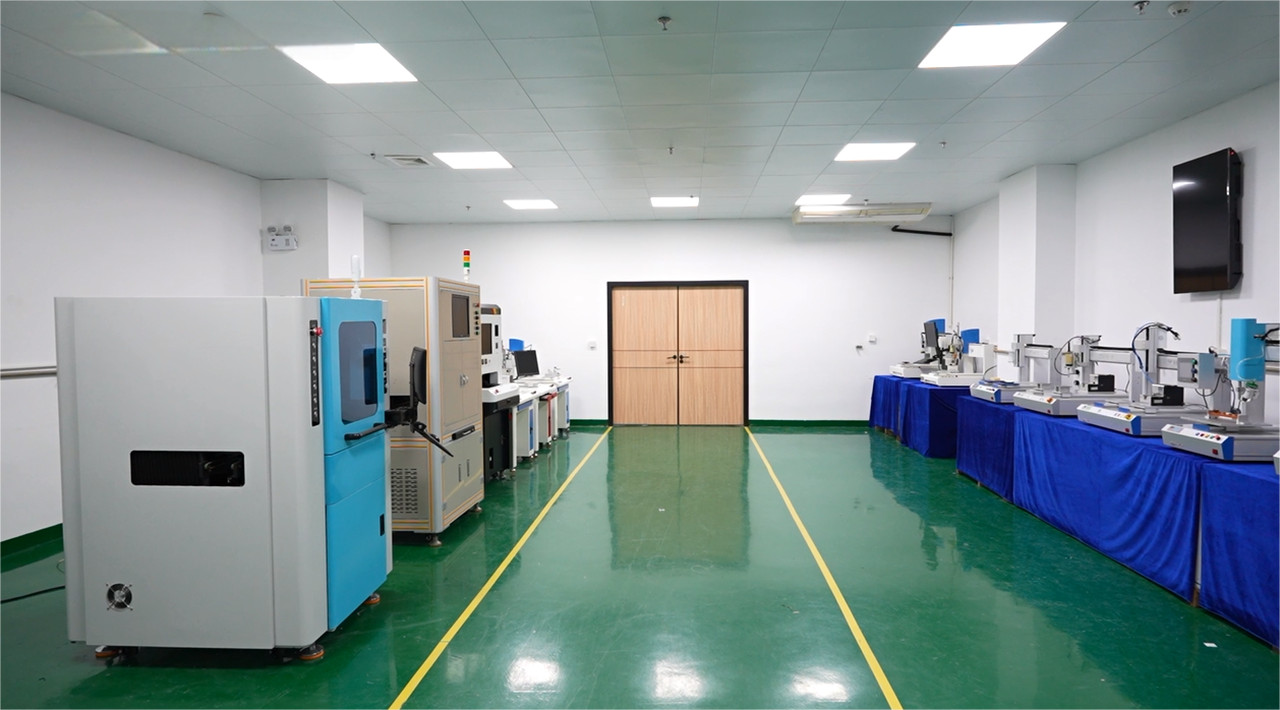
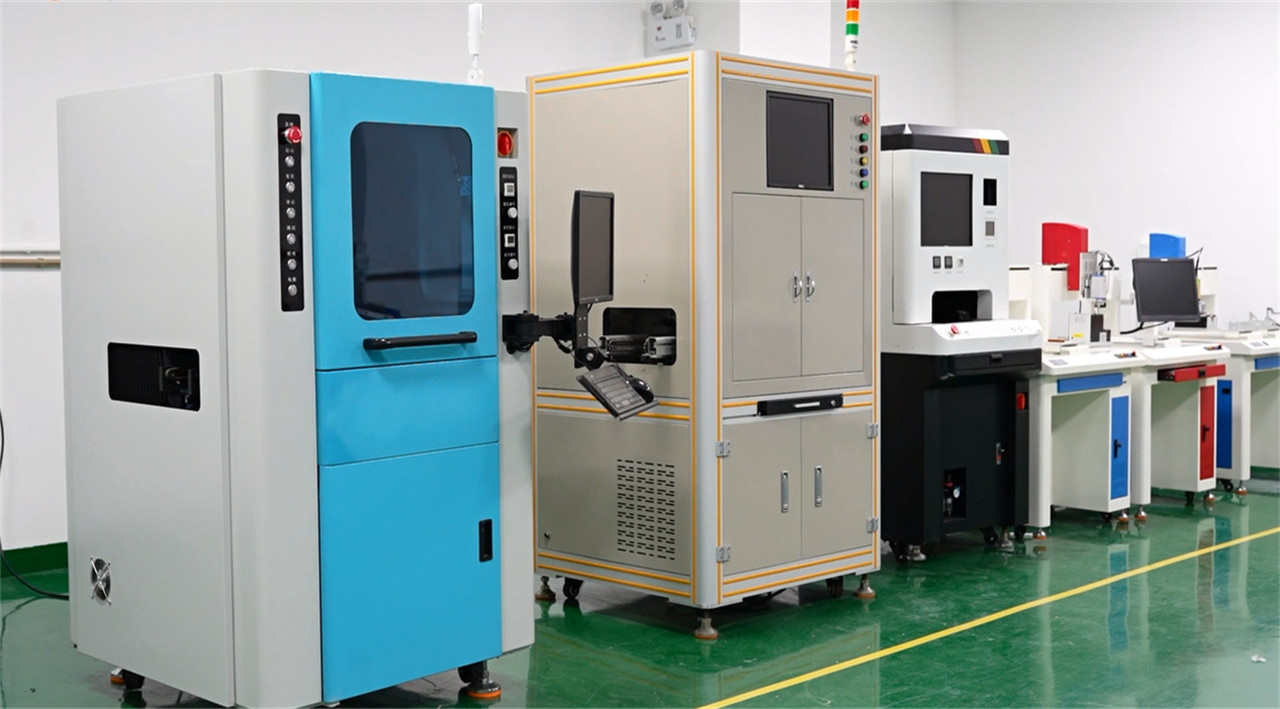
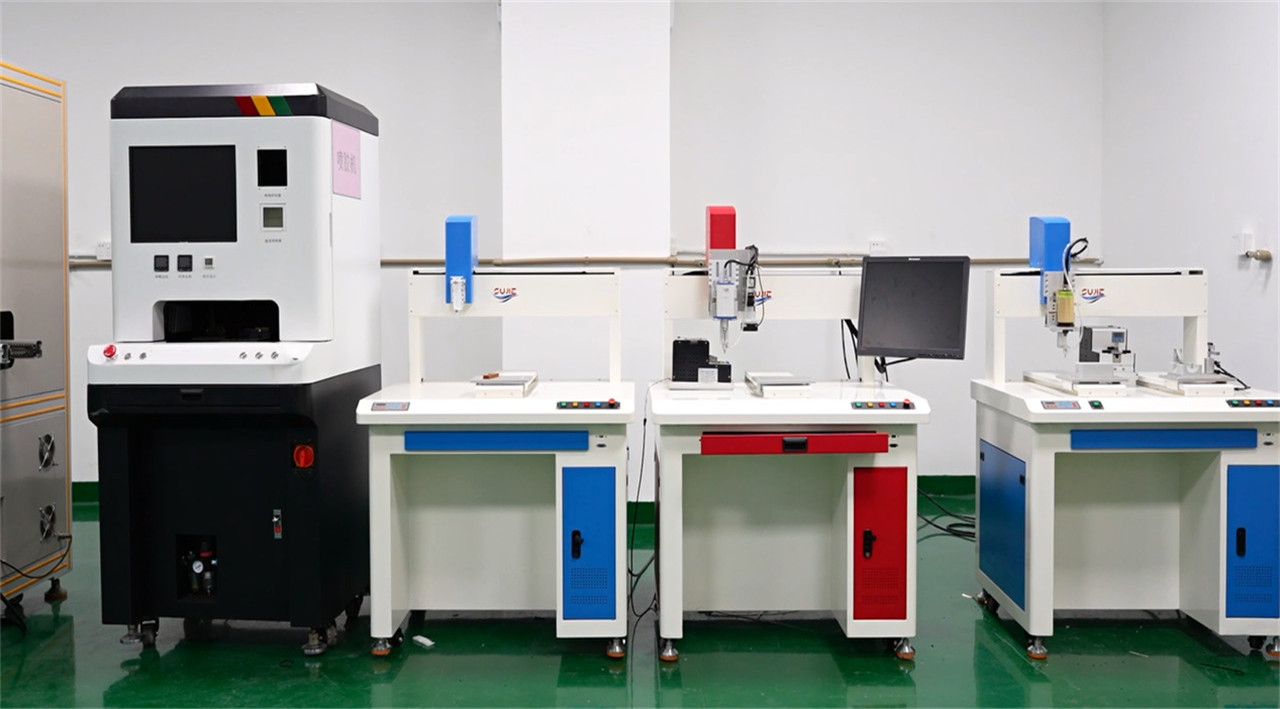
Shenzhen Anyco Automation Equipment Co., Ltd., founded in 2013, is a set of automated fluid control equipment and accessories research and development, production, sales, after-sales technical service as one of the national high-tech enterprises, one-stop precision dispensing equipment accessories customized factory. The company's headquarters is located in Guanlan, Shenzhen, and the factory is located in Huizhou, with a total area of more than 2,000 square meters.
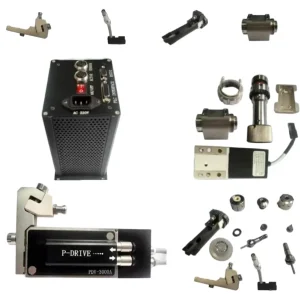
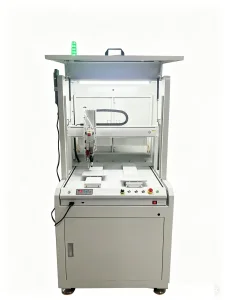
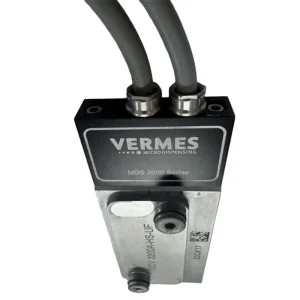
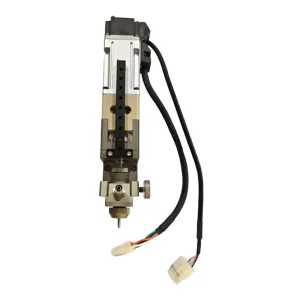
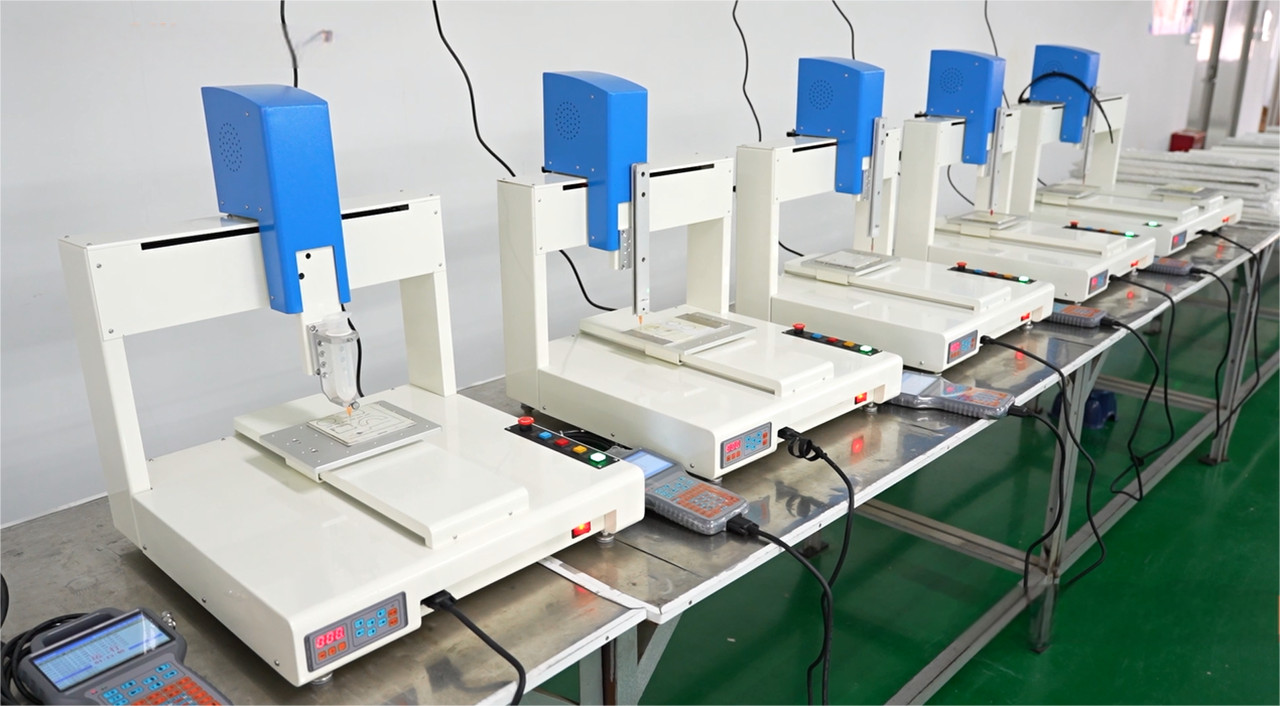
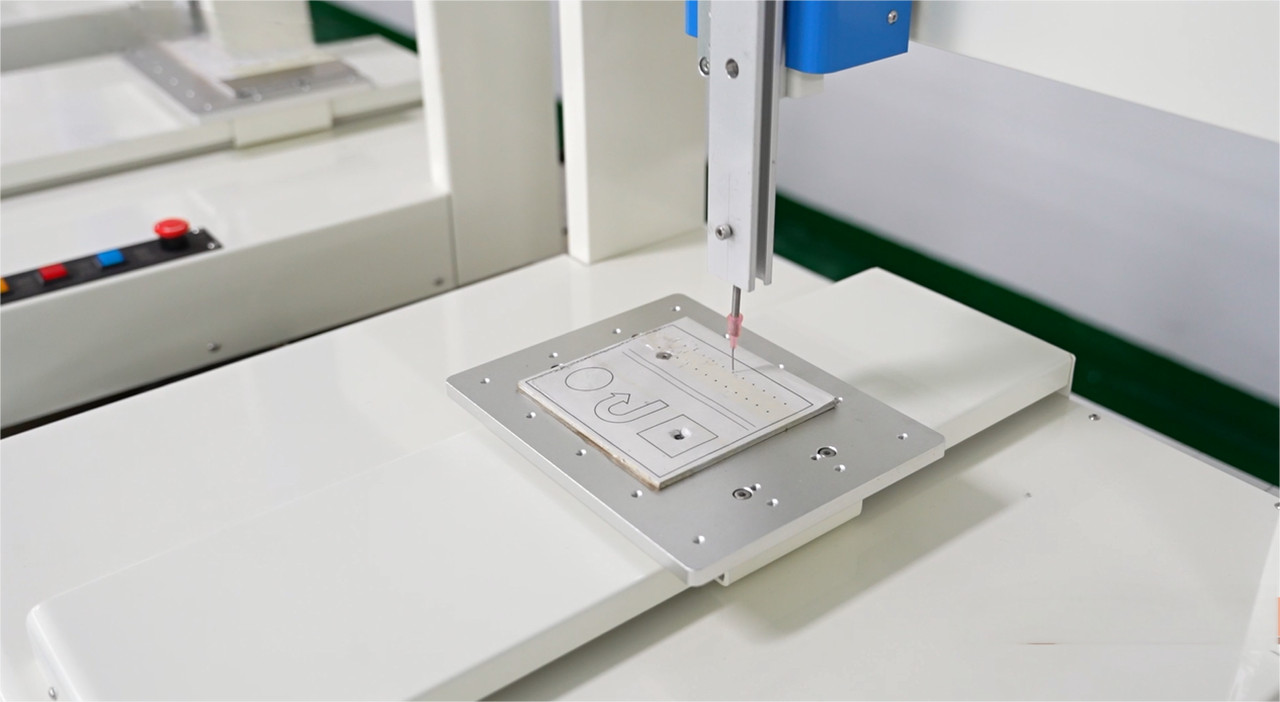
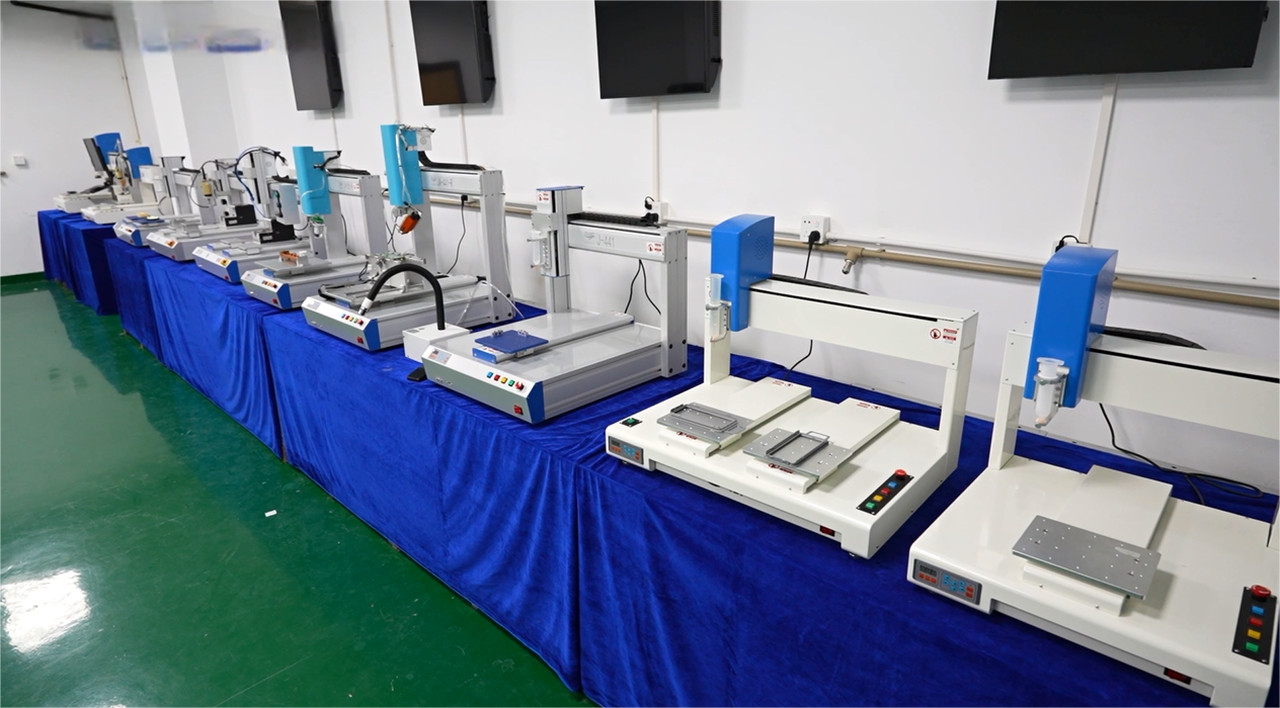
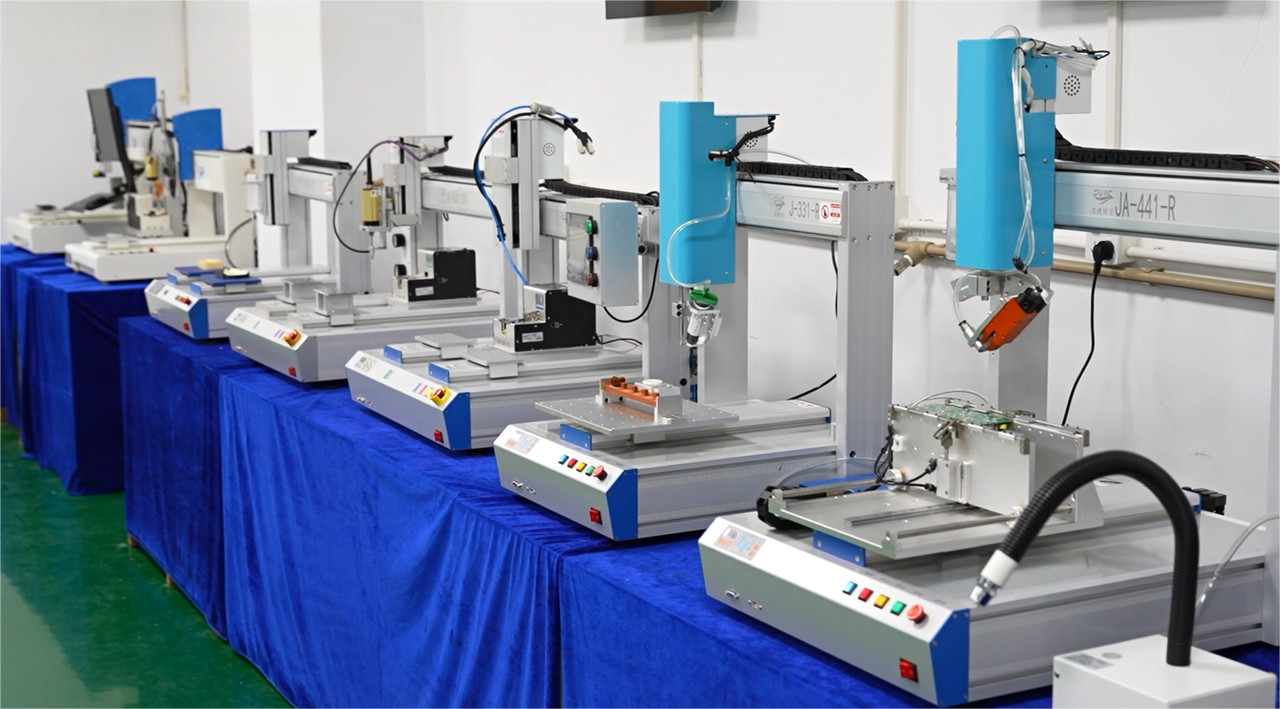
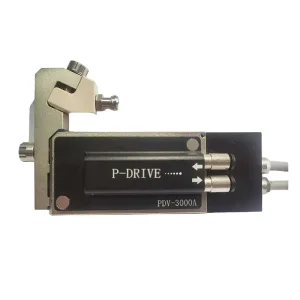
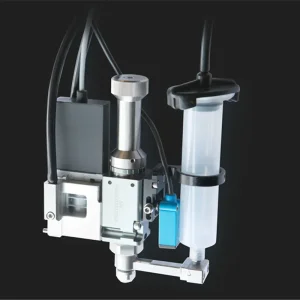
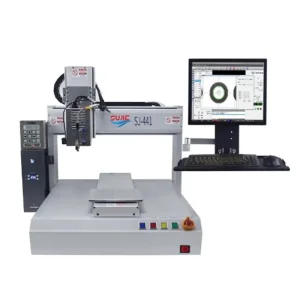
Our core competency lies in our ability to design and manufacture the highly sophisticated mechanical interfaces—such as piezoelectric jet valves, screw valves, and visual multi-axis dispensing stations—required to deliver high-viscosity conductive silver paste, thermal greases, and electrical conductivity formulations without dripping, tailing, or phase-separation. Our machinery ensures that the engineered rheology of OEM pastes translates perfectly into microscopic, consistent deposits on high-volume production floors.

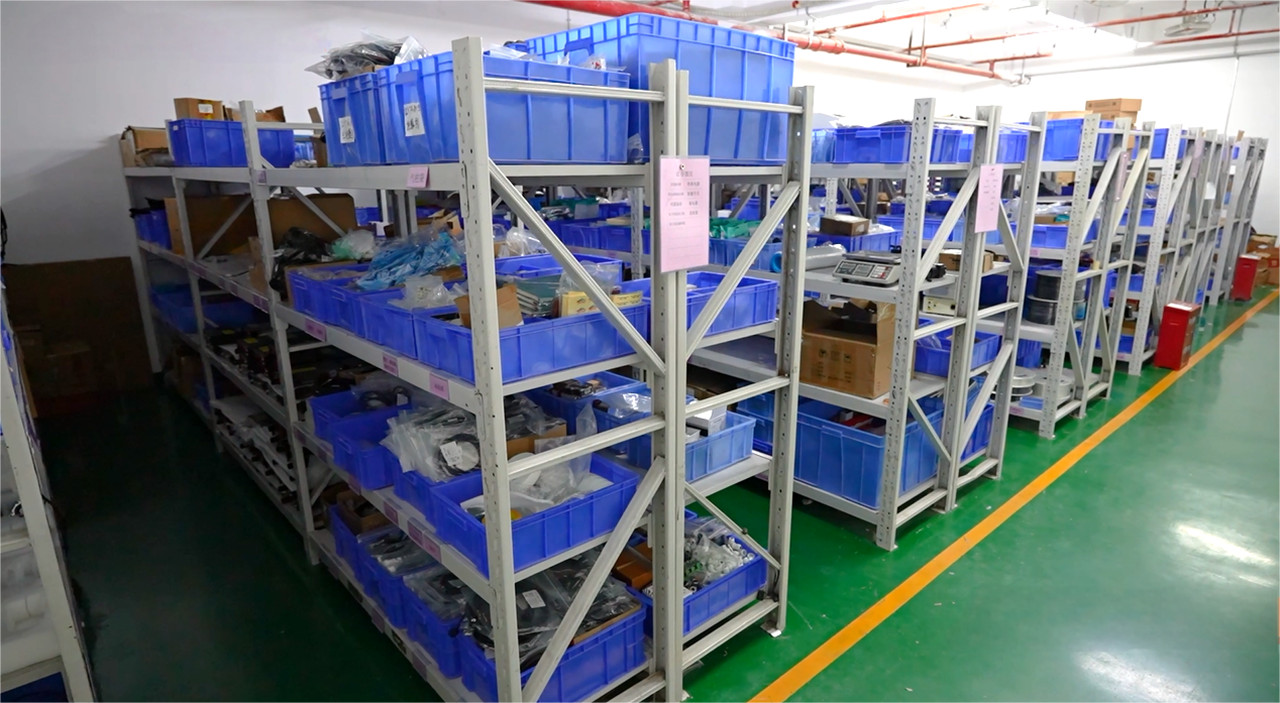
Operating a bifurcated model with R&D headquartered in Shenzhen (the Silicon Valley of hardware) and physical production centralized in Huizhou allows Anyco to leverage unique infrastructural benefits. China's dense electronics supply chain cluster offers unmatched material availability—from raw precursor metal powders to precision micro-machined valve needles—minimizing standard lead times by up to 60% compared to Western competitors.
Additionally, our local ecosystem allows for rapid prototyping loops. A customized formulation change or a modified nozzle geometry can be simulated, CNC-milled, tested, and shipped globally within days. This level of agility is supported by robust logistics networks connected directly to Hong Kong and Shenzhen international shipping hubs, ensuring that our customers in Southeast Asia, the Americas, and North Africa remain shielded from supply bottlenecks.
The next decade of electronics manufacturing points to structural integration, nanotechnology, and extreme temperature sustainability.
Traditional ECPs rely on micro-fillers, requiring higher metallic density to reach the percolation threshold. The industry is moving towards nano-scale copper and silver sintering compounds, enabling metal-to-metal bonding at significantly lower process temperatures (under 200°C) with bulk-metal thermal conductivity levels.
Future dispensing systems will leverage real-time closed-loop fluid feedback. By pairing Anyco's high-speed piezoelectric valves with vision sensors, the system can instantly adjust driving frequencies to compensate for slight batch-to-batch viscosity fluctuations in conductive polymers, avoiding micro-voids.
Environmental mandates are pushing factories away from petro-chemical epoxy binders. Future R&D efforts center on biodegradable resin vehicles derived from plant starches and biological waste streams, ensuring that end-of-life electronic components do not pollute landfills with toxic synthetic polymers.
Anyco is committed to providing global clients with complete compliance assurance. Our fluid dispensing systems are fully CE certified and meet the rigorous health, safety, and environmental protection standards of the European Economic Area. We actively support our customers in maintaining compliance with RoHS and REACH regulations when implementing custom electrical conductivity pastes and auxiliary coatings.
Our localized support network stretches across Vietnam, India, Thailand, Mexico, and Morocco, ensuring that whenever a production line encounters fluid dynamics issues or requires emergency parts customization, our technicians can respond within 24 hours. We offer one-on-one virtual validation services, optimizing dispensing parameters using the client's specific ECP formulation at our Shenzhen laboratory before shipping completed lines.
Technical answers to the most common questions regarding electrical conductivity paste properties and automated dispensing applications.
Discover our range of pneumatic injection valves, visual dispensers, and conformal coating lines to optimize your production throughput.
 Anyco Automation