Designed for extreme accuracy, fast response times, and consistent material flow. These core fluid technologies enable high-end automation across modern industrial operations.
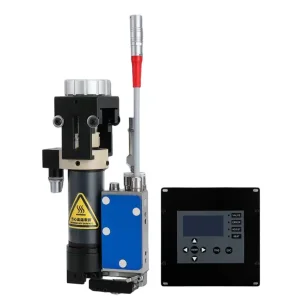
As Peru transitions its manufacturing base toward high-value-added production, industries in Lima, Arequipa, and Callao are actively modernizing. There is a surge in demand for automated fluid control systems to replace manual, error-prone operations. The transition to local processing of raw electronic goods, smart automotive components, and food packaging requires exact fluid management.
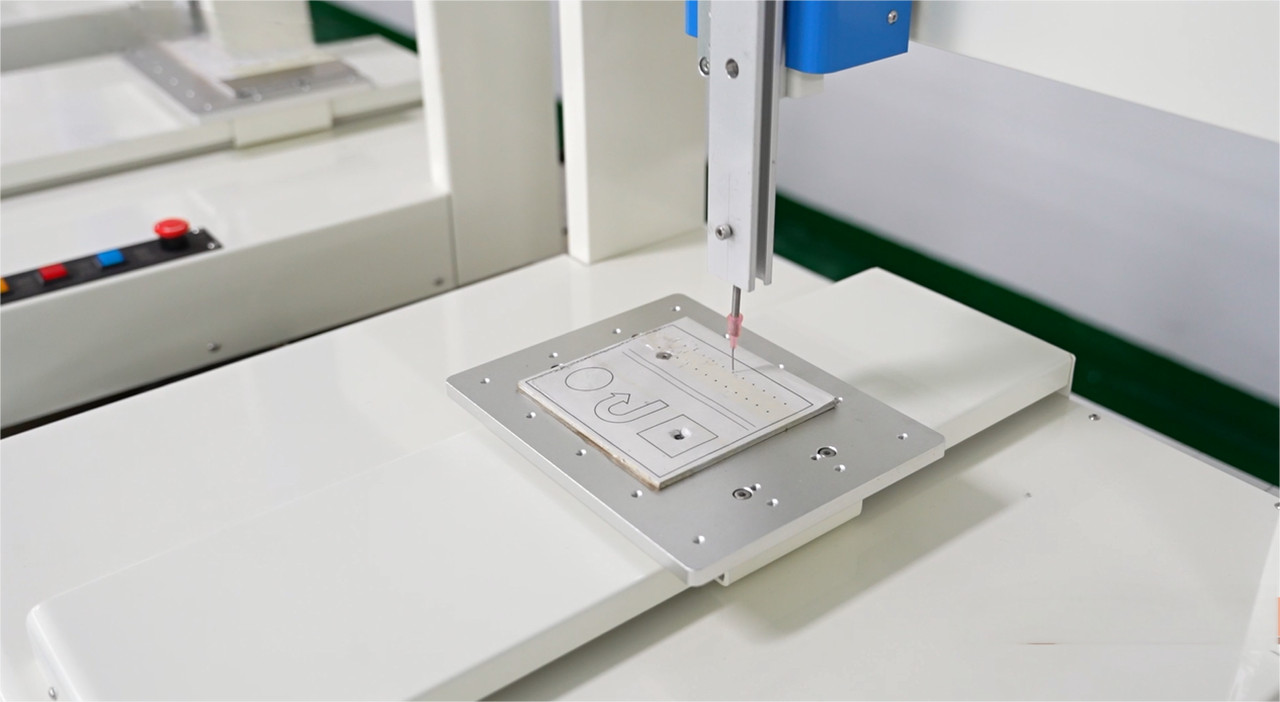
Precision dispensing is key to improving product yield and process repeatability. Whether applying structural adhesives, UV curable epoxies, or protective coatings, Anyco's industrial dispensing valves deliver consistent deposit control. This system reduces waste and meets strict quality standards.

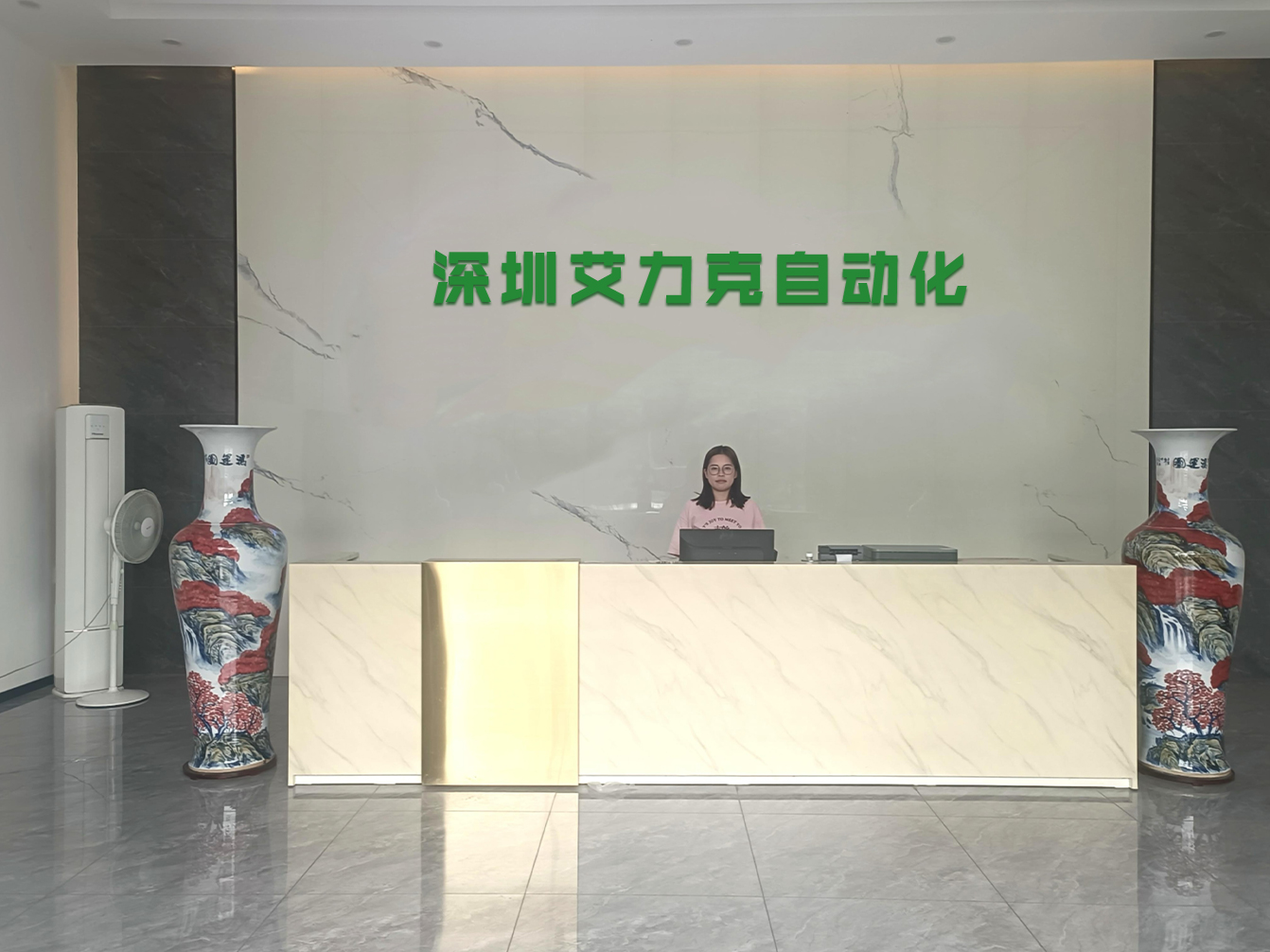
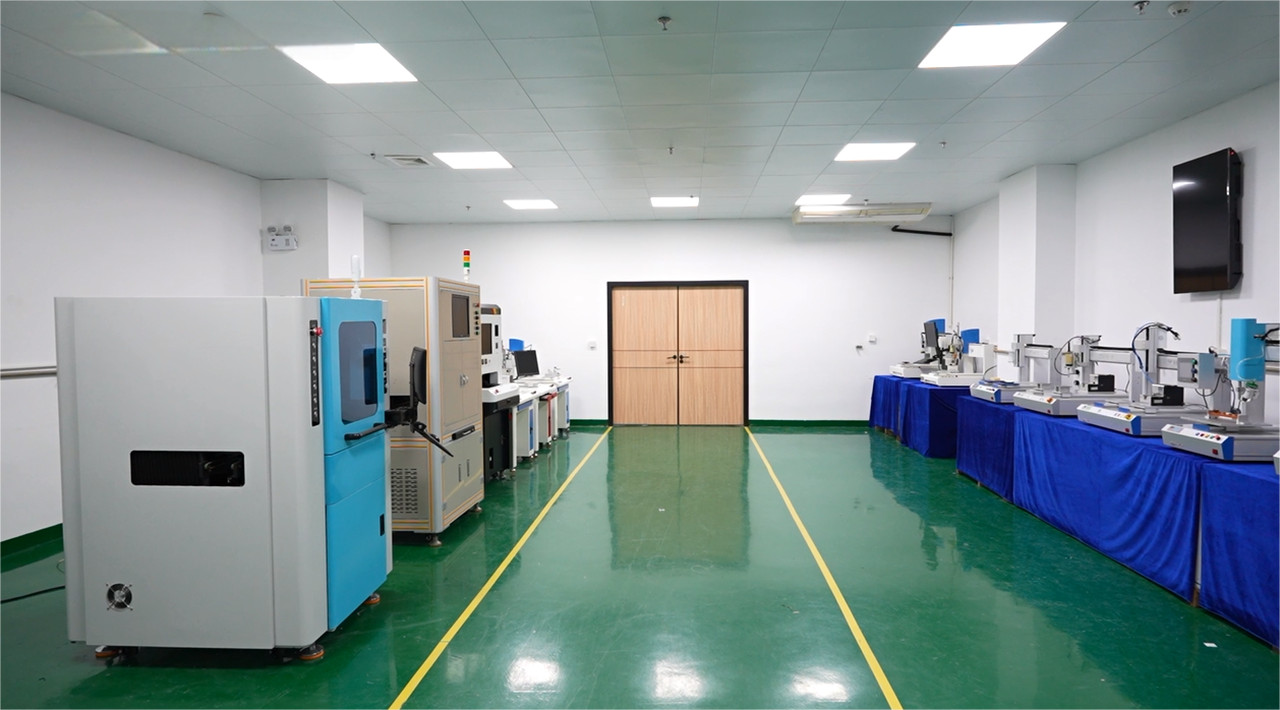
Founded in 2013, Shenzhen Anyco Automation Equipment Co., Ltd. is a national high-tech enterprise. We specialize in the R&D, manufacturing, and support of advanced fluid control systems. Our operations are spread across a 2,000-square-meter facility, allowing us to export to markets in Southeast Asia, India, North America, and South America.
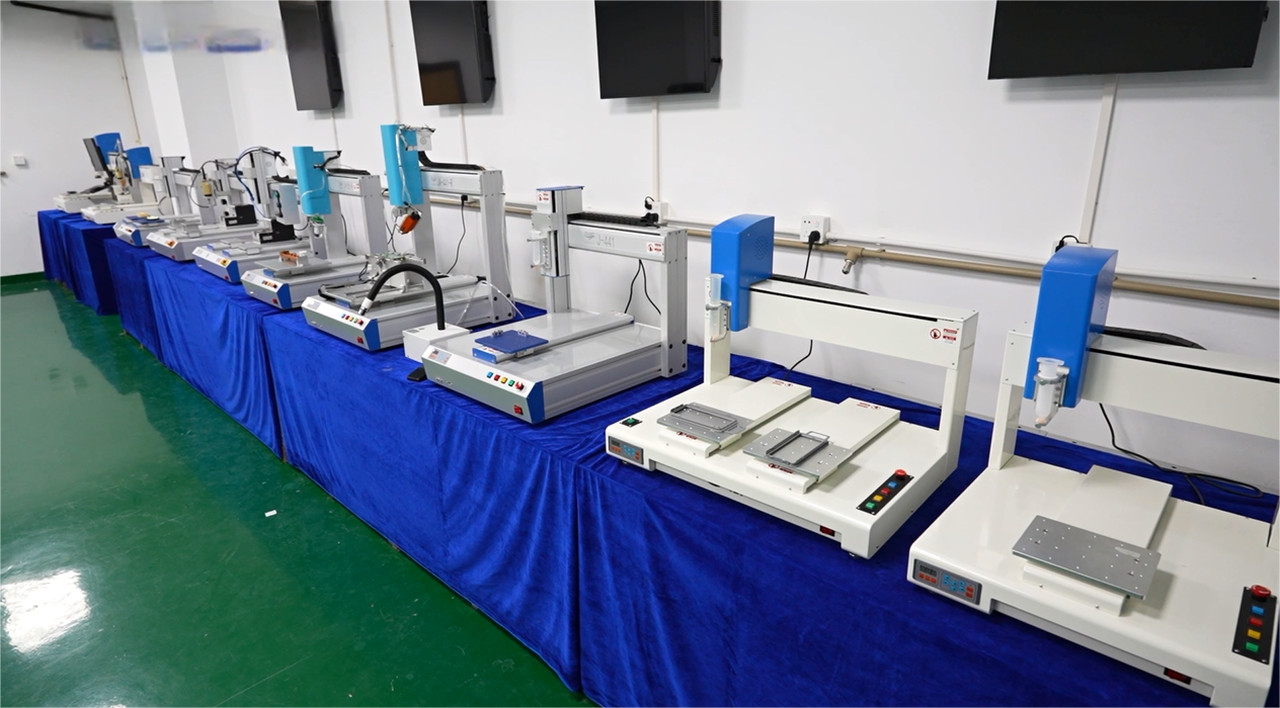
We develop fluid delivery solutions for consumer electronics, automotive components, and energy storage systems. Our systems utilize non-contact piezoelectric jetting, high-frequency solenoid valves, and desktop robotic assemblies. We work with clients to design customized dispense setups that match their production volumes and mechanical configurations.
Different industrial processes require distinct fluid behaviors. We match our dispensing technology to your material profiles and mechanical requirements.
Precision potting and gasketing of automotive wire harnesses and physical sensors. Our micro-needle and jet valves protect sensors from dirt, road debris, and mechanical wear under hard operating conditions.
Accurate application of high-viscosity thermal greases, sealants, and binder materials for green energy installations in South America. Proper fluid application ensures optimal thermal dissipation.
High-speed micro-fluidic jetting for handheld components, microphones, and screen enclosures. Our non-contact piezoelectric systems prevent mechanical stress on sensitive electronic boards.
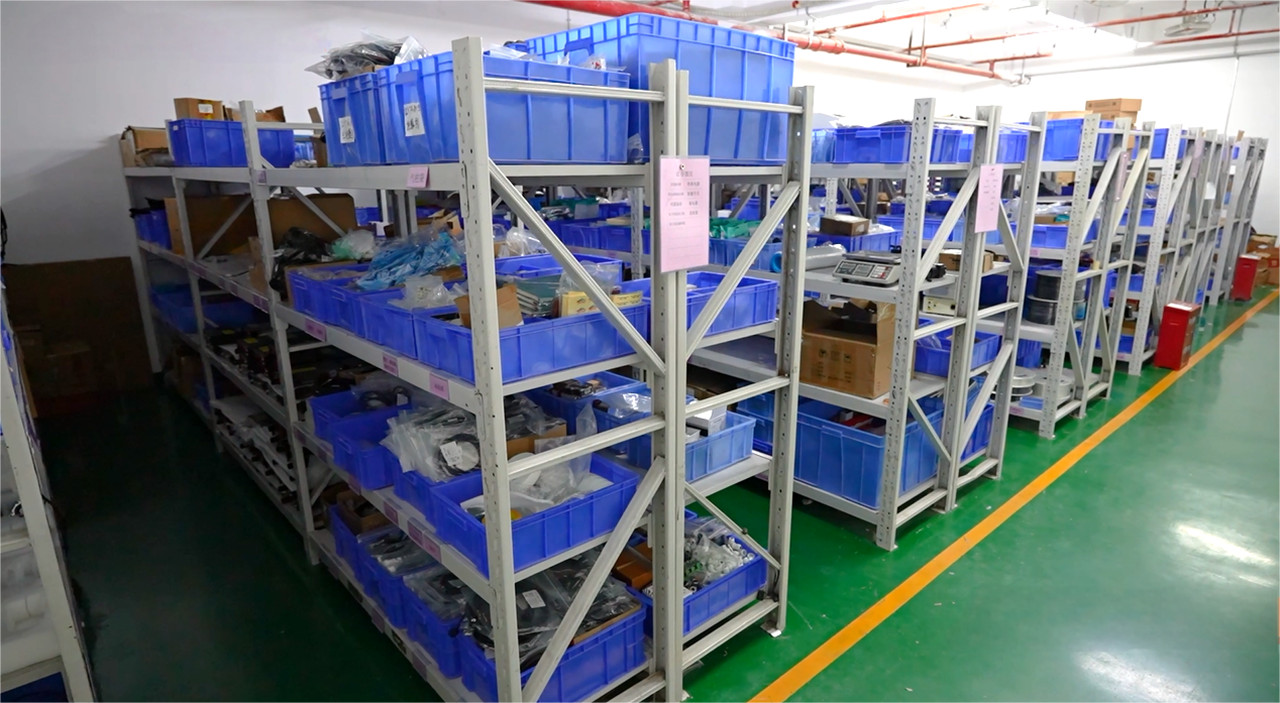
Our manufacturing facility employs CNC tooling and high-precision assembly protocols. Each valve and light source undergoes inspection before export to Peru.
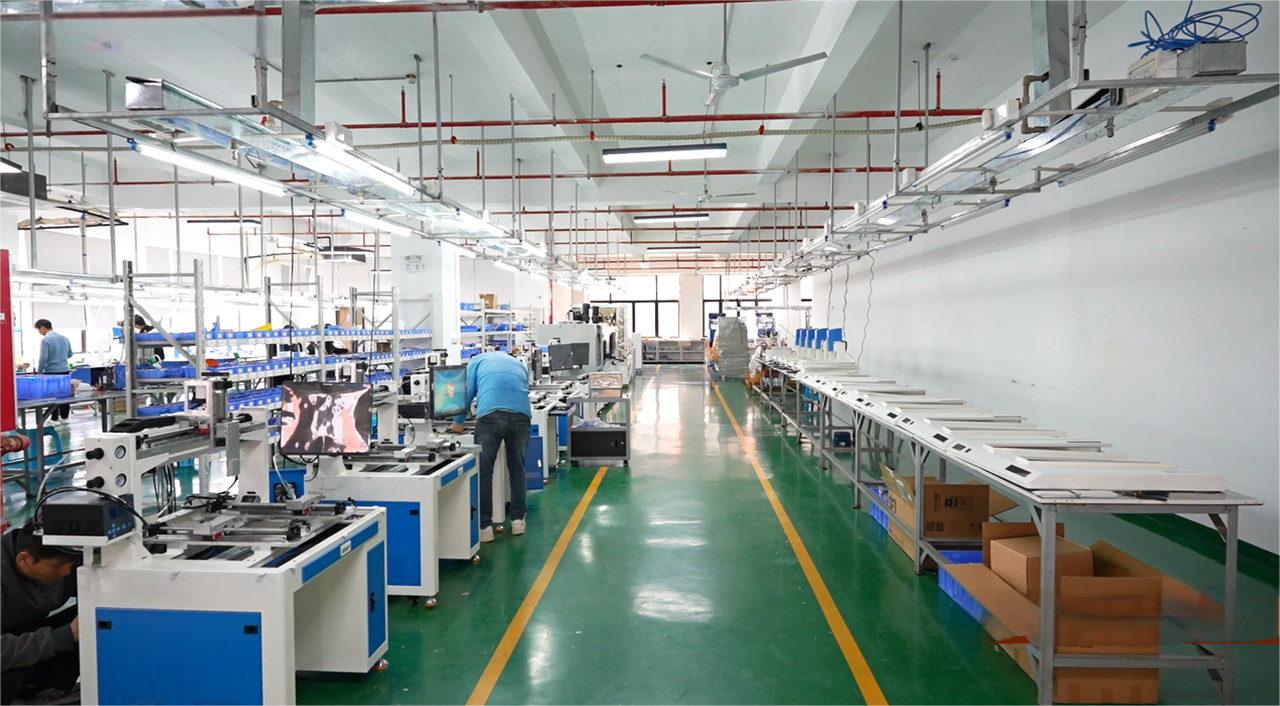
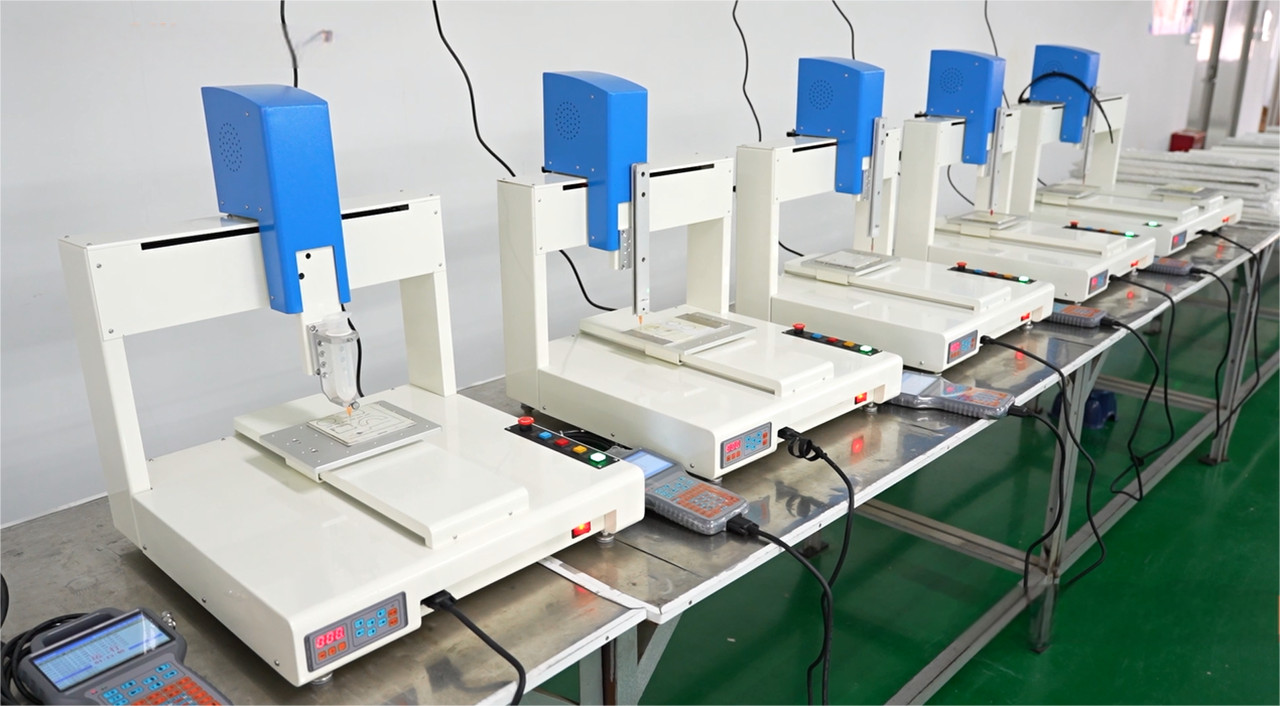
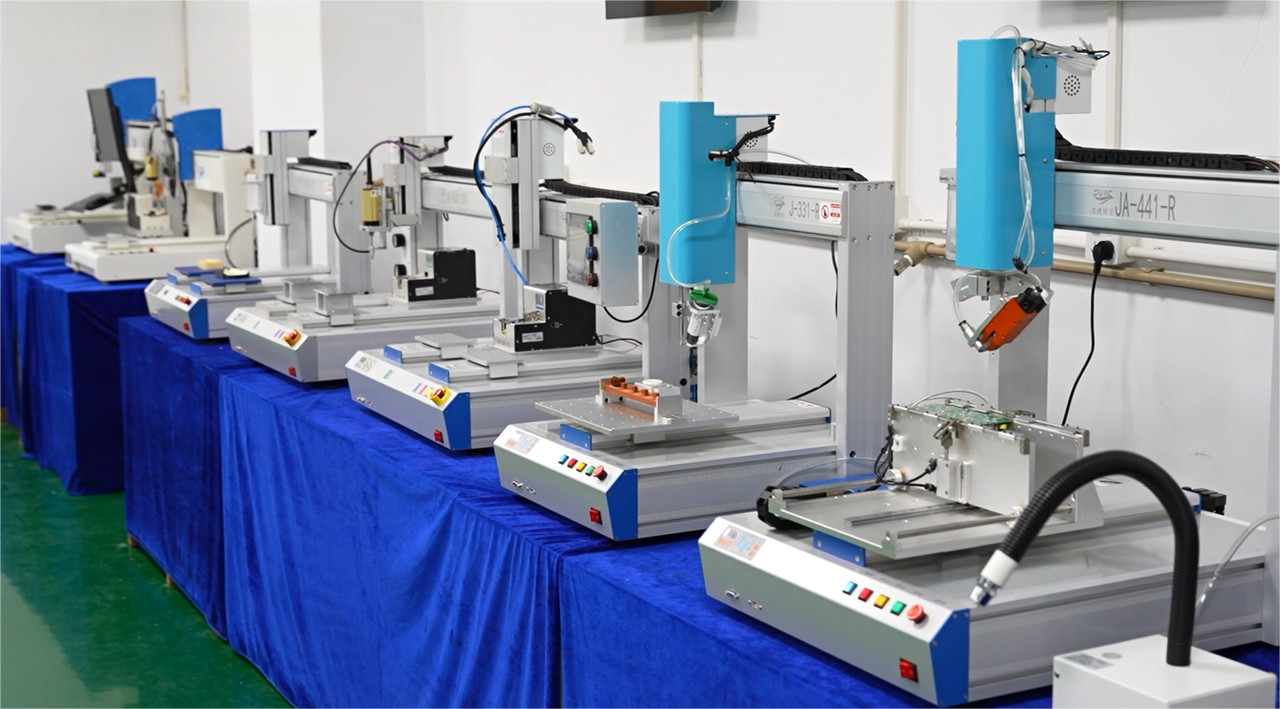
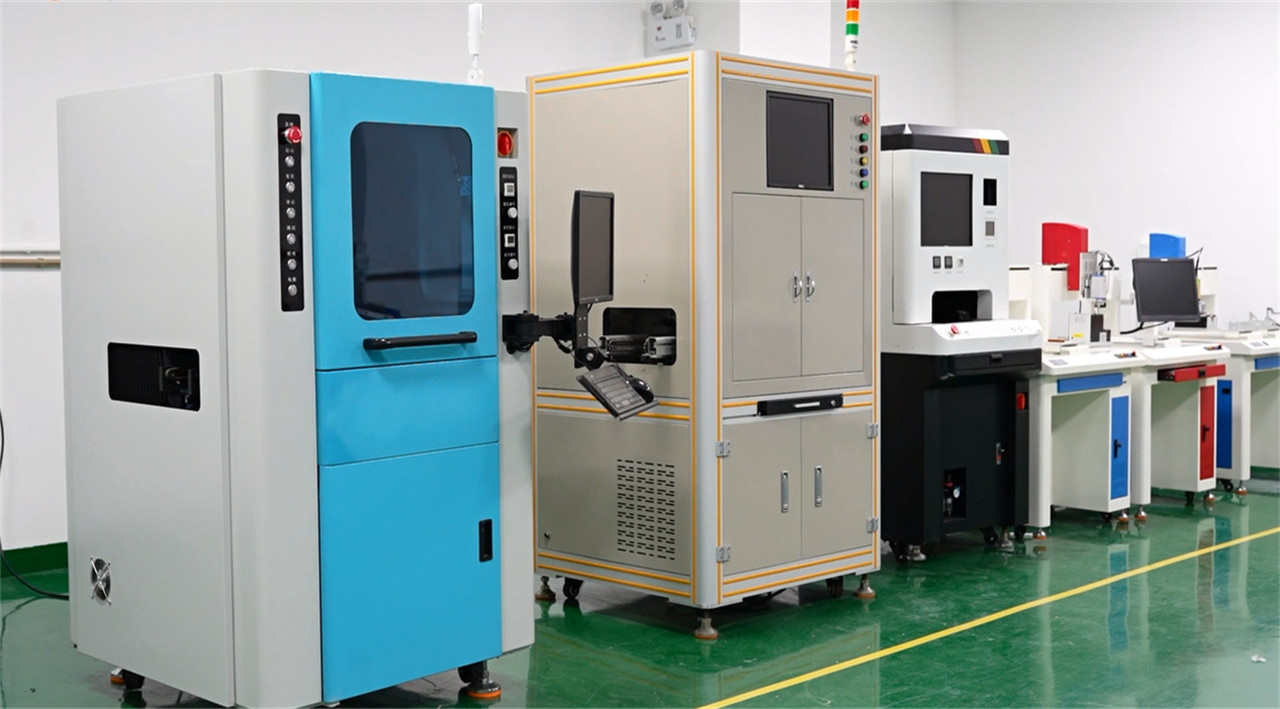
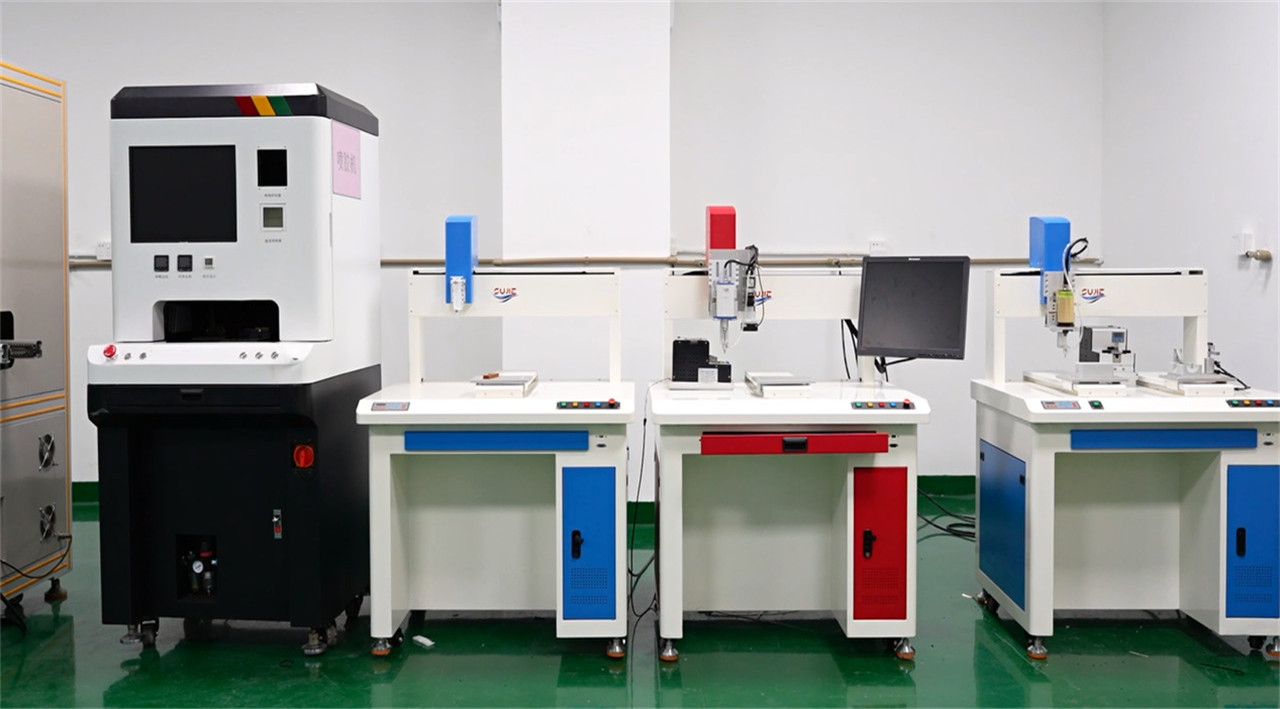
Anyco keeps pace with the development of the international fluid automation market. We are upgrading our product lines to feature AI-based visual alignment systems, real-time pressure diagnostics, and closed-loop control links. This allows operators to monitor changes in fluid viscosity and system pressure from a central screen.
For clients in Peru, we provide compliance documentation, CE certifications, and detailed operational manuals. We work with regional freight forwarders to manage shipping logistics directly to the Port of Callao, helping you navigate local customs processes.
Explore our selection of dispensing valves, UV curing systems, and automatic machines. Designed for simple integration and consistent performance in industrial facilities.
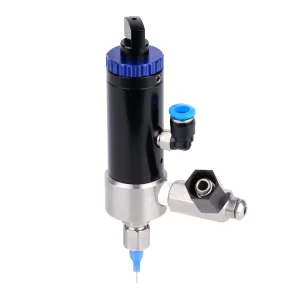
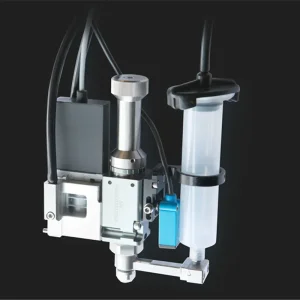
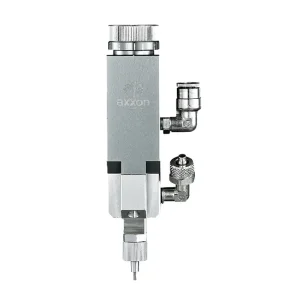
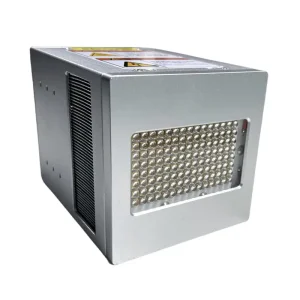
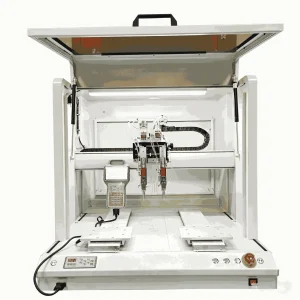
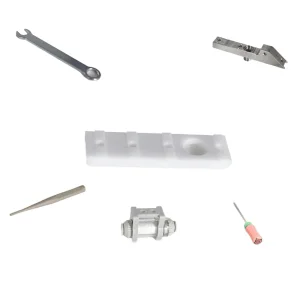
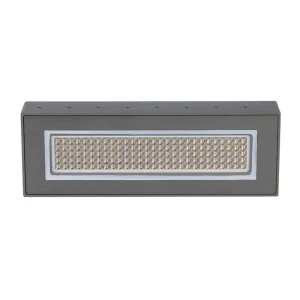
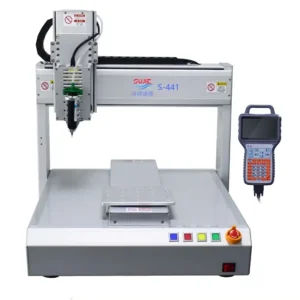
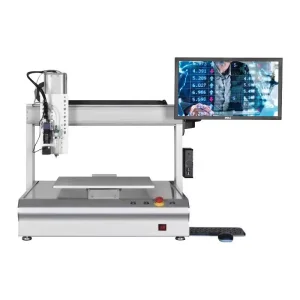
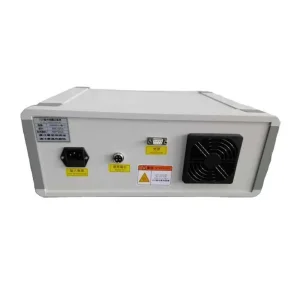
Industrial fluid dispensing requires careful matching of material chemistry, fluid dynamics, and valve mechanics. Selecting an incorrect system can cause nozzle clogging, inconsistent fluid volume deposits, or damage to assembly components.
Fluid materials behave differently under mechanical pressure. Low-viscosity materials (such as solvents, water-thin fluxes, or light oils) can flow through micro-needle systems like the V-420A Micro Needle Valve without high resistance.
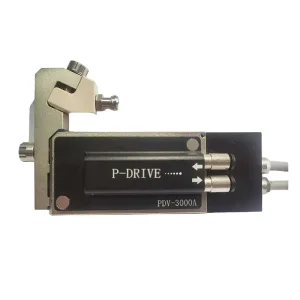
Medium to high-viscosity fluids (such as RTV silicones, thermal compounds, or epoxies) require mechanical assist mechanisms to flow consistently. Systems like our PDV-3000A Piezoelectric Jet Valve use high-frequency piezo actuators to apply concentrated shear forces, cleanly ejecting high-viscosity droplets without leaving tailing residue.
Traditional contact dispensing uses a needle tip positioned close to the target substrate. While cost-effective, it carries a risk of needle-to-part collision, limits cycles to the Z-axis speed, and can suffer from fluid buildup on the tip.
Non-contact jetting (using piezoelectric or pneumatic systems) launches fluid droplets from a distance. This approach eliminates Z-axis height adjustment cycles, increases processing speed, and protects delicate substrates—such as smartphone PCBs or micro-acoustic components—from physical damage.
Common questions from process engineers and procurement managers regarding our industrial dispensing solutions.
Contact our engineering support team to discuss material testing, cycle times, and equipment sizing tailored to your facility.
Send Inquiry Now Anyco Automation