High-reliability consumable assemblies and hardware engineered to minimize downtime and maintain cleanroom dispensing standards.
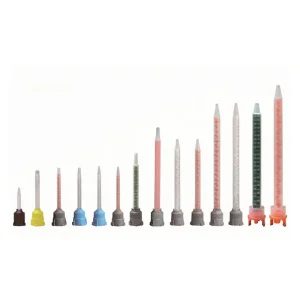
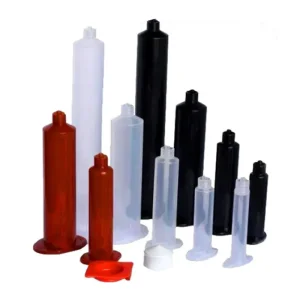
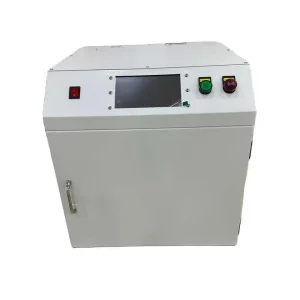
Houston, Texas, represents a global epicenter for petrochemical extraction, subsea equipment engineering, and downstream refinery automation. Fluid handling in this industrial ecosystem involves dealing with highly aggressive, high-viscosity media, multi-part structural epoxies, and elastomeric sealants. Processing materials under extreme conditions requires high-pressure static mixing tubes and industrial dispensing systems that can withstand varying thixotropic indices and heavy mechanical stresses without compromising mix ratio integrity.
Home to the NASA Johnson Space Center and a dense cluster of commercial aerospace supply chain entities, the Houston region demands compliance with AS9100 quality standards. Dispensing systems used in structural assembly, potting electronic sensors, and applying thermal interface materials (TIMs) must offer absolute volumetric precision. A variation of even 0.05 grams of resin or a minor deviation in the static mixing ratio can lead to structural failure or localized overheating of satellite payloads, making static mixing quality a non-negotiable metric.
As the Texas Medical Center drives breakthroughs in medical device innovation, local manufacturing plants require cleanroom-compatible precision fluid dispensing equipment. From UV adhesive bonding of micro-catheters to hermetic sealing of implantable pacemakers, high-precision mixing tubes and syringe barrels must be free of silicone, contaminants, and mold release agents. A secure process requires specialized polymer formulations and tight engineering tolerances in the manufacturing of dispensing consumables.
Optimized connectors, jetting valves, and coating architectures designed for automated work cells.
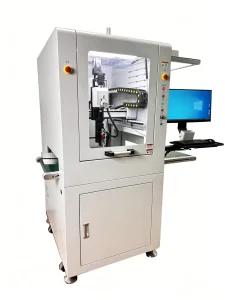
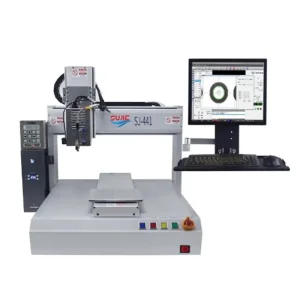
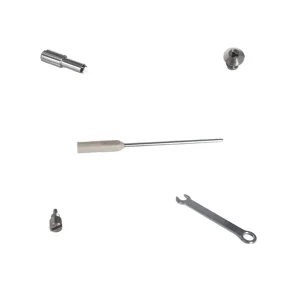
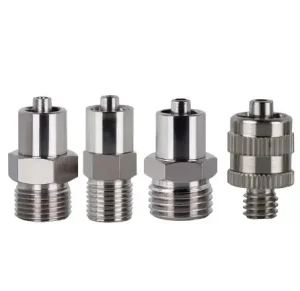
The manufacturing sector is increasingly replacing single-component adhesives with 2-part polymer systems (2K epoxies, polyurethanes, and silicones) to meet demand for faster cycle times and enhanced structural durability. These materials rely on polymerization reactions that begin upon contact inside the mixing chamber. Static mixing design has evolved beyond simple helical geometries to square turbos, which divide, flip, and fold the two material streams repeatedly. Modern static mixers achieve equivalent mixing performance in half the physical length, reducing residual waste and minimizing fluid pressure drops across the assembly.
Today’s smart factories require real-time validation of every step in the manufacturing process. Advanced dispensing stations now feature inline pressure transducers, volumetric flow sensors, and laser height tracking systems. This allows the master PLC to monitor changes in backpressure across the static mixing tube. A sudden drop in pressure indicates air entrapment, while a pressure spike points to gelation or cure-blocking. This sensor telemetry provides the data required for automated tracking, ensuring each assembly is fully traceable.
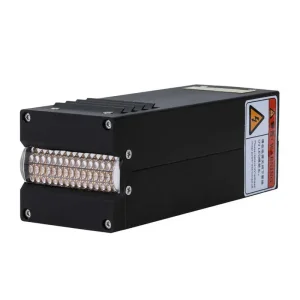
Thermal ovens require significant floor space and consume substantial power. Many industries are transitioning to light-curable acrylics and secondary moisture-cure silicones. High-intensity UV and LED light sources at 365nm, 395nm, or 405nm cure adhesives in seconds. This speed allows for continuous inline assembly, reducing physical footprint, avoiding thermal stress on delicate electronic substrates, and lowering energy costs.
Procurement departments are moving away from single-source supply chain strategies. When static mixing nozzles, custom syringe barrels, or dosing tips run out of stock, production lines grind to a halt. A dual-sourcing model that balances domestic distributors with direct-to-factory partnerships ensures supply chain continuity. Direct coordination with ISO-certified manufacturers keeps production flowing, stabilizing material costs and allowing for custom branding and tailored component geometries.
In microelectronics, modern high-frequency circuits require precise insulation and thermal management. Dispensed compounds must be applied without voids, as air pockets can cause corona discharges, dielectric breakdown, or thermal hotspots. Achieving this level of precision requires matching static mixing elements to the chemical and physical properties of the fluid. This involves optimizing variables like mixing element diameter, length, step configuration, and nozzle profile for each application.
Bringing Precision Engineering and High-Volume Direct-Factory Reliability to Houston Operations
Shenzhen Anyco Automation Equipment Co., Ltd., founded in 2013, is a national high-tech enterprise integrating automated fluid control systems and precision accessories. From R&D and production to global logistics and after-sales engineering, we serve as a comprehensive partner for dispensing equipment consumables. With headquarters in Guanlan, Shenzhen, and a manufacturing hub in Huizhou, our combined facilities span over 2,000 square meters.
Anyco serves major industrial markets in Southeast Asia, North America, and beyond. We supply high-precision jetting valves, automated desktop and floor-standing dispensing machines, and custom consumables. Our design and engineering teams provide customized fluid control systems for the home appliance, consumer electronics, and automotive electronics sectors.
Our Engineering Capabilities Include:
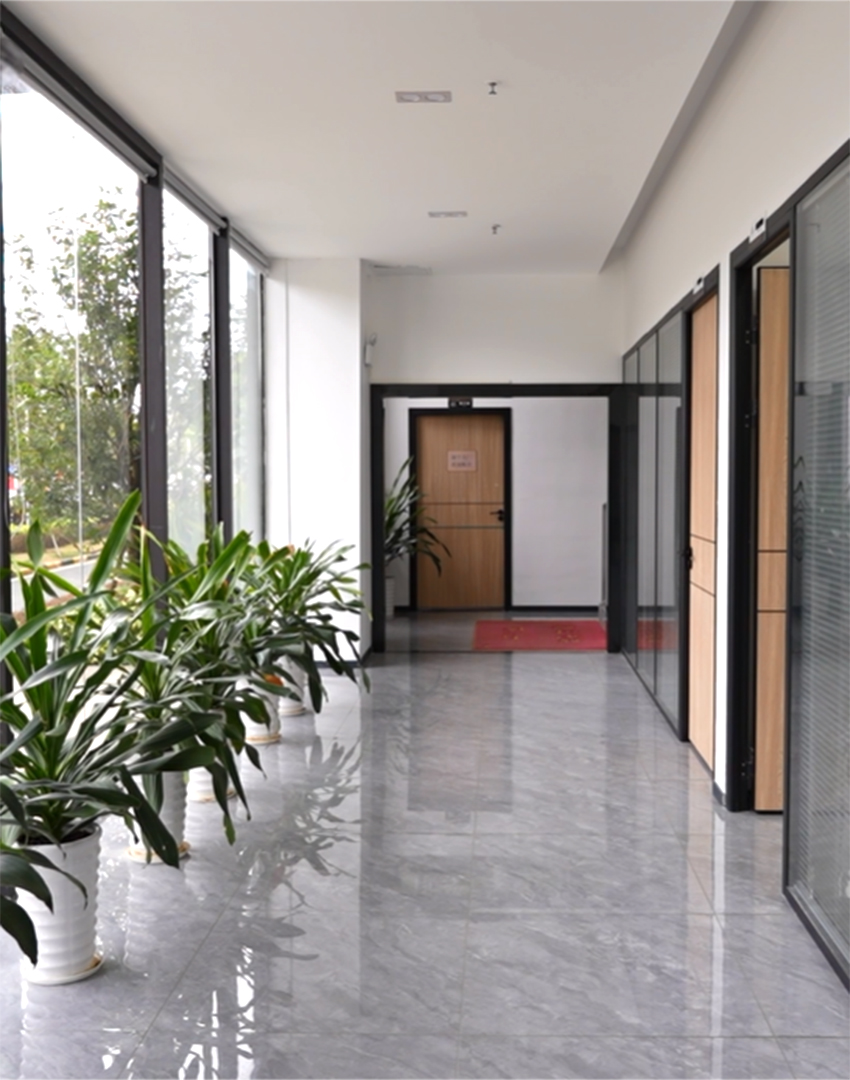
Tour our production floor, CNC tooling department, cleanrooms, and testing facilities:
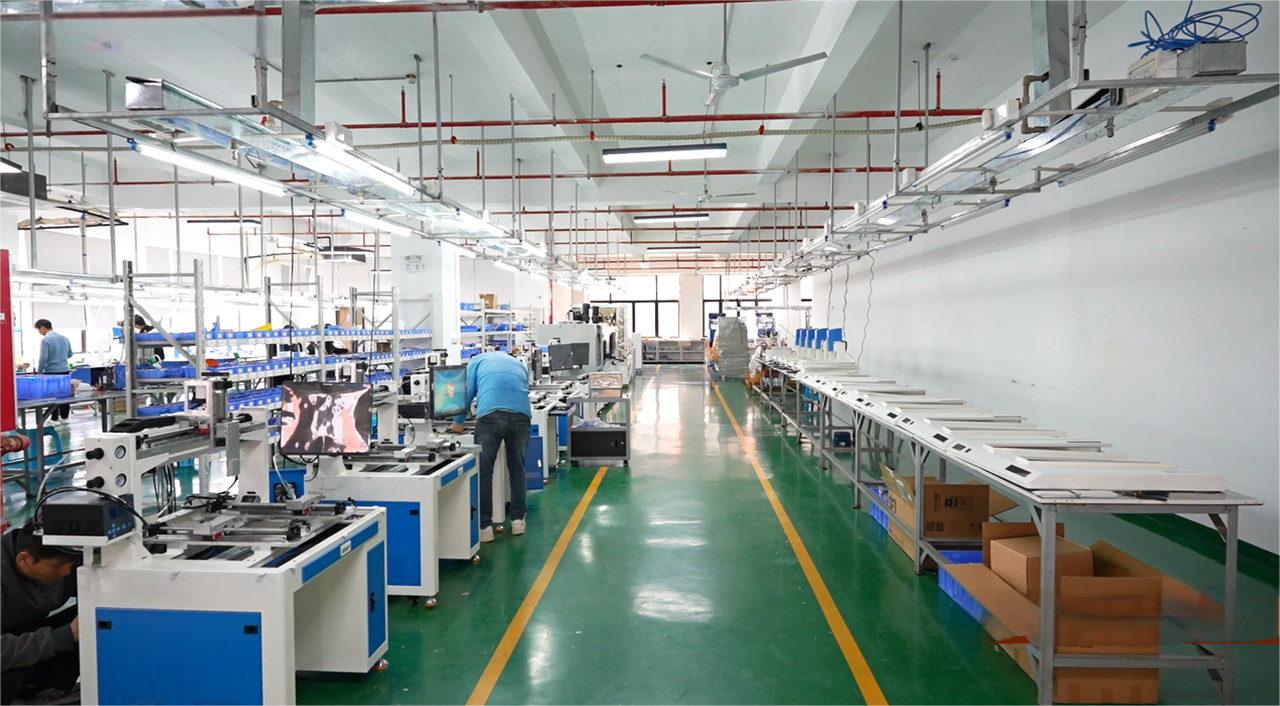
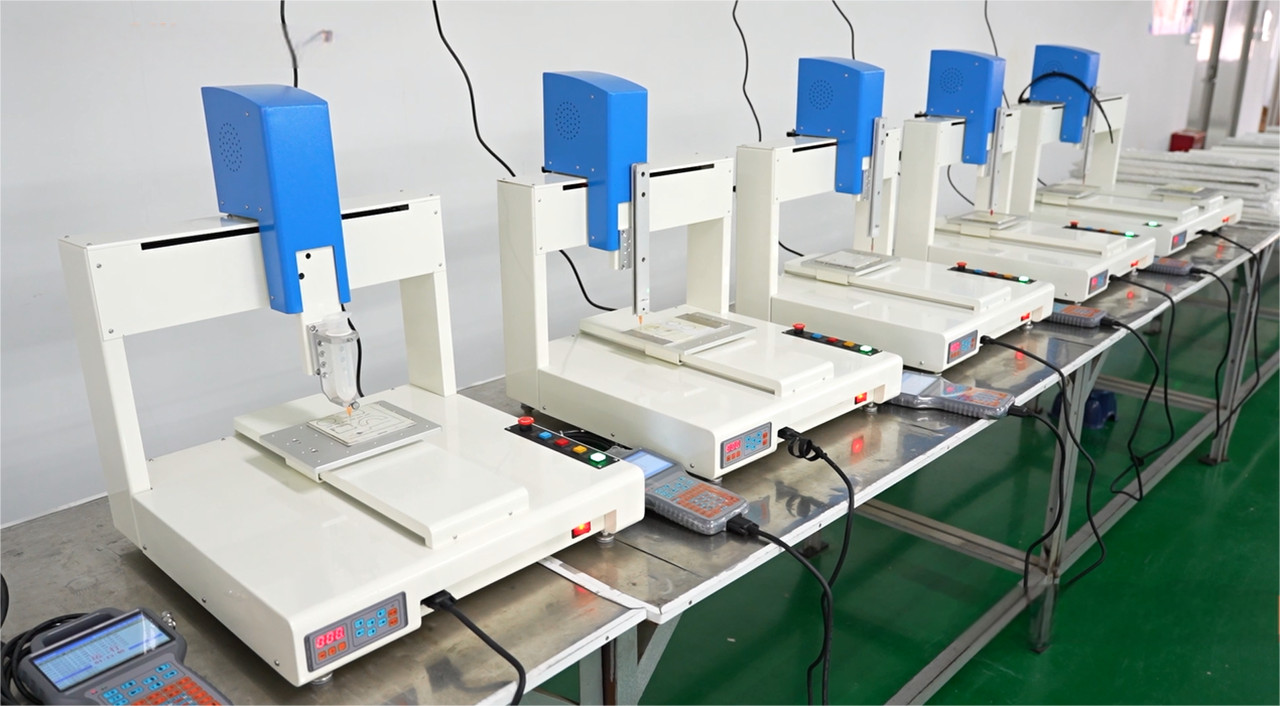
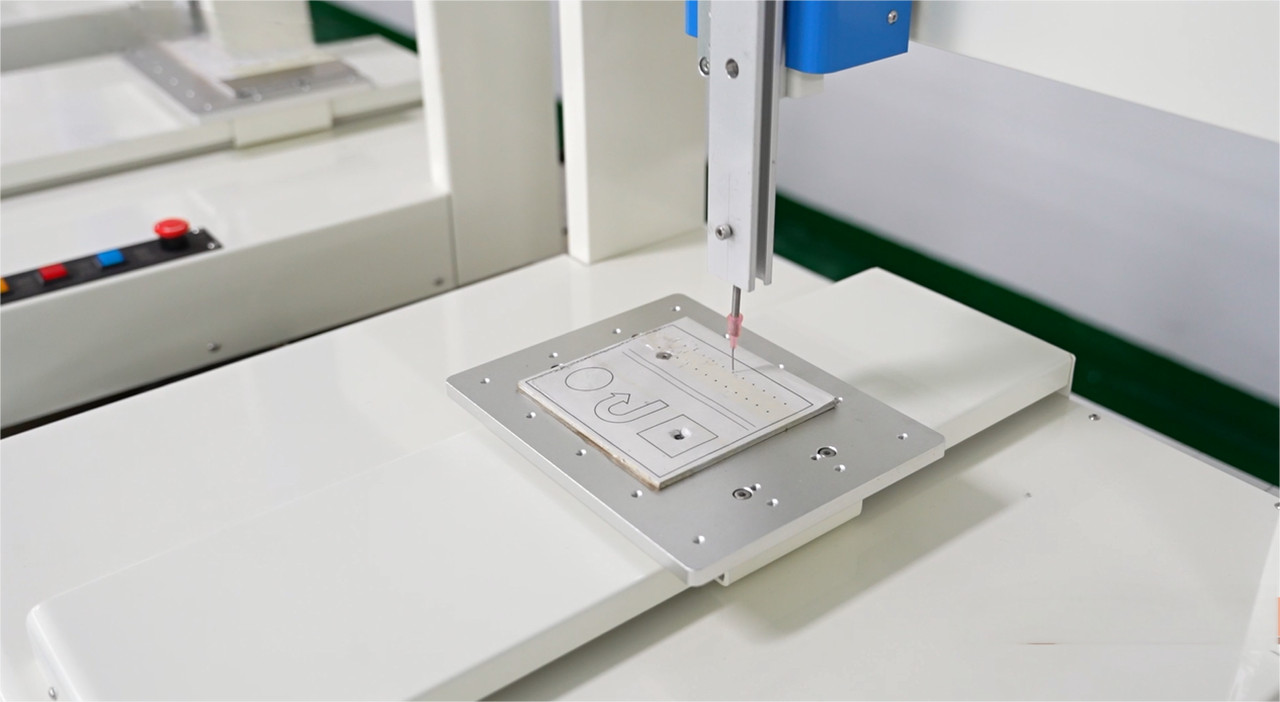
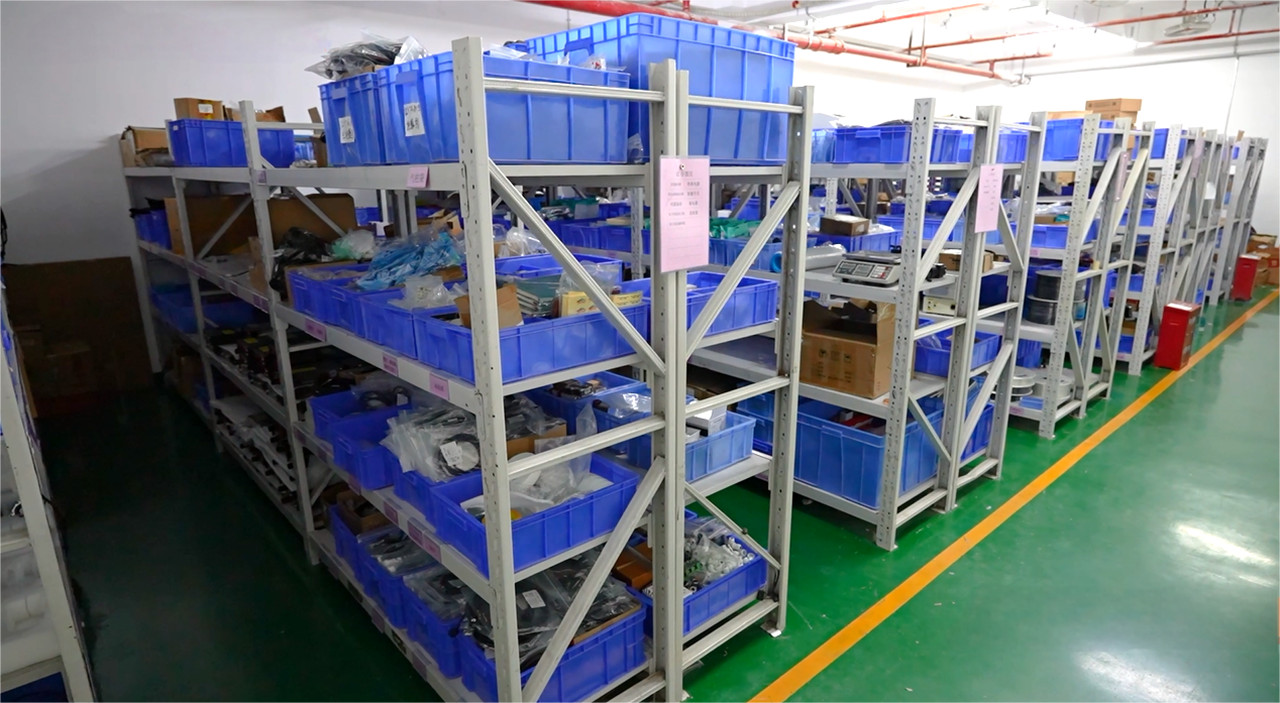
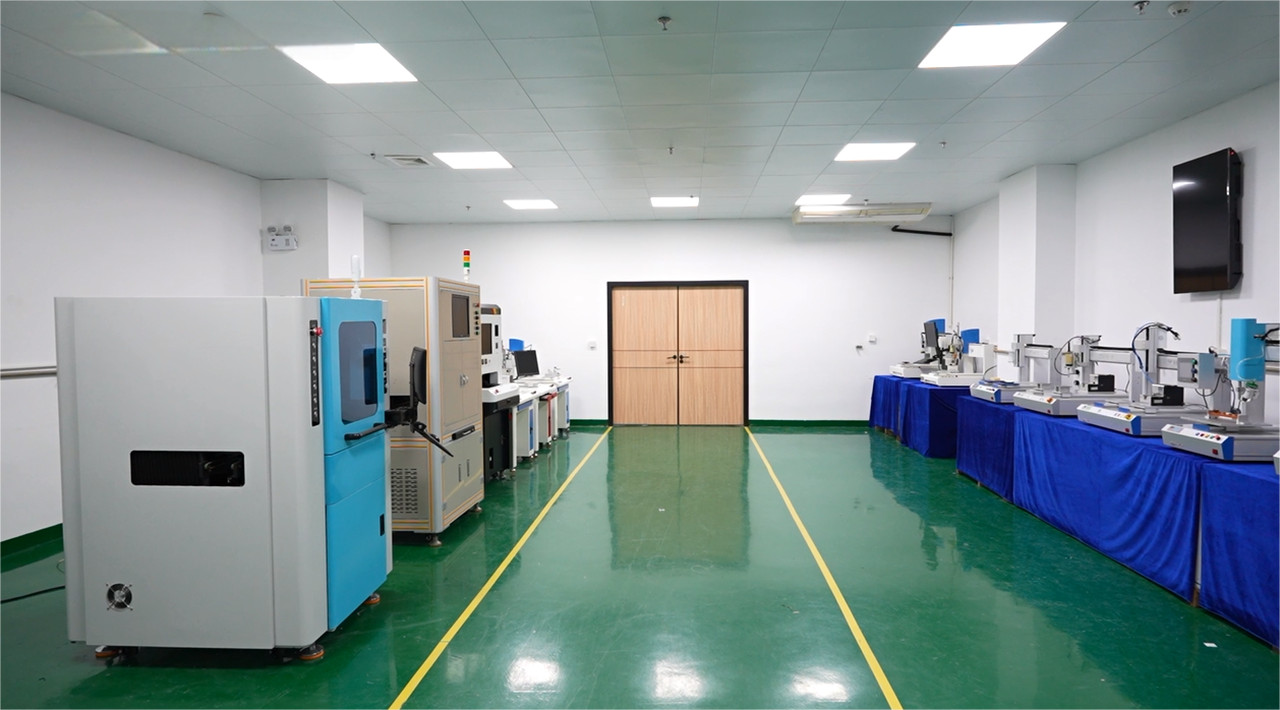
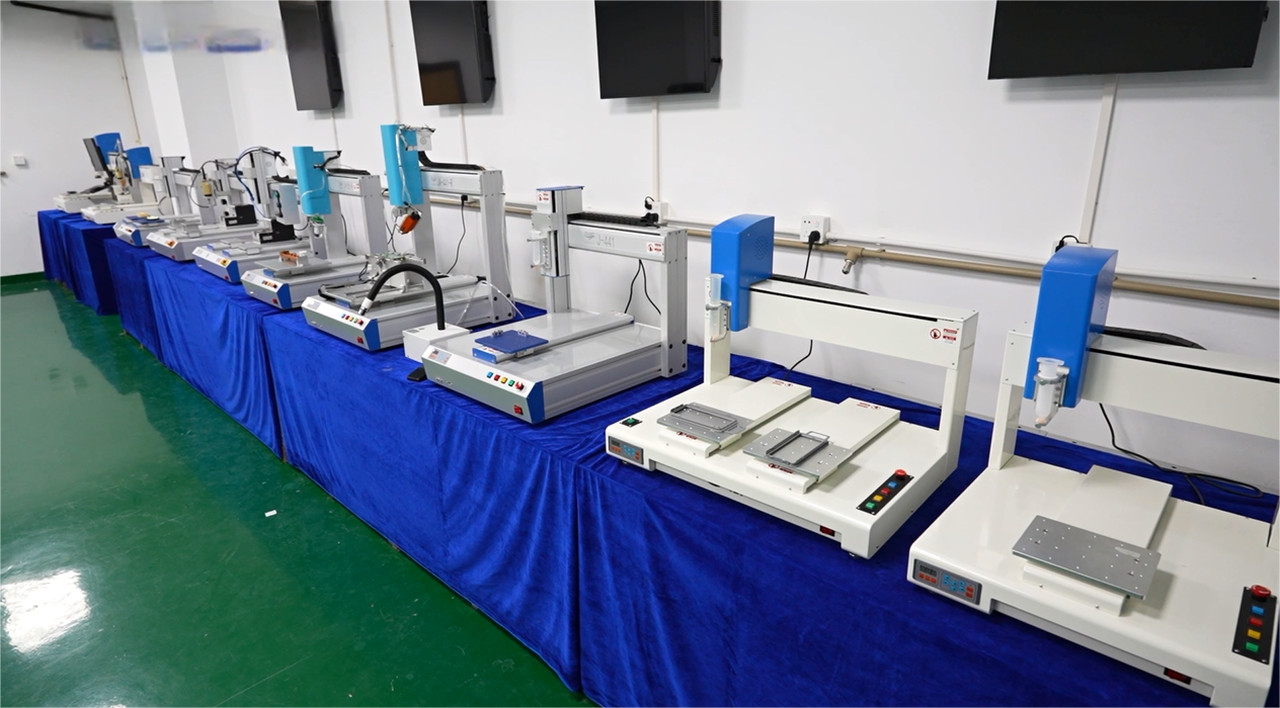
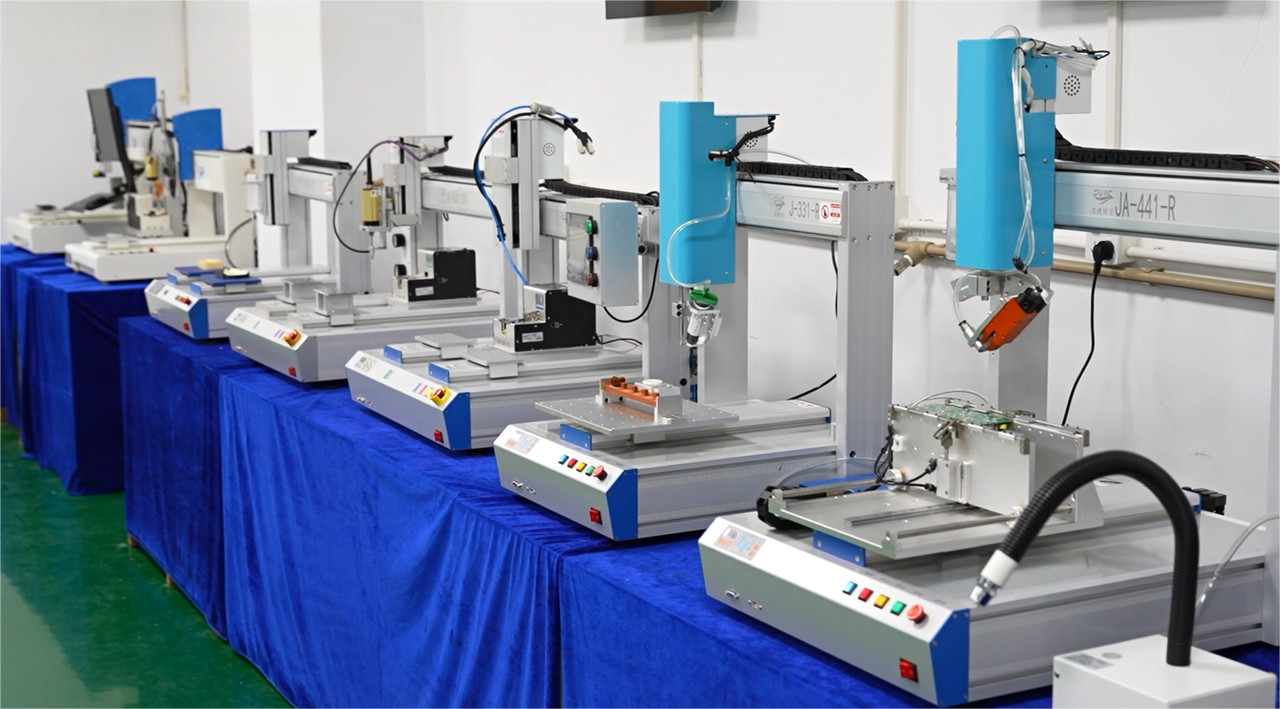
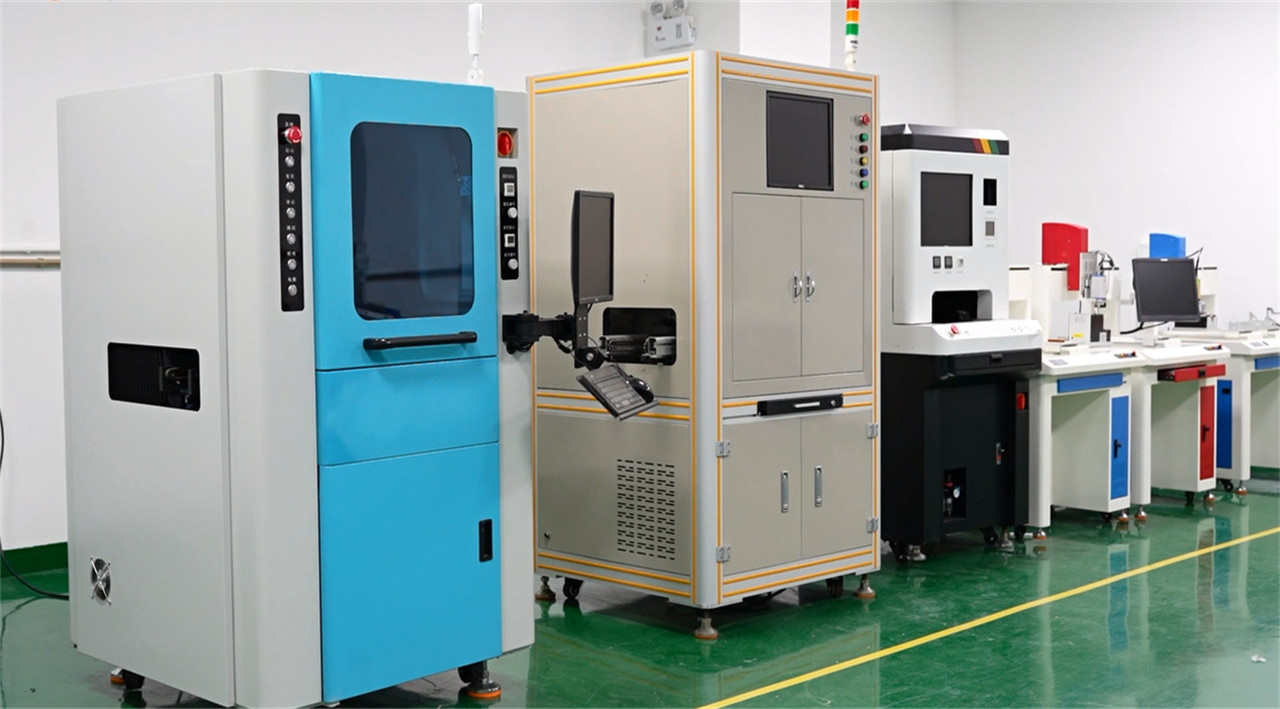
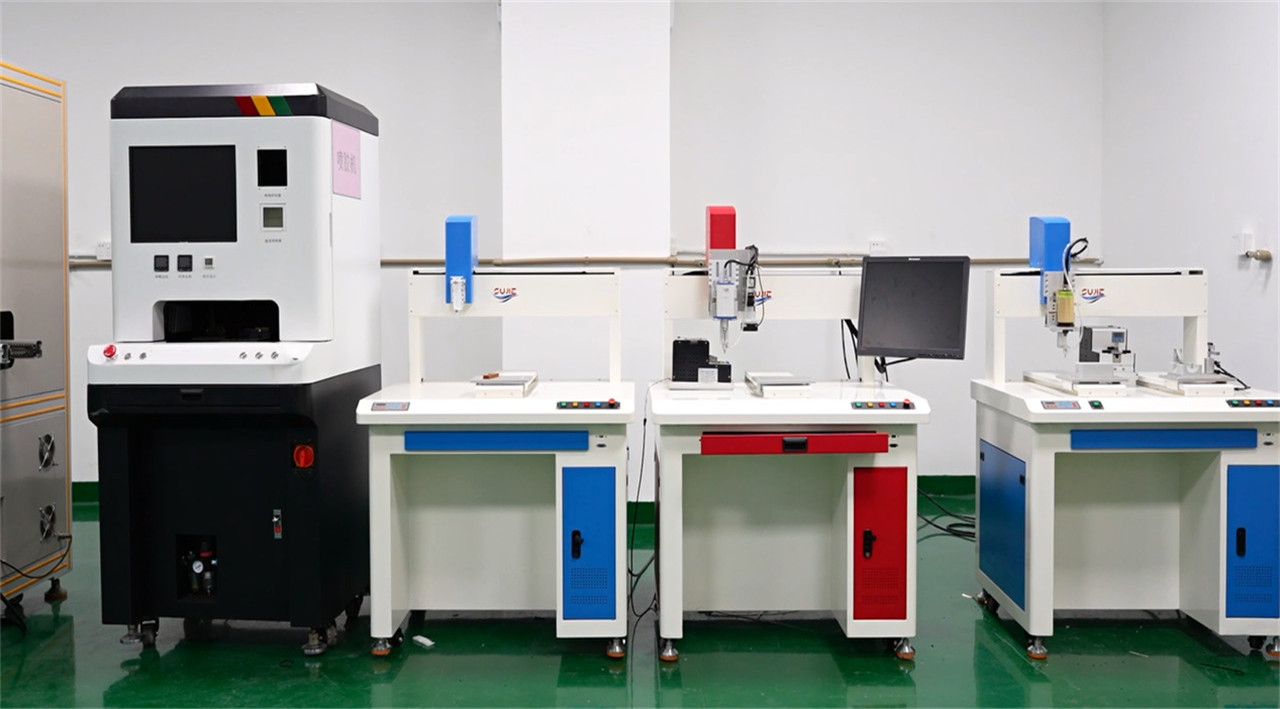
High-throughput capital equipment and UV curing units for high-volume automated lines.
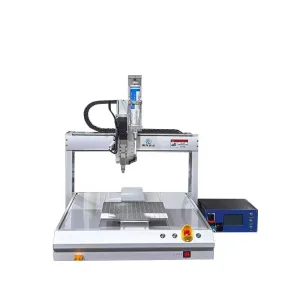
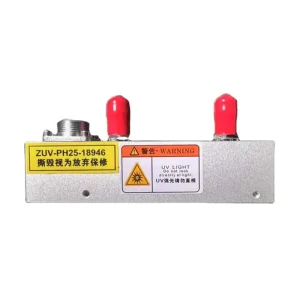
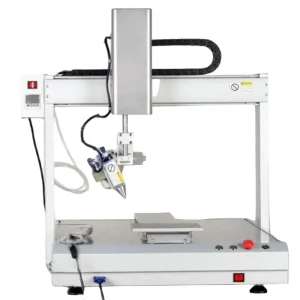
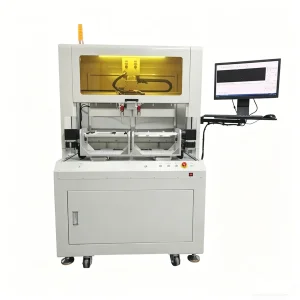
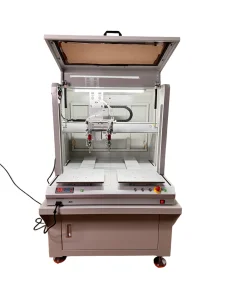
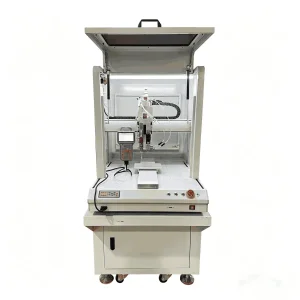
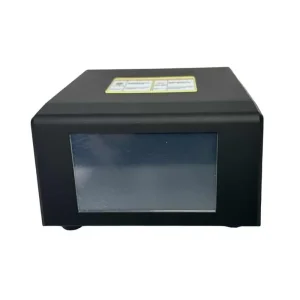
Products designed for industrial manufacturing must meet strict compliance and safety requirements. Our automated dispensing machinery and curing modules carry CE certification, verifying adherence to machinery, electrical safety, and electromagnetic compatibility directives. Our mixing consumables and syringe barrels are manufactured under strict ISO 9001:2015 quality management systems, ensuring traceability from raw plastic resins to the finished packaging.
For our industrial partners in Southeast Texas, efficient logistics are essential to maintaining lean manufacturing processes. We offer direct-to-port maritime shipping to the Port of Houston, as well as expedited air freight through George Bush Intercontinental Airport (IAH). We work with local logistics providers to coordinate customs clearance, warehousing, and just-in-time delivery options, helping you reduce safety stock and optimize inventory turnover.
We support our clients through all phases of system implementation, from initial fluid testing and equipment selection to installation and process optimization. Our application engineers analyze fluid viscosity, chemistry, and cure profiles to recommend the optimal mixing element configuration, syringe barrel style, and dispensing tip diameter.
Technical answers to help engineering and purchasing teams optimize their fluid dispensing systems.
Get in touch with our application engineers to request custom mixing element samples, discuss equipment compatibility, or schedule a technical consultation for your Houston facility.
Send Inquiry Now Anyco Automation