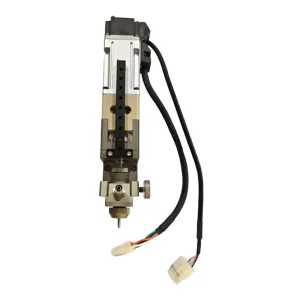
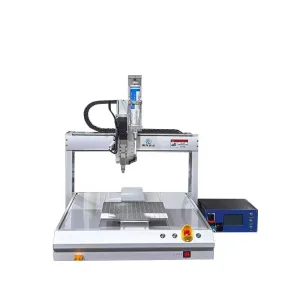
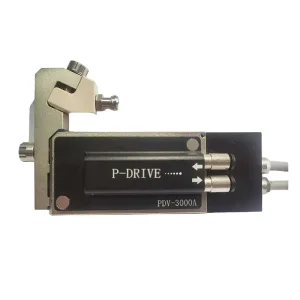
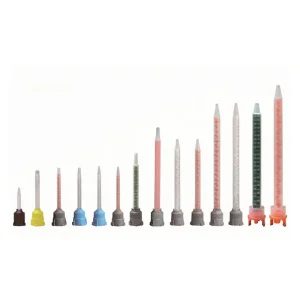
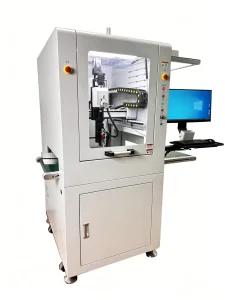
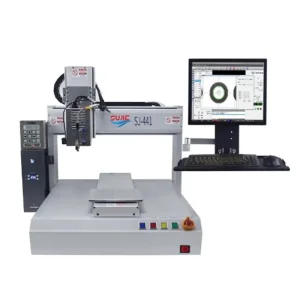
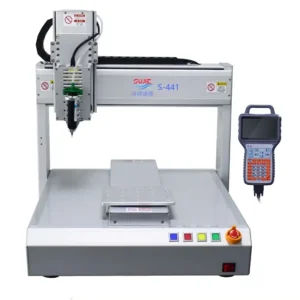
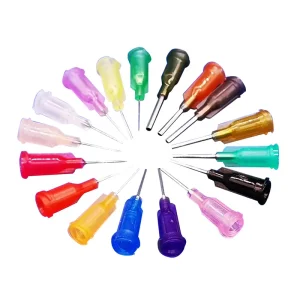
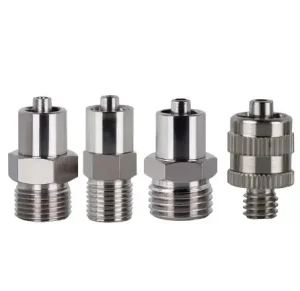
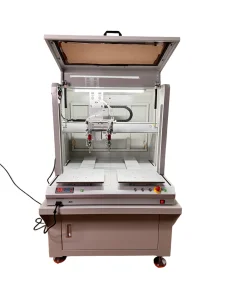
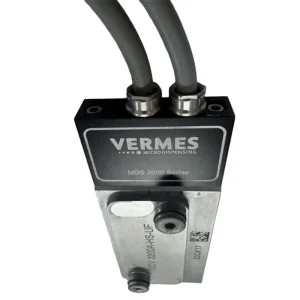
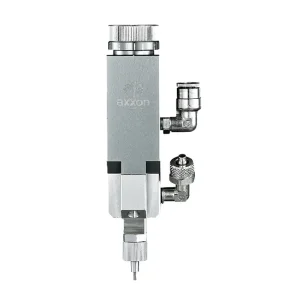
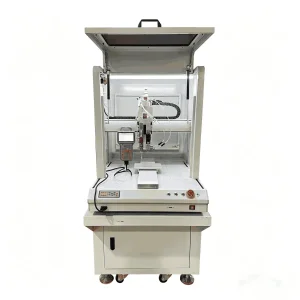
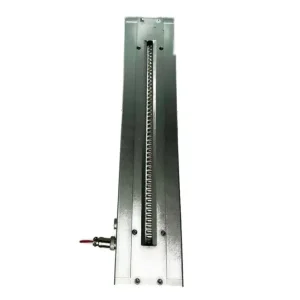
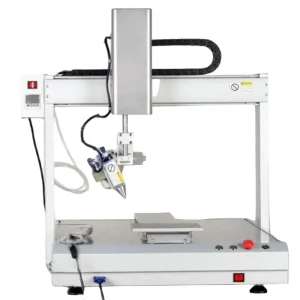
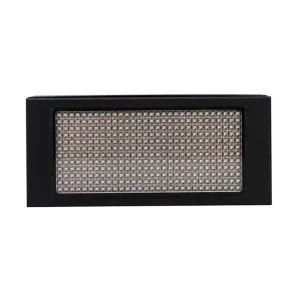
Engineering standard precision dispensers, static mixers, conformal coating configurations, and custom electromagnetic actuators tailored to aggressive manufacturing and industrial fluids.
In modern macro-agricultural networks, industrial landscaping, and high-performance commercial irrigation, fluid control parameters are shifting from elementary pressure-driven mechanics to precision digital dosing. At the center of this paradigm shift is the irrigation system solenoid. These electromagnetic actuators function as the primary interface between computerized controller signals and the physical dynamics of pressurized water distribution, chemical fertigation, and filtration backwashing.
As global water security pressures escalate, municipal, agricultural, and industrial operators require specialized solenoid valves configured for extreme chemical resistance, physical debris tolerance, and minimal electrical power consumption. This whitepaper analyzes the engineering foundations of high-reliability solenoid valves, comparing typical commercial designs with industrial-grade configurations developed to perform under demanding operational conditions.
An industrial irrigation solenoid relies on precise electromagnetic actuation. The assembly consists of a copper-wound coil, an armature (or plunger), a spring, and a fluid diaphragm or orifice sealing mechanism. The selection of materials and coil winding techniques determines the solenoid's performance and service life:
Whether choosing between Latching (DC) or Continuous Duty (AC) designs, system designers must balance power availability with thermal dissipation. Latching models utilize permanent magnets to secure the plunger in the open or closed position with short electrical pulses, minimizing power usage for solar-powered remote arrays.
Contact with modern nitrogen, phosphorus, and potassium-enriched liquid fertilizers degrades standard copper alloys. Industrial-grade solenoids utilize 316L stainless steel cores and specialized fluoropolymer (FKM/Viton) or EPDM diaphragms to prevent chemical degradation and seal erosion over millions of cycles.
Submersed valve boxes are susceptible to humidity and flooding. Coils encapsulated in epoxy with an IP68 protection rating prevent moisture from shorting the copper windings, ensuring reliable operation in high-humidity agricultural and industrial settings.
Environmental conditions vary significantly across different markets. A custom irrigation solenoid must be engineered to withstand the specific stressors of its deployment site:
Throughout Vietnam, Thailand, and Indonesia, agricultural systems are shifting from open-channel flooding to closed-loop drip irrigation. This shift requires high-speed solenoid valves capable of managing precise dosing schedules. In tropical climates, solenoids must operate reliably under high humidity and warm water conditions without coil burnout.
In arid zones across North America and Northern Mexico, irrigation water contains elevated levels of dissolved minerals, calcium carbonate, and particulate sand. Standard commercial solenoids often experience plunger binding in these conditions. Custom configurations use self-cleaning internal pilot channels and sand-resistant diaphragms to maintain seal integrity.
Farming zones in Morocco and the Middle East require power-efficient configurations due to the prevalence of off-grid, solar-powered DC pump networks. Low-power, dual-pulse latching solenoids draw current only during state transitions (open/close), conserving battery charge and extending the operational lifespan of remote systems.
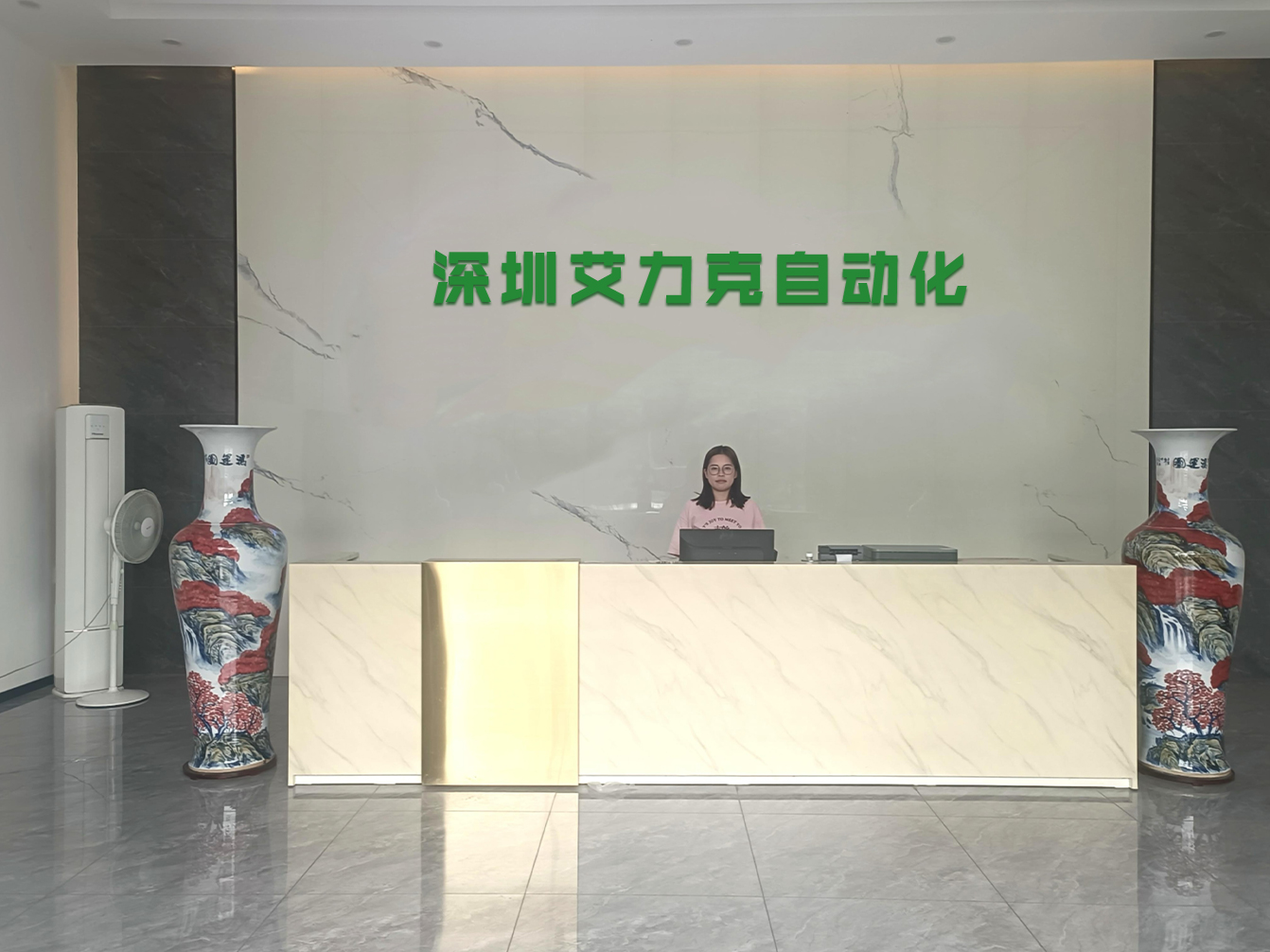
Founded in 2013, Shenzhen Anyco Automation Equipment Co., Ltd. is a national high-tech enterprise integrating the research, development, production, sales, and after-sales technical service of automated fluid control systems and accessories. As a one-stop precision fluid dispensing and solenoid valve custom factory, our headquarters is located in Guanlan, Shenzhen, with a modern manufacturing facility in Huizhou covering a total area of over 2,000 square meters.
Our primary international markets span Southeast Asia, India, Vietnam, Thailand, North America (Mexico), and Africa (Morocco). By combining high manufacturing quality with competitive pricing, Anyco has established a strong reputation in global markets. We supply precision industrial dispensing injection valve accessories, industrial dispensing machines, and consumables, positioning our products in the medium to high-end market segments to deliver one-on-one customized solutions that meet client requirements.
Our proprietary technologies and core intellectual property enable Anyco to provide high-speed, high-precision intelligent manufacturing solutions for the home appliance, consumer electronics, and automotive electronics sectors. Users choose Anyco's equipment for its reliability, technological capability, and flexibility.
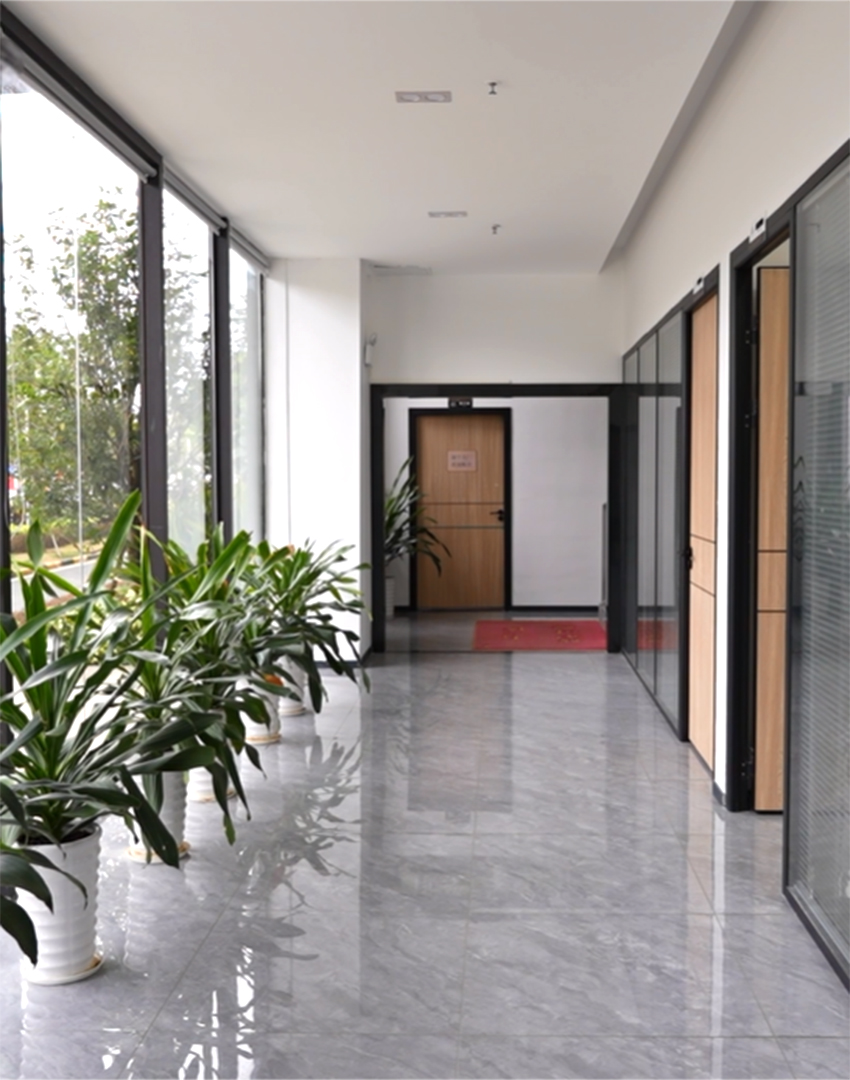
A detailed view of our CNC manufacturing centers, automated testing labs, and assembly facilities located in Huizhou.
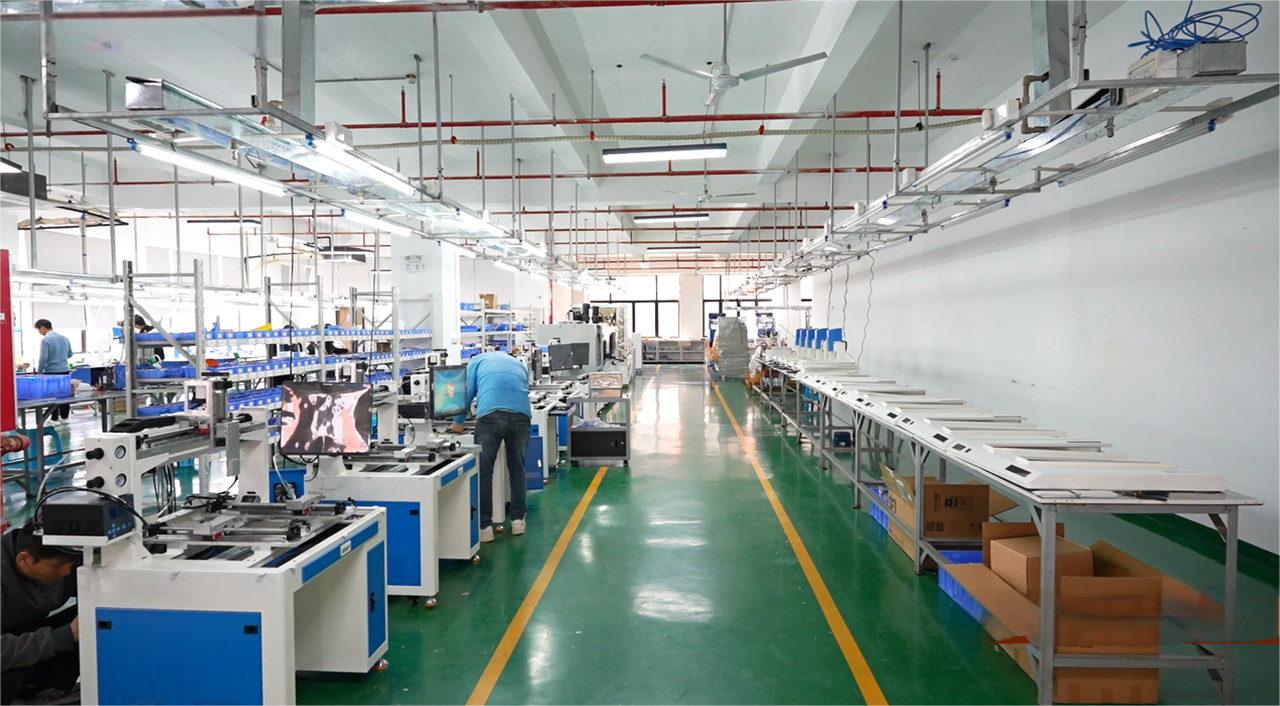
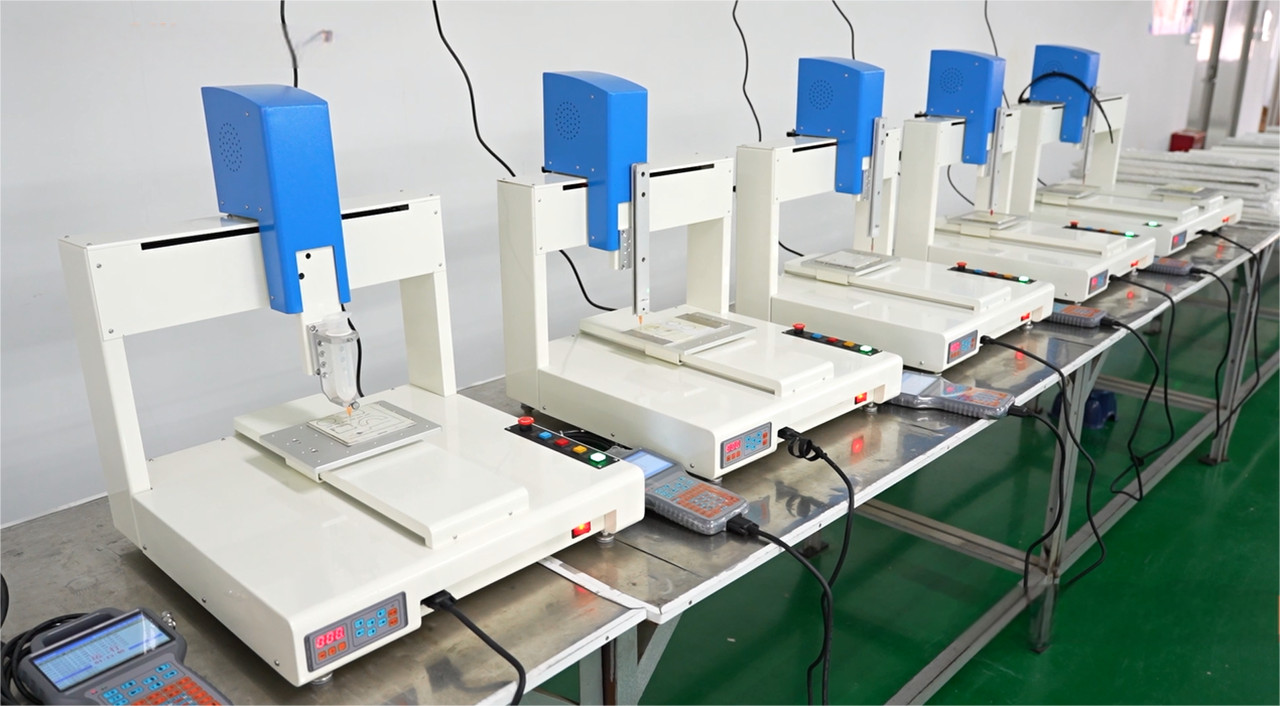
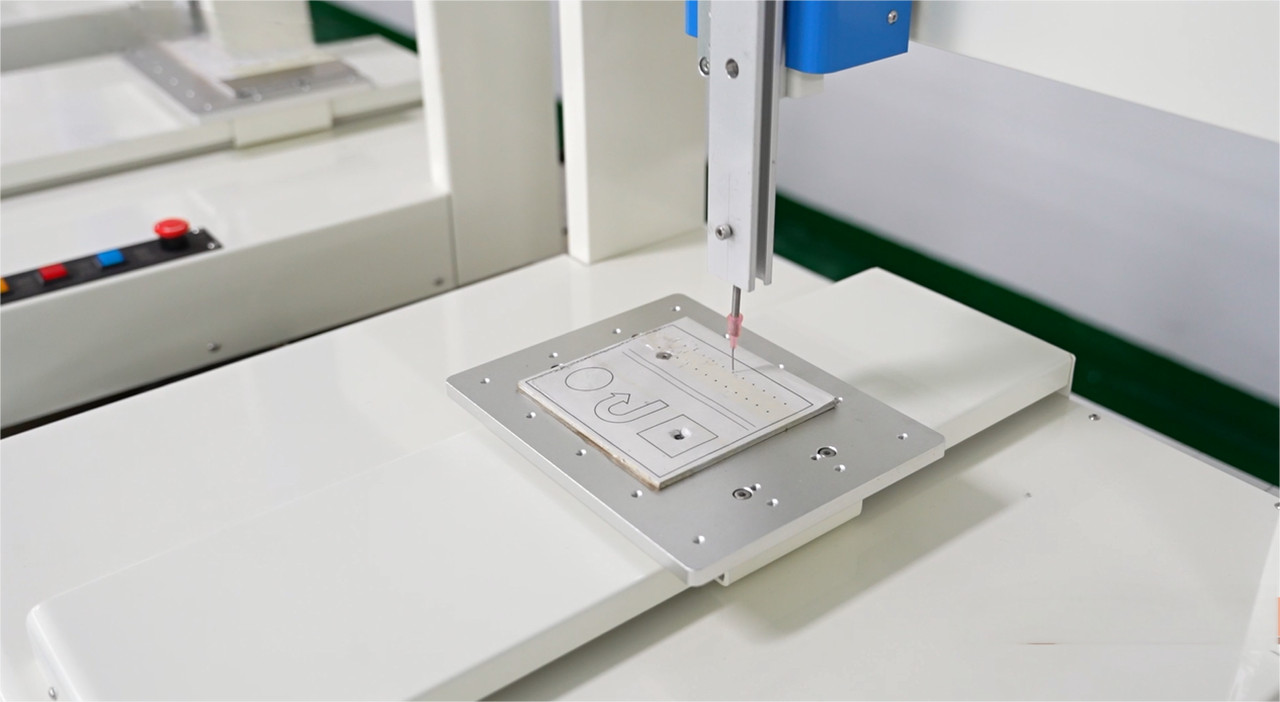
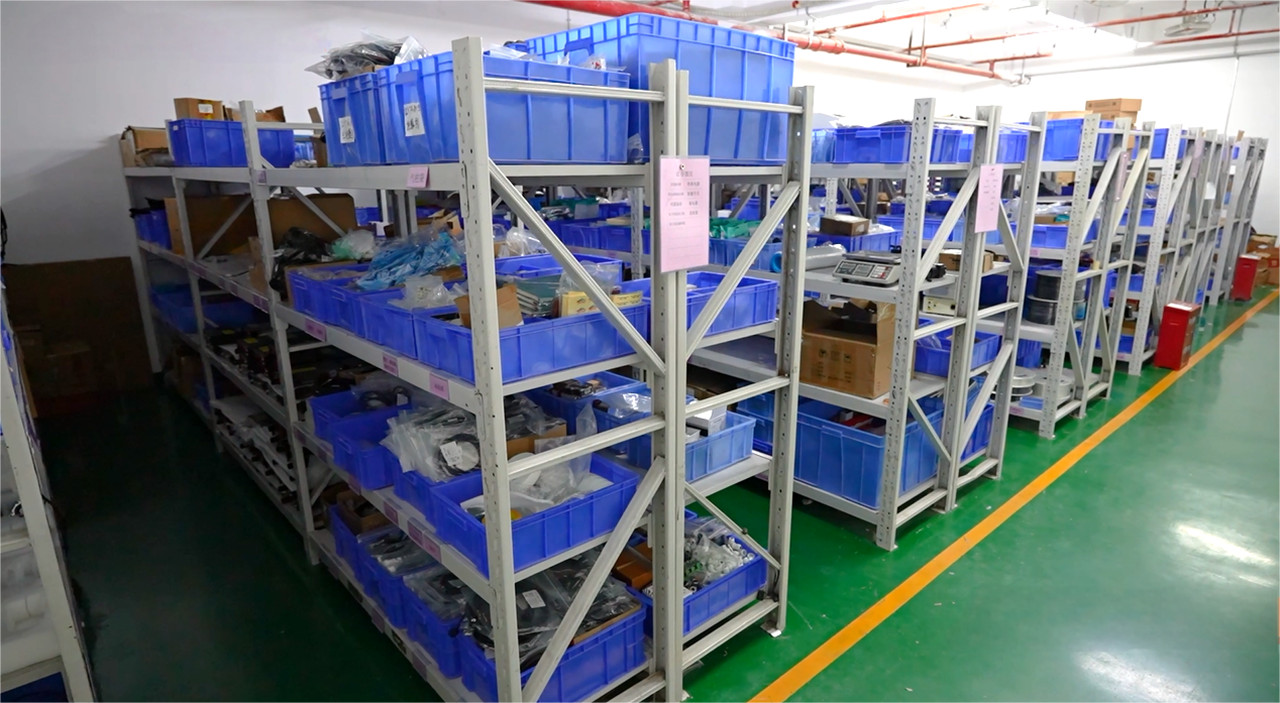
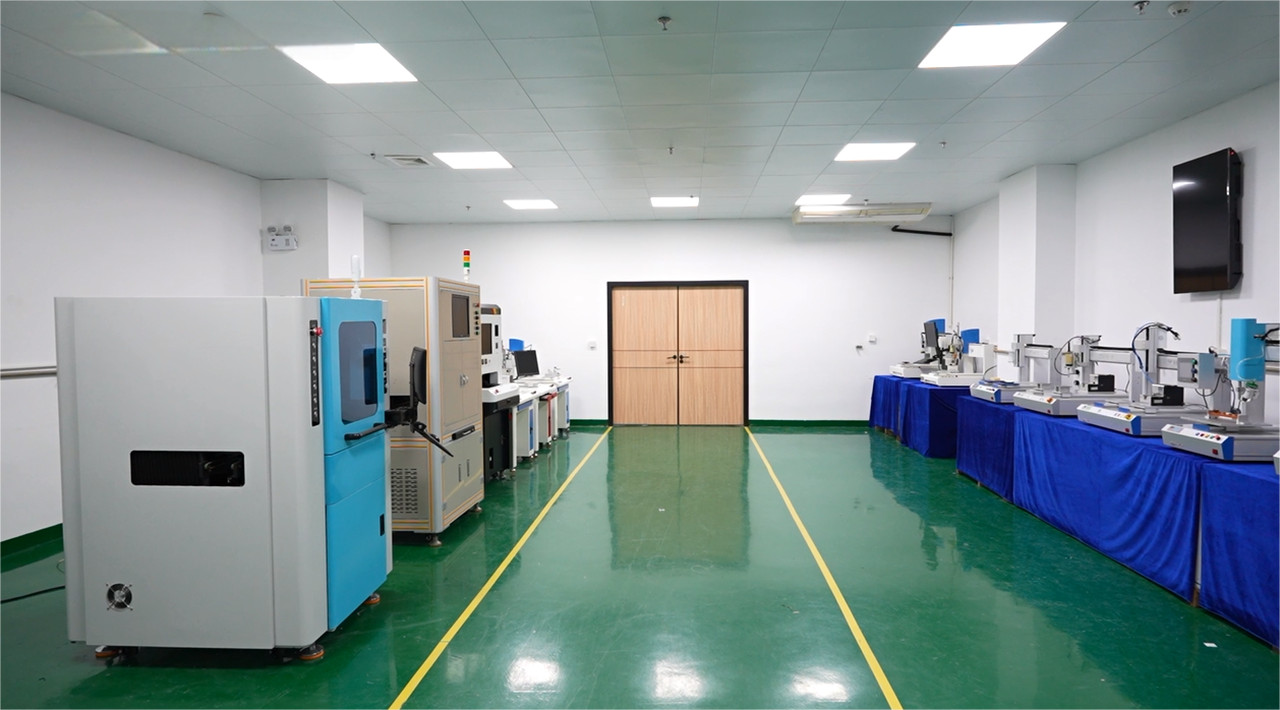
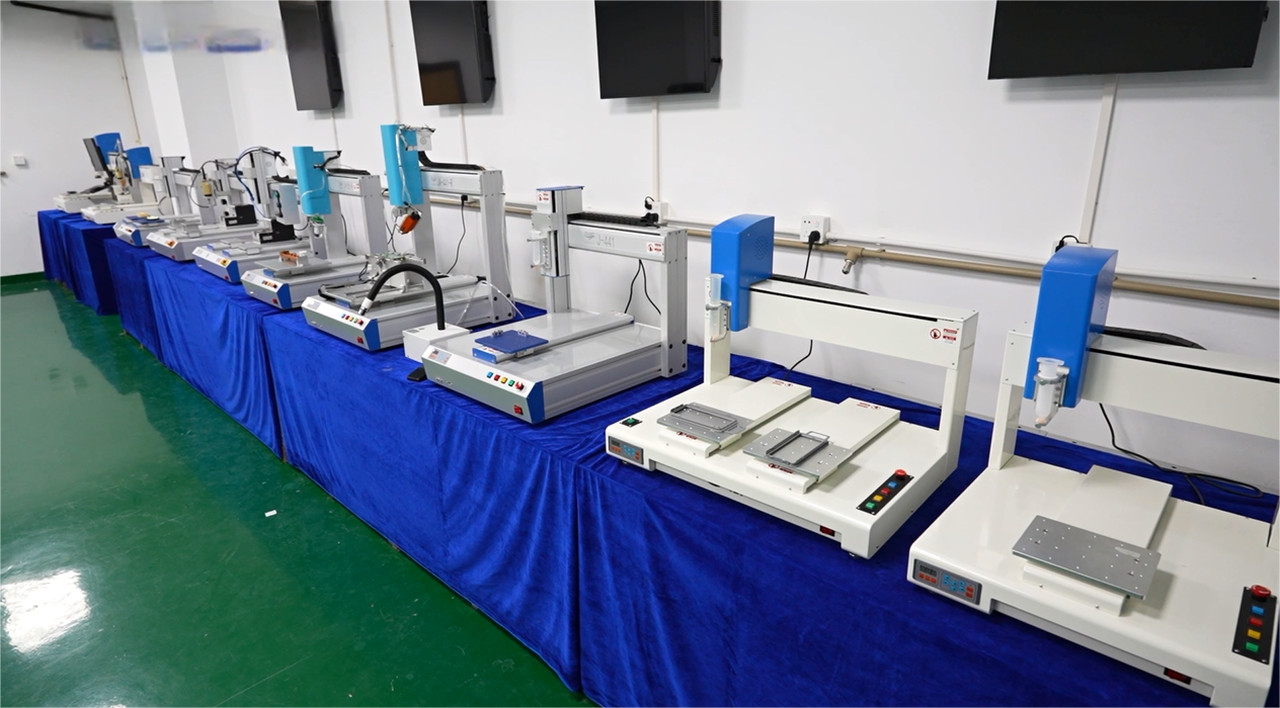
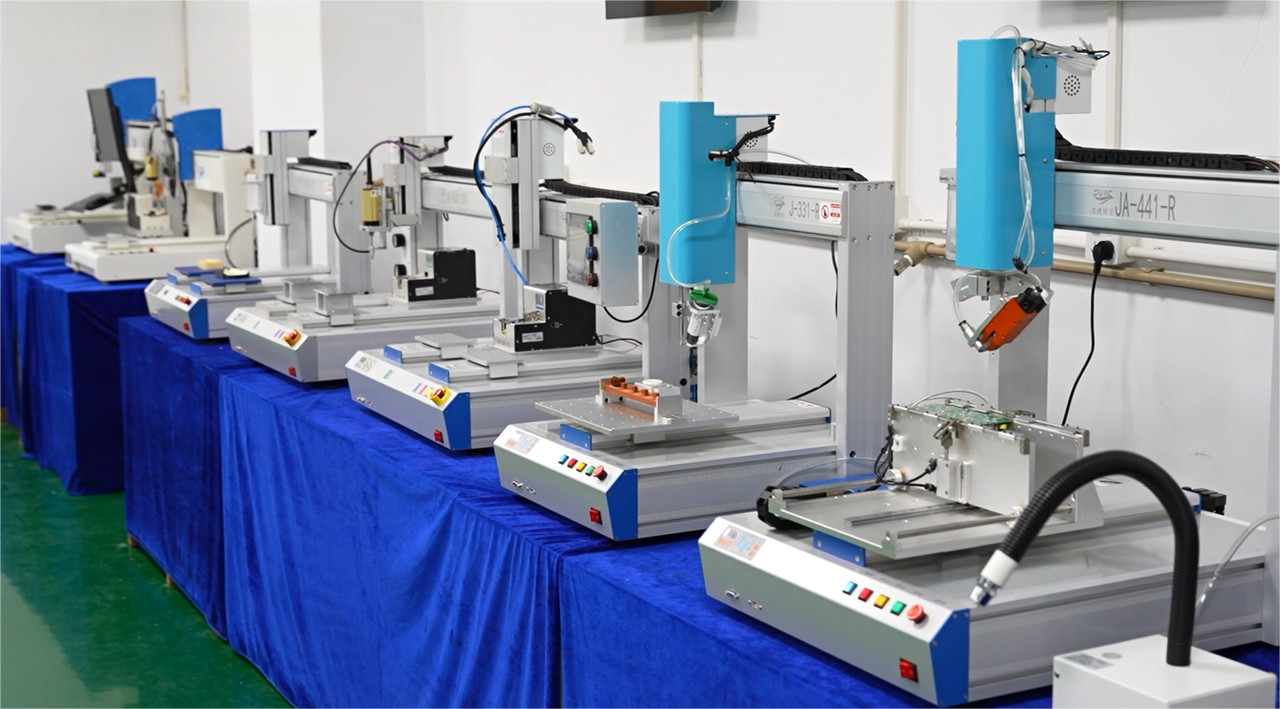
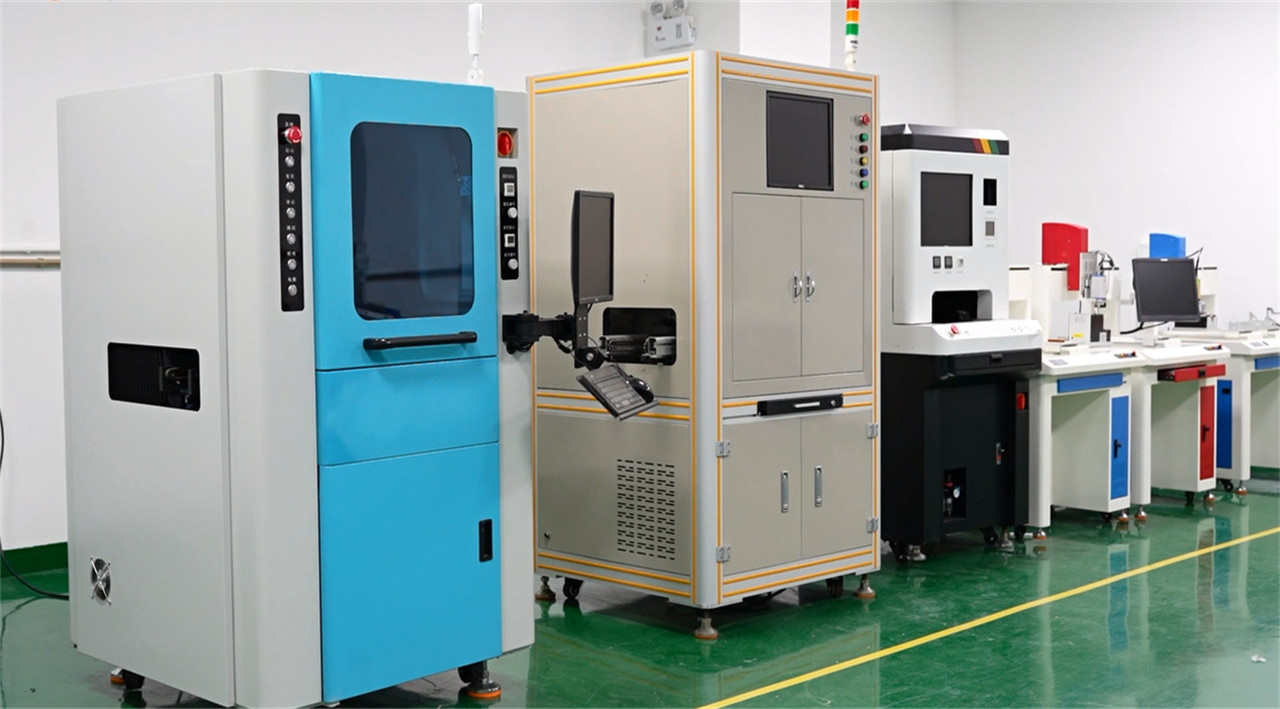
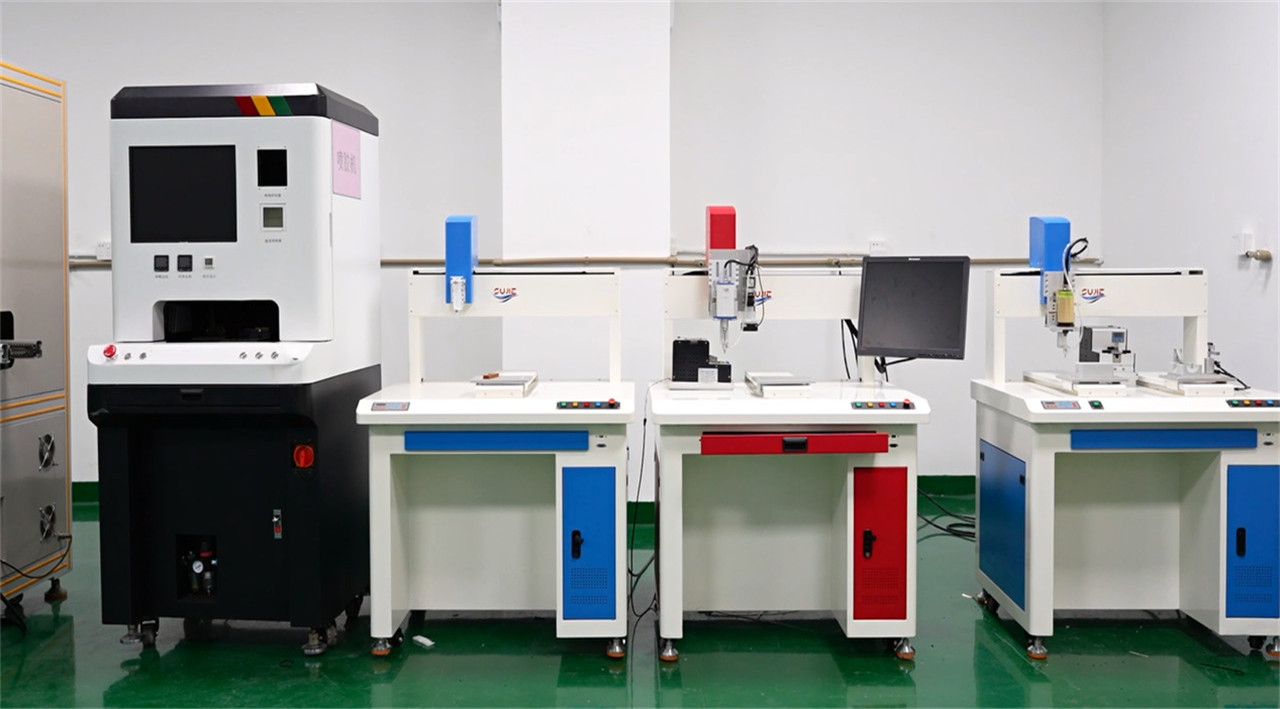
Operating from the Shenzhen-Huizhou industrial cluster allows Anyco to maintain a resilient raw material supply chain. We source certified copper wire, high-grade polymers, and magnetic steels from local, audited suppliers. Our in-house CNC machining and automated testing facilities reduce lead times and buffer against global logistics volatility, ensuring a stable supply of custom solenoids for international OEMs.
Our quality control protocols test every valve batch for pressure limits, coil heat resistance, and response times. This vertical integration allows us to quickly scale production for municipal landscape upgrades or agricultural automation projects.
The next generation of solenoid valves will incorporate real-time performance telemetry. Anyco is developing integrated hall-effect sensors that monitor plunger positioning and detect internal wear or valve failures before they disrupt system operation.
Additionally, we are testing advanced fluoropolymer coatings to extend solenoid life in applications using corrosive fertilizers and recycled wastewater. These technological developments aim to reduce total system ownership costs for commercial operators.
To meet the entry requirements of major international markets, Anyco products undergo testing and certification to comply with key electrical, mechanical, and safety standards:
Ensures compliance with European Union health, safety, and environmental protection standards for industrial machinery and electro-magnetic components.
Guarantees our solenoids are manufactured without lead, mercury, cadmium, or other hazardous substances, ensuring compliance for ecological agricultural irrigation.
Applies to our entire manufacturing process, from initial design and CNC machining in Huizhou to final shipment inspection at our Shenzhen headquarters.
Solenoid coil burnout is typically caused by voltage fluctuations, excessive ambient heat, or moisture ingress into the coil housing. Anyco mitigates these issues by using high-purity copper windings with Class H temperature insulation and encapsulating the coil assembly in epoxy. This achieves an IP68 ingress protection rating, preventing moisture entry even under flooded conditions.
Latching DC solenoids use short electrical pulses to switch positions and are held in place by a permanent magnet, consuming energy only during actuation. They are ideal for remote, battery-powered systems. In contrast, 24V AC solenoids require continuous electrical current to remain open, making them suitable for mains-powered systems where energy consumption is less critical.
Yes. For fertigation systems containing liquid fertilizers or recycled water, we supply solenoids with corrosion-resistant internal components. By replacing standard brass with 316L stainless steel cores and using EPDM or Viton (FKM) diaphragms, the valves resist chemical corrosion and particulate wear.
Our engineering team can customize several parameters, including operating pressure limits (up to 16 Bar), coil voltage profiles (9V DC, 12V DC, 24V AC/DC, or 110V/220V AC), port thread sizes (G, NPT, or flanged connections), and diaphragm materials. This allows us to match the solenoid to specific system flow requirements and chemical environments.
We use automated winding and epoxy injection machines to ensure uniform coil construction. Each batch of solenoid valves is tested for insulation resistance, magnetic pull, pressure sealing, and cycle lifetime in our Huizhou testing facility before shipment, helping to minimize field failure rates.
Explore our complete catalog of industrial fluid control components, including needles, coating systems, high-speed curing lights, and programmable solenoids.
 Anyco Automation