Explore our precision-engineered, high-speed fluid control equipment. Developed with advanced proprietary technology to ensure nanoliter accuracy and process reliability.
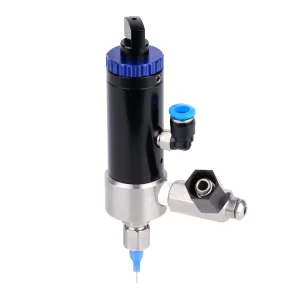
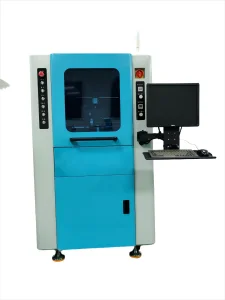
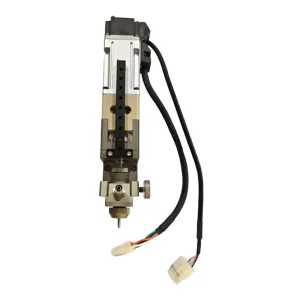
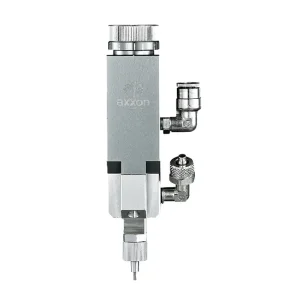
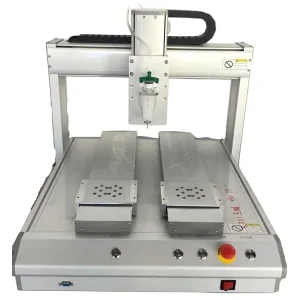
Within high-precision electronics manufacturing and industrial fluid dispensing systems, control is the determining factor of product viability. As components scale down in modern semiconductors, automotive electronics, and smart mobile devices, traditional mechanical valves are hitting physical limitations. The demand has shifted decisively towards specialized ODM vacuum actuated valves and advanced pneumatic needle control systems.
Integrating micro-vacuum mechanics stabilizes fluid backpressure and controls fluid cutoff cleanly. Unlike traditional pressurized dispensers that can suffer from adhesive tailing, nozzle dripping, and volume inconsistencies, vacuum actuated mechanics balance surface tension at the nozzle tip. This achieves precise fluid snap-off, allowing consistent output even for low-viscosity materials and rapid cycle rates.
Globally, manufacturers are transitioning to automated lines that integrate sensors within these micro-valves. By tracking vacuum pressures in real-time, systems can predict valve wear, automatically adjust offset positions, and maintain high consistency across millions of duty cycles. This technological advancement supports the high-throughput, high-yield requirements of today's production lines.

Procurement directors across primary markets face complex compliance, accuracy, and efficiency requirements when selecting valve vendors. Below are key priorities for global sourcing departments.
Fluid systems handling aggressive chemicals, abrasive epoxies, and underfills require chemically inert materials. Buyers prioritize suppliers utilizing certified PEEK, high-grade stainless steel, and fluoropolymers to resist wear and prevent trace-level metal contamination.
In high-speed production, cycle times are measured in milliseconds. High-frequency pneumatic response rates and long diaphragm lifetimes (often exceeding 50 million cycles) are critical to reducing planned maintenance down-time and maximizing line efficiency.
Industrial buyers look beyond purchase price to consider Total Cost of Ownership (TCO). Standardized parts, consumable needles, modular fluid chambers, and easy-clean designs reduce daily operating and maintenance costs.

The global fluid automation landscape has shifted from basic components to system integration. China's industrial centers, particularly the Shenzhen-Huizhou cluster, have transitioned to advanced manufacturing models, often referred to as Factory 4.0. This ecosystem brings together material scientists, CNC machining centers, and validation laboratories into a single, responsive supply network.
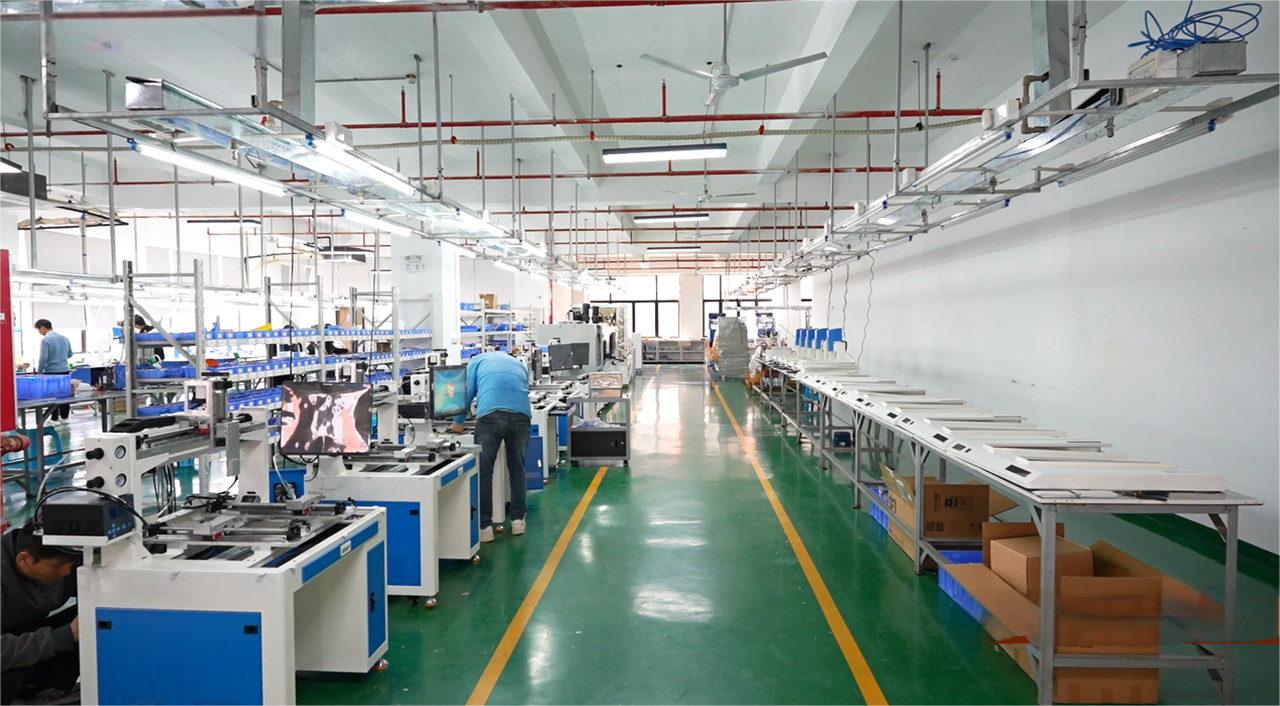
Shenzhen Anyco Automation Equipment Co., Ltd. demonstrates the advantages of this integration. Founded in 2013 with its headquarters in Guanlan, Shenzhen, and a manufacturing facility in Huizhou, Anyco operates over 2,000 square meters of production space. We combine research and development, manufacturing, sales, and technical service to support fluid control processes globally.
By using locally sourced materials and high-precision CNC equipment, we reduce development cycles for custom valves from months to weeks. This enables us to provide custom OEM and ODM fluid control products that match the changing requirements of international manufacturers.
Fluid dispensing needs vary significantly by region and industrial vertical. Our ODM vacuum-assisted and high-speed impingement needle valves are configured for specific regional applications.
Primary Market: Consumer Electronics and Appliance Assembly
In manufacturing hubs across Vietnam, Thailand, and India, Anyco valves support assembly lines for smart devices. High-speed diaphragm needle systems are used to apply adhesives, underfills, and conductive silver paste with minimal downtime under high-temperature conditions.
Primary Market: Automotive Electronics and ADAS Sensors
Automotive plants in Mexico demand high reliability for active safety systems. Our valves apply silicone sealants and thermal gels to ADAS housings, meeting strict automotive specifications and maintaining stability through thermal cycling.
Primary Market: Electrical Control Systems and Cable Assembly
Morocco's aerospace and automotive wiring harness facilities require precise fluid insulation. Anyco's visual coating systems apply protection to connection points, preventing moisture ingress and corrosion in outdoor environments.
To assist design engineers and procurement teams, the table below compares the performance profiles of common dispensing valve classes.
| Valve Type | Actuation Mechanism | Viscosity Range (mPa·s) | Minimum Shot Size | Key Applications | Unique Advantage |
|---|---|---|---|---|---|
| Vacuum Actuated Valve | Pneumatic + Vacuum Cutoff | 1 to 50,000 | 0.02 μL | UV adhesives, cyanoacrylates, conformal coatings | Prevents tailing and dripping via adjustable back-vacuum |
| Piezo-Electric Jet Valve | Piezoelectric Stack Impact | 1 to 2,000,000 | 0.5 nL | Solder paste, underfill, conductive silver resins | Extremely high frequency (up to 3000Hz) contactless jetting |
| Diaphragm Micro Valve | Diaphragm Deflection | 1 to 20,000 | 0.1 μL | Solvents, lubricants, fluxes, thin fluids | Short travel stroke, high chemical resistance, compact design |
| Progressive Cavity Screw Valve | Rotary Positive Displacement | 10,000 to 3,000,000 | 1.0 μL | Abrasive gap fillers, particle-filled thermal pastes | Shear-sensitive handling with minimal mechanical wear |
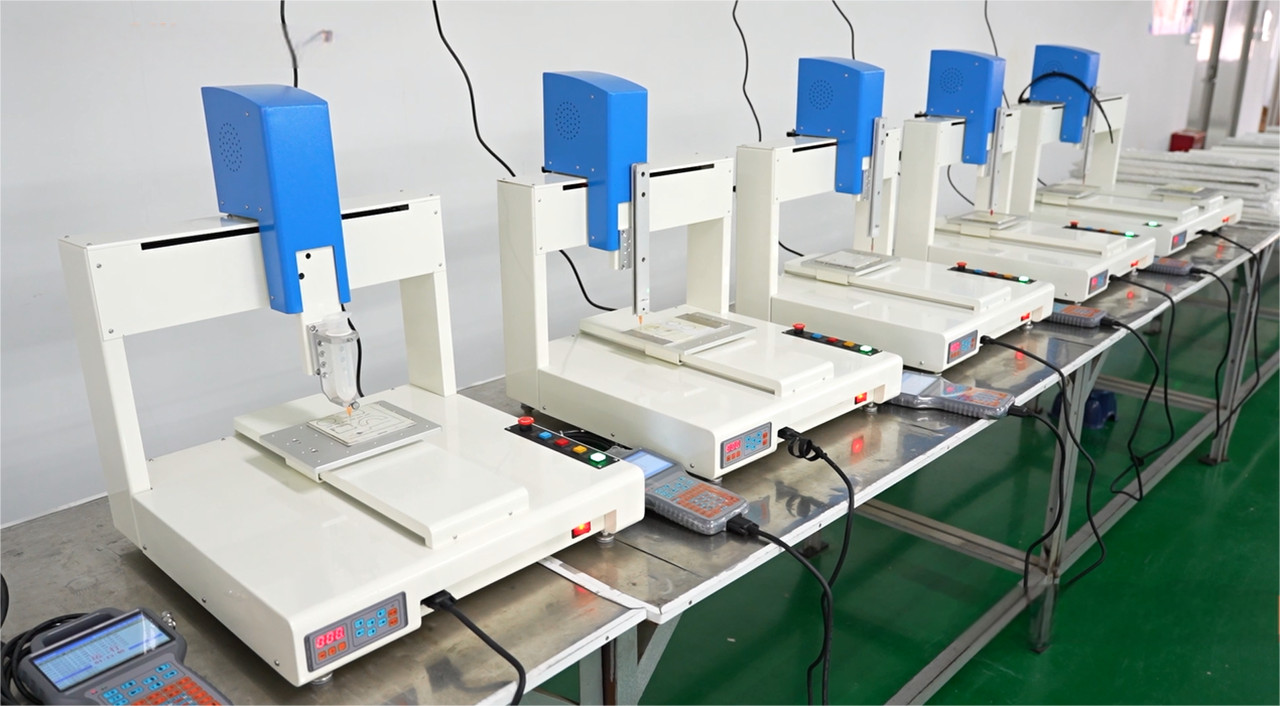
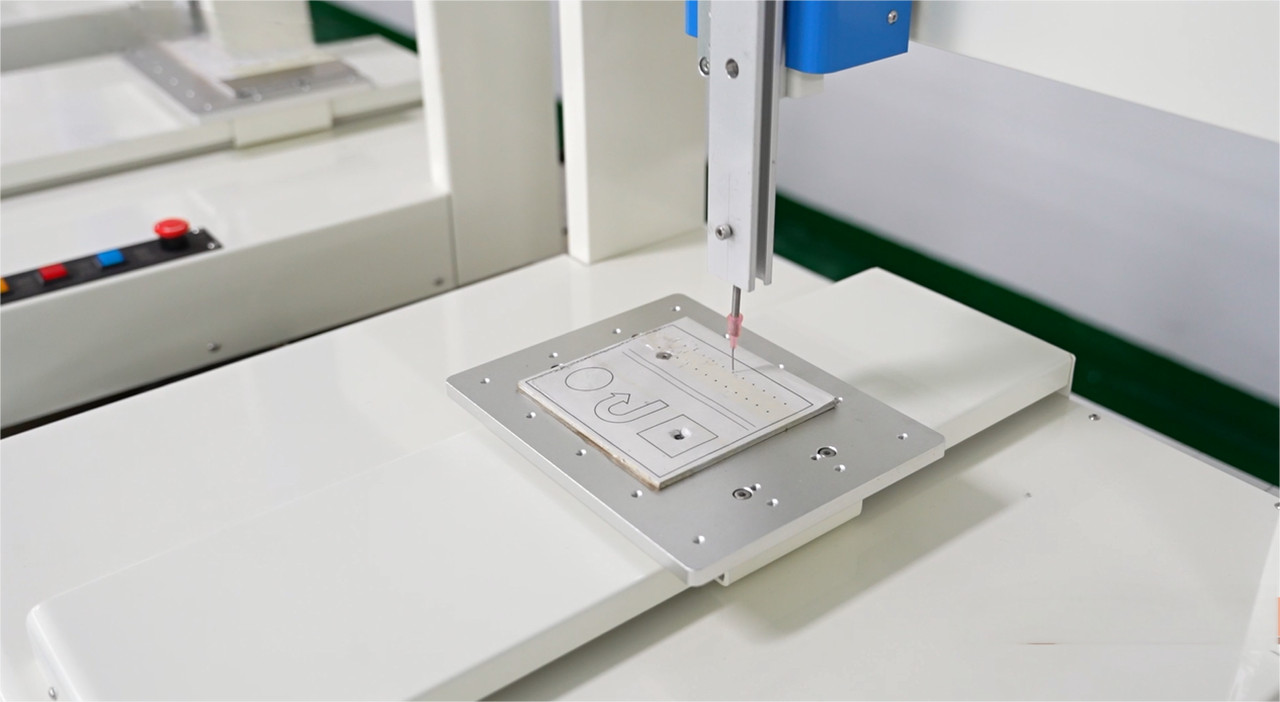
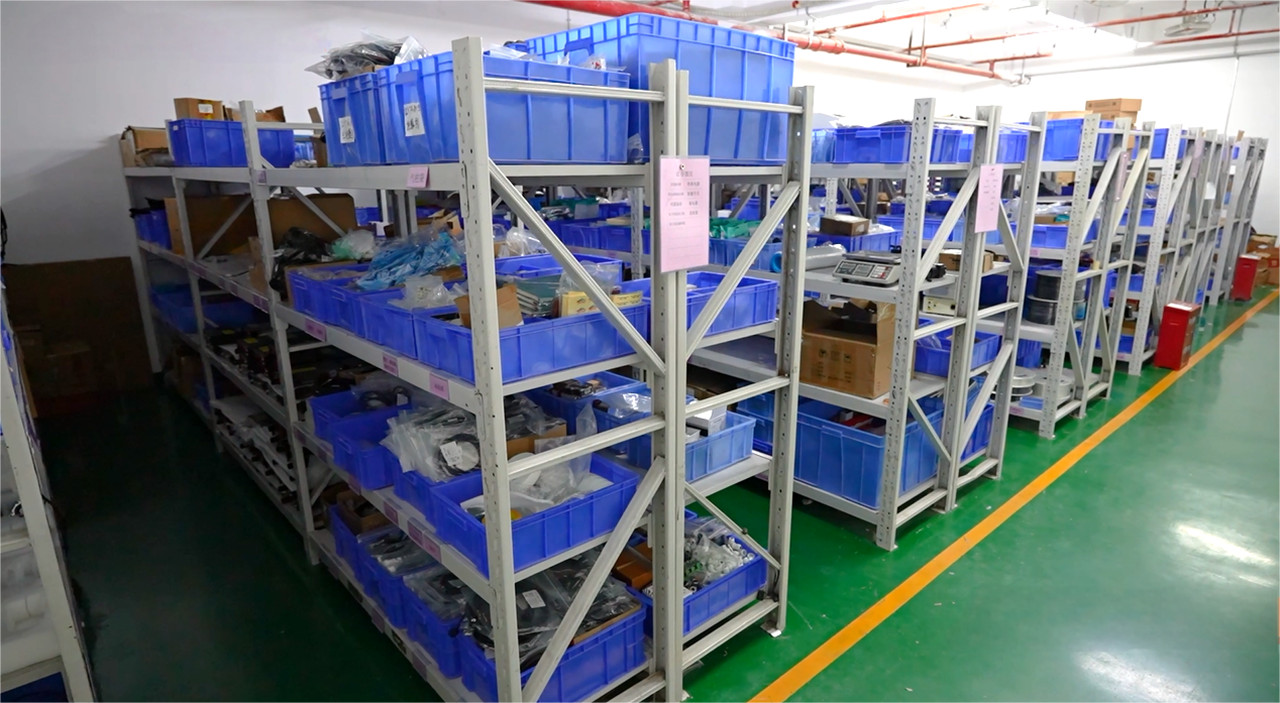
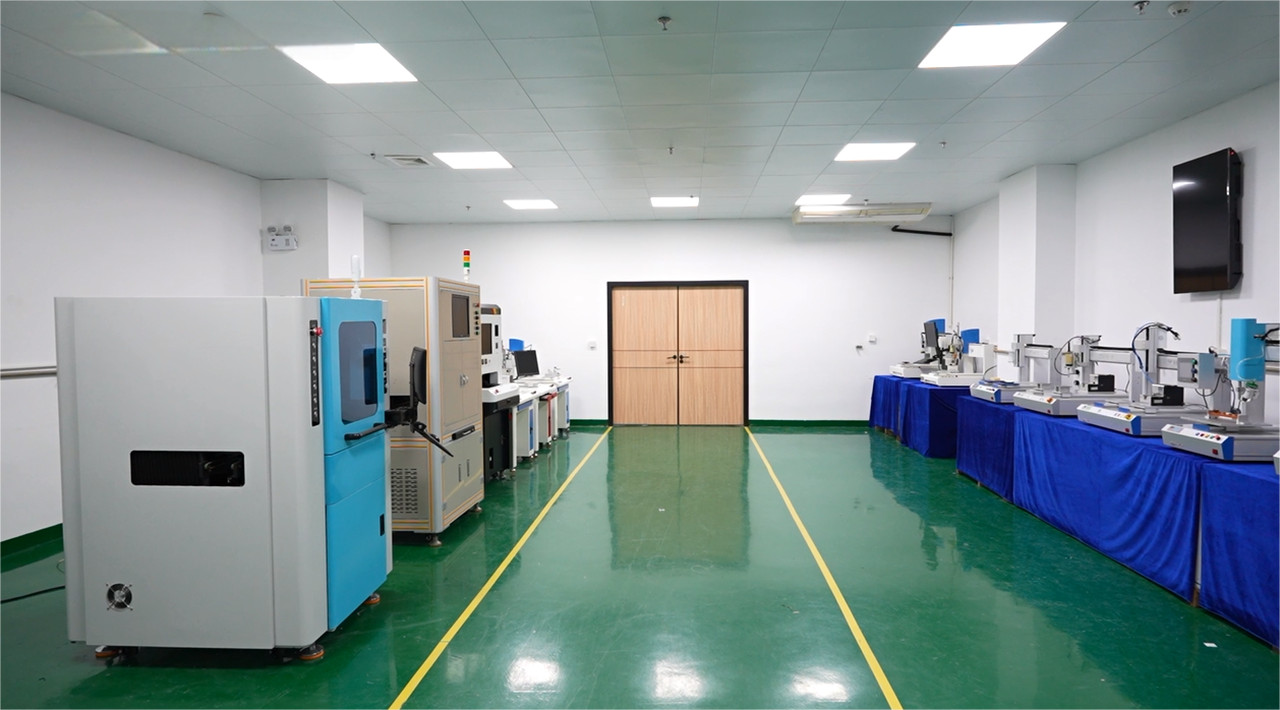
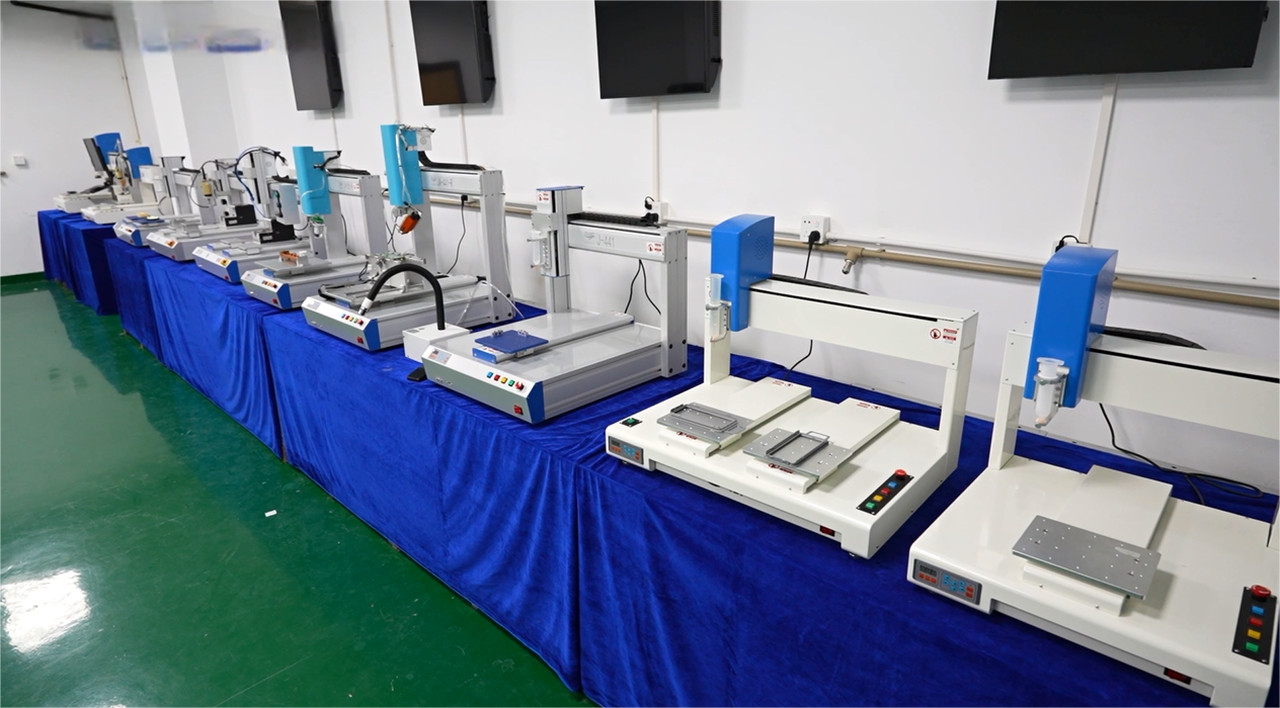
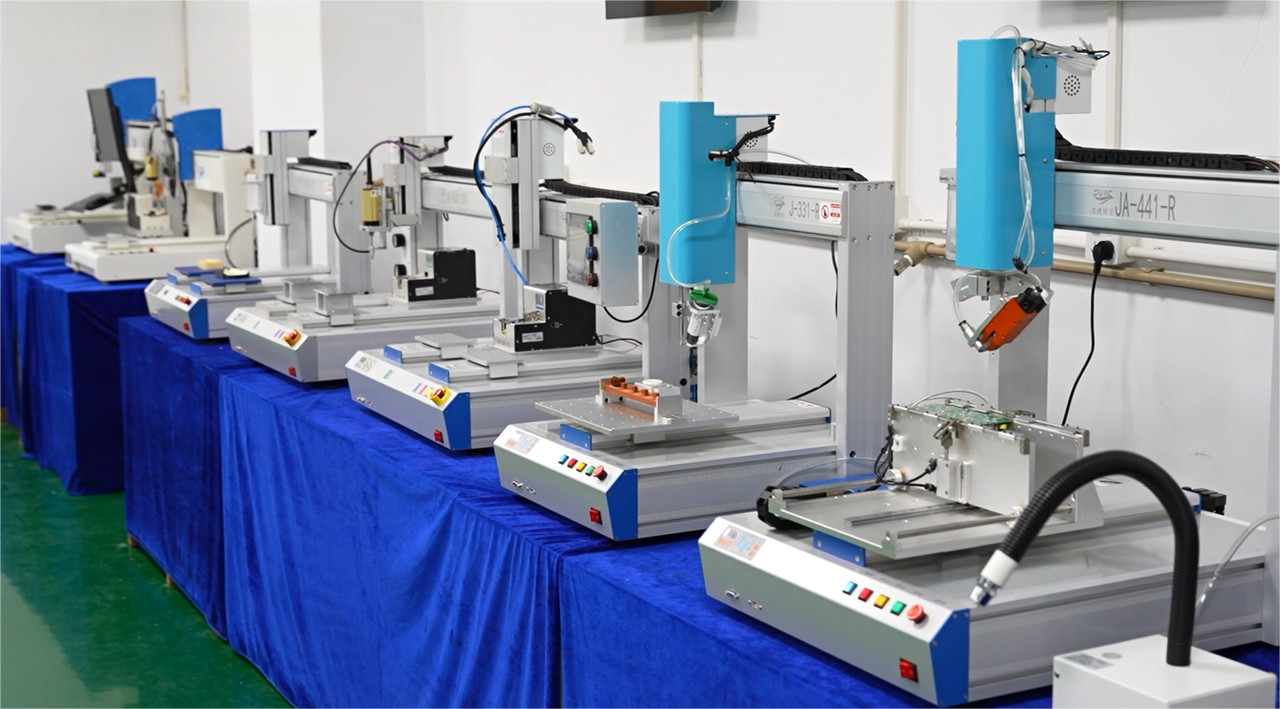
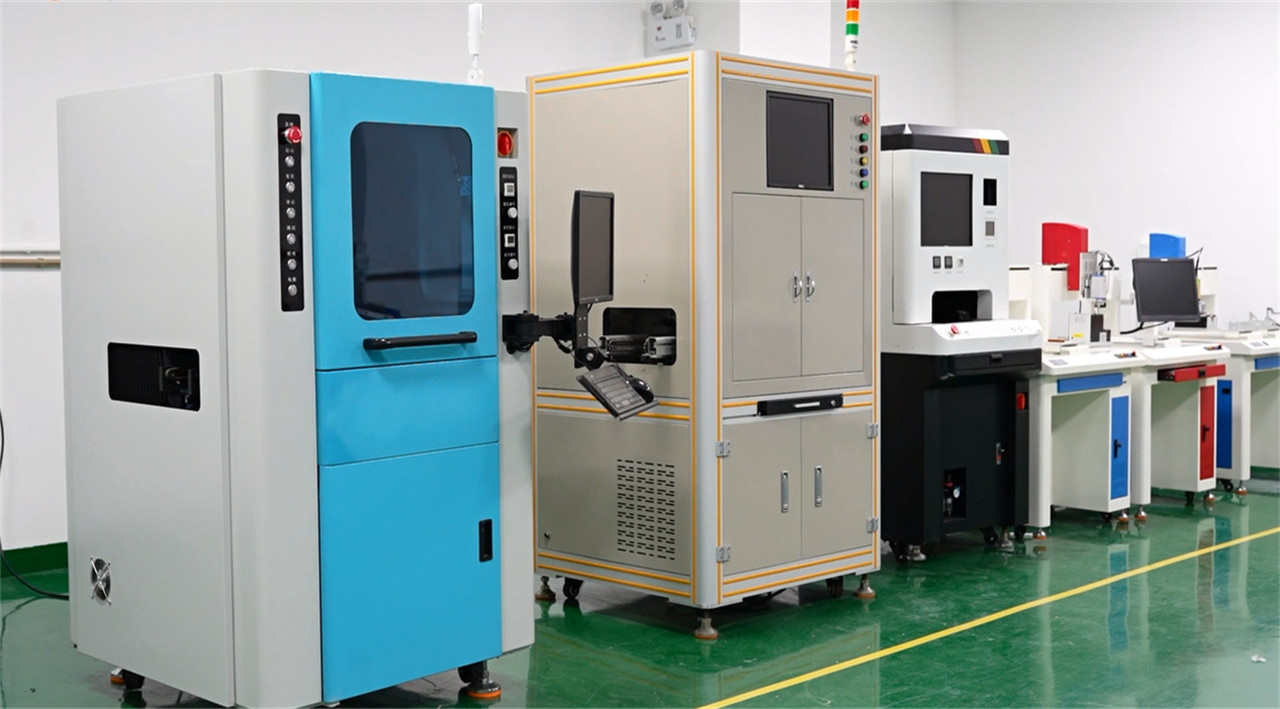
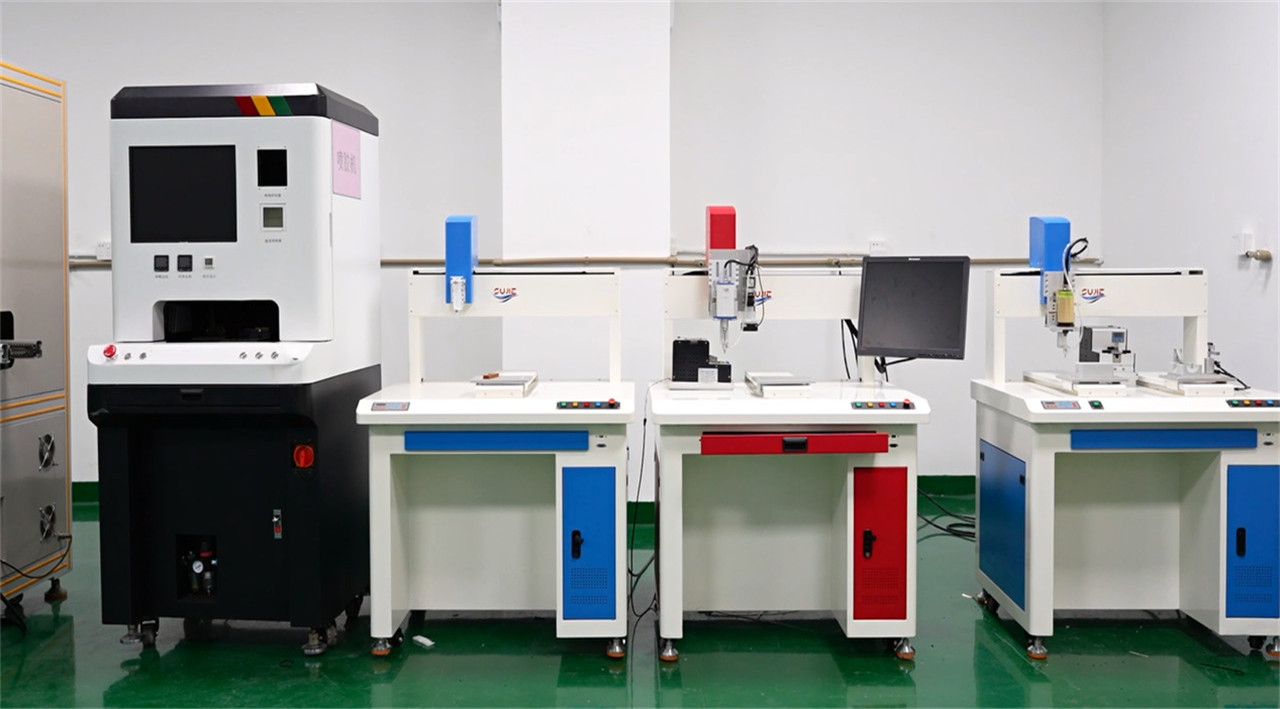
Our operations integrate production, validation, and testing. Below are photos from our CNC production workshops and quality inspection divisions in Huizhou and Shenzhen.
Answers to key technical questions from engineering partners and procurement officers regarding vacuum actuated valves and fluid control.
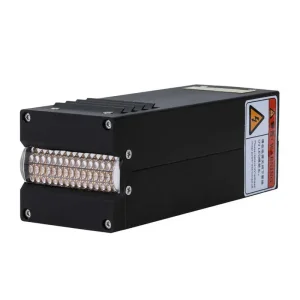
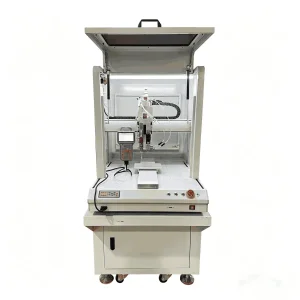
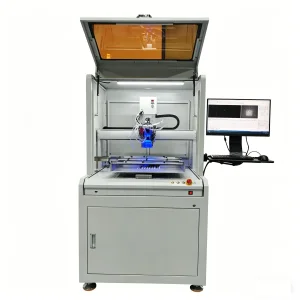
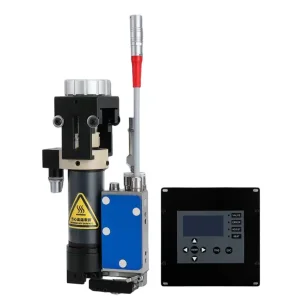
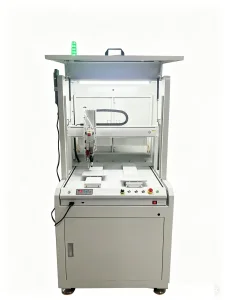
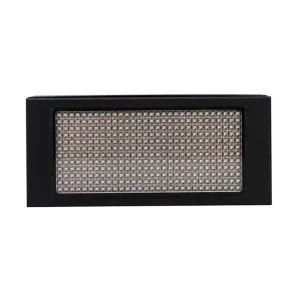
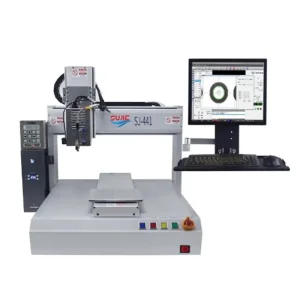
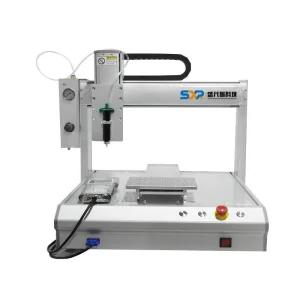
Discover our surface treatment systems, including inline conformal coating equipment, UV LED curing systems, and multi-axis servo-driven dispensing work cells.
 Anyco Automation