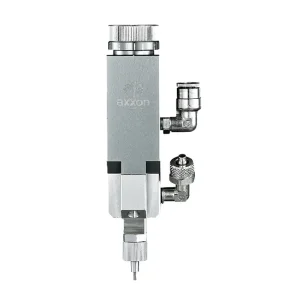
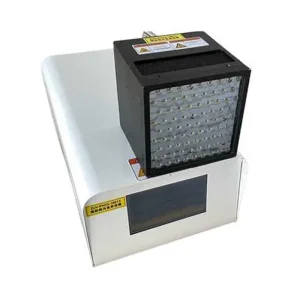
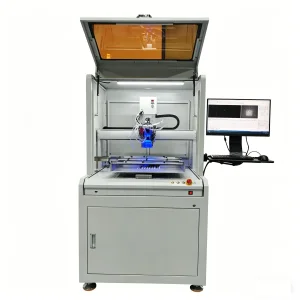
Industrial-grade components optimized for micro-dispensing, automated fluid control, and high-frequency production environments.
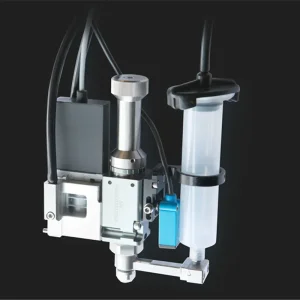
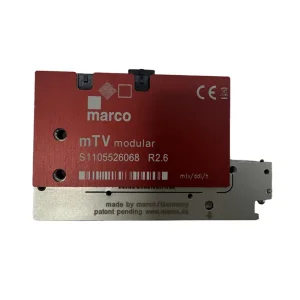
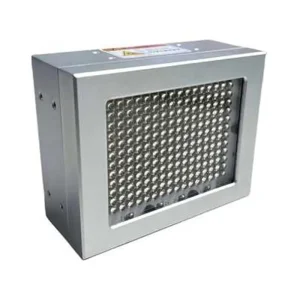
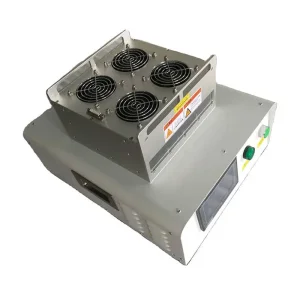
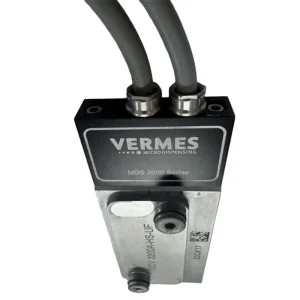
Pneumatic solenoid valves are the cornerstone of industrial automation, acting as the interface between electronic controllers and physical pneumatic actuators. In micro-dispensing and high-speed assembly, these valves govern flow rates, switching frequencies, and volumetric accuracy. Understanding the structural differences among pneumatic solenoid valve types is paramount to matching application requirements with exact equipment configurations.
Whether controlling basic double-acting cylinders or operating high-precision jetting setups (such as the V6500 pneumatic injection valve), engineers must balance switching speed, flow coefficient (Cv value), power consumption, and cycle life. Solenoid valves generate electromagnetic force to move a spool or armature, changing port states to route compressed air to pneumatic channels. A minor fluctuation in response time can alter deposition volumes, leading to defects in high-tech component manufacturing.
Anyco Automation specializes in manufacturing highly customized, high-precision solenoid valves and fluid control modules. By focusing on critical material sciences, our components exhibit wear resistance and heat dissipation capabilities that prolong operations in aggressive manufacturing environments.

Industrial operations utilize diverse pneumatic valve configurations based on port count, switching states, and actuation mechanisms. Selecting the appropriate type ensures fluid system efficiency and safety.
Refers to the number of ports and switching positions. 2/2 valves are used for simple on-off control. 3/2 valves feed and exhaust single-acting actuators. 5/2 and 5/3 configurations are standard for managing double-acting pneumatic actuators, where the 5/3 version offers a closed center or exhaust-center state for emergency stopping.
Direct-acting valves use the magnetic coil's force to directly move the internal spool. They operate down to 0 bar pressure, making them suitable for low-pressure gas line dosing. Pilot-operated valves use the system pressure to shift the spool, requiring a minimum pilot pressure (~0.5 to 1.5 bar) but allowing control of larger ports with minimal electrical power.
For applications demanding millisecond-level reaction times, such as microphone and lithium battery dispensing, standard electromagnetic valves are replaced by ultra-fast solenoids like the 3200 and 3250 series. These jetting valves achieve frequencies exceeding 1000Hz, enabling non-contact fluid dispensing of micro-droplets.
Beyond the actuation layout, seal formulation determines chemical compatibility and lifetime. Fluoroelastomers (FKM), Nitrile (NBR), and PTFE seals are specified based on media temperature and chemical aggressiveness. Anyco's valves incorporate specialized surface-treated spools that reduce sliding friction. This minimizes wear, ensuring consistent response profiles across millions of switching cycles.
Empowering global industrial facilities with validated manufacturing systems, verified quality protocols, and deep localization engineering.
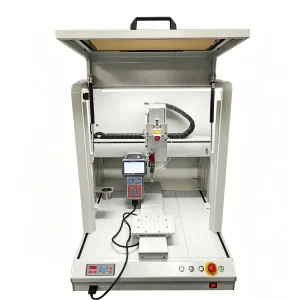
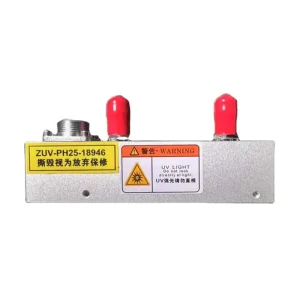
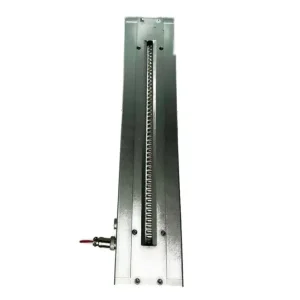
Anyco is a developer and custom manufacturer of automated fluid control systems, delivering specialized solutions for the electronics manufacturing industry. We are recognized as a supplier of high-speed solenoid valves and piezoelectric jetting valves. Our engineering catalog spans from fluid dispensing systems to high-intensity UV curing lights, providing complete material deposition and curing lines.
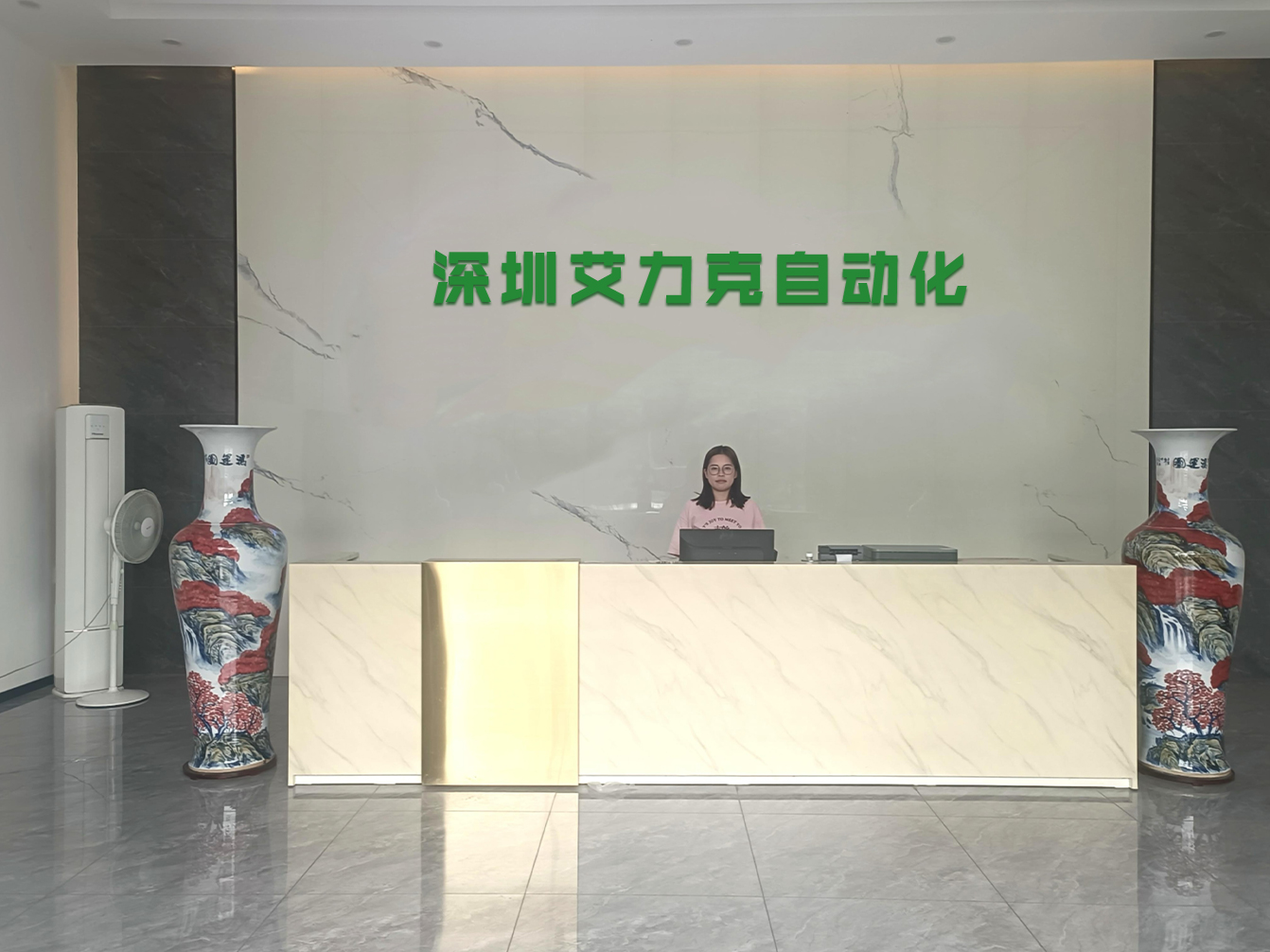
Leveraging China's automation cluster to deliver cost-effective engineering, rapid prototyping, and high-volume production scaling.
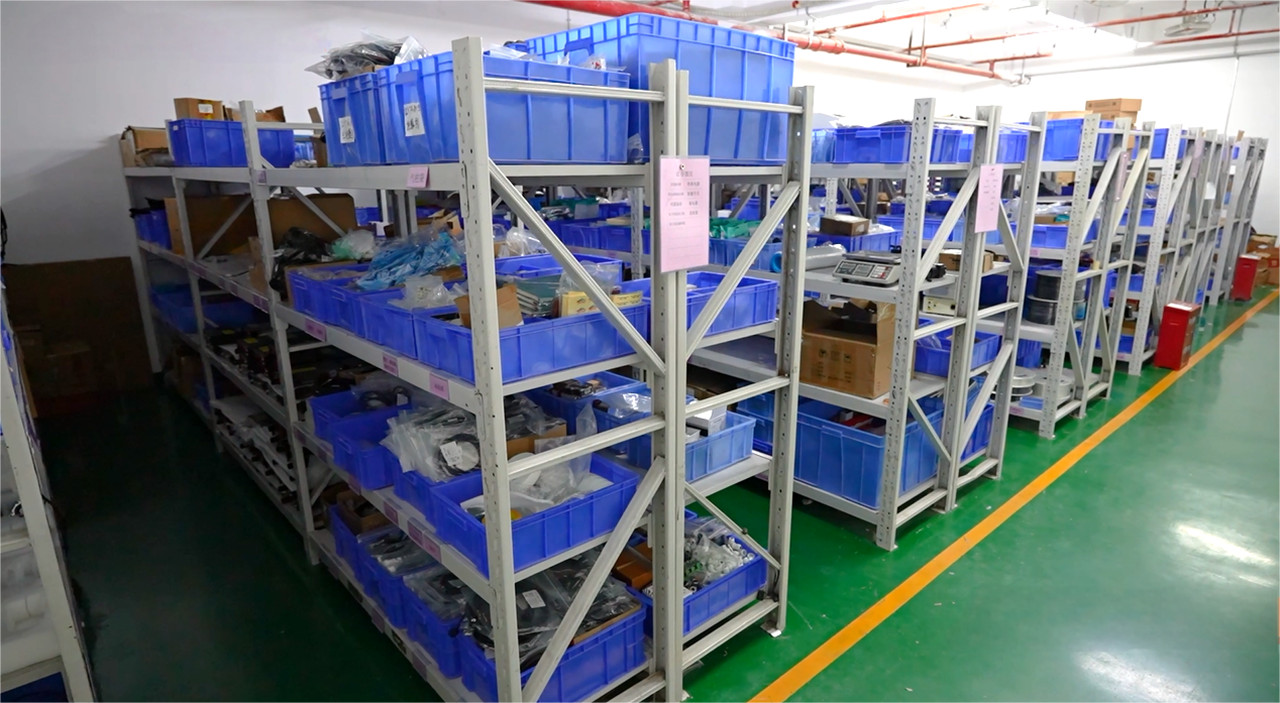
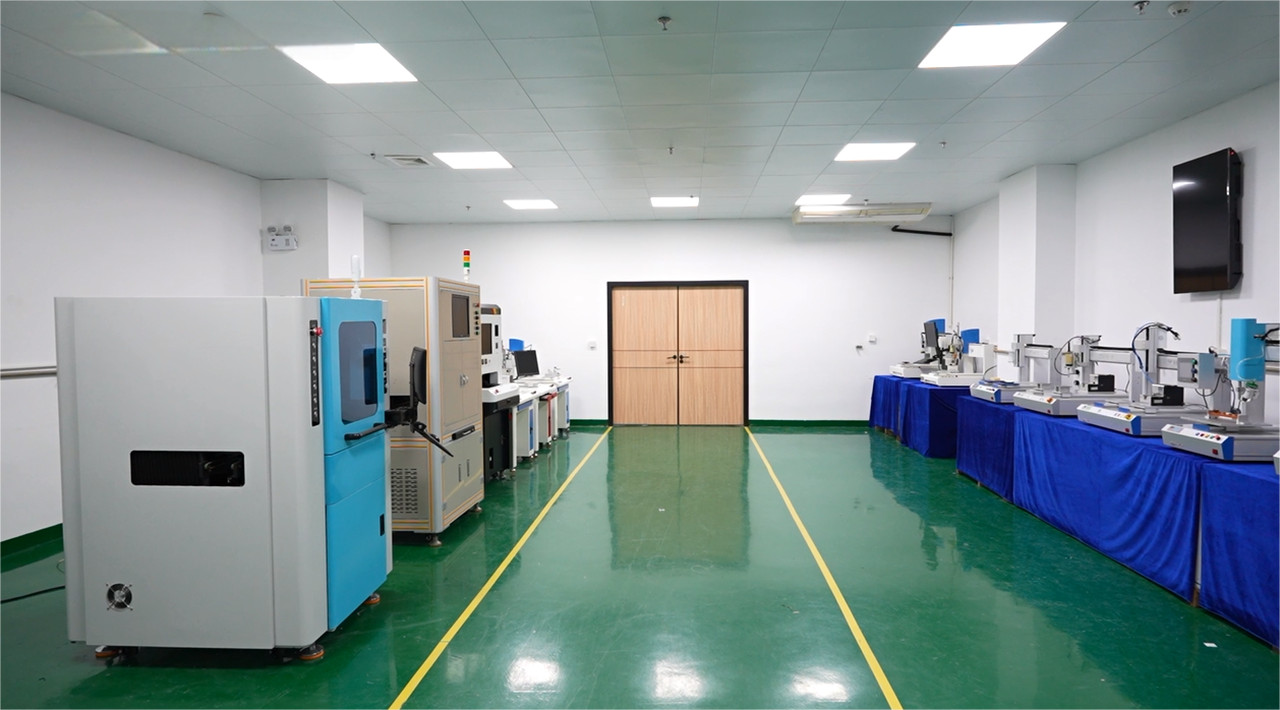
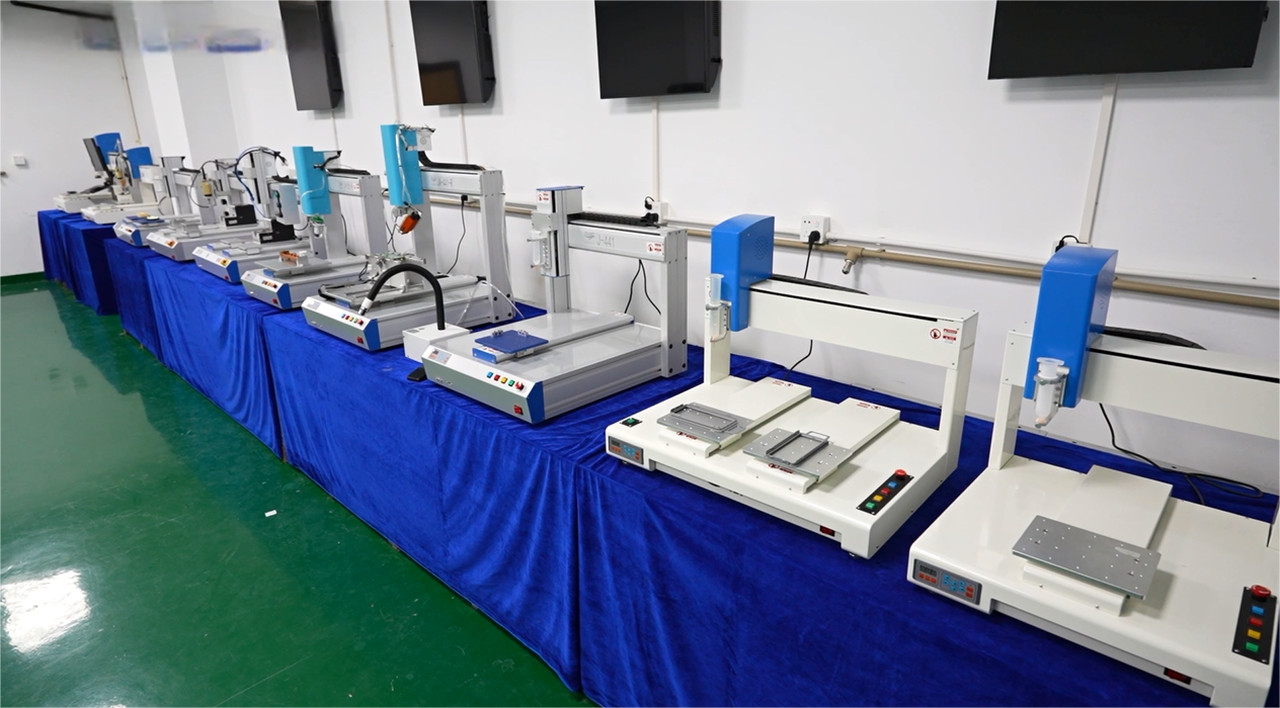
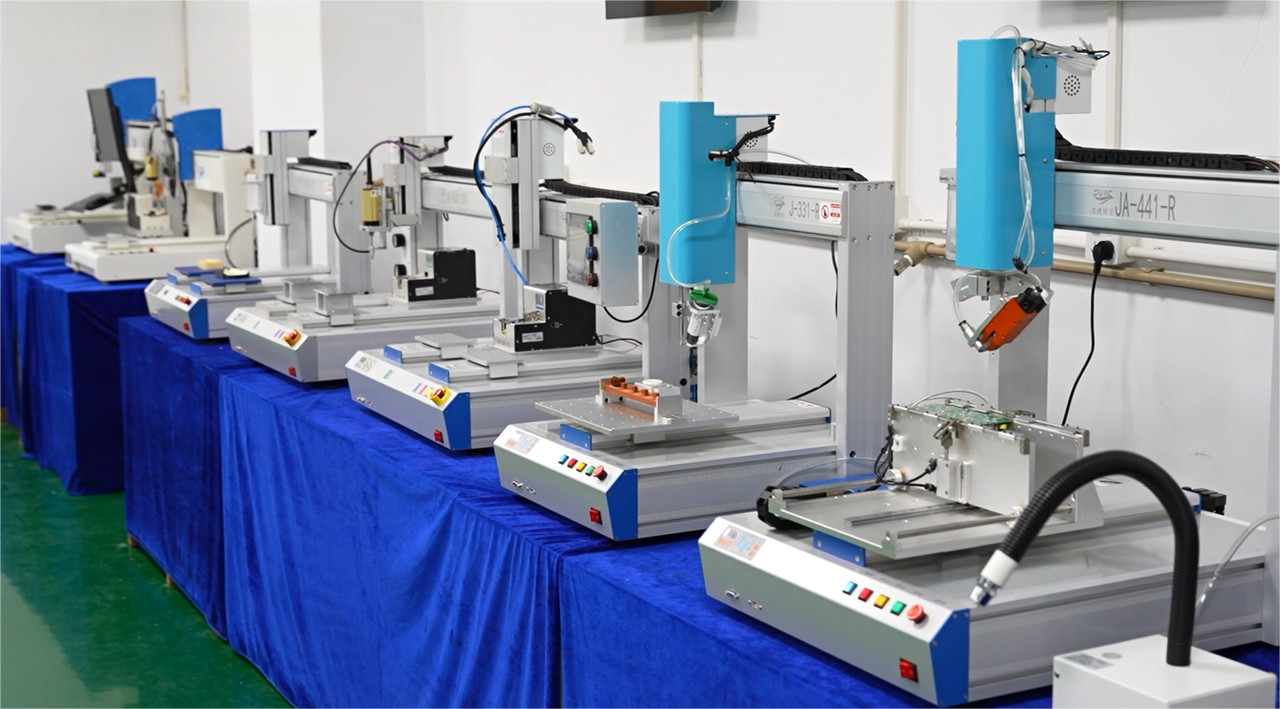
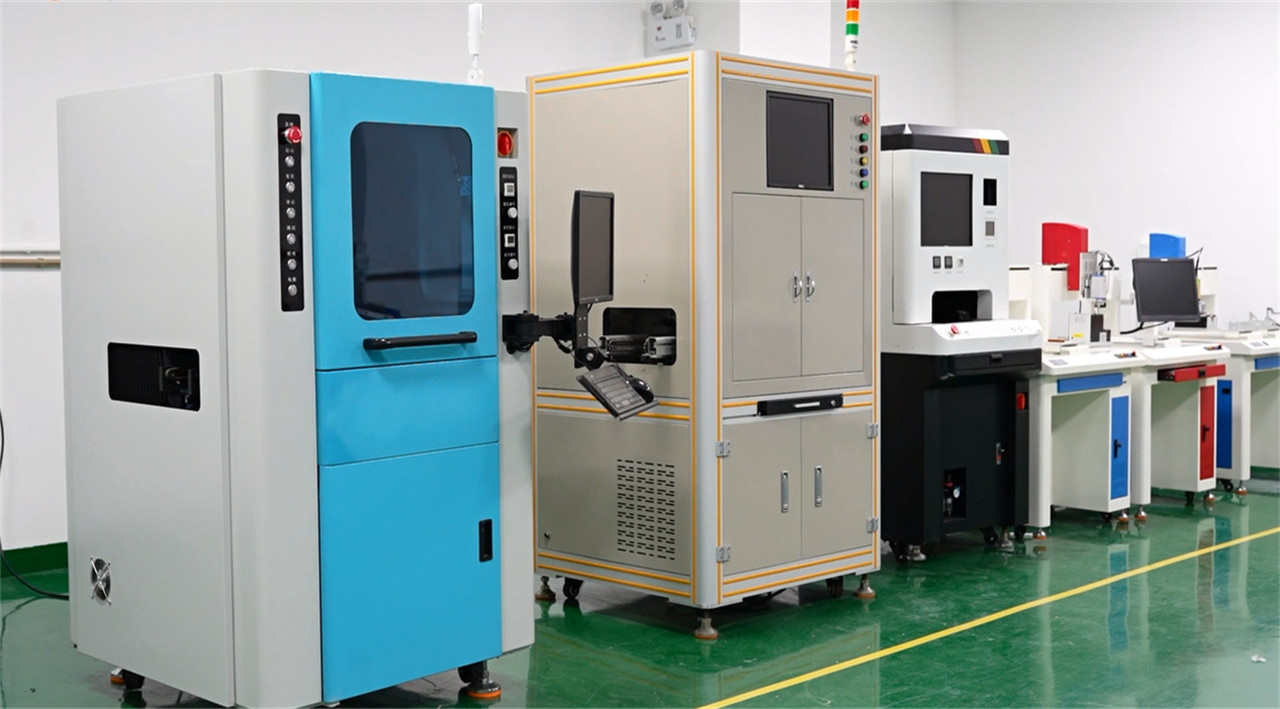
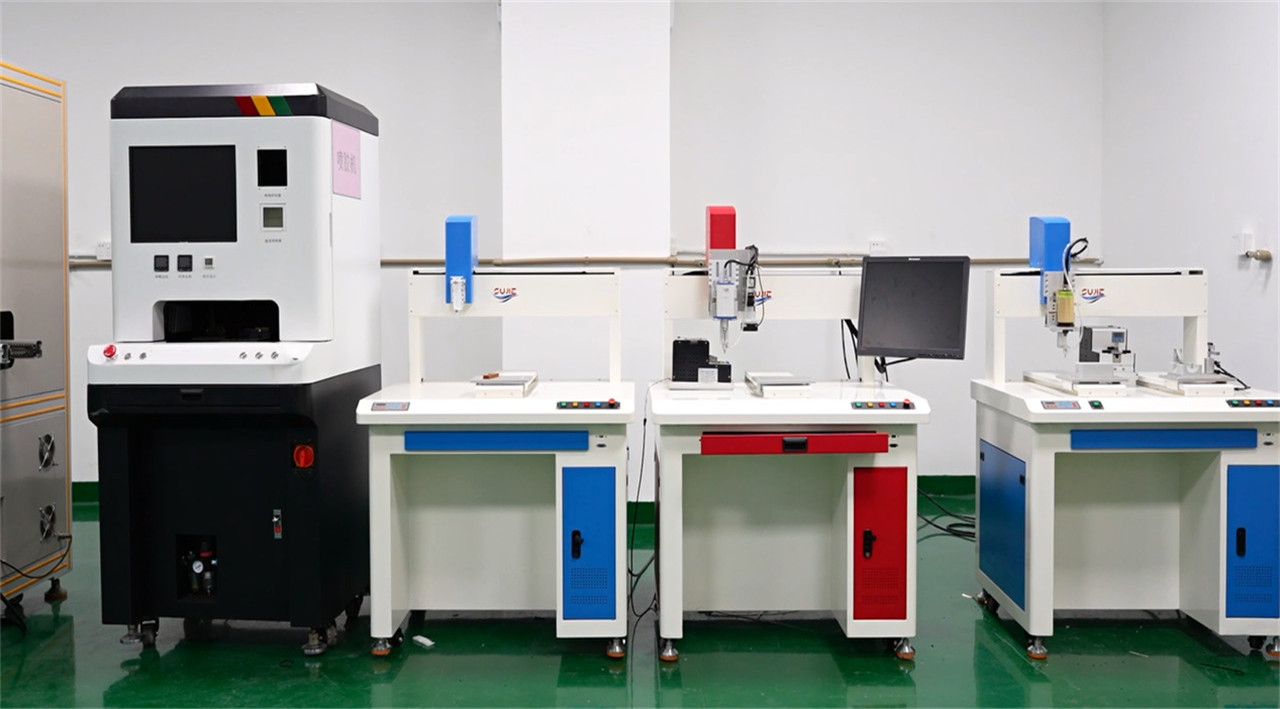
Purchasing pneumatic components from Anyco's factories in Shenzhen and Huizhou provides global procurers with structural supply chain advantages. Our integration of R&D, tooling, CNC precision machining, and assembly under one quality management system shortens lead times for custom valves from months to weeks.
The industrial ecosystem in Guanlan, Shenzhen allows access to specialized raw materials, high-precision machining, and heat-treatment services. This enables Anyco to manufacture components that match Western performance standards at competitive pricing. Additionally, our automated assembly and testing lines verify compliance before shipment.
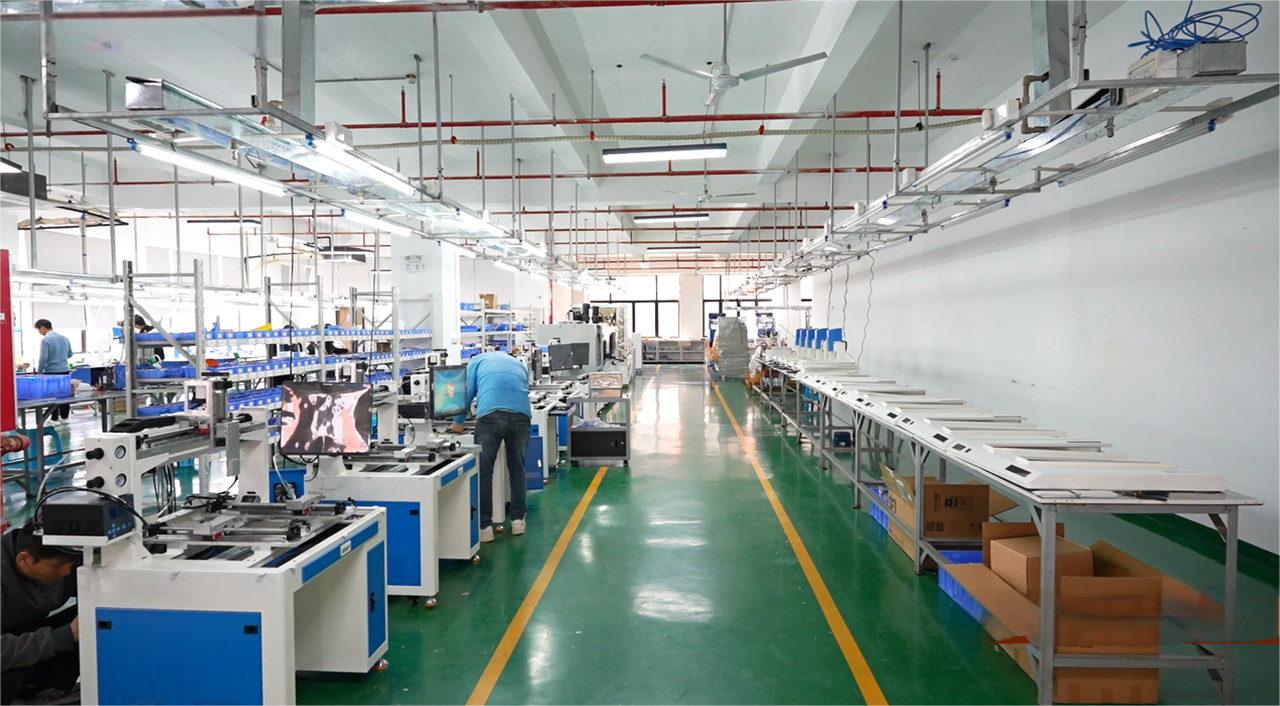
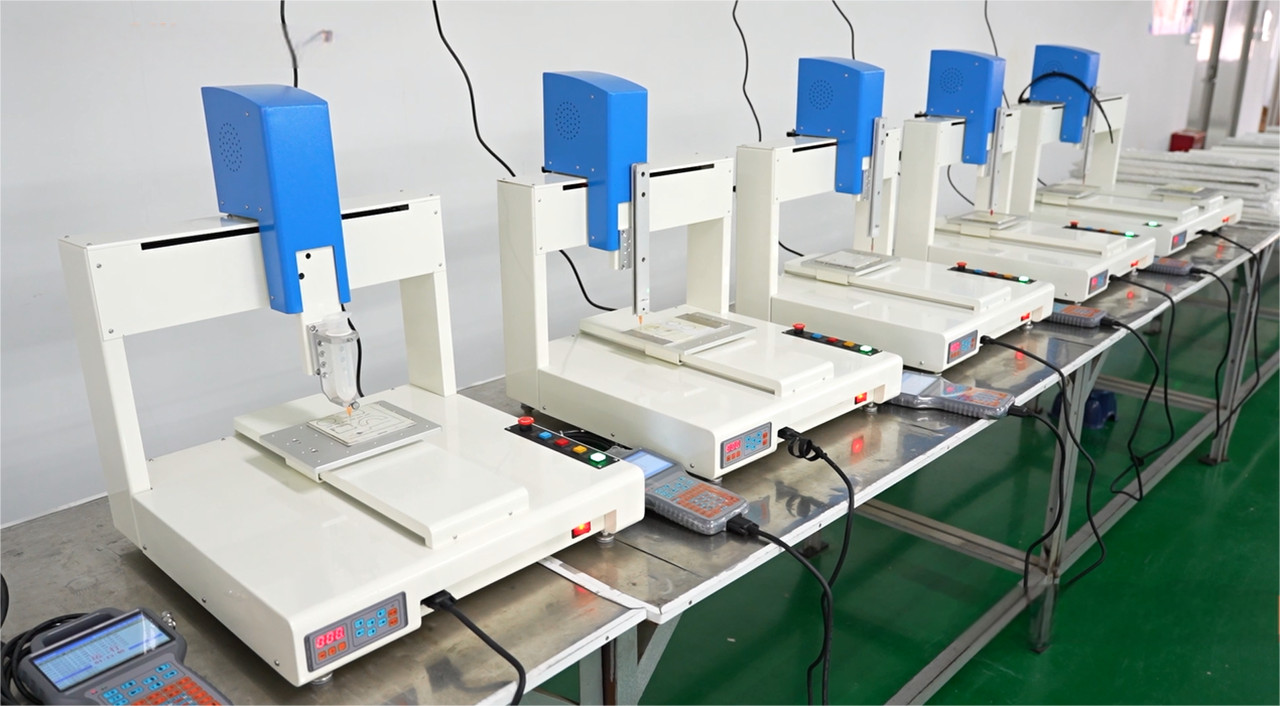
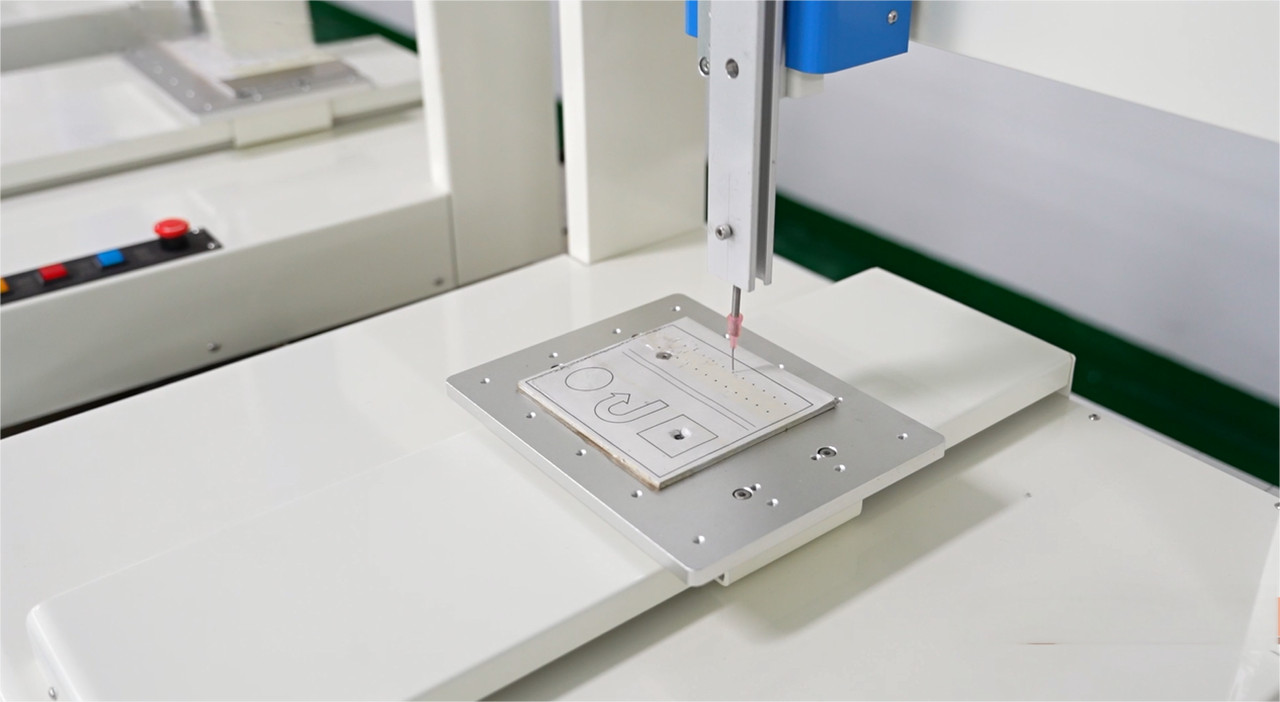
Ensuring seamless compliance, local technical support, and documentation for international factories and equipment builders.
Anyco is committed to meeting international engineering and environmental standards. Our key products hold CE Certifications, assuring electrical safety and electromagnetic compatibility (EMC) for integration into machinery operating within the European Union and European Economic Area.
Additionally, we manufacture using materials compliant with RoHS and REACH regulations, facilitating entry into global supply chains without regulatory bottlenecks.
To support high-yield production, Anyco provides local application engineering and post-sale technical services. Our key export markets include:
Industrial procurement departments prioritize key criteria when selecting a pneumatic solenoid valve exporter:
Analyzing the deployment of modern pneumatic solenoid valve designs in high-tech fields and the trajectory of fluid technology.
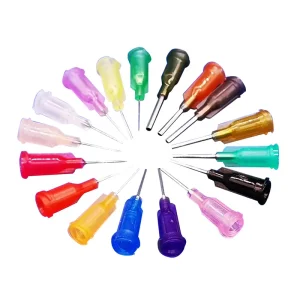
In electronics manufacturing, valves are deployed inside high-speed dispensing systems. Applications include dispensing underfills, conductive epoxies, and structural adhesives in smartphones and wearable microphones. These processes require micro-needles and high-frequency solenoids to deposit precise fluid volumes onto dense PCBAs.
In electric vehicle battery cell manufacturing, pneumatic valves manage the dispensing of electrolyte fluids and thermal interface materials (TIM). Solenoid valves must handle high chemical exposure and ensure precise dosing to prevent battery cell failure or degradation.
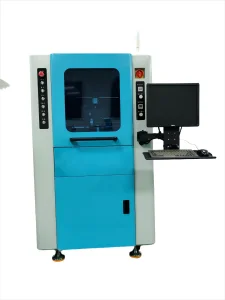
Automotive ECUs, sensors, and lighting systems require protective potting and conformal coating. Anyco's visual coating systems and micro-needle valves provide automated coverage of delicate circuit traces, protecting them from moisture and thermal shock.
The fluid automation sector is shifting toward digital and smart pneumatic networks. Traditional pneumatic solenoid valves are evolving with integrated sensors and fieldbus communication interfaces (such as IO-Link, EtherCAT, and PROFINET). This transition enables real-time diagnostic reporting of parameters like coil temperature, actuation response, and cycle count.
Another major trend is the development of ultra-miniaturized valves. As automated lines compact, valves must deliver high flow rates within smaller foot prints. Anyco is addressing this need by engineering compact solenoids that fit onto robotic arms and multi-axis gantry stages, minimizing moving mass and maximizing acceleration rates.
Technical answers on pneumatic solenoid valve design, performance parameters, and ordering customization.
Direct-acting valves use the electromagnetic field generated by the coil to directly lift the plunger or slide the spool. They operate effectively from 0 bar pressure, making them suitable for low pressure and vacuum environments. In contrast, pilot-operated valves utilize the existing system air pressure to shift the main spool, requiring a minimum pilot pressure (typically 1.0 to 1.5 bar). Direct-acting designs offer faster response times for low flow volumes, while pilot-operated valves control higher flow rates (Cv value) with lower electrical power consumption.
Anyco uses specialized materials and strict testing protocols. The valve bodies are constructed using high-grade aluminum alloys and stainless steels, finished with low-friction coatings. Our sealing materials (such as FKM and PTFE) are sourced for chemical and thermal stability. Before shipment, each valve batch undergoes high-cycle automated testing to verify response stability, sealing integrity, and pressure capability under load conditions.
Yes. Anyco specializes in custom fluid control systems. We modify the fluid-wetted flow paths, select chemical-resistant seal compositions, and adjust the drive force of the solenoids to process highly viscous adhesives, solder pastes, or corrosive solvents. We work with clients to optimize fluid path geometry and prevent fluid shearing or clogging.
Our core fluid control systems, including the 3250 high-speed solenoids and visual coating machines, are CE certified. This certification ensures conformity with European electrical safety, electromagnetic compatibility, and mechanical directives. For North America, we align our components with standard UL, CSA, and NEMA classification requirements upon request.
For standard pneumatic valves and consumables, we maintain stock for immediate dispatch. For custom OEM/ODM modifications, our integrated R&D facility in Shenzhen and production facility in Huizhou allow us to design, prototype, and manufacture custom manifolds or specialized valve systems within 3 to 6 weeks, depending on design complexity.
Industrial equipment, UV curing systems, and dispensing valves designed to complement our pneumatic automation line.
 Anyco Automation