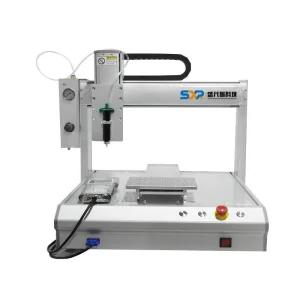
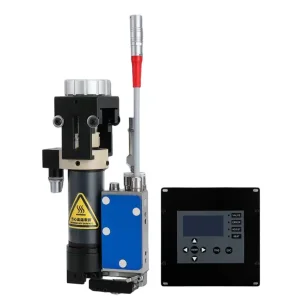
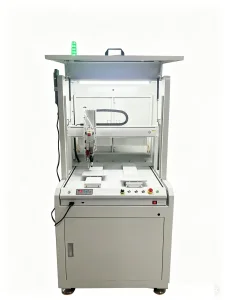
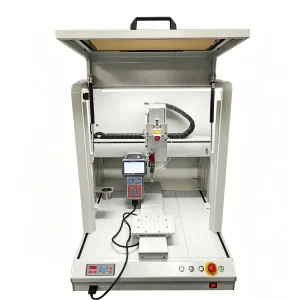
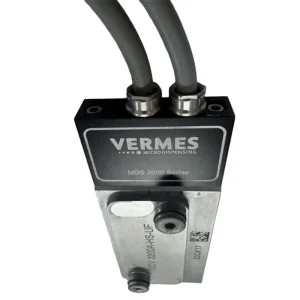
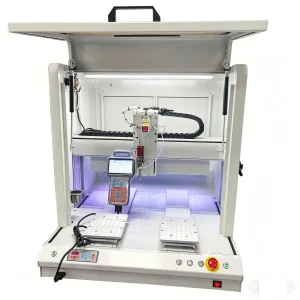
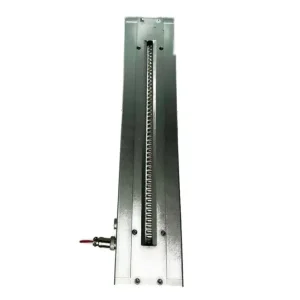
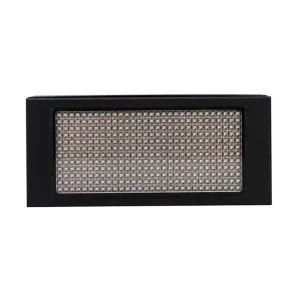
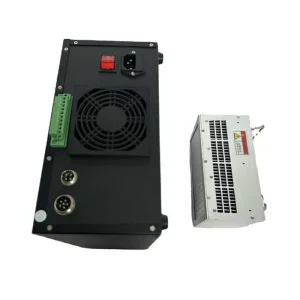
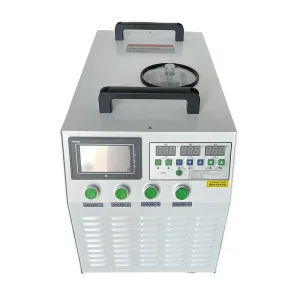
Explore our core product portfolio spanning high-speed dispensing hardware, piezo-electric jet valves, UV curing light engines, and automated desktop systems.
Modern high-power semiconductors, EV powertrains, and micro-processors generate immense heat flux. The critical bottleneck in heat dissipation is not the heatsink, but the interface boundary. This is where Thermal Interface Materials (TIMs) like custom thermal pastes become pivotal. Standard off-the-shelf thermal pastes often suffer from compromises in bond-line thickness (BLT), pump-out under cyclic thermal loading, or viscosity mismatch during automated mass dispensing.
By customizing thermal paste thermal conductivity, engineers can tailor the density of thermally conductive fillers (such as metal oxides, silicon carbide, graphene, or ceramic particles) to match the surface roughness of specific substrates. This minimizes *contact resistance*, allowing heat transfer to approach the material's bulk thermal conductivity ($K$). Furthermore, the rheology of the paste must be optimized for automated manufacturing—preventing tailing, stringing, and micro-voids during high-speed deposit positioning.

Empowering modern electronics manufacturing with ultra-precision automated fluid control equipment, customized consumables, and deep engineering application support.
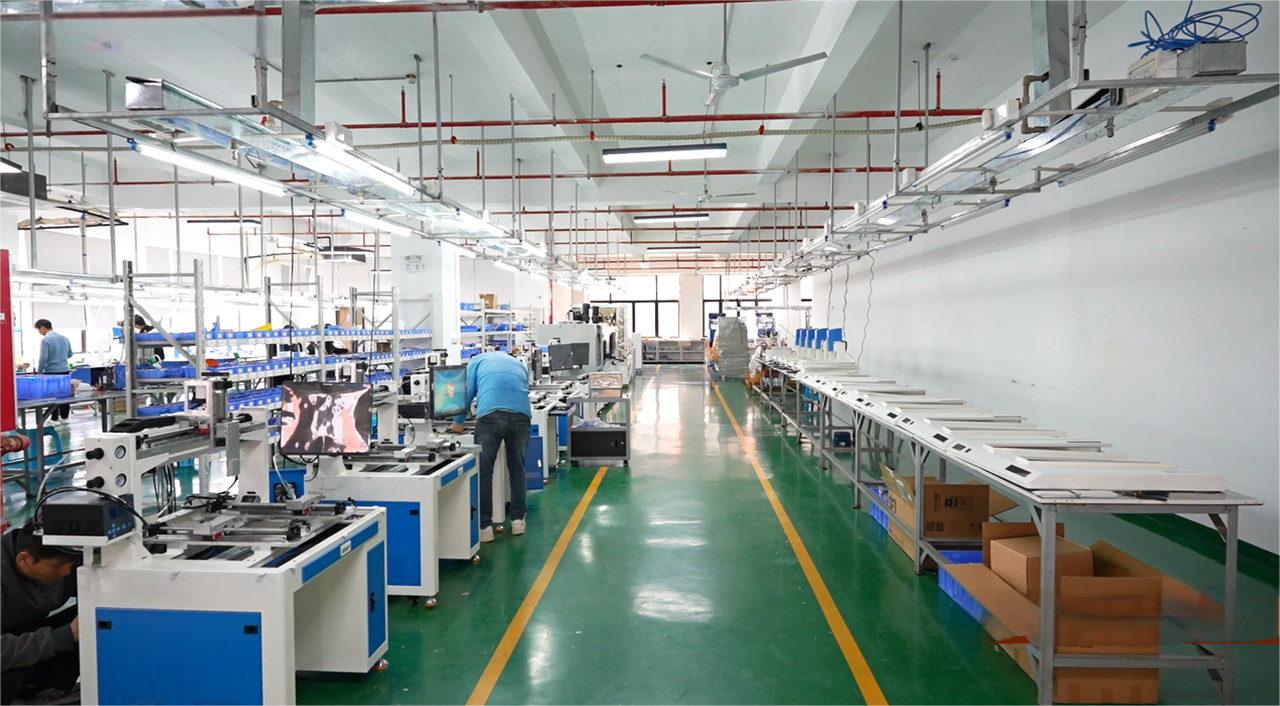
Founded in 2013, Shenzhen Anyco Automation Equipment Co., Ltd. is a national high-tech enterprise integrating R&D, manufacturing, sales, and technical service. With our headquarters in the tech hub of Guanlan, Shenzhen, and a modernized manufacturing facility in Huizhou spanning over 2,000 square meters, we serve as a one-stop customized supplier for global OEMs and tier-1 assembly companies.
Anyco's primary export markets cover Southeast Asia, India, Vietnam, Thailand, North America (Mexico), Africa (Morocco), and Europe. We provide highly competitive industrial dispensing injection valves, precision UV curing ovens, and high-performance fluid consumables designed to function seamlessly under harsh factory environments.
By leveraging proprietary technologies and core intellectual property, Anyco delivers intelligent fluid delivery solutions for critical sectors including automotive electronics, 3C electronics (computers, communication, consumer devices), and home appliances. Our equipment is globally recognized for its exceptional reliability, engineering flexibility, and accuracy.

Bridging the gap between materials science and automatic dispensing processes for customized thermal pastes.
| Thermal Paste Category | Bulk Thermal Conductivity (W/m·K) | Viscosity (Pa·s) @ 25°C | Recommended Dispensing Valve Type | Primary Industrial Applications |
|---|---|---|---|---|
| Standard Silicone-based | 1.5 – 3.5 | 120 – 250 | Pneumatic Needle Valve / Desktop Dispenser | Consumer Electronics, Home Appliances |
| Advanced Oxide-filled | 4.0 – 6.5 | 280 – 400 | High-Speed Piezo-electric Jet Valve | Automotive ECUs, Industrial Power Modules |
| Metallic/Carbon Matrix | 8.0 – 15.0+ | 450 – 700 | Precision Screw / Diaphragm Micro-Valve | EV Battery Management, Server CPUs, 5G Base Stations |
Tailoring material properties and automated dispensing dynamics to sector-specific constraints.
Automotive environments require long-term thermal reliability under high vibration. Our dispensers and custom paste setups assure precise deposit geometries at critical interfaces in Advanced Driver Assistance Systems (ADAS) and high-voltage IGBT inverter modules.
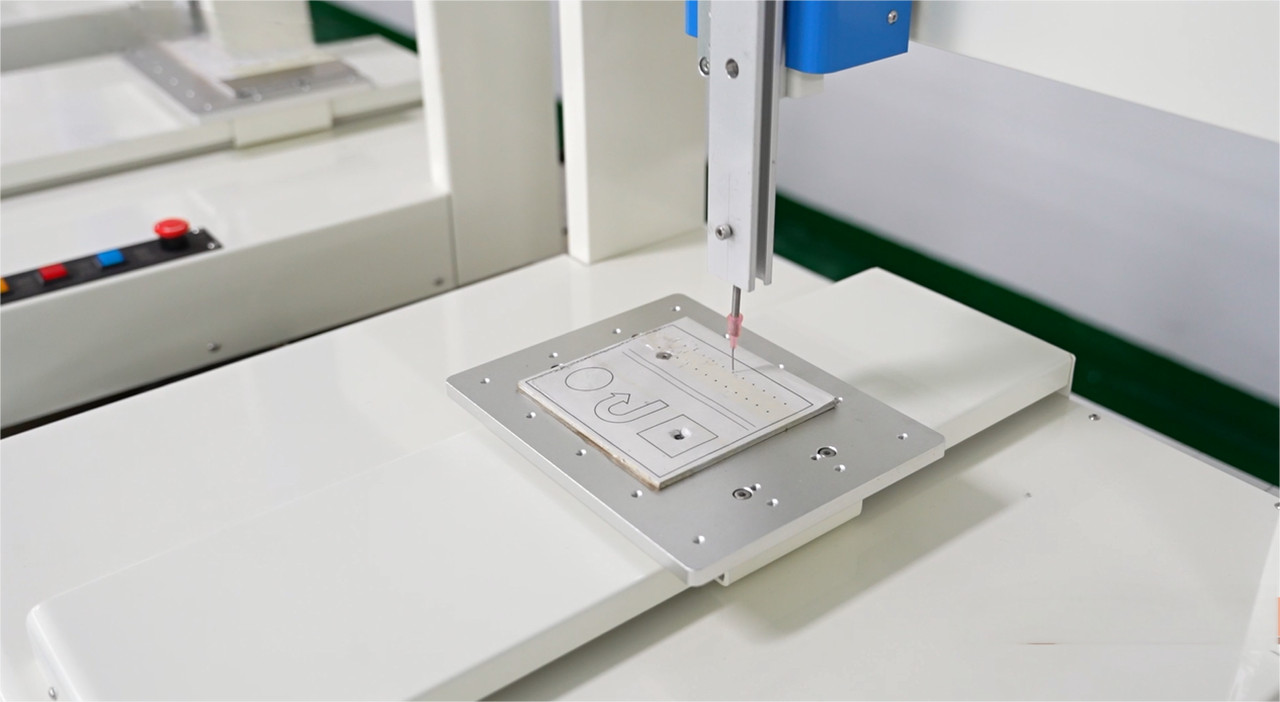
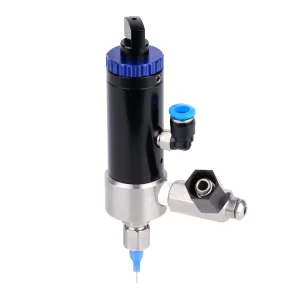
For smartphones and laptops, micro-scale components demand small footprint deposits down to 0.2mm diameter. Anyco's piezoelectric valves enable jetting of high-viscosity thermal compounds onto microchips without physical needle contact, preventing component damage.
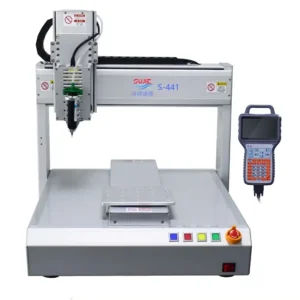
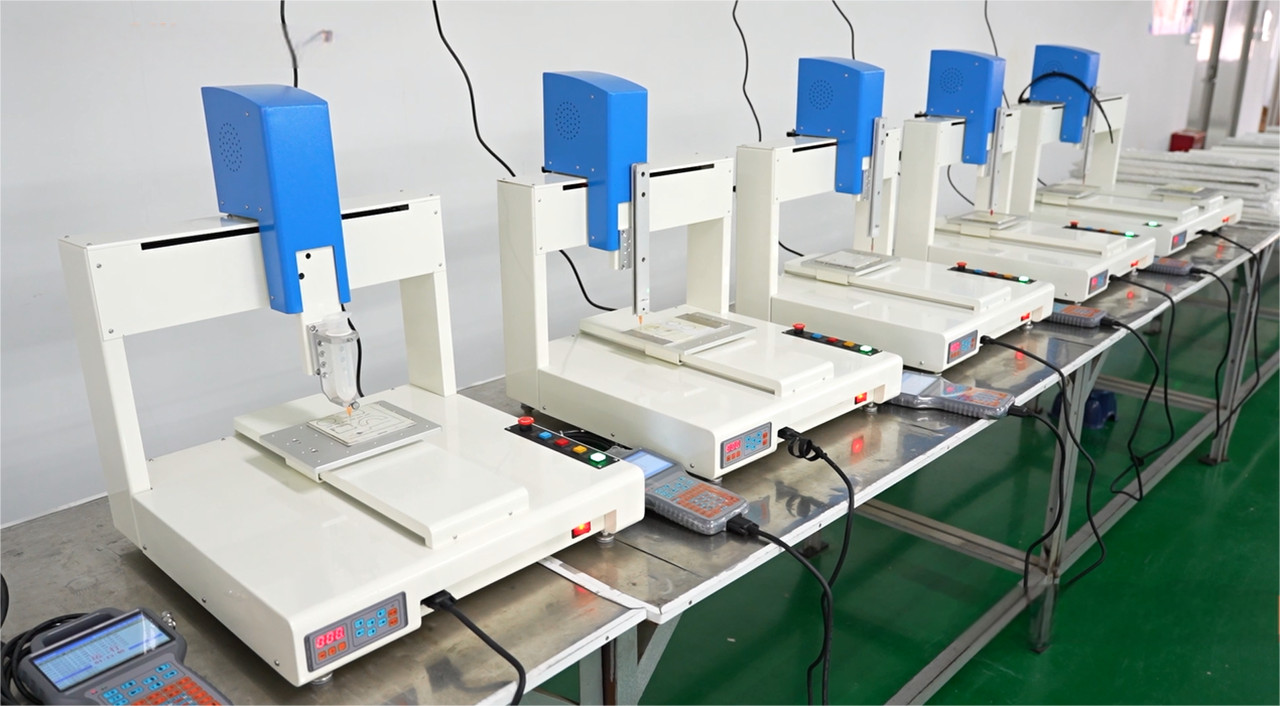
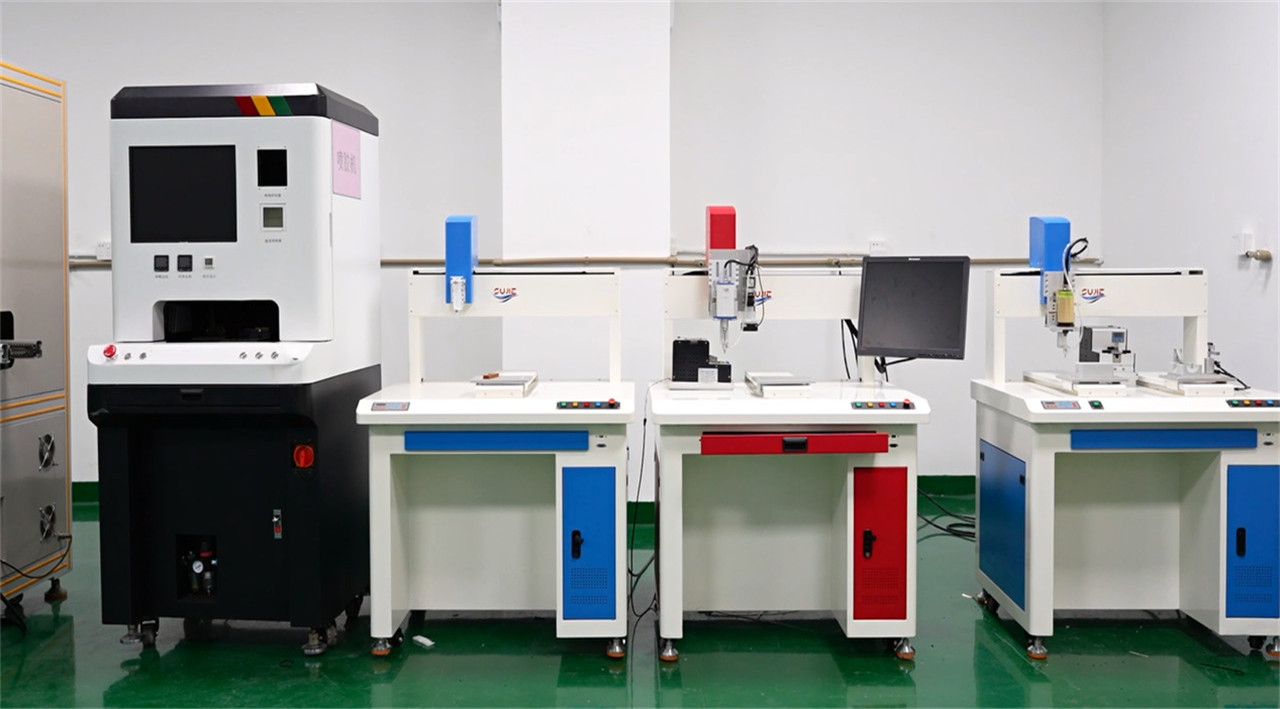
Heavy-duty industrial applications require uniform coverage across broad areas. Utilizing high-efficiency UV conformal coating machines and desktop screw dispensing robots ensures zero voids and high throughput rates.
How Anyco leverages localized industrial clusters in Shenzhen and Huizhou to secure delivery speed and competitive pricing.
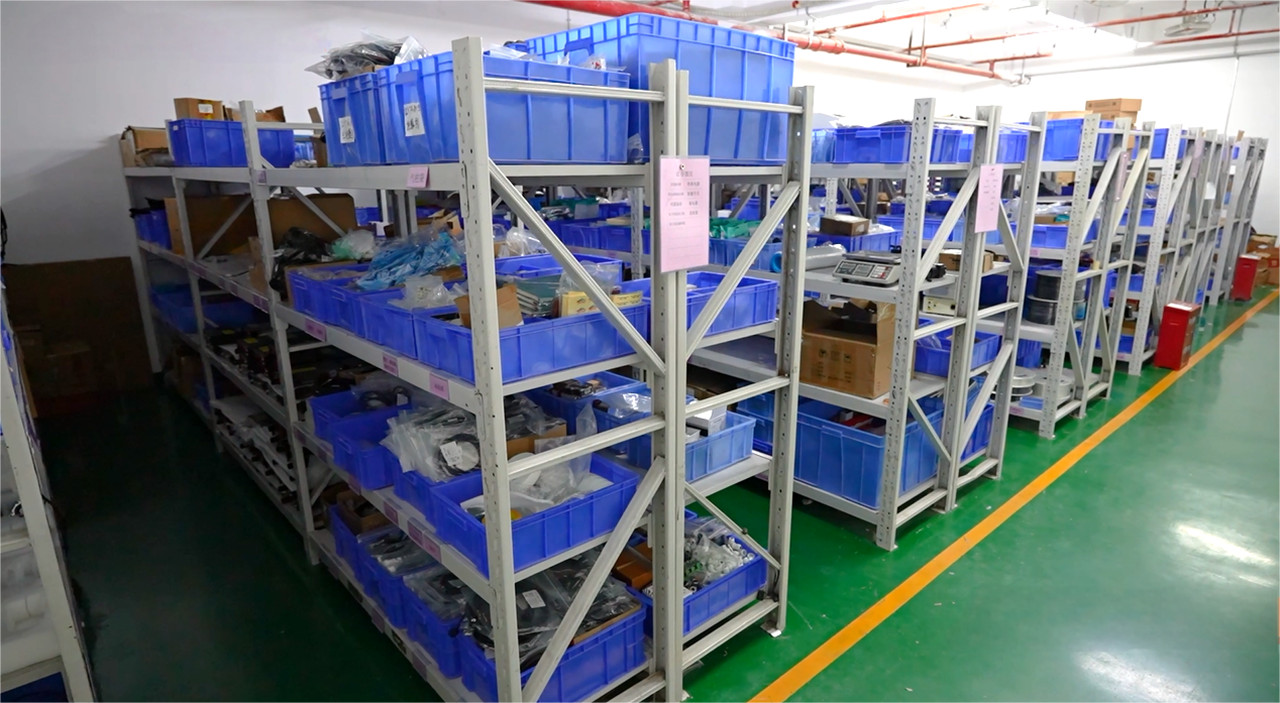
Operating at the center of the global hardware ecosystem allows Anyco to source raw components, custom CNC parts, and electronics in record times. Our modern manufacturing processes meet strict quality controls, and our 2,000+ sqm manufacturing facility runs automated testing protocols for every batch of jet valves and dispensing machines.
This localization significantly reduces lead times for international buyers. Custom CNC modified tooling or special dispensing nozzles that would take weeks elsewhere are completed within days, stabilizing supply chains for our customers in Mexico, Vietnam, and India.
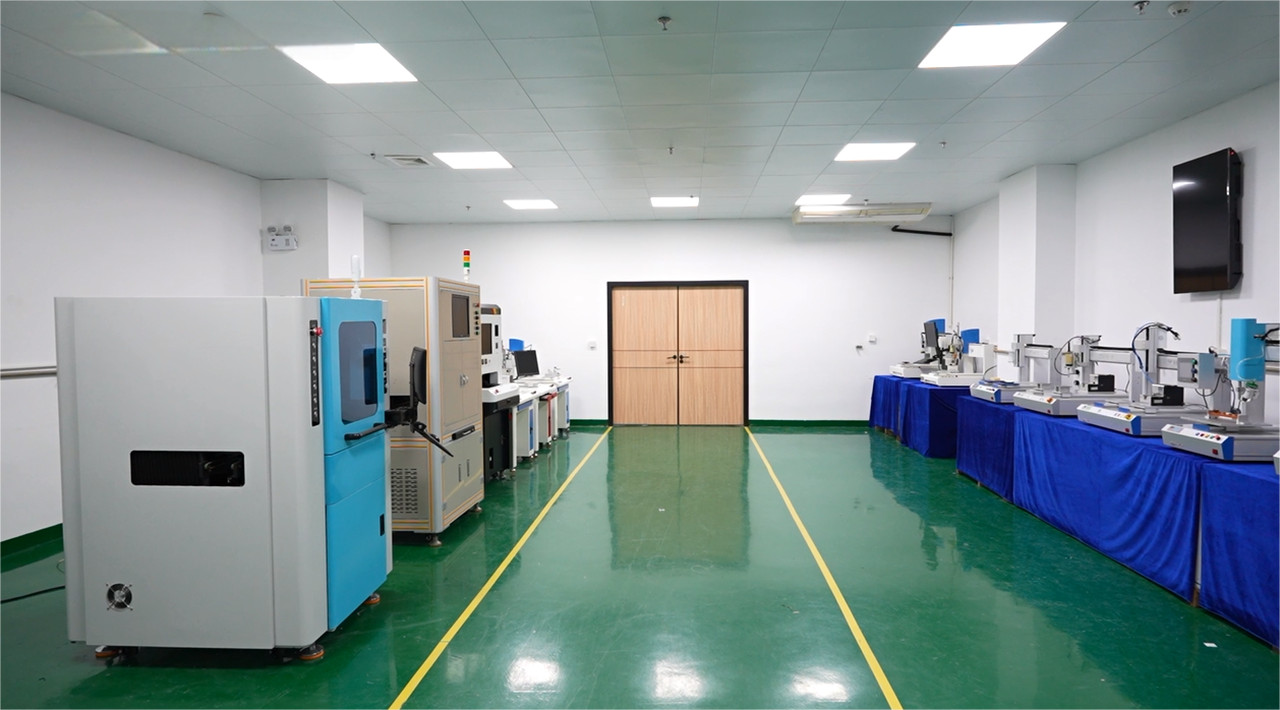
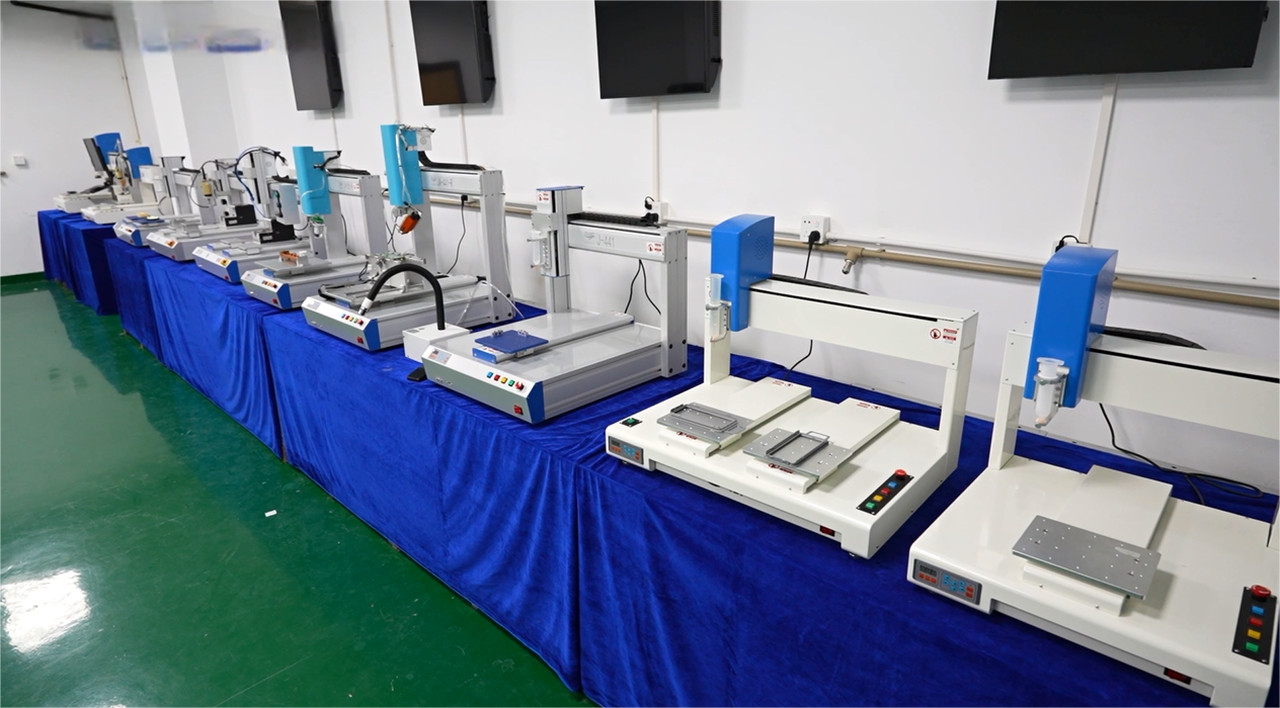
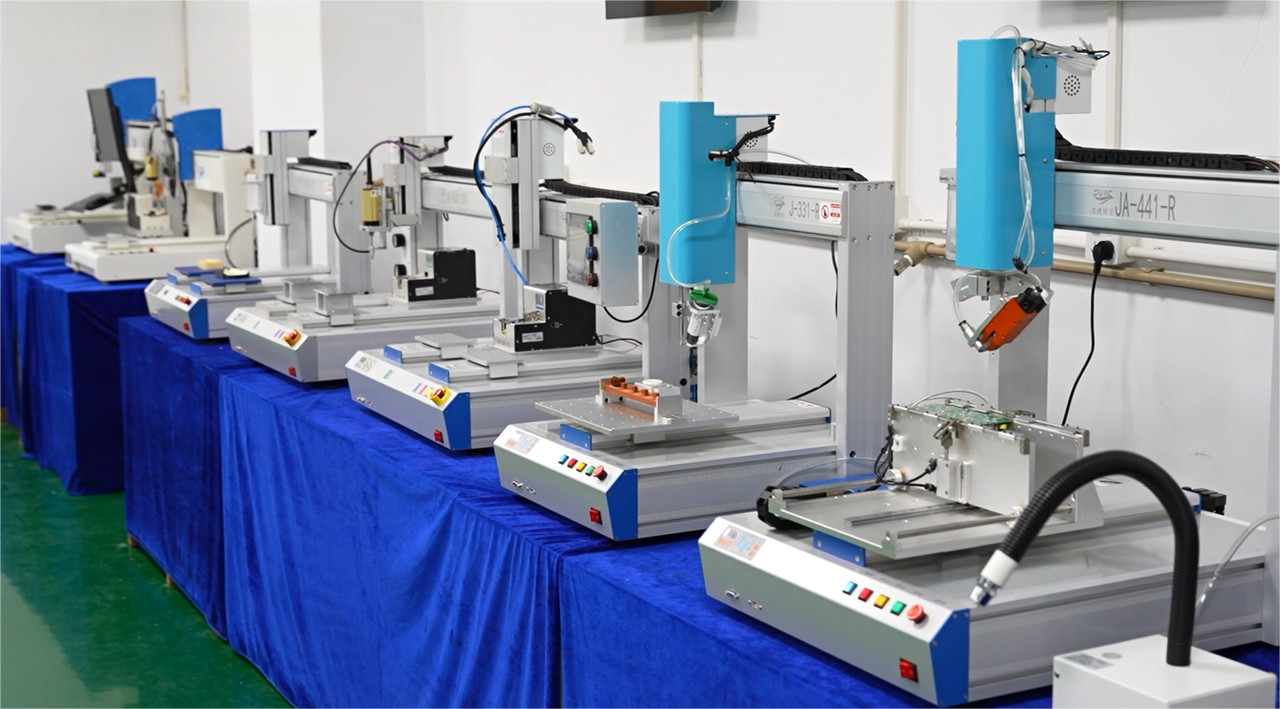
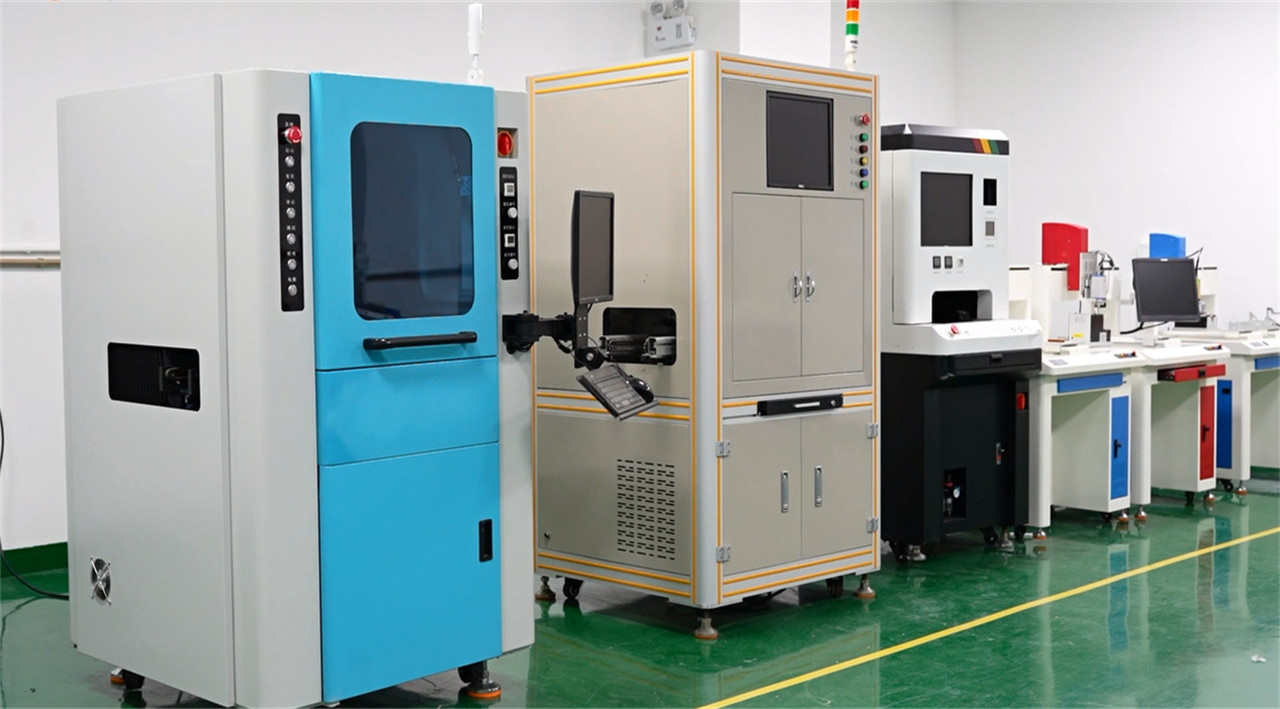
Anyco is fully prepared to handle demanding regulatory requirements across different regions. Our machinery portfolio holds complete CE certifications, ensuring adherence to European safety and environmental standards. We understand the specific testing protocols necessary for integration into automotive and industrial environments.
To support global supply chains, we maintain sales and service networks in primary manufacturing zones. Our local partners in Southeast Asia (Thailand, Vietnam), North America (Mexico), and Morocco provide prompt technical support, replacement nozzle parts, and fluid fine-tuning services. This localized service model minimizes down-time during integration and system maintenance.
Fully compliant with European electrical and mechanical safety rules.
Traceable manufacturing stages with certified calibration tools.
Onsite engineering support and remote calibration help.
Key parameters for technical procurement teams sourcing custom thermal interface materials and high-precision dispensing equipment.
Bulk conductivity is a property of the paste, but apparent conductivity is influenced by surface preparation and assembly pressure. High-performance components need optimized viscosity to squeeze out microscopic air pockets.
Thermal pastes should exhibit shear-thinning behavior under dispensing pressures, yet remain stable without sagging once applied. This helps keep critical areas well covered before final heatsink assembly.
High-conductivity pastes contain heavy particle loads that can wear down standard valves. Using specialized tungsten-carbide or ceramic components in Anyco jetting systems helps prevent early mechanical wear.
Common questions regarding technical parameters, application setup, and dispensing options.
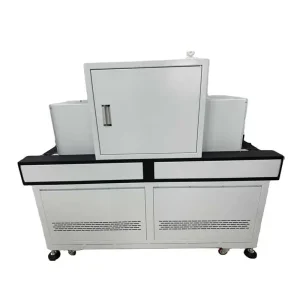
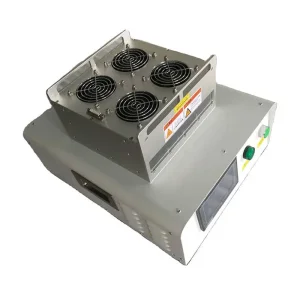
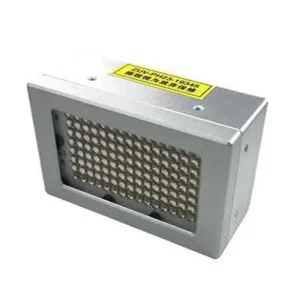
View our advanced equipment range, including micro-valves, conformal coating systems, and high-efficiency UV light systems.
 Anyco Automation