Industrial Precision Dispensing Valves Factories & Service for the San Francisco Market

High-Speed Fluid Control Engineering & Micro-Dispensing Solutions Tailored for Biotech, Semiconductor, Aerospace, and Advanced Electronics Manufacturing

Send Inquiry Now

San Francisco Bay Area Industrial Dynamics

The San Francisco Bay Area—stretching from the Silicon Valley hardware innovation centers to the clinical biotech corridors of South San Francisco and East Bay manufacturing hubs—demands unparalleled precision in fluid dispensing. As assembly tolerances shrink down to micrometer and nanometer scales, standard dispensing systems fail to meet compliance, yield, and throughput metrics.

Whether dispensing reactive UV adhesives for wearable electronics, dosing bio-reagents for diagnostic microfluidic chips, or depositing heat-conductive pastes for autonomous vehicle sensors, precision valves represent the critical component in automation lines. High-speed non-contact jetting technologies and volumetric screw extrusion systems allow manufacturers to optimize liquid volume deposition down to sub-nanoliter accuracy, eliminating issues like stringing, satellites, and structural degradation.

Key Target Segments in Northern California:
  • Biotech & Medical Devices: High-accuracy dosing for drug delivery systems, lab-on-a-chip diagnostics, and surgical tool encapsulation.
  • Semiconductor Packagings: Underfill, die attachment, and glob top encapsulation processes.
  • Automotive Electronics & EV Battery: Structural adhesive bonding and thermal interface material (TIM) application for electric drivetrains.
Industrial Dispensing Systems Development

Technological Framework & Material Selection Guide

Mapping engineering specifications to chemical behaviors and manufacturing objectives.

Choosing the correct valve mechanism depends on three fundamental fluid parameters: viscosity, particle suspension density, and application style (contact vs. non-contact/jetting). The table below outlines how our engineering team matches technology to application parameters for San Francisco client bases:

Valve Family Underlying Technology Viscosity Limit (mPa·s) Target Application San Francisco Industry Fit
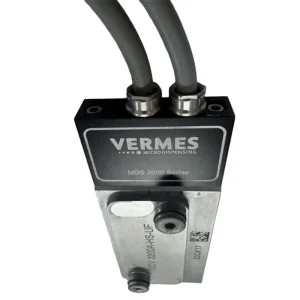
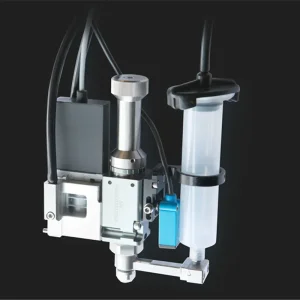
Piezoelectric Jet High-speed piezoelectric stack actuator (up to 3000Hz) 1 - 200,000 Underfill, LED encapsulation, flux jetting, conformal coating Silicon Valley microelectronics & semiconductor packaging
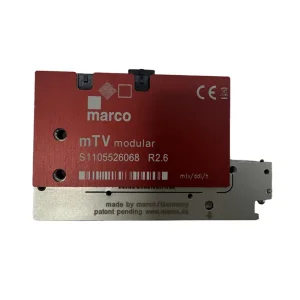
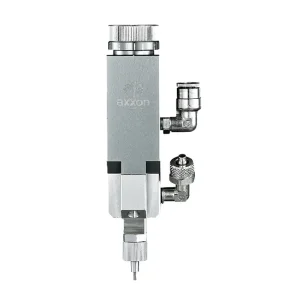
High-Speed Solenoid Pneumatically / electro-mechanically driven solenoid plungers 1 - 50,000 Rapid dotting, micro-dispensing, line drawing, sealing Lithium battery manufacturing & consumer device assembly
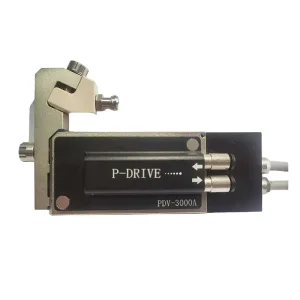
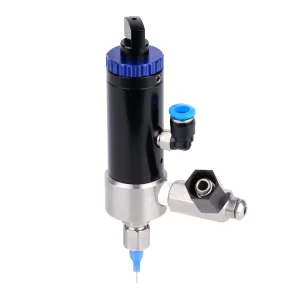
Micro Needle High-resolution mechanical needle stroke adjustability 1 - 100,000 Adhesive bonding, precision oiling, medical solvent injection Bio-pharma device validation & lab-on-a-chip assembly
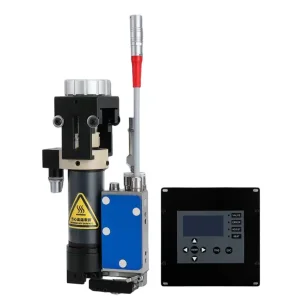
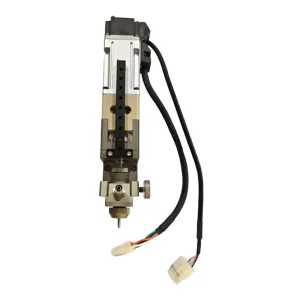
Rotary Screw Positive displacement auger screw with micro-stepping motors 10,000 - 1,000,000+ Thermal greases, solder pastes, epoxy resins containing glass beads Aerospace assembly & EV powertrain thermal management

Additionally, material behavior under shear stress (thixotropic vs. dilatant fluids) requires specific nozzle structures. For example, abrasive thermal interface materials (TIMs) containing ceramic fillers will quickly erode standard stainless steel needle nozzles. Our engineering facility utilizes sapphire inserts and tungsten carbide components to withstand high abrasive wear, ensuring consistent micro-liter accuracy over millions of operating cycles.

China Industry 4.0: Supply Chain Resilience & Efficiency

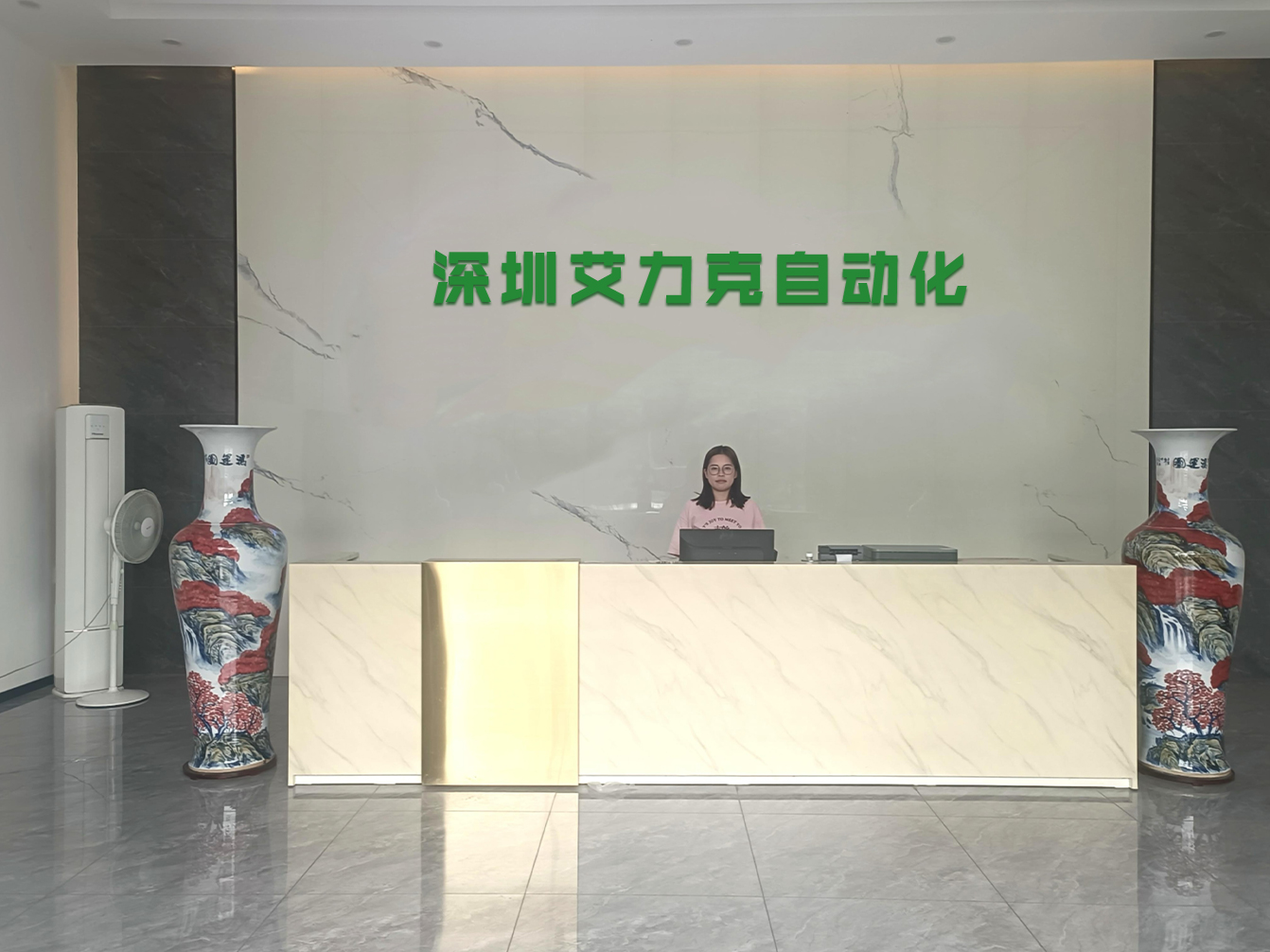
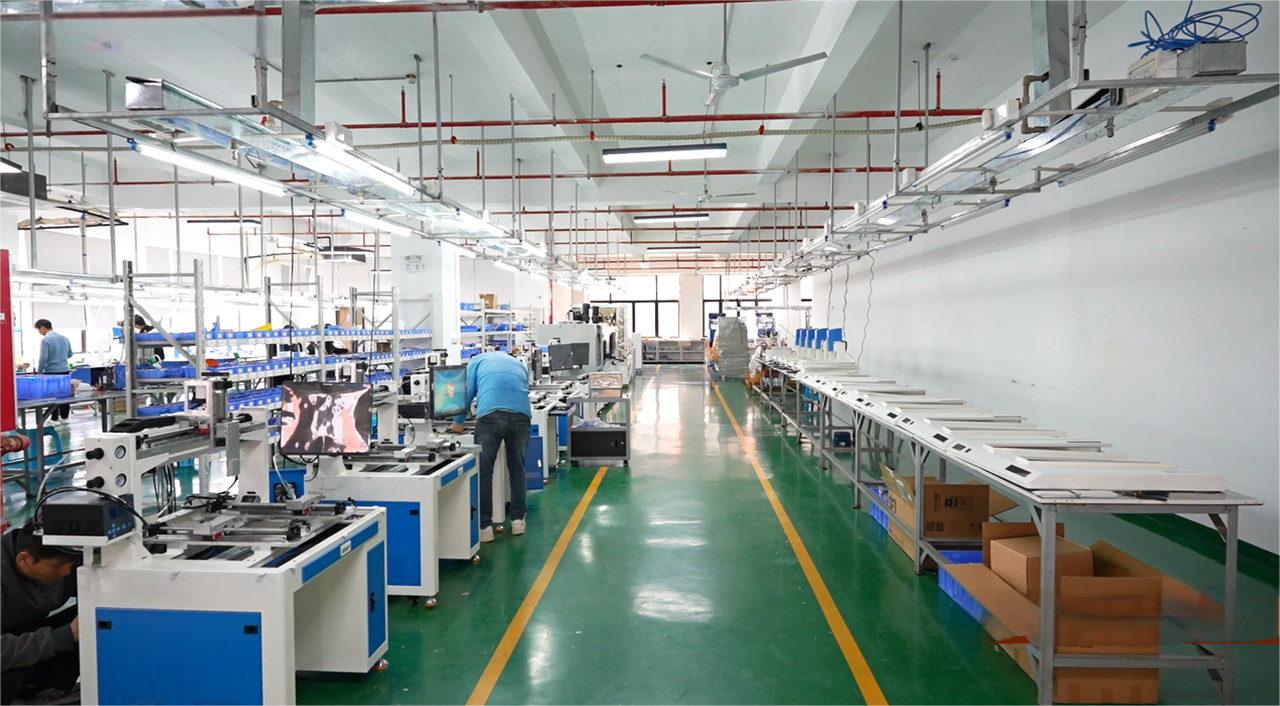
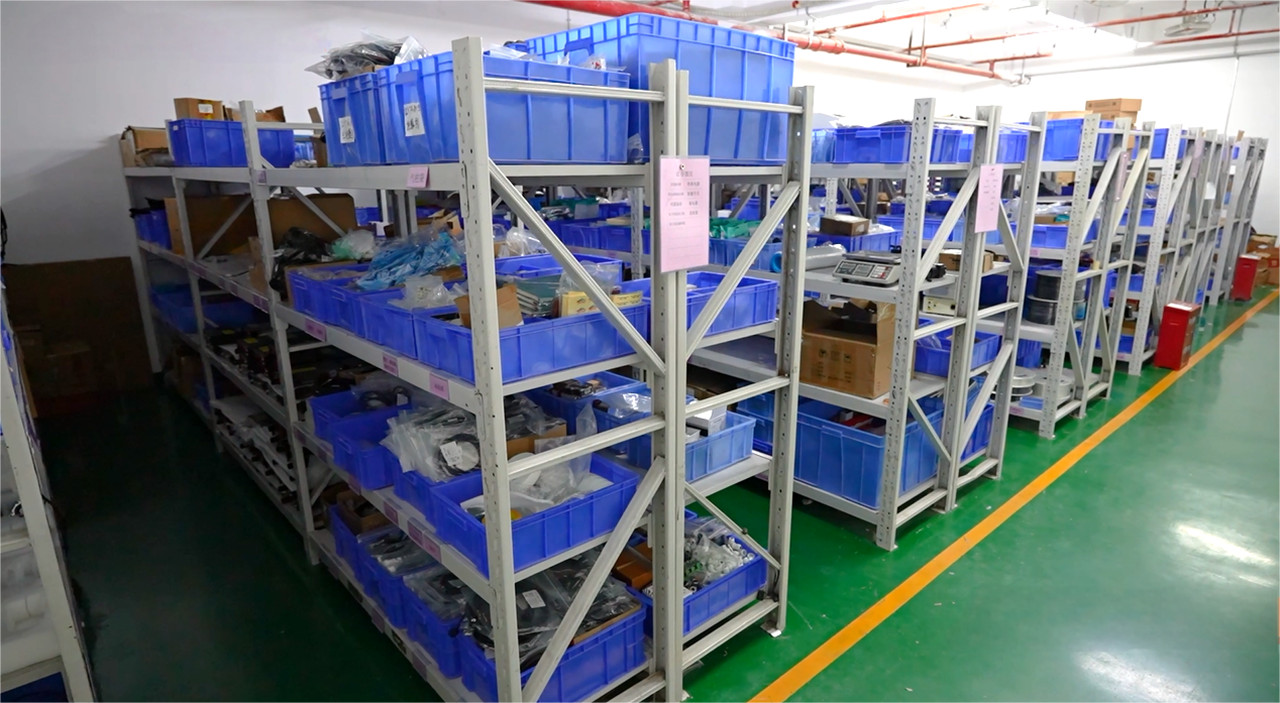
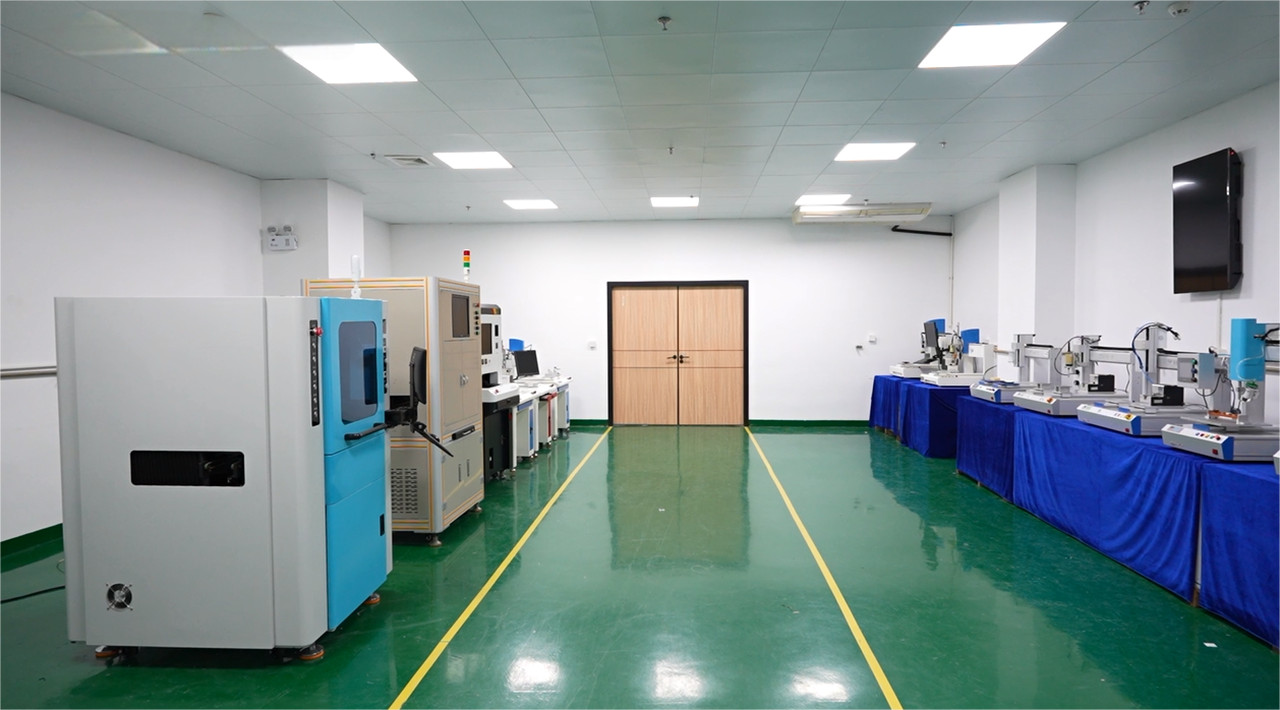
Founded in 2013, Shenzhen Anyco Automation Equipment Co., Ltd. is a national high-tech enterprise integrating research, development, precision manufacturing, sales, and after-sales service. With our headquarters located in Guanlan, Shenzhen, and our dedicated manufacturing base in Huizhou, our combined facilities span over 2,000 square meters of high-precision CNC machining centers and testing environments.

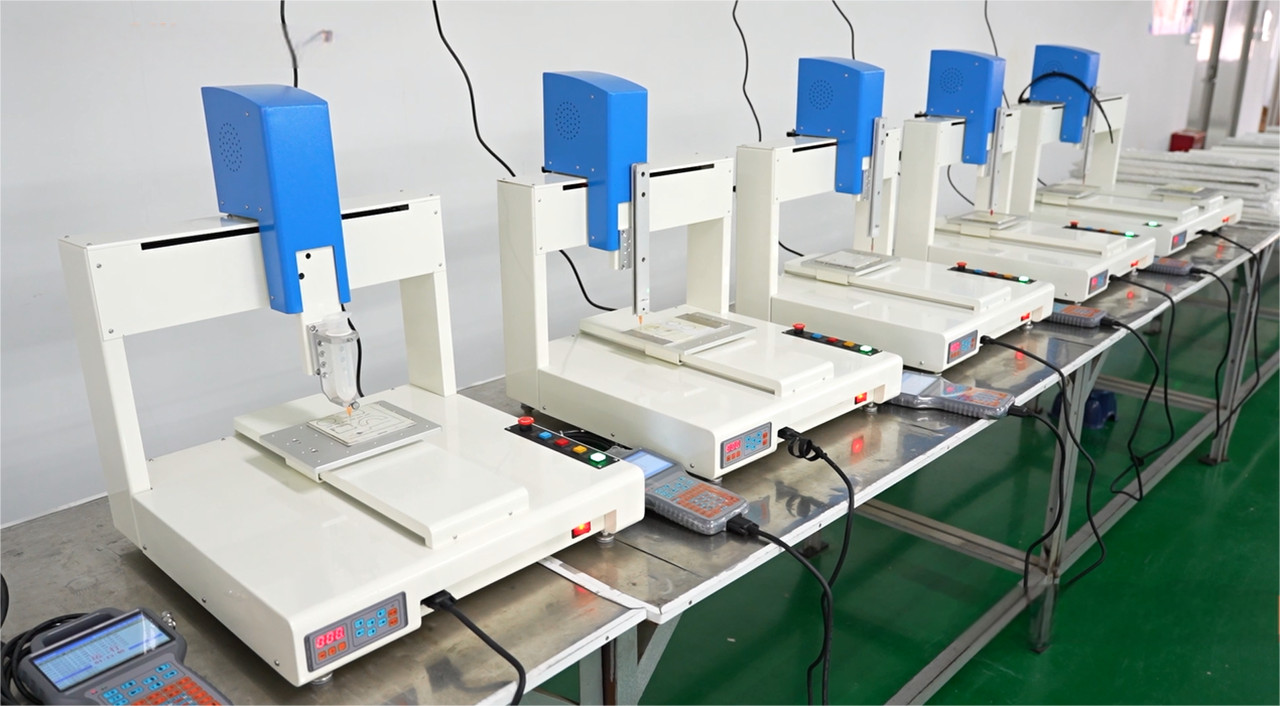
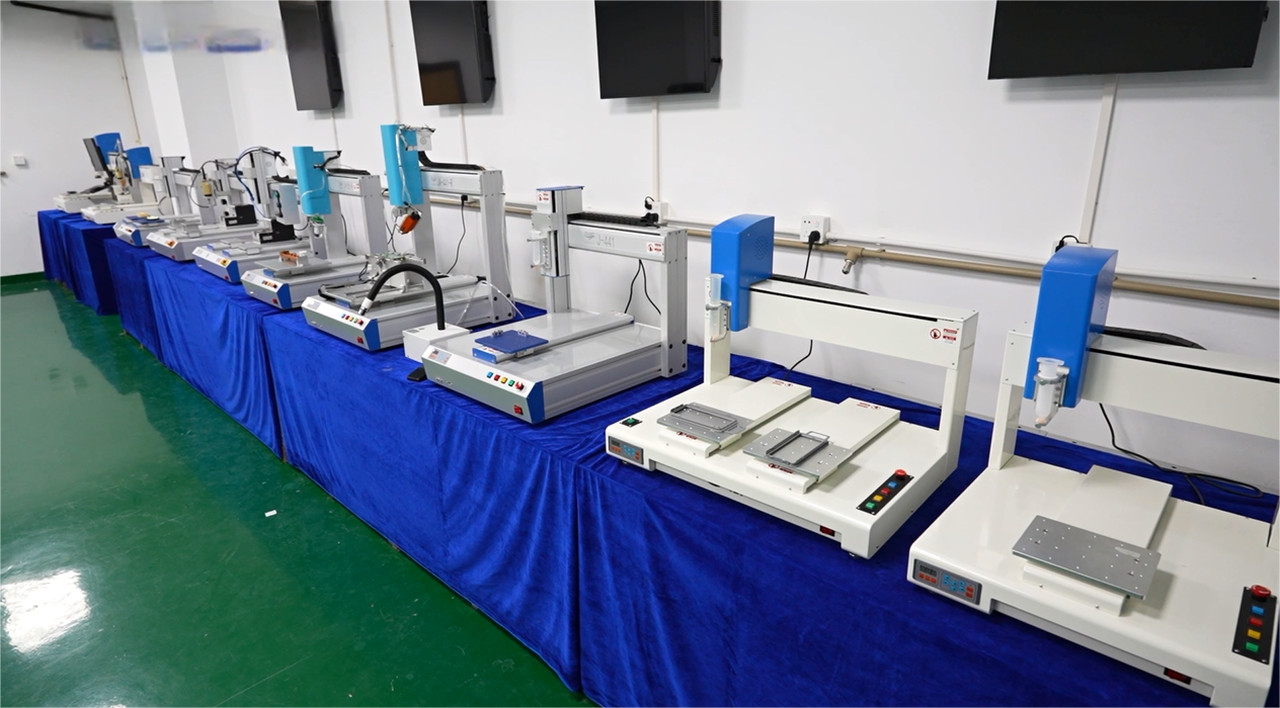
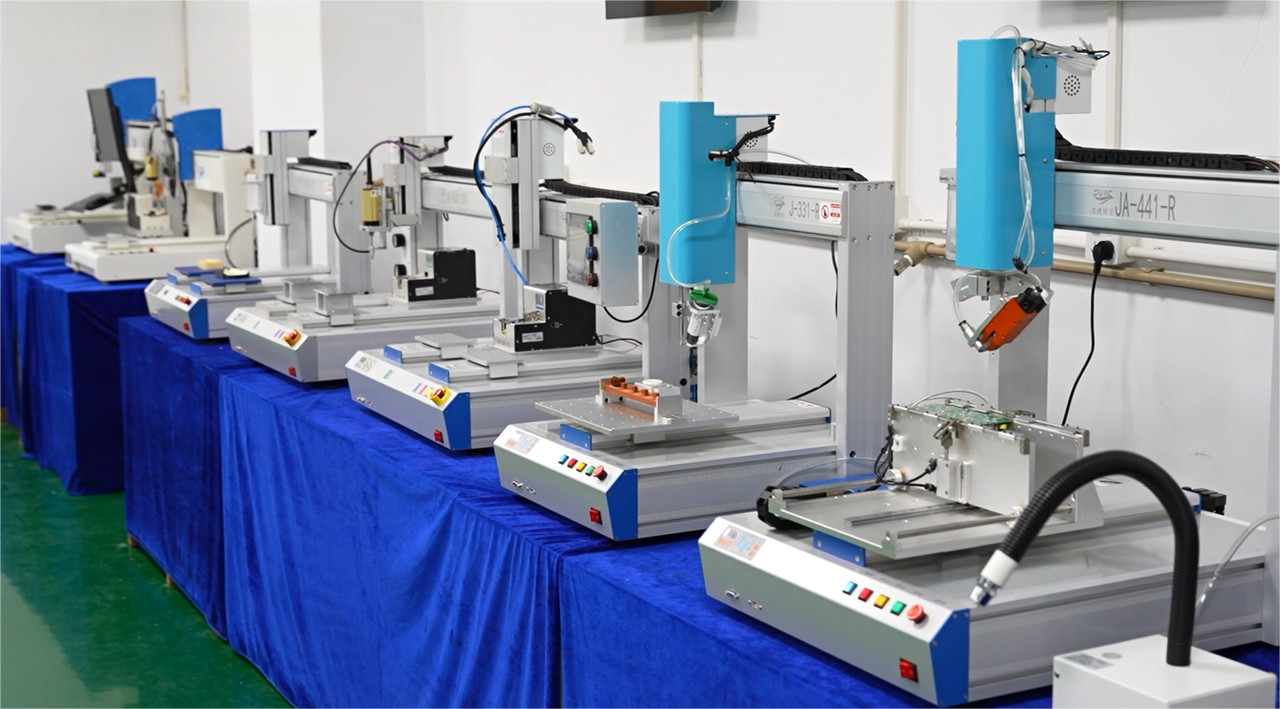
Anyco specializes in high-volume production of precision industrial dispensing valves, automated dispensing machines, and customized consumables. Our medium-to-high-end position guarantees that components undergo rigorous validation tests—using specialized interferometers and high-speed vision capture systems—before international shipping. By leveraging China’s integrated industrial supply chain, we offer high-grade engineering materials (e.g., Japanese tungsten steels, high-frequency German piezo ceramics) at highly competitive prices, helping US firms optimize manufacturing margins.

Strategic Value Add for Global Procurement & OEM/ODM

Our OEM/ODM pipeline offers one-to-one design consulting. For North American enterprises, this means we can quickly adapt fluid contact parts to meet specific chemical formulations, construct customized multi-valve manifold integrations, and design tailored thread configurations (e.g., American/Japanese thread adapters) for seamless integration with existing robotic workcells.

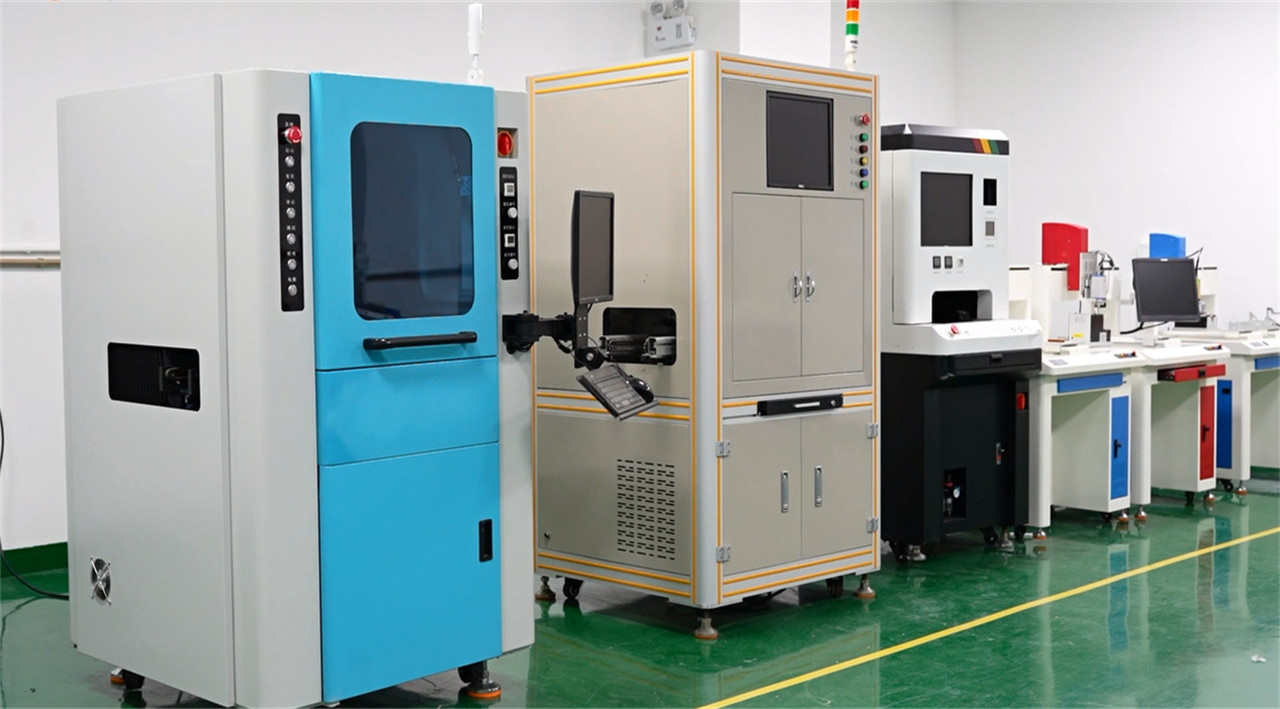
Anyco Automated Fluid Testing and Calibration

Local Support, Integration, & Compliance

Ensuring local operations comply with environmental, safety, and operational standards.

FDA & Cleanroom Compliance

For medical devices and bio-pharma customers in San Francisco, Anyco provides optional SS316L fluid pathways, FDA-approved seals (FFKM/PTFE), and ISO-compliant packaging formats. This eliminates leaching risks and ensures chemical compatibility with sterile medical fluids.

CE & OSHA Safety Standards

All high-speed electronic drivers, UV curing modules, and pneumatic control boxes conform to CE requirements. Systems are optimized for integration into modern, enclosed robotic gantries to satisfy OSHA workspace safety guidelines.

Responsive Remote Assistance

We bridge the geographical gap with dedicated video consultation, 3D CAD step-file validation, and direct shipping of replacement wear components (needles, nozzles, seals) to your manufacturing plant in Northern California within 3 to 5 business days.

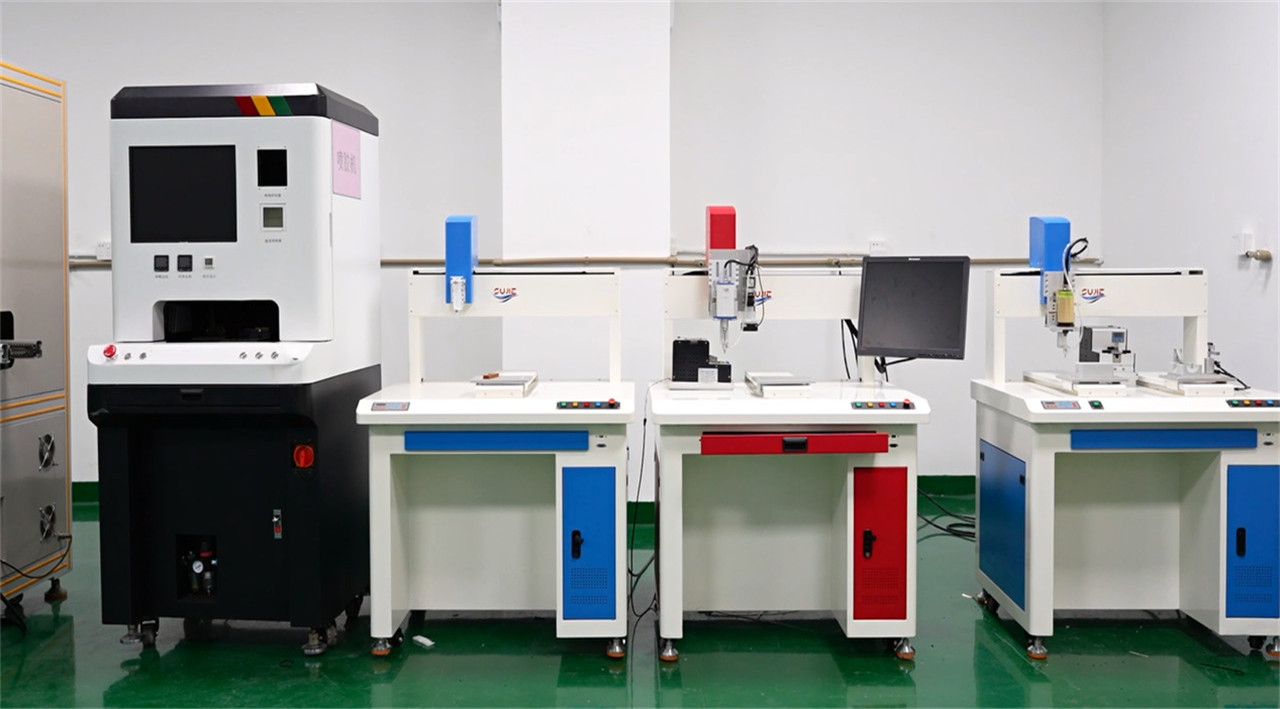
Precision Tooling Machine Assembly
Quality Management System Control Room
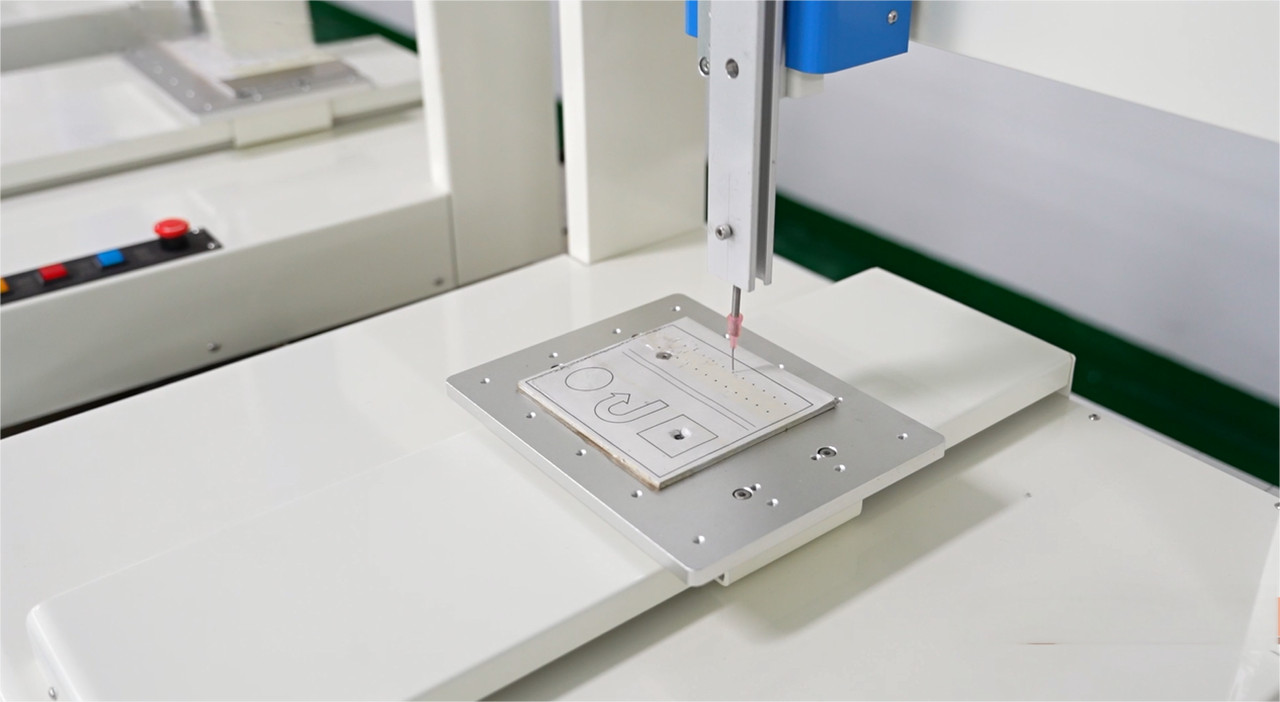
Inspection Platform for Micro Valves

Frequently Asked Questions

Expert engineering insights regarding installation, fluid management, and maintenance.

1. What are the key differences between Piezoelectric Jet Valves and Pneumatic Solenoid Valves?
Piezoelectric Jet Valves utilize high-expansion ceramic stacks to drive the plunger, achieving operational frequencies up to 3000 Hz. This design enables precise fluid droplet sizes without physical surface contact, making it ideal for thin coatings and tight spaces. Pneumatic Solenoid Valves rely on air pressure cycles and return springs. While highly reliable for micro-needles and bead lines, they typically operate at lower speeds (around 100-300 Hz) and are better suited for contact-based dispensing of low-to-medium viscosity fluids.
2. How does Anyco ensure compatibility with corrosive or reactive chemical formulas?
We perform chemical compatibility assessments for each project. Our fluid-contact components are machined from high-grade materials like SS316L, tungsten carbide, and synthetic sapphire. For seals, we utilize fluoroelastomers (FKM), perfluoroelastomers (FFKM), or polytetrafluoroethylene (PTFE) to resist swelling or degradation when exposed to aggressive industrial solvents, cyanoacrylates, or anaerobic sealants.
3. Can Anyco design custom threads or mounting layouts for existing robotic arms?
Yes, our OEM/ODM custom development program supports this. We design custom mounting plates and mechanical adapters compatible with standard Cartesian robots and multi-axis collaborative robotic arms. Additionally, we provide adapter fittings to transition between American, Japanese, and European thread standards on syringe barrels and fluid feed tubes.
4. What quality control procedures do the dispensing valves undergo?
Each valve undergoes a multi-stage inspection process. First, CNC-machined parts are checked using coordinate measuring machines (CMM) to ensure sub-micron tolerances. After assembly, valves undergo dry pressure testing for air leaks, followed by dynamic fluid testing using high-speed vision inspection systems. This step verifies spray angle consistency, flow rate stability, and droplet volume uniformity across extended duty cycles.
5. What is the typical lead time for shipping from your Huizhou factory to the San Francisco Bay Area?
Standard product orders are typically processed and shipped within 3 to 7 business days via reliable express air freight (such as DHL, FedEx, or UPS), with transit times to Northern California averaging 4 to 6 days. For customized OEM/ODM components, design validation and manufacturing cycles vary from 3 to 6 weeks, depending on design complexity and material requirements.