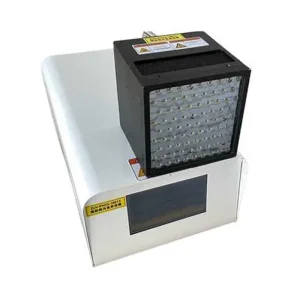
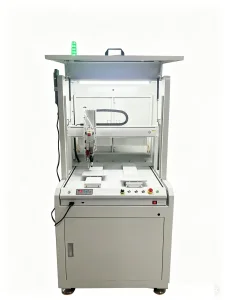
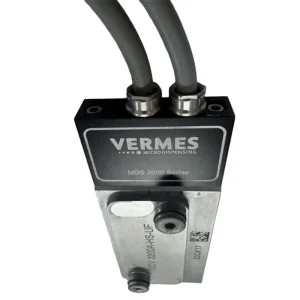
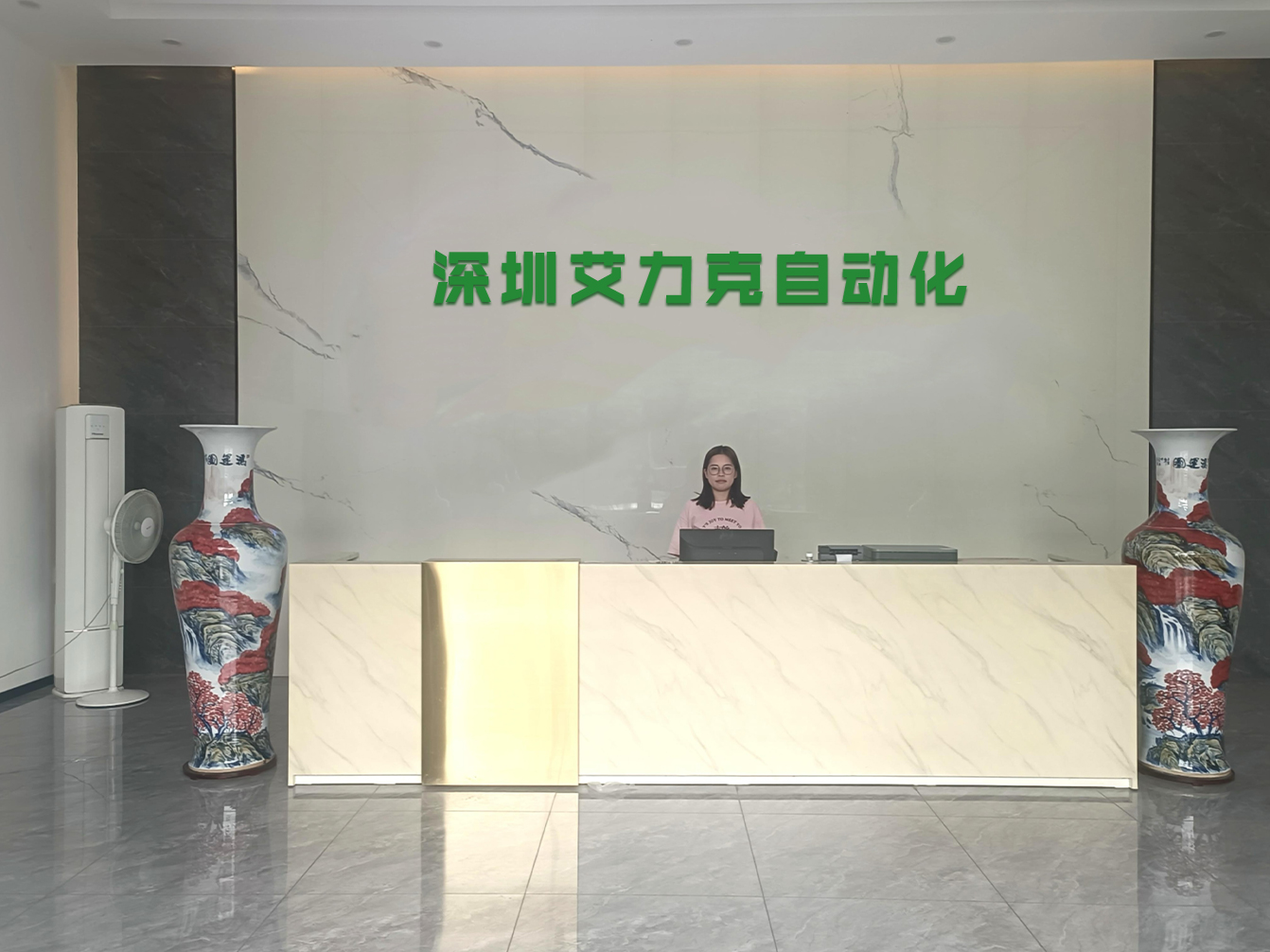
Established in 2013, Shenzhen Anyco Automation Equipment Co., Ltd. is a national high-tech enterprise integrating research, development, manufacturing, sales, and specialized technical support in automated fluid control equipment and high-precision consumables. Headquartered in Guanlan, Shenzhen, with a modern manufacturing plant in Huizhou spanning over 2,000 square meters, Anyco operates as a one-stop factory for bespoke dispensing components.
Anyco specializes in high-volume, premium precision industrial dispensing injection valve components, dispensing nozzles, and custom industrial consumables designed to meet mid-to-high-end specifications. Leveraging proprietary engineering assets and deep expertise in microfluidics, Anyco delivers intelligent fluid control solutions tailored to standard and complex manufacturing workflows.
Our primary international markets include Southeast Asia, India, Vietnam, Thailand, North America (Mexico), and Africa (Morocco). By combining competitive cost efficiencies with stringent manufacturing standards, we have built a solid reputation for quality and reliability across these regions.
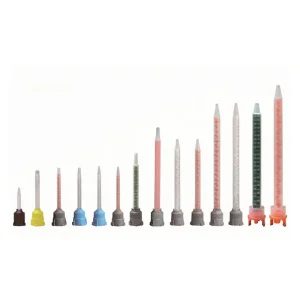
Anyco focuses on direct OEM/ODM customization services. We collaborate closely with clients to customize product architectures—such as custom anti-clog dispensing tips and specialized nozzle profiles—to meet exact fluid viscosity and cycle time criteria. Our systems are used in home appliances, consumer electronics, and automotive assembly lines globally, providing high-precision fluid placement under demanding production conditions.
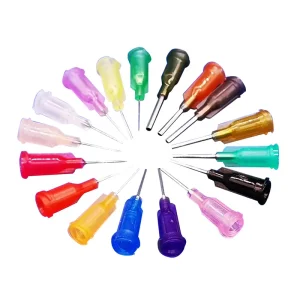
Fluid dispensing in modern industrial automation requires managing high-viscosity, fast-curing, or particulate-loaded materials without disrupting production. Standard tips often suffer from clogging, fluid shearing, and tailing. Anyco's custom anti-clog dispensing tips are designed to address these fluid dynamics challenges.
We utilize custom conical taper profiles and smooth transitions rather than sharp internal steps. This reduces fluid flow resistance, prevents dead zones where materials can pool and cure, and maintains stable pressure curves throughout the dispensing cycle.
Our internal flow channels are electro-polished to minimize surface roughness (typically reaching Ra < 0.2μm). This ultra-smooth finish helps prevent polymer adhesion, minimizes mechanical friction, and reduces localized heat build-up that can trigger curing in thermosensitive adhesives.
We apply hydrophobic, oleophobic, or fluoropolymer internal coatings (such as specialized PTFE-based layers). These coatings reduce surface energy, helping to ensure clean material release at the tip and preventing secondary clogs from tailing or dripping.
As micro-dispensing requirements approach sub-micron and picoliter scales, traditional needle materials and manufacturing processes must evolve. Anyco is developing new designs and manufacturing technologies to support the next generation of automated assembly.
We are transitioning from standard stainless steel (SUS304/SUS316) to advanced technical ceramics (like Zirconia and Silicon Nitride) and Tungsten Carbide alloys. These materials offer superior wear resistance against abrasive fillers (such as thermal interface materials) and maintain dimensional stability over longer production runs.
We are researching integrated micro-vibrational and ultrasonic technologies within the dispensing head. By introducing high-frequency, low-amplitude pulses directly to the tip, we can prevent particulate aggregation and maintain consistent fluid flow during micro-dispensing operations.
We are developing smart dispensing nozzles equipped with miniature pressure and flow sensors. These sensors monitor flow rates, identify initial pressure deviations that suggest clogging, and feed data back to the automated dispensing system to adjust parameters in real-time.
Our anti-clog components are used in smartphone assembly, underfill applications, and camera module encapsulation. They support fast cycle times, precise dot consistency, and clean fluid cutoff when dispensing highly viscous, thixotropic adhesives.
For ADAS camera modules, radar sensors, and battery management systems, our dispensing setups handle abrasive thermal interfaces and protective potting materials with minimal mechanical wear.
Our components support microfluidic diagnostic chip sealing and reagent placement, where consistent volume control and biological/chemical compatibility are critical.
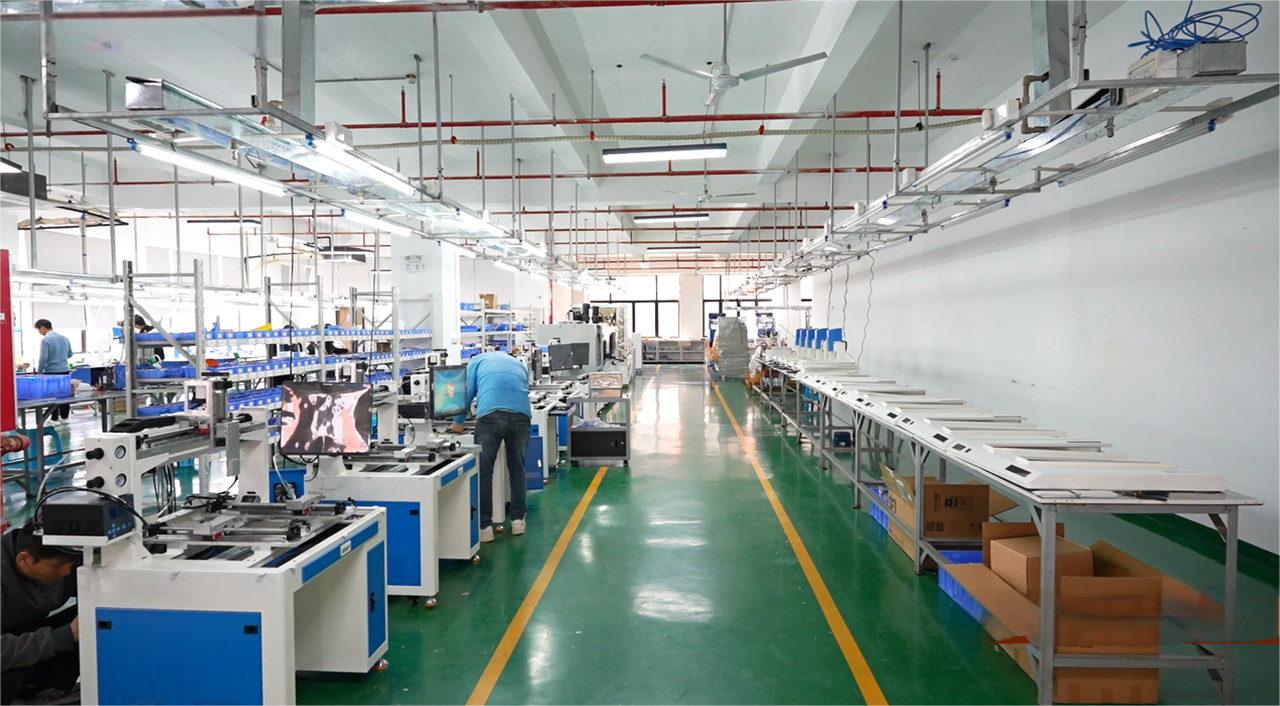
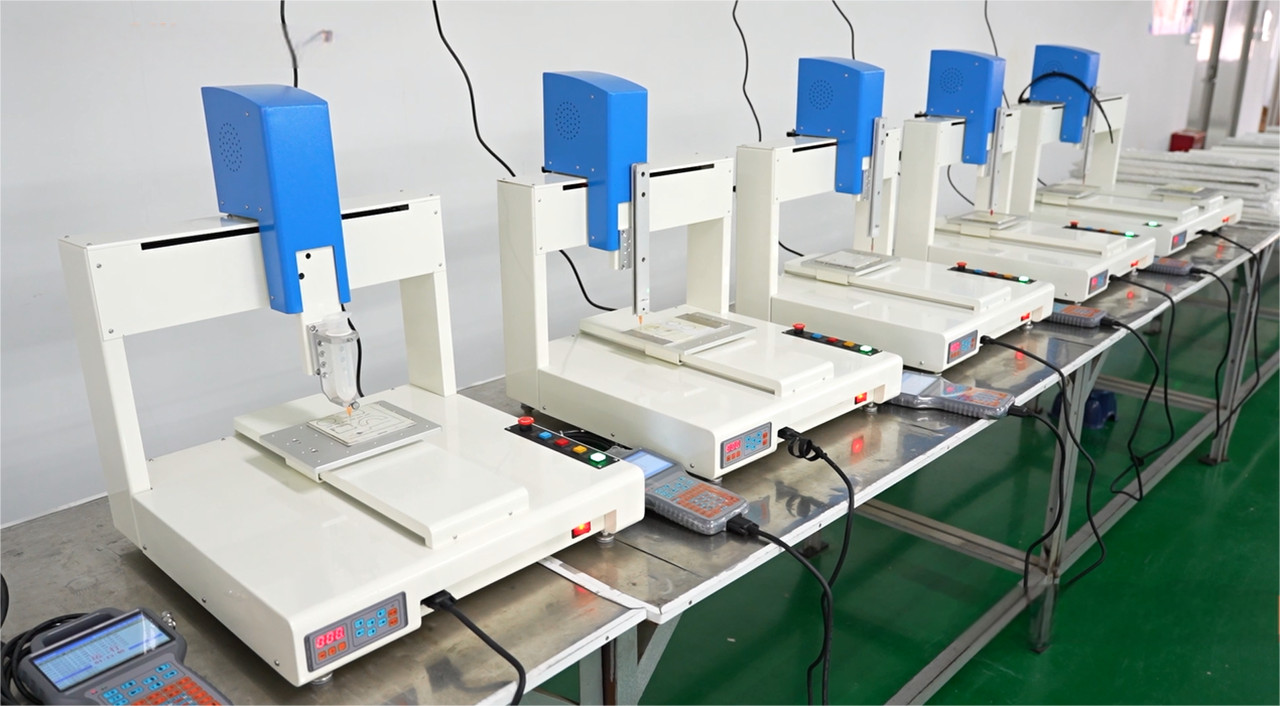
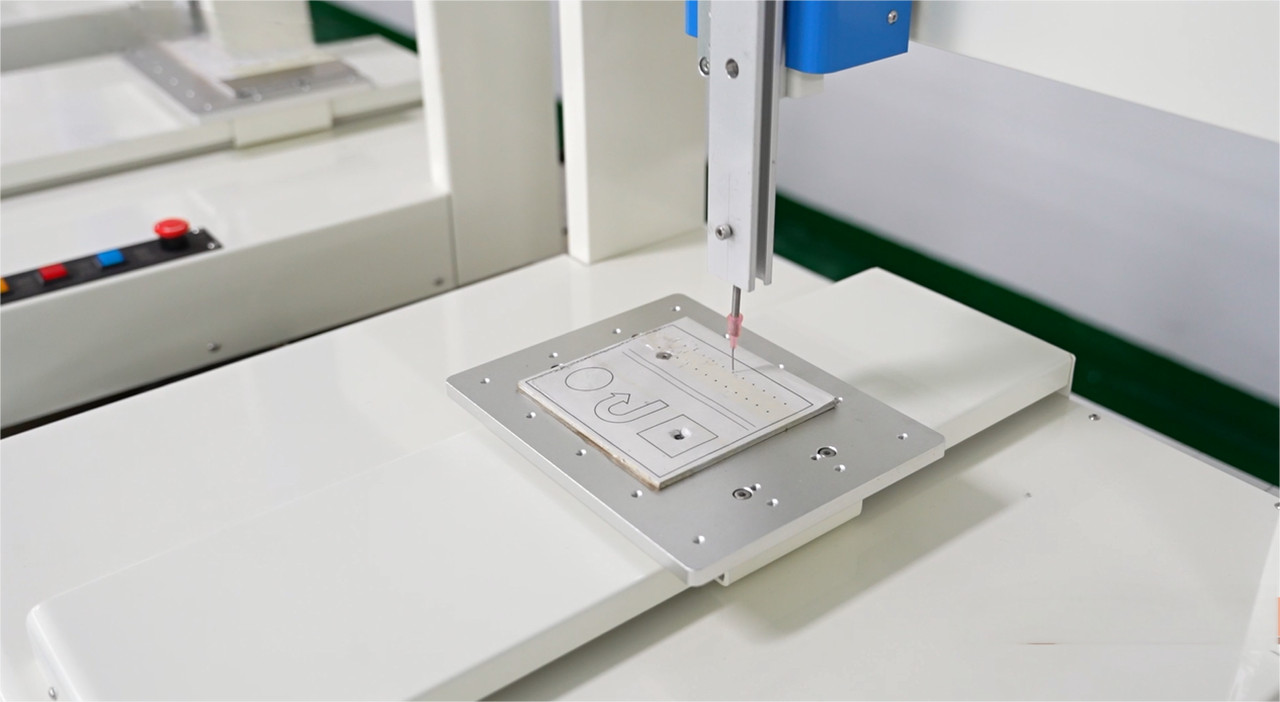
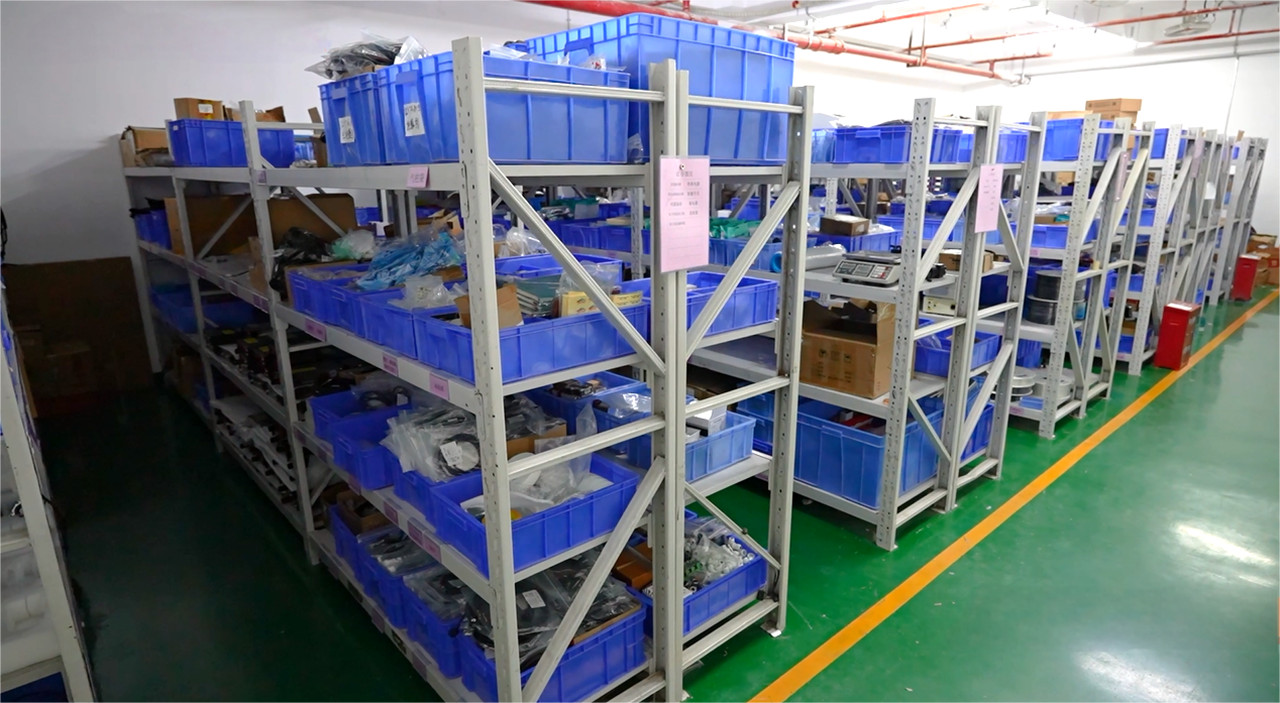
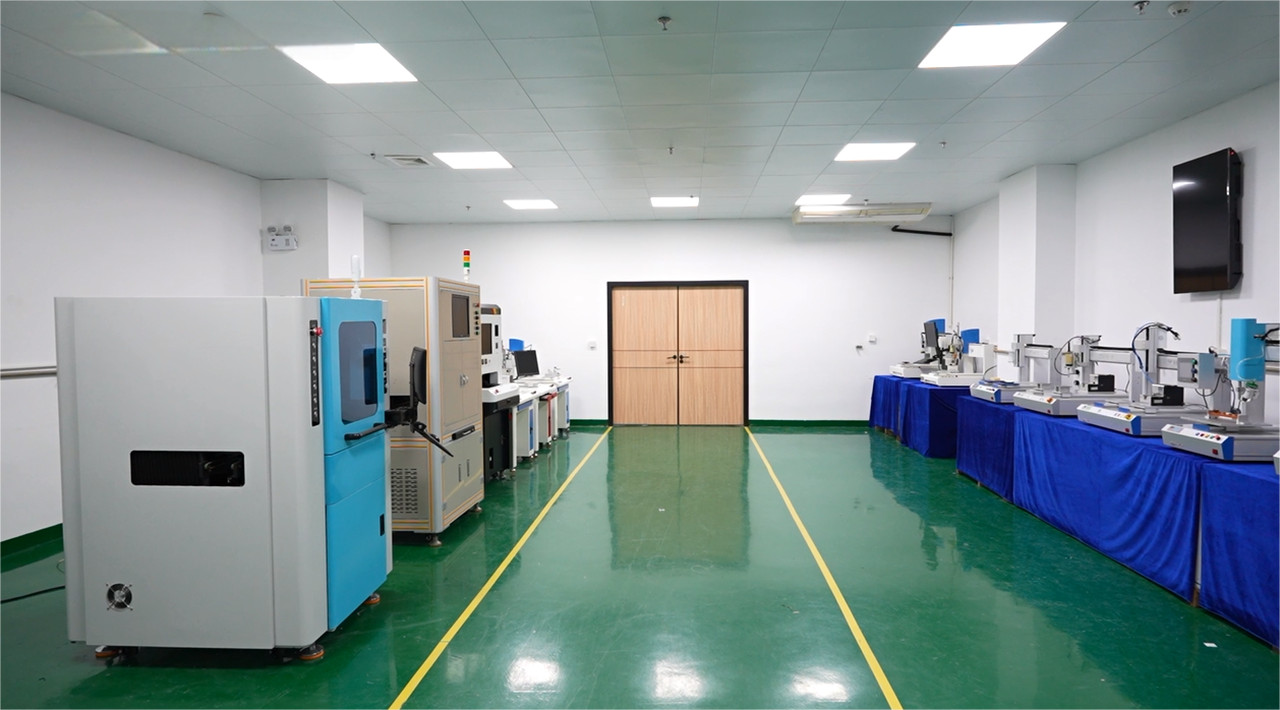
Operating out of a 2,000-square-meter facility in Huizhou, Anyco integrates CNC machining, micro-hole drilling, high-precision surface finishing, and multi-stage cleaning protocols. This in-house setup allows us to monitor quality, control costs, and shorten lead times for custom orders.
Our plant uses digital production tracking to coordinate raw material staging, CNC scheduling, post-processing, and quality control. This visibility helps us manage production capacity, handle large orders smoothly, and quickly adapt to custom configuration requests from our global clients.
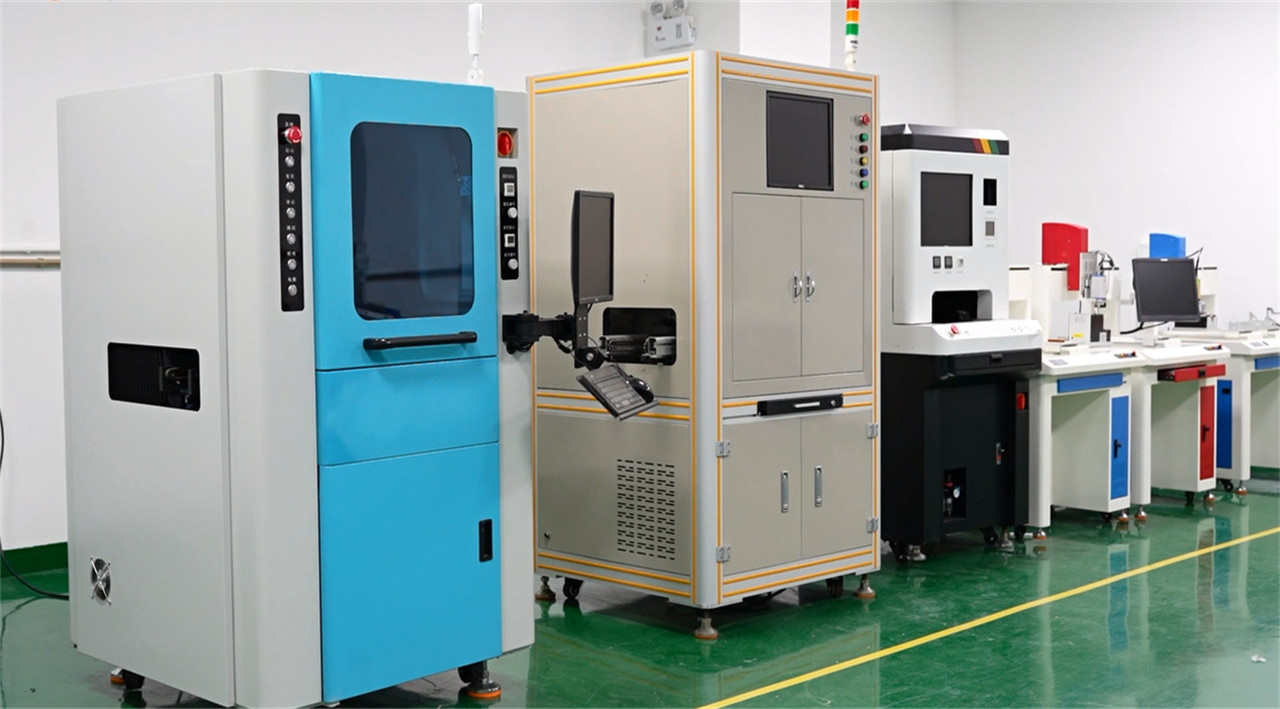
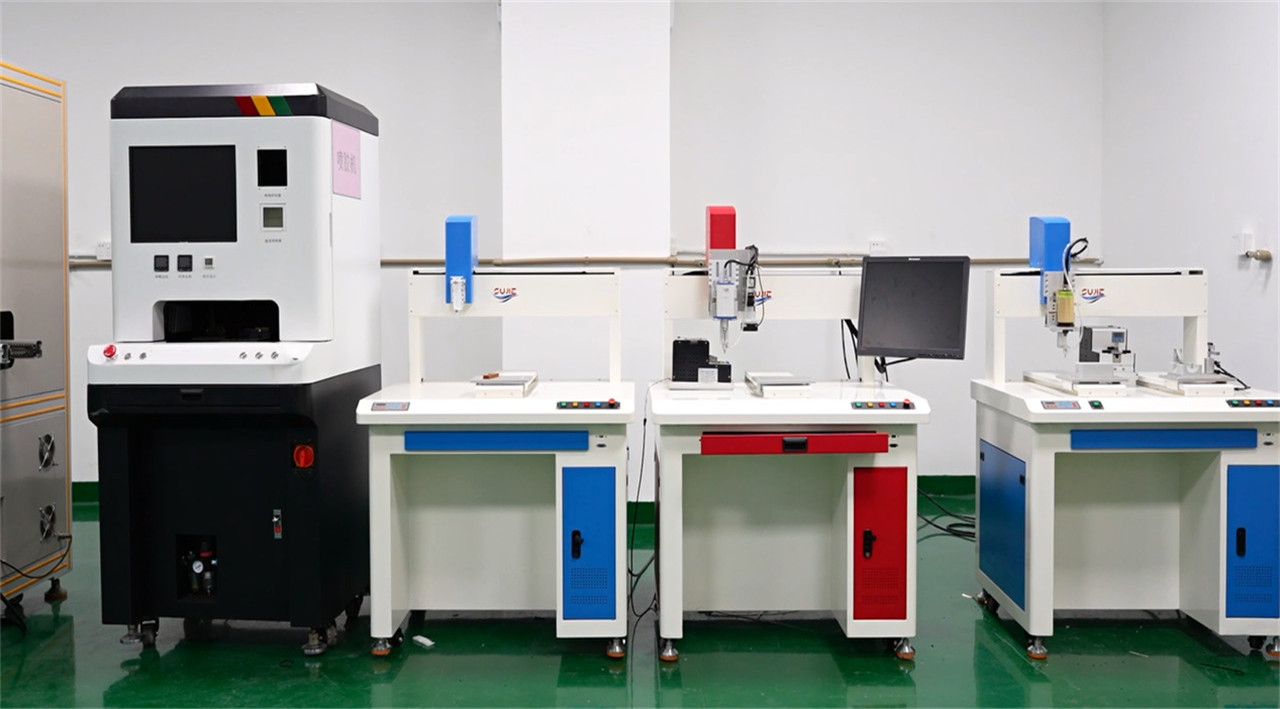
We work with global manufacturing networks, providing technical support, trade compliance documentation, and engineering consultation from prototype through to mass production.
We review your fluid properties (including thixotropic index, solids load, and viscosity), application pressures, and automation parameters. This technical assessment helps us design a nozzle configuration suited to your specific assembly goals.
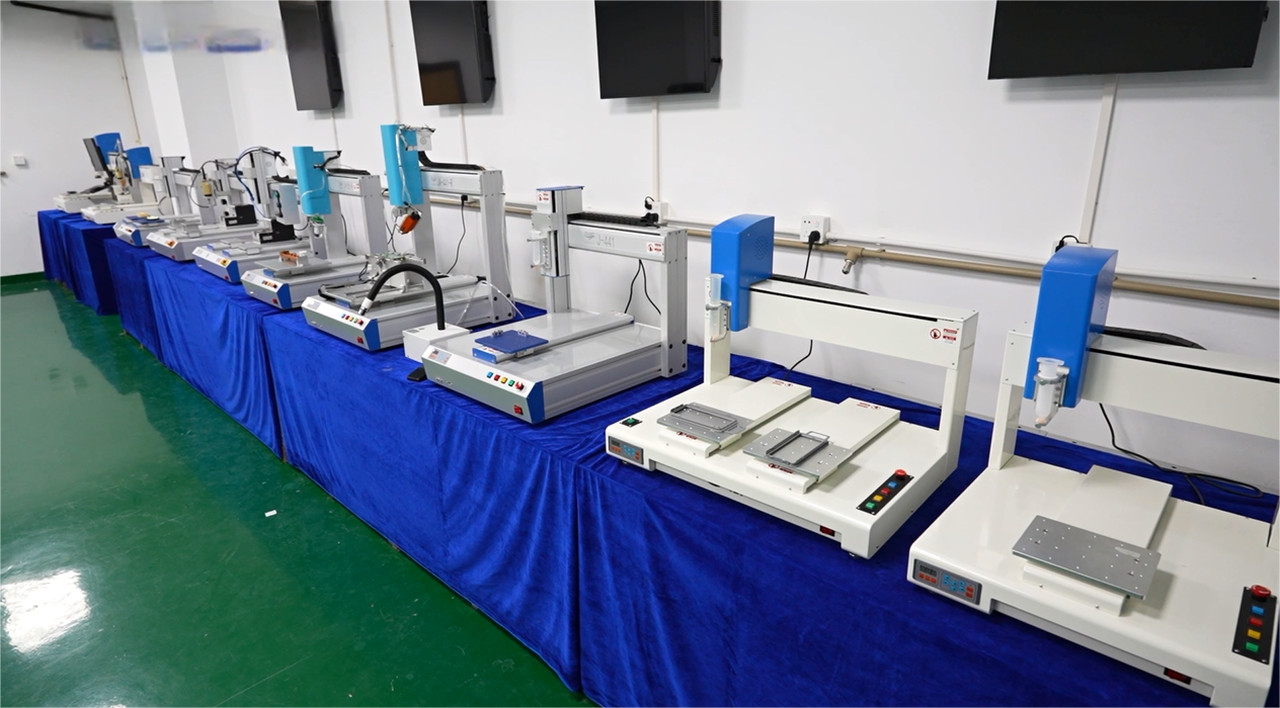
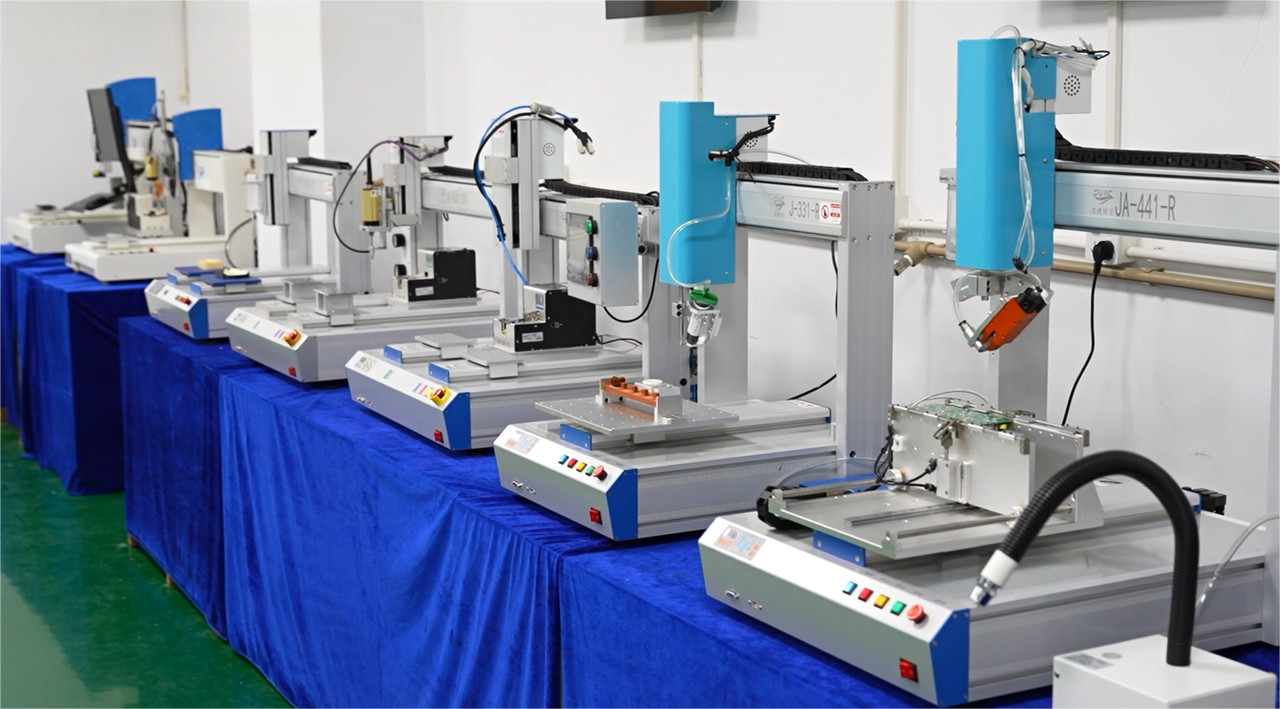
We select materials and coatings based on chemical compatibility and abrasive wear requirements. Prototype samples are built and tested on our lab platforms to verify dot profile, flow rate consistency, and clog resistance before manufacturing begins.
We provide necessary trade compliance documents, including material test certificates, CE certifications, and RoHS compliance reports. Our team manages international logistics to ensure delivery to factory sites in Southeast Asia, North America, and Europe.
We manufacture tips using stainless steel (SUS304, SUS316), tungsten carbide, and technical ceramics like Zirconia. The choice depends on the fluid's chemical composition, abrasive particle content, and required wear life.
By eliminating interior corners, internal steps, and dead zones, the taper profile maintains uniform fluid velocity and prevents pressure spikes. This reduces mechanical shear stresses that can cause polymer cross-linking or particle agglomeration inside the fluid channel.
Yes. We design our tips using materials and coatings that resist degradation from aggressive industrial solvents. We also offer light-blocking materials and opaque tip styles to prevent premature curing when using UV-curing and light-sensitive adhesives.
Engineering drawings are typically finalized within 3 to 5 business days. Once the designs are approved, prototyping and production manufacturing cycles generally take between 2 to 3 weeks, depending on quantity, geometry, and specialized coating requirements.
Yes. Our equipment and relevant accessories comply with CE standards, and we provide material certification, surface roughness verification documents, and RoHS compliance reports on request.
 Anyco Automation